Source
Captured Post Date: 2025-07-17 18:30:30
Author:
Translated Content:
Dr. Seyyed Mostafa Sadati-Aramaki, a prominent university professor and nuclear scientist, is known as a symbol of sacrifice, commitment, and resistance in the path of scientific progress and technological independence of Iran. His life and that of his family, which was imbued with love for their homeland and service to science, ended on the evening of Khordad 1404 (1425) in a brutal attack by the Zionist regime on their home in Tehran, and they all attained the high degree of martyrdom.
Personal details of Martyr Mostafa Sadati Aramaki
Full name: Dr. Seyed Mostafa Sadati Aramaki
Place of birth: Aramak village, Kashan, Iran
Place of residence: Tehran, Narmak district
Education: PhD in nuclear physics
Specialization: Nuclear physics and technologies related to Iran's nuclear program
Occupation: Professor at Shahid Beheshti University of Tehran and scientist of Iran's nuclear program
Date of martyrdom: 14 June 2025
Place of martyrdom: Residential house in the Narmak district of Tehran
Method of martyrdom: Assassination in a bombing attack by the Zionist regime
Place of burial: Behesht Zahra Martyrs' Cemetery, Plot 42
The collective martyrdom of the Aramaki family
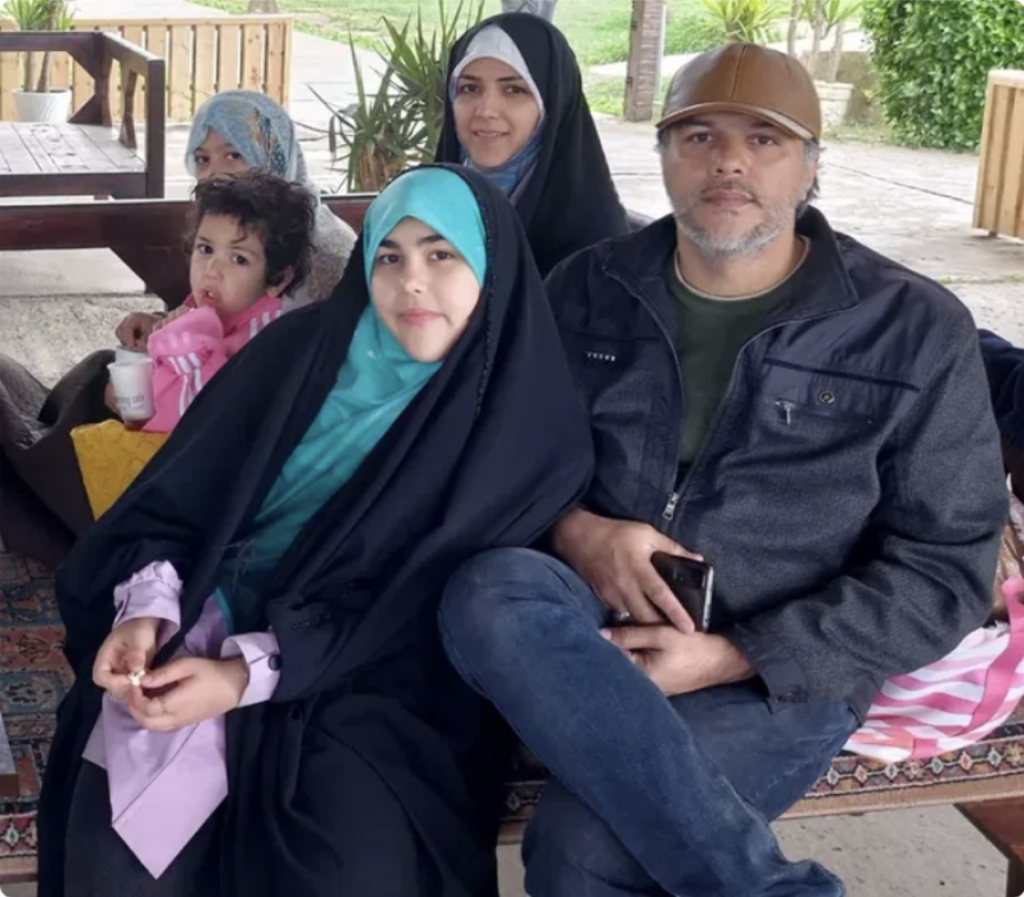
Shaeed Sadati Aramaki with his family
Martyrdom; The night when seven stars flew into the sky
On the evening of 14 June 2025, Dr. Sadati's residential house in the Narmak district of Tehran was targeted by a bombing attack by the Zionist regime. In this horrific crime, seven members of a family were martyred. This attack, which targeted civilian areas, demonstrated the height of the Zionist usurper regime’s cruelty. The extent of the destruction was such that it took days to find the bodies of the martyrs.
The grandmother of the family, who is herself the child of a martyr of the imposed war, recounts how she heard the news of the martyrdom of her loved ones one by one:
“I was convinced that something had happened… The children were whispering to each other: Mustafa was martyred… I was patient, but the heat was unrelenting: Fahimeh was also martyred… I didn’t have more than a few seconds to mourn for each of them because another name of my loved ones was immediately added to the list: Reyhaneh Sadat… Fatima Sadat… Before they mentioned Seyyed Ali’s name, I intervened: General Soleimani, was I also martyred?!”
Martyrs of the Sadati-Armaki family
Martyr's name
Relationship
Age
Description
Dr. Seyyed Mustafa Sadati-Armaki
–
Probably 1970s
Nuclear scientist and university professor
Fahimeh Moghimi and Marzani
Spouse
Unknown
Religious teacher, daughter of martyr Hassan Moghimi and Marzani
Reihaneh Sadat Sadati
15-year-old daughter
Student of the gifted school and Quran memorizer
Fatemeh Sadat Sadati
8-year-old daughter
She was very dependent on her mother
Seyyed Ali Sadati
5-year-old son
She was in love with General Soleimani and his body was identified by DNA testing
Hamid Moghimi
Father, mother, unknown
Sacred Defense veteran
Robabeh Azizi
Mother, mother, unknown
–
Martyr Mustafa Sadati-Armaki
Martyr Fahimeh Moghimi, wife of martyr Mustafa Sadati-Armaki
Personal life And family
Dr. Sadati was raised in a religious and culturally-rooted family in the village of Ermak, Kashan. He married Fahimeh Moghimi Vamrazani, the daughter of a martyr. His wife was a dedicated teacher who endured the hardships of life so that her husband could become a nuclear scientist and serve his country.
This family was an example of a cohesive, religious, and simple-minded family. Dr. Sadati was very interested in his children's studies and spent a significant portion of his salary buying books for them, believing that the blessing of his salary was in the knowledge and awareness of his children.
Reyhaneh Sadati
Reyhaneh Sadati Ermaki
She was an intelligent girl who studied at the gifted school. She was a firm believer in her hijab and even gave up on school field trips so as not to be forced to put away her veil. She was a memorizer of the Quran and, according to her grandmother, always smelled of heaven.
Fatemeh Sadat
Fatemeh, daughter of martyr Sadati Aramki
was a kind and studious girl whose attachment to her mother, Fahimeh, was well-known. Their grandmother used to say: “I know… until Fatimah’s body is found, Fahimeh will not be found either. Wherever they are, they are together, as always.”
Seyed Ali
Ali Sadati Aramki, son of martyr Mustafa Sadati Aramki
The youngest son of the family, loved General Soleimani and walked around the house and behaved like him, which is why they called him “General Soleimani” of the house. His small and light coffin on the day of the funeral was proof that, like his beloved general, not much remained of his burnt body.
The story of the last night
The night before the incident, the family had gathered at Dr. Sadati’s father’s house to celebrate Eid al-Ghadir. After lunch, Mustafa’s phone rang and he had to go somewhere. The children jokingly told him:
“Dad, don’t be afraid, you’re going to be a martyr too, they summoned you!”
Dr. Sadati replied with a smile, but as he was leaving he said to his wife:
“It’s better not to come to our house tonight. Either stay here or go to your parents’ house.”
That same night, Reyhaneh Sadat asked her grandfather while saying goodbye:
“Dad, now that the door of martyrdom has opened, are you praying for me to become a martyr?!”
And hours later, the news of the house explosion in Narmak stunned everyone.
Scientific and professional activities
After receiving his PhD in nuclear physics, Dr. Sadati worked as a professor at Shahid Beheshti University in Tehran and one of the leading scientists in Iran’s nuclear program.
His research focused on sensitive and key areas that played an important role in advancing the country’s technology. He was probably associated with the Atomic Energy Organization of Iran or the Defense Research and Innovation Organization (Sapand), and as an unknown but hardworking scientist, he devoted his life to serving Iran’s scientific and defense goals, away from the media hype. Some unofficial sources have described him as one of the “key elements in the military nuclear program,” although these claims have not been confirmed by official sources.
Reactions and funeral ceremonies
The martyrdom of Dr. Sadati and his family brought a wave of anger and sorrow throughout Iran. The family’s magnificent funeral was held on June 20, 1404, in Plot 42 of Behesht Zahra, with a large attendance of the public, academics, and officials.
The Minister of Science emphasized in a message: “The blood of these martyrs will illuminate the path of Iran’s scientific progress.” On social media, users reacted to the crime with sentences such as “What is the sin of having innocent children?” and “The martyrdom of this family is a shrine that burns the heart of every human being.” The grandmother of the family said with a heartbroken but steadfast heart: “Mostafa’s martyrdom was not far-fetched… Their house has become a killing pit for me.”
The memory of these high-ranking martyrs, especially the innocent children, Reyhaneh Sadat, Fatemeh Sadat, and Seyyed Ali, will forever live in the hearts of the Iranian nation as a testament to the injustice and the price that Iran has paid for its independence and progress.
Personal details of Martyr Mostafa Sadati Aramaki
Full name: Dr. Seyed Mostafa Sadati Aramaki
Place of birth: Aramak village, Kashan, Iran
Place of residence: Tehran, Narmak district
Education: PhD in nuclear physics
Specialization: Nuclear physics and technologies related to Iran's nuclear program
Occupation: Professor at Shahid Beheshti University of Tehran and scientist of Iran's nuclear program
Date of martyrdom: 14 June 2025
Place of martyrdom: Residential house in the Narmak district of Tehran
Method of martyrdom: Assassination in a bombing attack by the Zionist regime
Place of burial: Behesht Zahra Martyrs' Cemetery, Plot 42
The collective martyrdom of the Aramaki family
Shaeed Sadati Aramaki with his family
Martyrdom; The night when seven stars flew into the sky
On the evening of 14 June 2025, Dr. Sadati's residential house in the Narmak district of Tehran was targeted by a bombing attack by the Zionist regime. In this horrific crime, seven members of a family were martyred. This attack, which targeted civilian areas, demonstrated the height of the Zionist usurper regime’s cruelty. The extent of the destruction was such that it took days to find the bodies of the martyrs.
The grandmother of the family, who is herself the child of a martyr of the imposed war, recounts how she heard the news of the martyrdom of her loved ones one by one:
“I was convinced that something had happened… The children were whispering to each other: Mustafa was martyred… I was patient, but the heat was unrelenting: Fahimeh was also martyred… I didn’t have more than a few seconds to mourn for each of them because another name of my loved ones was immediately added to the list: Reyhaneh Sadat… Fatima Sadat… Before they mentioned Seyyed Ali’s name, I intervened: General Soleimani, was I also martyred?!”
Martyrs of the Sadati-Armaki family
Martyr's name
Relationship
Age
Description
Dr. Seyyed Mustafa Sadati-Armaki
–
Probably 1970s
Nuclear scientist and university professor
Fahimeh Moghimi and Marzani
Spouse
Unknown
Religious teacher, daughter of martyr Hassan Moghimi and Marzani
Reihaneh Sadat Sadati
15-year-old daughter
Student of the gifted school and Quran memorizer
Fatemeh Sadat Sadati
8-year-old daughter
She was very dependent on her mother
Seyyed Ali Sadati
5-year-old son
She was in love with General Soleimani and his body was identified by DNA testing
Hamid Moghimi
Father, mother, unknown
Sacred Defense veteran
Robabeh Azizi
Mother, mother, unknown
–
Martyr Mustafa Sadati-Armaki
Martyr Fahimeh Moghimi, wife of martyr Mustafa Sadati-Armaki
Personal life And family
Dr. Sadati was raised in a religious and culturally-rooted family in the village of Ermak, Kashan. He married Fahimeh Moghimi Vamrazani, the daughter of a martyr. His wife was a dedicated teacher who endured the hardships of life so that her husband could become a nuclear scientist and serve his country.
This family was an example of a cohesive, religious, and simple-minded family. Dr. Sadati was very interested in his children's studies and spent a significant portion of his salary buying books for them, believing that the blessing of his salary was in the knowledge and awareness of his children.
Reyhaneh Sadati
Reyhaneh Sadati Ermaki
She was an intelligent girl who studied at the gifted school. She was a firm believer in her hijab and even gave up on school field trips so as not to be forced to put away her veil. She was a memorizer of the Quran and, according to her grandmother, always smelled of heaven.
Fatemeh Sadat
Fatemeh, daughter of martyr Sadati Aramki
was a kind and studious girl whose attachment to her mother, Fahimeh, was well-known. Their grandmother used to say: “I know… until Fatimah’s body is found, Fahimeh will not be found either. Wherever they are, they are together, as always.”
Seyed Ali
Ali Sadati Aramki, son of martyr Mustafa Sadati Aramki
The youngest son of the family, loved General Soleimani and walked around the house and behaved like him, which is why they called him “General Soleimani” of the house. His small and light coffin on the day of the funeral was proof that, like his beloved general, not much remained of his burnt body.
The story of the last night
The night before the incident, the family had gathered at Dr. Sadati’s father’s house to celebrate Eid al-Ghadir. After lunch, Mustafa’s phone rang and he had to go somewhere. The children jokingly told him:
“Dad, don’t be afraid, you’re going to be a martyr too, they summoned you!”
Dr. Sadati replied with a smile, but as he was leaving he said to his wife:
“It’s better not to come to our house tonight. Either stay here or go to your parents’ house.”
That same night, Reyhaneh Sadat asked her grandfather while saying goodbye:
“Dad, now that the door of martyrdom has opened, are you praying for me to become a martyr?!”
And hours later, the news of the house explosion in Narmak stunned everyone.
Scientific and professional activities
After receiving his PhD in nuclear physics, Dr. Sadati worked as a professor at Shahid Beheshti University in Tehran and one of the leading scientists in Iran’s nuclear program.
His research focused on sensitive and key areas that played an important role in advancing the country’s technology. He was probably associated with the Atomic Energy Organization of Iran or the Defense Research and Innovation Organization (Sapand), and as an unknown but hardworking scientist, he devoted his life to serving Iran’s scientific and defense goals, away from the media hype. Some unofficial sources have described him as one of the “key elements in the military nuclear program,” although these claims have not been confirmed by official sources.
Reactions and funeral ceremonies
The martyrdom of Dr. Sadati and his family brought a wave of anger and sorrow throughout Iran. The family’s magnificent funeral was held on June 20, 1404, in Plot 42 of Behesht Zahra, with a large attendance of the public, academics, and officials.
The Minister of Science emphasized in a message: “The blood of these martyrs will illuminate the path of Iran’s scientific progress.” On social media, users reacted to the crime with sentences such as “What is the sin of having innocent children?” and “The martyrdom of this family is a shrine that burns the heart of every human being.” The grandmother of the family said with a heartbroken but steadfast heart: “Mostafa’s martyrdom was not far-fetched… Their house has become a killing pit for me.”
The memory of these high-ranking martyrs, especially the innocent children, Reyhaneh Sadat, Fatemeh Sadat, and Seyyed Ali, will forever live in the hearts of the Iranian nation as a testament to the injustice and the price that Iran has paid for its independence and progress.
Content:
دکتر سید مصطفی ساداتی ارمکی، استاد برجسته دانشگاه و دانشمند هستهای، به عنوان یکی از نمادهای ایثار، تعهد و مقاومت در مسیر پیشرفت علمی و استقلال فناوری ایران شناخته میشود.زندگی او و خانوادهاش، که با عشق به وطن و خدمت به علم آمیخته بود، در شامگاه ۲۴ خرداد ۱۴۰۴ در حملهای وحشیانه از سوی رژیم صهیونیستی به منزلشان در تهران به پایان رسید و همگی به درجه رفیع شهادت نائل آمدند.
مشخصات شخصی شهید مصطفی ساداتی ارمکی
نام کامل: دکتر سید مصطفی ساداتی ارمکی
محل تولد: روستای ارمک، کاشان، ایران
محل زندگی: تهران، منطقه نارمک
تحصیلات: دکتری فیزیک هستهای
تخصص: فیزیک هستهای و فناوریهای مرتبط با برنامه هستهای ایران
شغل: استاد دانشگاه شهید بهشتی تهران و دانشمند برنامه هستهای ایران
تاریخ شهادت: ۲۴ خرداد ۱۴۰۴ (۱۴ ژوئن ۲۰۲۵)
محل شهادت: منزل مسکونی در منطقه نارمک تهران
نحوه شهادت: ترور در حمله بمباران توسط رژیم صهیونیستی
محل دفن: گلزار شهدای بهشت زهرا، قطعه ۴۲
شهادت دسته جمعی خانواده ارمکی
شعید ساداتی ارمکی در کنار خانواده
شهادت؛ شبی که هفت ستاره به آسمان پر کشیدند
در شامگاه ۲۴ خرداد ۱۴۰۴، منزل مسکونی دکتر ساداتی در منطقه نارمک تهران هدف حمله بمباران رژیم صهیونیستی قرار گرفت. در این جنایت هولناک، هفت عضو یک خانواده به شهادت رسیدند. این حمله که مناطق غیرنظامی را هدف قرار داده بود، اوج بیرحمی رژیم غاصب صهیونیستی را به نمایش گذاشت. شدت تخریب به حدی بود که یافتن پیکرهای مطهر شهدا روزها به طول انجامید.
مادربزرگ خانواده که خود فرزند شهید جنگ تحمیلی است، روایت میکند که چگونه خبر شهادت عزیزانش را یک به یک شنید:
«یقین کردم که اتفاقی افتاده… بچهها مِن مِن میکردند: مصطفی شهید شده… من صبور بودم اما داغ امان نمیداد: فهیمه هم شهید شده… برای هر کدامشان چندثانیه بیشتر فرصت عزاداری نداشتم چون بلافاصله اسم دیگری از عزیزانم در لیست قرار میگرفت: ریحانهسادات هم… فاطمهسادات… قبل از اینکه اسم سیدعلی را بیاورند پیشدستی کردم: سردار سلیمانی من هم شهید شده؟!»
شهدای خانواده ساداتی ارمکی
نام شهید
نسبت
سن
توضیحات
دکتر سید مصطفی ساداتی ارمکی
–
احتمالاً دهه ۱۳۵۰
دانشمند هستهای و استاد دانشگاه
فهیمه مقیمی وامرزانی
همسر
نامشخص
معلم دینی، فرزند شهید حسن مقیمی وامرزانی
ریحانهسادات ساداتی
فرزند دختر
۱۵ ساله
دانشآموز مدرسه تیزهوشان و حافظ قرآن
فاطمهسادات ساداتی
فرزند دختر
۸ ساله
وابستگی زیادی به مادرش داشت
سید علی ساداتی
فرزند پسر
۵ ساله
عاشق سردار سلیمانی بود و پیکرش با آزمایش DNA شناسایی شد
حمید مقیمی
پدرخانم
نامشخص
جانباز دفاع مقدس
ربابه عزیزی
مادرخانم
نامشخص
–
شهید مصطفی ساداتی ارمکی
شهید فهیمه مقیمی همسر شهید مصطفی ساداتی ارمکی
زندگی شخصی و خانوادگی
دکتر ساداتی در خانوادهای مذهبی و با ریشههای فرهنگی در روستای ارمک کاشان پرورش یافت. او با فهیمه مقیمی وامرزانی، فرزند شهید، ازدواج کرد. همسرش، معلمی فداکار بود که سختیهای زندگی را به جان خرید تا همسرش به جایگاه یک دانشمند هستهای برسد و به وطن خدمت کند.
این خانواده نمونهای از یک خانواده منسجم، متدین و سادهزیست بودند. دکتر ساداتی علاقه زیادی به مطالعه فرزندانش داشت و بخش قابل توجهی از حقوق خود را صرف خرید کتاب برای آنها میکرد و معتقد بود برکت حقوقش در همین علم و آگاهی بچههاست.
ریحانهسادات
ریحانه ساداتی ارمکی
دختری باهوش بود که در مدرسه تیزهوشان درس میخواند. او به حجابش اعتقاد راسخ داشت و حتی قید گردش علمی مدرسه را زد تا مجبور به کنار گذاشتن چادرش نشود. او حافظ قرآن بود و به گفته مادربزرگش، همیشه بوی بهشت میداد.
فاطمهسادات
فاطمه دختر شهید ساداتی ارمکی
دختری مهربان و اهل مطالعه بود که وابستگیاش به مادرش، فهیمه، زبانزد بود. مادربزرگشان میگفت: «میدانم… تا پیکر فاطمه پیدا نشود، فهیمه هم پیدا نمیشود. هرجا هستند، کنار هماند، مثل همیشه.»
سید علی
علی ساداتی ارمکی فرزند پسر شهید مصطفی ساداتی ارمکی
پسر کوچک خانواده، عاشق سردار سلیمانی بود و در خانه راه میرفت و مانند او رفتار میکرد، به همین دلیل او را «سردار سلیمانی» خانه صدا میکردند. تابوت کوچک و سبک او در روز تشییع، گواه آن بود که همچون سردار محبوبش، چیز زیادی از پیکر سوختهاش باقی نمانده است.
روایت شب آخر
شب قبل از حادثه، خانواده برای جشن عید غدیر در خانه پدری دکتر ساداتی جمع بودند. پس از ناهار، تلفن مصطفی زنگ خورد و او باید جایی میرفت. بچهها به شوخی به او گفتند:
«بابا نکنه قراره شما هم شهید بشی که احضارت کردن!».
دکتر ساداتی با لبخند پاسخ منفی داد، اما هنگام رفتن به همسرش گفت:
«بهتره امشب نرید خونهمون. یا همینجا بمونید یا برید خونه پدر و مادرت.»
همان شب، ریحانهسادات هنگام خداحافظی از پدربزرگش پرسید:
«بابا جون حالا که باب شهادت باز شده دعا میکنی من شهید بشم؟!»
و ساعاتی بعد، خبر انفجار خانه در نارمک، همه را در بهت فرو برد.
فعالیتهای علمی و حرفهای
دکتر ساداتی پس از اخذ مدرک دکتری فیزیک هستهای، به عنوان استاد در دانشگاه شهید بهشتی تهران و یکی از دانشمندان برجسته برنامه هستهای ایران مشغول به کار شد.
تحقیقات او بر حوزههای حساس و کلیدی متمرکز بود که نقش مهمی در پیشبرد فناوری کشور داشتند. او احتمالاً با سازمان انرژی اتمی ایران یا سازمان پژوهش و نوآوری دفاعی (سپند) در ارتباط بود و به عنوان دانشمندی گمنام اما پرتلاش، زندگی خود را به دور از هیاهوی رسانهای وقف خدمت به اهداف علمی و دفاعی ایران کرده بود. برخی منابع غیررسمی او را یکی از «عناصر کلیدی در برنامه هستهای نظامی» توصیف کردهاند، هرچند این ادعاها توسط منابع رسمی تأیید نشده است.
واکنشها و مراسم تشییع
شهادت دکتر ساداتی و خانوادهاش موجی از خشم و اندوه را در سراسر ایران به همراه داشت. مراسم تشییع باشکوه این خانواده در تاریخ ۳۰ خرداد ۱۴۰۴ در قطعه ۴۲ بهشت زهرا با حضور گسترده مردم، دانشگاهیان و مقامات برگزار شد.
وزیر علوم در پیامی تأکید کرد: «خون این شهدا راه پیشرفت علمی ایران را روشنتر خواهد کرد.» در شبکههای اجتماعی نیز کاربران با جملاتی مانند «چه گناهی داشتن بچههای معصوم؟» و «شهادت این خانواده روضهای است که دل هر انسانی را میسوزاند» به این جنایت واکنش نشان دادند. مادربزرگ خانواده با قلبی داغدیده اما استوار گفت: «شهادت مصطفی دور از انتظار نبود… خانهشان برایم گودال قتلگاه شده.»
یاد و خاطره این شهدای والامقام، بهویژه کودکان معصوم، ریحانهسادات، فاطمهسادات و سید علی، به عنوان سندی بر مظلومیت و هزینهای که ایران برای استقلال و پیشرفت خود پرداخته است، برای همیشه در قلب ملت ایران زنده خواهد ماند.
مشخصات شخصی شهید مصطفی ساداتی ارمکی
نام کامل: دکتر سید مصطفی ساداتی ارمکی
محل تولد: روستای ارمک، کاشان، ایران
محل زندگی: تهران، منطقه نارمک
تحصیلات: دکتری فیزیک هستهای
تخصص: فیزیک هستهای و فناوریهای مرتبط با برنامه هستهای ایران
شغل: استاد دانشگاه شهید بهشتی تهران و دانشمند برنامه هستهای ایران
تاریخ شهادت: ۲۴ خرداد ۱۴۰۴ (۱۴ ژوئن ۲۰۲۵)
محل شهادت: منزل مسکونی در منطقه نارمک تهران
نحوه شهادت: ترور در حمله بمباران توسط رژیم صهیونیستی
محل دفن: گلزار شهدای بهشت زهرا، قطعه ۴۲
شهادت دسته جمعی خانواده ارمکی
شعید ساداتی ارمکی در کنار خانواده
شهادت؛ شبی که هفت ستاره به آسمان پر کشیدند
در شامگاه ۲۴ خرداد ۱۴۰۴، منزل مسکونی دکتر ساداتی در منطقه نارمک تهران هدف حمله بمباران رژیم صهیونیستی قرار گرفت. در این جنایت هولناک، هفت عضو یک خانواده به شهادت رسیدند. این حمله که مناطق غیرنظامی را هدف قرار داده بود، اوج بیرحمی رژیم غاصب صهیونیستی را به نمایش گذاشت. شدت تخریب به حدی بود که یافتن پیکرهای مطهر شهدا روزها به طول انجامید.
مادربزرگ خانواده که خود فرزند شهید جنگ تحمیلی است، روایت میکند که چگونه خبر شهادت عزیزانش را یک به یک شنید:
«یقین کردم که اتفاقی افتاده… بچهها مِن مِن میکردند: مصطفی شهید شده… من صبور بودم اما داغ امان نمیداد: فهیمه هم شهید شده… برای هر کدامشان چندثانیه بیشتر فرصت عزاداری نداشتم چون بلافاصله اسم دیگری از عزیزانم در لیست قرار میگرفت: ریحانهسادات هم… فاطمهسادات… قبل از اینکه اسم سیدعلی را بیاورند پیشدستی کردم: سردار سلیمانی من هم شهید شده؟!»
شهدای خانواده ساداتی ارمکی
نام شهید
نسبت
سن
توضیحات
دکتر سید مصطفی ساداتی ارمکی
–
احتمالاً دهه ۱۳۵۰
دانشمند هستهای و استاد دانشگاه
فهیمه مقیمی وامرزانی
همسر
نامشخص
معلم دینی، فرزند شهید حسن مقیمی وامرزانی
ریحانهسادات ساداتی
فرزند دختر
۱۵ ساله
دانشآموز مدرسه تیزهوشان و حافظ قرآن
فاطمهسادات ساداتی
فرزند دختر
۸ ساله
وابستگی زیادی به مادرش داشت
سید علی ساداتی
فرزند پسر
۵ ساله
عاشق سردار سلیمانی بود و پیکرش با آزمایش DNA شناسایی شد
حمید مقیمی
پدرخانم
نامشخص
جانباز دفاع مقدس
ربابه عزیزی
مادرخانم
نامشخص
–
شهید مصطفی ساداتی ارمکی
شهید فهیمه مقیمی همسر شهید مصطفی ساداتی ارمکی
زندگی شخصی و خانوادگی
دکتر ساداتی در خانوادهای مذهبی و با ریشههای فرهنگی در روستای ارمک کاشان پرورش یافت. او با فهیمه مقیمی وامرزانی، فرزند شهید، ازدواج کرد. همسرش، معلمی فداکار بود که سختیهای زندگی را به جان خرید تا همسرش به جایگاه یک دانشمند هستهای برسد و به وطن خدمت کند.
این خانواده نمونهای از یک خانواده منسجم، متدین و سادهزیست بودند. دکتر ساداتی علاقه زیادی به مطالعه فرزندانش داشت و بخش قابل توجهی از حقوق خود را صرف خرید کتاب برای آنها میکرد و معتقد بود برکت حقوقش در همین علم و آگاهی بچههاست.
ریحانهسادات
ریحانه ساداتی ارمکی
دختری باهوش بود که در مدرسه تیزهوشان درس میخواند. او به حجابش اعتقاد راسخ داشت و حتی قید گردش علمی مدرسه را زد تا مجبور به کنار گذاشتن چادرش نشود. او حافظ قرآن بود و به گفته مادربزرگش، همیشه بوی بهشت میداد.
فاطمهسادات
فاطمه دختر شهید ساداتی ارمکی
دختری مهربان و اهل مطالعه بود که وابستگیاش به مادرش، فهیمه، زبانزد بود. مادربزرگشان میگفت: «میدانم… تا پیکر فاطمه پیدا نشود، فهیمه هم پیدا نمیشود. هرجا هستند، کنار هماند، مثل همیشه.»
سید علی
علی ساداتی ارمکی فرزند پسر شهید مصطفی ساداتی ارمکی
پسر کوچک خانواده، عاشق سردار سلیمانی بود و در خانه راه میرفت و مانند او رفتار میکرد، به همین دلیل او را «سردار سلیمانی» خانه صدا میکردند. تابوت کوچک و سبک او در روز تشییع، گواه آن بود که همچون سردار محبوبش، چیز زیادی از پیکر سوختهاش باقی نمانده است.
روایت شب آخر
شب قبل از حادثه، خانواده برای جشن عید غدیر در خانه پدری دکتر ساداتی جمع بودند. پس از ناهار، تلفن مصطفی زنگ خورد و او باید جایی میرفت. بچهها به شوخی به او گفتند:
«بابا نکنه قراره شما هم شهید بشی که احضارت کردن!».
دکتر ساداتی با لبخند پاسخ منفی داد، اما هنگام رفتن به همسرش گفت:
«بهتره امشب نرید خونهمون. یا همینجا بمونید یا برید خونه پدر و مادرت.»
همان شب، ریحانهسادات هنگام خداحافظی از پدربزرگش پرسید:
«بابا جون حالا که باب شهادت باز شده دعا میکنی من شهید بشم؟!»
و ساعاتی بعد، خبر انفجار خانه در نارمک، همه را در بهت فرو برد.
فعالیتهای علمی و حرفهای
دکتر ساداتی پس از اخذ مدرک دکتری فیزیک هستهای، به عنوان استاد در دانشگاه شهید بهشتی تهران و یکی از دانشمندان برجسته برنامه هستهای ایران مشغول به کار شد.
تحقیقات او بر حوزههای حساس و کلیدی متمرکز بود که نقش مهمی در پیشبرد فناوری کشور داشتند. او احتمالاً با سازمان انرژی اتمی ایران یا سازمان پژوهش و نوآوری دفاعی (سپند) در ارتباط بود و به عنوان دانشمندی گمنام اما پرتلاش، زندگی خود را به دور از هیاهوی رسانهای وقف خدمت به اهداف علمی و دفاعی ایران کرده بود. برخی منابع غیررسمی او را یکی از «عناصر کلیدی در برنامه هستهای نظامی» توصیف کردهاند، هرچند این ادعاها توسط منابع رسمی تأیید نشده است.
واکنشها و مراسم تشییع
شهادت دکتر ساداتی و خانوادهاش موجی از خشم و اندوه را در سراسر ایران به همراه داشت. مراسم تشییع باشکوه این خانواده در تاریخ ۳۰ خرداد ۱۴۰۴ در قطعه ۴۲ بهشت زهرا با حضور گسترده مردم، دانشگاهیان و مقامات برگزار شد.
وزیر علوم در پیامی تأکید کرد: «خون این شهدا راه پیشرفت علمی ایران را روشنتر خواهد کرد.» در شبکههای اجتماعی نیز کاربران با جملاتی مانند «چه گناهی داشتن بچههای معصوم؟» و «شهادت این خانواده روضهای است که دل هر انسانی را میسوزاند» به این جنایت واکنش نشان دادند. مادربزرگ خانواده با قلبی داغدیده اما استوار گفت: «شهادت مصطفی دور از انتظار نبود… خانهشان برایم گودال قتلگاه شده.»
یاد و خاطره این شهدای والامقام، بهویژه کودکان معصوم، ریحانهسادات، فاطمهسادات و سید علی، به عنوان سندی بر مظلومیت و هزینهای که ایران برای استقلال و پیشرفت خود پرداخته است، برای همیشه در قلب ملت ایران زنده خواهد ماند.
Images:
Additional Details
Captured Date
2025-10-08 16:10:55
Captured Post ID