
Airwars and Article 36 launch new practical implementation resource for the EWIPA declaration.
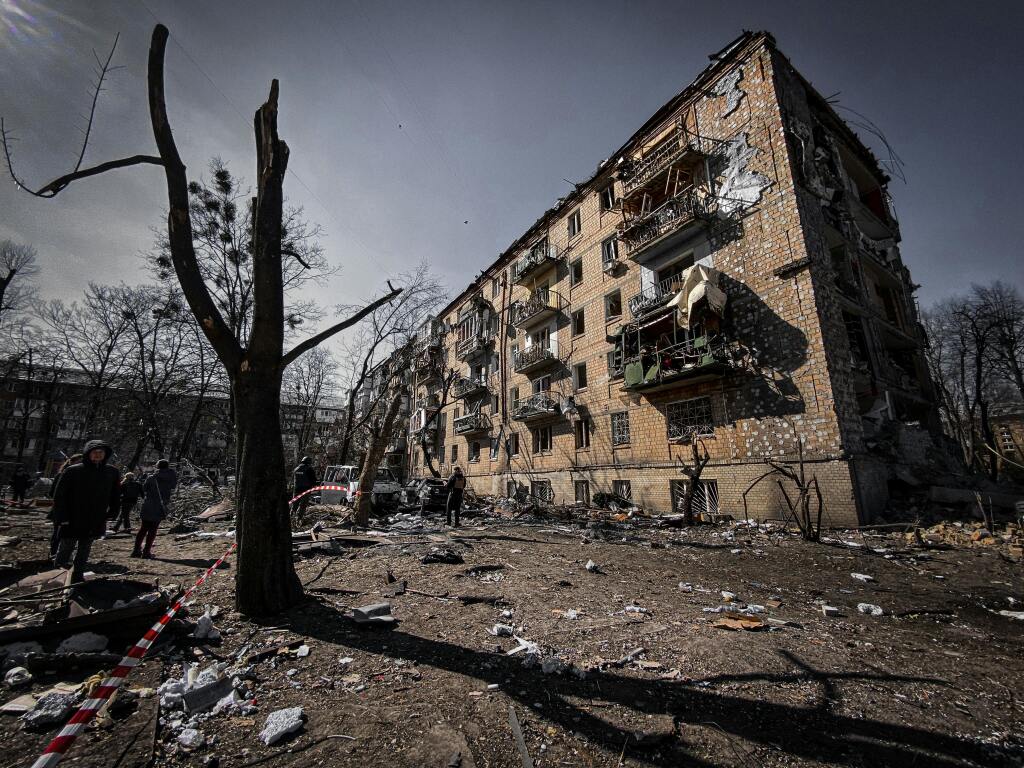
The level of civilian harm remains unacceptably high in modern conflict. While this partially reflects a disregard, by some parties to conflict, for civilian life and for their obligations under international humanitarian law (IHL), even parties that claim to closely adhere to IHL have caused significant civilian harm in recent conflicts through the use of explosive weapons in populated areas, particularly those delivering munitions with wide area effects.
In recognition of this, in November 2022, 88 states endorsed the ‘Political Declaration on Strengthening the Protection of Civilians from the Humanitarian Consequences of Explosive Weapons in Populated Areas (EWIPA)’. In the years since, two more states have endorsed the Declaration. In endorsing, states commit themselves to the following:
Three years on from the signatory conference, many signatory states continue to emphasise their political commitment to the declaration – yet grapple with the challenge of bringing the declaration into military policy and practice. To aid and strengthen this effort, Article 36 and Airwars organised a series of roundtables over the last two years, aimed at fostering peer-to-peer knowledge-sharing between states and militaries, identify good practices that are emerging in national implementation, and better understand the challenges and gaps that remain.
Today we launch a new toolkit, based on these roundtables and extensive engagement with states and militaries, to act as a practical and tangible implementation resource. It is designed to help states and armed forces translate the commitments of the Political Declaration on EWIPA into concrete measures, policies, and practices that reduce civilian harm and strengthen the protection of civilians in populated areas. The toolkit lays out 37 indicators, developed to support states in building a roadmap to a stronger approach in everything from civilian harm tracking to operational mitigation. In particular, states should:
Implementing the commitments in the declaration will take sustained effort and time to achieve, but they are essential to reducing harm and realising the Declaration’s humanitarian aims. You can find the full report here.