Source
Captured Post Date: 2026-04-16 06:25:08
Translated Author: Mohammad Hossein Azimi
Author: محمدحسین عظیمی
Translated Content:
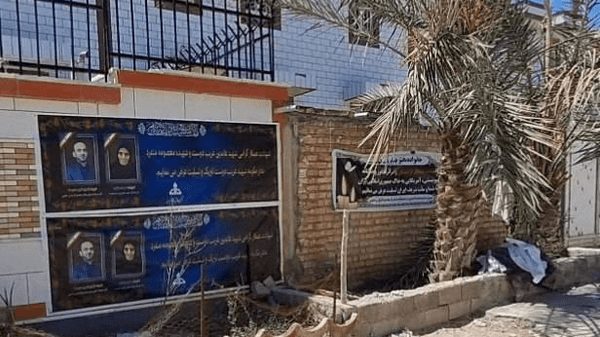
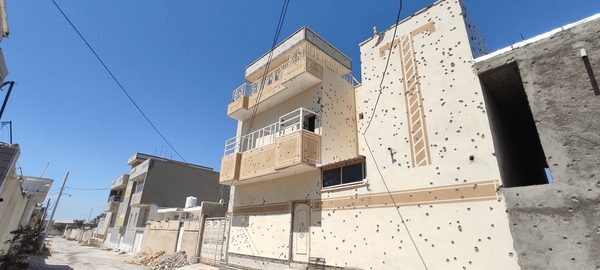
In the middle of the alley, on top of the asphalt that had sunk a few centimeters into the ground, he stood and said, "The first missile exploded here; twenty meters from the ground. Its shrapnel was thrown three hundred to four hundred meters away." Ismail says this and shows us a concrete bunker with his hand, whose chamber has been turned into rusty iron due to the shrapnel hitting it: "These slogans on the bunker were written by spontaneous people that day." I look at the slogans written in red spray paint: Death to America; Death to Israel; This is a document of American crime. I look up from the white bunker tank and look at the asphalt of the alley, which is full of holes left by shrapnel. I enter the first alley of Isar Street. Ismail looks at the piece of paper he is holding: “I checked the CCTV camera time, the first explosion here happened at 17:37:46, the second in the Talkhandaq neighborhood at 17:37:56, and the third at 17:38:17 in the sports hall.” I mentally calculate, meaning all the explosions happened in 31 seconds; half an hour before the Maghrib prayer and the time to break the fast: “Here, Abedin Gharibdost and his mother were martyred. The people of Lamerd usually sit at the door of their houses near sunset. Abedin also came to see his mother - Martyr Manfared - who was martyred here.” In the midday heat of Lamerd, cold sweat settles on my body. I picture the scene where the boy and his mother are sitting under a palm tree on the cement blocks in front of the house and the shrapnel that takes their lives, and I swallow the bitterness in my throat. The facades of all the houses in the alley are covered with shrapnel and holes: "This neighborhood has been completely evacuated after this explosion." Seyed Mehdi, I don't know where, found a few shrapnel. I hold them in my hand. Their density is high. The size of a pea, the shrapnel weighs a lot. I think about what these shrapnel did to the bodies of the martyrs. "Martyr Asadi was also martyred in the upper alley. He was sitting in his house when he was martyred,” I pick up a few pea-sized fragments and a few pieces of metal left over from the rocket and put them in the pocket of my bag: “After the explosions, children would come to the neighborhoods hit by the rockets and collect shrapnel for their games.” Children’s play with shrapnel has a strange metaphorical status. It’s as if people who are at war with two superpowers and their ten or eleven offspring are not only fearless, but a new game has also been created for children. In my imagination, I wander among children who are collecting shrapnel from the streets and the doors and walls of houses. I stand above the head of a boy who is putting together pea-shaped pieces of metal to make a necklace for his teenage sister: “The death line is on the son of a man, the necklace is on the right side of the girl; Death is engraved on the children of Adam like the mark of a necklace on the neck of young girls.”
Footnote: The photo is a picture of the place where Abedin Gharibdost and his mother were martyred.
Footnote: The photo is a picture of the place where Abedin Gharibdost and his mother were martyred.
Content:
وسط کوچه، بالای سر آسفالتی که چند سانتیمتر توی زمین فرو رفته بود، ایستاد و گفت: «اینجا اولین موشک منفجر شد؛ در فاصله بیست متری زمین. ترکشهاش تا سیصد چهارصد متر اونطرفتر پرتاب شده.»اسماعیل اینها را میگوید و با دست بونکر سیمانی را نشانمان میدهد که اتاقکش بر اثر برخورد ترکش به آهن زنگ زده تبدیل شده: «این شعارهای روی بونکر رو مردم خودجوش همون روزا اومدن نوشتن.»به شعارهایی که با اسپری قرمز نوشته شده نگاه میکنم:مرگ بر آمریکا؛مرگ بر اسراییل؛ این سند جنایت آمریکاست چشم از مخزن سفید بونکر برمیدارم و به آسفالت کوچه نگاه میکنم که پُر است از خالهایی که ترکشها فرو کرده در تَنَش.وارد اولین کوچه خیابان ایثار میشوم. اسماعیل به تکهکاغذی که توی دستش گرفته نگاه میکند: «ساعت دوربین مدار بسته رو که چک کردم، اولین انفجار اینجا، ساعت ۱۷:۳۷:۴۶ اتفاق افتاده، دومی توی محله تلخندق ۱۷:۳۷:۵۶ و سومی ۱۷:۳۸:۱۷ در سالن ورزشی» ذهنی حساب میکنم، یعنی کل انفجارها در ۳۱ثانیه اتفاق افتاده؛ نیمساعت قبل از اذان مغرب و وقت افطار: «اینجا عابدین غریبدوست و مادرش شهید شدن. مردم لامرد معمولا نزدیک غروب، دم در خونهشون میشینن. عابدین هم اومده بوده مادرش -شهیده منفرد- رو ببینه که همینجا شهید میشه.» توی گرمایِ وسط ظهر لامرد، عرق سرد مینشیند روی تنم. صحنهای که پسر همراه مادرش زیر درخت نخل، نشستهاند روی بلوکهای سیمانیِ جلوی خانه و ترکشهایی که جان هر دو را میگیرد، در ذهن تصویر میکنم و بغض گلویم را فرو میدهم.روی نمای تمام خانههای کوچه، ترکش نشسته و سوراخ شدهاند: «این محله بعد از این انفجار کلا تخلیه شده.»سیدمهدی، نمیدانم از کجا، چند تایی ترکش پیدا کرده. توی دست میگیرم. چگالیاش بالاست. اندازه یک نخود ترکش، وزن زیادی دارد. به کاری که این ترکشها با بدنهای شهدا کرده فکر میکنم.«شهیده اسدی هم توی کوچه بالایی شهید شده. اونم در خونهش نشسته بوده که شهید شده»، چند تا ترکش نخودی و چند تکه فلزی باقیمانده از موشک را برمیدارم و توی جیب کیفم میگذارم: «بعد از انفجارها، بچهها میاومدن توی محلاتی که موشک خورده، برای بازیشون ترکش جمع میکردن.»بازی کودکان با ترکش، وضعیت استعاری غریبی در خودش دارد. انگار مردمی که در جنگ با دو ابرقدرت و ده یازده نوچهاش هستند نهتنها ترسی ندارند که بازی جدیدی هم برای کودکان درست شده.توی خیالم بین بچههایی میگردم که از کف خیابان و در و دیوار خانهها ترکش جمع میکنند. بالای سر پسربچهای میایستم که فلزهای نخودیشکل را کنار هم میچیند تا گردنبندی برای خواهر نوجوانش درست کند: «خط الموت علی ولد آدم مخط القلاده فی جید الفتاة؛ مرگ بر فرزندان آدم همچون جای گردنبند بر گردن دختران جوان، حک شده است.»
پینوشت: عکس، تصویر مکانیست که عابدین غریبدوست و مادرش به شهادت رسیدند.
پینوشت: عکس، تصویر مکانیست که عابدین غریبدوست و مادرش به شهادت رسیدند.
Images:
Additional Details
Captured Date
2026-04-22 14:51:56
Captured Post ID