Source
URL:
https://www.nytimes.com/2026/04/10/world/middleeast/iran-us-missle-strike-civilians-lamerd.html
Captured Post Date: 2026-04-10 22:34:10
Translated Author:
Author: New York Times
Translated Content:
Content:
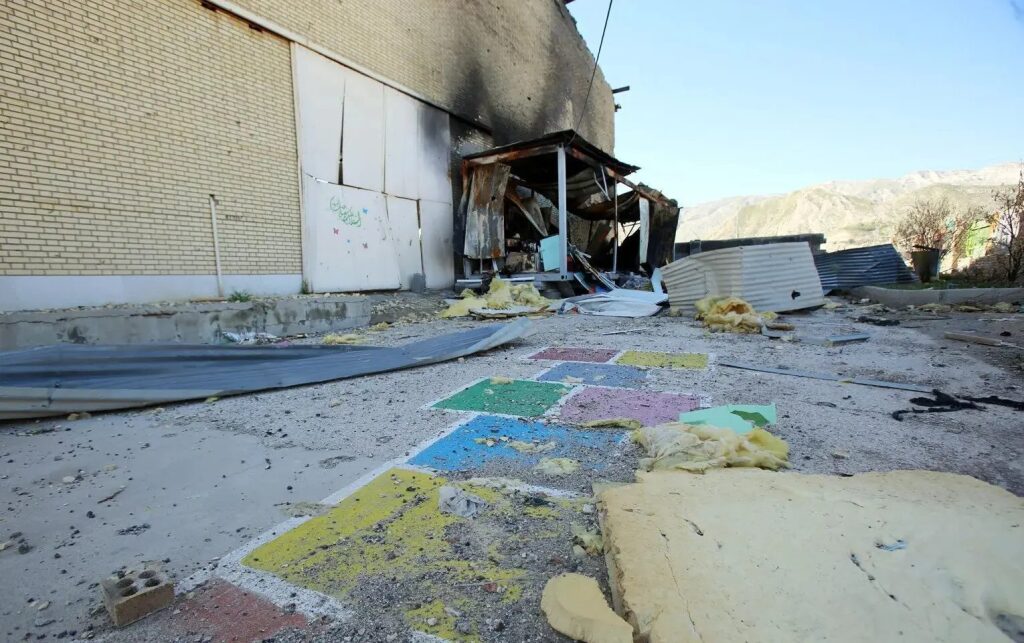
A new visual analysis by The New York Times and munitions experts has uncovered additional evidence showing that the weapons that struck a sports hall, a school and two residential areas in the Iranian city of Lamerd were U.S.-made Precision Strike Missiles, or PrSMs.The U.S. military has rejected the conclusions of earlier investigations by The Times and other news organizations that found that PrSMs had hit civilian locations in Lamerd on Feb. 28. It has denied it was attacking there on the day in question, and claimed the incoming weapon captured on video more closely resembled an Iranian cruise missile called the Hoveyzeh, given its length.
The Civilian Toll
The Times reviewed the names of 21 people reported killed in the strikes on the sports hall, the school and nearby residential areas. The list was initially published by Tasnim, a semiofficial Iranian news agency. Another 110 people were injured, local health officials have said.
The Times was able to independently verify the deaths of the people named by Tasnim by cross-referencing that list with photographs and videos of coffins posted online, recordings of funeral speeches, and photos of the individuals from social media and other websites.
The strike killed at least five children, including two girls who had been attending volleyball practice at the sports hall. They were Helma Ahmadizadeh, 10, and Elham Zaeri, 11, whose deaths were first reported by Negin Bagheri, a journalist based in Iran who spoke to the victims’ family members. According to Ms. Bagheri’s reporting, Helma showed no outward signs of blood loss but told her coach that she felt as if something had entered her body. At the hospital, she was found to have a small object embedded in her. She later died from the injury.
Ms. Bagheri also reported that at the adjacent soccer pitch, a young boy, Ilia Khatami, was killed alongside his coach, Mahmoud Najafi. The Times confirmed their deaths, and the death of a second boy, Abdul Mosavar Rahmani, who was from Afghanistan, through funeral footage, social media posts and local media reports.
The remaining victims appear to have been killed in the two strikes on residential areas, according to officials cited in local media and videos and online posts by the employers and family members of those killed in the strikes.
Among the victims was Hamid Amini, 46, an engineer at Det Norske Veritas, a global risk management firm where he had worked for nearly 15 years. In a statement, the company confirmed that Mr. Amini was killed in the attack on Lamerd on Feb. 28 and described him as a “highly respected and valued colleague.”
Mr. Amini had been living in Norway and was on paternity leave visiting the city with his family. His wife and children survived the strike, the company said.
The youngest victim was 2-year-old Avina Barzegar. According to a local official cited in Iranian media, she was struck by a small object while playing outside her house. Videos show her later being treated in a hospital, but she died of her injuries; photos and videos of her body, coffin and funeral service were shared online.
The Civilian Toll
The Times reviewed the names of 21 people reported killed in the strikes on the sports hall, the school and nearby residential areas. The list was initially published by Tasnim, a semiofficial Iranian news agency. Another 110 people were injured, local health officials have said.
The Times was able to independently verify the deaths of the people named by Tasnim by cross-referencing that list with photographs and videos of coffins posted online, recordings of funeral speeches, and photos of the individuals from social media and other websites.
The strike killed at least five children, including two girls who had been attending volleyball practice at the sports hall. They were Helma Ahmadizadeh, 10, and Elham Zaeri, 11, whose deaths were first reported by Negin Bagheri, a journalist based in Iran who spoke to the victims’ family members. According to Ms. Bagheri’s reporting, Helma showed no outward signs of blood loss but told her coach that she felt as if something had entered her body. At the hospital, she was found to have a small object embedded in her. She later died from the injury.
Ms. Bagheri also reported that at the adjacent soccer pitch, a young boy, Ilia Khatami, was killed alongside his coach, Mahmoud Najafi. The Times confirmed their deaths, and the death of a second boy, Abdul Mosavar Rahmani, who was from Afghanistan, through funeral footage, social media posts and local media reports.
The remaining victims appear to have been killed in the two strikes on residential areas, according to officials cited in local media and videos and online posts by the employers and family members of those killed in the strikes.
Among the victims was Hamid Amini, 46, an engineer at Det Norske Veritas, a global risk management firm where he had worked for nearly 15 years. In a statement, the company confirmed that Mr. Amini was killed in the attack on Lamerd on Feb. 28 and described him as a “highly respected and valued colleague.”
Mr. Amini had been living in Norway and was on paternity leave visiting the city with his family. His wife and children survived the strike, the company said.
The youngest victim was 2-year-old Avina Barzegar. According to a local official cited in Iranian media, she was struck by a small object while playing outside her house. Videos show her later being treated in a hospital, but she died of her injuries; photos and videos of her body, coffin and funeral service were shared online.
Images:
Additional Details
Captured Date
2026-04-22 15:41:39
Captured Post ID