Source
Captured Post Date: 2025-07-09 00:00:00
Translated Author:
Author: Red Crescent Society
Translated Content:
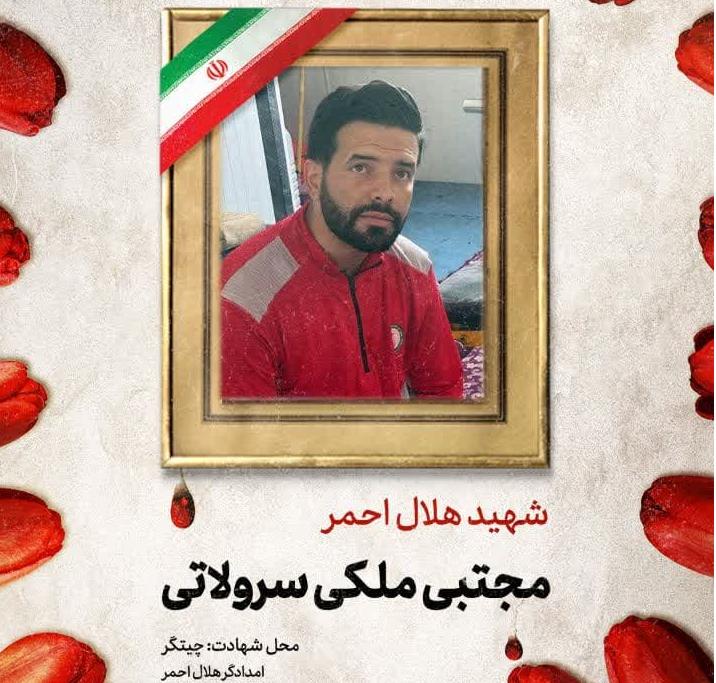
According to the Iranian Red Crescent Society's information website, it was Monday, June 16, when news arrived that the Zionist regime had attacked a Red Crescent ambulance and two rescue workers were martyred while on duty. "Mojtaba Maleki" was one of these martyrs. None of us had seen war, but we were fully prepared. Hossein Nikbakht is Mojtaba's friend and colleague who were together that Monday in the breathtaking rescue and relief operation in Tehran: "We took pictures and talked about relief and martyrdom, and joked. None of us had seen war and had no idea. That's why we were going through the hardest days of our lives. Among all the incidents, the war was the hardest for us because we saw the rubble and destroyed residential houses from close up, we pulled our fellow countrymen's women and children out of the rubble and hoped that we might save lives. It was the same evening that west Tehran was attacked again and we were sent to the area for operations. We had an ambulance and a rescue vehicle. I was supposed to be sent with Mojtaba in an ambulance, but the plan changed and three other people went to the west of the capital in an ambulance, and I took myself to the scene in my rescue vehicle.” This rescuer explains that they had gone into action to assess the area when the first explosion occurred with a very strong wave; they had just come to their senses when another explosion... and his friend was martyred: “A few minutes after the second explosion, I came to my senses and saw that I was injured; but I stopped and looked for my other colleagues again and found almost everyone except Behnam and Mojtaba. I went to our cars, which were parked a little further away, and our ambulance was completely burned and nothing was left of it. During the Gaza war, I had seen the Zionist regime attack even rescue workers, but I couldn’t believe it until I saw that the ambulance was completely destroyed. A few minutes later, Behnam, covered in blood, came towards us; but there was no news of Mojtaba. We were hoping to find Mojtaba, but about an hour later I saw several military personnel carrying a body and carrying it away. A few minutes later they brought another body that was covered in a blanket. We realized that Mojtaba Maleki, our good friend who had been married for almost two or three years, had been martyred along with another aid worker named "Amir Hossein Jamshidpour." Those two bodies were the bodies of our forces that were taken from the scene. The entire team was in a very bad state, so they did not allow us to face the bodies, but then I heard that Mojtaba had suffered a gunshot wound to the head and chest. "He had been looking for Red Crescent courses since he was a teenager. It had not been more than a few years since they started living together. They had imagined thousands of dreams for their future. His grieving wife says of Mojtaba's interest in volunteer work and helping others since his teenage years: "Mojtaba decided to take Red Crescent courses when he was a teenager. As he himself said, when he was young and standing in line at the bakery to buy bread, an old man suffered a cardiac arrest in front of his eyes. Because no one had the knowledge to save the lives of people in that critical situation, the old man lost his life. This painful incident prompted Mojtaba to learn Red Crescent courses and receive the degree of sacrifice, which is the highest degree of Red Crescent training." His wish was martyrdom. On the morning of June 16, Mojtaba Maleki set off on a mission like all previous days; but his farewell that day was different from all previous days. The young woman says about this: "It had been almost 3 years since Mojtaba and I had been married. His dream was to be martyred and he always prayed in his qunut prayers that he would be martyred and in the end he achieved his great dream. From the day Israel's attack on our beloved Iran began, I was stressed and anxious. I knew what my wife was pursuing and that was why I was stressed. Because when Mojtaba made the promise of Sadeq II, he said that we must raze Israel to the ground. He said that we must destroy global oppression and he believed that we had the power to do so. "The last phone conversation "was at noon when I found out that Israel was going to attack several areas in Tehran, including the Iranian Broadcasting Corporation, Chitgar and ..
I called my wife several times since the morning and asked her to take care of herself." Martyr Maleki's wife continues with anger: "The last time I called her was around 5:30 in the evening. It was clear that she was very busy. I once again emphasized to her to take care of herself. She said that we are ready and not to worry; whatever God wills, it will happen. I said goodbye to him, but I didn’t know that I would never hear his voice again. I am a nurse, and that day, when my shift ended, I called my wife, but someone else answered. The person who answered said that enemy missiles had attacked an area in Tehran and were conducting an operation. My wife and three ambulances had gone to the intended location to provide relief. Apparently, the enemy had set up an ambush and was waiting for the rescue vehicles to arrive. Then, they directed the drone over the rescue vehicles and targeted the rescue vehicles; defenseless and unarmed people who had gone to save the lives of their fellow citizens.” The last selfie that remained was Hazrat Fard, one of the rescuers on the scene of the war, who was present at the moment his colleagues were martyred and was himself injured. The heaviness of his voice shows that it is difficult for him to even remember that moment. That moment will never be erased from this rescuer’s mind. A moment full of passion and terrifying seconds as lives were lost one by one: “I didn’t understand what happened at all. All my attention was on finding Mehdi and Mojtaba, and we were so caught up in this that we got away from the ambulance. At that moment, the ambulance hit us and we lost Mojtaba. I was also hit by the blast wave. When I came to, I realized that my colleague was taking me to the ambulance to take me away from there. I immediately screamed and resisted. I wanted to go back to my colleagues. But they wouldn't let me. My ears couldn't hear anything. I felt bad. But I wanted to stay with the children. To go to Mojtaba. But they wouldn't let me and forcibly threw me into the ambulance and took me away. But all my thoughts were with the children. I still can't believe that my comrades are no more. Mojtaba had been saying since day one that, given the critical situation that had arisen, we must always stay with the people. All of us rescuers go on missions with love and our focus is on serving the people, but every time we went on a mission to war scenes, we hugged each other, took souvenir photos, and said goodbye to each other, because martyrdom might be our last mission.” From patience and tolerance to exemplary dignity and peace, Mojtabi was born on February 17, 1973; it was one day before the birth of Imam Hassan Mojtaba, and that is why we named him Mojtaba. Martyr Maleki’s father says, “He had the distinctive qualities of the blessed name of the second Imam of the Shiites. From patience and tolerance to exemplary dignity and peace. It didn’t matter what the crisis was. From a family challenge to relief and rescue operations; Mojtaba had a personality that always tried to resolve issues calmly and logically, and everyone was ultimately satisfied. "Mojtaba had learned altruism, philanthropy, and love for Iran at home. Martyr Maleki's father says: "The same years we went to Natanz, around 1990, he became a member of the Red Crescent. His interest in these matters goes back to his brother Mustafa's temporary presence in the Red Crescent's work." Of course, Mojtaba Maleki's father also mentioned the bakery queue incident and the main spark for learning first aid and joining the Red Crescent as the main motivation for his martyred son: "He had a degree in electronics and was active in mobile phone repairs and installing CCTV cameras, but his main job was relief and rescue in the Red Crescent. In general, we raised the children at home to help people at all times; even to the extent of pushing people's cars. "Mujtaba had learned altruism, humanity, and love for Iran at home, and he sacrificed his life for this very reason."/Razieh Zargari
I called my wife several times since the morning and asked her to take care of herself." Martyr Maleki's wife continues with anger: "The last time I called her was around 5:30 in the evening. It was clear that she was very busy. I once again emphasized to her to take care of herself. She said that we are ready and not to worry; whatever God wills, it will happen. I said goodbye to him, but I didn’t know that I would never hear his voice again. I am a nurse, and that day, when my shift ended, I called my wife, but someone else answered. The person who answered said that enemy missiles had attacked an area in Tehran and were conducting an operation. My wife and three ambulances had gone to the intended location to provide relief. Apparently, the enemy had set up an ambush and was waiting for the rescue vehicles to arrive. Then, they directed the drone over the rescue vehicles and targeted the rescue vehicles; defenseless and unarmed people who had gone to save the lives of their fellow citizens.” The last selfie that remained was Hazrat Fard, one of the rescuers on the scene of the war, who was present at the moment his colleagues were martyred and was himself injured. The heaviness of his voice shows that it is difficult for him to even remember that moment. That moment will never be erased from this rescuer’s mind. A moment full of passion and terrifying seconds as lives were lost one by one: “I didn’t understand what happened at all. All my attention was on finding Mehdi and Mojtaba, and we were so caught up in this that we got away from the ambulance. At that moment, the ambulance hit us and we lost Mojtaba. I was also hit by the blast wave. When I came to, I realized that my colleague was taking me to the ambulance to take me away from there. I immediately screamed and resisted. I wanted to go back to my colleagues. But they wouldn't let me. My ears couldn't hear anything. I felt bad. But I wanted to stay with the children. To go to Mojtaba. But they wouldn't let me and forcibly threw me into the ambulance and took me away. But all my thoughts were with the children. I still can't believe that my comrades are no more. Mojtaba had been saying since day one that, given the critical situation that had arisen, we must always stay with the people. All of us rescuers go on missions with love and our focus is on serving the people, but every time we went on a mission to war scenes, we hugged each other, took souvenir photos, and said goodbye to each other, because martyrdom might be our last mission.” From patience and tolerance to exemplary dignity and peace, Mojtabi was born on February 17, 1973; it was one day before the birth of Imam Hassan Mojtaba, and that is why we named him Mojtaba. Martyr Maleki’s father says, “He had the distinctive qualities of the blessed name of the second Imam of the Shiites. From patience and tolerance to exemplary dignity and peace. It didn’t matter what the crisis was. From a family challenge to relief and rescue operations; Mojtaba had a personality that always tried to resolve issues calmly and logically, and everyone was ultimately satisfied. "Mojtaba had learned altruism, philanthropy, and love for Iran at home. Martyr Maleki's father says: "The same years we went to Natanz, around 1990, he became a member of the Red Crescent. His interest in these matters goes back to his brother Mustafa's temporary presence in the Red Crescent's work." Of course, Mojtaba Maleki's father also mentioned the bakery queue incident and the main spark for learning first aid and joining the Red Crescent as the main motivation for his martyred son: "He had a degree in electronics and was active in mobile phone repairs and installing CCTV cameras, but his main job was relief and rescue in the Red Crescent. In general, we raised the children at home to help people at all times; even to the extent of pushing people's cars. "Mujtaba had learned altruism, humanity, and love for Iran at home, and he sacrificed his life for this very reason."/Razieh Zargari
Content:
به گزارش پایگاه اطلاع رسانی جمعیت هلال احمر دوشنبه 26خرداد ماه بود که خبر رسید رژیم صهیونیستی به آمبولانس هلال احمر حمله کرده و دو تن از امدادگران حین خدمت به شهادت رسیدند، «مجتبی ملکی» یکی از این شهدا بود.هیچکدام مان جنگ ندیده بودیم اما کاملا آماده بودیمحسین نیک بخت رفیق و همکار مجتبی است که آن دوشنبه در عملیات نفس گیر امداد و نجات در تهران کنار هم بودند:« عکس گرفتیم و درباره امدادرسانی و شهادت صحبت کردیم و شوخی. هیچکدام مان جنگ ندیده بودیم و تصوری نداشتیم. برای همین، سختترین روزهای زندگیمان را میگذراندیم. در میان همه حوادث ، جنگ برای ما از همه سخت تر بود که از نزدیک آوارها و خانههای مسکونی تخریب شده جنگ را میدیدیم، زنان و کودکان هموطن خود را از بین آوارها بیرونمی آوردیم و امید داشتیم تا شاید جانی نجات دهیم. عصر همان روز بود که مجددا به غرب تهران حمله شد و ما برایعملیات به منطقه اعزام شدیم. یک خودروی آمبولانس و یکخودروی نجات داشتیم. قرار بود من با مجتبی با آمبولانس اعزام شوم اما برنامه عوض شد و سه نفر دیگر با آمبولانس به غرب پایتخت رفتند و من با خودروی نجات خودم را به محل رساندم.»این امدادگر تعریف میکند که برای ارزیابی منطقه وارد عمل شده بودند که انفجار اول با موج به شدت زیاد رخ داد؛ تاره به خودشان آمده بودند که باز هم انفجار... و رفیقش شهید شد:«دقایقی بعد از انفجار دوم به خودم آمدم و دیدم زخمیشدهام؛ اما ایستادم و دوباره دنبال سایر همکارانم گشتم و تقریبا همه به جز بهنام و مجتبی را پیدا کردم. سراغ خودروهای خودمان که کمی آنطرف تر پارک شده بودند رفتم، خودروی آمبولانسمان کاملا سوخته و چیزی از آن نمانده بود. در جنگ غزه دیده بودم که رژیمصهیونیستی حتی به امدادگران نیز حمله میکند اما باورم نمیشد تا اینکه دیدم آمبولانس کاملا از بین رفته است، دقایقی بعد بهنام که خونی شده بود به سمت ما آمد؛ اما خبریاز مجتبی نشد. امیدوار بودیم، مجتبی را پیدا کنیم که حدود یک ساعت بعد دیدیدم چند نیروی نظامی یک پیکر رویدست گرفتهاند و میبرند، دقایقی بعد هم یک پیکر دیگری را آوردند که روی شان پوشیده بود، متوجه شدیم مجتبی ملکی،دوست خوبمان که تقریبا دو سه سالی از ازدواجش میگذشت،به همراه یک امدادگر دیگر به نام «امیرحسین جمشیدپور»به شهادت رسیدهاند. آن دو پیکر ، پیکر نیروهای ما بود که از محل بردند. حال کل اعضای تیم به شدت بد بود به همیندلیل اجازه رویارویی ما با پیکرها را ندادند اما بعد شنیدمکه مجتبی از سر و قفسه سینهاش ترکش خورده است.»از نوجوانی دنبال گذراندن دورههای هلالاحمر بودچند سال از شروع زندگی مشترکشان بیشتر نمیگذشت. هزاران آرزو برای آیندهشان تصویرسازی کرده بودند. همسر داغدارش از علاقه مجتبی به کارهای داوطلبانه و کمک به دیگران از دوران نوجوانیاش میگوید: «مجتبی ازدوران نوجوانی تصمیم به گذراندن دورههای هلالاحمر گرفت. آنطور که خودش میگفت، زمانی که کم سن و سال بود و برای خرید نان در صف نانوایی ایستاده بود، مقابل چشمانش پیرمری دچار ایست قلبی شد.چون هیچ کس دانشی برای نجات جان افراد در آن موقعیت حساس را نداشت، پیرمرد جانش را از دست داد. این اتفاق دردناک موجب شد تا مجتبی به سراغ یادگیری دورههای هلالاحمر برود و درجه ایثار بگیرد یعنی بالاترین درجه آموزش هلالاحمر.»آرزویش شهادت بود مجتبی ملکی، صبح روز 26 خرداد ماه مانند همه روزهای قبل راهی ماموریت شد؛ اما خداحافظی آن روز او با تمام روزهای قبل تفاوت داشت. زن جوان در این باره میگوید: «قریب به 3 سال ازازدواج من و مجتبی میگذشت. او آرزویش شهادت بود و همیشه در قنوت نمازهایش، دعا میکرد که شهید شود و در آخر هم به آرزوی بزرگش رسید. از روزی که حمله اسرائیل به ایران عزیزمان شروع شد، استرس و دلهره به جانم افتاد. می دانستم همسرم چه هدفی را دنبال میکند و به همین دلیل استرس به جانم افتاده بود. چون مجتبی هنگام وعده صادق دو ، میگفت ما باید اسرائیل را با خاک یکسان کنیم. او میگفت ما باید ظلم جهانی را نابود کنیم و معقتد بود که توانش را داریم.»آخرین مکالمه تلفنی «ظهر بود که متوجه شدم قرار است اسرائیل به چند منطقه در تهران از جمله صدا و سیما، چیتگر و .. حمله کند.
از صبح چندین بار با همسرم تماس گرفتم و از او خواستم مراقب خودش باشد.»همسر شهید ملکی با بغض ادامه می دهد: «آخرین باری که با او تماس گرفتم حدود ساعت 5 و نیم عصر بود. معلوم بود که سرش خیلی شلوغ است. بار دیگر به او تاکید کردم که مراقب خودش باشد. گفت آماده باش هستیم و نگران نباشم؛ خواست خدا هرچه باشد همان میشود. با او خداحافظی کردم اما نمیدانستم که دیگر صدایش را نخواهم شنید. من پرستار هستم و آن روز وقتی شیفتم تمام شد با همسرم تماس گرفتم اما فرد دیگری جواب داد. فردی که پاسخ داد گفت، موشک دشمن به منطقهای در تهران حمله کرده و عملیات داشتهاند. همسرم و 3 آمبولانس برای امدادرسانی راهی محل مورد نظر شده بودند. ظاهرا دشمن، به کمین نشسته و منتظر نشسته تا خودروهای امداد برسد. سپس پهباد را بالای سر ماشینهای امداد هدایت کرده و خودروهای امداد را هدف قرار داده ؛ انسانهای بی دفاع و بی سلاحی که برای نجات جان همطونان خود رفته بودند.»آخرین سلفی که ماندگار شدحضرتی فرد، یکی از امدادگران صحنه جنگ است که در لحظه شهادت همکارانش، آنجا حضور داشت و خودش نیز مجروح شد. سنگینی صدایش نشان میدهد که حتی یادآوری آن لحظه هم برایش سخت است. آن لحظه هیچگاه از ذهن این امدادگر پاک نخواهد شد. لحظهای پر التهاب و ثانیههای وحشتناکی که جانها یکی یکی تمام شد: «اصلا نفهمیدم چه شد. تمام حواسم به این بود که بتوانم مهدی و مجتبی را پیدا کنیم و درگیر این ماجرا بودیم که از آمبولانس دور شدیم. همان لحظه آمبولانس ما را زدند و مجتبی را هم از دست دادیم. خود من را هم موج انفجار گرفت. وقتی به خودم آمدم متوجه شدم همکارم مرا به سمت آمبولانس میبرد تا از آنجا دورم کند. بلافاصله فریاد زدم و مقاومت کردم. می خواستم پیش همکارانم برگردم. ولی آنها به من اجازه ندادند. گوش هایم چیزی نمیشنید. حالم بد بود. ولی دوست داشتم پیش بچهها بمانم. به سراغ مجتبی بروم. اما آنها اجازه ندادند و مرا به زور به داخل آمبولانس انداختند و بردند. ولی تمام فکرم پیش بچهها بود. هنوز هم باورم نمیشود که رفقایم دیگر نیستند. مجتبی از روز اول میگفت، با توجه به شرایط بحرانی که پیش آمده باید همیشه درکنار مردم بمانیم. همه ما امدادگران با عشق راهی ماموریت میشویم و نگاهمان خدمت به مردم است اما هربار که راهی ماموریت در صحنههای جنگ میشدیم، یکدیگر را بغل میکردیم، عکس یادگاری میگرفتیم و با هم خداحافظی میکردیم، چون شاید شهادت آخرین ماموریت ما باشد.»از صبر و بردباری تا کرامت و آرامش مثال زدنیمجتبی 27 بهمن سال 73 به دنیا آمد؛ یک روز مانده بود به ولادت امام حسن مجتبی و به همین دلیل نامش را مجتبی گذاشتیم. پدر شهید ملکی میگوید:«صفات بارز نام مبارک امام دوم شیعیان را دارا بود. از صبر و بردباری تا کرامت و آرامش مثال زدنی. فرقی نمیکرد بحران چه باشد. از یک چالش خانوادگی گرفته تا عملیات های امداد و نجات؛ مجتبی شخصیتی داشت که همیشه سعی میکرد مسائل را با آرامش و منطق حل و فصل کند و همه در نهایت راضی باشند.»مجتبی نوع دوستی ، مردم داری و حب ایران را در خانه یاد گرفته بودپدر شهید ملکی میگوید: «همان سالهایی که نطنز رفتیم حوالی سال 90 به بعد هلالاحمری شد.علاقهاش هم به این امور برمیگردد به حضور موقت برادرش مصطفی در کارهای هلالاحمری.» البته پدر مجتبی ملکی هم ماجرای صف نانوایی و جرقه اصلی یادگیری کمکهای اولیه و ورود به هلالاحمر را به عنوان اصلیترین انگیزه پسر شهیدش عنوان کرد :«لیسانس الکترونیک داشت و در تعمیرات موبایل و نصب دوربین مدار بسته فعال بود اما کار اصلیاش، امداد و نجات در هلالاحمر بود. به طور کلی ما در خانه بچهها را طوری بار آورده بودیم که در همه حال به مردم کمک کنند ؛ حتی به اندازه هل دادن ماشین مردم. مجتبی نوع دوستی ، مردم داری و حب ایران را در خانه یاد گرفته بود و در همین راه هم جانش را فدا کرد.»/راضیه زرگری
از صبح چندین بار با همسرم تماس گرفتم و از او خواستم مراقب خودش باشد.»همسر شهید ملکی با بغض ادامه می دهد: «آخرین باری که با او تماس گرفتم حدود ساعت 5 و نیم عصر بود. معلوم بود که سرش خیلی شلوغ است. بار دیگر به او تاکید کردم که مراقب خودش باشد. گفت آماده باش هستیم و نگران نباشم؛ خواست خدا هرچه باشد همان میشود. با او خداحافظی کردم اما نمیدانستم که دیگر صدایش را نخواهم شنید. من پرستار هستم و آن روز وقتی شیفتم تمام شد با همسرم تماس گرفتم اما فرد دیگری جواب داد. فردی که پاسخ داد گفت، موشک دشمن به منطقهای در تهران حمله کرده و عملیات داشتهاند. همسرم و 3 آمبولانس برای امدادرسانی راهی محل مورد نظر شده بودند. ظاهرا دشمن، به کمین نشسته و منتظر نشسته تا خودروهای امداد برسد. سپس پهباد را بالای سر ماشینهای امداد هدایت کرده و خودروهای امداد را هدف قرار داده ؛ انسانهای بی دفاع و بی سلاحی که برای نجات جان همطونان خود رفته بودند.»آخرین سلفی که ماندگار شدحضرتی فرد، یکی از امدادگران صحنه جنگ است که در لحظه شهادت همکارانش، آنجا حضور داشت و خودش نیز مجروح شد. سنگینی صدایش نشان میدهد که حتی یادآوری آن لحظه هم برایش سخت است. آن لحظه هیچگاه از ذهن این امدادگر پاک نخواهد شد. لحظهای پر التهاب و ثانیههای وحشتناکی که جانها یکی یکی تمام شد: «اصلا نفهمیدم چه شد. تمام حواسم به این بود که بتوانم مهدی و مجتبی را پیدا کنیم و درگیر این ماجرا بودیم که از آمبولانس دور شدیم. همان لحظه آمبولانس ما را زدند و مجتبی را هم از دست دادیم. خود من را هم موج انفجار گرفت. وقتی به خودم آمدم متوجه شدم همکارم مرا به سمت آمبولانس میبرد تا از آنجا دورم کند. بلافاصله فریاد زدم و مقاومت کردم. می خواستم پیش همکارانم برگردم. ولی آنها به من اجازه ندادند. گوش هایم چیزی نمیشنید. حالم بد بود. ولی دوست داشتم پیش بچهها بمانم. به سراغ مجتبی بروم. اما آنها اجازه ندادند و مرا به زور به داخل آمبولانس انداختند و بردند. ولی تمام فکرم پیش بچهها بود. هنوز هم باورم نمیشود که رفقایم دیگر نیستند. مجتبی از روز اول میگفت، با توجه به شرایط بحرانی که پیش آمده باید همیشه درکنار مردم بمانیم. همه ما امدادگران با عشق راهی ماموریت میشویم و نگاهمان خدمت به مردم است اما هربار که راهی ماموریت در صحنههای جنگ میشدیم، یکدیگر را بغل میکردیم، عکس یادگاری میگرفتیم و با هم خداحافظی میکردیم، چون شاید شهادت آخرین ماموریت ما باشد.»از صبر و بردباری تا کرامت و آرامش مثال زدنیمجتبی 27 بهمن سال 73 به دنیا آمد؛ یک روز مانده بود به ولادت امام حسن مجتبی و به همین دلیل نامش را مجتبی گذاشتیم. پدر شهید ملکی میگوید:«صفات بارز نام مبارک امام دوم شیعیان را دارا بود. از صبر و بردباری تا کرامت و آرامش مثال زدنی. فرقی نمیکرد بحران چه باشد. از یک چالش خانوادگی گرفته تا عملیات های امداد و نجات؛ مجتبی شخصیتی داشت که همیشه سعی میکرد مسائل را با آرامش و منطق حل و فصل کند و همه در نهایت راضی باشند.»مجتبی نوع دوستی ، مردم داری و حب ایران را در خانه یاد گرفته بودپدر شهید ملکی میگوید: «همان سالهایی که نطنز رفتیم حوالی سال 90 به بعد هلالاحمری شد.علاقهاش هم به این امور برمیگردد به حضور موقت برادرش مصطفی در کارهای هلالاحمری.» البته پدر مجتبی ملکی هم ماجرای صف نانوایی و جرقه اصلی یادگیری کمکهای اولیه و ورود به هلالاحمر را به عنوان اصلیترین انگیزه پسر شهیدش عنوان کرد :«لیسانس الکترونیک داشت و در تعمیرات موبایل و نصب دوربین مدار بسته فعال بود اما کار اصلیاش، امداد و نجات در هلالاحمر بود. به طور کلی ما در خانه بچهها را طوری بار آورده بودیم که در همه حال به مردم کمک کنند ؛ حتی به اندازه هل دادن ماشین مردم. مجتبی نوع دوستی ، مردم داری و حب ایران را در خانه یاد گرفته بود و در همین راه هم جانش را فدا کرد.»/راضیه زرگری
Images:
Additional Details
Captured Date
2026-05-13 10:52:47
Captured Post ID