Source
Captured Post Date: 2025-07-19 08:55:52
Author: Fars News
Translated Content:
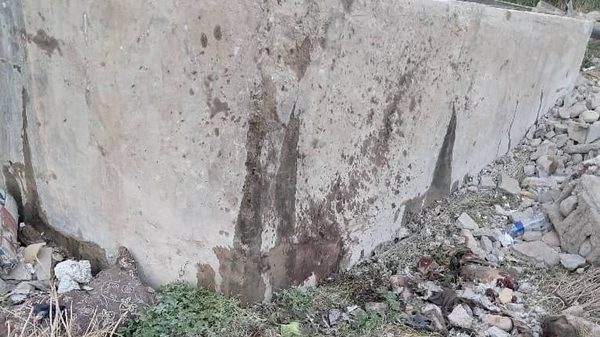
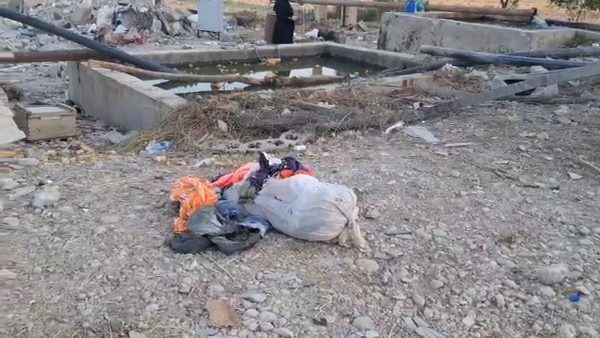
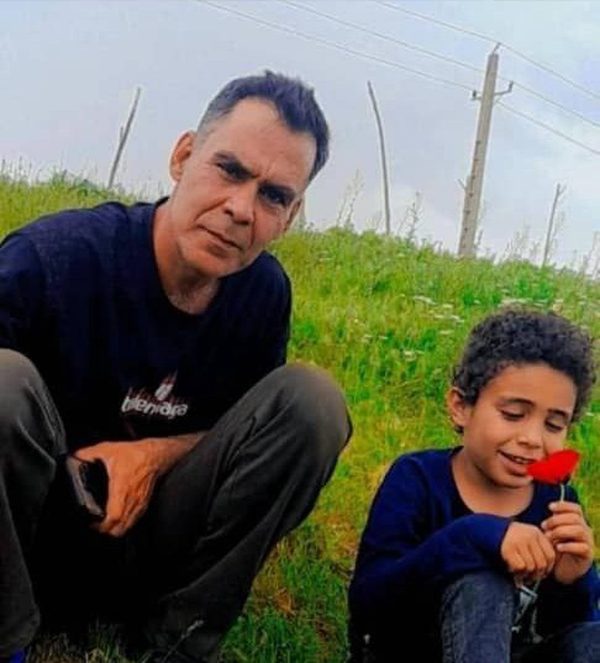
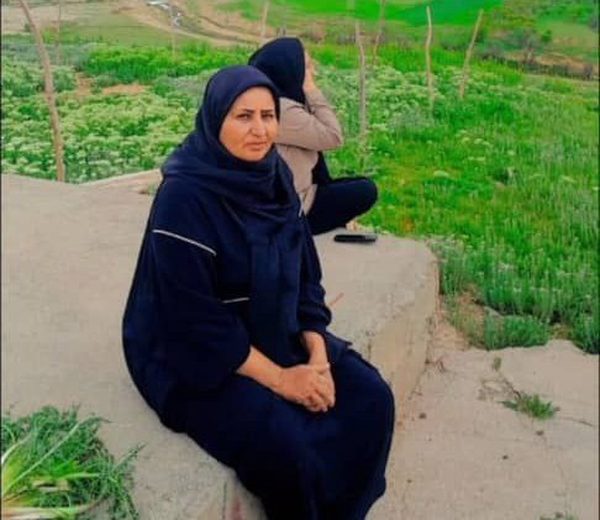
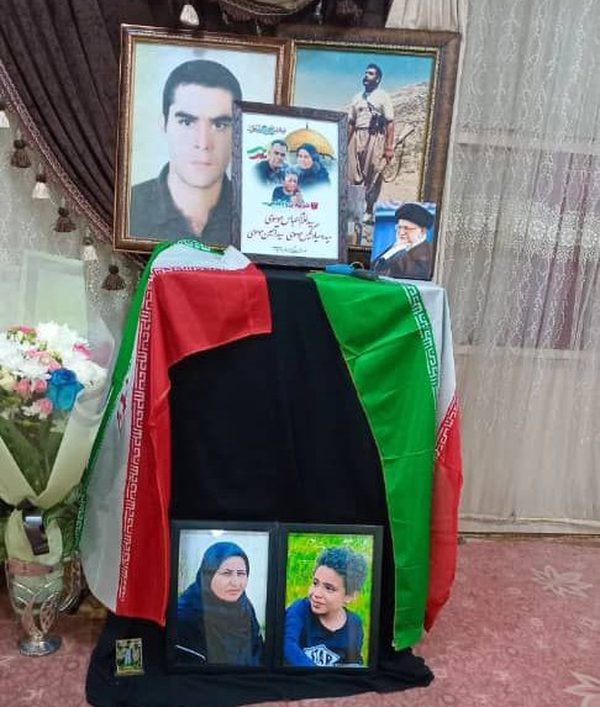
The blood trail on the wall of Armin's 8-year-old house, red mixed with dirt and cement, will now stand for years to testify; this was not a battlefield, not a military trench, it was just the wall of a house next to a well, a simple place in the Andimeshk mountains. According to Fars, Andimeshk, the wall is still wet, not from rain, not from washing, from something you can't look at and not cry silently. The dried blood of a father, a mother, and a child. The red trail mixed with dirt and cement, will now stand for years to testify; this was not a battlefield, not a military trench, it was just a wall next to a well, a simple place in the Andimeshk mountains. The next morning, a small doll is seen next to the collapsed bricks. A small toy with a burnt corner and covered in dust. It was perhaps the last thing Armin saw. Armin Mousavi, an eight-year-old child whose smile was one of the most innocent phenomena in this land, was martyred along with his parents in a missile attack by the Zionist regime. They had neither weapons nor uniforms. They had just spent the night in the shade of the walls of that well so that his father, as always, could take care of the water for the people of the region. Only once again, Seyyed Gholam Abbas Mousavi was a man of halal eating, simplicity, nomadism, and faith. His family was from the nomads of Lorestan, spending summers in Khorramabad and winters in the plains of Khuzestan. For years, he had been the guardian of a well, quietly, unassumingly. His wife was a housewife, and their little boy, Armin, occasionally accompanied his father to "help him," as he put it. His sister gasps when she speaks: My brother was so kind that I have no bad memories of him. That's all that bothers me. I wish he had said something at least once, frowned. He was so good that when I see his picture, I feel a pang of anger. I just tell him why were you so oppressed? How did you love our mother so much? The brother who was the shadow, Gholam Abbas, was his brother's companion, to the point where they were considered twins. They were always together, from childhood until this very last night. His brother is still in shock: It was eleven o'clock at night when he called. We talked. Armin picked up the phone, heard my child's voice, and was happy. The next day my phone rang and they announced that my brother and his family were flying. I didn't know what to do. I lost my limbs. By the time I got there, it was over. He continued, between tears and anger: This brutal regime is not only an enemy of the military, they killed our three-year-old child. They killed my uncle's wife. Weren't they military?! Armin had no weapons, no trenches... He only had a toy. At the time of the shooting, the guardhouse was on the outskirts of the barracks, but it was not the target of any military operation. A week before his martyrdom, Ghulam Abbas had said in a conversation with one of the generals: I am the brother of the martyr. I am just a guard at the well. I will do whatever you ask me to do. That general had kissed his forehead and said: We trust you, Sayyid Jan... But the enemy does not recognize generals or non-generals, military or civilians. That night, a guided missile hit the ceiling of the room where Ghulam Abbas's wife was. The brother says: Nothing was left of her. My uncle and Armin were in the back of the room, lying side by side. Ghulam Abbas's head had been hit by a rock. Armin's chest had been cut open and his eye was also damaged. The martyr's sister, after several days of insistence, reached the scene. She says: I asked her to see where he was martyred. The wall was still bloody. The stains had dried... I wanted to sit there, cry, and ask God to take him away. She says of her brother's wife; a calm, pious, silent, and unassuming woman: My mother had lived with me for years, without a single grievance. She was very feminine. She was veiled. She was oppressed. God is witness to this family, their purity. Indeed, their martyrdom was deserved... Armin; the youngest martyr of Andimeshkar. Armin was only eight years old. But his heart was tied to great ideals. When one of the generals was martyred, he wouldn't let the TV be turned on for days. He cried. In recent days, when Iranian missiles were fired in response to the enemy's aggression, he would send salawat and say takbir. No one believed that an eight-year-old child could have so much understanding. Now, however, the same child became a victim of the missile of the same enemy that knows no borders, neither military, nor women, nor children. A house without walls, a family without a hug. That night, not only was a house destroyed, but a shoulder for sisters to lean on, an arm for brothers, a mother for a family, and a child for the future of grandparents also took flight. Brother Gholam Abbas says: I can't even look at that road anymore. Since that day, I haven't even passed the Dokuhe road. There is only one sentence that keeps coming to mind: Blessed be your happiness, Ghulam Abbas, blessed be your happiness, Armin… The clear message of this family’s ashes, neither their home nor their job was military. But this did not stop the enemy. They were just a nomadic family. They stayed in the land of Khuzestan and became immortal in the hearts of all of us. Now a wall remains, with traces of blood. A puppet remains, with the ashes of war and broken hearts that will never beat like before. But the narrative of their oppression, as heartbreaking as it is, also shows the way: that this regime's hostility is not only to our borders, but to the very essence of humanity. And now, history will write with a quiet but lasting voice: Gholam Abbas, his wife, and Armin... are alive, so that the world knows that oppression will never be forgotten. Report by: Arezo Mousavi - Maryam Saheb Mohammadinejad #8-year-old_martyr #Armin_Mousavi #Gholam_Abbas_Mousavi #Martyrs_of_the_Homeland04:55 - July 19, 2025
Content:
رد خون بر دیوار خانه آرمین ۸ سالهرد سرخی که با خاک و سیمان قاطی شده و حالا، سالها خواهد ماند تا شهادت بدهد؛ اینجا نه میدان جنگ بود، نه سنگر نظامی، فقط دیوار خانه ای بود کنار یک چاه آب، جایی ساده در دوکوهه اندیمشک.به گزارش فارس؛ اندیمشک، دیوار هنوز خیس است، نه از باران، نه از شستن از چیزی که نمیتوانی نگاهش کنی و بیصدا اشک نریزی.خون خشکشده یک پدر، یک مادر و یک کودک.رد سرخی که با خاک و سیمان قاطی شده و حالا، سالها خواهد ماند تا شهادت بدهد؛ اینجا نه میدان جنگ بود، نه سنگر نظامی، فقط دیواری بود کنار یک چاه آب، جایی ساده در دوکوهه اندیمشک.صبح روز بعد، عروسک کوچکی کنار آجرهای فروریخته دیده میشود. یک اسباببازی کوچک که گوشهاش سوخته و خاک گرفته. شاید آخرین چیزی بود که آرمین دیده.آرمین موسوی، کودک هشت سالهای که لبخندش از معصومترین پدیدههای این سرزمین بود، همراه پدر و مادرش در حملهی موشکی رژیم صهیونیستی به شهادت رسید. آنها نه سلاحی داشتند، نه یونیفورمی به تن داشتند. فقط شب را در سایهی دیوارهای آن چاه گذرانده بودند تا پدر، مثل همیشه، از آب مردم منطقه مراقبت کند.تنها یک بار دیگرسید غلامعباس موسوی، مردی بود از جنس حلالخوری، سادگی، عشایری و ایمان.خانوادهاش از عشایر لرستان بودند، تابستانها در خرمآباد، زمستانها در دشتهای خوزستان.سالها بود نگهبان یک چاه آب شده بود، بیسروصدا، بیادعا. همسرش خانهداری میکرد و پسرک کوچکشان، آرمین، گاهگاه همراه پدر میرفت تا به قول خودش "کمکش کند".خواهرش وقتی حرف میزند، نفسش بند میآید: برادرم اینقدر مهربون بود که من هیچ خاطرهی بدی ازش ندارم. فقط همین اذیتم میکنه. کاش حداقل یه بار، یه چیزی گفته بود، یه اخم کرده بود. اینقدر خوب بود که وقتی عکساشو میبینم، بغض خفهم میکنه. فقط بهش میگم چرا اینقدر مظلوم بودی؟ چطور اینقدر به مامانمون محبت کردی؟برادری که سایه بودغلامعباس همدم برادرش بود آنچنان که آنان را دو قلو میدانستند. آنها همیشه کنار هم بودند، از کودکی تا همین شب آخر.برادرش هنوز هم شوکه است: ساعت یازده شب بود زنگ زد. حرف زدیم. آرمین گوشی رو گرفت، صدای بچهمو شنید، خوشحال شد.روز بعد تلفنم زنگ خورد و خبر پرواز برادرم و خانوادهاش را دادند، من نمیدانستم چیکار کنم. دستوپامو گم کردم. تا برسم، تموم شده بود.او ادامه میدهد، میان گریه و خشم: این رژیم سفاک فقط با نظامیها دشمن نیست، بچه سهسالهمون زد. زن داداشم زد. مگه اونا نظامی بودن؟! آرمین نه سلاح داشت، نه سنگر… فقط یه اسباببازی داشت.لحظه اصابتخانه نگهبانی در حاشیه پادگان بود، اما هدف هیچ عملیات نظامی نبود. یک هفته پیش از شهادت، غلامعباس در گفتوگو با یکی از سرداران گفته بود: من برادر شهیدم. فقط نگهبان چاه آبم. هر کاری ازم بگید انجام میدم.آن سردار، پیشانیاش را بوسیده بود و گفته بود: ما به تو اعتماد داریم سید جان…اما دشمن، سردار و غیرسردار، نظامی و غیرنظامی نمیشناسد. آن شب، موشکِ هدایتشده، مستقیم به سقف اتاقی خورد که همسر غلامعباس در آن بود.برادر میگوید: هیچی ازش نموند. داداشم و آرمین پشت اتاق بودن، کنار هم افتاده بودن. سر غلامعباس به سنگ چاه خورده بود. سینه آرمین باز شده بود چشمش هم آسیب دیده بود.خواهر شهید، بعد از چند روز اصرار، خودش را به محل رسانده.میگوید: گفتم ببینم کجا شهید شدن. دیوار هنوز خونی بود. لکهها خشک شده بودن… دلم خواست همونجا بشینم، گریه کنم، از خدا بخوام منم ببره.او از همسر برادرش میگوید؛ زنی آرام، مؤمن، بیصدا و بیحاشیه: سالها بود پیش مامانم زندگی میکرد، بدون حتی یک دلخوری. خیلی خانم بود. محجبه بود. مظلوم بود. خدا شاهده این خانواده، پاک بودن. بهحق، شهادت لایقشون بود…آرمین؛ کوچکترین شهید اندیمشکآرمین فقط هشت سال داشت. اما دلش با آرمانهای بزرگ گره خورده بود.وقتی یکی از سرداران شهید شد، چند روز نمیگذاشت تلویزیون روشن کنند. گریه میکرد.در روزهای اخیر، وقتی موشکهای ایران در پاسخ به تجاوز دشمن شلیک میشد، صلوات میفرستاد، تکبیر میگفت. کسی باور نمیکرد بچهای هشت ساله، اینهمه درک داشته باشد.حالا اما، همان کودک، قربانی موشک همان دشمنی شد که هیچ مرزی نمیشناسد، نه نظامی، نه زن، نه کودک.خانهای بدون دیوار، خانوادهای بدون آغوشآن شب نه تنها یک خانه ویران شد، بلکه شانهای برای تکیه خواهران، بازویی برای برادران، مادری برای یک خانواده، و کودکی برای آیندهی پدربزرگ و مادربزرگ هم پر کشید.برادر غلامعباس میگوید: من دیگه حتی نمیتونم اون مسیر رو نگاه کنم. از اون روز، حتی از جادهی دوکوهه نمیگذرم. فقط یه جمله مدام توی ذهنمه خوشا به سعادتت غلامعباس، خوشا به سعادتت آرمین…پیام روشن این خاکسترهانه این خانواده، نه خانهشان، نه شغلشان نظامی نبود. اما این، جلوی دشمن را نگرفت.آنها فقط یک خانواده عشایری بودند. در زمین خوزستان ماندند و در قلب همهی ما جاودانه شدند.حالا دیواری مانده، با رد خون. عروسکی مانده، با خاکستر جنگ و قلبهایی شکسته که دیگر هرگز، مثل قبل نمیتپند.اما روایت مظلومیت آنها، همانقدر که دل میسوزاند، راه هم نشان میدهد: که دشمنی این رژیم، تنها با مرزهای ما نیست، با اصل انسانیت است.و حالا، تاریخ با صدایی آهسته اما ماندگار خواهد نوشت: غلامعباس، همسرش و آرمین… زندهاند، تا جهان بداند که مظلومیت، هیچگاه فراموش نمیشود.گزارش از: آرزو موسوی- مریم صاحب محمدی نژاد #شهید_8_ساله#آرمین_موسوی#غلامعباس_موسوی#شهدای_وطن04:55 - 19 يوليو 2025
Images:
Additional Details
Captured Date
2026-05-20 20:12:29
Captured Post ID