Source
Captured Post Date:
Author:
Translated Content:
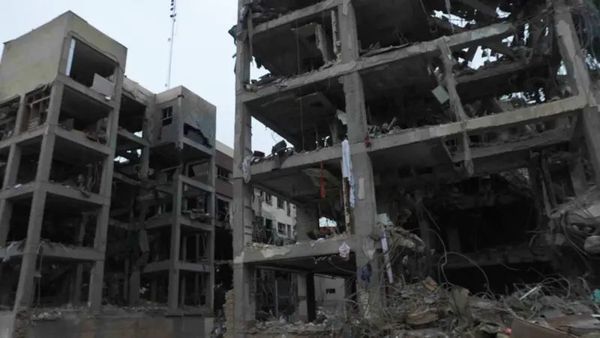
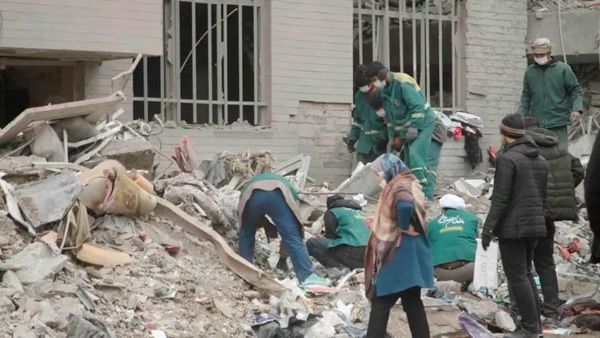
"My daughter is under the rubble"; Stories from inside Tehran as civilian casualties rise in attacksView a text version (no photos or videos) of this articleAuthor, Nawal Al-MaghafiJob, Senior International Investigative ReporterAuthor, Rouzager Akgun, Ishan Xaveri and Emily KostarJob, BBC Open Intelligence TeamPublished on March 28, 2026Reading time: 7 minutesA mother stands next to the rubble, screaming for her daughter. She has been waiting for days for aid workers to search the collapsed remains of the apartment that once housed her daughter in the residential neighborhood of Resalat, east of Tehran. “They don’t have enough strength to pull her out,” she says. Her daughter is “afraid of the dark,” she laments. Iran has been at war with the United States and Israel for about a month. The two countries have carried out attacks on targets linked to government institutions across Iran. But the attacks have also had a devastating impact on the civilians living around them. They are now caught between aerial bombardment and a repressive regime that responded to anti-government protests in January with a crackdown. Since the war began, the BBC has collected exclusive footage from independent journalists inside Tehran. The BBC is rarely allowed into Iran and has not been allowed access since the war began. We have collected eyewitness accounts, documented the aftermath of the attacks and broadcast footage from the networks. We have analyzed social and satellite imagery. Our analysis shows that a series of attacks on government-linked targets located in residential neighborhoods in Tehran have been carried out, with deadly consequences for the residents around them. Dozens of families lived in a multi-story residential building in the Resalat area before it was destroyed in an Israeli airstrike on March 9. The woman who was trapped under the rubble lived in the complex with her husband and young daughter. A few days after the attack, her and her daughter’s bodies were found, with only her husband surviving. Another building across the street was also destroyed in the attack. A 55-year-old man who lived in one of the apartments said the attack was “very sudden” and “threw me across the room.” He says all his belongings were buried under the rubble. "I have nothing left... all my documents and everything I had is gone." Local officials and residents say between 40 and 50 people were killed in the attack alone. Those who were left homeless are now being housed in a nearby hotel. "This was our life," the man said. The Israeli army told the BBC's Global Service that the target of the attack was a military building belonging to the Basij, a paramilitary force linked to Iran's Revolutionary Guards. Satellite images taken in the days following the attack showed at least four buildings in close proximity to each other destroyed. While one of them is believed to be a Basij-linked facility, the surrounding buildings appear to have been residential. Videos from the scene, verified by the BBC, show widespread destruction across the neighbourhood. Our analysis shows that buildings up to 65 metres away were severely damaged by the blast. Residents also reported multiple explosions within seconds. “They hit three times,” said one survivor. “There were maybe three to five seconds between the attacks… I tried to get up, but the debris fell on my head.” Military experts have told the BBC that the Israeli Air Force is likely to use large Mark 80 series bombs in Tehran, which are often equipped with precision guidance systems. They added that the size and extent of the destruction seen in the Resalat neighborhood is consistent with the use of the Mark 84 bomb, the largest type in the series, weighing 907 kilograms. Images of unexploded bombs matching this type have also been recorded in the city. The United Nations has previously urged countries and groups involved in the war to refrain from using powerful bombs in populated areas, as this puts civilians at risk. The BBC spoke to Two international human rights experts have spoken out, saying that using such heavy bombs in a densely populated area may be disproportionate and possibly unlawful, given the potential harm to civilians. The mission is not alone. Since the start of the conflict, the Israeli military says it has dropped more than 12,000 bombs across Iran, including 3,600 on Tehran alone. The US Central Command has also said it has struck more than 9,000 targets in Iran. Many of these attacks have targeted police stations, Basij buildings, police headquarters, military and police universities, safe houses, homes linked to the Revolutionary Guard, as well as possible ammunition depots and checkpoints. The targets are mostly located in densely populated residential areas. On March 1, as families gathered after breaking the Ramadan fast, Israel struck the Abbas Abad police station near Niloufar Square. Eyewitnesses reported at least 20 people were killed, although the BBC was unable to confirm. They explained that they first saw a "terrible light" and then heard several explosions. "We ran down the street," said one man. A man and a woman had just left the shop… they were immediately targeted.” Residents reported that several strikes hit the same target at close range. “Not even two minutes had passed when we returned, they attacked again,” said another eyewitness. The Israeli army claimed responsibility for the attack, saying it had “hit a military target.” BBC analysis shows that, as in the Rastallah neighborhood, the extent of damage in this area far exceeded the Israeli army’s stated target. Under international humanitarian law, all parties to the conflict must distinguish between military and civilian targets. The extent of damage to civilians or civilian buildings must also be proportionate to the anticipated military advantage. It also requires that parties avoid, as far as possible, locating military targets in or near populated areas. HRANA, a US-based human rights campaigner, said that 1,464 civilians, including 217 children, were killed in the first month of the conflict. Residents told the BBC that the attacks on residential areas had increased anger among them, even among those who had previously been critical of the Iranian regime. The BBC asked the Israeli military about the attacks mentioned in the report. It confirmed the attacks but did not provide further details. The US Department of Defense declined to comment. Iran has also targeted civilian infrastructure and residential buildings in neighboring countries, such as airports and hotels, particularly in Gulf states allied with Washington, during the war. In Tehran, residents of the capital have criticized the Iranian authorities' response to the war. They told the BBC that basic safety measures, including public shelters, evacuation support or temporary housing for the displaced, were noticeably lacking. Several people we spoke to said they had received no guidance on where to go or how to protect themselves during the attacks. "There are no sirens, no warnings, you just hear the explosions," said one resident. In the absence of clear communications and amid persistent internet outages, many people feel vulnerable and uncertain, not knowing when or where the next attack will occur. The Iranian government has so far not given any public details about its plans. The country has not offered any civilian defense in response to the attacks. The United States and Israel say they are targeting Iranian government infrastructure. But in a city where this infrastructure is located next to homes, shops and schools, the consequences of these attacks are felt far beyond the stated targets. For those experiencing this situation, the strain is measured in the loss of homes, the breakdown of families and the growing sense that nowhere is truly safe.
Content:
«دخترم زیر آوار است»؛ روایتهایی از داخل تهران همزمان با افزایش تلفات غیرنظامیان در حملاتمشاهده نسخه متنی (بدون عکس یا ویدیو) از این مطلبنویسنده, نوال المغافیشغل, خبرنگار ارشد تحقیقی بینالمللی نویسنده, روزگار آکگون، ایشان ژاوری و امیلی کوستارشغل, تیم اطلاعات منبعباز بیبیسیآیمنتشر شده در ۲۸ مارچ ۲۰۲۶زمان مطالعه: ۷ دقیقهمادری در کنار آوار ایستاده و با فریاد دخترش را صدا میزند. او از چندین روز منتظر است تا کارگران امدادی، بقایای فروریخته اپارتمانی را که زمانی محل زندگی دخترش در محله مسکونی رسالت، در شرق تهران بود، جستجو کنند.این زن میگوید: «آنها نیروی کافی برای بیرون آوردن او ندارند.»او با اندوه میگوید که دخترش «از تاریکی میترسد.»حدود یک ماه است که ایران با امریکا و اسرائیل در جنگ است.این دو کشور حملاتی را در سراسر ایران به اهداف مرتبط با نهادهای دولتی انجام دادهاند.اما این حملات تأثیر ویرانگری بر غیرنظامیان که در اطراف این اهداف زندگی میکنند نیز داشته است.آنها اکنون میان بمباران هوایی و یک رژیم سرکوبگر که در ماه جنوری با سرکوب به اعتراضات ضد حکومتی پاسخ داد، گرفتار شدهاند.از آغاز جنگ، بیبیسیآی، فلمهای اختصاصی از خبرنگاران مستقل در داخل تهران جمعآوری کرده است.بیبیسی به ندرت اجازه ورود به ایران را دارد و از آغاز جنگ نیز اجازه دسترسی به ما داده نشده است.ما روایت شاهدان عینی را جمعآوری کردهایم، پیامدهای حملات را ثبت کرده و تصاویر شبکههای اجتماعی و ماهوارهای را تحلیل کردهایم.تجزیه و تحلیل ما نشان میدهد که مجموعهای از حملات علیه اهداف مرتبط به دولت که در میان محلات مسکونی تهران قرار دارند، انجام شده و پیامدهای مرگباری برای ساکنان اطراف آنها داشته است.دهها خانواده قبل از تخریب ساختمان چندطبقه مسکونی در منطقه رسالت در حمله هوایی اسرائیل در نهم مارچ، درآن زندگی میکردند.دختری که زیر آوار گیرمانده بود، همراه با همسر و دختر خردسالش در این مجتمع زندگی میکرد. چند روز پس از حمله، اجساد او و دخترش پیدا شدند و تنها شوهرش زنده مانده بود.یک ساختمان دیگر در آن سوی جاده نیز در این حمله تخریب شد.مردی ۵۵ ساله که در یکی از اپارتمانهای آن زندگی می کرد گفت که حمله «بسیار ناگهانی» بود و «به آن سوی اتاق پرتاب شد.»او میگوید همه داراییهایش زیر آوار مدفون شده است. «دیگر هیچ چیزی ندارم...تمام اسناد و هرچه داشتم ازبین رفته است.»مقامهای محلی و باشندگان میگویند که تنها در این حمله بین ۴۰ تا ۵۰ نفر کشته شدهاند.افرادی که بیخانه شدهاند، در حال حاضر در یک هتل نزدیک اسکان داده شدهاند.این مرد گفت: «این زندگی ما بود.»ارتش اسرائیل به بخش جهانی بیبیسی گفت که هدف این حمله یک ساختمان نظامی متعلق به بسیج؛ نیروی شبهنظامی مرتبط به سپاه پاسداران ایران بوده است.تصاویر ماهوارهای که در روزهای پس از حمله گرفته شده، نشان میدهد دستکم چهار ساختمان در فاصلهای نزدیک به هم تخریب شدهاند.در حالی که یکی از آنها بهعنوان مرکز مرتبط به بسیج شناخته میشود، به نظر میرسد ساختمانهای اطراف مسکونی بودهاند.ویدیوهای محل که توسط بیبیسی آی راستیآزمایی شده، ویرانی گسترده را در سراسر این محله نشان میدهد. تحلیل ما نشان میدهد که ساختمانهایی تا فاصله ۶۵ متری بر اثر انفجار بهشدت آسیب دیدهاند.باشندگان همچنین از وقوع چندین انفجار در فاصله چند ثانیه خبر دادند.یکی از بازماندگان گفت: «سه بار زدند.»«شاید سه تا پنج ثانیه بین حملات فاصله بود… تلاش کردم بلند شوم، اما آوار بر سرم فروریخت.»کارشناسان نظامی به بیبیسی آی گفتهاند که نیروی هوایی اسرائیل احتمالا در تهران از بمبهای بزرگ سری مارک ۸۰ استفاده میکند که اغلب به سامانههای هدایت دقیق مجهز هستند.آنها افزودند که ابعاد و میزان تخریب مشاهده شده درمحله رسالت با استفاده از بمب مارک ۸۴، بزرگترین نوع این سری با وزن ۹۰۷ کیلوگرم، مطابقت دارد.تصاویری از بمبهای منفجر نشدهای که با این نوع مطابقت دارند نیز در شهر ثبت شدهاند.ملل متحد پیشتر از کشورها و گروههای درگیر در جنگ خواسته است که از استفاده از بمبهای قدرتمند در مناطق پرجمعیت خودداری کنند، زیرا این امر جان غیرنظامیان را به خطر میاندازد.بیبیسی آی با دو کارشناس حقوق بشر بینالمللی گفتوگو کرده است که معتقدند استفاده از چنین بمبهای سنگینی در یک منطقه پرجمعیت، با توجه به آسیب احتمالی به غیرنظامیان، ممکن است نامتناسب و احتمالا غیرقانونی باشد.رسالت تنها مورد نیست.از آغاز درگیری، ارتش اسرائیل میگوید بیش از ۱۲ هزار بمب در سراسر ایران و ۳۶۰۰ بمب تنها بر تهران پرتاب کرده است.فرماندهی مرکزی امریکانیز اعلام کرده که بیش از ۹ هزار هدف را در ایران مورد حمله قرار داده است.بسیاری از این حملات، مراکز پولیس، ساختمانهای بسیج، مقرهای انتظامی، دانشگاههای نظامی و پولیس، خانههای امن، منازل مرتبط با سپاه پاسداران، و همچنین انبارهای احتمالی مهمات و ایستهای بازرسی را هدف قرار دادهاند.این اهداف عمدتا در میان محلات پرجمعیت مسکونی قرار دارند.در اول مارچ، زمانی که خانوادهها بعد از افطار ماه رمضان گردهم آمدهبودند، اسرائیل پاسگاه پولیس عباسآباد را در نزدیکی میدان نیلوفر هدف قرار داد.شاهدان عینی از کشته شدن دستکم ۲۰ نفر خبر دادهاند، هرچند بیبیسی نتوانسته است این رقم را تایید کند.آنان توضیح دادند که ابتدا یک «نور وحشتناک» را دیدند و سپس صدای چندین انفجار را شنیدند.یک مرد گفت: «ما در سرک دویدیم. یک مرد و یک زن تازه از دکان بیرون آمده بودند… بلافاصله هدف قرار گرفتند.»باشندگان محل گزارش دادند که چندین حمله در فاصله نزدیک همان هدف را مورد اصابت قرار داد.یک شاهد عینی دیگر گفت: «حتی دو دقیقه هم نگذشته بود وقتی که ما برگشتیم، آنها دوباره حمله کردند.»ارتش اسرائیل مسئولیت این حمله را پذیرفت و گفت که «یک هدف نظامی را مورد حمله قرار داده است.»تحلیل بیبیسی نشان میدهد که مانند محله رسالت، میزان خسارت در این منطقه نیز بسیار فراتر از هدف اعلام شده از سوی ارتش اسرائیل بوده است.بر اساس حقوق بشردوستانه بینالمللی، تمام طرفهای درگیر باید میان اهداف نظامی و غیرنظامی تمایز قائل شوند.میزان آسیب به غیرنظامیان یا ساختمانهای غیرنظامی نیز باید متناسب با منفعت نظامی مورد انتظار باشد.همچنین ایجاب میکند که طرفها تا حد امکان از استقرار اهداف نظامی در داخل یا نزدیکی مناطق پرجمعیت خودداری کنند.هرانا، خبرگزاری فعالان حقوق بشر مستقر در امریکا گفته است که یک هزار و ۴۶۴ غیرنظامی به شمول ۲۱۷ کودک در ماه نخست این درگیری در ایران کشته شدهاند.باشندگان به بیبیسیآی گفتند که حملات بر محلات مسکونی، حتی در میان کسانی که پیشتر از منتقدان نظام ایران بودند، باعث افزایش خشم در میان آنها شده است.بیبیسی در مورد حملاتی که در این گزارش اشاره شد از ارتش اسرائیل پرسید. این نهاد حملات را تایید کرد اما توضیح بیشتر ارائه نکرد. وزارت دفاع امریکا از ارائه پاسخ خودداری کرد.ایران نیز در جریان جنگ، زیرساختهای غیرنظامی و ساختمانهای مسکونی در کشورهای همسایه مانند میدانهای هوایی و هوتلها به ویژه در کشورهای حوزه خلیج که با واشنگتن متحد هستند را هدف قرار داده است.در تهران، پایتختنشینان از نحوه واکنش مقامهای ایرانی به جنگ انتقاد کردهاند.آنها به بیبیسی گفتهاند که تدابیر اساسی ایمنی، از جمله پناهگاههای عمومی، حمایت برای تخلیه و یا اسکان موقت برای بیجاشدگان، بهطور محسوس فراهم نشده است.چندین تن از افرادی که با آنان صحبت کردیم گفتند که هیچگونه راهنمایی درباره اینکه کجا بروند یا چگونه در جریان حملات از خود محافظت کنند، دریافت نکردهاند.یکی از باشندگان گفت: «هیچ آژیر و هیچ هشداری وجود ندارد، فقط صدای انفجار را میشنوید.»در نبود ارتباطات روشن و در میان قطع دوامدار انترنت، بسیاری از مردم احساس آسیبپذیری و عدم اطمینان کرده و نمیدانند حمله بعدی چه زمانی و در کجا رخ خواهد داد.دولت ایران تا کنون هیچگونه جزئیات علنی دربار برنامههای سراسری دفاع غیرنظامی در پاسخ به این حملات ارائه نکرده است.امریکا و اسرائیل میگویند که زیرساختهای دولت ایران را هدف قرار میدهند.اما در شهری که این زیرساختها در کنار خانهها، دکانها و مکاتب قرار دارند، پیامدهای این حملات بسیار فراتر از اهداف اعلامشده احساس میشود.برای کسانی که این وضعیت را تجربه میکنند، این فشار در قالب از دست دادن خانهها، فروپاشی خانوادهها و افزایش این احساس که هیچجایی واقعاً امن نیست، سنجیده میشود.
Images: 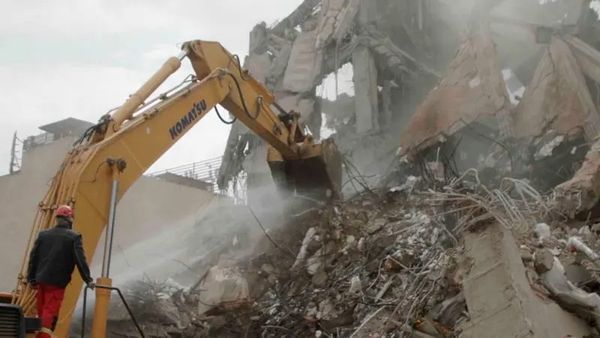
Additional Details
Captured Date
2026-06-29T11:18:17.000Z
Language
Persian
Incident