Source
Archive URL:
https://airwars.org/source/www-btselem-org-4/
Captured Post Date: 2025-08-20 00:00:00
Translated Author:
Author: B'Tselem
Translated Content:
(32 years old), father of four, resident of Al-Bureij camp, spoke about the shelling of the displaced persons' camp at Al-Razi School in Al-Nuseirat refugee camp, where he was injured and lost his father and two of his brothers, on July 16, 2024:
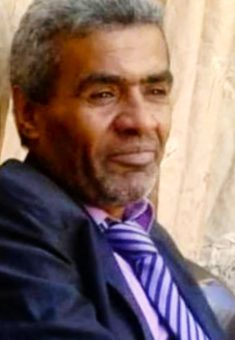
Ismail's father, Bassam Al-Jarjawi, was killed in the shelling. Photo kindly provided by the family.
Until the outbreak of the war, I lived in Al-Bureij refugee camp with my wife and our four children: Ghina (9 years old), Bassam (8 years old), Lujain (4.5 years old), and Jude (9 months old). My parents and four of my brothers, Ahmed (35 years old), Khalil (30 years old), Yousef (26 years old), and Mahmoud (23 years old), lived with us in the apartment. My married brother, Omar (31 years old), lived in a room on the roof with his wife and three daughters, Tin (4), Celia (2), and Ibtisam (1). On the third day of the war, my house, which had an asbestos roof, was severely damaged by a nearby airstrike. My brother Yousef suffered moderate injuries to his right leg, and my brother Mahmoud was injured in the head and needed stitches. My son Bassam's right hand was broken. We had to leave the house. We took some mattresses and kitchen utensils with us and moved to Abu Hamisa School, not far from our house. The women and girls stayed in one of the classrooms, and we, the men, lived in a tent in the schoolyard. There were thousands of displaced people, and the overcrowding was severe. We waited long hours in line for the bathrooms, and water was available for only two hours a day, which wasn't enough to fill the containers. We ate beans, canned cheese, and chickpeas from cans, as well as vegetables when they were available at a reasonable price. There was no cooking gas, so we could only cook with wood.
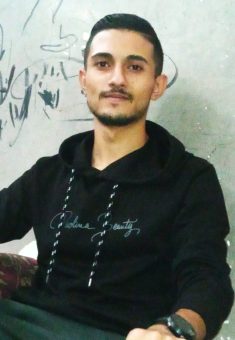
Ismail's brother, Mahmoud al-Jarjawi, was killed in the bombing. Photo courtesy of the family.
We stayed at Abu Hamisa School for about two months, until the Israeli occupation forces stormed al-Bureij refugee camp. My parents and siblings moved to al-Razi School in al-Nuseirat camp, and my wife, children, and I moved to a school under construction in the town of al-Zawayda. There was a severe water shortage and no toilets, so we left after a week and joined my family at al-Razi School. About a month later, the Israeli army ordered everyone to evacuate the area. Most of the displaced left the school, but we stayed, along with about 150 other displaced people. For 12 extremely difficult days, we did not leave the school at all due to the Israeli army presence. After the army withdrew, thousands of displaced people returned to school. On Tuesday, July 16, 2024, at around 2:00 PM, while I was in the school yard and my father, Bassam al-Jarjawi (57 years old), and my brothers Omar and Mahmoud were in a tent in the yard, the army suddenly fired two rockets that hit part of the yard where the tents were pitched, near the cafeteria. The yard was full of people at that moment, some of whom were busy spreading tarpaulins to provide shade. I was hit by shrapnel in my leg and fell to the ground. I saw rubble and thick dust all around me, as well as body parts and wounded people on the ground. My cousins quickly took me in a regular car to al-Awda Hospital in Nuseirat. On the way, I told them that my father and brothers must have been killed because they were in the exact spot hit by the rockets. From al-Awda Hospital, they transferred me to al-Aqsa Martyrs Hospital in Deir al-Balah, where I identified the bodies of my father and brother Omar. It took a few hours to identify my brother Mahmoud, as only parts of his body were found in the schoolyard. About an hour later, they transferred me again, this time to an American field hospital on the beach near a-Zawayda. The next day, they operated on me and put a plate in my left thigh. I stayed in that hospital for about two weeks. When I was released, I returned to the same school that had been bombed. We still live there—my family, my mother, and my brothers. A week after Omar was killed, his wife returned to her parents' home with their daughters. Our home in the al-Bureij refugee camp has been bombed about three times and is completely destroyed. We don't know where to go. They took us out of our homes under fire and we moved to schools because we thought they were safe places, but it turns out there is nowhere safe, and the army is bombing indiscriminately, everywhere.* This testimony was recorded by B'Tselem field researcher Khaled al-'Azayzeh on August 20, 2024.
Ismail's father, Bassam Al-Jarjawi, was killed in the shelling. Photo kindly provided by the family.
Until the outbreak of the war, I lived in Al-Bureij refugee camp with my wife and our four children: Ghina (9 years old), Bassam (8 years old), Lujain (4.5 years old), and Jude (9 months old). My parents and four of my brothers, Ahmed (35 years old), Khalil (30 years old), Yousef (26 years old), and Mahmoud (23 years old), lived with us in the apartment. My married brother, Omar (31 years old), lived in a room on the roof with his wife and three daughters, Tin (4), Celia (2), and Ibtisam (1). On the third day of the war, my house, which had an asbestos roof, was severely damaged by a nearby airstrike. My brother Yousef suffered moderate injuries to his right leg, and my brother Mahmoud was injured in the head and needed stitches. My son Bassam's right hand was broken. We had to leave the house. We took some mattresses and kitchen utensils with us and moved to Abu Hamisa School, not far from our house. The women and girls stayed in one of the classrooms, and we, the men, lived in a tent in the schoolyard. There were thousands of displaced people, and the overcrowding was severe. We waited long hours in line for the bathrooms, and water was available for only two hours a day, which wasn't enough to fill the containers. We ate beans, canned cheese, and chickpeas from cans, as well as vegetables when they were available at a reasonable price. There was no cooking gas, so we could only cook with wood.
Ismail's brother, Mahmoud al-Jarjawi, was killed in the bombing. Photo courtesy of the family.
We stayed at Abu Hamisa School for about two months, until the Israeli occupation forces stormed al-Bureij refugee camp. My parents and siblings moved to al-Razi School in al-Nuseirat camp, and my wife, children, and I moved to a school under construction in the town of al-Zawayda. There was a severe water shortage and no toilets, so we left after a week and joined my family at al-Razi School. About a month later, the Israeli army ordered everyone to evacuate the area. Most of the displaced left the school, but we stayed, along with about 150 other displaced people. For 12 extremely difficult days, we did not leave the school at all due to the Israeli army presence. After the army withdrew, thousands of displaced people returned to school. On Tuesday, July 16, 2024, at around 2:00 PM, while I was in the school yard and my father, Bassam al-Jarjawi (57 years old), and my brothers Omar and Mahmoud were in a tent in the yard, the army suddenly fired two rockets that hit part of the yard where the tents were pitched, near the cafeteria. The yard was full of people at that moment, some of whom were busy spreading tarpaulins to provide shade. I was hit by shrapnel in my leg and fell to the ground. I saw rubble and thick dust all around me, as well as body parts and wounded people on the ground. My cousins quickly took me in a regular car to al-Awda Hospital in Nuseirat. On the way, I told them that my father and brothers must have been killed because they were in the exact spot hit by the rockets. From al-Awda Hospital, they transferred me to al-Aqsa Martyrs Hospital in Deir al-Balah, where I identified the bodies of my father and brother Omar. It took a few hours to identify my brother Mahmoud, as only parts of his body were found in the schoolyard. About an hour later, they transferred me again, this time to an American field hospital on the beach near a-Zawayda. The next day, they operated on me and put a plate in my left thigh. I stayed in that hospital for about two weeks. When I was released, I returned to the same school that had been bombed. We still live there—my family, my mother, and my brothers. A week after Omar was killed, his wife returned to her parents' home with their daughters. Our home in the al-Bureij refugee camp has been bombed about three times and is completely destroyed. We don't know where to go. They took us out of our homes under fire and we moved to schools because we thought they were safe places, but it turns out there is nowhere safe, and the army is bombing indiscriminately, everywhere.* This testimony was recorded by B'Tselem field researcher Khaled al-'Azayzeh on August 20, 2024.
Content:
(32 عامًا)، أب لأربعة، من سكان مخيم البريج، تحدث عن قصف مخيم المهجّرين في مدرسة الرازي في مخيم النصيرات للاجئين، حيث أصيب هو وفقد والده واثنين من إخوته، 16.7.24:
والد إسماعيل، بسام الجرجاوي، الذي قُتل خلال القصف. صورة قدمتها العائلة مشكورة
حتى اندلاع الحرب، كنت أسكن في مخيم البريج للاجئين، مع زوجتي وأطفالنا الأربعة: غُنا (9 أعوام) وبسام (8 أعوام) ولجين (4,5 أعوام) وجود (9 أشهر). كان والداي وأربعة من إخوتي، أحمد (35 عامًا) وخليل (30 عامًا) ويوسف (26 عامًا) ومحمود (23 عامًا)، يعيشون معنا في الشقة. كان أخي المتزوج، عمر (31 عامًا)، يعيش في غرفة على السطح مع زوجته وبناته الثلاث، وتين (4 أعوام) وسيليا (سنتان) وابتسام (سنة واحدة).في اليوم الثالث من الحرب، تضرر منزلي الذي كان له سقف من الأسبستوس، بشدة من قصف جوي قريب. أصيب أخي يوسف بجروح متوسطة في ساقه اليمنى وأصيب أخي محمود في رأسه واحتاج إلى قُطَب. كُسرت يد ابني بسام اليمنى.اضطررنا إلى مغادرة المنزل. أخذنا معنا بعض الفرشات وأدوات المطبخ وانتقلنا إلى مدرسة "أبو هميصة"، غير البعيدة عن المنزل. أقامت النساء والفتيات في إحدى الغرف الدراسية وأقمنا، نحن الرجال، في خيمة في ساحة المدرسة. كان هناك الآلاف من المهجرين وكان الاكتظاظ شديدًا. كنا ننتظر وقتًا طويلاً في طابور الحمامات وكانت المياه تتوفر لمدة ساعتين فقط في اليوم، وهذا لم يكن كافيًا لملء الحاويات. كنا نأكل الفول والجبن المعلب والحمص من العلب والخضار أيضًا عندما كان من الممكن الحصول عليها بسعر معقول. لم يكن هناك غاز للطهي، لذلك لم نتمكن من الطهي إلا على حطب التدفئة.
شقيق إسماعيل، محمود الجرجاوي، الذي قُتل خلال القصف. صورة قدمتها العائلة مشكورة
بقينا في مدرسة أبو هميصة لمدة شهرين تقريبًا، حتى اقتحمت قوات الاحتلال مخيم البريج للاجئين. انتقل والداي وإخوتي إلى مدرسة الرازي في مخيم النصيرات وانتقلت أنا وزوجتي وأطفالي إلى مدرسة كانت قيد الإنشاء في بلدة الزوايدة. كان هناك نقص حاد في المياه ولم تكن هناك مراحيض، لذلك غادرنا بعد أسبوع وانضممنا إلى عائلتي في مدرسة الرازي. بعد حوالي شهر، أمر الجيش الإسرائيلي الجميع بإخلاء المنطقة. غادر معظم المهجرين المدرسة، لكننا بقينا، مع حوالي 150 نازحًا آخر. طوال 12 يومًا صعبة للغاية لم نغادر المدرسة على الإطلاق بسبب وجود الجيش الإسرائيلي. بعد انسحاب الجيش، عاد الآلاف من المهجرين إلى المدرسة.في يوم الثلاثاء الموافق 16.7.24، حوالي الساعة 14:00، بينما كنت في ساحة المدرسة وكان والدي، بسام الجرجاوي (57 عامًا)، وشقيقاي عمر ومحمود في خيمة في الساحة، أطلق الجيش فجأة صاروخين أصابا جزءًا من الساحة حيث كانت الخيام منصوبة، بالقرب من الكافتيريا. كانت الساحة مليئًا بالناس في تلك اللحظة، وكان بعضهم منشغلًا بمد المشمعات لتوفير الظل. أصبت بشظية في ساقي وسقطتُ على الأرض. رأيت حولي أنقاضًا وغبارًا كثيفًا في كل مكان، وكذلك أشلاء جثث وجرحى على الأرض.نقلني أبناء عمي بسرعة، بسيارة عادية، إلى مستشفى العودة في النصيرات. في الطريق قلت لهم إنه لا بد أن يكون أبي وإخوتي قد قتلوا، لأنهم كانوا في المكان الذي أصابته الصواريخ بالضبط. من مستشفى العودة نقلوني إلى مستشفى شهداء الأقصى في دير البلح، وهناك تعرفت على جثتي أبي وأخي عمر. استغرق التعرف على أخي محمود بضع ساعات، لأنهم لم يجدوا في ساحة المدرسة سوى أجزاء فقط من جثته. بعد ساعة تقريبًا نقلوني مرة أخرى، وهذه المرة إلى مستشفى ميداني أمريكي على شاطئ البحر بالقرب من الزوايدة، وفي اليوم التالي أجروا لي عملية جراحية هناك ووضعوا لي بلاتين في الفخذ الأيسر. مكثت في ذلك المستشفى حوالي أسبوعين.عندما أخلي سبيلي عدت إلى المدرسة نفسها التي تعرضت للقصف. ما زلنا نعيش هناك، أنا وعائلتي وأمي وإخوتي. بعد أسبوع من مقتل عمر، عادت زوجته إلى منزل والديها مع بناتهما. تعرض منزلنا في مخيم البريج للاجئين للقصف حوالي ثلاث مرات ودُمر بالكامل. نحن لا نعرف إلى أين نذهب. أخرجونا من منازلنا تحت نيران القصف وانتقلنا إلى المدارس لأننا اعتقدنا أنها أماكن آمنة، لكن اتضح أنه لا يوجد مكان آمن والجيش يقصف دون تمييز، في كل مكان.* سجّل هذه الإفادة باحث بتسيلم الميداني خالد العزايزة في 20.8.24
والد إسماعيل، بسام الجرجاوي، الذي قُتل خلال القصف. صورة قدمتها العائلة مشكورة
حتى اندلاع الحرب، كنت أسكن في مخيم البريج للاجئين، مع زوجتي وأطفالنا الأربعة: غُنا (9 أعوام) وبسام (8 أعوام) ولجين (4,5 أعوام) وجود (9 أشهر). كان والداي وأربعة من إخوتي، أحمد (35 عامًا) وخليل (30 عامًا) ويوسف (26 عامًا) ومحمود (23 عامًا)، يعيشون معنا في الشقة. كان أخي المتزوج، عمر (31 عامًا)، يعيش في غرفة على السطح مع زوجته وبناته الثلاث، وتين (4 أعوام) وسيليا (سنتان) وابتسام (سنة واحدة).في اليوم الثالث من الحرب، تضرر منزلي الذي كان له سقف من الأسبستوس، بشدة من قصف جوي قريب. أصيب أخي يوسف بجروح متوسطة في ساقه اليمنى وأصيب أخي محمود في رأسه واحتاج إلى قُطَب. كُسرت يد ابني بسام اليمنى.اضطررنا إلى مغادرة المنزل. أخذنا معنا بعض الفرشات وأدوات المطبخ وانتقلنا إلى مدرسة "أبو هميصة"، غير البعيدة عن المنزل. أقامت النساء والفتيات في إحدى الغرف الدراسية وأقمنا، نحن الرجال، في خيمة في ساحة المدرسة. كان هناك الآلاف من المهجرين وكان الاكتظاظ شديدًا. كنا ننتظر وقتًا طويلاً في طابور الحمامات وكانت المياه تتوفر لمدة ساعتين فقط في اليوم، وهذا لم يكن كافيًا لملء الحاويات. كنا نأكل الفول والجبن المعلب والحمص من العلب والخضار أيضًا عندما كان من الممكن الحصول عليها بسعر معقول. لم يكن هناك غاز للطهي، لذلك لم نتمكن من الطهي إلا على حطب التدفئة.
شقيق إسماعيل، محمود الجرجاوي، الذي قُتل خلال القصف. صورة قدمتها العائلة مشكورة
بقينا في مدرسة أبو هميصة لمدة شهرين تقريبًا، حتى اقتحمت قوات الاحتلال مخيم البريج للاجئين. انتقل والداي وإخوتي إلى مدرسة الرازي في مخيم النصيرات وانتقلت أنا وزوجتي وأطفالي إلى مدرسة كانت قيد الإنشاء في بلدة الزوايدة. كان هناك نقص حاد في المياه ولم تكن هناك مراحيض، لذلك غادرنا بعد أسبوع وانضممنا إلى عائلتي في مدرسة الرازي. بعد حوالي شهر، أمر الجيش الإسرائيلي الجميع بإخلاء المنطقة. غادر معظم المهجرين المدرسة، لكننا بقينا، مع حوالي 150 نازحًا آخر. طوال 12 يومًا صعبة للغاية لم نغادر المدرسة على الإطلاق بسبب وجود الجيش الإسرائيلي. بعد انسحاب الجيش، عاد الآلاف من المهجرين إلى المدرسة.في يوم الثلاثاء الموافق 16.7.24، حوالي الساعة 14:00، بينما كنت في ساحة المدرسة وكان والدي، بسام الجرجاوي (57 عامًا)، وشقيقاي عمر ومحمود في خيمة في الساحة، أطلق الجيش فجأة صاروخين أصابا جزءًا من الساحة حيث كانت الخيام منصوبة، بالقرب من الكافتيريا. كانت الساحة مليئًا بالناس في تلك اللحظة، وكان بعضهم منشغلًا بمد المشمعات لتوفير الظل. أصبت بشظية في ساقي وسقطتُ على الأرض. رأيت حولي أنقاضًا وغبارًا كثيفًا في كل مكان، وكذلك أشلاء جثث وجرحى على الأرض.نقلني أبناء عمي بسرعة، بسيارة عادية، إلى مستشفى العودة في النصيرات. في الطريق قلت لهم إنه لا بد أن يكون أبي وإخوتي قد قتلوا، لأنهم كانوا في المكان الذي أصابته الصواريخ بالضبط. من مستشفى العودة نقلوني إلى مستشفى شهداء الأقصى في دير البلح، وهناك تعرفت على جثتي أبي وأخي عمر. استغرق التعرف على أخي محمود بضع ساعات، لأنهم لم يجدوا في ساحة المدرسة سوى أجزاء فقط من جثته. بعد ساعة تقريبًا نقلوني مرة أخرى، وهذه المرة إلى مستشفى ميداني أمريكي على شاطئ البحر بالقرب من الزوايدة، وفي اليوم التالي أجروا لي عملية جراحية هناك ووضعوا لي بلاتين في الفخذ الأيسر. مكثت في ذلك المستشفى حوالي أسبوعين.عندما أخلي سبيلي عدت إلى المدرسة نفسها التي تعرضت للقصف. ما زلنا نعيش هناك، أنا وعائلتي وأمي وإخوتي. بعد أسبوع من مقتل عمر، عادت زوجته إلى منزل والديها مع بناتهما. تعرض منزلنا في مخيم البريج للاجئين للقصف حوالي ثلاث مرات ودُمر بالكامل. نحن لا نعرف إلى أين نذهب. أخرجونا من منازلنا تحت نيران القصف وانتقلنا إلى المدارس لأننا اعتقدنا أنها أماكن آمنة، لكن اتضح أنه لا يوجد مكان آمن والجيش يقصف دون تمييز، في كل مكان.* سجّل هذه الإفادة باحث بتسيلم الميداني خالد العزايزة في 20.8.24
Images:
Additional Details
Captured Date
2025-09-23 09:11:44
Captured Post ID