
Unlocking the power of open-source technologies to document the killing and injuring of civilians in conflicts across the globe, and laying the groundwork for accountability
The Airwars civilian harm archive contains more than 10,000 allegations of harm across multiple conflicts. Each entry draws from various sources—local reports, witness accounts, social media posts, and video footage—to build a comprehensive picture of harm.
Incidents include information about locations, dates, alleged perpetrators, and the people harmed. Rather than simply quantifying the impact of conflict, these records aim to preserve individual stories by giving a glimpse into the lives of those whose livelihoods, families, and cities have been devastated by war.
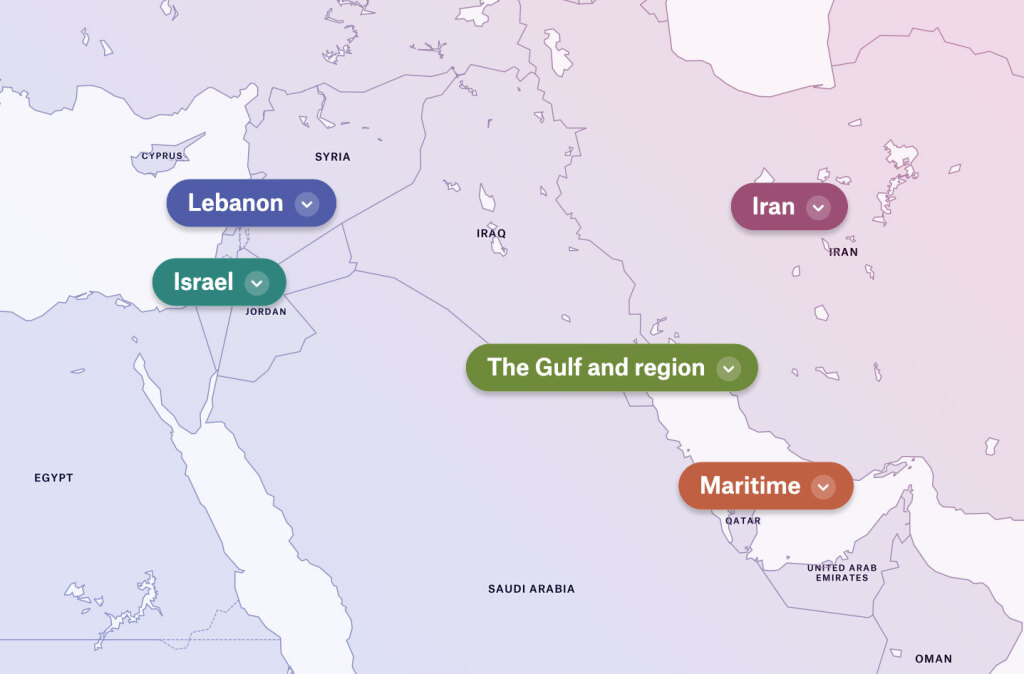
Airwars’ documentation of the war’s deadly impact on civilians across the Middle East
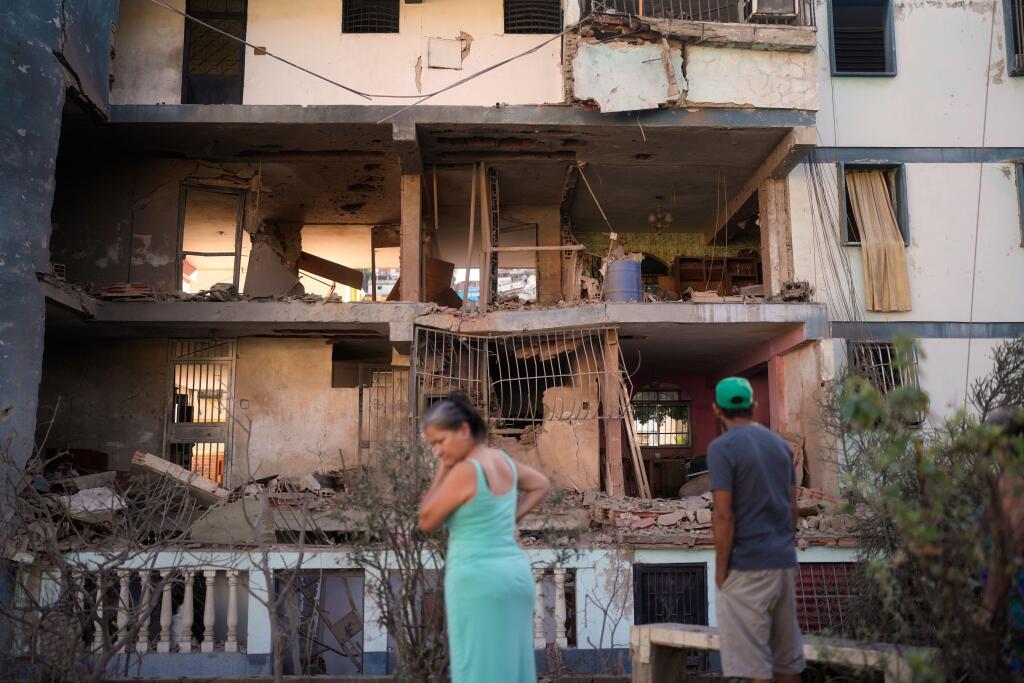
Airwars’ documentation of civilian harm and infrastructure damage from the attacks on Venezuela in January 2026.
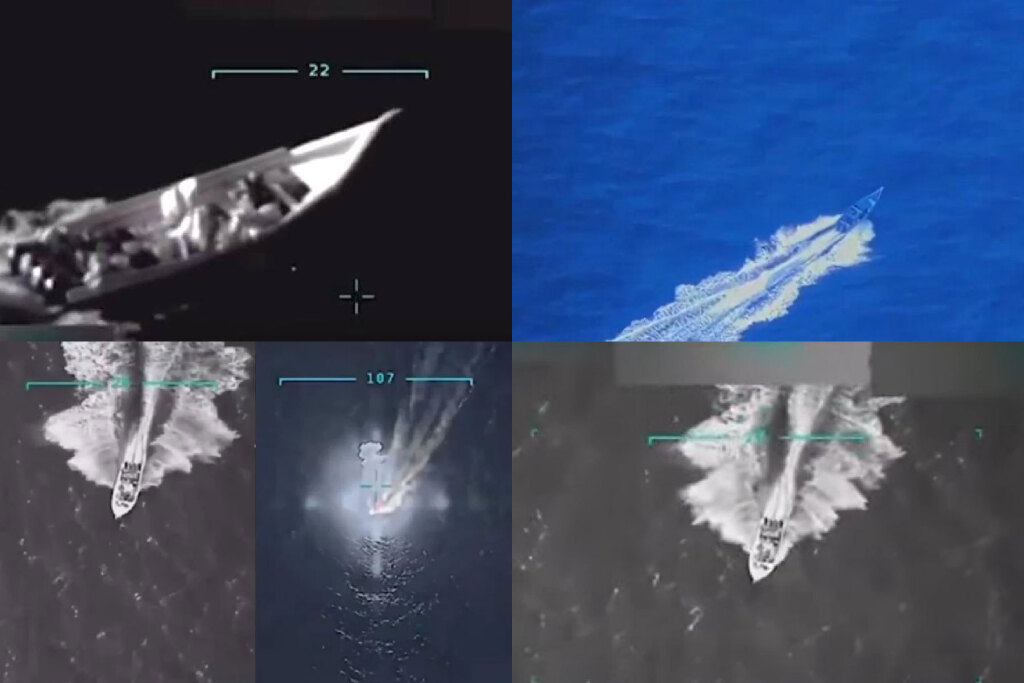
Airwars tracking of U.S. military strikes against alleged ‘narco-terrorists’ in small boats
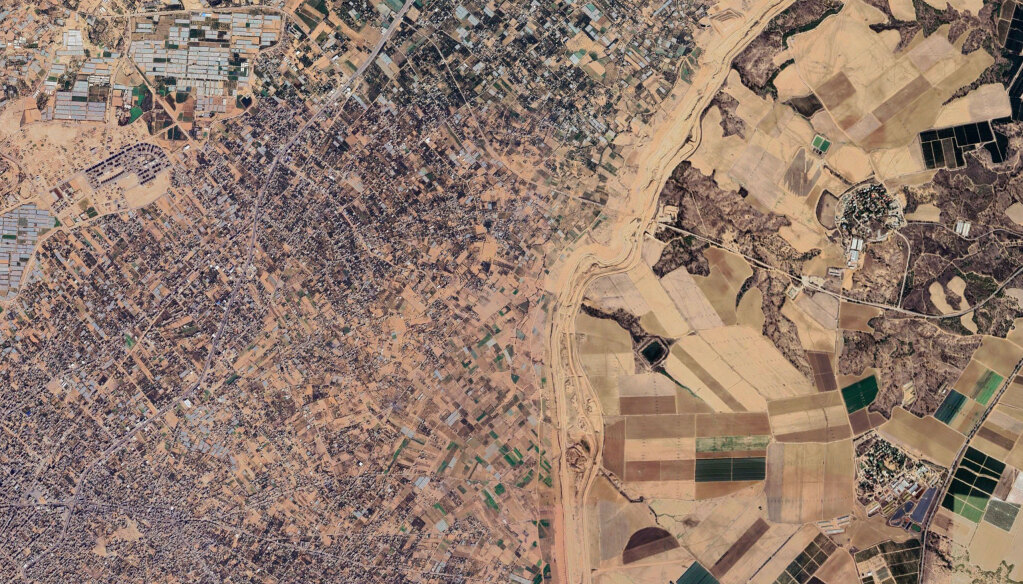
Following the Hamas-led assault into southern Israel on October 7th 2023, the Israeli military began a major bombing campaign and later ground invasion of Gaza. The resultant ongoing war has seen large-scale destruction and loss of life. Airwars has documented thousands of allegations of civilian harm from Israeli actions since October 2023, and has produced […]

U.S. forces conducted the first known drone strike in Yemen in 2002, and have conducted periodic strikes against Al-Qaeda since 2009. In late 2023, Houthi militants began attacking shipping in the Red Sea in support of Palestinian militants in Gaza. In response, US-led forces began a campaign against the Houthis, with an escalation March-May 2025. […]
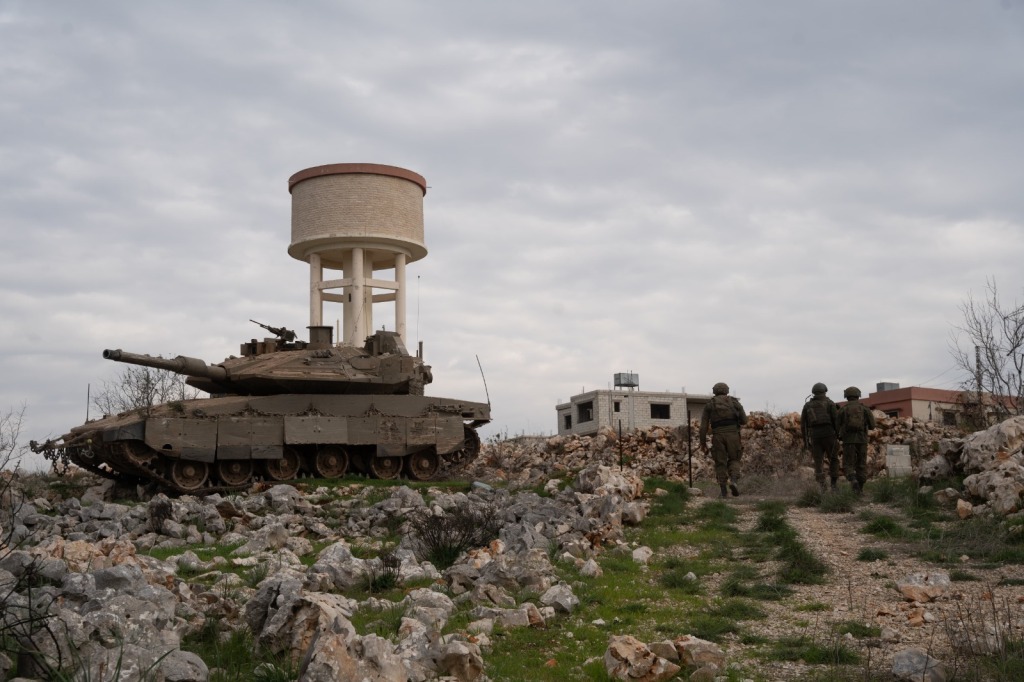
In September 2024, the Israeli military began a major conflict with Lebanese group Hezbollah, following a year of escalating tensions and border strikes. A ceasefire in late November 2024 saw the intensity of violence decrease though Israel continued launching sporadic strikes. On March 2, 2026, against the backdrop of a war led by U.S. and […]

Airwars is a member of the global Casualty Recorders Network and our open source methodology has been developed over more than a decade. Here’s how it works.
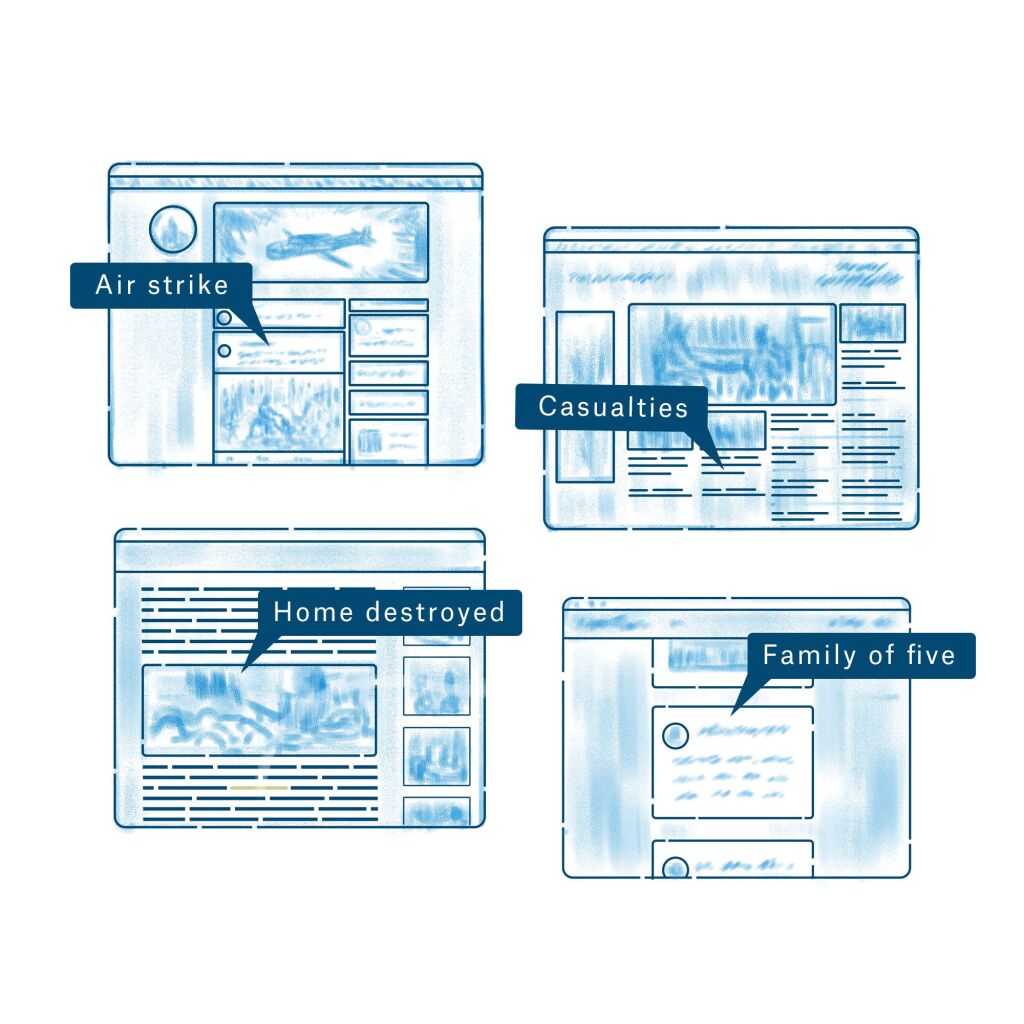
Our team conducts daily monitoring of local language media and social media sites, recording all allegations of civilian casualties.

Where a civilian is reportedly harmed, researchers collect all available information – including from local resident social media pages, on-the-ground footage, international news agencies, and NGOs. This helps build a comprehensive picture of each incident, and all media is digitally preserved.
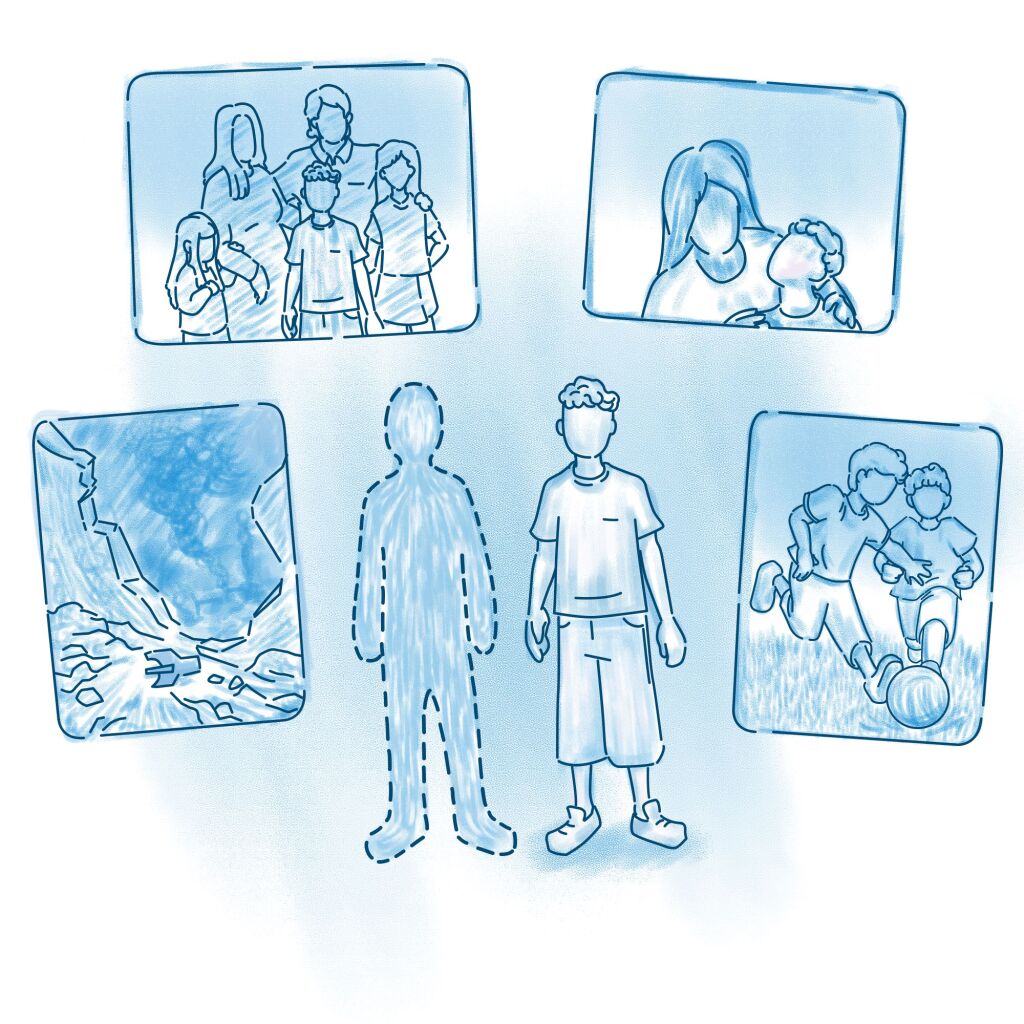
This information is brought into an incident report detailing how the strike happened, who was harmed, and what their lives were like before conflict. These are written to document but also to recognise the human cost of war, intending dignity, longevity and humanity for those harmed.
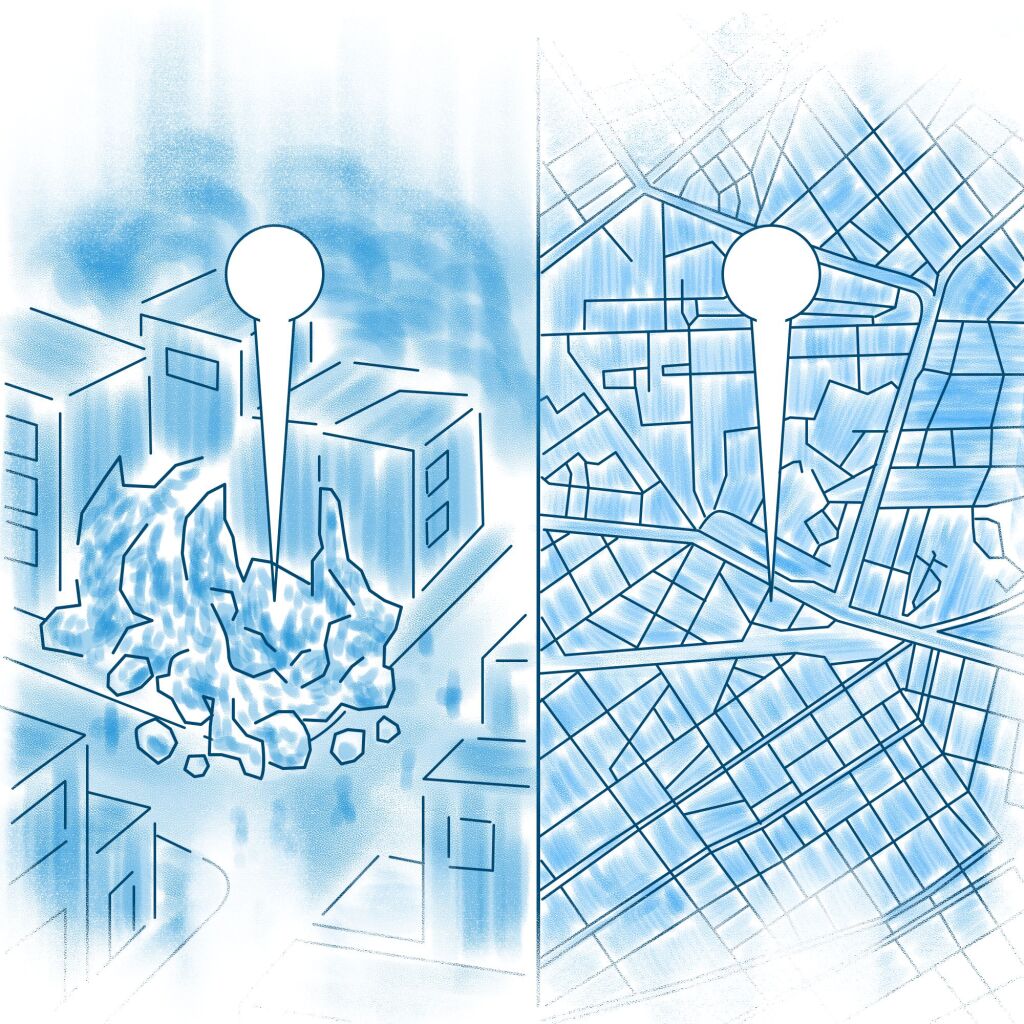
Every incident is geolocated to the highest possible accuracy, from “Exact Locations” (with visual proof) down to broader areas like neighborhoods or districts when precise coordinates aren’t available.

The assessments form the basis of much of Airwars’ work – helping reveal patterns of civilian harm, exposing gaps in accountability and official reporting, and ensuring those killed are remembered as people, not statistics.