Source
Archive URL:
https://airwars.org/source/archive-almanar-com-lb-3/
Captured Post Date:
Author:
Translated Content:
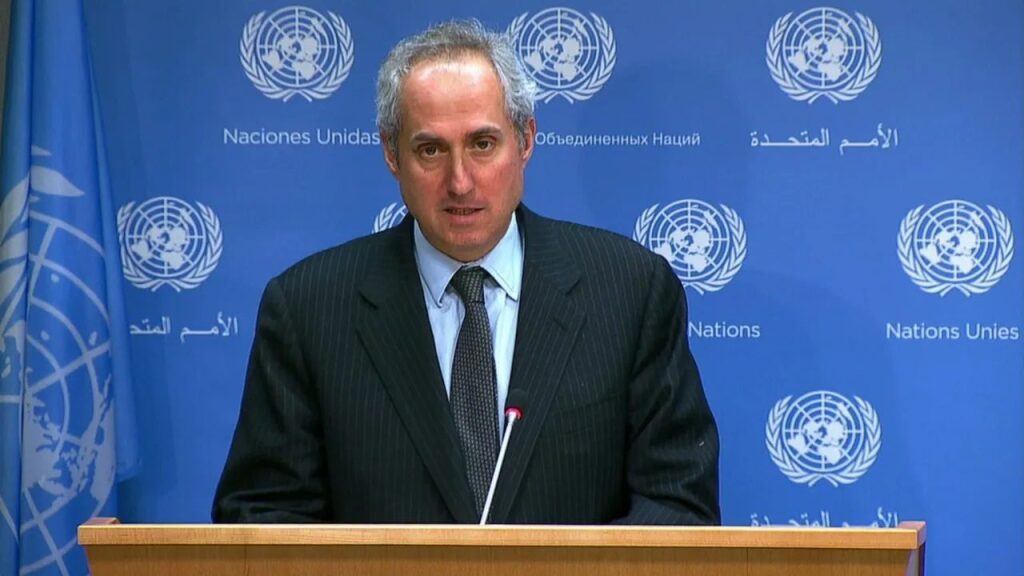
For the 21st consecutive day, the Israeli occupation army continues its relentless airstrikes on the Gaza Strip. Al-Manar's correspondent reported dozens of martyrs and wounded in Israeli airstrikes targeting several populated homes and facilities in Beit Lahia, Bir al-Na'ja, and Tel al-Za'tar, north of Gaza City, this afternoon. Eleven martyrs and a large number of wounded were also reported as a result of Israeli warplanes bombing a populated residential building near the Industrial Junction in Gaza City. The Gaza Ministry of Health announced that the occupation committed 41 massacres in the past few hours, resulting in 298 martyrs, most of whom were displaced persons in the southern Gaza Strip. Meanwhile, the Palestinian resistance continued its rocket fire towards Israeli settlements surrounding Gaza and also targeted Tel Aviv and Jaffa, causing damage to buildings and casualties. Its rockets were also directed at Ashkelon and Ashdod, and the Qassam Brigades bombarded the Zionist military base of Re'im with a barrage of rockets. Details from Al-Manar's correspondent: Dozens of people were killed and others wounded in an Israeli airstrike on a mosque in the Shati refugee camp in Gaza City on Friday. Local sources reported that "Israeli warplanes targeted the White Mosque in the Shati camp with several missiles, leading to its destruction." A video shows that 15 Palestinians, including a journalist, were killed and several others were wounded in Israeli airstrikes on civilian homes in Khan Younis, southern Gaza Strip. Footage documents the Gaza Strip before and after the brutal Israeli airstrikes. Palestinian sources reported that Israeli warplanes bombed the Abu Namous family home west of Khan Younis, killing journalist Yasser Abu Namous and his mother. They also bombed the Abu Shahma family home in the Ma'an area, east of Khan Younis, killing five and wounding several others. Additionally, Israeli warplanes bombed the Al-Alami family home on Al-Mashrou' Road, west of Khan Younis, killing two and wounding several others. They also bombed the Mohsen family home on Old Crescent Street in the Al-Amal neighborhood, west of Khan Younis, killing one and wounding several others. Once again today, the Israeli army radio claimed that "the army carried out a limited ground incursion into the Gaza Strip last night and attacked Hamas targets." The Israeli army announced that its forces launched a limited incursion into areas in the northern Gaza Strip on Thursday evening. In a statement, the army added that Israeli forces bombed several targets to "prepare the battlefield" ahead of a larger-scale ground invasion expected after more than two weeks of deadly Israeli aggression against civilians in Gaza in response to the Al-Aqsa Flood operation. The statement claimed, "Joint IDF forces raided the Gaza Strip again today, attacking approximately a dozen military targets belonging to the Hamas terrorist organization." It continued, "In the past day, infantry, armored, and engineering units under the command of the 36th Brigade, accompanied by IDF drones and attack helicopters, raided the central Gaza Strip. As part of this operation, IDF aircraft and artillery attacked Hamas terrorist targets in the Shuja'iyya neighborhood and throughout the Strip." The statement said that “as part of the operation, forces attacked dozens of targets, including anti-tank missile launch sites and operational headquarters, as well as Hamas terrorist organization operatives.” Earlier today, a rocket struck the Egyptian border city of Taba on the Red Sea, hitting a medical facility and injuring six people. Egyptian security sources reported that a projectile landed in the city of Nuweiba in South Sinai Governorate, noting that authorities are still gathering more information about the incident. The projectile landed in a desert area near the city, after a loud explosion was heard and clouds of dust were seen in the distance. The projectile landed in Nuweiba on Friday, following the injury of six people in Taba, which borders occupied Palestine, where the Israeli occupation army is waging a deadly war on the besieged Gaza Strip. The Israeli occupation army said that “in recent hours, an aerial threat was detected over the Red Sea.” Army spokesman Daniel Hagari stated, “In the past few hours, we detected an aerial threat in the Red Sea region. We scrambled aircraft.” A combat helicopter was deployed to deal with the threat, and the matter is currently under investigation.” He added in a press briefing, “To the best of our knowledge, the strike that occurred in Egypt was a result of this threat… Israel will work with Egypt and the United States to strengthen regional defenses against threats emanating from the Red Sea region.” Six people were injured when a missile struck the city of Taba late Thursday night, according to media reports and witnesses. The Egyptian Ministry of Health announced in a statement that “four of the six injured have been discharged from the hospital following the impact of an explosive device in Taba.” The Egyptian Armed Forces spokesman reported that “an unidentified drone crashed this morning, Friday, October 27, 2023, near a building next to Taba Hospital,” adding, “The incident resulted in minor injuries to six individuals, who were discharged from the hospital after receiving the necessary first aid… The incident is under investigation by a specialized committee of the relevant authorities.” Cairo News Channel reported that “amid the current escalation in Gaza, a missile struck Taba, resulting in minor injuries to six people.” On Sunday In the past, the Israeli army said that one of its tanks had “mistakenly” fired on an Egyptian position near the border. An Egyptian military spokesman indicated that “minor injuries” were sustained by Egyptian forces from the Israeli tank fire at the time. On the humanitarian front, the head of the UN World Food Programme, Cindy McKean, noted that “the excessively stringent inspection of trucks at the Rafah crossing from Egypt into Gaza has severely slowed the flow of humanitarian aid.” The UN Office for the Coordination of Humanitarian Affairs (OCHA) stated that 62 trucks carrying water, food, and medical supplies had crossed the Rafah crossing from Egypt into the Gaza Strip over four consecutive days, starting Saturday. The spokesman for the UN Secretary-General, Stéphane Dujarric, noted that “most of this aid has already reached hospitals, ambulances, and internally displaced persons.” Dujarric added that “the daily average of trucks allowed into Gaza before the current hostilities was around 500,” warning that “fuel, which is in high demand, has not been allowed in.” The need for fuel to operate backup generators has led to the United Nations Relief and Works Agency for Palestine Refugees (UNRWA) nearly exhausting its fuel reserves and significantly reducing its operations. He added that water supplies through the network have temporarily improved in areas south of Wadi Gaza after UNRWA and UNICEF were able to deliver small quantities of fuel from their existing reserves to key facilities. However, Dujarric warned that the fuel available at these facilities will likely run out very soon, and piped water supplies are expected to cease again. An estimated 1.4 million people are displaced in the Gaza Strip, with some 629,000 of them living in 150 UNRWA emergency shelters. Overcrowding is a growing concern, with the average number of displaced people per shelter now 2.7 times its capacity. Globally, European Union leaders, meeting at a summit in Brussels, agreed to call for humanitarian corridors and a ceasefire to allow aid into the Gaza Strip. In a declaration adopted by the European Council leaders, they expressed The bloc expressed its deep concern about the deteriorating humanitarian situation in Gaza and called for the continued, rapid, safe, and unhindered delivery of humanitarian aid to those in need through all necessary measures, including humanitarian corridors and a ceasefire to meet humanitarian needs. The statement affirmed that “the European Union will work closely with partners in the region to protect civilians, provide assistance, and facilitate access to food, water, medical care, fuel, and shelter, and ensure that terrorist organizations do not misuse this aid.” Source: Al-Manar TV + Palestinian news agencies
Content:
لليوم الـ21 على التوالي، يواصل جيش الإحتلال الإسرائيلي استهداف قطاع غزة بغارات جوية مكثفة.وافاد مراسل المنار عن سقوط عشرات الشهداء والجرحى بغارات للعدو الاسرائيلي على عدة منازل مأهولة ومنشآت في بيت لاهيا وبئر النعجة وتل الزعتر شمال غزة عصر اليوم. كما سقط 11 شهيدا وعدد كبير من الجرحى جراء قصف طائرات العدو الاسرائيلي بناية سكنية مأهولة في محيط مفترق الصناعة بمدينة غزة . وزارة الصحة بغزة اعلنت ان الاحتلال ارتكب في الساعات الماضية 41 مجزرة راح ضحيتها 298 شهيدا غالبيتهم من النازحين إلى جنوب القطاع.الى ذلك واصل المقاومة الفلسطينية رشقاتها الصاروخية باتجاه المستوطنات الصهيونية بغلاف غزة كما قصفت تل ابيب ويافا مما ادى الى اصابة مبان وسقوط اصابات. ووجهت صواريخها ايضا الى عسقلان واسدود وقصفت كتائب القسام قاعدة “رعيم” العسكرية الصهيونية برشقة صاروخية.التفاصيل مع مراسل المنار: واستُشهد عشرات الأشخاص وأصيب آخرون، إثر قصف نفذته طائرات حربية إسرائيلية، اليوم الجمعة، على مسجد في مخيم الشاطئ بمدينة غزة. وأفادت مصادر محلية، بأن “الطيران الحربي الإسرائيلي استهدف المسجد الأبيض في مخيم الشاطئ بعدة صواريخ، ما أدى إلى تدميره”. فيديو عامكما استُشهد 15 فلسطينياً بينهم صحافي، وأُصيب عدد آخر بجروح متفاوتة، في غارات نفذتها قوات الاحتلال الإسرائيلي على منازل المواطنين في محافظة خان يونس، جنوبي قطاع غزة.مشاهد توثق قطاع غزة قبل وبعد العدوان الهمجي عليه من قبل طيران الاحتلال الاسرائيلي وأفادت مصادر فلسطينية بأن الطائرات الحربية الإسرائيلية قصفت منزل عائلة أبو ناموس، غربي مدينة خان يونس، مما أدى إلى استشهاد الصحافي ياسر أبو ناموس ووالدته، كما قصفت منزل عائلة أبو شحمة في منطقة معن، شرقي خانيونس، ما أدى لارتقاء 5 شهداء وعدد من الإصابات.كذلك، قصفت الطائرات الحربية الإسرائيلية منزل عائلة العلمي في طريق المشروع، غربي خان يونس، واستشهد مواطنان وأصيب عدد آخر من المواطنين.كما قصفت منزل عائلة محسن في شارع الهلال القديم في حي الأمل، غربي خان يونس، واستشهد مواطن إضافة إلى تسجيل عدد من الإصابات.ومرة جديدة اليوم، ادّعت إذاعة جيش الإحتلال الإسرائيلي أنّ “الجيش نفذ الليلة توغلًا بريًا محدودًا إلى داخل قطاع غزة وهاجم أهدافًا لحماس”.وأعلن جيش الاحتلال الإسرائيلي، أن قواته شنت مساء أمس الخميس، توغلاً محدوداً على مناطق في شمال قطاع غزة، مضيفاً في بيان أن القوات الإسرائيلية قصفت عدة أهداف من أجل ”تحضير ساحة المعركة” قبل غزو بري متوقع على نطاق أوسع بعد أكثر من أسبوعين من العدوان الإسرائيلي الفتاك على المدنيين في غزة رداً على معركة طوفان الأقصى.وقال “داهمت قوات مشتركة من الجيش الإسرائيلي قطاع غزة مرة أخرى في اليوم الأخير، وهاجمت حوالي عشرات الأهداف العسكرية لمنظمة حماس الإرهابية”، حسب زعمه.وتابع “في اليوم الأخير، قامت قوات المشاة والمدرعات والهندسة تحت قيادة غيش (36) وبرفقة طائرات بدون طيار تابعة للجيش الإسرائيلي، ومروحيات حربية بمداهمة وسط قطاع غزة. وفي إطار ذلك هاجمت طائرات ومدفعية تابعة للجيش الإسرائيلي أهدافًا لمنظمة حماس الإرهابية في حي الشجاعية وفي أنحاء القطاع”، وفق البيان. وذكر أنه “في إطار العملية، هاجمت القوات العشرات من الأهداف، بما في ذلك مواقع إطلاق الصواريخ المضادة للدبابات ومقرات للعمليات، بالإضافة إلى مخربي منظمة حماس الإرهابية”، بحسب البيان.وفجر اليوم، سقط صاروخ في مدينة طابا المصرية الحدودية المطلة على البحر الأحمر وأصاب منشأة طبية ما أسفر عن إصابة 6 أشخاص.وأفادت مصادر أمنية مصرية، بسقوط مقذوف على مدينة نويبع في محافظة جنوب سيناء، مشيرةً الى أن السلطات لا تزال تجمع المزيد من المعلومات عن الواقعة، وقد سقط المقذوف في أرض صحراوية تابعة للمدينة، بعد سماع دوي انفجار قوي وقد شوهدت سحب من الغبار عن بعد.وسقطت القذيفة في مدينة نويبع اليوم الجمعة، بعد إصابة 6 أشخاص إثر سقوط صاروخ في طابا المتاخمة لحدود فلسطين المحتلة، حيث يشنّ جيش الاحتلال الاسرائيلي حرباً فتاكة على قطاع غزة المحاصَر.وقال جيش الاحتلال الإسرائيلي إنه تم “خلال الساعات الأخيرة، رصد تهديد من الجوّ فوق البحر الأحمر”.وذكر المتحدث باسم جيش الاحتلال دانيال هغاري “رصدنا في الساعات القليلة الماضية تهديدا جويا في منطقة البحر الأحمر. أرسلنا طائرات هليكوبتر قتالية للتعامل مع التهديد، ويجري الآن التحقيق في الأمر”.وأضاف في إفادة صحافية”على حد علمنا، الضربة التي وقعت في مصر كانت نتيجة لهذا التهديد.. إسرائيل ستعمل مع مصر والولايات المتحدة على تعزيز الدفاعات الإقليمية في مواجهة التهديدات القادمة من منطقة البحر الأحمر”.وأُصيب ستة أشخاص، من جراء سقوط صاروخ ليل الخميس – الجمعة في مدينة طابا، بحسب ما أكدت وسائل إعلام وشهود.وأعلنت وزارة الصحة المصرية في بيان “مغادرة 4 من بين 6 مصابين المستشفى جراء سقوط جسم منفجر في مدينة طابا”.وأفاد المتحدث العسكري للقوات المسلحة المصرية، “بسقوط إحدى الطائرات الموجهة بدون طيار مجهولة الهويه صباح اليوم الجمعة الموافق 27 /10/ 2023 بجوار أحد المبانى بجانب مستشفى طابا”، مضيفاً “أسفر الحادث عن اصابات طفيفة لعدد 6 فرد، وتم خروجهم من المستشفى بعد تلقى الإسعافات اللازمة… والحادث قيد التحقيق بواسطة لجنة مختصة من الجهات المعنية”.وذكرت قناة “القاهرة” الإخبارية أنه “في إطار التصعيد الحالي في غزة سقط صاروخ في طابا، ما أدى إلى إصابة ستة أشخاص بجروح طفيفة”.والأحد الماضي، قال جيش الاحتلال الإسرائيلي إن دبابة تابعة له أطلقت النار عن طريق “الخطأ” على موقع مصري متاخم للحدود.من جانبه، أشار متحدث عسكري مصري إلى تسجيل “إصابات طفيفة” في صفوف القوات المصرية بنيران الدبابة الإسرائيلية حينها.إنسانيًا، لفتت مديرة برنامج الأغذية العالمي التابع للأمم المتحدة، سيندي مكين، إلى أنّ “التفتيش المبالغ في صرامته للشاحنات عند معبر رفح من مصر إلى غزة أدى إلى تباطؤ تدفق المساعدات الإنسانية بشدة”.وبدوره صرّح مكتب منظمة الأمم المتحدة لتنسيق الشؤون الإنسانية، بأنّ 62 شاحنة عبرت معبر رفح من مصر إلى قطاع غزة على مدى أربعة أيام متتالية، منذ يوم السبت، محملة بالمياه والغذاء والإمدادات الطبية.ولفت المتحدث باسم الأمين العام لمنظمة الأمم المتحدة، ستيفان دوجاريك، إلى أنّ “معظم هذه المساعدات وصلت بالفعل إلى المستشفيات وسيارات الإسعاف والنازحين داخليًا”.وأضاف دوجاريك أنّ “المعدل اليومي للشاحنات التي كان مسموحًا لها بدخول غزة قبل الأعمال القتالية الراهنة كان حوالي 500 شاحنة”، منبهاً من أنّه “لم يتم إدخال الوقود، الذي تشتد الحاجة إليه لتشغيل المولدات الاحتياطية، ونتيجة لذلك استنفدت وكالة الأمم المتحدة لغوث وتشغيل لاجئي فلسطين (الأونروا) تقريبًا احتياطاتها من الوقود وبدأت في تقليص عملياتها بشكل كبير”.وقال إنّ “إمدادات المياه عبر الشبكة تحسنت بشكل مؤقت في المناطق الواقعة جنوب وادي غزة، بعد أن تمكنت الأونروا واليونيسف من تسليم كميات صغيرة من الوقود من احتياطاتها الحالية إلى المرافق الرئيسية”.وفي السياق، حذّر دوجاريك من أنّ “الوقود المتاح في هذه المرافق سينفد، على الأرجح في وقت قريب جدًا، ومن المتوقع أن تتوقف إمدادات المياه عبر الأنابيب مرة أخرى”.ويقدّر عدد النازحين في قطاع غزة بنحو 1.4 مليون شخص، يعيش حوالي 629 ألفا منهم في 150 ملجأ طوارئ تابع للأونروا.ويشكل الإكتظاظ مصدر قلق متزايد، حيث وصل متوسط عدد النازحين لكل مأوى الآن إلى 2.7 ضعف طاقته الاستيعابية.وعلى الصعيد العالمي، اتفق قادة الإتحاد الأوروبي في قمة ببروكسل على الدعوة إلى “ممرات إنسانية وهدنة” لإيصال المساعدات إلى قطاع غزة.وفي إعلان تبناه قادة المجلس الأوروبي، أعرب التكتل عن قلقه البالغ إزاء تدهور الوضع الإنساني في غزة، ودعوا إلى استمرار وصول المساعدات الإنسانية بشكل سريع وآمن ودون عوائق إلى المحتاجين من خلال جميع التدابير الضرورية بما في ذلك الممرات الإنسانية والهدنة لتلبية الاحتياجات الإنسانية.وأكّد الإعلان أنّ “الإتحاد الأوروبي سيعمل بشكل وثيق مع الشركاء في المنطقة لحماية المدنيين وتقديم المساعدة وتسهيل الوصول إلى الغذاء والماء والرعاية الطبية والوقود والمأوى، وضمان عدم إساءة المنظمات الإرهابية استخدام هذه المساعدات”. المصدر: قناة المنار + وكالات فلسطينية
Images:


Additional Details
Captured Date
2025-12-07 01:26:13
Captured Post ID