Source
Captured Post Date: 2023-10-30 06:47:56
Translated Author:
Author: Caitlin Hu
Translated Content:
Your effort and contribution in providing this feedback is much appreciated. Live TV Listen Watch US International Arabic Español World Africa Americas Asia Australia China Europe India Middle East United Kingdom US Politics Trump Facts First CNN Polls 2025 Elections Redistricting Tracker Business Tech Media Calculators Videos Markets Pre-markets After-Hours Fear & Greed Investing Markets Now Nightcap Health Life, But Better Fitness Food Sleep Mindfulness Relationships Entertainment Movies Television Celebrity Tech Innovate Foreseeable Future Mission: Ahead Work Transformed Innovative Cities Style Arts Design Fashion Architecture Luxury Beauty Video Travel Destinations Food & Drink Stay News Videos Sports Football Tennis Golf Motorsport US Sports Olympics Climbing Esports Hockey Science Space Life Unearthed Climate Solutions Weather Weather Video Climate Ukraine-Russia War Israel-Hamas War Features As Equals Call to Earth Freedom Project Impact Your World Inside Africa CNN Heroes Watch Live TV CNN Fast Shows A-Z CNN10 CNN Max CNN TV Schedules Listen CNN 5 Things Chasing Life with Dr. Sanjay Gupta The Assignment with Audie Cornish One Thing Tug of War CNN Political Briefing The Axe Files All There Is with Anderson Cooper All CNN Audio podcasts Games Daily Crossword Jumble Crossword Photo Shuffle Sudoblock Sudoku 5 Things Quiz About CNN Photos Investigations CNN Profiles CNN Leadership CNN Newsletters Work for CNN Israeli troops advance in Gaza, hostage freed and ‘impossible’ hospital evacuation: What to know Monday Israel said Monday its ground offensive will “intensify” after troops appeared to advance more than two miles into Gaza, according to a CNN analysis. Meanwhile, aid groups say civil order is breaking down in the enclave, as airstrikes compound a devastating humanitarian crisis caused by Israel’s blockade on basic necessities including food and fuel. Over the weekend, Israel said it had entered a “second stage” of its war against militant group Hamas, which controls Gaza, following weeks of aerial strikes on the isolated territory. Israel is prepared for a “long and difficult” war, Israeli Prime Minister Benjamin Netanyahu said Saturday, as it seeks to root out and “destroy” Hamas after it killed more than 1,400 people in the attack on Israel earlier this month. Israel’s bombardment of Gaza since then has left at least 7,960 people dead, mostly civilians, according to the Palestinian Ministry of Health in Ramallah. Nearly three-quarters – 73% – of those killed are from vulnerable populations, including children, women and elderly individuals, the ministry said Sunday. Amnesty International said it has documented “unlawful Israeli attacks” that “must be investigated as war crimes,” as Israel argues it is targeting Hamas. In the weeks since the siege on Gaza began, less than one normal day’s worth of aid has been allowed to reached its residents. During Israeli ground operations in Gaza, an Israeli soldier who was among the more than 200 hostages taken by Hamas in its October 7 attack was rescued, the Israel Defense Forces (IDF) said Monday. A 23-year-old German-Israeli woman who was abducted from a music festival and taken to Gaza has been declared dead, Israel’s foreign ministry said earlier in the day. Israel’s expanded operations sparked new warnings from leaders about the risk of broader regional conflict, as well as heightened calls from the United Nations for a humanitarian ceasefire to deliver desperately needed aid into Gaza. Here’s the latest: Offensive will intensify, IDF says Israel sent more ground forces into Gaza overnight, army spokesman Rear Adm. Daniel Hagari said Monday. “Additional forces have entered the strip. Our activity there is only set to intensify,” he said, adding that dozens of Hamas gunmen had been killed in recent fighting. Video footage has also emerged of an Israeli tank apparently opening fire on a passenger vehicle as it performed a U-turn on the main road running through Gaza. The footage, filmed by Palestinian freelance journalist Yousif Al Saifi and geolocated by CNN, shows the tank close to the Netzarim junction, a key crossroads to the south of Gaza city about three kilometers (1.8 miles) from the strip’s eastern boundary. “The tank was standing there and targeting anyone who came close to it,” Al Saifi said, describing the incident on his Telegram account. “A car and a bus were both targeted in that area; there was also a bulldozer beside the tank.” It is not known who was driving the vehicle, nor their condition after the incident. In response to the video, a spokesman for the IDF told CNN that Hamas uses civilian equipment inside Gaza, and acknowledged he didn’t know who was inside that particular car. “How can you tell there aren’t terrorists inside that car? Hamas has no jeeps or tanks, they use civilian equipment for their military purposes,” IDF spokesman Maj. Nir Dinar told CNN. “I don’t know who was in that vehicle so I assume the media can’t tell for sure as well,” he added. But as concerns about civilian casualties in Gaza mount, Netanyahu pushed back against the notion that Israel was inflicting collective punishment on the Palestinian people in its pursuit of Hamas, accusing the militant group of preventing civilians from moving to the safe zone in southern Gaza. US National Security Council spokesperson John Kirby told reporters later on Monday that the administration believes Israel is making an effort to minimize humanitarian casualties in Gaza. Still, he said, “It doesn’t mean that there haven’t been civilian casualties — tragically, there have been many, thousands of them, but unlike Putin in Ukraine, and unlike what Hamas did on October 7, killing civilians is not a war aim of the Israeli Defense Forces.” Israeli troops appear to have advanced more than two miles into Gaza over the weekend, according to a CNN analysis of video showing soldiers putting an Israeli flag on a rooftop in Gaza. The video, taken Saturday and published by an Israeli media outlet, is one of the first glimpses into where Israeli ground forces have been since expanding ground operations in Gaza overnight Friday. On Sunday, the IDF said it exchanged fire with Hamas and struck military structures, “some of which contained Hamas terrorists.” Hostage rescued A female Israeli soldier who was kidnapped by Hamas, PVT Ori Megidish, was freed during IDF ground raids, the Israeli military said Monday. “The soldier was medically checked, is doing well, and has met with her family,” it said. But another family’s hopes were crushed with an announcement by the Israeli Ministry of Foreign Affairs, which said Monday that 23-year-old Shani Louk had been declared dead. Louk, a German-Israeli woman, was kidnapped from the Nova music festival on October 7, after Hamas breached the border between Gaza and Israel. Hamas also released a second short hostage video showing three women who are believed to be captive held by the militant group. The footage shows them seated in plastic chairs facing the camera, while the woman in the middle addresses Netanyahu directly with increasing fury. She speaks fluently and does not appear to be reading from a script, but because the women are hostages, the statement could have been made under duress. “You promised to release us all,” she says, suggesting she is aware of hostage negotiations, which fell through. She finishes with a demand to “free us all,” screaming: “Now! Now! Now!” Relatives of the hostages have named the women as Yelena Trupanob, Daniel Aloni and Rimon Kirsht. Prime Minister Netanyahu’s office also confirmed their names in a brief statement. While the women do not show visible signs of physical mistreatment, but CNN is unable to verify anything about their circumstances or well-being. The Israeli government has been under public pressure to ensure the safety of what Israel has said are 239 known hostages in Gaza, with senior officials portraying the intensifying campaign as part of a strategy to secure their release. Families of hostages held in Gaza say they told Netanyahu on Sunday they would only accept an “everyone in return for everyone” deal, which would secure the immediate release of all hostages. An “everyone for everyone” deal would involve the release of Hamas’ hostages in Gaza in exchange for Palestinians currently held in Israeli prisons, which the nongovernmental organization Palestinian Prisoners Club estimates to be 6,630 people. ‘Impossible’ hospital evacuation Numerous hospitals in Gaza have bore the brunt of airstrikes and shelling, according to aid groups and health workers. Israeli airstrikes have “caused extensive damage to hospital departments and exposed residents and patients to suffocation” at the Al-Quds Hospital, the Palestinian Red Crescent Society said Sunday. The medical organization accused Israel of “deliberately” launching airstrikes “directly next to” the facility in order to force an evacuation of the hospital, the second-largest in Gaza City. The facility is treating hundreds of patients, while some 12,000 internally displaced civilians are also sheltering there, the agency said. The organization said it received new warnings on Sunday from Israel to immediately evacuate the hospital ahead of possible bombardment, which the World Health Organization (WHO) has said would be “impossible” to do without endangering patients’ lives. The hospital is located north of Wadi Gaza, the line Israel has urged people in Gaza to flee south of as it continues to strike what it says are Hamas targets in the north. Aid groups have criticized the evacuation order, pointing to the challenges for civilians of moving within Gaza while it is under attack. Even those who have been able to follow that evacuation order have not found safety, CNN reported Sunday. Gaza’s leading cancer hospital was also damaged in an Israeli attack, hospital director Sobhi Skaik told CNN on Monday, with its third floor suffering a direct hit causing damage to oxygen and water supplies. He said that no one was injured in the attack. A video circulating on social media and geolocated by CNN showed smoke coming out from the hospital’s central building. “The most severe damage is the anxiety and panic that afflicts patients,” Skaik said. “Today, there were people who fled the hospital because of what they saw.” Asked to comment, the Israeli military told CNN in a statement Tuesday: “The IDF did not strike Gaza’s Turkish-Palestinian Friendship hospital.” It did not offer any further information. The hospital, which is located just to the south of Gaza City, was paid for by the Turkish government, which expressed its anger over the strike in a statement from the Foreign Ministry: “There is no explanation for such an attack, even though all necessary information, including the coordinates of the institution in question…was shared with the Israeli authorities in advance.” Separately, the director of another hospital in Gaza, Dr. Atef Al Kahlout of the Indonesian Hospital in Beit Lahiya, told CNN the building and its immediate vicinity had been shelled four times over the course of the day. The hospital is in the northeast corner of the Gaza strip, which has come under some of the most sustained Israeli attacks since October 7th. According to the World Health Organization (WHO), at least 491 people have been killed and 372 injured in attacks on the health sector in Gaza since October 7. Among the casualties, 16 health workers were killed and 30 injured while on duty, the WHO said, adding that 82 attacks on healthcare facilities have been documented in the strip. ‘More desperate by the hour’ Shortages of water, food and fuel continue to drive desperation in the territory, which suffered a communications blackout from Friday evening into Sunday morning. Communication services began to gradually be restored Sunday, after what a senior US official said was American pressure on Israel. The United Nations has warned that there are signs “civil order is starting to break down” under Gaza’s humanitarian crisis, reporting on Sunday that thousands of desperate Palestinians had taken basic items like flour and hygiene supplies from warehouses. The chief of the UN’s children agency, Catherine Russell, said the situation was on the verge of “becoming a catastrophe” due to the lack of clean water, warning that more civilians will likely die from dehydration and waterborne illnesses unless clean water supply is restored. “Only one desalination plant is operating at just 5% capacity, while all six of Gaza’s water-waste treatment plants are now non-operational due to the lack of fuel or power,” the UNICEF chief told the Security Council. At least ten UN staff members have been killed in the last 72 hours, the UN Relief Works Agency for Palestine Refugees (UNRWA) said in a situation update Monday, bringing the total number of staff killed to 64. “This is the highest number of UN aid workers killed in a conflict in such a short time,” Philippe Lazzarini, UNRWA chief, said in a statement, adding that among the dead was the middle region’s head of security, Samir, who “died with his wife and eight children.” At least 8,260 people have been killed in Israeli attacks on Gaza since October 7, according to figures released Monday by the Palestinian Ministry of Health in Ramallah drawn from sources in the Hamas-controlled enclave. More than 21,000 others have been injured. Women, children and the elderly make up more than 70% of those killed, the ministry said. At a news conference, UN Secretary-General Antonio Guterres said the situation in Gaza was “growing more desperate by the hour,” and reiterated his calls for an immediate humanitarian ceasefire and the “delivery of sustained humanitarian relief.” US President Joe Biden spoke with Netanyahu and Egyptian President Abdel Fattah Al-Sisi Sunday about the need for the continued flow of aid into Gaza and stressed the importance of protecting civilian lives. Relief group Save the Children said the 3,000 children reported killed in Gaza over the past three weeks has surpassed the annual number of children killed in armed conflict globally in each of the past four years. The widespread destruction and spiraling death toll has sparked huge anger and protests in the Middle East and beyond. In the latest incident, an angry crowd in Russia’s mostly Muslim region of Dagestan stormed an airport where a flight from Israel arrived on Sunday, forcing authorities to close the facility and divert flights. UN vote, regional tensions Iran, which has long backed Hamas, issued new threats over the weekend that the current conflict risked widening. Israel has “crossed the red lines” in Gaza, which “may force everyone to take action,” Iran’s President Ebrahim Raisi said Sunday. US security adviser Jake Sullivan also said there was an “elevated risk” of a spillover conflict in the Middle East. Egypt and Saudi Arabia over the weekend each issued warnings of the potential for destabilization of regional security following Israel’s expanded operations. Meanwhile, calls have continued for an humanitarian pause. The UN Security Council held an emergency meeting Monday, where Lazzarini and Russell briefed council members on the crisis in Gaza and impact on civilians as well as aid workers. The meeting followed a resolution passed by an overwhelming majority of UN member states in the General Assembly Friday calling for a “sustained humanitarian truce.” Earlier this month, the United States vetoed a draft resolution at Security Council which called for a humanitarian pause but did not condemn Hamas for its terror attack. Correction: The post has been updated with the correct spelling of the names of the hostages shown in the video. This story has been updated with additional developments. CNN’s Richard Allen Greene, Muhammad Darwish, Nadeen Ebrahim, Becky Anderson, Richard Roth, Kevin Liptak, Helena Geers, Rosanne Roobeek, Anna Gorzkowska, Radina Gigova, Jessie Gretener, Eyad Kourdi, Sana Noor Haq, Tamar Michaelis, Richard Roth, Niamh Kennedy and Maija Ehlinger contributed to this report. Download the CNN app Scan the QR code to download the CNN app on Google Play. Download the CNN app Scan the QR code to download the CNN app from the Apple Store. Our use of cookies and other technologiesWe, our affiliates, and our 60 partners store and access personal data, like browsing data or unique identifiers, on your device. Selecting "Allow All" enables tracking technologies to support the purposes shown under we and our partners process data to provide. Selecting "Essential Cookies Only" or withdrawing your consent will disable them. If trackers are disabled, some content and ads you see may not be as relevant to you. You can resurface this menu to change your choices or withdraw consent at any time by clicking the "Manage Cookies+" link on the bottom of the webpage. Your choices will have effect within our website and applications. For more details, refer to our Privacy Policy.We and our partners process data to provide:Store and/or access information on a device. Use limited data to select advertising. Use profiles to select personalised advertising. Create profiles for personalised advertising. Use profiles to select personalised content. Create profiles to personalise content. Measure advertising performance. Measure content performance. Understand audiences through statistics or combinations of data from different sources. Develop and improve services. About Your PrivacyWe process your data to deliver content or advertisements and measure the delivery of such content or advertisements to extract insights about our website. We share this information with our partners on the basis of consent. You may exercise your right to consent, based on a specific purpose below or at a partner level in the link under each purpose. Some vendors may process your data based on their legitimate interests, which does not require your consent. You cannot object to tracking technologies placed to ensure security, prevent fraud, fix errors, or deliver and present advertising and content, and precise geolocation data and active scanning of device characteristics for identification may be used to support this purpose. This exception does not apply to targeted advertising. These choices will be signaled to our vendors participating in the Transparency and Consent Framework. The choices you make regarding the purposes and vendors listed in this notice are saved and stored locally on your device for a maximum duration of 1 year. More information Manage Consent PreferencesStore and/or access information on a device 54 partners can use this purpose Store and/or access information on a device Cookies, device or similar online identifiers (e.g. login-based identifiers, randomly assigned identifiers, network based identifiers) together with other information (e.g. browser type and information, language, screen size, supported technologies etc.) can be stored or read on your device to recognise it each time it connects to an app or to a website, for one or several of the purposes presented here.Use limited data to select advertising 42 partners can use this purpose Use limited data to select advertising Advertising presented to you on this service can be based on limited data, such as the website or app you are using, your non-precise location, your device type or which content you are (or have been) interacting with (for example, to limit the number of times an ad is presented to you). Use profiles to select personalised advertising 43 partners can use this purpose Use profiles to select personalised advertising Advertising presented to you on this service can be based on your advertising profiles, which can reflect your activity on this service or other websites or apps (like the forms you submit, content you look at), possible interests and personal aspects.Create profiles for personalised advertising 44 partners can use this purpose Create profiles for personalised advertising Information about your activity on this service (such as forms you submit, content you look at) can be stored and combined with other information about you (for example, information from your previous activity on this service and other websites or apps) or similar users. This is then used to build or improve a profile about you (that might include possible interests and personal aspects). Your profile can be used (also later) to present advertising that appears more relevant based on your possible interests by this and other entities.Use profiles to select personalised content 8 partners can use this purpose Use profiles to select personalised content Content presented to you on this service can be based on your content personalisation profiles, which can reflect your activity on this or other services (for instance, the forms you submit, content you look at), possible interests and personal aspects. This can for example be used to adapt the order in which content is shown to you, so that it is even easier for you to find (non-advertising) content that matches your interests.Create profiles to personalise content 12 partners can use this purpose Create profiles to personalise content Information about your activity on this service (for instance, forms you submit, non-advertising content you look at) can be stored and combined with other information about you (such as your previous activity on this service or other websites or apps) or similar users. This is then used to build or improve a profile about you (which might for example include possible interests and personal aspects). Your profile can be used (also later) to present content that appears more relevant based on your possible interests, such as by adapting the order in which content is shown to you, so that it is even easier for you to find content that matches your interests.Measure advertising performance 46 partners can use this purpose Measure advertising performance Information regarding which advertising is presented to you and how you interact with it can be used to determine how well an advert has worked for you or other users and whether the goals of the advertising were reached. For instance, whether you saw an ad, whether you clicked on it, whether it led you to buy a product or visit a website, etc. This is very helpful to understand the relevance of advertising campaigns.Measure content performance 17 partners can use this purpose Measure content performance Information regarding which content is presented to you and how you interact with it can be used to determine whether the (non-advertising) content e.g. reached its intended audience and matched your interests. For instance, whether you read an article, watch a video, listen to a podcast or look at a product description, how long you spent on this service and the web pages you visit etc. This is very helpful to understand the relevance of (non-advertising) content that is shown to you.Understand audiences through statistics or combinations of data from different sources 24 partners can use this purpose Understand audiences through statistics or combinations of data from different sources Reports can be generated based on the combination of data sets (like user profiles, statistics, market research, analytics data) regarding your interactions and those of other users with advertising or (non-advertising) content to identify common characteristics (for instance, to determine which target audiences are more receptive to an ad campaign or to certain contents). Develop and improve services 42 partners can use this purpose Develop and improve services Information about your activity on this service, such as your interaction with ads or content, can be very helpful to improve products and services and to build new products and services based on user interactions, the type of audience, etc. This specific purpose does not include the development or improvement of user profiles and identifiers.Ensure security, prevent and detect fraud, and fix errors 51 partners can use this special purpose Your data can be used to monitor for and prevent unusual and possibly fraudulent activity (for example, regarding advertising, ad clicks by bots), and ensure systems and processes work properly and securely. It can also be used to correct any problems you, the publisher or the advertiser may encounter in the delivery of content and ads and in your interaction with them.Deliver and present advertising and content 46 partners can use this special purpose Certain information (like an IP address or device capabilities) is used to ensure the technical compatibility of the content or advertising, and to facilitate the transmission of the content or ad to your device.Save and communicate privacy choices 35 partners can use this special purpose The choices you make regarding the purposes and entities listed in this notice are saved and made available to those entities in the form of digital signals (such as a string of characters). This is necessary in order to enable both this service and those entities to respect such choices.Match and combine data from other data sources 38 partners can use this feature Information about your activity on this service may be matched and combined with other information relating to you and originating from various sources (for instance your activity on a separate online service, your use of a loyalty card in-store, or your answers to a survey), in support of the purposes explained in this notice.Link different devices 35 partners can use this feature In support of the purposes explained in this notice, your device might be considered as likely linked to other devices that belong to you or your household (for instance because you are logged in to the same service on both your phone and your computer, or because you may use the same Internet connection on both devices). Identify devices based on information transmitted automatically 42 partners can use this feature Your device might be distinguished from other devices based on information it automatically sends when accessing the Internet (for instance, the IP address of your Internet connection or the type of browser you are using) in support of the purposes exposed in this notice.Strictly Necessary CookiesThese cookies are necessary for the website to function and cannot be switched off in our systems. You can set your browser to block or alert you about these cookies, but some parts of the site will not work.Cookie List
Content:
Your effort and contribution in providing this feedback is much
appreciated.
Live TV
Listen
Watch
US
International
Arabic
Español
World
Africa
Americas
Asia
Australia
China
Europe
India
Middle East
United Kingdom
US Politics
Trump
Facts First
CNN Polls
2025 Elections
Redistricting Tracker
Business
Tech
Media
Calculators
Videos
Markets
Pre-markets
After-Hours
Fear & Greed
Investing
Markets Now
Nightcap
Health
Life, But Better
Fitness
Food
Sleep
Mindfulness
Relationships
Entertainment
Movies
Television
Celebrity
Tech
Innovate
Foreseeable Future
Mission: Ahead
Work Transformed
Innovative Cities
Style
Arts
Design
Fashion
Architecture
Luxury
Beauty
Video
Travel
Destinations
Food & Drink
Stay
News
Videos
Sports
Football
Tennis
Golf
Motorsport
US Sports
Olympics
Climbing
Esports
Hockey
Science
Space
Life
Unearthed
Climate
Solutions
Weather
Weather
Video
Climate
Ukraine-Russia War
Israel-Hamas War
Features
As Equals
Call to Earth
Freedom Project
Impact Your World
Inside Africa
CNN Heroes
Watch
Live TV
CNN Fast
Shows A-Z
CNN10
CNN Max
CNN TV Schedules
Listen
CNN 5 Things
Chasing Life with Dr. Sanjay Gupta
The Assignment with Audie Cornish
One Thing
Tug of War
CNN Political Briefing
The Axe Files
All There Is with Anderson Cooper
All CNN Audio podcasts
Games
Daily Crossword
Jumble Crossword
Photo Shuffle
Sudoblock
Sudoku
5 Things Quiz
About CNN
Photos
Investigations
CNN Profiles
CNN Leadership
CNN Newsletters
Work for CNN
Israeli troops advance in Gaza, hostage freed and ‘impossible’ hospital evacuation: What to know Monday
Israel said Monday its ground offensive will “intensify” after troops appeared to advance more than two miles into Gaza, according to a CNN analysis. Meanwhile, aid groups say civil order is breaking down in the enclave, as airstrikes compound a devastating humanitarian crisis caused by Israel’s blockade on basic necessities including food and fuel.
Over the weekend, Israel said it had entered a “second stage” of its war against militant group Hamas, which controls Gaza, following weeks of aerial strikes on the isolated territory.
Israel is prepared for a “long and difficult” war, Israeli Prime Minister Benjamin Netanyahu said Saturday, as it seeks to root out and “destroy” Hamas after it killed more than 1,400 people in the attack on Israel earlier this month.
Israel’s bombardment of Gaza since then has left at least 7,960 people dead, mostly civilians, according to the Palestinian Ministry of Health in Ramallah. Nearly three-quarters – 73% – of those killed are from vulnerable populations, including children, women and elderly individuals, the ministry said Sunday.
Amnesty International said it has documented “unlawful Israeli attacks” that “must be investigated as war crimes,” as Israel argues it is targeting Hamas.
In the weeks since the siege on Gaza began, less than one normal day’s worth of aid has been allowed to reached its residents.
During Israeli ground operations in Gaza, an Israeli soldier who was among the more than 200 hostages taken by Hamas in its October 7 attack was rescued, the Israel Defense Forces (IDF) said Monday. A 23-year-old German-Israeli woman who was abducted from a music festival and taken to Gaza has been declared dead, Israel’s foreign ministry said earlier in the day.
Israel’s expanded operations sparked new warnings from leaders about the risk of broader regional conflict, as well as heightened calls from the United Nations for a humanitarian ceasefire to deliver desperately needed aid into Gaza.
Here’s the latest:
Offensive will intensify, IDF says
Israel sent more ground forces into Gaza overnight, army spokesman Rear Adm. Daniel Hagari said Monday.
“Additional forces have entered the strip. Our activity there is only set to intensify,” he said, adding that dozens of Hamas gunmen had been killed in recent fighting.
Video footage has also emerged of an Israeli tank apparently opening fire on a passenger vehicle as it performed a U-turn on the main road running through Gaza.
The footage, filmed by Palestinian freelance journalist Yousif Al Saifi and geolocated by CNN, shows the tank close to the Netzarim junction, a key crossroads to the south of Gaza city about three kilometers (1.8 miles) from the strip’s eastern boundary.
“The tank was standing there and targeting anyone who came close to it,” Al Saifi said, describing the incident on his Telegram account. “A car and a bus were both targeted in that area; there was also a bulldozer beside the tank.”
It is not known who was driving the vehicle, nor their condition after the incident.
In response to the video, a spokesman for the IDF told CNN that Hamas uses civilian equipment inside Gaza, and acknowledged he didn’t know who was inside that particular car.
“How can you tell there aren’t terrorists inside that car? Hamas has no jeeps or tanks, they use civilian equipment for their military purposes,” IDF spokesman Maj. Nir Dinar told CNN.
“I don’t know who was in that vehicle so I assume the media can’t tell for sure as well,” he added.
But as concerns about civilian casualties in Gaza mount, Netanyahu pushed back against the notion that Israel was inflicting collective punishment on the Palestinian people in its pursuit of Hamas, accusing the militant group of preventing civilians from moving to the safe zone in southern Gaza.
US National Security Council spokesperson John Kirby told reporters later on Monday that the administration believes Israel is making an effort to minimize humanitarian casualties in Gaza. Still, he said, “It doesn’t mean that there haven’t been civilian casualties — tragically, there have been many, thousands of them, but unlike Putin in Ukraine, and unlike what Hamas did on October 7, killing civilians is not a war aim of the Israeli Defense Forces.”
Israeli troops appear to have advanced more than two miles into Gaza over the weekend, according to a CNN analysis of video showing soldiers putting an Israeli flag on a rooftop in Gaza.
The video, taken Saturday and published by an Israeli media outlet, is one of the first glimpses into where Israeli ground forces have been since expanding ground operations in Gaza overnight Friday.
On Sunday, the IDF said it exchanged fire with Hamas and struck military structures, “some of which contained Hamas terrorists.”
Hostage rescued
A female Israeli soldier who was kidnapped by Hamas, PVT Ori Megidish, was freed during IDF ground raids, the Israeli military said Monday. “The soldier was medically checked, is doing well, and has met with her family,” it said.
But another family’s hopes were crushed with an announcement by the Israeli Ministry of Foreign Affairs, which said Monday that 23-year-old Shani Louk had been declared dead. Louk, a German-Israeli woman, was kidnapped from the Nova music festival on October 7, after Hamas breached the border between Gaza and Israel.
Hamas also released a second short hostage video showing three women who are believed to be captive held by the militant group.
The footage shows them seated in plastic chairs facing the camera, while the woman in the middle addresses Netanyahu directly with increasing fury. She speaks fluently and does not appear to be reading from a script, but because the women are hostages, the statement could have been made under duress.
“You promised to release us all,” she says, suggesting she is aware of hostage negotiations, which fell through. She finishes with a demand to “free us all,” screaming: “Now! Now! Now!”
Relatives of the hostages have named the women as Yelena Trupanob, Daniel Aloni and Rimon Kirsht. Prime Minister Netanyahu’s office also confirmed their names in a brief statement.
While the women do not show visible signs of physical mistreatment, but CNN is unable to verify anything about their circumstances or well-being.
The Israeli government has been under public pressure to ensure the safety of what Israel has said are 239 known hostages in Gaza, with senior officials portraying the intensifying campaign as part of a strategy to secure their release.
Families of hostages held in Gaza say they told Netanyahu on Sunday they would only accept an “everyone in return for everyone” deal, which would secure the immediate release of all hostages.
An “everyone for everyone” deal would involve the release of Hamas’ hostages in Gaza in exchange for Palestinians currently held in Israeli prisons, which the nongovernmental organization Palestinian Prisoners Club estimates to be 6,630 people.
‘Impossible’ hospital evacuation
Numerous hospitals in Gaza have bore the brunt of airstrikes and shelling, according to aid groups and health workers.
Israeli airstrikes have “caused extensive damage to hospital departments and exposed residents and patients to suffocation” at the Al-Quds Hospital, the Palestinian Red Crescent Society said Sunday.
The medical organization accused Israel of “deliberately” launching airstrikes “directly next to” the facility in order to force an evacuation of the hospital, the second-largest in Gaza City.
The facility is treating hundreds of patients, while some 12,000 internally displaced civilians are also sheltering there, the agency said.
The organization said it received new warnings on Sunday from Israel to immediately evacuate the hospital ahead of possible bombardment, which the World Health Organization (WHO) has said would be “impossible” to do without endangering patients’ lives.
The hospital is located north of Wadi Gaza, the line Israel has urged people in Gaza to flee south of as it continues to strike what it says are Hamas targets in the north.
Aid groups have criticized the evacuation order, pointing to the challenges for civilians of moving within Gaza while it is under attack. Even those who have been able to follow that evacuation order have not found safety, CNN reported Sunday.
Gaza’s leading cancer hospital was also damaged in an Israeli attack, hospital director Sobhi Skaik told CNN on Monday, with its third floor suffering a direct hit causing damage to oxygen and water supplies. He said that no one was injured in the attack.
A video circulating on social media and geolocated by CNN showed smoke coming out from the hospital’s central building. “The most severe damage is the anxiety and panic that afflicts patients,” Skaik said. “Today, there were people who fled the hospital because of what they saw.”
Asked to comment, the Israeli military told CNN in a statement Tuesday: “The IDF did not strike Gaza’s Turkish-Palestinian Friendship hospital.” It did not offer any further information.
The hospital, which is located just to the south of Gaza City, was paid for by the Turkish government, which expressed its anger over the strike in a statement from the Foreign Ministry: “There is no explanation for such an attack, even though all necessary information, including the coordinates of the institution in question…was shared with the Israeli authorities in advance.”
Separately, the director of another hospital in Gaza, Dr. Atef Al Kahlout of the Indonesian Hospital in Beit Lahiya, told CNN the building and its immediate vicinity had been shelled four times over the course of the day.
The hospital is in the northeast corner of the Gaza strip, which has come under some of the most sustained Israeli attacks since October 7th.
According to the World Health Organization (WHO), at least 491 people have been killed and 372 injured in attacks on the health sector in Gaza since October 7.
Among the casualties, 16 health workers were killed and 30 injured while on duty, the WHO said, adding that 82 attacks on healthcare facilities have been documented in the strip.
‘More desperate by the hour’
Shortages of water, food and fuel continue to drive desperation in the territory, which suffered a communications blackout from Friday evening into Sunday morning. Communication services began to gradually be restored Sunday, after what a senior US official said was American pressure on Israel.
The United Nations has warned that there are signs “civil order is starting to break down” under Gaza’s humanitarian crisis, reporting on Sunday that thousands of desperate Palestinians had taken basic items like flour and hygiene supplies from warehouses.
The chief of the UN’s children agency, Catherine Russell, said the situation was on the verge of “becoming a catastrophe” due to the lack of clean water, warning that more civilians will likely die from dehydration and waterborne illnesses unless clean water supply is restored.
“Only one desalination plant is operating at just 5% capacity, while all six of Gaza’s water-waste treatment plants are now non-operational due to the lack of fuel or power,” the UNICEF chief told the Security Council.
At least ten UN staff members have been killed in the last 72 hours, the UN Relief Works Agency for Palestine Refugees (UNRWA) said in a situation update Monday, bringing the total number of staff killed to 64.
“This is the highest number of UN aid workers killed in a conflict in such a short time,” Philippe Lazzarini, UNRWA chief, said in a statement, adding that among the dead was the middle region’s head of security, Samir, who “died with his wife and eight children.”
At least 8,260 people have been killed in Israeli attacks on Gaza since October 7, according to figures released Monday by the Palestinian Ministry of Health in Ramallah drawn from sources in the Hamas-controlled enclave. More than 21,000 others have been injured.
Women, children and the elderly make up more than 70% of those killed, the ministry said.
At a news conference, UN Secretary-General Antonio Guterres said the situation in Gaza was “growing more desperate by the hour,” and reiterated his calls for an immediate humanitarian ceasefire and the “delivery of sustained humanitarian relief.”
US President Joe Biden spoke with Netanyahu and Egyptian President Abdel Fattah Al-Sisi Sunday about the need for the continued flow of aid into Gaza and stressed the importance of protecting civilian lives.
Relief group Save the Children said the 3,000 children reported killed in Gaza over the past three weeks has surpassed the annual number of children killed in armed conflict globally in each of the past four years.
The widespread destruction and spiraling death toll has sparked huge anger and protests in the Middle East and beyond.
In the latest incident, an angry crowd in Russia’s mostly Muslim region of Dagestan stormed an airport where a flight from Israel arrived on Sunday, forcing authorities to close the facility and divert flights.
UN vote, regional tensions
Iran, which has long backed Hamas, issued new threats over the weekend that the current conflict risked widening.
Israel has “crossed the red lines” in Gaza, which “may force everyone to take action,” Iran’s President Ebrahim Raisi said Sunday. US security adviser Jake Sullivan also said there was an “elevated risk” of a spillover conflict in the Middle East.
Egypt and Saudi Arabia over the weekend each issued warnings of the potential for destabilization of regional security following Israel’s expanded operations.
Meanwhile, calls have continued for an humanitarian pause.
The UN Security Council held an emergency meeting Monday, where Lazzarini and Russell briefed council members on the crisis in Gaza and impact on civilians as well as aid workers.
The meeting followed a resolution passed by an overwhelming majority of UN member states in the General Assembly Friday calling for a “sustained humanitarian truce.”
Earlier this month, the United States vetoed a draft resolution at Security Council which called for a humanitarian pause but did not condemn Hamas for its terror attack.
Correction: The post has been updated with the correct spelling of the names of the hostages shown in the video.
This story has been updated with additional developments.
CNN’s Richard Allen Greene, Muhammad Darwish, Nadeen Ebrahim, Becky Anderson, Richard Roth, Kevin Liptak, Helena Geers, Rosanne Roobeek, Anna Gorzkowska, Radina Gigova, Jessie Gretener, Eyad Kourdi, Sana Noor Haq, Tamar Michaelis, Richard Roth, Niamh Kennedy and Maija Ehlinger contributed to this report.
Download the CNN app
Scan the QR code to download the CNN app on Google Play.
Download the CNN app
Scan the QR code to download the CNN app from the Apple Store.
Our use of cookies and other technologiesWe, our affiliates, and our 60 partners store and access personal data, like browsing data or unique identifiers, on your device. Selecting "Allow All" enables tracking technologies to support the purposes shown under we and our partners process data to provide. Selecting "Essential Cookies Only" or withdrawing your consent will disable them. If trackers are disabled, some content and ads you see may not be as relevant to you. You can resurface this menu to change your choices or withdraw consent at any time by clicking the "Manage Cookies+" link on the bottom of the webpage. Your choices will have effect within our website and applications. For more details, refer to our Privacy Policy.We and our partners process data to provide:Store and/or access information on a device. Use limited data to select advertising. Use profiles to select personalised advertising. Create profiles for personalised advertising. Use profiles to select personalised content. Create profiles to personalise content. Measure advertising performance. Measure content performance. Understand audiences through statistics or combinations of data from different sources. Develop and improve services. About Your PrivacyWe process your data to deliver content or advertisements and measure the delivery of such content or advertisements to extract insights about our website. We share this information with our partners on the basis of consent. You may exercise your right to consent, based on a specific purpose below or at a partner level in the link under each purpose. Some vendors may process your data based on their legitimate interests, which does not require your consent. You cannot object to tracking technologies placed to ensure security, prevent fraud, fix errors, or deliver and present advertising and content, and precise geolocation data and active scanning of device characteristics for identification may be used to support this purpose. This exception does not apply to targeted advertising. These choices will be signaled to our vendors participating in the Transparency and Consent Framework. The choices you make regarding the purposes and vendors listed in this notice are saved and stored locally on your device for a maximum duration of 1 year.
More information Manage Consent PreferencesStore and/or access information on a device 54 partners can use this purpose Store and/or access information on a device Cookies, device or similar online identifiers (e.g. login-based identifiers, randomly assigned identifiers, network based identifiers) together with other information (e.g. browser type and information, language, screen size, supported technologies etc.) can be stored or read on your device to recognise it each time it connects to an app or to a website, for one or several of the purposes presented here.Use limited data to select advertising 42 partners can use this purpose Use limited data to select advertising Advertising presented to you on this service can be based on limited data, such as the website or app you are using, your non-precise location, your device type or which content you are (or have been) interacting with (for example, to limit the number of times an ad is presented to you).Use profiles to select personalised advertising 43 partners can use this purpose Use profiles to select personalised advertising Advertising presented to you on this service can be based on your advertising profiles, which can reflect your activity on this service or other websites or apps (like the forms you submit, content you look at), possible interests and personal aspects.Create profiles for personalised advertising 44 partners can use this purpose Create profiles for personalised advertising Information about your activity on this service (such as forms you submit, content you look at) can be stored and combined with other information about you (for example, information from your previous activity on this service and other websites or apps) or similar users. This is then used to build or improve a profile about you (that might include possible interests and personal aspects). Your profile can be used (also later) to present advertising that appears more relevant based on your possible interests by this and other entities.Use profiles to select personalised content 8 partners can use this purpose Use profiles to select personalised content Content presented to you on this service can be based on your content personalisation profiles, which can reflect your activity on this or other services (for instance, the forms you submit, content you look at), possible interests and personal aspects. This can for example be used to adapt the order in which content is shown to you, so that it is even easier for you to find (non-advertising) content that matches your interests.Create profiles to personalise content 12 partners can use this purpose Create profiles to personalise content Information about your activity on this service (for instance, forms you submit, non-advertising content you look at) can be stored and combined with other information about you (such as your previous activity on this service or other websites or apps) or similar users. This is then used to build or improve a profile about you (which might for example include possible interests and personal aspects). Your profile can be used (also later) to present content that appears more relevant based on your possible interests, such as by adapting the order in which content is shown to you, so that it is even easier for you to find content that matches your interests.Measure advertising performance 46 partners can use this purpose Measure advertising performance Information regarding which advertising is presented to you and how you interact with it can be used to determine how well an advert has worked for you or other users and whether the goals of the advertising were reached. For instance, whether you saw an ad, whether you clicked on it, whether it led you to buy a product or visit a website, etc. This is very helpful to understand the relevance of advertising campaigns.Measure content performance 17 partners can use this purpose Measure content performance Information regarding which content is presented to you and how you interact with it can be used to determine whether the (non-advertising) content e.g. reached its intended audience and matched your interests. For instance, whether you read an article, watch a video, listen to a podcast or look at a product description, how long you spent on this service and the web pages you visit etc. This is very helpful to understand the relevance of (non-advertising) content that is shown to you.Understand audiences through statistics or combinations of data from different sources 24 partners can use this purpose Understand audiences through statistics or combinations of data from different sources Reports can be generated based on the combination of data sets (like user profiles, statistics, market research, analytics data) regarding your interactions and those of other users with advertising or (non-advertising) content to identify common characteristics (for instance, to determine which target audiences are more receptive to an ad campaign or to certain contents).Develop and improve services 42 partners can use this purpose Develop and improve services Information about your activity on this service, such as your interaction with ads or content, can be very helpful to improve products and services and to build new products and services based on user interactions, the type of audience, etc. This specific purpose does not include the development or improvement of user profiles and identifiers.Ensure security, prevent and detect fraud, and fix errors 51 partners can use this special purpose Your data can be used to monitor for and prevent unusual and possibly fraudulent activity (for example, regarding advertising, ad clicks by bots), and ensure systems and processes work properly and securely. It can also be used to correct any problems you, the publisher or the advertiser may encounter in the delivery of content and ads and in your interaction with them.Deliver and present advertising and content 46 partners can use this special purpose Certain information (like an IP address or device capabilities) is used to ensure the technical compatibility of the content or advertising, and to facilitate the transmission of the content or ad to your device.Save and communicate privacy choices 35 partners can use this special purpose The choices you make regarding the purposes and entities listed in this notice are saved and made available to those entities in the form of digital signals (such as a string of characters). This is necessary in order to enable both this service and those entities to respect such choices.Match and combine data from other data sources 38 partners can use this feature Information about your activity on this service may be matched and combined with other information relating to you and originating from various sources (for instance your activity on a separate online service, your use of a loyalty card in-store, or your answers to a survey), in support of the purposes explained in this notice.Link different devices 35 partners can use this feature In support of the purposes explained in this notice, your device might be considered as likely linked to other devices that belong to you or your household (for instance because you are logged in to the same service on both your phone and your computer, or because you may use the same Internet connection on both devices).Identify devices based on information transmitted automatically 42 partners can use this feature Your device might be distinguished from other devices based on information it automatically sends when accessing the Internet (for instance, the IP address of your Internet connection or the type of browser you are using) in support of the purposes exposed in this notice.Strictly Necessary CookiesThese cookies are necessary for the website to function and cannot be switched off in our systems. You can set your browser to block or alert you about these cookies, but some parts of the site will not work. Cookie List
appreciated.
Live TV
Listen
Watch
US
International
Arabic
Español
World
Africa
Americas
Asia
Australia
China
Europe
India
Middle East
United Kingdom
US Politics
Trump
Facts First
CNN Polls
2025 Elections
Redistricting Tracker
Business
Tech
Media
Calculators
Videos
Markets
Pre-markets
After-Hours
Fear & Greed
Investing
Markets Now
Nightcap
Health
Life, But Better
Fitness
Food
Sleep
Mindfulness
Relationships
Entertainment
Movies
Television
Celebrity
Tech
Innovate
Foreseeable Future
Mission: Ahead
Work Transformed
Innovative Cities
Style
Arts
Design
Fashion
Architecture
Luxury
Beauty
Video
Travel
Destinations
Food & Drink
Stay
News
Videos
Sports
Football
Tennis
Golf
Motorsport
US Sports
Olympics
Climbing
Esports
Hockey
Science
Space
Life
Unearthed
Climate
Solutions
Weather
Weather
Video
Climate
Ukraine-Russia War
Israel-Hamas War
Features
As Equals
Call to Earth
Freedom Project
Impact Your World
Inside Africa
CNN Heroes
Watch
Live TV
CNN Fast
Shows A-Z
CNN10
CNN Max
CNN TV Schedules
Listen
CNN 5 Things
Chasing Life with Dr. Sanjay Gupta
The Assignment with Audie Cornish
One Thing
Tug of War
CNN Political Briefing
The Axe Files
All There Is with Anderson Cooper
All CNN Audio podcasts
Games
Daily Crossword
Jumble Crossword
Photo Shuffle
Sudoblock
Sudoku
5 Things Quiz
About CNN
Photos
Investigations
CNN Profiles
CNN Leadership
CNN Newsletters
Work for CNN
Israeli troops advance in Gaza, hostage freed and ‘impossible’ hospital evacuation: What to know Monday
Israel said Monday its ground offensive will “intensify” after troops appeared to advance more than two miles into Gaza, according to a CNN analysis. Meanwhile, aid groups say civil order is breaking down in the enclave, as airstrikes compound a devastating humanitarian crisis caused by Israel’s blockade on basic necessities including food and fuel.
Over the weekend, Israel said it had entered a “second stage” of its war against militant group Hamas, which controls Gaza, following weeks of aerial strikes on the isolated territory.
Israel is prepared for a “long and difficult” war, Israeli Prime Minister Benjamin Netanyahu said Saturday, as it seeks to root out and “destroy” Hamas after it killed more than 1,400 people in the attack on Israel earlier this month.
Israel’s bombardment of Gaza since then has left at least 7,960 people dead, mostly civilians, according to the Palestinian Ministry of Health in Ramallah. Nearly three-quarters – 73% – of those killed are from vulnerable populations, including children, women and elderly individuals, the ministry said Sunday.
Amnesty International said it has documented “unlawful Israeli attacks” that “must be investigated as war crimes,” as Israel argues it is targeting Hamas.
In the weeks since the siege on Gaza began, less than one normal day’s worth of aid has been allowed to reached its residents.
During Israeli ground operations in Gaza, an Israeli soldier who was among the more than 200 hostages taken by Hamas in its October 7 attack was rescued, the Israel Defense Forces (IDF) said Monday. A 23-year-old German-Israeli woman who was abducted from a music festival and taken to Gaza has been declared dead, Israel’s foreign ministry said earlier in the day.
Israel’s expanded operations sparked new warnings from leaders about the risk of broader regional conflict, as well as heightened calls from the United Nations for a humanitarian ceasefire to deliver desperately needed aid into Gaza.
Here’s the latest:
Offensive will intensify, IDF says
Israel sent more ground forces into Gaza overnight, army spokesman Rear Adm. Daniel Hagari said Monday.
“Additional forces have entered the strip. Our activity there is only set to intensify,” he said, adding that dozens of Hamas gunmen had been killed in recent fighting.
Video footage has also emerged of an Israeli tank apparently opening fire on a passenger vehicle as it performed a U-turn on the main road running through Gaza.
The footage, filmed by Palestinian freelance journalist Yousif Al Saifi and geolocated by CNN, shows the tank close to the Netzarim junction, a key crossroads to the south of Gaza city about three kilometers (1.8 miles) from the strip’s eastern boundary.
“The tank was standing there and targeting anyone who came close to it,” Al Saifi said, describing the incident on his Telegram account. “A car and a bus were both targeted in that area; there was also a bulldozer beside the tank.”
It is not known who was driving the vehicle, nor their condition after the incident.
In response to the video, a spokesman for the IDF told CNN that Hamas uses civilian equipment inside Gaza, and acknowledged he didn’t know who was inside that particular car.
“How can you tell there aren’t terrorists inside that car? Hamas has no jeeps or tanks, they use civilian equipment for their military purposes,” IDF spokesman Maj. Nir Dinar told CNN.
“I don’t know who was in that vehicle so I assume the media can’t tell for sure as well,” he added.
But as concerns about civilian casualties in Gaza mount, Netanyahu pushed back against the notion that Israel was inflicting collective punishment on the Palestinian people in its pursuit of Hamas, accusing the militant group of preventing civilians from moving to the safe zone in southern Gaza.
US National Security Council spokesperson John Kirby told reporters later on Monday that the administration believes Israel is making an effort to minimize humanitarian casualties in Gaza. Still, he said, “It doesn’t mean that there haven’t been civilian casualties — tragically, there have been many, thousands of them, but unlike Putin in Ukraine, and unlike what Hamas did on October 7, killing civilians is not a war aim of the Israeli Defense Forces.”
Israeli troops appear to have advanced more than two miles into Gaza over the weekend, according to a CNN analysis of video showing soldiers putting an Israeli flag on a rooftop in Gaza.
The video, taken Saturday and published by an Israeli media outlet, is one of the first glimpses into where Israeli ground forces have been since expanding ground operations in Gaza overnight Friday.
On Sunday, the IDF said it exchanged fire with Hamas and struck military structures, “some of which contained Hamas terrorists.”
Hostage rescued
A female Israeli soldier who was kidnapped by Hamas, PVT Ori Megidish, was freed during IDF ground raids, the Israeli military said Monday. “The soldier was medically checked, is doing well, and has met with her family,” it said.
But another family’s hopes were crushed with an announcement by the Israeli Ministry of Foreign Affairs, which said Monday that 23-year-old Shani Louk had been declared dead. Louk, a German-Israeli woman, was kidnapped from the Nova music festival on October 7, after Hamas breached the border between Gaza and Israel.
Hamas also released a second short hostage video showing three women who are believed to be captive held by the militant group.
The footage shows them seated in plastic chairs facing the camera, while the woman in the middle addresses Netanyahu directly with increasing fury. She speaks fluently and does not appear to be reading from a script, but because the women are hostages, the statement could have been made under duress.
“You promised to release us all,” she says, suggesting she is aware of hostage negotiations, which fell through. She finishes with a demand to “free us all,” screaming: “Now! Now! Now!”
Relatives of the hostages have named the women as Yelena Trupanob, Daniel Aloni and Rimon Kirsht. Prime Minister Netanyahu’s office also confirmed their names in a brief statement.
While the women do not show visible signs of physical mistreatment, but CNN is unable to verify anything about their circumstances or well-being.
The Israeli government has been under public pressure to ensure the safety of what Israel has said are 239 known hostages in Gaza, with senior officials portraying the intensifying campaign as part of a strategy to secure their release.
Families of hostages held in Gaza say they told Netanyahu on Sunday they would only accept an “everyone in return for everyone” deal, which would secure the immediate release of all hostages.
An “everyone for everyone” deal would involve the release of Hamas’ hostages in Gaza in exchange for Palestinians currently held in Israeli prisons, which the nongovernmental organization Palestinian Prisoners Club estimates to be 6,630 people.
‘Impossible’ hospital evacuation
Numerous hospitals in Gaza have bore the brunt of airstrikes and shelling, according to aid groups and health workers.
Israeli airstrikes have “caused extensive damage to hospital departments and exposed residents and patients to suffocation” at the Al-Quds Hospital, the Palestinian Red Crescent Society said Sunday.
The medical organization accused Israel of “deliberately” launching airstrikes “directly next to” the facility in order to force an evacuation of the hospital, the second-largest in Gaza City.
The facility is treating hundreds of patients, while some 12,000 internally displaced civilians are also sheltering there, the agency said.
The organization said it received new warnings on Sunday from Israel to immediately evacuate the hospital ahead of possible bombardment, which the World Health Organization (WHO) has said would be “impossible” to do without endangering patients’ lives.
The hospital is located north of Wadi Gaza, the line Israel has urged people in Gaza to flee south of as it continues to strike what it says are Hamas targets in the north.
Aid groups have criticized the evacuation order, pointing to the challenges for civilians of moving within Gaza while it is under attack. Even those who have been able to follow that evacuation order have not found safety, CNN reported Sunday.
Gaza’s leading cancer hospital was also damaged in an Israeli attack, hospital director Sobhi Skaik told CNN on Monday, with its third floor suffering a direct hit causing damage to oxygen and water supplies. He said that no one was injured in the attack.
A video circulating on social media and geolocated by CNN showed smoke coming out from the hospital’s central building. “The most severe damage is the anxiety and panic that afflicts patients,” Skaik said. “Today, there were people who fled the hospital because of what they saw.”
Asked to comment, the Israeli military told CNN in a statement Tuesday: “The IDF did not strike Gaza’s Turkish-Palestinian Friendship hospital.” It did not offer any further information.
The hospital, which is located just to the south of Gaza City, was paid for by the Turkish government, which expressed its anger over the strike in a statement from the Foreign Ministry: “There is no explanation for such an attack, even though all necessary information, including the coordinates of the institution in question…was shared with the Israeli authorities in advance.”
Separately, the director of another hospital in Gaza, Dr. Atef Al Kahlout of the Indonesian Hospital in Beit Lahiya, told CNN the building and its immediate vicinity had been shelled four times over the course of the day.
The hospital is in the northeast corner of the Gaza strip, which has come under some of the most sustained Israeli attacks since October 7th.
According to the World Health Organization (WHO), at least 491 people have been killed and 372 injured in attacks on the health sector in Gaza since October 7.
Among the casualties, 16 health workers were killed and 30 injured while on duty, the WHO said, adding that 82 attacks on healthcare facilities have been documented in the strip.
‘More desperate by the hour’
Shortages of water, food and fuel continue to drive desperation in the territory, which suffered a communications blackout from Friday evening into Sunday morning. Communication services began to gradually be restored Sunday, after what a senior US official said was American pressure on Israel.
The United Nations has warned that there are signs “civil order is starting to break down” under Gaza’s humanitarian crisis, reporting on Sunday that thousands of desperate Palestinians had taken basic items like flour and hygiene supplies from warehouses.
The chief of the UN’s children agency, Catherine Russell, said the situation was on the verge of “becoming a catastrophe” due to the lack of clean water, warning that more civilians will likely die from dehydration and waterborne illnesses unless clean water supply is restored.
“Only one desalination plant is operating at just 5% capacity, while all six of Gaza’s water-waste treatment plants are now non-operational due to the lack of fuel or power,” the UNICEF chief told the Security Council.
At least ten UN staff members have been killed in the last 72 hours, the UN Relief Works Agency for Palestine Refugees (UNRWA) said in a situation update Monday, bringing the total number of staff killed to 64.
“This is the highest number of UN aid workers killed in a conflict in such a short time,” Philippe Lazzarini, UNRWA chief, said in a statement, adding that among the dead was the middle region’s head of security, Samir, who “died with his wife and eight children.”
At least 8,260 people have been killed in Israeli attacks on Gaza since October 7, according to figures released Monday by the Palestinian Ministry of Health in Ramallah drawn from sources in the Hamas-controlled enclave. More than 21,000 others have been injured.
Women, children and the elderly make up more than 70% of those killed, the ministry said.
At a news conference, UN Secretary-General Antonio Guterres said the situation in Gaza was “growing more desperate by the hour,” and reiterated his calls for an immediate humanitarian ceasefire and the “delivery of sustained humanitarian relief.”
US President Joe Biden spoke with Netanyahu and Egyptian President Abdel Fattah Al-Sisi Sunday about the need for the continued flow of aid into Gaza and stressed the importance of protecting civilian lives.
Relief group Save the Children said the 3,000 children reported killed in Gaza over the past three weeks has surpassed the annual number of children killed in armed conflict globally in each of the past four years.
The widespread destruction and spiraling death toll has sparked huge anger and protests in the Middle East and beyond.
In the latest incident, an angry crowd in Russia’s mostly Muslim region of Dagestan stormed an airport where a flight from Israel arrived on Sunday, forcing authorities to close the facility and divert flights.
UN vote, regional tensions
Iran, which has long backed Hamas, issued new threats over the weekend that the current conflict risked widening.
Israel has “crossed the red lines” in Gaza, which “may force everyone to take action,” Iran’s President Ebrahim Raisi said Sunday. US security adviser Jake Sullivan also said there was an “elevated risk” of a spillover conflict in the Middle East.
Egypt and Saudi Arabia over the weekend each issued warnings of the potential for destabilization of regional security following Israel’s expanded operations.
Meanwhile, calls have continued for an humanitarian pause.
The UN Security Council held an emergency meeting Monday, where Lazzarini and Russell briefed council members on the crisis in Gaza and impact on civilians as well as aid workers.
The meeting followed a resolution passed by an overwhelming majority of UN member states in the General Assembly Friday calling for a “sustained humanitarian truce.”
Earlier this month, the United States vetoed a draft resolution at Security Council which called for a humanitarian pause but did not condemn Hamas for its terror attack.
Correction: The post has been updated with the correct spelling of the names of the hostages shown in the video.
This story has been updated with additional developments.
CNN’s Richard Allen Greene, Muhammad Darwish, Nadeen Ebrahim, Becky Anderson, Richard Roth, Kevin Liptak, Helena Geers, Rosanne Roobeek, Anna Gorzkowska, Radina Gigova, Jessie Gretener, Eyad Kourdi, Sana Noor Haq, Tamar Michaelis, Richard Roth, Niamh Kennedy and Maija Ehlinger contributed to this report.
Download the CNN app
Scan the QR code to download the CNN app on Google Play.
Download the CNN app
Scan the QR code to download the CNN app from the Apple Store.
Our use of cookies and other technologiesWe, our affiliates, and our 60 partners store and access personal data, like browsing data or unique identifiers, on your device. Selecting "Allow All" enables tracking technologies to support the purposes shown under we and our partners process data to provide. Selecting "Essential Cookies Only" or withdrawing your consent will disable them. If trackers are disabled, some content and ads you see may not be as relevant to you. You can resurface this menu to change your choices or withdraw consent at any time by clicking the "Manage Cookies+" link on the bottom of the webpage. Your choices will have effect within our website and applications. For more details, refer to our Privacy Policy.We and our partners process data to provide:Store and/or access information on a device. Use limited data to select advertising. Use profiles to select personalised advertising. Create profiles for personalised advertising. Use profiles to select personalised content. Create profiles to personalise content. Measure advertising performance. Measure content performance. Understand audiences through statistics or combinations of data from different sources. Develop and improve services. About Your PrivacyWe process your data to deliver content or advertisements and measure the delivery of such content or advertisements to extract insights about our website. We share this information with our partners on the basis of consent. You may exercise your right to consent, based on a specific purpose below or at a partner level in the link under each purpose. Some vendors may process your data based on their legitimate interests, which does not require your consent. You cannot object to tracking technologies placed to ensure security, prevent fraud, fix errors, or deliver and present advertising and content, and precise geolocation data and active scanning of device characteristics for identification may be used to support this purpose. This exception does not apply to targeted advertising. These choices will be signaled to our vendors participating in the Transparency and Consent Framework. The choices you make regarding the purposes and vendors listed in this notice are saved and stored locally on your device for a maximum duration of 1 year.
More information Manage Consent PreferencesStore and/or access information on a device 54 partners can use this purpose Store and/or access information on a device Cookies, device or similar online identifiers (e.g. login-based identifiers, randomly assigned identifiers, network based identifiers) together with other information (e.g. browser type and information, language, screen size, supported technologies etc.) can be stored or read on your device to recognise it each time it connects to an app or to a website, for one or several of the purposes presented here.Use limited data to select advertising 42 partners can use this purpose Use limited data to select advertising Advertising presented to you on this service can be based on limited data, such as the website or app you are using, your non-precise location, your device type or which content you are (or have been) interacting with (for example, to limit the number of times an ad is presented to you).Use profiles to select personalised advertising 43 partners can use this purpose Use profiles to select personalised advertising Advertising presented to you on this service can be based on your advertising profiles, which can reflect your activity on this service or other websites or apps (like the forms you submit, content you look at), possible interests and personal aspects.Create profiles for personalised advertising 44 partners can use this purpose Create profiles for personalised advertising Information about your activity on this service (such as forms you submit, content you look at) can be stored and combined with other information about you (for example, information from your previous activity on this service and other websites or apps) or similar users. This is then used to build or improve a profile about you (that might include possible interests and personal aspects). Your profile can be used (also later) to present advertising that appears more relevant based on your possible interests by this and other entities.Use profiles to select personalised content 8 partners can use this purpose Use profiles to select personalised content Content presented to you on this service can be based on your content personalisation profiles, which can reflect your activity on this or other services (for instance, the forms you submit, content you look at), possible interests and personal aspects. This can for example be used to adapt the order in which content is shown to you, so that it is even easier for you to find (non-advertising) content that matches your interests.Create profiles to personalise content 12 partners can use this purpose Create profiles to personalise content Information about your activity on this service (for instance, forms you submit, non-advertising content you look at) can be stored and combined with other information about you (such as your previous activity on this service or other websites or apps) or similar users. This is then used to build or improve a profile about you (which might for example include possible interests and personal aspects). Your profile can be used (also later) to present content that appears more relevant based on your possible interests, such as by adapting the order in which content is shown to you, so that it is even easier for you to find content that matches your interests.Measure advertising performance 46 partners can use this purpose Measure advertising performance Information regarding which advertising is presented to you and how you interact with it can be used to determine how well an advert has worked for you or other users and whether the goals of the advertising were reached. For instance, whether you saw an ad, whether you clicked on it, whether it led you to buy a product or visit a website, etc. This is very helpful to understand the relevance of advertising campaigns.Measure content performance 17 partners can use this purpose Measure content performance Information regarding which content is presented to you and how you interact with it can be used to determine whether the (non-advertising) content e.g. reached its intended audience and matched your interests. For instance, whether you read an article, watch a video, listen to a podcast or look at a product description, how long you spent on this service and the web pages you visit etc. This is very helpful to understand the relevance of (non-advertising) content that is shown to you.Understand audiences through statistics or combinations of data from different sources 24 partners can use this purpose Understand audiences through statistics or combinations of data from different sources Reports can be generated based on the combination of data sets (like user profiles, statistics, market research, analytics data) regarding your interactions and those of other users with advertising or (non-advertising) content to identify common characteristics (for instance, to determine which target audiences are more receptive to an ad campaign or to certain contents).Develop and improve services 42 partners can use this purpose Develop and improve services Information about your activity on this service, such as your interaction with ads or content, can be very helpful to improve products and services and to build new products and services based on user interactions, the type of audience, etc. This specific purpose does not include the development or improvement of user profiles and identifiers.Ensure security, prevent and detect fraud, and fix errors 51 partners can use this special purpose Your data can be used to monitor for and prevent unusual and possibly fraudulent activity (for example, regarding advertising, ad clicks by bots), and ensure systems and processes work properly and securely. It can also be used to correct any problems you, the publisher or the advertiser may encounter in the delivery of content and ads and in your interaction with them.Deliver and present advertising and content 46 partners can use this special purpose Certain information (like an IP address or device capabilities) is used to ensure the technical compatibility of the content or advertising, and to facilitate the transmission of the content or ad to your device.Save and communicate privacy choices 35 partners can use this special purpose The choices you make regarding the purposes and entities listed in this notice are saved and made available to those entities in the form of digital signals (such as a string of characters). This is necessary in order to enable both this service and those entities to respect such choices.Match and combine data from other data sources 38 partners can use this feature Information about your activity on this service may be matched and combined with other information relating to you and originating from various sources (for instance your activity on a separate online service, your use of a loyalty card in-store, or your answers to a survey), in support of the purposes explained in this notice.Link different devices 35 partners can use this feature In support of the purposes explained in this notice, your device might be considered as likely linked to other devices that belong to you or your household (for instance because you are logged in to the same service on both your phone and your computer, or because you may use the same Internet connection on both devices).Identify devices based on information transmitted automatically 42 partners can use this feature Your device might be distinguished from other devices based on information it automatically sends when accessing the Internet (for instance, the IP address of your Internet connection or the type of browser you are using) in support of the purposes exposed in this notice.Strictly Necessary CookiesThese cookies are necessary for the website to function and cannot be switched off in our systems. You can set your browser to block or alert you about these cookies, but some parts of the site will not work. Cookie List
Images:
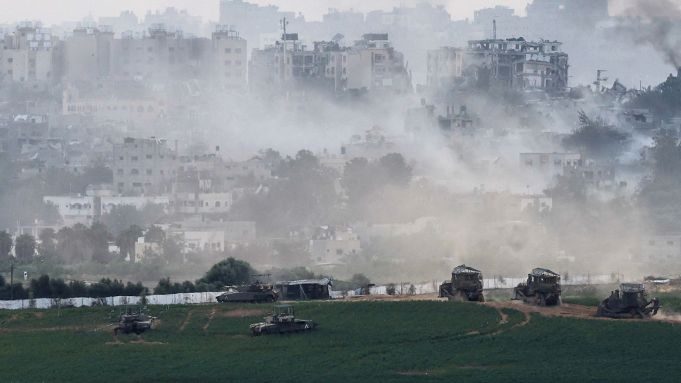
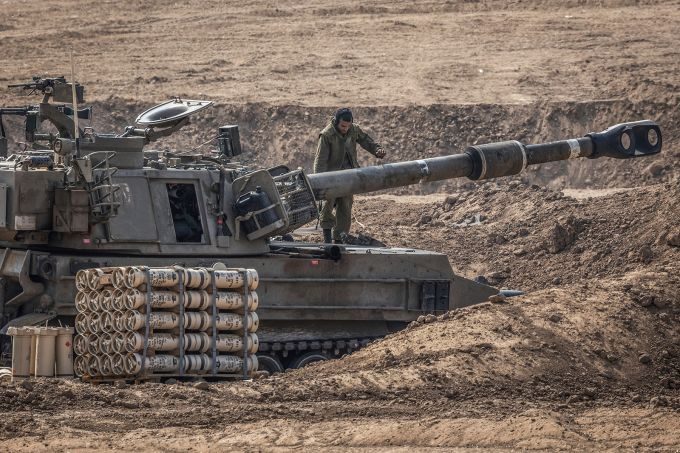

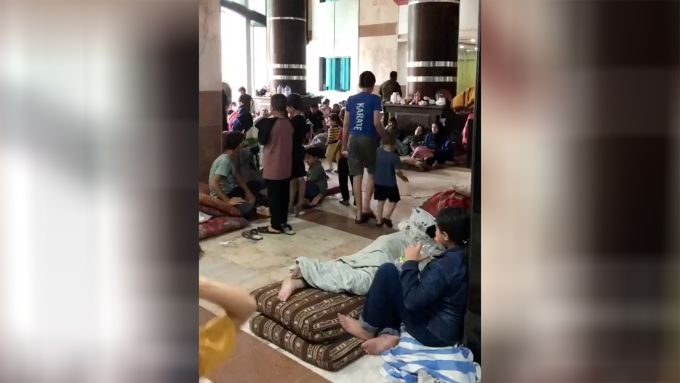

Additional Details
Captured Date
2025-12-13 03:22:17
Captured Post ID