Source
Archive URL:
https://airwars.org/source/legal-agenda-com-%d8%b3%d8%b9%d8%af%d9%89-%d8%b9%d9%84%d9%88%d9%87-2024-11-11-162627/
Captured Post Date: 2024-11-11 16:26:27
Translated Author: Saadi Alwa
Author: سعدى علوه
Translated Content:
At Our Lady of Help Hospital in Jbeil, specifically near the entrance to the surgical ward, a young man with long hair sits with his hands clasped together, supporting his head. He is Hassan Qarsifi, 38 years old, the sole survivor of a family wiped out by Israel on Sunday, November 10, 2024. The entire family—mother, sons, daughters, sons-in-law, and daughters-in-law—was killed, leaving only three grandchildren: Abbas and Hussein, both in their twenties, and ten-year-old Ali. For the sake of these three, Hassan sits there, anxious and fearful of losing what little remains of his "loved ones and support," as he tells me, his eyes distant and unfocused, as if talking to himself. I can tell from his gaze that he hasn't yet grasped the enormity of the tragedy. Hassan has left everything behind and sits guarding these three souls: "My mother, all my brothers and sisters and their children—that's 27 martyrs gone. Nothing is left to help. I can't leave these three; perhaps God will keep them alive and protect them for me." And your own little family, Hassan? What has become of them? I ask him, and he replies, “It’s a good thing I didn’t get married and have children. Israel would have killed them along with my brothers and their children.”
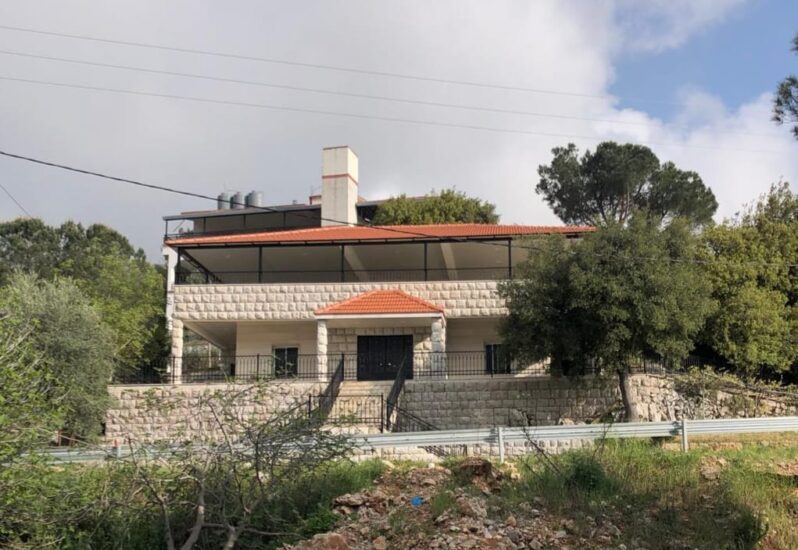
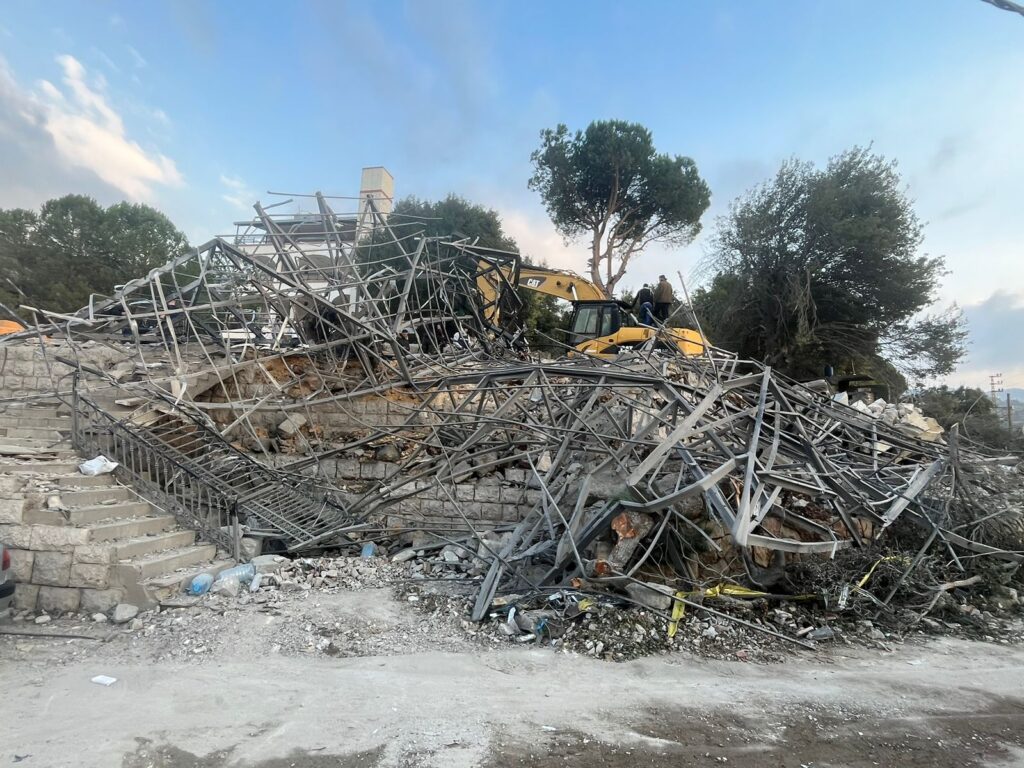
On Sunday morning, when employees and workers were taking advantage of the weekend to sleep in and not rush to get up, Israeli warplanes, without any warning, attacked the home of Abu Haitham Haidar in the town of Almat-Sawana in the Jbeil district at 10:00 AM, completely destroying the house and killing thirty displaced people from one family, originally from the town of Hawsh al-Rafqa in the Baalbek district.
The attack, which woke most of the area’s residents, resulted in the martyrdom of 27 people, including a member of the Internal Security Forces and another from the Lebanese Army.
The martyrs are: the mother, Zeinab Hussein Qarsifi; her sons, Youssef and his family (7 members) and Hussein and his family (6 members); her daughters, Rabab and her family (7 members) and Rima and her family (4 members); and Zahraa and her husband (both martyrs). Only three grandchildren survived the rubble. They were outside the house, not inside: Abbas Youssef Qarsifi, Hussein Ali Najib Zreik (Rima's son), and 10-year-old Ali al-Hadi Muhammad Zreik (whose father was killed). They sustained serious injuries and remain in intensive care.
The victims of the Almat massacre included 18 women: 10 adults, including the mother, Zeinab, her daughters, and daughters-in-law; 12 granddaughters, among them a 22-year-old university graduate, a 19-year-old university student, and two who would have turned 18 this year; and eight girls, all between the ages of 4 (Manisa Hussein Qarsifi) and 16. There were also three child martyrs. This means that the total number of child martyrs reached 11. The number of male martyrs was limited to 6, including 4 fathers of families, and the grandson, Ali Youssef Qarsifi, a soldier in the Lebanese army.
About half an hour before the attack on the Qarsifi family, Marwa Noun, the wife of the martyr Mohammed, Hassan's brother, asked Hassan, her brother-in-law, to drive her to her family's home in the village of Bzioun, near Almat. The child, Ali al-Hadi Mohammed Qarsifi, did not want to accompany his mother, Marwa, his sisters, Fatima and Rama, and his uncle, Hassan, and preferred to stay and play with his cousins. As soon as Hassan and his brother's family arrived at Marwa's family's village, news arrived of the attack on a displaced family in Almat: "My heart trembled and started pounding. I turned the car around and went back to Almat. I don't know how I got there, and I found the massacre in front of me," Hassan told Al-Mufakkira. The young men of the neighborhood gathered around Hassan and tried to stop him from approaching the rubble, especially since many of the martyrs' bodies were disfigured and scattered with remains over an area with a 500-meter radius. When the three wounded men, his nephews, were taken to the hospital, he followed them: "They're all I have left; I need to take care of them."
A harrowing displacement that ended in massacre
On September 23, 2024, the day Israel threatened the entire Bekaa Valley with evacuation, from its northernmost border with Syria in Hermel, to the western Bekaa on the southern edge in Saghmar, Yahmar, and Mashghara, and the central Bekaa in between, some families fled westward towards Deir al-Ahmar, southward towards Zahle, Ferzol, and Maallaqa, eastward towards Anjar and Majdal Anjar, and westward to Jib Jannine, Qaraoun, Saghbine, and their surroundings. A few headed towards Arsal, which, along with Fakiha, Jdeideh, Ras Baalbek, Qaa, and the Qaa projects, became overcrowded with displaced people from villages in the northern Bekaa, specifically from Hermel, Ain, Labweh, Nabi Othman, Bazaliyah, and others.
From the Israeli warning on September 23 until 6:00 PM on November 10, 2024, Israeli warplanes carried out 1,155 airstrikes, resulting in the deaths of 791 Palestinians, mostly women and children, and injuring 1,351 others, some critically. This led to a large-scale forced displacement of residents from villages and towns in the district, including Hawsh al-Rafqa, the hometown of the Qursifi family.
On September 23, the Qursifi family decided against fleeing. Their mother, Zainab Hussein Qursifi, told them, “We are 34 people. Where else can we go? Let’s stay in our homes, my children.” Zainab’s words, spoken after years of caring for her family and raising her sons and daughters after her husband’s early death, resonated with her children and grandchildren. They all remained in their homes, hoping for survival and awaiting further developments. This is the same family that the residents of Hawsh al-Rafqa told Al-Mufakkira about, a hardworking family whose sons toiled to earn a living, a peaceful family that did not want to leave their town.
When Israel began committing massacres in the Baalbek district, Haitham Haidar and his brothers, through relatives, donated the family home in Almat to shelter displaced people. On September 24, one day after the Israeli army's warning, the Qarsifi family, with its six branches, along with the mother, Zeinab, and the families of her three sons (Youssef, Hussein, and the martyr Muhammad) and the families of her three daughters (Rabab, Rima, and Zahraa), marched from their town of Hawsh al-Rafqa in the central Bekaa Valley, Baalbek district, and traveled dozens of kilometers through Hadath Baalbek to the high mountains of Jurd Jbeil, finally reaching Almat (in the center of the district).
Haitham Haidar, the owner of the targeted house, told Al-Mufakkira: “Like the people of our town, Almat, we decided as brothers to put our family home at the service of our people who were forced to leave their homes.” Haidar told Al-Mufakkira that “the vast majority of the displaced people in the house were women and children. Some neighbors even complained about the noise of the children and their voices. We moved them in groups, leaving their homes, and with people’s homes being destroyed, we wanted to help each other until these difficult circumstances end for everyone.”
Almat is overflowing with guests and has been hosting, free of charge, more than 10,000 displaced people from the South and the Bekaa Valley since September 23rd until yesterday, in addition to about 3,000 displaced residents of the town who live in Beirut’s southern suburbs, according to the town’s mayor, Ali Nimr Awad, whom we met at his home in Almat. He was injured in the foot while helping to remove rubble and recover the dead and wounded. The number of families living in each house is no less than three to four.
In Almat, where many displaced residents have fled to the southern suburbs of Beirut, everyone understands the circumstances of those they call "family"—those who have sought refuge with them. "They are displaced, just as half the village fled Beirut. If they are in danger, we are in danger too," they say.
Mukhtar Awad says, "The displaced people, who deeply appreciate Almat and its residents' support—while we are simply doing our duty without expecting anything in return—whether they come from the South or the Bekaa Valley, always tell us, 'When we return to our villages, you must come and visit us all the time.'" Among them is the Qarsifi family, with all its members, and their sons-in-law, the martyrs Ali Abdel Hussein, Ali Najib Zreik, and Ahmed Amhaz.
Drawings and books of a martyred child with her friends
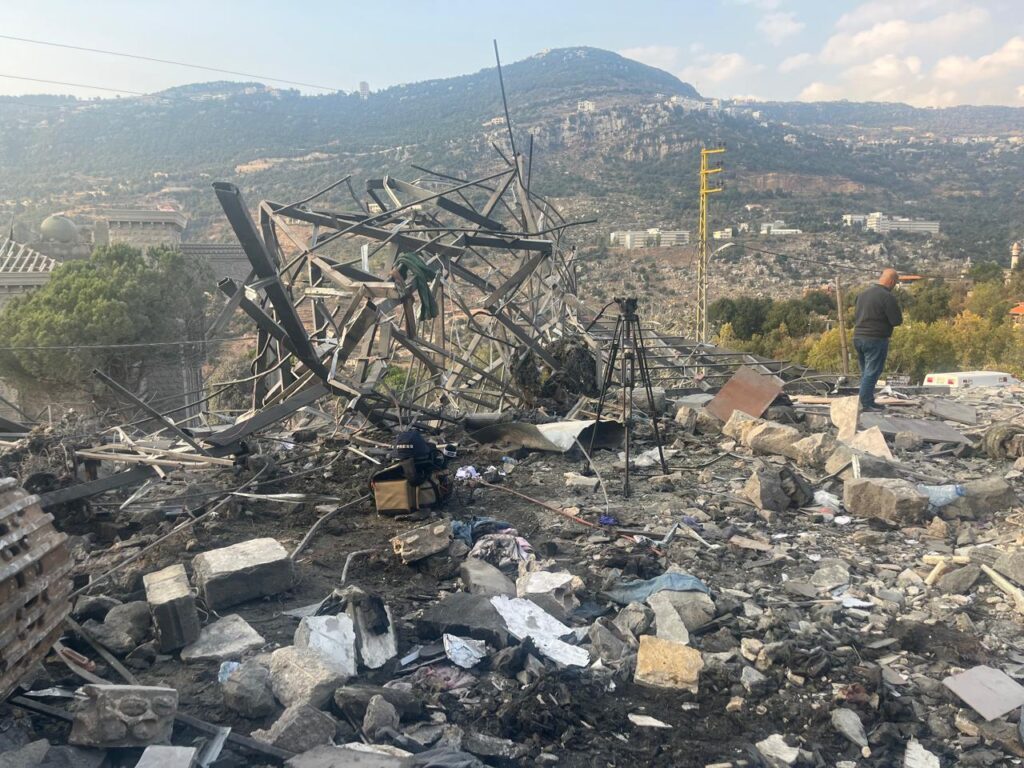
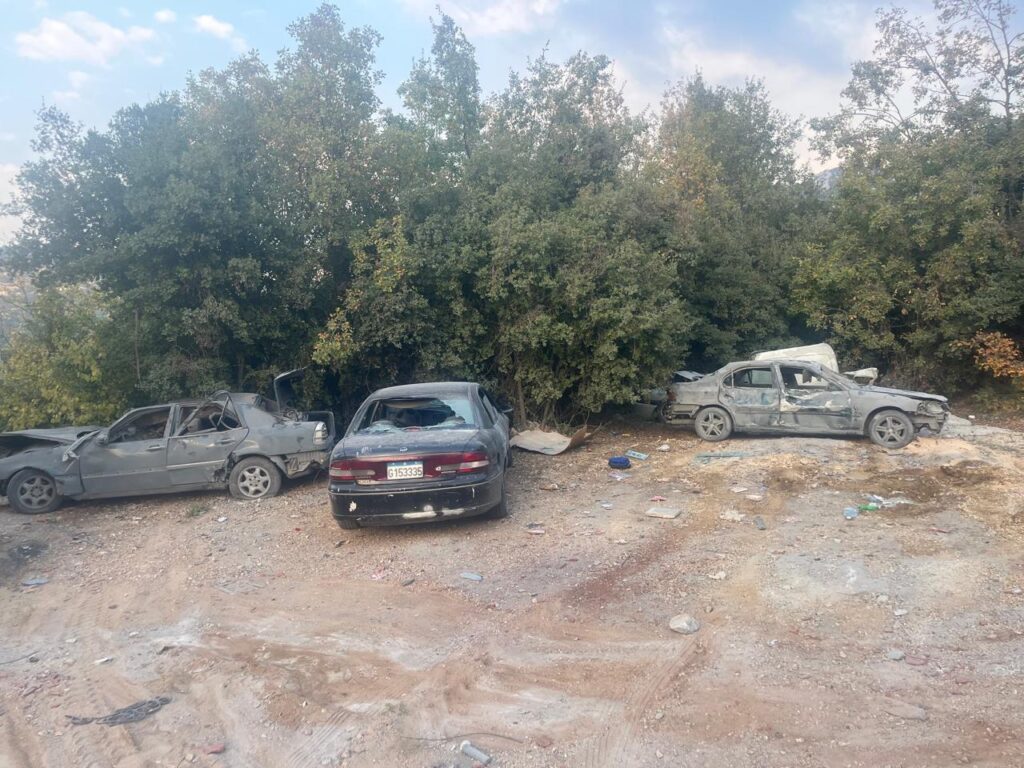
Around the demolished house, in addition to members of the Lebanese Civil Defense, the Lebanese Red Cross, and the Islamic Health Authority, many residents of Almat were spread out within a 500-meter radius of the crime scene, where the force of the explosion had hurled some of the martyrs' bodies and remains. Nothing remained of the recently renovated Haidar family home except for the iron scaffolding topped with tiles. The structures of nearby houses were discolored, as the explosion shattered not only their windows but also their fences and walls, covering them in a heavy gray dust. Furniture was damaged, and some residents sustained minor injuries. The smell of explosives permeated the air, and only those who took precautions and wore masks escaped its effects—most of whom were rescuers and paramedics. Cars within a 200-meter radius sustained damage of varying degrees.
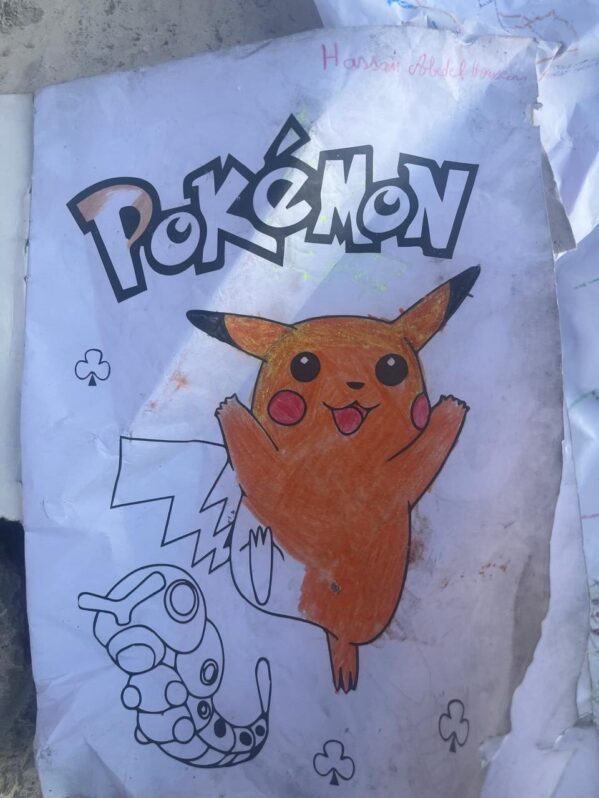
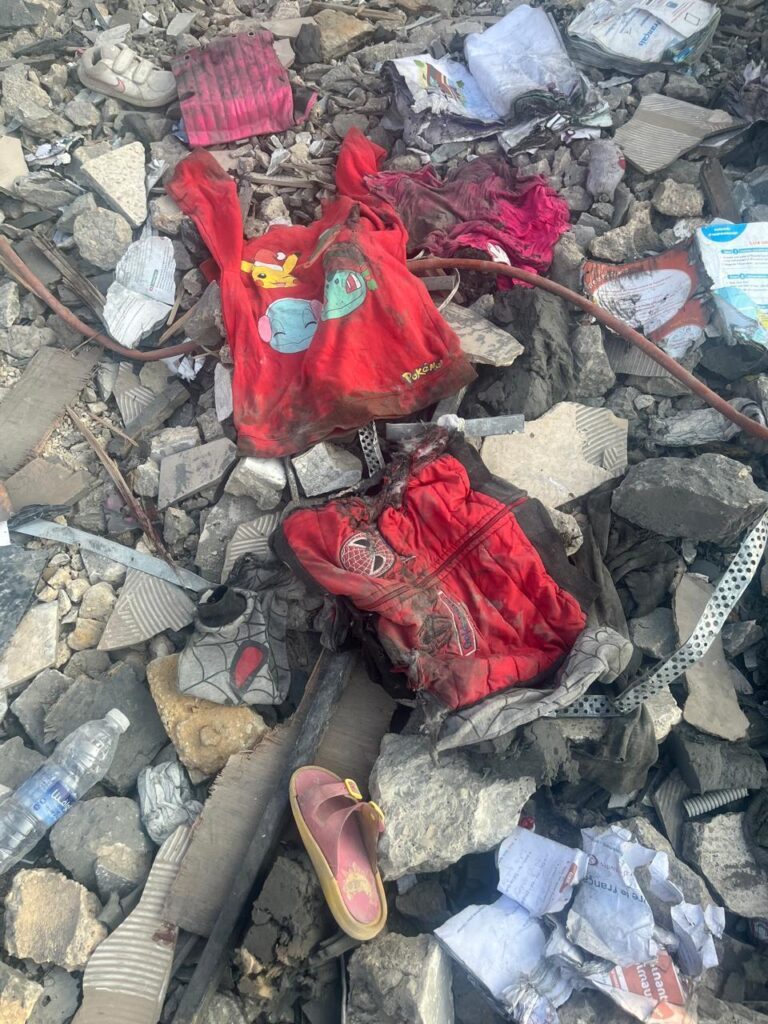
Above the rubble, after the bodies and remains of the martyrs were pulled out, children's colorful drawings lay scattered, some bearing the name of the artist (Hussein Ali Abdul Hussein, for example). The pages of books that parents had bought for their children, who were supposed to begin distance learning on Monday, November 11, 2024, were also strewn about. The pages, especially the exercise books, remained blank, like the years of their lives yet to come, years that none of them would grow up through.
This attack is part of a series of attacks targeting residential buildings housing displaced people in areas considered safe and not subject to Israeli evacuation orders. These include nine attacks in Maaysara (Jbeil District), Badran, Wardaniyeh, and Barja (Chouf District), Ain El Delb (Sidon District), Basta and Nweiri (Beirut), and Ayto (Zgharta District).
These attacks resulted in more than 420 casualties, including both martyrs and wounded. The report deemed these attacks war crimes, given the absence of any legitimate military target, thus constituting an unlawful targeting of civilians and residential areas.
It further asserted that these attacks fall within the framework of Israel's policy of collective punishment against civilians and its efforts to isolate a segment of the Lebanese population (the displaced Shia) from other groups by spreading fear within host communities and undermining social solidarity with them. In reality, these actions aim to increase pressure on Hezbollah's social base.
On Sunday morning, when employees and workers were taking advantage of the weekend to sleep in and not rush to get up, Israeli warplanes, without any warning, attacked the home of Abu Haitham Haidar in the town of Almat-Sawana in the Jbeil district at 10:00 AM, completely destroying the house and killing thirty displaced people from one family, originally from the town of Hawsh al-Rafqa in the Baalbek district.
The attack, which woke most of the area’s residents, resulted in the martyrdom of 27 people, including a member of the Internal Security Forces and another from the Lebanese Army.
The martyrs are: the mother, Zeinab Hussein Qarsifi; her sons, Youssef and his family (7 members) and Hussein and his family (6 members); her daughters, Rabab and her family (7 members) and Rima and her family (4 members); and Zahraa and her husband (both martyrs). Only three grandchildren survived the rubble. They were outside the house, not inside: Abbas Youssef Qarsifi, Hussein Ali Najib Zreik (Rima's son), and 10-year-old Ali al-Hadi Muhammad Zreik (whose father was killed). They sustained serious injuries and remain in intensive care.
The victims of the Almat massacre included 18 women: 10 adults, including the mother, Zeinab, her daughters, and daughters-in-law; 12 granddaughters, among them a 22-year-old university graduate, a 19-year-old university student, and two who would have turned 18 this year; and eight girls, all between the ages of 4 (Manisa Hussein Qarsifi) and 16. There were also three child martyrs. This means that the total number of child martyrs reached 11. The number of male martyrs was limited to 6, including 4 fathers of families, and the grandson, Ali Youssef Qarsifi, a soldier in the Lebanese army.
About half an hour before the attack on the Qarsifi family, Marwa Noun, the wife of the martyr Mohammed, Hassan's brother, asked Hassan, her brother-in-law, to drive her to her family's home in the village of Bzioun, near Almat. The child, Ali al-Hadi Mohammed Qarsifi, did not want to accompany his mother, Marwa, his sisters, Fatima and Rama, and his uncle, Hassan, and preferred to stay and play with his cousins. As soon as Hassan and his brother's family arrived at Marwa's family's village, news arrived of the attack on a displaced family in Almat: "My heart trembled and started pounding. I turned the car around and went back to Almat. I don't know how I got there, and I found the massacre in front of me," Hassan told Al-Mufakkira. The young men of the neighborhood gathered around Hassan and tried to stop him from approaching the rubble, especially since many of the martyrs' bodies were disfigured and scattered with remains over an area with a 500-meter radius. When the three wounded men, his nephews, were taken to the hospital, he followed them: "They're all I have left; I need to take care of them."
A harrowing displacement that ended in massacre
On September 23, 2024, the day Israel threatened the entire Bekaa Valley with evacuation, from its northernmost border with Syria in Hermel, to the western Bekaa on the southern edge in Saghmar, Yahmar, and Mashghara, and the central Bekaa in between, some families fled westward towards Deir al-Ahmar, southward towards Zahle, Ferzol, and Maallaqa, eastward towards Anjar and Majdal Anjar, and westward to Jib Jannine, Qaraoun, Saghbine, and their surroundings. A few headed towards Arsal, which, along with Fakiha, Jdeideh, Ras Baalbek, Qaa, and the Qaa projects, became overcrowded with displaced people from villages in the northern Bekaa, specifically from Hermel, Ain, Labweh, Nabi Othman, Bazaliyah, and others.
From the Israeli warning on September 23 until 6:00 PM on November 10, 2024, Israeli warplanes carried out 1,155 airstrikes, resulting in the deaths of 791 Palestinians, mostly women and children, and injuring 1,351 others, some critically. This led to a large-scale forced displacement of residents from villages and towns in the district, including Hawsh al-Rafqa, the hometown of the Qursifi family.
On September 23, the Qursifi family decided against fleeing. Their mother, Zainab Hussein Qursifi, told them, “We are 34 people. Where else can we go? Let’s stay in our homes, my children.” Zainab’s words, spoken after years of caring for her family and raising her sons and daughters after her husband’s early death, resonated with her children and grandchildren. They all remained in their homes, hoping for survival and awaiting further developments. This is the same family that the residents of Hawsh al-Rafqa told Al-Mufakkira about, a hardworking family whose sons toiled to earn a living, a peaceful family that did not want to leave their town.
When Israel began committing massacres in the Baalbek district, Haitham Haidar and his brothers, through relatives, donated the family home in Almat to shelter displaced people. On September 24, one day after the Israeli army's warning, the Qarsifi family, with its six branches, along with the mother, Zeinab, and the families of her three sons (Youssef, Hussein, and the martyr Muhammad) and the families of her three daughters (Rabab, Rima, and Zahraa), marched from their town of Hawsh al-Rafqa in the central Bekaa Valley, Baalbek district, and traveled dozens of kilometers through Hadath Baalbek to the high mountains of Jurd Jbeil, finally reaching Almat (in the center of the district).
Haitham Haidar, the owner of the targeted house, told Al-Mufakkira: “Like the people of our town, Almat, we decided as brothers to put our family home at the service of our people who were forced to leave their homes.” Haidar told Al-Mufakkira that “the vast majority of the displaced people in the house were women and children. Some neighbors even complained about the noise of the children and their voices. We moved them in groups, leaving their homes, and with people’s homes being destroyed, we wanted to help each other until these difficult circumstances end for everyone.”
Almat is overflowing with guests and has been hosting, free of charge, more than 10,000 displaced people from the South and the Bekaa Valley since September 23rd until yesterday, in addition to about 3,000 displaced residents of the town who live in Beirut’s southern suburbs, according to the town’s mayor, Ali Nimr Awad, whom we met at his home in Almat. He was injured in the foot while helping to remove rubble and recover the dead and wounded. The number of families living in each house is no less than three to four.
In Almat, where many displaced residents have fled to the southern suburbs of Beirut, everyone understands the circumstances of those they call "family"—those who have sought refuge with them. "They are displaced, just as half the village fled Beirut. If they are in danger, we are in danger too," they say.
Mukhtar Awad says, "The displaced people, who deeply appreciate Almat and its residents' support—while we are simply doing our duty without expecting anything in return—whether they come from the South or the Bekaa Valley, always tell us, 'When we return to our villages, you must come and visit us all the time.'" Among them is the Qarsifi family, with all its members, and their sons-in-law, the martyrs Ali Abdel Hussein, Ali Najib Zreik, and Ahmed Amhaz.
Drawings and books of a martyred child with her friends
Around the demolished house, in addition to members of the Lebanese Civil Defense, the Lebanese Red Cross, and the Islamic Health Authority, many residents of Almat were spread out within a 500-meter radius of the crime scene, where the force of the explosion had hurled some of the martyrs' bodies and remains. Nothing remained of the recently renovated Haidar family home except for the iron scaffolding topped with tiles. The structures of nearby houses were discolored, as the explosion shattered not only their windows but also their fences and walls, covering them in a heavy gray dust. Furniture was damaged, and some residents sustained minor injuries. The smell of explosives permeated the air, and only those who took precautions and wore masks escaped its effects—most of whom were rescuers and paramedics. Cars within a 200-meter radius sustained damage of varying degrees.
Above the rubble, after the bodies and remains of the martyrs were pulled out, children's colorful drawings lay scattered, some bearing the name of the artist (Hussein Ali Abdul Hussein, for example). The pages of books that parents had bought for their children, who were supposed to begin distance learning on Monday, November 11, 2024, were also strewn about. The pages, especially the exercise books, remained blank, like the years of their lives yet to come, years that none of them would grow up through.
This attack is part of a series of attacks targeting residential buildings housing displaced people in areas considered safe and not subject to Israeli evacuation orders. These include nine attacks in Maaysara (Jbeil District), Badran, Wardaniyeh, and Barja (Chouf District), Ain El Delb (Sidon District), Basta and Nweiri (Beirut), and Ayto (Zgharta District).
These attacks resulted in more than 420 casualties, including both martyrs and wounded. The report deemed these attacks war crimes, given the absence of any legitimate military target, thus constituting an unlawful targeting of civilians and residential areas.
It further asserted that these attacks fall within the framework of Israel's policy of collective punishment against civilians and its efforts to isolate a segment of the Lebanese population (the displaced Shia) from other groups by spreading fear within host communities and undermining social solidarity with them. In reality, these actions aim to increase pressure on Hezbollah's social base.
Content:
في مستشفى سيّدة المعونات في جبيل، وتحديدًا بالقرب من الباب المؤدي إلى قسم العمليات الجراحية، يجلس شاب بشعر طويل يشبك أصابع يديه إلى بعضهما ويسند بهما رأسه. هو حسن قرصيفي، ابن الـ 38 عامًا، الناجي الوحيد من عائلة أبادتها إسرائيل أمس الأحد 10 تشرين الثاني 2024، من الأم إلى الأبناء والبنات مع الأصهر والكنائن، فيما نجا من الأحفاد ثلاثة فقط، عباس وحسين العشرينيّين، والطفل علي ابن العشر سنوات. لأجل هؤلاء الثلاثة جلس حسن هناك قلقًا، خائفًا أن يفقد من تبقى له من “ريحة الحبايب والسند”، كما يقول لي، وكأنّه يحدّث نفسه بعينين شاردتين، أعرف من نظراتهما أنّه لم يستوعب هول الفجيعة بعد. ترك حسن كل شيء وجلس يحرس الأرواح الثلاث: “أمي وجميع أخوتي وأخواتي وأولادهن، يعني 27 شهيدًا راحوا، ما بقى شي يفيد، ما فيي أترك هودي بركي الله يعيّشهم ويخليلي ياهم”. وعائلتك الصغيرة حسن؟ ماذا حلّ بها؟ أسأله، فيجيبني: “منيح ما تزوجت وجبت اولاد كانت إسرائيل قتلتهم مع أخوتي وولادهم”.
في صبيحة يوم أمس الأحد، حيث يستغل الموظفون والعمال عطلة نهاية الأسبوع لأخذ قسط من النوم فلا يستعجلون النهوض، أغار الطيران الحربي الإسرائيلي عند العاشرة صباحًا، ومن دون أي إنذار، على منزل أبو هيثم حيدر في بلدة علمات – الصوانة في وسط قضاء جبيل، مدمّرًا منزلًا بأكمله على رؤوس ثلاثين نازحًا ونازحة من عائلة واحدة من بلدة حوش الرافقة في قضاء بعلبك.
العدوان الذي أيقظ معظم أهالي المنطقة أدّى إلى استشهاد 27 فردًا، بينهم عنصر في قوى الأمن الداخلي وآخر في الجيش اللبناني.
والشهداء هم الأم زينب حسين قرصيفي، وابناها يوسف وعائلته (7 أفراد) وحسين وعائلته (6 أفراد)، وبناتها رباب وعائلتها (7 أفراد) وريما وعائلتها (4 أفراد) وزهراء وزوجها (شهيدان). ولم يخرج من تحت الأنقاض حيًّا سوى ثلاثة من الأحفاد كانوا أمام المنزل وليس في داخله هم عباس يوسف قرصيفي، وحسين علي نجيب زريق (ابن ريما) والطفل عليّ الهادي محمد زريق (10 سنوات ووالده شهيد). وأصيب هؤلاء بجراح خطيرة وما زالوا في العناية المركّزة.
ضمّت قافلة شهداء مجزرة علمات 18 امرأة، 10 منهنّ بالغات هنّ الأم زينب وبناتها وكنائنها، و12 حفيدة من بينهنّ خرّيجة جامعية في الـ 22 من عمرها، وطالبة جامعية في الـ 19 من عمرها، وشهيدتان تتمّمان الـ 18 عامًا هذه السنة. أما الشهيدات الثمانية الأخريات فجميعهنّ طفلات بين 4 سنوات (هي مانيسا حسين قرصيفي) و16 عامًا، إضافة إلى 3 شهداء أطفال. أي أنّ مجموع الشهداء والشهيدات الأطفال بلغ 11. واقتصر الشهداء الرجال على 6 بينهم 4 أباء للعائلات، والحفيد علي يوسف قرصيفي وهو عسكري في الجيش اللبناني.
قبل وقوع العدوان على عائلة قرصيفي بنحو نصف ساعة، طلبت مروة نون، زوجة الشهيد محمد، شقيق حسن، من حسن، سلفها، إيصالها إلى منزل عائلتها التي تسكن في قرية بزيون القريبة من علمات. لم يرغب الطفل علي الهادي محمد قرصيفي في مرافقة والدته مروة وشقيقاته فاطمة وراما وعمّه حسن، وفضّل البقاء للعب مع أولاد عمومته وعماته. ما إنْ وصل حسن وعائلة شقيقه إلى ضيعة عائلة مروى، حتى وصل خبر العدوان على عائلة نازحة في علمات: “رجف قلبي وصار يدقّ، دوّرت السيارة ورجعت ع علمات، ما عرفت كيف وصلت، ولقيت المجزرة قدامي”، يقول حسن لـ “المفكرة”. تجمّع شبّان الحي حول حسن وحاولوا منعه من الاقتراب من الركام، خصوصًا مع وجود تشوّهات في كثير من جثامين الشهداء ومعها أشلاء تناثرت على مساحة بقطر 500 متر. وعندما نقلوا الجرحى الثلاثة، أبناء أخوته، لحق بهم إلى المستشفى: “ما بقي لي غيرهم، بدّي إهتمّ فيهم”.
جلجلة نزوح انتهت بمجزرة
في 23 أيلول 2024، يوم تهديد إسرائيل سكان كامل البقاع بالإخلاء، من أقصى حدوده مع سوريا في الهرمل، إلى البقاع الغربي على كتف الجنوب في سحمر ويحمر ومشغرة، وبينهما البقاع الأوسط، نزحت بعض العائلات غربًا نحو منطقة دير الأحمر، وجنوبًا نحو زحلة والفرزل والمعلقة، وشرقًا نحو عنجر ومجدل عنجر، وغربًا إلى جبّ جنين والقرعون وصغبين ومحيطها، فيما توجّهت قلّة نحو عرسال التي امتلأت مع الفاكهة والجديدة ورأس بعلبك والقاع ومشاريع القاع بالنازحين من قرى البقاع الشمالي وتحديدًا من الهرمل والعين واللبوة والنبي عثمان والبزالية وغيرها.
ومنذ الإنذار الإسرائيلي في 23 أيلول ولغاية السادسة من مساء 10 تشرين الثاني 2024، نفّذ الطيران الحربي الإسرائيلي 1155 غارة أدّت إلى استشهاد 791 من أبنائه، معظمهم من النساء والأطفال وأصيب 1351 بجراح بعضها بالغ، وهو ما أدى إلى نزوح قسريّ كبير في قرى وبلدات القضاء، ومنها حوش الرافقة، بلدة عائلة قرصيفي.
في 23 أيلول، قرّرت عائلة قرصيفي عدم النزوح، قالت لهم والدتهم زينب حسين قرصيفي “نحن 34 فردًا وين بدنا نساع، خلّينا ببيوتنا يا أمّي”. كلمة زينب الأمّ التي تعبت كثيرًا في رعاية أسرتها وتربية أبنائها وبناتها بعد وفاة زوجها مبكرًا، مسموعة بين الأبناء والبنات والأحفاد أيضًا، فبقي الجميع في بيوتهم على أمل النجاة بانتظار التطوّرات. هي العائلة نفسها التي يتحدث عنها أهالي حوش الرافقة لـ “المفكرة” كعائلة كادحة يتعب أبناؤها وراء لقمة العيش، مسالمة لم تكن ترغب في ترك بلدتها.
عندما بدأت إسرائيل ترتكب المجازر في قضاء بعلبك، وعن طريق الأقارب، تبرّع هيثم حيدر وأخوته بمنزل العائلة في علمات لإيواء النازحين. وفي 24 أيلول، أي بعد يوم واحد من إنذار الجيش الإسرائيلي، سارت عائلة قرصيفي بفروعها الستّة مع الأم زينب وعائلات أبنائها الثلاثة (يوسف وحسين والشهيد محمد) وعائلات البنات الثلاث (رباب وريما وزهراء) من بلدتهم حوش الرافقة في البقاع الأوسط، قضاء بعلبك، وقطعوا عشرات الكيلومترات عبر حدث بعلبك إلى أعالي جرد جبيل وصولًا إلى علمات (وسط القضاء).
يقول هيثم حيدر، صاحب المنزل المستهدف، لـ “المفكرة” :”نحن متل أهل بلدتنا علمات، قرّرنا كأخوة أن نضع بيت العائلة في خدمة أهلنا ممن اضطرّوا لترك بيوتهم”. يروي حيدر لـ “المفكرة” أنّ “الغالبية العظمى من النازحين في المنزل كانت من النساء والأطفال، حتى أنّ بعض الجيران كان يشكي من ضجيج الأطفال وأصواتهم، وكنا نقلهم جماعة تاركين بيوتهم وفي بيوت ناس عم تتدمر بدنا نحمل مع بعضنا لتنتهي هالظروف الصعبة ع الجميع”.
وعلمات تزدحم بضيوفها وتحتضن مجّانًا، منذ 23 أيلول ولغاية الأمس، أكثر من 10 آلاف نازح من الجنوب والبقاع، إضافة إلى نحو 3 آلاف نازح من أبنائها من سكان الضاحية الجنوبية لبيروت، وفق مختار البلدة عليّ نمر عوّاد الذي التقيناه في منزله في علمات جريح القدم خلال مساعدته في رفع الأنقاض وانتشال الشهداء والجرحى. ولا يقلّ عدد العائلات التي تسكن منازلها عن 3 إلى 4 في المنزل الواحد.
وفي علمات، حيث يكثر النازحون من أبناء البلدة سكان الضاحية الجنوبية للعاصمة، يتفهّم الجميع ظروف “الأهل” كما يسمون من لجأوا إليهم طلبًا للأمان “هن نازحين متل ما نص الضيعة نزحت من بيروت كمان، وإذا هن بخطر نحن كمان بخطر”.
يقول المختار عوّاد إنّ “النازحين الذين يقدّرون عاليًا وقفة علمات وأهلها إلى جانبهم – بينما نحن نقوم بواجبنا دون أي منّة – كانوا، سواء جاؤوا من الجنوب أو البقاع يقولون لنا دائمًا: بكرا بس نرجع ع ضيعنا بدكم تروحوا عطول تزورونا”، ومن بين هؤلاء عائلة قرصيفي بجميع أبنائها، وأصهرتها الشهداء علي عبد الحسين وعلي نجيب زريق وأحمد أمهز.
رسومات وكتب طفلة شهيدة مع رفاقها
من حول المنزل المهدّم، وإضافة إلى عناصر الدفاع المدني اللبناني والصليب الأحمر اللبناني والهيئة الصحية الإسلامية، كان العديد من أهالي علمات ينتشرون على مساحة بقطر 500 متر من مكان الجريمة حيث دفع عصف الانفجار ببعض جثامين الشهداء والأشلاء. هناك لم يبق شيء من منزل آل حيدر، المرمّم حديثًا، سوى سقالة الحديد كانت متوّجة بالقرميد، فيما تغيّر لون هياكل البيوت القريبة من مكان الاستهداف حيث لم يطح الانفجار فقط بزجاجها بل أيضًا بأسيجة الدور وجدرانها وغطّاها بغبار رمادي ثقيل، وأتلف أثاثها وتسبّب بجراح طفيفة بين أهلها. كما انتشرت رائحة الأسلحة المتفجرة، فلا ينجو من تأثيرها سوى من أخذوا احتياطاتهم ووضعوا الكمامات وأغلبهم من المنقذين والمسعفين. أما الأضرار فقد لحقت، وبدرجات مختلفة، بالسيارات وعلى قطر 200 متر.
أما فوق الركام وبعد سحب جثامين وأشلاء الشهداء، فتبعثرت رسوم الأطفال الملوّنة، بعضها ممهورًا باسم من أنجز العمل (حسين علي عبد الحسين مثلًا)، فيما تناثرت صفحات الكتب التي اشتراها الأهل لأبنائهم الذين كان من المفترض أن يلتحقوا اليوم الإثنين 11 تشرين الثاني 2024 بالدراسة عن بُعد. صفحات الكتب وخصوصًا دفاتر التمارين بقيت فارغة، كما سنوات العمر الآتي التي لن تجد من يكبر عبرها من بينهم.
يأتي هذا الهجوم ضمن سلسلة من الهجمات التي استهدفت مبانٍ سكنية تأوي نازحين في مناطق تعتبر آمنة وغير مشمولة بأوامر الإخلاء الإسرائيلية، ومنها تسع هجمات في المعيصرة – قضاء جبيل، وبعدران والوردانية وبرجا – قضاء الشوف، وعين الدلب – قضاء صيدا، والبسطة والنويري – بيروت، وأيطو – قضاء زغرتا.
وأدّت هذه الهجمات إلى سقوط أكثر من 420 شخصًا بين شهيد وجريح. وقد اعتبرت “المفكّرة” أنّ هذه الهجمات تشكّل جرائم حرب كونه لم يُرصد أي هدف عسكري مشروع قد يكون استُهدف فيها، مما يشكّل استهدافًا غير مشروعًا للمدنيين والمساكن.
واعتبرت أنّها تندرج في إطار السياسة الإسرائيلية لإنزال العقاب الجماعي في حق المدنيين والسعي إلى عزل فئة من اللبنانيين (النازحون الشيعة) عن الفئات الأخرى، من خلال نشر الرعب ضمن المجتمعات المضيفة من النازحين وزعزعة التضامن الاجتماعي معهم. وفي الواقع، ترمي هذه الأعمال إلى زيادة الضغوط على البيئة الاجتماعية لحزب الله.
في صبيحة يوم أمس الأحد، حيث يستغل الموظفون والعمال عطلة نهاية الأسبوع لأخذ قسط من النوم فلا يستعجلون النهوض، أغار الطيران الحربي الإسرائيلي عند العاشرة صباحًا، ومن دون أي إنذار، على منزل أبو هيثم حيدر في بلدة علمات – الصوانة في وسط قضاء جبيل، مدمّرًا منزلًا بأكمله على رؤوس ثلاثين نازحًا ونازحة من عائلة واحدة من بلدة حوش الرافقة في قضاء بعلبك.
العدوان الذي أيقظ معظم أهالي المنطقة أدّى إلى استشهاد 27 فردًا، بينهم عنصر في قوى الأمن الداخلي وآخر في الجيش اللبناني.
والشهداء هم الأم زينب حسين قرصيفي، وابناها يوسف وعائلته (7 أفراد) وحسين وعائلته (6 أفراد)، وبناتها رباب وعائلتها (7 أفراد) وريما وعائلتها (4 أفراد) وزهراء وزوجها (شهيدان). ولم يخرج من تحت الأنقاض حيًّا سوى ثلاثة من الأحفاد كانوا أمام المنزل وليس في داخله هم عباس يوسف قرصيفي، وحسين علي نجيب زريق (ابن ريما) والطفل عليّ الهادي محمد زريق (10 سنوات ووالده شهيد). وأصيب هؤلاء بجراح خطيرة وما زالوا في العناية المركّزة.
ضمّت قافلة شهداء مجزرة علمات 18 امرأة، 10 منهنّ بالغات هنّ الأم زينب وبناتها وكنائنها، و12 حفيدة من بينهنّ خرّيجة جامعية في الـ 22 من عمرها، وطالبة جامعية في الـ 19 من عمرها، وشهيدتان تتمّمان الـ 18 عامًا هذه السنة. أما الشهيدات الثمانية الأخريات فجميعهنّ طفلات بين 4 سنوات (هي مانيسا حسين قرصيفي) و16 عامًا، إضافة إلى 3 شهداء أطفال. أي أنّ مجموع الشهداء والشهيدات الأطفال بلغ 11. واقتصر الشهداء الرجال على 6 بينهم 4 أباء للعائلات، والحفيد علي يوسف قرصيفي وهو عسكري في الجيش اللبناني.
قبل وقوع العدوان على عائلة قرصيفي بنحو نصف ساعة، طلبت مروة نون، زوجة الشهيد محمد، شقيق حسن، من حسن، سلفها، إيصالها إلى منزل عائلتها التي تسكن في قرية بزيون القريبة من علمات. لم يرغب الطفل علي الهادي محمد قرصيفي في مرافقة والدته مروة وشقيقاته فاطمة وراما وعمّه حسن، وفضّل البقاء للعب مع أولاد عمومته وعماته. ما إنْ وصل حسن وعائلة شقيقه إلى ضيعة عائلة مروى، حتى وصل خبر العدوان على عائلة نازحة في علمات: “رجف قلبي وصار يدقّ، دوّرت السيارة ورجعت ع علمات، ما عرفت كيف وصلت، ولقيت المجزرة قدامي”، يقول حسن لـ “المفكرة”. تجمّع شبّان الحي حول حسن وحاولوا منعه من الاقتراب من الركام، خصوصًا مع وجود تشوّهات في كثير من جثامين الشهداء ومعها أشلاء تناثرت على مساحة بقطر 500 متر. وعندما نقلوا الجرحى الثلاثة، أبناء أخوته، لحق بهم إلى المستشفى: “ما بقي لي غيرهم، بدّي إهتمّ فيهم”.
جلجلة نزوح انتهت بمجزرة
في 23 أيلول 2024، يوم تهديد إسرائيل سكان كامل البقاع بالإخلاء، من أقصى حدوده مع سوريا في الهرمل، إلى البقاع الغربي على كتف الجنوب في سحمر ويحمر ومشغرة، وبينهما البقاع الأوسط، نزحت بعض العائلات غربًا نحو منطقة دير الأحمر، وجنوبًا نحو زحلة والفرزل والمعلقة، وشرقًا نحو عنجر ومجدل عنجر، وغربًا إلى جبّ جنين والقرعون وصغبين ومحيطها، فيما توجّهت قلّة نحو عرسال التي امتلأت مع الفاكهة والجديدة ورأس بعلبك والقاع ومشاريع القاع بالنازحين من قرى البقاع الشمالي وتحديدًا من الهرمل والعين واللبوة والنبي عثمان والبزالية وغيرها.
ومنذ الإنذار الإسرائيلي في 23 أيلول ولغاية السادسة من مساء 10 تشرين الثاني 2024، نفّذ الطيران الحربي الإسرائيلي 1155 غارة أدّت إلى استشهاد 791 من أبنائه، معظمهم من النساء والأطفال وأصيب 1351 بجراح بعضها بالغ، وهو ما أدى إلى نزوح قسريّ كبير في قرى وبلدات القضاء، ومنها حوش الرافقة، بلدة عائلة قرصيفي.
في 23 أيلول، قرّرت عائلة قرصيفي عدم النزوح، قالت لهم والدتهم زينب حسين قرصيفي “نحن 34 فردًا وين بدنا نساع، خلّينا ببيوتنا يا أمّي”. كلمة زينب الأمّ التي تعبت كثيرًا في رعاية أسرتها وتربية أبنائها وبناتها بعد وفاة زوجها مبكرًا، مسموعة بين الأبناء والبنات والأحفاد أيضًا، فبقي الجميع في بيوتهم على أمل النجاة بانتظار التطوّرات. هي العائلة نفسها التي يتحدث عنها أهالي حوش الرافقة لـ “المفكرة” كعائلة كادحة يتعب أبناؤها وراء لقمة العيش، مسالمة لم تكن ترغب في ترك بلدتها.
عندما بدأت إسرائيل ترتكب المجازر في قضاء بعلبك، وعن طريق الأقارب، تبرّع هيثم حيدر وأخوته بمنزل العائلة في علمات لإيواء النازحين. وفي 24 أيلول، أي بعد يوم واحد من إنذار الجيش الإسرائيلي، سارت عائلة قرصيفي بفروعها الستّة مع الأم زينب وعائلات أبنائها الثلاثة (يوسف وحسين والشهيد محمد) وعائلات البنات الثلاث (رباب وريما وزهراء) من بلدتهم حوش الرافقة في البقاع الأوسط، قضاء بعلبك، وقطعوا عشرات الكيلومترات عبر حدث بعلبك إلى أعالي جرد جبيل وصولًا إلى علمات (وسط القضاء).
يقول هيثم حيدر، صاحب المنزل المستهدف، لـ “المفكرة” :”نحن متل أهل بلدتنا علمات، قرّرنا كأخوة أن نضع بيت العائلة في خدمة أهلنا ممن اضطرّوا لترك بيوتهم”. يروي حيدر لـ “المفكرة” أنّ “الغالبية العظمى من النازحين في المنزل كانت من النساء والأطفال، حتى أنّ بعض الجيران كان يشكي من ضجيج الأطفال وأصواتهم، وكنا نقلهم جماعة تاركين بيوتهم وفي بيوت ناس عم تتدمر بدنا نحمل مع بعضنا لتنتهي هالظروف الصعبة ع الجميع”.
وعلمات تزدحم بضيوفها وتحتضن مجّانًا، منذ 23 أيلول ولغاية الأمس، أكثر من 10 آلاف نازح من الجنوب والبقاع، إضافة إلى نحو 3 آلاف نازح من أبنائها من سكان الضاحية الجنوبية لبيروت، وفق مختار البلدة عليّ نمر عوّاد الذي التقيناه في منزله في علمات جريح القدم خلال مساعدته في رفع الأنقاض وانتشال الشهداء والجرحى. ولا يقلّ عدد العائلات التي تسكن منازلها عن 3 إلى 4 في المنزل الواحد.
وفي علمات، حيث يكثر النازحون من أبناء البلدة سكان الضاحية الجنوبية للعاصمة، يتفهّم الجميع ظروف “الأهل” كما يسمون من لجأوا إليهم طلبًا للأمان “هن نازحين متل ما نص الضيعة نزحت من بيروت كمان، وإذا هن بخطر نحن كمان بخطر”.
يقول المختار عوّاد إنّ “النازحين الذين يقدّرون عاليًا وقفة علمات وأهلها إلى جانبهم – بينما نحن نقوم بواجبنا دون أي منّة – كانوا، سواء جاؤوا من الجنوب أو البقاع يقولون لنا دائمًا: بكرا بس نرجع ع ضيعنا بدكم تروحوا عطول تزورونا”، ومن بين هؤلاء عائلة قرصيفي بجميع أبنائها، وأصهرتها الشهداء علي عبد الحسين وعلي نجيب زريق وأحمد أمهز.
رسومات وكتب طفلة شهيدة مع رفاقها
من حول المنزل المهدّم، وإضافة إلى عناصر الدفاع المدني اللبناني والصليب الأحمر اللبناني والهيئة الصحية الإسلامية، كان العديد من أهالي علمات ينتشرون على مساحة بقطر 500 متر من مكان الجريمة حيث دفع عصف الانفجار ببعض جثامين الشهداء والأشلاء. هناك لم يبق شيء من منزل آل حيدر، المرمّم حديثًا، سوى سقالة الحديد كانت متوّجة بالقرميد، فيما تغيّر لون هياكل البيوت القريبة من مكان الاستهداف حيث لم يطح الانفجار فقط بزجاجها بل أيضًا بأسيجة الدور وجدرانها وغطّاها بغبار رمادي ثقيل، وأتلف أثاثها وتسبّب بجراح طفيفة بين أهلها. كما انتشرت رائحة الأسلحة المتفجرة، فلا ينجو من تأثيرها سوى من أخذوا احتياطاتهم ووضعوا الكمامات وأغلبهم من المنقذين والمسعفين. أما الأضرار فقد لحقت، وبدرجات مختلفة، بالسيارات وعلى قطر 200 متر.
أما فوق الركام وبعد سحب جثامين وأشلاء الشهداء، فتبعثرت رسوم الأطفال الملوّنة، بعضها ممهورًا باسم من أنجز العمل (حسين علي عبد الحسين مثلًا)، فيما تناثرت صفحات الكتب التي اشتراها الأهل لأبنائهم الذين كان من المفترض أن يلتحقوا اليوم الإثنين 11 تشرين الثاني 2024 بالدراسة عن بُعد. صفحات الكتب وخصوصًا دفاتر التمارين بقيت فارغة، كما سنوات العمر الآتي التي لن تجد من يكبر عبرها من بينهم.
يأتي هذا الهجوم ضمن سلسلة من الهجمات التي استهدفت مبانٍ سكنية تأوي نازحين في مناطق تعتبر آمنة وغير مشمولة بأوامر الإخلاء الإسرائيلية، ومنها تسع هجمات في المعيصرة – قضاء جبيل، وبعدران والوردانية وبرجا – قضاء الشوف، وعين الدلب – قضاء صيدا، والبسطة والنويري – بيروت، وأيطو – قضاء زغرتا.
وأدّت هذه الهجمات إلى سقوط أكثر من 420 شخصًا بين شهيد وجريح. وقد اعتبرت “المفكّرة” أنّ هذه الهجمات تشكّل جرائم حرب كونه لم يُرصد أي هدف عسكري مشروع قد يكون استُهدف فيها، مما يشكّل استهدافًا غير مشروعًا للمدنيين والمساكن.
واعتبرت أنّها تندرج في إطار السياسة الإسرائيلية لإنزال العقاب الجماعي في حق المدنيين والسعي إلى عزل فئة من اللبنانيين (النازحون الشيعة) عن الفئات الأخرى، من خلال نشر الرعب ضمن المجتمعات المضيفة من النازحين وزعزعة التضامن الاجتماعي معهم. وفي الواقع، ترمي هذه الأعمال إلى زيادة الضغوط على البيئة الاجتماعية لحزب الله.
Images:
Additional Details
Captured Date
2025-12-16 02:41:06
Captured Post ID