Source
Archive URL: https://airwars.org/source/sobhesahel-com-%d8%a2%d9%86%d8%a7-%d8%b1%d8%a7%d9%85-2026-07-22-000000/
Captured Post Date:
2026-07-22
Translated Author:
Anna Ram
Author:
آنا رام
Translated Content:
**Red Crescent rescuer recounts the transfer of those killed and injured in the Shahid Mirzaei Tunnel incident**
**Rescue amid tears and rubble**
The vehicles were no longer recognisable: they were twisted masses of metal amid smoke, fire and rubble. Red Crescent rescuers, with the tunnel at risk of collapsing again at any moment, entered the devastation on foot in the hope that someone might still be breathing beneath the crushed metal. In the first minutes of the operation, they found a mother and her daughter beside the lifeless body of the father. They then began efforts to rescue the injured. That night, some ended their mission by transferring the wounded to hospital; others by recovering the bodies of those killed from crushed vehicles.
One of them was Isa Jami-Zadeh, a 36-year-old employee of the Hormozgan Judiciary, who was killed by the blast wave only a few metres after leaving Shahid Mirzaei Tunnel. Like the other road users, he had set out on a journey with hopes and no knowledge of what awaited him only minutes later: a journey meant to end at home, but which instead placed his name among those killed in the attack.
**The final hours before the attack**
Last Thursday afternoon, Isa Jami-Zadeh left the city of Fin for Bandar Abbas at the invitation of several childhood friends, intending to spend a few hours with them. His wife, Samira Motesharei, says she had an unusual sense of foreboding from the outset and repeatedly asked him to postpone the visit.
“I told him that I had a bad feeling and that he should not go out that night. It was wartime and I was afraid something would happen to him. When I saw that he was upset, I said: go, but come back early.”
Before leaving home, Isa was polishing his shoes when, smiling and jokingly, he said: “Maybe I’ll go and be martyred…” The sentence has now become the bitterest memory of his wife’s life.
The gathering ended a few hours later. At around midnight, in his last telephone call with his wife, Isa said: “I’m leaving now; I’ll be home in a few hours.” But it was their final conversation.
As time passed and her calls went unanswered, the family’s concern grew. At around 3 a.m., as news of the attack on Shahid Mirzaei Tunnel emerged and communications were disrupted, Samira left home to find a place with mobile signal. At the same time, her brother, who had repeatedly called Isa without receiving an answer, headed to the scene. Minutes later, Samira’s phone rang. Her brother asked only one question: “What colour was Isa’s ring?”
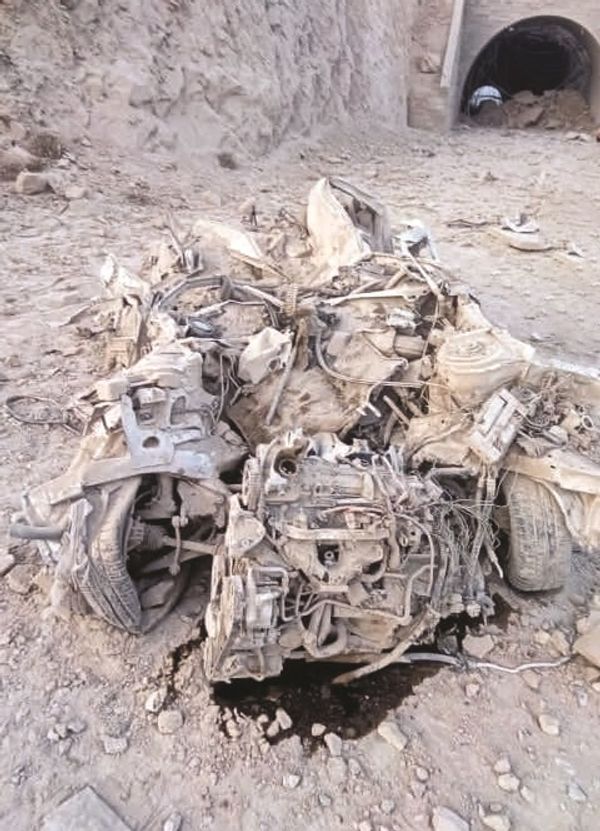
Samira says that her heart sank at that moment and she understood that something terrible had happened. She and her family went to the scene, where the young man’s car had been turned into a mass of metal by the blast wave a few metres after leaving the tunnel.
Fighting back tears, she said: “The Peugeot Pars was badly crushed; only the section beside the driver was intact. Rescuers had used cutting equipment to remove Isa’s lifeless body from the vehicle. He had passed through the tunnel, but the blast wave took his life.”
According to his wife, Isa’s body had largely remained intact and only part of his head was injured. She says that he had often spoken of his wish to die as a martyr.
“He always said: ‘I want to be martyred honourably.’ He had even spoken with me about his will.”
Isa Jami-Zadeh had worked for around five years at the Hormozgan Judiciary, as head of the office for enforcement of judgments. His colleagues described him as committed, good-natured, responsible and someone who helped resolve people’s problems. He had recently completed a master’s degree in law and enrolled for doctoral studies, awaiting the admission result. He had been married for around two and a half years and lived with his wife in Fin.
His body was buried on Sunday in his native village of Bagh-e Narges, in the Ziarat Ali district, attended by grieving family members, friends, colleagues and local residents.
**The account of rescuers who ran through fire and rubble**
But Jami-Zadeh’s wife’s account is only one of several painful accounts from that night. On the other side of the incident were the rescuers who entered the tunnel in the first minutes after the attack. They recount a night spent amid smoke, fire and rubble, fighting to save injured people and recover the bodies of those killed.
Farhad Abazari, a member of the rapid-response team and leader of one of the Hormozgan Red Crescent rapid-response teams involved in the operation, was among the first personnel deployed after the incident was reported. He said: “At 1:10 a.m. on 18 July, we received news of the attack. We were immediately dispatched to the scene with personnel from two rapid-response teams from the provincial centre, the Haqqani base and the Fin crossroads road base.”
Reaching the scene, however, was not easy. According to Abazari, the Shur River bridge had also been attacked and the main route was blocked. Rescue teams therefore travelled on dirt roads, stopped their vehicles at a safe point and continued on foot. He said: “Along the route, everyone was fleeing. After the missile struck the bridge, vehicles were travelling in the wrong direction to get away from the area, but we were the only vehicles heading towards danger.
“We knew that the attack could be repeated at any moment, but there were people inside the tunnel waiting for help, and we could not delay even for a moment. The tunnel entrance had been turned into a large crater by the explosion, and there was a risk of further collapse at any time. But there was no time to hesitate. We had to reach the injured as quickly as possible.”
After entering the tunnel, the rescuers encountered a scene which, Abazari says, will never leave their minds.
“The first family we saw: the father had died and the mother and daughter were severely injured. At that moment, the family’s son arrived from Bandar Abbas. He said that his sister had called him and said: ‘We are injured; get here quickly.’”
Because the route was damaged, ambulances could not enter the scene. The rescuers had to carry the injured on stretchers through crushed vehicles, rubble and pieces of concrete to ambulances stationed on the other side of the tunnel.
Abazari continued: “All the dead and injured were on the opposite side from us. We had to take the risk, while observing safety precautions, and walk through the tunnel. There was no way for rescue vehicles to enter.”
During the operation, four bodies were removed from damaged vehicles, and several injured people were transferred to Shahid Mohammadi and Persian Gulf hospitals in Bandar Abbas for further treatment.
Content:
روایت امدادگر هلال احمر از انتقال شهدا و مجروحان حادثه تونل شهید میرزایی
امداد میان اشک و آوار
خودروها دیگر قابلشناسایی نبودند، تودههایی از آهن، میان دود، آتش و آوار. امدادگران هلالاحمر، درحالیکه هرلحظه احتمال ریزش دوباره تونل وجود داشت، پیاده به دل ویرانی زدند، تا شاید هنوز نفسی زیر آهنهای مچاله باقیمانده باشد. جایی که در نخستین دقایق عملیات، مادری و دخترش را در کنار پیکر بیجان پدر خانواده یافتند و تلاش برای نجات مصدومان را آغاز کردند. آن شب، برخی مأموریتشان را با انتقال مجروحان به بیمارستان به پایان رساندند و برخی دیگر با بیرون کشیدن پیکر شهدا از خودروهای مچالهشده. یکی از آنها «عیسی جمعی زاده»، کارمند ۳۶ ساله دادگستری هرمزگان بود که تنها چند متر پس از خروج از تونل شهید میرزایی، قربانی موج انفجار شد، مردی که مانند دیگر مسافران جاده، با هزار امید و بیخبر ازآنچه تنها چند دقیقه بعد انتظارش را میکشید، راهی سفری شده بود که قرار بود به خانه ختم شود، اما سرنوشت نام او را در فهرست شهدای آن حمله ثبت کرد.
آخرین ساعات پیش از حمله
عصر پنجشنبه گذشته، “عیسی جمعی زاده” به دعوت چند نفر از دوستان دوران کودکیاش از شهر فین راهی بندرعباس شد تا ساعاتی را در کنار آنها بگذراند. همسرش، “سمیرا متشرعی” میگوید از همان لحظه دلشوره عجیبی داشت و چند بار از او خواست این دیدار را به زمان دیگری موکول کند.
«به او گفتم دلم شور میزند، امشب بیرون نرود، اوضاع جنگی است و میترسم اتفاقی برایت بیفتد، وقتی دیدم دلخور شده است، گفتم برو، فقط زود برگرد.»
پیش از خروج از خانه، عیسی درحالیکه کفشهایش را واکس میزد، با لبخند و لحنی شوخ گفت: «شاید رفتم و شهید شدم...»، جملهای که حالا برای همسرش به تلخترین خاطره زندگی تبدیلشده است.
دیدار دوستانه ساعتی بعد به پایان رسید. حوالی ساعت ۱۲ شب، عیسی در آخرین تماس تلفنی با همسرش گفت: «الآن حرکت میکنم، تا ساعتی دیگر خانه هستم.» اما این آخرین گفتوگوی آنها بود.باگذشت زمان و بیپاسخ ماندن تماسهای تلفنی، نگرانی خانواده بیشتر شد. حوالی ساعت سه بامداد و هم زمان با انتشار خبر حمله به تونل شهید میرزایی، به دلیل اختلال در شبکه ارتباطی، سمیرا برای برقراری تماس و یافتن آنتن تلفن همراه، از خانه خارج شد و به نقطهای رفت که امکان برقراری ارتباط وجود داشت. همان زمان، برادرش که بارها با عیسی تماس گرفته و پاسخی نگرفته بود، راهی محل حادثه شد. دقایقی بعد، تلفن سمیرا به صدا درآمد و برادرش تنها یک سؤال پرسید: «انگشتر دست عیسی چه رنگی است؟»
سمیرا میگوید همان لحظه دلش فروریخت و فهمید حادثهای تلخ رخداده است. وی همراه خانواده خود را به محل حادثه رساند، جایی که خودروی مرد جوان، چند متر پس از خروج از تونل، براثر موج انفجار به تودهای از آهن تبدیلشده بود.
این زن جوان با بغض میگوید: «ماشین پژو پارس بهشدت مچاله شده بود، فقط قسمت کنار راننده سالم مانده بود. امدادگران با دستگاه برش، پیکر بیجان عیسی را از داخل خودرو بیرون آورده بودند، او از تونل عبور کرده بود، اما موج انفجار جانش را گرفت.»به گفته همسر این شهید، پیکر عیسی سالم مانده بود و تنها بخشی از سر او آسیبدیده بود.وی میگوید همسرش بارها از آرزوی شهادت سخن گفته بود.
«همیشه میگفت دوست دارم باشرافت شهید شوم، حتی درباره وصیتش هم با من حرف زده بود.»
عیسی جمعیزاده حدود پنج سال در دادگستری هرمزگان و در سمت مسئول دفتر اجرای احکام فعالیت میکرد.همکارانش او را فردی متعهد، خوشاخلاق، مسئولیتپذیر و گرهگشای مشکلات مردم میدانستند.وی بهتازگی مدرک کارشناسی ارشد حقوق خود را دریافت کرده و برای ادامه تحصیل در مقطع دکتری ثبتنام کرده بود و در انتظار اعلام نتیجه پذیرش بود. حدود دو سال و نیم از زندگی مشترکش میگذشت و همراه همسرش در شهر فین زندگی میکرد.پیکر این شهید روز یکشنبه در زادگاهش روستای باغ نرگس از توابع بخش زیارتعلی، در میان اندوه خانواده، دوستان، همکاران و مردم منطقه به خاک سپرده شد.
روایت امدادگرانی که میان آتش و آوار دویدند
اما روایت همسر "جمعیزاده"، تنها یکی از چندین روایت تلخ آن شب است. در سوی دیگر حادثه، امدادگرانی که نخستین دقایق پس از حمله وارد تونل شدند، از شبی میگویند که میان دود، آتش و آوار، برای نجات جان مصدومان و انتقال پیکر شهدا جنگیدند.
فرهاد اباذری، عضو تیم واکنش سریع و سرپرست یکی از تیمهای واکنش سریع هلالاحمر هرمزگان در این عملیات، از نخستین نیروهایی بود که پس از اعلام حادثه به محل اعزام شد. وی میگوید: «ساعت یک و ۱۰ دقیقه بامداد 27 تیرماه جاری خبر حمله اعلام شد، بلافاصله به همراه نیروهای دو تیم واکنش سریع از مرکز استان، نیروهای پایگاه حقانی و پایگاه جادهای دوراهی فین به محل حادثه اعزام شدیم».
اما رسیدن به محل حادثه آسان نبود. به گفته اباذری، پل رودخانه شور نیز هدف حمله قرارگرفته و مسیر اصلی مسدود شده بود، به همین دلیل نیروهای امدادی پس از عبور از مسیرهای خاکی، خودروهای خود را در نقطهای امن متوقف کرده و ادامه مسیر را پیاده طی کردند. وی میگوید: «در مسیر حادثه، همه در حال فرار بودند. خودروها پس از اصابت موشک به پل، خلاف جهت حرکت میکردند تا از منطقه دور شوند، اما ما تنها خودروهایی بودیم که به سمت خطر میرفتیم.
میدانستیم هر لحظه ممکن است حمله دوباره تکرار شود، اما داخل تونل افرادی بودند که چشمانتظار کمک بودند و نمیشد حتی یک لحظه درنگ کرد، ورودی تونل براثر انفجار به گودالی بزرگ تبدیلشده بود و هرلحظه احتمال ریزش دوباره وجود داشت، اما فرصت درنگ نداشتیم. باید هرچه زودتر خودمان را به مصدومان میرساندیم.»
امدادگران پس از ورود به تونل، با صحنهای روبهرو شدند که به گفته اباذری هرگز از ذهنشان پاک نخواهد شد.
«اولین خانوادهای که دیدیم، پدر خانواده جانباخته بود و مادر و دخترش بهشدت مجروح شده بودند. همان لحظه پسر خانواده خودش را از بندرعباس به محل رساند و میگفت خواهرم تماس گرفته و گفته ما مجروح شدهایم، سریع خودت را برسان.»
به دلیل تخریب مسیر، آمبولانسها امکان ورود به محل حادثه را نداشتند و امدادگران ناچار بودند مجروحان را با برانکارد از میان خودروهای مچالهشده، آوار و قطعات بتن عبور دهند و به آمبولانسهای مستقر در سوی دیگر تونل برسانند.
اباذری ادامه میدهد: «تمام شهدا و مصدومان در سمت مقابل ما بودند، مجبور شدیم با رعایت نکات ایمنی، خطر را به جان بخریم و پیاده از داخل تونل عبور کنیم. هیچ راهی برای ورود خودروهای امدادی وجود نداشت.»
در جریان این عملیات، چهار پیکر شهدا از خودروهای آسیبدیده خارج شد و چندین مصدوم نیز برای ادامه درمان به بیمارستانهای شهید محمدی و خلیجفارس بندرعباس انتقال یافتند.
Images: 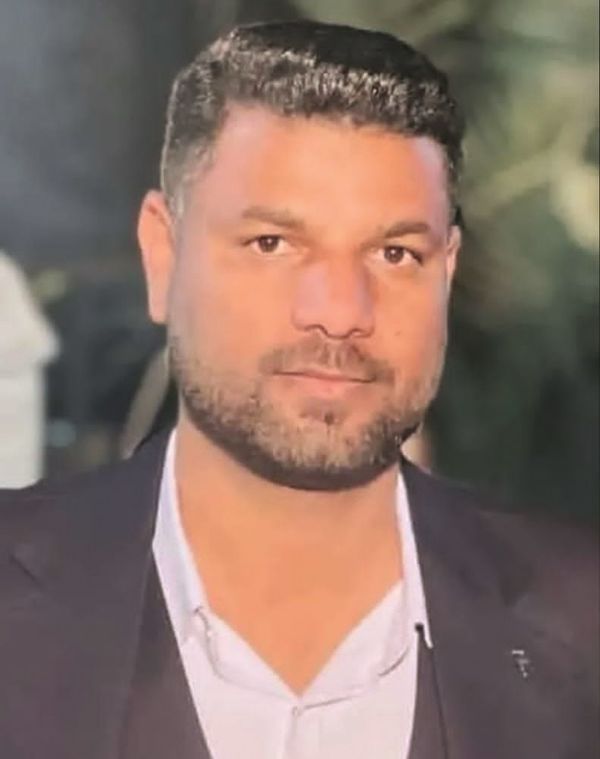
Additional Details
Captured Date
2026-07-22T11:44:32.000Z
Language
Persian
Incident