Source
Captured Post Date: 2024-08-13 18:17:48
Translated Author: Dajana Abu Aisha
Author: دجانة أبو عيشة
Translated Content:
On Saturday, August 10, the Israeli occupation launched an airstrike targeting the Al-Tabi'in School and a mosque within the school complex in the Al-Daraj neighborhood of Gaza City. The attack resulted in the deaths of over 100 people and injured dozens more, according to the Gaza Government Media Office. Following the airstrike, the Israeli army issued a statement claiming that the operation targeted "terrorists" who were using a mosque in the Al-Tabi'in School compound as a military headquarters to plan and execute attacks against Israeli soldiers in the Gaza Strip. The massacre sparked international condemnation, including a statement from the White House on Saturday, August 10, expressing "deep concern" over the Israeli strike on the Al-Tabi'in School. National Security Council spokesman Sean Savit stated, "We are deeply concerned by reports of civilian casualties in Gaza," adding that the United States "has requested further details." Foreign ministers from several Arab countries, including Egypt, Qatar, Iraq, and Jordan, condemned the Israeli massacre of civilians at the Al-Tabi'in School, calling on the international community to take all necessary measures to stop Israeli practices in the Gaza Strip. For their part, Turkey and Iran stated that Israel committed a crime against humanity, targeting civilian worshippers. Nabil Abu Rudeineh, the official spokesperson for the Palestinian Presidency, held the US administration responsible for the massacre, citing its financial, military, and political support for the occupation. He emphasized that it was a continuation of the daily massacres perpetrated by the occupation in the Gaza Strip and the West Bank, confirming the occupying power's efforts to exterminate the Palestinian people through a policy of massacres and daily killings, amidst a suspicious international silence. The Palestinian Observatory "Tahqiq" examines the validity of the occupation's claims regarding the motives and circumstances surrounding the targeting of the school, which was serving as a shelter for displaced people in Gaza City. First: Refuting the claims of the Israeli army spokesperson regarding the list of those targeted in the “Al-Tabi’in” massacre. Israeli army spokesperson Avichai Adraee published a list of 19 individuals, claiming they were targeted during the operation. He alleged they belonged to Hamas and Islamic Jihad, stating that the Israeli army and the Shin Bet targeted “terrorists” operating from a military headquarters located within a mosque in the Al-Tabi’in school complex in the Al-Daraj neighborhood. However, after researching and verifying the names on the list published by the Israeli army, it was found that it included the names of martyrs who died days before the massacre, including Youssef Sayed Al-Wadiya, who was found to have been killed two days prior to the Al-Tabi’in massacre, thus definitively ruling out his presence at the school. The name Munther Nasr Daher was also included among those targeted in the massacre at the Al-Tabieen School, but after investigation, it was revealed that the young man's real name was Montaser Nasr Daher, not Munther, and that he was killed a day before the massacre. The Observatory team was able to reach sources close to the two martyrs (who requested anonymity for fear of reprisals in Gaza) to clarify the circumstances of their deaths. One source explained that Montaser was killed along with his sister, Na'ma, on August 9, 2020, when their apartment on the street opposite the public services building, near the electricity company in central Gaza City, was bombed. The source added that Montaser was an architect and owned a contracting company. He was approximately 30 years old and did not belong to any political organization or party, nor did he have any military activities. Another family source told "Tahqiq" that Youssef Al-Wadiya was killed two days before the massacre, in a different location and incident than the Al-Tabieen School massacre. This is confirmed by Rami Abdu, director of the Euro-Mediterranean Human Rights Monitor, who stated: “Initial investigations have already proven the names published by the Israeli army to be false. A preliminary review revealed that of the 19 names published by the Israeli army as terrorists killed in the massacre at the al-Tabi’in school, three had already been killed in previous Israeli airstrikes: Ahmed Ihab al-Jabari, killed by the Israeli army on December 5, 2023; Youssef al-Wadiya, targeted by the occupation two days before the massacre; and Montaser Daher, killed on Friday, August 9, along with his sister, inside an apartment building—one day before the massacre.” Abdu added to “Tahqiq” that among the victims were three elderly civilians with no connection to military activity: Mohammed al-Tayef, a former academic and school principal; Abdul Aziz Misbah al-Kafarna, deputy mayor of Beit Hanoun; and Professor Youssef Kahlout, an Arabic language professor at the Islamic University of Gaza. Six other civilians were also killed, some of whom were known to oppose Hamas. Among the martyrs was Sheikh Muhammad Hassan Abu Saada, the director of the Gaza Endowments. Several videos had previously circulated showing him reciting verses from the Quran while leading prayers at a mosque in Gaza, and in another video, reciting Quranic verses alongside other sheikhs. Journalists and activists also shared a photo of a message Sheikh Muhammad had sent the night before the massacre, reminding displaced people of the importance of attending a Quran recitation session at the Al-Tabi'in Mosque at dawn on Saturday, August 10th—the morning of the massacre. Following the massacre, Ismail Al-Thawabta, the Director General of the Government Media Office in Gaza, announced that the Israeli occupation forces had directly targeted the displaced people while they were performing the dawn prayer, leading to a rapid increase in the number of casualties. The Media Office added that the scale of the massacre and the large number of victims prevented medical, civil defense, and emergency relief teams from quickly recovering the bodies. Al-Thawabta indicated that the school was targeted with three missiles, each containing 2,000 pounds of explosives. He emphasized that the Israeli army was aware of the presence of displaced people inside the school, describing the Israeli army's account of what happened as "full of lies and fabricated information, and that it is trying, through its false statements, to justify its crimes against our people." The spokesperson for the occupation army, Avichai Adraee, questioned the data in the Government Media Office reports regarding the extent of the destruction and casualties resulting from the massacre committed at the "Al-Tabi'een" school in the Al-Daraj neighborhood in central Gaza. Ismail Al-Thawabta, the Director General of the Government Media Office in Gaza, indicated that the raid was carried out with three missiles, each weighing 2,000 pounds (907.184 kg) of explosives, stressing that the Israeli army was aware of the presence of displaced people inside the school. However, Adraee questioned the details of the targeting operation reported by the Government Media Office in Gaza, claiming that it was carried out with three precision bombs, which, according to relevant authorities, are incapable of causing the level of destruction described in the Government Media Office's reports. The army spokesperson added that their data indicates the airstrike did not cause significant damage to the targeted compound, as evidenced by the image of the compound after the strike. He also stated that numerous precautions were taken prior to the strike to minimize the risk of civilian casualties, including the use of precision-guided munitions with small warheads, aerial photography, and precise intelligence gathering. Adraee's statements contradict the documentation of journalists and the testimonies of survivors of the massacre. Journalist Islam Bad posted a video of the immediate aftermath of the massacre, describing the extent of the destruction. He said, "There are dismembered bodies and pools of blood everywhere... I can't go any further for fear of walking on the remains," before a paramedic alerted him that he was standing on pieces of the martyrs' bodies, as clearly shown in the video. The day after the massacre, journalists documented the aftermath, revealing evidence of the scale of the attack. Photos and videos showed the remains of worshippers and their blood splattered on the walls by the force of the explosion. Other images from a video posted by journalist Islam Badr clearly show the entry point of one of the missiles that struck the school, while other missiles were launched from different entrances. Further documentation by Al Jazeera correspondent Anas al-Sharif also revealed the extent of the destruction, including the remains of martyrs and the personal belongings of worshippers recovered the day after the massacre. The Euro-Mediterranean Human Rights Monitor stated that its field and legal team conducted a preliminary survey and investigation at the al-Tabi'in School, which was sheltering more than 2,500 displaced people in Gaza City. This included data collection, documenting testimonies from survivors and witnesses, and examining the site after the attack. All evidence and testimonies indicated that the school was free of any military gatherings or centers and was not being used for any military purposes. The school was sheltering hundreds of children whose families felt safe leaving them there, according to survivor testimonies. Furthermore, the site's characteristics strongly suggest it could not have been used for military purposes. The school consisted of cramped buildings lacking the infrastructure necessary for military operations, such as bunkers or staging areas. The building's small size and limited spaces were unsuitable for military activities requiring organization and logistical support. Testimonies gathered from displaced civilians indicate the absence of any military activity or equipment at the school. On the contrary, it was being used as an emergency shelter for civilians fleeing devastated areas. These factors preclude any military role for the site, making the attack on the school unjustified and a flagrant violation of international humanitarian law. The Observatory stated that the Israeli bombing directly targeted displaced people performing the dawn prayer in the school's prayer room, as well as the upper section of the prayer room designated for sheltering women and children. He stated that initial information indicates the Israeli army used three American-made cruise bombs with immense destructive power, capable of burning and melting bodies, during the attack. He noted that the bombs caused the victims' bodies to be torn to pieces and burned, and that a large number of critical injuries were also caused by the sheer destructive force of these bombs. According to the Palestinian Civil Defense in Gaza, some of the bombs used against the school, which was crowded with displaced people, weighed approximately 2,000 pounds. He emphasized that the Israeli army's justification for the massacre—that it targeted an unsubstantiated military site—does not justify the killing of such a large number of civilians. He stressed that Israel cannot continue to kill, burn, and wound hundreds of civilians daily and then claim there were military targets in the targeted locations without providing real evidence or allowing independent international bodies to verify this evidence. Survivors of the massacre give their testimonies. Al-Quds Al-Arabi newspaper documented the testimonies of displaced people who witnessed the details of the massacre. One of them, Youssef Al-Najjar, said: “We woke up to the sound of an airstrike followed by two massive explosions. I went down to the site, where I was shocked by the sight of the martyrs.” He added: “The intensity of the bombing caused some bodies to be thrown into the street. Limbs of adults and children. We found martyred children lying in the street.” In another testimony documented by TRT Arabic, a displaced person said that he saw the remains and flesh of the martyrs’ bodies, while a survivor said: “We were standing praying when suddenly we saw smoke rising, fire, and missiles.” Citizen Suzanne Mohammed al-Barawi, a displaced person sheltering at the al-Tabi’een School, told the Euro-Mediterranean Human Rights Monitor: “We were asleep. We woke up to the sound of the explosion and the fire. We went out of our classrooms to find the prayer room ablaze. The women’s prayer room at al-Tabi’een School is located directly above the men’s prayer room, and many families who had been displaced after their homes were targeted were sheltering there. There were at least 20 families, including elderly women and children. The missiles fell among them, killing them. Those who survived either had limbs severed or suffered extensive burns. I saw injuries where their intestines were exposed. Among the victims were young girls, the oldest being 13, another 10, and others as young as two.” In a video documented by Al Jazeera, another survivor of the massacre explained that her son was killed while prostrating in prayer, with no military presence whatsoever, contrary to the occupation’s claims. Palestinian factions deny the occupation’s claims. Hamas, in a statement, denied the Israeli occupation’s claims that there were armed men inside the al-Tabi’een School. Hamas asserted that the Israeli army is attempting to justify its crime amidst widespread international condemnation by falsely claiming that 19 of the more than 100 civilians it killed in cold blood in the massacre at the Al-Tabi'in school were resistance fighters. Hamas clarified that these claims are baseless, and that the list includes children, civil servants, university professors, and religious figures with no connection to any political or military activity. The movement emphasized that all victims of the massacre were civilians, none of whom were armed, and that they were targeted while performing the dawn prayer. The Palestinian Islamic Jihad movement also categorically denied Israel's claims that its fighters were present at the Al-Tabi'in school in the Al-Daraj neighborhood of Gaza City, which the Israeli army bombed on Saturday, leaving more than 100 dead and dozens wounded. This is not the first massacre in which civilian lives have been lost during the Gaza war since the start of Operation "Al-Aqsa Flood" on October 7, 2013, launched by Palestinian factions with an attack on settlements surrounding Gaza. This was followed by an Israeli war that continues to this day and has resulted in more than 49,000 martyrs and missing persons, and over 92,000 wounded, according to the latest statistics from the Palestinian Ministry of Health. The occupation has committed a number of massacres against Palestinian civilians in the Gaza Strip, always following them with justifications and misleading and fabricated information aimed at evading responsibility. One such massacre was the Baptist Hospital massacre on October 17, 2013, which claimed the lives of approximately 500 martyrs. At the time, the occupation claimed that the massacre was the result of a failed launch of a Palestinian rocket originating from "Islamic Jihad." However, the falsity of the occupation's narrative was quickly exposed through evidence gathered and refuted by the "Verify" team and several other organizations. The massacre at the Baptist Hospital was not the only one. The occupation forces fabricated a series of claims against hospitals in the Gaza Strip to justify their repeated targeting. Among these was a video published by Israeli army spokesperson Daniel Hagari on November 14, 2023, showing the hospital staff's weekly duty roster. He claimed it contained the names of fighters who "were guarding Israeli prisoners" inside the basement of al-Rantisi Hospital in the Gaza Strip. These misleading narratives accompanied the repeated targeting of Palestinian civilians. On the morning of Thursday, February 29, 2024, in Gaza, the occupation forces carried out the massacre at al-Nabulsi Square on al-Rashid Street, killing more than 104 Palestinians and wounding over 700 others. This massacre occurred after Israeli occupation forces bombed a gathering of civilians waiting for aid. At the outset of the incident, Israel did not deny responsibility, but it quickly began to disavow it, promoting a different narrative claiming that dozens of Palestinians who had surged towards the aid trucks at a Gaza City intersection were killed in the ensuing stampede. The official added that as the trucks moved north, people approached the Israeli forces, who, feeling threatened, opened fire, killing an unknown number of them in what he described as a "limited" response. He questioned the credibility of the figures released by the Palestinian Ministry of Health, according to an unnamed Israeli official who spoke to Reuters. The Israeli newspaper Haaretz published a preliminary Israeli army investigation, which cited two incidents as the cause of the massacre (according to the occupation). The first incident involved a stampede of dozens of civilians, resulting in their deaths from being trampled. The second incident involved armed men intercepting the convoy of trucks in the Rimal neighborhood and looting its cargo. As the crowds approached the occupation army units in the area, the latter fired warning shots into the air from a distance of ten meters before opening fire on the lower extremities of those who continued to advance. However, the Israeli army spokesperson, Daniel Hagari, completely changed the narrative, categorically denying that occupation soldiers had fired at the aid convoy. Hagari claimed that thousands of Gazans attacked the trucks, with some pushing and violently trampling others to death and looting humanitarian supplies. The Euro-Mediterranean Human Rights Monitor categorically denied the occupation's version of events, stating that initial investigations indicate that dozens of victims were wounded by gunfire after occupation tanks opened heavy fire on them. He pointed to four pieces of evidence implicating the Israeli army in targeting starving civilians. First, there were the marks of injuries on the bodies of the victims and the wounded, as well as bags of flour and aid boxes stained with their blood, which were examined by a researcher from the center at Al-Shifa Medical Complex. Second, there were videos published by eyewitnesses in which the sound of gunfire could be heard, which survivors confirmed originated from Israeli tanks positioned towards the sea. The Observatory verified the sound signature in the videos and found it was from a 5.56 mm machine gun used by the Israeli army. The Euro-Mediterranean Observatory also observed, in aerial footage released by the Israeli occupation forces, the presence of at least two tanks and bodies and wounded individuals along their path, while no bodies were visible along the trucks' route.
Content:
شن الاحتلال الإسرائيلي فجر يوم السبت 10 أغسطس/آب الجاري، غارة جوية استهدفت مدرسة التابعين ومسجد داخل المدرسة في حي الدرج وسط مدينة غزة، وأسفر الاستهداف عن ارتقاء ما يزيد عن 100 شخص وإصابة العشرات وفق إعلان مكتب الإعلام الحكومي في قطاع غزة.
عقب الغارة الجوية أصدر جيش الاحتلال بياناً قال فيه إن العملية استهدفت “إرهابيين” كانوا يستخدمون مسجدًا في مجمع مدرسة “التابعين” كمقر عسكري للتخطيط وتنفيذ هجمات ضد الجنود الإسرائيليين في قطاع غزة.
فيما أثارت المجزرة ردود أفعال دولية عليها، ومنها بيان البيت الأبيض السبت 10 آب/ أغسطس الذي أعرب خلاله عن “قلقه العميق” بعد الضربة الإسرائيلية، لمدرسة التابعين.
وقال المتحدث باسم مجلس الأمن القومي الأمريكي شون سافيت في بيان “نبدي قلقا عميقا حيال تقارير عن مقتل مدنيين في غزة”، موضحا أن الولايات المتحدة “طلبت الحصول على مزيد من التفاصيل”، فيما أدان وزراء عدد من خارجيات الدول العربية من بينها مصر وقطر والعراق والأردن المجزرة الإسرائيلية بحق المدنين في مدرسة التابعين، مطالبين المجتمع الدولي باتخاذ كافة الإجراءات اللازمة لوقف الممارسات الإسرائيلية في قطاع غزة.
من جانبها، قالت تركيا وإيران إن إسرائيل ارتكبت جريمة ضد الإنسانية والهدف هو قتل المصليين المدنيين.
بدوره، حمّل الناطق الرسمي باسم الرئاسة الفلسطينية، نبيل أبو ردينة، الإدارة الأميركية، مسؤولية ارتكاب المجزرة “جراء دعمها المالي والعسكري والسياسي للاحتلال”، وشدد على أنها “استمرار للمجازر اليومية التي يرتكبها الاحتلال في قطاع غزة وكذلك في الضفة الغربية والتي تؤكد مساعي دولة الاحتلال لإبادة شعبنا عبر سياسة المجازر الجماعية وعمليات القتل اليومية، في ظل صمت دولي مريب”.
يقف المرصد الفلسطيني “تحقق” في هذا التقرير على صحة ادعاءات الاحتلال بشأن دوافع وحيثيات استهداف المدرسة التي تشكل ملجأ للنازحين في مدينة غزة.
أولاً: تفنيد مزاعم المتحدث باسم جيش الاحتلال بشأن قائمة المستهدفين في مجزرة “التابعين”
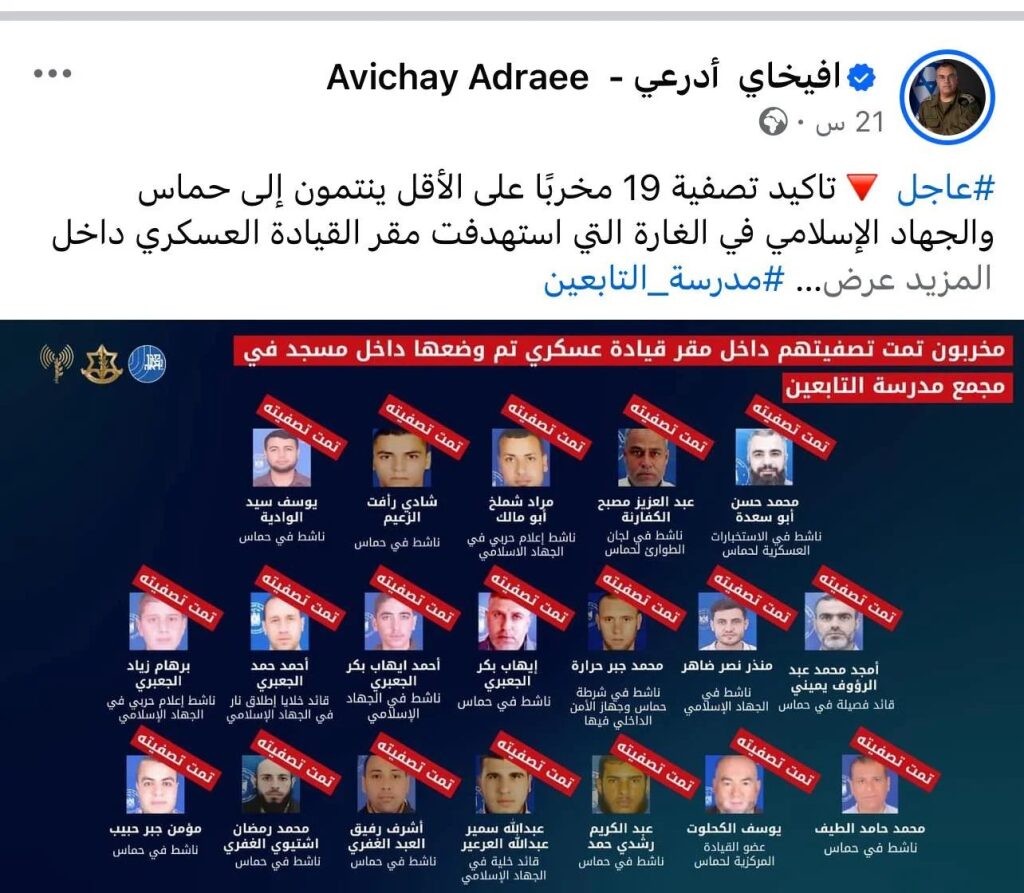
نشر المتحدث باسم جيش الاحتلال أفخاي أدرعي، قائمة تضم 19 شخصاً، ادعى أنه تم استهدافهم خلال هذه العملية، زاعماً أنهم ينتمون إلى حركتي “حماس” و”الجهاد الإسلامي”، مشيرًا إلى أن جيش الاحتلال و”الشاباك” استهدفوا “مخربين” عملوا داخل مقر عسكري تم وضعه داخل مسجد في مجمع مدرسة التابعين في حي الدرج.
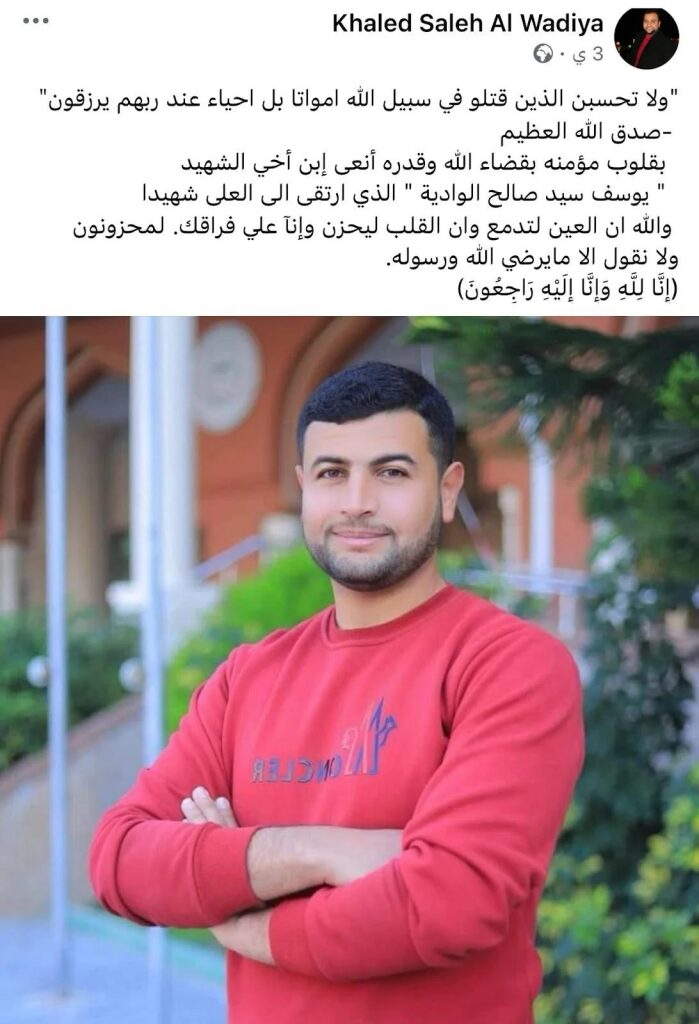
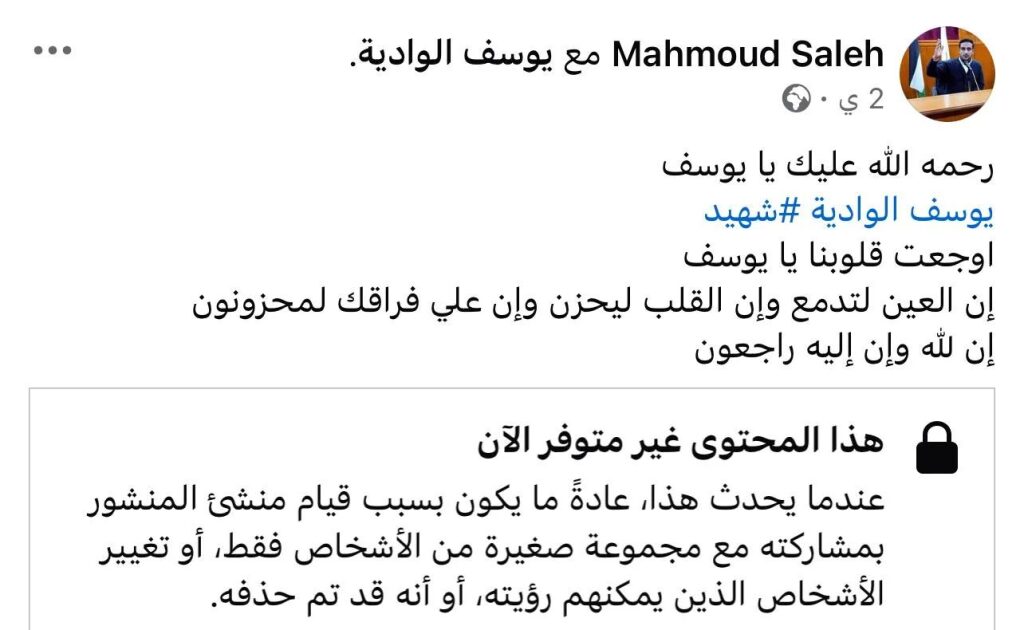
بعد البحث والتحري في المصادر العلنية حول الأسماء المتداولة في القائمة المنشورة من قبل جيش الاحتلال، تبين احتوائها على أسماء لشهداء ارتقوا قبل المجزرة بأيام، ومنهم الشهيد يوسف سيد الوادية، الذي تبين أنه استشهد قبل يومين من مجزرة التابعين، وهو ما ينفي حتماً تواجده في المدرسة.
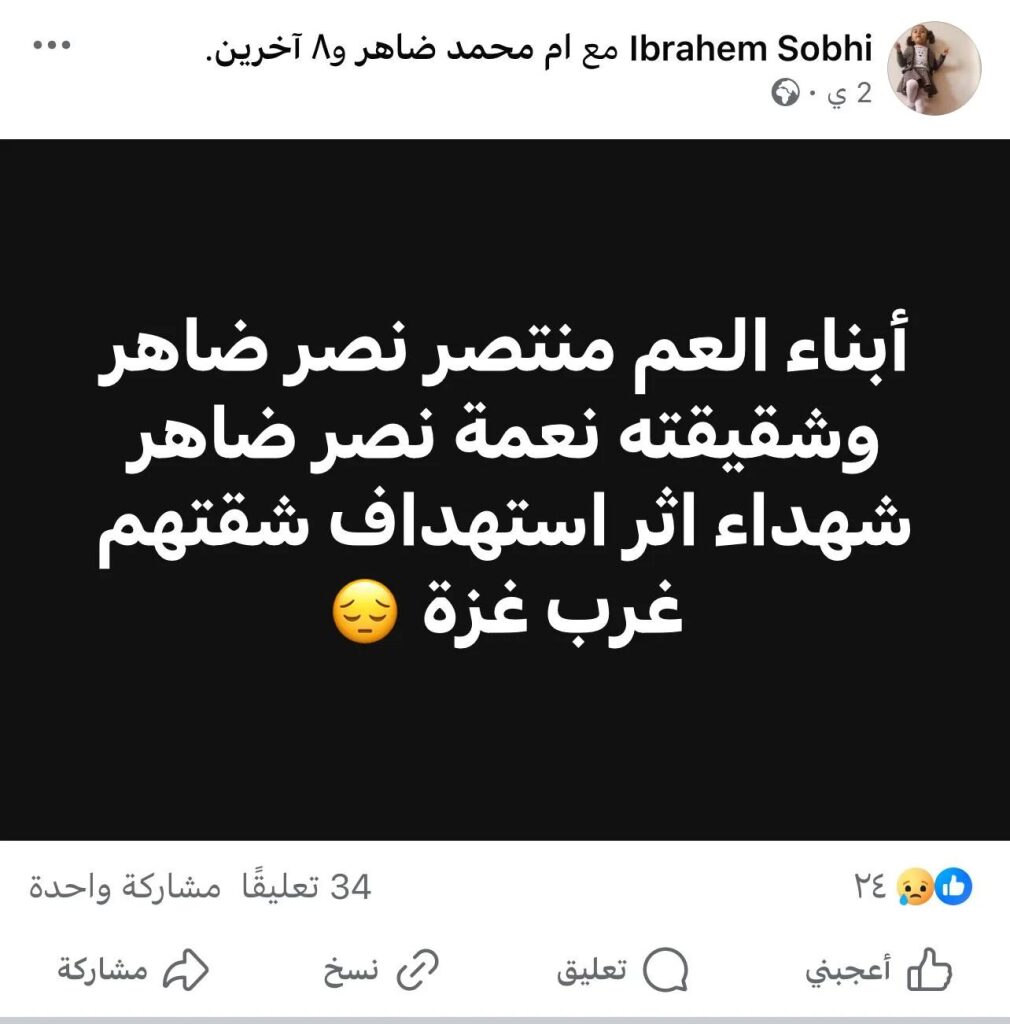
كما أدرج أيضاً اسم منذر نصر ضاهر، ضمن المستهدفين في مجزرة مدرسة التابعين، لكن بعد التحقيق، تبيّن أن الاسم الحقيقي للشاب هو منتصر نصر ضاهر، وليس منذر ، وهو استشهد قبل المجزرة بيوم.
وتمكن فريق المرصد من الوصول إلى مصادر مقربة من الشهيدين (طلبوا عدم ذكر أسمائهم من قبل المرصد خوفاً من تعرضهم للاستهداف في غزة) للاستيضاح حول حيثيات استشهادهم، إذ أوضح أحدهم أن الشهيد منتصر استشهد برفقة شقيقته نعمة يوم 9 أغسطس/ آب 20 الجاري، إثر قصف طال شقتهم في الشارع المقابل للخدمة العامة مقابل شركة الكهرباء وسط مدينة غزة.
وأضاف المصدر أن منتصر مهندس معماري ولديه شركة مقاولات، وعمره يقارب 30 عاماً، وهو لا ينتمي لأي تنظيم سياسي أو حزبي وليس له أي أعمال أو أنشطة عسكرية.
وأفاد مصدر عائليٌ آخر لـ”تحقق” أن الشهيد يوسف الوادية استشهد قبل المجزرة بيومين، وفي مكان وحادثة مختلفة عن مجزرة التابعين.
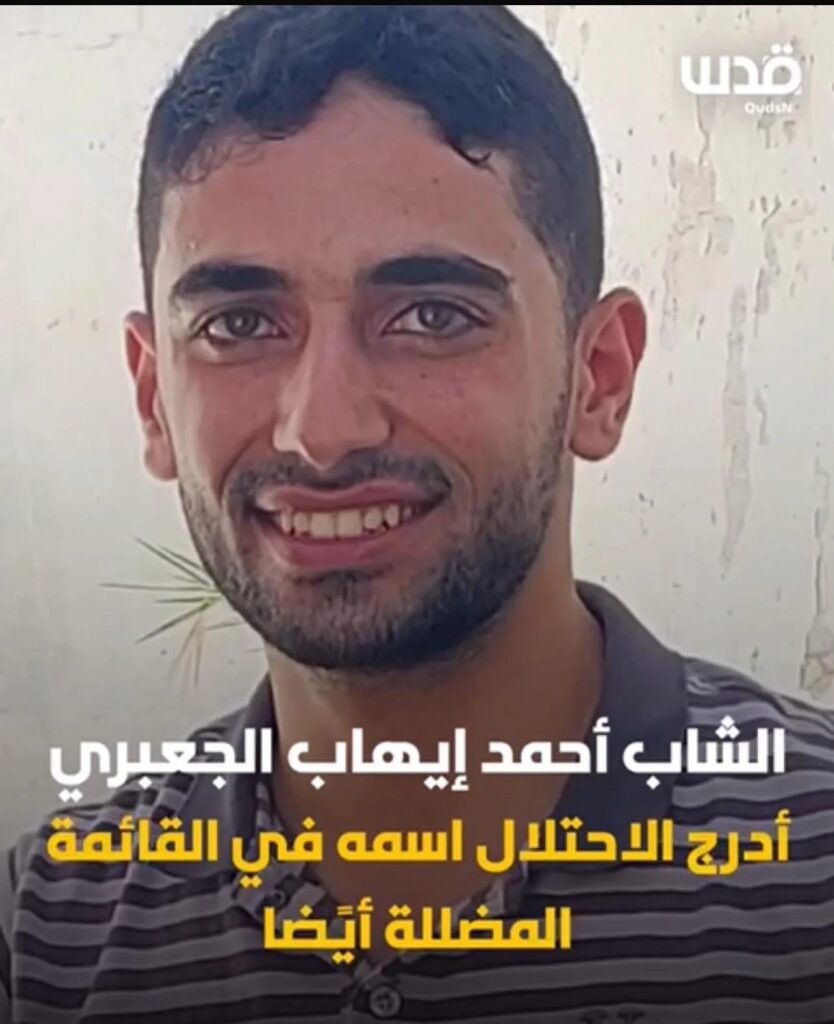
وهو ما يؤكده مدير المرصد الأورومتوسطي رامي عبده بالقول: “إن التحقيقات الأولية أثبتت بالفعل عدم صحة الأسماء التي نشرها جيش الاحتلال، واتضح بعد المراجعة الأولية، أن من بين 19 اسمًا نشرها الجيش الإسرائيلي على أنهم إرهابيون تم القضاء عليهم في مجزرة مدرسة التابعين، 3 استشهدوا في حوادث قصف إسرائيلي سابقة، وهم أحمد إيهاب الجعبري الذي قتله الجيش الإسرائيلي في 5 ديسمبر/كانون أول 2023، ويوسف الوادية الذي استهدفه الاحتلال قبل يومين من المجزرة ومنتصر ضاهر الذي قتل يوم الجمعة 9 أغسطس/آب برفقة شقيقته داخل شقة سكنية، أي قبل المجزرة بيوم واحد”.
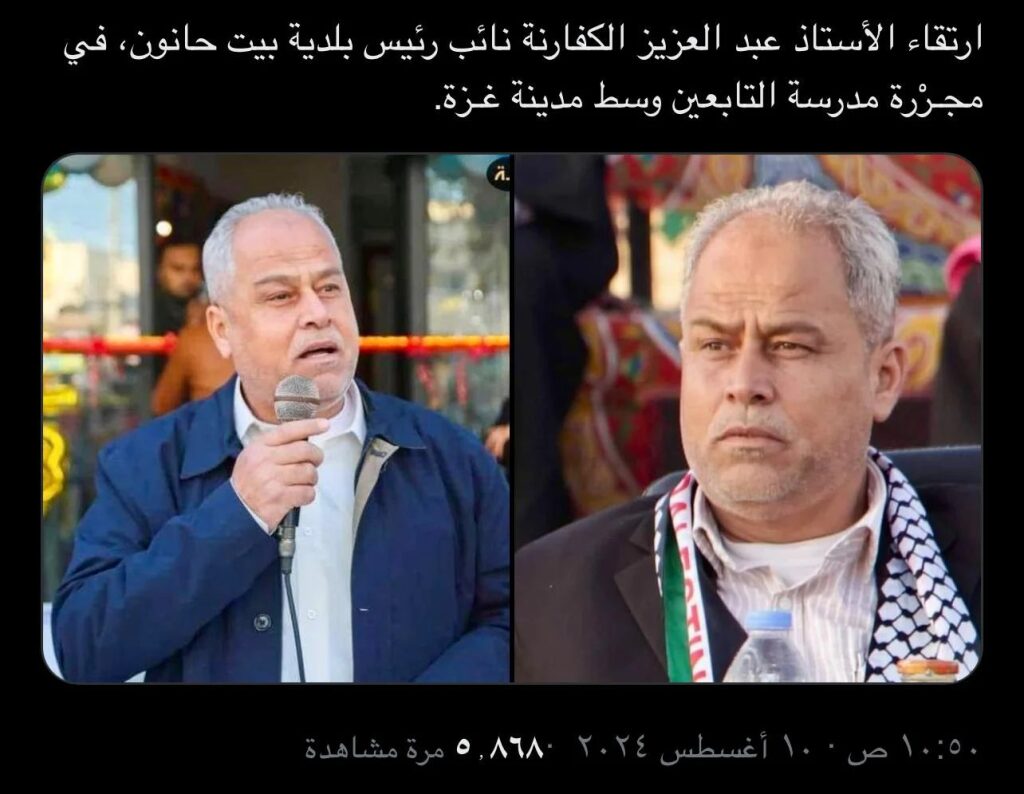
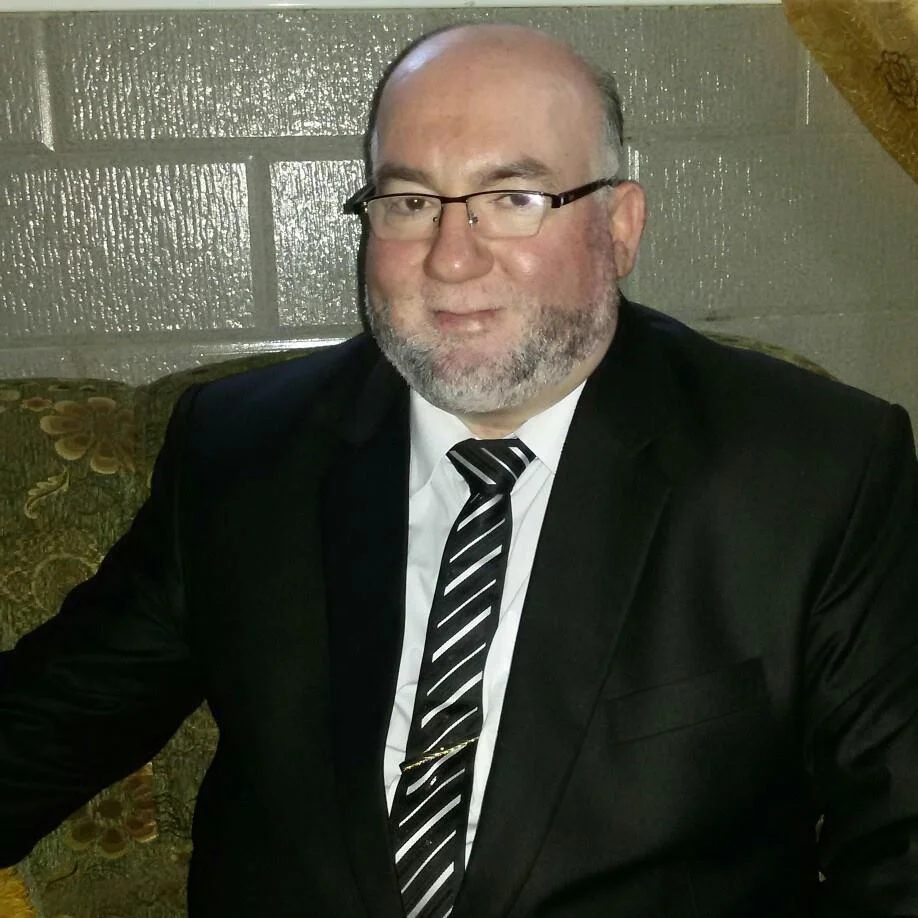
وأضاف عبده لـ”تحقق” أن من بين الضحايا ثلاثة مدنيين مسنين لا علاقة لهم بالعمل العسكري، وهم محمد الطيف أكاديمي سابق ومدير مدرسة، ونائب رئيس بلدية بيت حانون عبد العزيز مصباح الكفارنة، والأكاديمي بدرجة بروفيسور يوسف كحلوت أستاذ اللغة العربية في الجامعة الإسلامية في غزة، وستة من المدنيين بعضهم معارض لحركة “حماس”.
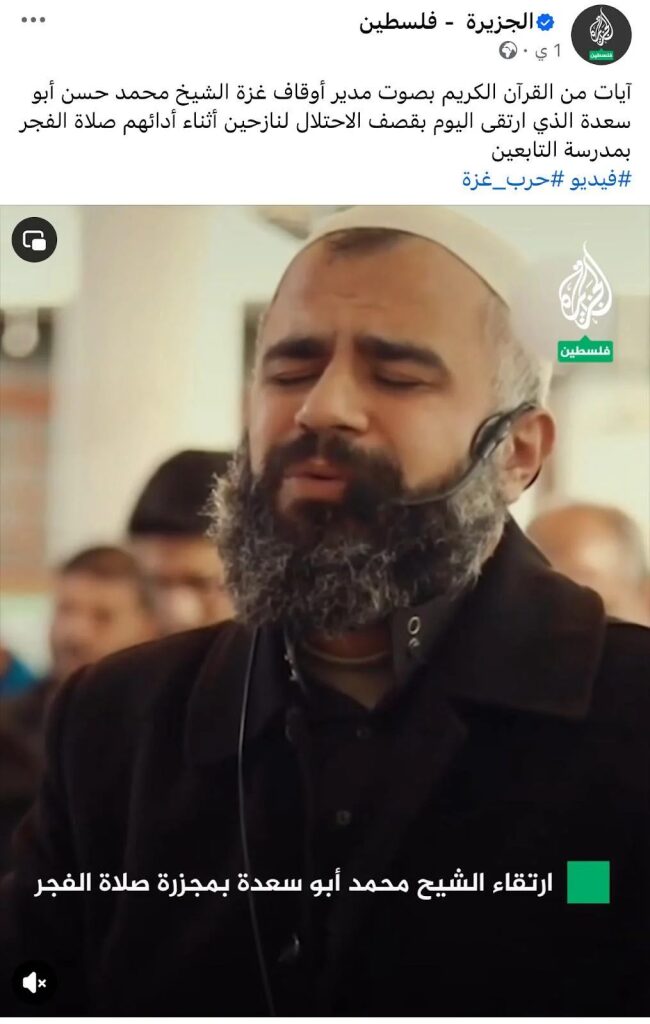
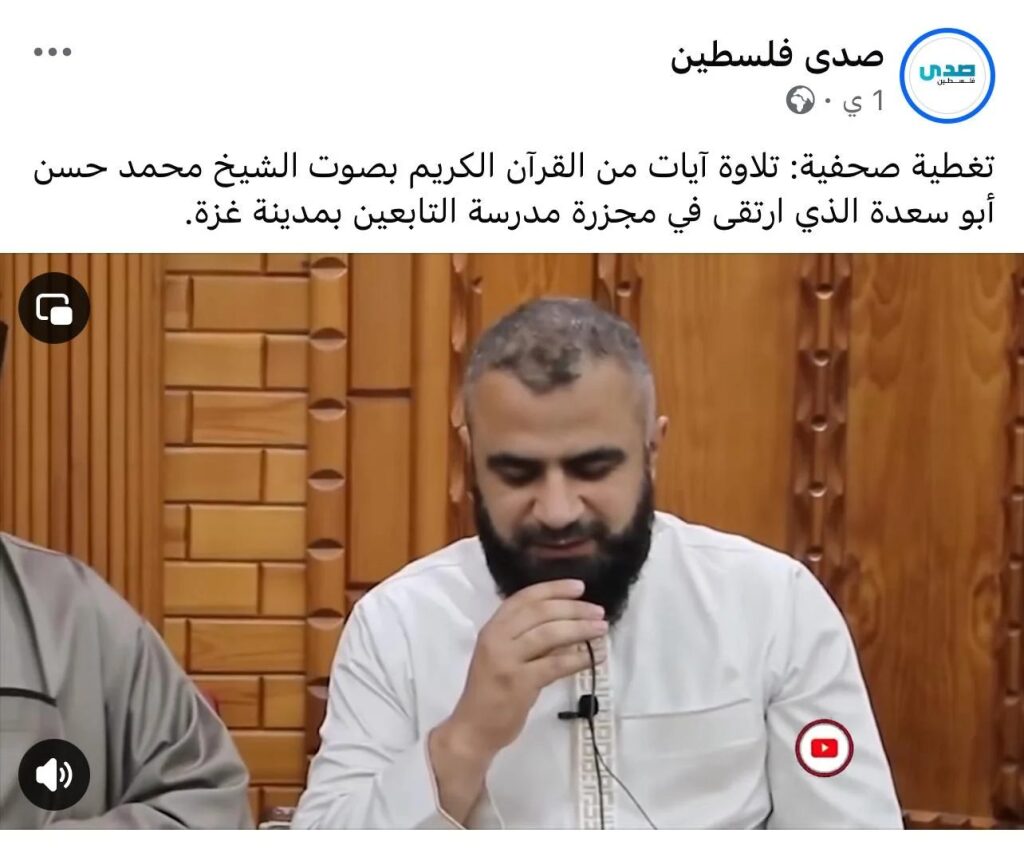
كما تبين من بين الشهداء مدير أوقاف غزة الشيخ محمد حسن أبو سعدة، حيث نُشرت له عدد من الفيديوهات السابقة وهو يتلو آيات القرآن أثناء إمامته أحد المساجد في غزة، وفي مقطع فيديو آخر وهو يسرد آيات قرآنية برفقة شيوخ آخرين.
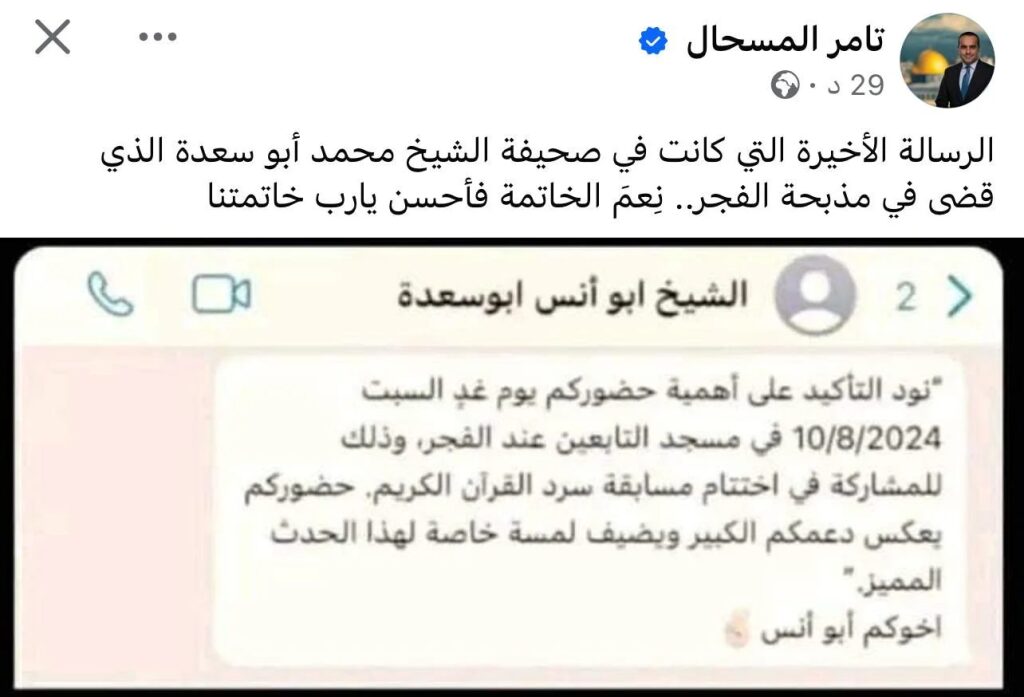
في حين، نشر صحفيون وناشطون صورة لرسالة كان قد أرسلها الشيخ محمد قبل المجررة بليلة واحدة، يذكر النازحين بأهمية حضورهم لحلقة سرد القرآن الكريم في مسجد التابعين عند فجر يوم السبت 10 أغسطس / آب، أي صباح المجزرة.
ثانياً:
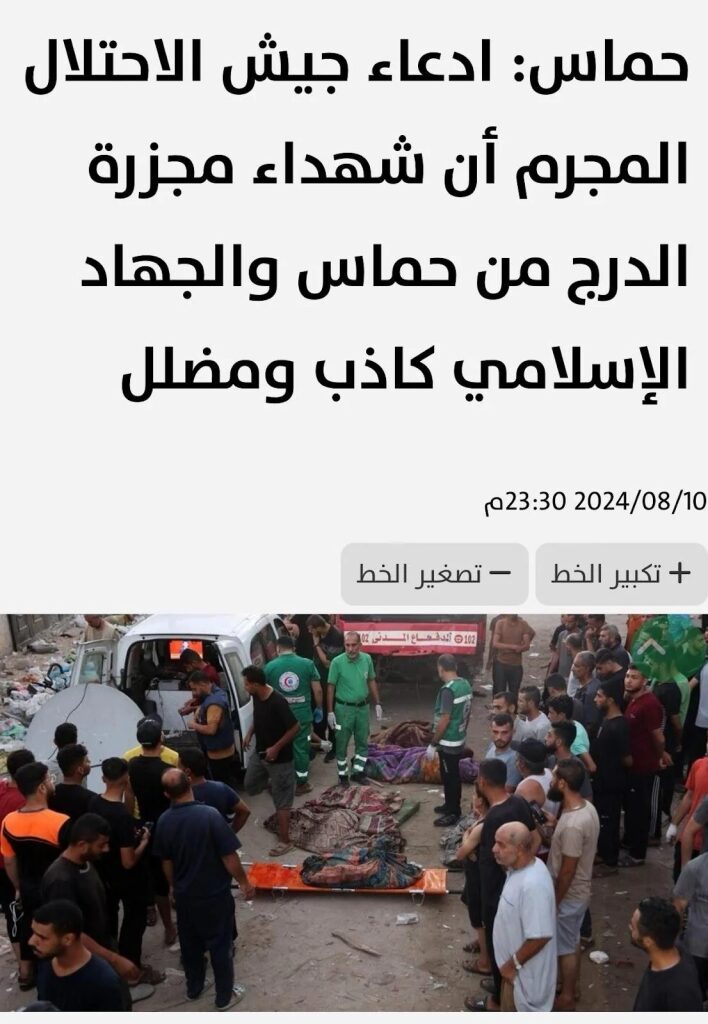
أعلن المدير العام للمكتب الإعلامي الحكومي في غزة إسماعيل الثوابتة عقب المجزرة، أن الاحتلال استهدف النازحين بشكل مباشر أثناء تأديتهم صلاة الفجر، مما أدى إلى ارتفاع سريع في أعداد الضحايا. وأضاف المكتب الإعلامي أن حجم المجزرة وعدد الضحايا الكبير حال دون تمكن الفرق الطبية والدفاع المدني وفرق الإغاثة والطوارئ من انتشال الجثث بسرعة.
وأشار ثوابتة إلى أن القصف استهدف المدرسة بثلاثة صواريخ، كل منها يزن ألفي رطل من المتفجرات. وشدد على أن الجيش الإسرائيلي كان على علم بوجود النازحين داخل المدرسة، واصفًا رواية الجيش الإسرائيلي لما حدث بأنها “مليئة بالأكاذيب والمعلومات المزيفة، وأنه يسعى من خلال بياناته الزائفة تبرير جرائمه في حق شعبنا”.
شكك المتحدث باسم جيش الاحتلال أفيخاي أدرعي بالمعطيات الواردة في تقارير المكتب الحكومي حول حجم الدمار والضحايا جرّاء المجزرة التي ارتكبها في مدرسة “التابعين” في حي الدرج وسط غزة، حيث أشار المدير العام للمكتب الإعلامي الحكومي في غزة إسماعيل الثوابتة أن الغارة تمت بواسطة بثلاثة صواريخ، زنة كل صاروخ منها ألفي رطل (907.184 كجم) من المتفجرات، مشدداً على أن الجيش الإسرائيلي كان على علم بوجود النازحين داخل المدرسة. بيد أن “أدرعي” شكك في تفاصيل عملية الاستهداف التي أوردها الإعلام الحكومي في غزة، مدعياً بأنها تمت من خلال ثلاث قنابل دقيقة والتي وحسب الجهات المعنية المختصة غير قادرة عن إلحاق هذا القدر من الدمار الذي يتطابق وتقارير المكتب الإعلامي الحكومي في غزة.
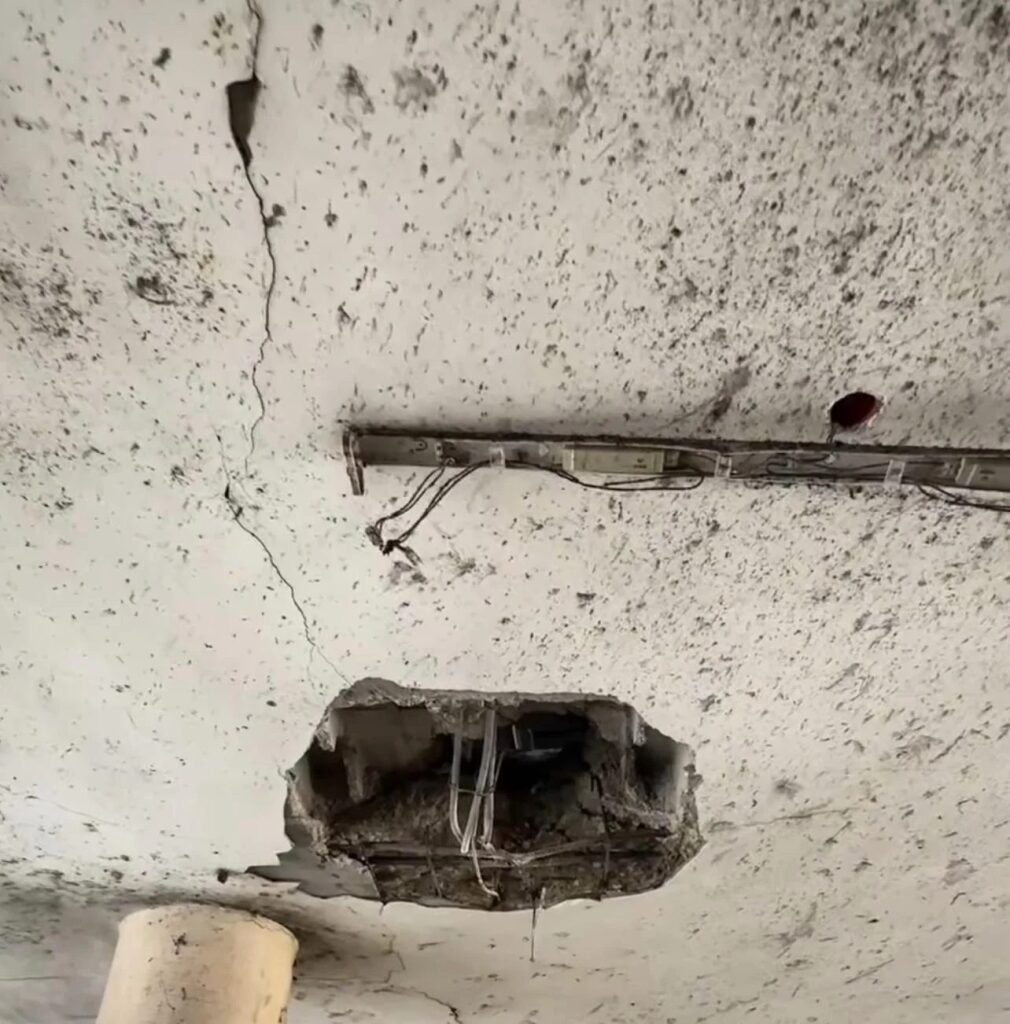
وأضاف المتحدث باسم الجيش بأن المعطيات لديهم تشير إلى أن الغارة لم تسفر عن دمار كبير في المجمع الذي تم استهدافه، وذلك يتضح من صورة المجمع بعد الغارة. كما أنه تم اتخاذ خطوات عديدة قبل الغارة من شأنها تقليص احتمالية تعرض المدنيين للأذى شملت استخدام أنواع الذخيرة الدقيقة ذات رأس حربي صغير، ووسائل تصوير جوي، وجمع معلومات استخبارية دقيقة.
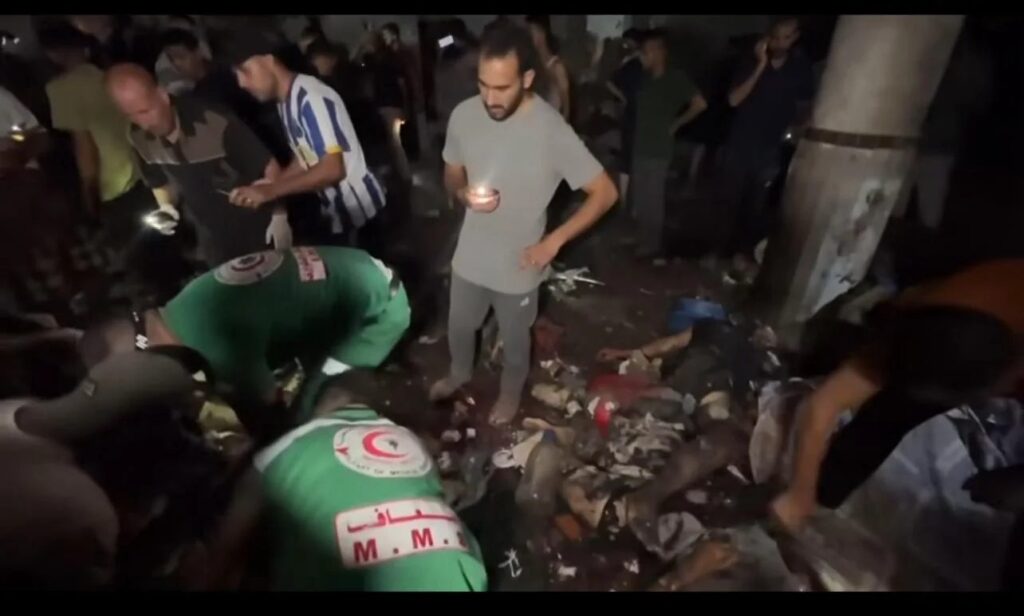
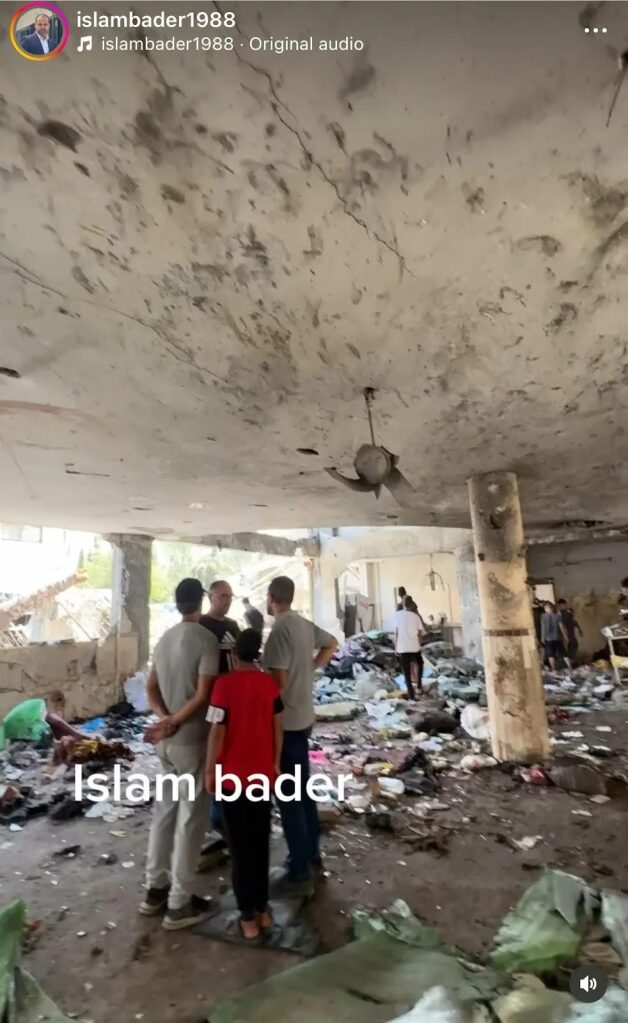
تصريحات أدرعي تتنافى وتوثيقات الصحافيين وشهادات الناجين من المجزرة، حيث نشر الصحفي إسلام بد مقطع فيديو للحظات الأولى بعد الجزرة، يوصف فيه حجم الدمار الذي لحق بالمكان، قائلاً: “الجثامين المقطعة، وبرك الدماء في كل مكان.. لا أستطيع التقدم أكثر حتى لا أمشي فوق الأشلاء”، قبل أن ينبهه أحد المسعفين بأنه يقف فوق قطع من أجساد الشهداء، وفق ما يظهره مقطع الفيديو بشكل واضح.
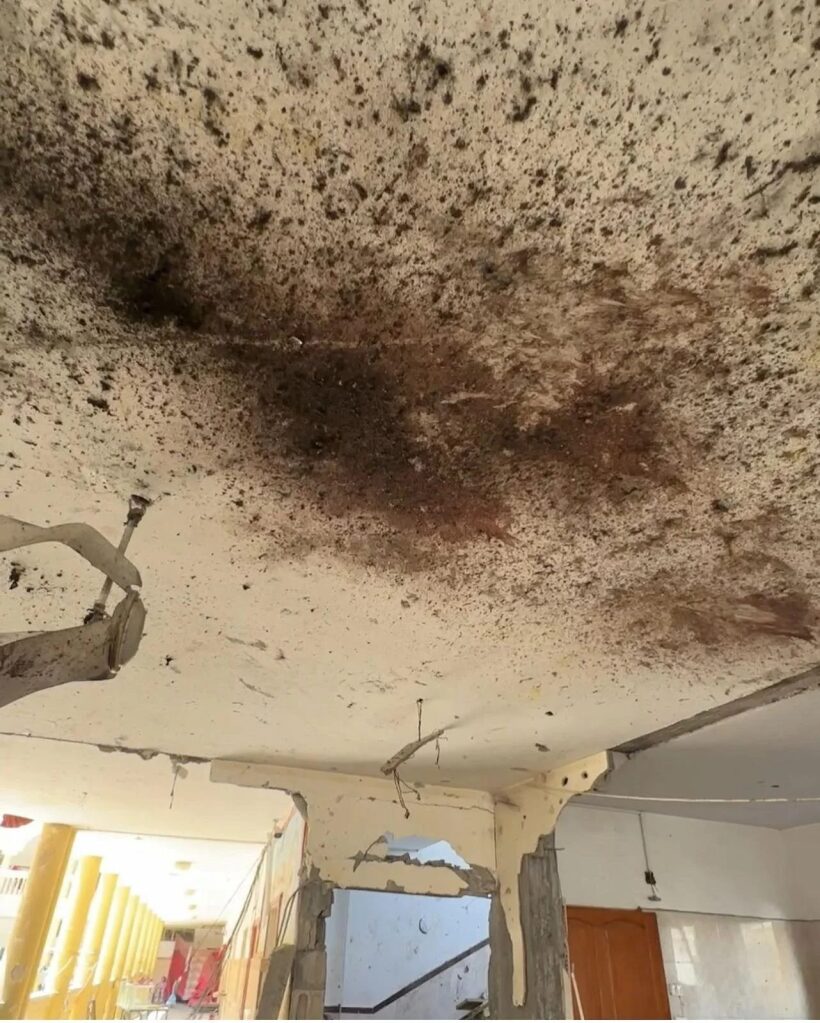
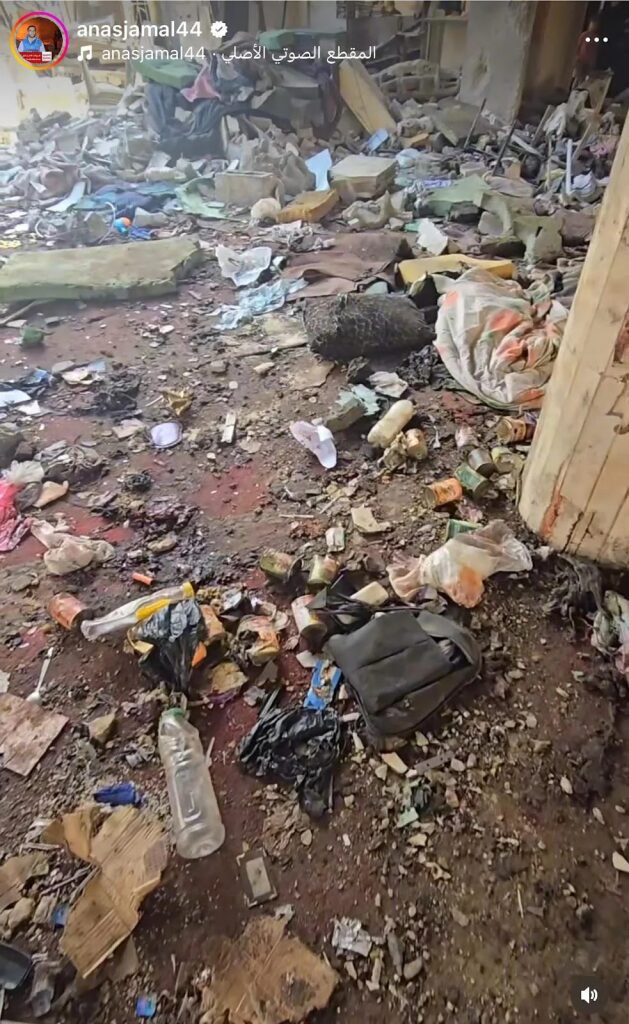
كما وفي اليوم التالي للمجزرة، نَقل صحافيون آثار المجزرة وما خَلفته من أدلة وشواهد على حجم الاستهداف، حيث أظهرت الصور ومقاطع الفيديو بقايا لأشلاء المصلين ودمائهم التي تناثرت على جدران المكان بفعل شدة الانفجار.
وفي صورٍ أخرى من مقطع فيديو نشره الصحفي إسلام بدر يتضح فيه مدخل أحد الصواريخ الذي ضَرَبت المدرسة، فيما وُجّهت الصواريخ الأخرى من المداخل الثانية.
وفي توثيقٍ آخر لمراسل الجزيرة أنس الشريف، ظهر أيضاً حجم الدمار وبقايا أشلاء الشهداء ومقتنيات المصليين التي عثر عليها في اليوم التالي للمجزرة.
وفي السياق ذاته، أوضح المرصد الأورومتوسطي أن فريقه الميداني والقانوني أجرى عملية مسح وتحقيق أولي في مدرسة التابعين التي كانت تؤوي أكثر من 2500 نازح في مدينة غزة، شملت جمع البيانات، وتوثيق شهادات الناجين والشهود، ومعاينة المكان بعد الهجوم. وأظهرت جميع الأدلة والشهادات أن المدرسة كانت خالية من أي تجمعات أو مراكز عسكرية، وأنها لم تُستخدم لأي أغراض عسكرية. وكانت المدرسة تؤوي المئات من الأطفال الذي أمنت عائلاتهم على وجودهم فيها دون الشعور بالخطر، بحسب إفادات الناجين.
إضافة إلى ذلك، فإن خصائص الموقع تدعم استحالة استخدامه لأغراض عسكرية، فالمدرسة كانت تتكون من مبانٍ ضيقة وغير مجهزة بالبنية التحتية اللازمة للعمليات العسكرية، مثل المخابئ أو نقاط الانطلاق. حيث إن هذا المبنى كان يتكون من مساحات ضيقة وغرف صغيرة لا تتناسب مع النشاطات العسكرية التي تتطلب تنظيمًا ودعمًا لوجستيًّا. كما أن الشهادات التي تم جمعها من المدنيين النازحين فيها تشير إلى عدم وجود أي نشاطات عسكرية أو تجهيزات في المدرسة، بل على العكس، كانت تُستخدم كمأوى طارئ للمدنيين الذين فروا من المناطق المدمرة. هذه العوامل تجعل من غير الممكن أن يكون للموقع أي دور عسكري أو أن يُستخدم لأي أغراض عسكرية، مما يجعل الهجوم على هذه المدرسة غير مبرر ويمثل انتهاكًا صارخًا للقانون الدولي الإنساني.
وقال المرصد إن القصف الإسرائيلي استهدف على نحو مباشر نازحين أثناء أدائهم لصلاة الفجر في مصلى المدرسة، وكذلك الجزء العلوي من المصلى المخصص لإيواء النساء والأطفال. وذكر أن المعلومات الأولية تشير إلى أن الجيش الإسرائيلي أطلق خلال هذه الاستهداف ثلاثة قنابل أميركية مجنحة ذات قدرة هائلة على التدمير والحرق وإذابة الأجساد، فقتل أكثر وأشار إلى أن القنابل تسببت بتحول أجساد الضحايا إلى أشلاء وأجزاء مقطعة ومحترقة، وكذلك الحال بالنسبة لعدد كبير من الإصابات الحرجة، وذلك نظرًا للقوة التدميرية الهائلة لهذه القنابل. وبحسب الدفاع المدني الفلسطيني في غزة، فإن بعض القنابل المستخدمة ضد المدرسة المكتظة بالنازحين بلغ وزنها حوالي 2000 رطلًا.
ونبه إلى أن ما تبرير الجيش الإسرائيلي المجزرة بالقول إنه استهداف موقعًا عسكريًّا غير مثبت ولا يعد مبررًا لقتل هذا العدد الكبير من المدنيين، مشددًا على أنه لا يمكن لإسرائيل الاستمرار في قتل وحرق وجرح مئات المدنيين يوميًّا، ثم الادعاء بوجود أهداف عسكرية في الأماكن المستهدفة دون تقديم أدلة حقيقية أو السماح لجهات دولية مستقلة بالتحقق من صحة هذه الأدلة.
ناجين من المجزرة يدلون بشهاداتهم
وثقت صحيفة “القدس العربي” شهادات نازحين شهدوا تفاصيل المجزرة، حيث قال أحدهم ويدعى يوسف النجار: “استيقظنا على صوت ضربة جوية أعقبها انفجاران ضخمان، فنزلت إلى المكان، حيث أصابتني الصدمة من مشهد الشهداء” مضيفاً: “من شدة القصف تطايرت بعض الجثث إلى الشارع. أشلاء كبار وصغار. أطفال شهداء وجدناهم مرميين في الشارع”.
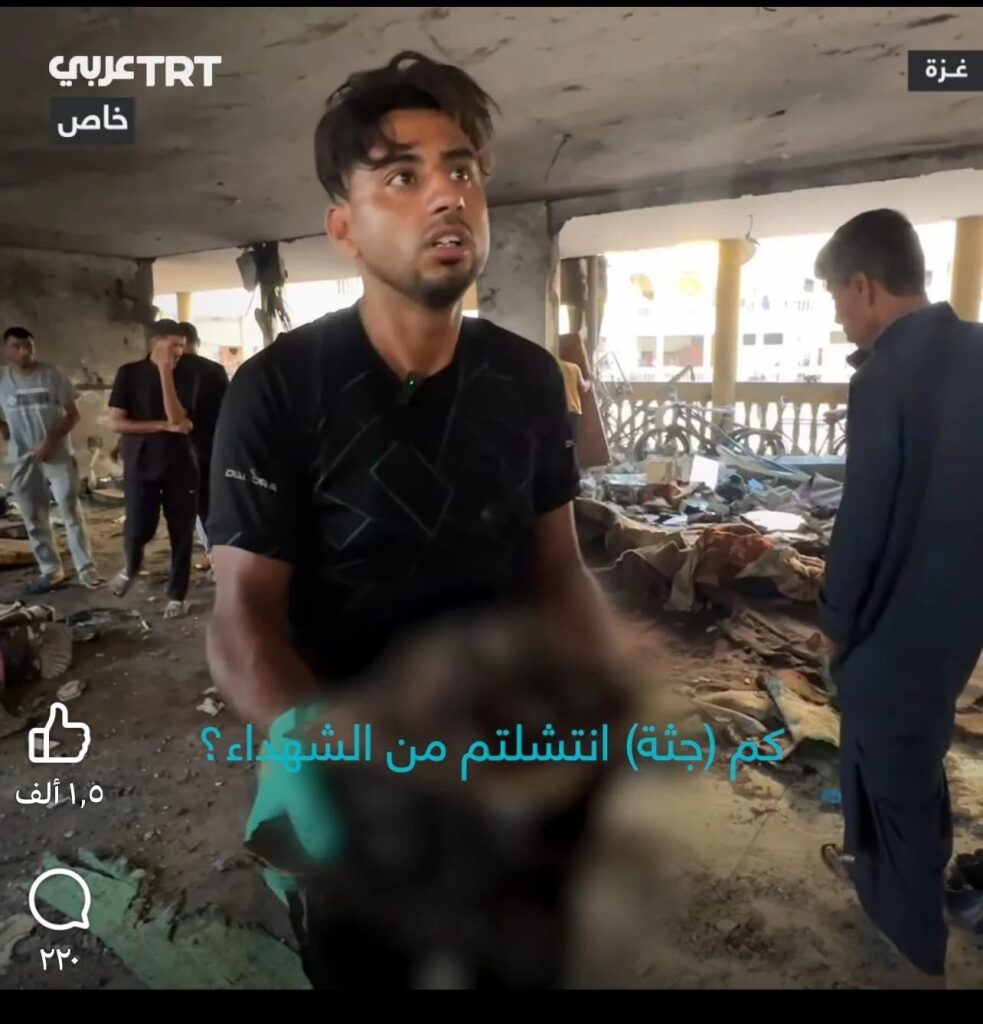
وفي شهادة أخرى وثقها قناة TRT عربي، يقول أحد النازحين أنه أشلاء ولحوم جثامين الشهداء، فيما تقول ناجية ” كنا واقفين نصلي، وبشكل مفاجئ رأينا الدخان يتصاعد والنار والصواريخ” .
وقالت المواطنة سوزان محمد البراوي، وهي نازحة في مدرسة “التابعين” لفريق الأورومتوسطي: “كنا نائمين. استيقظنا على صوت الانفجار واشتعال النار، خرجنا من فصولنا لنجد النار تشتعل عند المصلى، مصلى النساء في مدرسة التابعين يقع فوق مصلى الرجال مباشرة، وفيه عائلات كثيرة نزحت بعد استهداف بيوتها. كان هناك ما لا يقل عن 20 عائلة، منهم نساء كبار السن وأطفال. الصواريخ سقطت من بينهم فقتلوا، ومن بقي على قيد الحياة إما قُطعت أطرافه أو أصيب بحروق بليغة، ورأيت إصابات قد خرجت أحشاءهم. من بين الضحايا فتيات صغيرات أكبرهن 13 عامًا وأخرى 10 سنوات، وآخرون بعمر السنتين.”
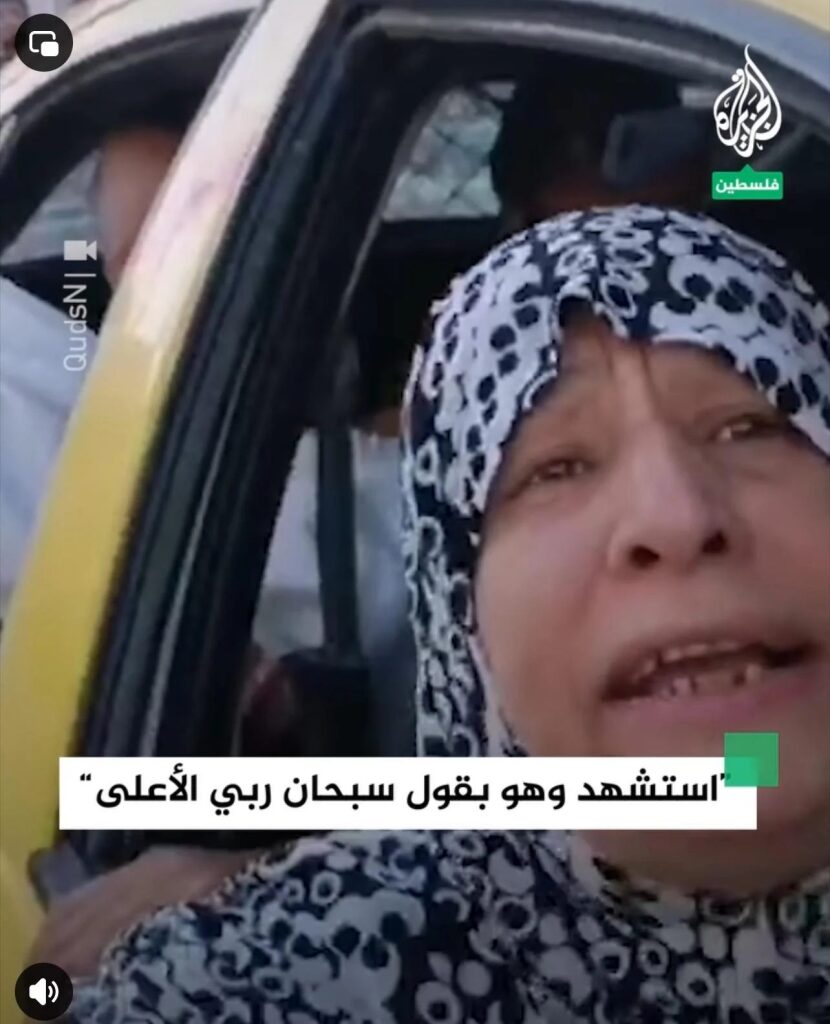
وفي مقطع فيديو لناجية أخرى من المجزرة وثقته قناة الجزيرة، أوضحت أن ابنها ارتقى ساجدا، دون وجود لأي من المظاهر العسكرية كما يدعي الاحتلال.
فصائل فلسطينية تنفي مزاعم الاحتلال
نفت حركة حماس في بيان لها مزاعم الاحتلال الإسرائيلي بوجود مسلحين داخل مدرسة التابعين. وأكدت الحركة أن الجيش الإسرائيلي “يحاول تبرير جريمته في ظل الانتقادات الدولية الواسعة، من خلال ادعائه الكاذب والمضلل أن 19 شهيدًا من بين أكثر من 100 من المدنيين قتلهم بدم بارد في مجزرة مدرسة التابعين، هم من نشطاء المقاومة”.
وأوضحت حماس أن هذه المزاعم لا أساس لها من الصحة، وأن القائمة تضم أطفالًا وموظفين مدنيين وأساتذة جامعات ورجال دين لا صلة لهم بأي نشاط سياسي أو عسكري.
وشددت الحركة على أن جميع ضحايا المجزرة كانوا مدنيين، ولم يكن بينهم أي مسلحين، وتم استهدافهم أثناء تأديتهم صلاة الفجر.
كما نفت حركة “الجهاد الإسلامي” في فلسطين، بشكل “قطعي” مزاعم إسرائيل بوجود مسلحين للحركة في مدرسة “التابعين” بحي الدرج في مدينة غزة، والتي قصفها الجيش الإسرائيلي، السبت، مخلفا أكثر من 100 قتيل وعشرات الجرحى.
ليست المجزرة الأولى تزهق فيها حياة المدنيين خلال حرب غزة
منذ بدء عملية “طوفان الأقصى” في السابع من أكتوبر/تشرين أول 2023، التي أطلقتها الفصائل الفلسطينية بهجوم على مستوطنات غلاف غزة، وما أعقبها من حرب إسرائيلية ما تزال مستمرة وأسفرت عن حتى اللحظة أكثر من 49 ألف شهيد ومفقود، وما يزيد عن 92 ألف مصاب، وفق أحدث إحصائيات وزارة الصحة الفلسطينية.
ارتكب الاحتلال عدداً من المجازر بحق المدنيين الفلسطيني في قطاع غزة، كان يعقبها دائماً بمبررات ومعلومات مضللة ومفبركة بهدف التنصل من مسؤوليتها حولها، ومنها مجزرة مستشفى المعمداني في 17 أكتوبر/تشرين أول 2023، والتي راح ضحيتها نحو 500 شهيد، لكن حينها ادعى الاحتلال أن المجزرة كانت إثر إطلاق فاشل لصاروخ فلسطيني مصدره “الجهاد الإسلامي”، لكن سرعان ما اتضح عدم صدق رواية الاحتلال من خلال عدد من الأدلة التي جمعها و فندها فريق “تحقق” وعدد من المؤسسات في حينها.
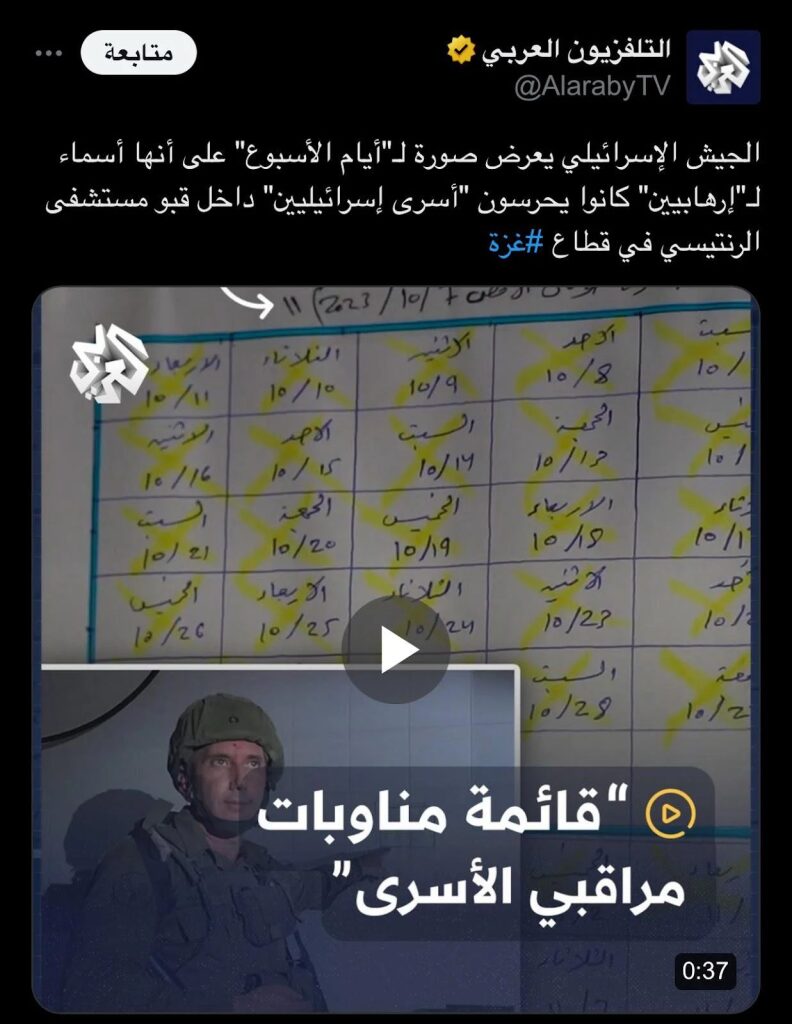
لم يقتصر الأمر على مجزرة المعمداني، بل ساق الاحتلال جملة من الادعاءات بحق المستشفيات في قطاع غزة، لتبرير عمليات الاستهداف المتكررة بحقها، ومنها الفيديو الذي نشره المتحدث باسم الجيش الإسرائيلي دانيال هغاري بتاريخ 14 نوفمبر/تشرين ثاني 2023 لـجدول المناوبة الأسبوعية لطاقم المستشفى، مدعياً أنها أسماء مقاتلين “كانوا يحرسون أسرى إسرائيليين” داخل قبو مستشفى الرنتيسي في قطاع غزة.
روايات مضللة ترافق الاستهدافات المتكررة للمدنيين الفلسطينيين
في صباح يوم الخميس 29 فبراير/شباط 2024 غزة، شن الاحتلال مجزرة دوار النابلسي شارع الرشيد، استشهد فيها أكثر من 104 فلسطينيين وأصيب أكثر من 700 آخرين في مجزرة بعد أن قصفت قوات الاحتلال الإسرائيلي تجمعا لمواطنين ينتظرون الحصول على مساعدات.
في بداية الحادثة لم تنف لإسرائيل مسؤوليتها عن الحادثة، لكن سرعان ما بدأت تتنصل من مسؤوليتها، وأخذت تروج لرواية أخرى مفادها أنّ عشرات الفلسطينيين ممن اجتاحوا شاحنات المساعدات عند تقاطع مدينة غزة، قُتلوا نتيجة التدافع والدهس. وأضاف المسؤول أنّه وبعد تقدّم الشاحنات شمالًا، اقترب أشخاص من قوات الاحتلال، التي شعرت بالخطر وفتحت النار وقتلت عددًا غير معروف منهم، في ردٍّ وصفه بالـ”محدود”، مُشكّكًا في مصداقية الأرقام التي أعلنتها وزارة الصحة الفلسطينية، وفق ما أعلن عنه مسؤول إسرائيلي لوكالة رويترز، لم تذكر اسمه.
كما نشرت صحيفة هارتس الإسرائيلية تحقيق أولي للجيش الإسرائيلي، حيث أشار التحقيق إلى حادثتين كانتا سبب المجزرة ( حسب زعم الاحتلال)، تمثلت الأولى في تدافع العشرات من المواطنين ما أدى إلى مقتلهم نتيجة التدافع والدهس، فيما كانت الحادثة الثانية بأن مسلّحون اعترضوا موكب الشاحنات عند حي الرمال ونهبوا حمولتها، بينما اقتربت الحشود من وحدات جيش الاحتلال في المنطقة، مما دفع هذه الأخيرة لإطلاق أعيرة تحذيرية في الهواء، من مسافة عشرة أمتار، قبل أن تشرع في التصويب نحو الأطراف السفلية لأولئك الذين واصلوا التقدم نحوها، فيما غيّر المتحدث باسم جيش الاحتلال الإسرائيلي دانيال هاغاري، الرواية كاملة، ونفى بشكل قاطع، أن يكون جنود الاحتلال قد أطلقوا النار باتجاه قافلة المساعدات. وقال هاغاري إنّ آلاف الغزيّين هاجموا الشاحنات وإنّ بعضهم بدأ في دفع آخرين ودعسهم بعنف حتى الموت ونهب الإمدادات الإنسانية.
لكن المرصد الأورومتوسطي نفى رواية الاحتلال نفياً قاطعاً، مشيراً إلى أن التحقيقات الأولية تشير إلى إنّ عشرات الضحايا أصيبوا بأعيرة نارية، بعد قيام دبابات الاحتلال بإطلاق النار بكثافة نحوهم. وأشار إلى أربعة دلائل على تورّط الجيش الإسرائيلي في استهداف المدنيين الجوعى، أولها آثار الإصابات على أجساد الضحايا والمصابين وأكياس الطحين وصناديق المساعدات الملطّخة بدمائهم، التي عاينها أحد باحثي المركز في مجمع الشفاء الطبي، بالإضافة إلى المقاطع التي نشرها شهود عيان، والتي يُسمع فيها صوت الرصاص، الذي أكّد الناجون أنّ مصدره هو دبابات الاحتلال المتمركزة باتجاه البحر.
وتحقّق المرصد من بصمة صوت الرصاص في مقاطع الفيديو، ووجد أنه أُطلق من سلاح آلي عيار 5.56 ملم يستخدمه الجيش الإسرائيلي.
كما رصد الأورومتوسّطي في لقطات جوية نشرها الاحتلال وجود دبابتين على الأقل، وجثث ومصابين على مسارها في حين لا تُظهر أيّ جثث على مسار الشاحنات.
عقب الغارة الجوية أصدر جيش الاحتلال بياناً قال فيه إن العملية استهدفت “إرهابيين” كانوا يستخدمون مسجدًا في مجمع مدرسة “التابعين” كمقر عسكري للتخطيط وتنفيذ هجمات ضد الجنود الإسرائيليين في قطاع غزة.
فيما أثارت المجزرة ردود أفعال دولية عليها، ومنها بيان البيت الأبيض السبت 10 آب/ أغسطس الذي أعرب خلاله عن “قلقه العميق” بعد الضربة الإسرائيلية، لمدرسة التابعين.
وقال المتحدث باسم مجلس الأمن القومي الأمريكي شون سافيت في بيان “نبدي قلقا عميقا حيال تقارير عن مقتل مدنيين في غزة”، موضحا أن الولايات المتحدة “طلبت الحصول على مزيد من التفاصيل”، فيما أدان وزراء عدد من خارجيات الدول العربية من بينها مصر وقطر والعراق والأردن المجزرة الإسرائيلية بحق المدنين في مدرسة التابعين، مطالبين المجتمع الدولي باتخاذ كافة الإجراءات اللازمة لوقف الممارسات الإسرائيلية في قطاع غزة.
من جانبها، قالت تركيا وإيران إن إسرائيل ارتكبت جريمة ضد الإنسانية والهدف هو قتل المصليين المدنيين.
بدوره، حمّل الناطق الرسمي باسم الرئاسة الفلسطينية، نبيل أبو ردينة، الإدارة الأميركية، مسؤولية ارتكاب المجزرة “جراء دعمها المالي والعسكري والسياسي للاحتلال”، وشدد على أنها “استمرار للمجازر اليومية التي يرتكبها الاحتلال في قطاع غزة وكذلك في الضفة الغربية والتي تؤكد مساعي دولة الاحتلال لإبادة شعبنا عبر سياسة المجازر الجماعية وعمليات القتل اليومية، في ظل صمت دولي مريب”.
يقف المرصد الفلسطيني “تحقق” في هذا التقرير على صحة ادعاءات الاحتلال بشأن دوافع وحيثيات استهداف المدرسة التي تشكل ملجأ للنازحين في مدينة غزة.
أولاً: تفنيد مزاعم المتحدث باسم جيش الاحتلال بشأن قائمة المستهدفين في مجزرة “التابعين”
نشر المتحدث باسم جيش الاحتلال أفخاي أدرعي، قائمة تضم 19 شخصاً، ادعى أنه تم استهدافهم خلال هذه العملية، زاعماً أنهم ينتمون إلى حركتي “حماس” و”الجهاد الإسلامي”، مشيرًا إلى أن جيش الاحتلال و”الشاباك” استهدفوا “مخربين” عملوا داخل مقر عسكري تم وضعه داخل مسجد في مجمع مدرسة التابعين في حي الدرج.
بعد البحث والتحري في المصادر العلنية حول الأسماء المتداولة في القائمة المنشورة من قبل جيش الاحتلال، تبين احتوائها على أسماء لشهداء ارتقوا قبل المجزرة بأيام، ومنهم الشهيد يوسف سيد الوادية، الذي تبين أنه استشهد قبل يومين من مجزرة التابعين، وهو ما ينفي حتماً تواجده في المدرسة.
كما أدرج أيضاً اسم منذر نصر ضاهر، ضمن المستهدفين في مجزرة مدرسة التابعين، لكن بعد التحقيق، تبيّن أن الاسم الحقيقي للشاب هو منتصر نصر ضاهر، وليس منذر ، وهو استشهد قبل المجزرة بيوم.
وتمكن فريق المرصد من الوصول إلى مصادر مقربة من الشهيدين (طلبوا عدم ذكر أسمائهم من قبل المرصد خوفاً من تعرضهم للاستهداف في غزة) للاستيضاح حول حيثيات استشهادهم، إذ أوضح أحدهم أن الشهيد منتصر استشهد برفقة شقيقته نعمة يوم 9 أغسطس/ آب 20 الجاري، إثر قصف طال شقتهم في الشارع المقابل للخدمة العامة مقابل شركة الكهرباء وسط مدينة غزة.
وأضاف المصدر أن منتصر مهندس معماري ولديه شركة مقاولات، وعمره يقارب 30 عاماً، وهو لا ينتمي لأي تنظيم سياسي أو حزبي وليس له أي أعمال أو أنشطة عسكرية.
وأفاد مصدر عائليٌ آخر لـ”تحقق” أن الشهيد يوسف الوادية استشهد قبل المجزرة بيومين، وفي مكان وحادثة مختلفة عن مجزرة التابعين.
وهو ما يؤكده مدير المرصد الأورومتوسطي رامي عبده بالقول: “إن التحقيقات الأولية أثبتت بالفعل عدم صحة الأسماء التي نشرها جيش الاحتلال، واتضح بعد المراجعة الأولية، أن من بين 19 اسمًا نشرها الجيش الإسرائيلي على أنهم إرهابيون تم القضاء عليهم في مجزرة مدرسة التابعين، 3 استشهدوا في حوادث قصف إسرائيلي سابقة، وهم أحمد إيهاب الجعبري الذي قتله الجيش الإسرائيلي في 5 ديسمبر/كانون أول 2023، ويوسف الوادية الذي استهدفه الاحتلال قبل يومين من المجزرة ومنتصر ضاهر الذي قتل يوم الجمعة 9 أغسطس/آب برفقة شقيقته داخل شقة سكنية، أي قبل المجزرة بيوم واحد”.
وأضاف عبده لـ”تحقق” أن من بين الضحايا ثلاثة مدنيين مسنين لا علاقة لهم بالعمل العسكري، وهم محمد الطيف أكاديمي سابق ومدير مدرسة، ونائب رئيس بلدية بيت حانون عبد العزيز مصباح الكفارنة، والأكاديمي بدرجة بروفيسور يوسف كحلوت أستاذ اللغة العربية في الجامعة الإسلامية في غزة، وستة من المدنيين بعضهم معارض لحركة “حماس”.
كما تبين من بين الشهداء مدير أوقاف غزة الشيخ محمد حسن أبو سعدة، حيث نُشرت له عدد من الفيديوهات السابقة وهو يتلو آيات القرآن أثناء إمامته أحد المساجد في غزة، وفي مقطع فيديو آخر وهو يسرد آيات قرآنية برفقة شيوخ آخرين.
في حين، نشر صحفيون وناشطون صورة لرسالة كان قد أرسلها الشيخ محمد قبل المجررة بليلة واحدة، يذكر النازحين بأهمية حضورهم لحلقة سرد القرآن الكريم في مسجد التابعين عند فجر يوم السبت 10 أغسطس / آب، أي صباح المجزرة.
ثانياً:
أعلن المدير العام للمكتب الإعلامي الحكومي في غزة إسماعيل الثوابتة عقب المجزرة، أن الاحتلال استهدف النازحين بشكل مباشر أثناء تأديتهم صلاة الفجر، مما أدى إلى ارتفاع سريع في أعداد الضحايا. وأضاف المكتب الإعلامي أن حجم المجزرة وعدد الضحايا الكبير حال دون تمكن الفرق الطبية والدفاع المدني وفرق الإغاثة والطوارئ من انتشال الجثث بسرعة.
وأشار ثوابتة إلى أن القصف استهدف المدرسة بثلاثة صواريخ، كل منها يزن ألفي رطل من المتفجرات. وشدد على أن الجيش الإسرائيلي كان على علم بوجود النازحين داخل المدرسة، واصفًا رواية الجيش الإسرائيلي لما حدث بأنها “مليئة بالأكاذيب والمعلومات المزيفة، وأنه يسعى من خلال بياناته الزائفة تبرير جرائمه في حق شعبنا”.
شكك المتحدث باسم جيش الاحتلال أفيخاي أدرعي بالمعطيات الواردة في تقارير المكتب الحكومي حول حجم الدمار والضحايا جرّاء المجزرة التي ارتكبها في مدرسة “التابعين” في حي الدرج وسط غزة، حيث أشار المدير العام للمكتب الإعلامي الحكومي في غزة إسماعيل الثوابتة أن الغارة تمت بواسطة بثلاثة صواريخ، زنة كل صاروخ منها ألفي رطل (907.184 كجم) من المتفجرات، مشدداً على أن الجيش الإسرائيلي كان على علم بوجود النازحين داخل المدرسة. بيد أن “أدرعي” شكك في تفاصيل عملية الاستهداف التي أوردها الإعلام الحكومي في غزة، مدعياً بأنها تمت من خلال ثلاث قنابل دقيقة والتي وحسب الجهات المعنية المختصة غير قادرة عن إلحاق هذا القدر من الدمار الذي يتطابق وتقارير المكتب الإعلامي الحكومي في غزة.
وأضاف المتحدث باسم الجيش بأن المعطيات لديهم تشير إلى أن الغارة لم تسفر عن دمار كبير في المجمع الذي تم استهدافه، وذلك يتضح من صورة المجمع بعد الغارة. كما أنه تم اتخاذ خطوات عديدة قبل الغارة من شأنها تقليص احتمالية تعرض المدنيين للأذى شملت استخدام أنواع الذخيرة الدقيقة ذات رأس حربي صغير، ووسائل تصوير جوي، وجمع معلومات استخبارية دقيقة.
تصريحات أدرعي تتنافى وتوثيقات الصحافيين وشهادات الناجين من المجزرة، حيث نشر الصحفي إسلام بد مقطع فيديو للحظات الأولى بعد الجزرة، يوصف فيه حجم الدمار الذي لحق بالمكان، قائلاً: “الجثامين المقطعة، وبرك الدماء في كل مكان.. لا أستطيع التقدم أكثر حتى لا أمشي فوق الأشلاء”، قبل أن ينبهه أحد المسعفين بأنه يقف فوق قطع من أجساد الشهداء، وفق ما يظهره مقطع الفيديو بشكل واضح.
كما وفي اليوم التالي للمجزرة، نَقل صحافيون آثار المجزرة وما خَلفته من أدلة وشواهد على حجم الاستهداف، حيث أظهرت الصور ومقاطع الفيديو بقايا لأشلاء المصلين ودمائهم التي تناثرت على جدران المكان بفعل شدة الانفجار.
وفي صورٍ أخرى من مقطع فيديو نشره الصحفي إسلام بدر يتضح فيه مدخل أحد الصواريخ الذي ضَرَبت المدرسة، فيما وُجّهت الصواريخ الأخرى من المداخل الثانية.
وفي توثيقٍ آخر لمراسل الجزيرة أنس الشريف، ظهر أيضاً حجم الدمار وبقايا أشلاء الشهداء ومقتنيات المصليين التي عثر عليها في اليوم التالي للمجزرة.
وفي السياق ذاته، أوضح المرصد الأورومتوسطي أن فريقه الميداني والقانوني أجرى عملية مسح وتحقيق أولي في مدرسة التابعين التي كانت تؤوي أكثر من 2500 نازح في مدينة غزة، شملت جمع البيانات، وتوثيق شهادات الناجين والشهود، ومعاينة المكان بعد الهجوم. وأظهرت جميع الأدلة والشهادات أن المدرسة كانت خالية من أي تجمعات أو مراكز عسكرية، وأنها لم تُستخدم لأي أغراض عسكرية. وكانت المدرسة تؤوي المئات من الأطفال الذي أمنت عائلاتهم على وجودهم فيها دون الشعور بالخطر، بحسب إفادات الناجين.
إضافة إلى ذلك، فإن خصائص الموقع تدعم استحالة استخدامه لأغراض عسكرية، فالمدرسة كانت تتكون من مبانٍ ضيقة وغير مجهزة بالبنية التحتية اللازمة للعمليات العسكرية، مثل المخابئ أو نقاط الانطلاق. حيث إن هذا المبنى كان يتكون من مساحات ضيقة وغرف صغيرة لا تتناسب مع النشاطات العسكرية التي تتطلب تنظيمًا ودعمًا لوجستيًّا. كما أن الشهادات التي تم جمعها من المدنيين النازحين فيها تشير إلى عدم وجود أي نشاطات عسكرية أو تجهيزات في المدرسة، بل على العكس، كانت تُستخدم كمأوى طارئ للمدنيين الذين فروا من المناطق المدمرة. هذه العوامل تجعل من غير الممكن أن يكون للموقع أي دور عسكري أو أن يُستخدم لأي أغراض عسكرية، مما يجعل الهجوم على هذه المدرسة غير مبرر ويمثل انتهاكًا صارخًا للقانون الدولي الإنساني.
وقال المرصد إن القصف الإسرائيلي استهدف على نحو مباشر نازحين أثناء أدائهم لصلاة الفجر في مصلى المدرسة، وكذلك الجزء العلوي من المصلى المخصص لإيواء النساء والأطفال. وذكر أن المعلومات الأولية تشير إلى أن الجيش الإسرائيلي أطلق خلال هذه الاستهداف ثلاثة قنابل أميركية مجنحة ذات قدرة هائلة على التدمير والحرق وإذابة الأجساد، فقتل أكثر وأشار إلى أن القنابل تسببت بتحول أجساد الضحايا إلى أشلاء وأجزاء مقطعة ومحترقة، وكذلك الحال بالنسبة لعدد كبير من الإصابات الحرجة، وذلك نظرًا للقوة التدميرية الهائلة لهذه القنابل. وبحسب الدفاع المدني الفلسطيني في غزة، فإن بعض القنابل المستخدمة ضد المدرسة المكتظة بالنازحين بلغ وزنها حوالي 2000 رطلًا.
ونبه إلى أن ما تبرير الجيش الإسرائيلي المجزرة بالقول إنه استهداف موقعًا عسكريًّا غير مثبت ولا يعد مبررًا لقتل هذا العدد الكبير من المدنيين، مشددًا على أنه لا يمكن لإسرائيل الاستمرار في قتل وحرق وجرح مئات المدنيين يوميًّا، ثم الادعاء بوجود أهداف عسكرية في الأماكن المستهدفة دون تقديم أدلة حقيقية أو السماح لجهات دولية مستقلة بالتحقق من صحة هذه الأدلة.
ناجين من المجزرة يدلون بشهاداتهم
وثقت صحيفة “القدس العربي” شهادات نازحين شهدوا تفاصيل المجزرة، حيث قال أحدهم ويدعى يوسف النجار: “استيقظنا على صوت ضربة جوية أعقبها انفجاران ضخمان، فنزلت إلى المكان، حيث أصابتني الصدمة من مشهد الشهداء” مضيفاً: “من شدة القصف تطايرت بعض الجثث إلى الشارع. أشلاء كبار وصغار. أطفال شهداء وجدناهم مرميين في الشارع”.
وفي شهادة أخرى وثقها قناة TRT عربي، يقول أحد النازحين أنه أشلاء ولحوم جثامين الشهداء، فيما تقول ناجية ” كنا واقفين نصلي، وبشكل مفاجئ رأينا الدخان يتصاعد والنار والصواريخ” .
وقالت المواطنة سوزان محمد البراوي، وهي نازحة في مدرسة “التابعين” لفريق الأورومتوسطي: “كنا نائمين. استيقظنا على صوت الانفجار واشتعال النار، خرجنا من فصولنا لنجد النار تشتعل عند المصلى، مصلى النساء في مدرسة التابعين يقع فوق مصلى الرجال مباشرة، وفيه عائلات كثيرة نزحت بعد استهداف بيوتها. كان هناك ما لا يقل عن 20 عائلة، منهم نساء كبار السن وأطفال. الصواريخ سقطت من بينهم فقتلوا، ومن بقي على قيد الحياة إما قُطعت أطرافه أو أصيب بحروق بليغة، ورأيت إصابات قد خرجت أحشاءهم. من بين الضحايا فتيات صغيرات أكبرهن 13 عامًا وأخرى 10 سنوات، وآخرون بعمر السنتين.”
وفي مقطع فيديو لناجية أخرى من المجزرة وثقته قناة الجزيرة، أوضحت أن ابنها ارتقى ساجدا، دون وجود لأي من المظاهر العسكرية كما يدعي الاحتلال.
فصائل فلسطينية تنفي مزاعم الاحتلال
نفت حركة حماس في بيان لها مزاعم الاحتلال الإسرائيلي بوجود مسلحين داخل مدرسة التابعين. وأكدت الحركة أن الجيش الإسرائيلي “يحاول تبرير جريمته في ظل الانتقادات الدولية الواسعة، من خلال ادعائه الكاذب والمضلل أن 19 شهيدًا من بين أكثر من 100 من المدنيين قتلهم بدم بارد في مجزرة مدرسة التابعين، هم من نشطاء المقاومة”.
وأوضحت حماس أن هذه المزاعم لا أساس لها من الصحة، وأن القائمة تضم أطفالًا وموظفين مدنيين وأساتذة جامعات ورجال دين لا صلة لهم بأي نشاط سياسي أو عسكري.
وشددت الحركة على أن جميع ضحايا المجزرة كانوا مدنيين، ولم يكن بينهم أي مسلحين، وتم استهدافهم أثناء تأديتهم صلاة الفجر.
كما نفت حركة “الجهاد الإسلامي” في فلسطين، بشكل “قطعي” مزاعم إسرائيل بوجود مسلحين للحركة في مدرسة “التابعين” بحي الدرج في مدينة غزة، والتي قصفها الجيش الإسرائيلي، السبت، مخلفا أكثر من 100 قتيل وعشرات الجرحى.
ليست المجزرة الأولى تزهق فيها حياة المدنيين خلال حرب غزة
منذ بدء عملية “طوفان الأقصى” في السابع من أكتوبر/تشرين أول 2023، التي أطلقتها الفصائل الفلسطينية بهجوم على مستوطنات غلاف غزة، وما أعقبها من حرب إسرائيلية ما تزال مستمرة وأسفرت عن حتى اللحظة أكثر من 49 ألف شهيد ومفقود، وما يزيد عن 92 ألف مصاب، وفق أحدث إحصائيات وزارة الصحة الفلسطينية.
ارتكب الاحتلال عدداً من المجازر بحق المدنيين الفلسطيني في قطاع غزة، كان يعقبها دائماً بمبررات ومعلومات مضللة ومفبركة بهدف التنصل من مسؤوليتها حولها، ومنها مجزرة مستشفى المعمداني في 17 أكتوبر/تشرين أول 2023، والتي راح ضحيتها نحو 500 شهيد، لكن حينها ادعى الاحتلال أن المجزرة كانت إثر إطلاق فاشل لصاروخ فلسطيني مصدره “الجهاد الإسلامي”، لكن سرعان ما اتضح عدم صدق رواية الاحتلال من خلال عدد من الأدلة التي جمعها و فندها فريق “تحقق” وعدد من المؤسسات في حينها.
لم يقتصر الأمر على مجزرة المعمداني، بل ساق الاحتلال جملة من الادعاءات بحق المستشفيات في قطاع غزة، لتبرير عمليات الاستهداف المتكررة بحقها، ومنها الفيديو الذي نشره المتحدث باسم الجيش الإسرائيلي دانيال هغاري بتاريخ 14 نوفمبر/تشرين ثاني 2023 لـجدول المناوبة الأسبوعية لطاقم المستشفى، مدعياً أنها أسماء مقاتلين “كانوا يحرسون أسرى إسرائيليين” داخل قبو مستشفى الرنتيسي في قطاع غزة.
روايات مضللة ترافق الاستهدافات المتكررة للمدنيين الفلسطينيين
في صباح يوم الخميس 29 فبراير/شباط 2024 غزة، شن الاحتلال مجزرة دوار النابلسي شارع الرشيد، استشهد فيها أكثر من 104 فلسطينيين وأصيب أكثر من 700 آخرين في مجزرة بعد أن قصفت قوات الاحتلال الإسرائيلي تجمعا لمواطنين ينتظرون الحصول على مساعدات.
في بداية الحادثة لم تنف لإسرائيل مسؤوليتها عن الحادثة، لكن سرعان ما بدأت تتنصل من مسؤوليتها، وأخذت تروج لرواية أخرى مفادها أنّ عشرات الفلسطينيين ممن اجتاحوا شاحنات المساعدات عند تقاطع مدينة غزة، قُتلوا نتيجة التدافع والدهس. وأضاف المسؤول أنّه وبعد تقدّم الشاحنات شمالًا، اقترب أشخاص من قوات الاحتلال، التي شعرت بالخطر وفتحت النار وقتلت عددًا غير معروف منهم، في ردٍّ وصفه بالـ”محدود”، مُشكّكًا في مصداقية الأرقام التي أعلنتها وزارة الصحة الفلسطينية، وفق ما أعلن عنه مسؤول إسرائيلي لوكالة رويترز، لم تذكر اسمه.
كما نشرت صحيفة هارتس الإسرائيلية تحقيق أولي للجيش الإسرائيلي، حيث أشار التحقيق إلى حادثتين كانتا سبب المجزرة ( حسب زعم الاحتلال)، تمثلت الأولى في تدافع العشرات من المواطنين ما أدى إلى مقتلهم نتيجة التدافع والدهس، فيما كانت الحادثة الثانية بأن مسلّحون اعترضوا موكب الشاحنات عند حي الرمال ونهبوا حمولتها، بينما اقتربت الحشود من وحدات جيش الاحتلال في المنطقة، مما دفع هذه الأخيرة لإطلاق أعيرة تحذيرية في الهواء، من مسافة عشرة أمتار، قبل أن تشرع في التصويب نحو الأطراف السفلية لأولئك الذين واصلوا التقدم نحوها، فيما غيّر المتحدث باسم جيش الاحتلال الإسرائيلي دانيال هاغاري، الرواية كاملة، ونفى بشكل قاطع، أن يكون جنود الاحتلال قد أطلقوا النار باتجاه قافلة المساعدات. وقال هاغاري إنّ آلاف الغزيّين هاجموا الشاحنات وإنّ بعضهم بدأ في دفع آخرين ودعسهم بعنف حتى الموت ونهب الإمدادات الإنسانية.
لكن المرصد الأورومتوسطي نفى رواية الاحتلال نفياً قاطعاً، مشيراً إلى أن التحقيقات الأولية تشير إلى إنّ عشرات الضحايا أصيبوا بأعيرة نارية، بعد قيام دبابات الاحتلال بإطلاق النار بكثافة نحوهم. وأشار إلى أربعة دلائل على تورّط الجيش الإسرائيلي في استهداف المدنيين الجوعى، أولها آثار الإصابات على أجساد الضحايا والمصابين وأكياس الطحين وصناديق المساعدات الملطّخة بدمائهم، التي عاينها أحد باحثي المركز في مجمع الشفاء الطبي، بالإضافة إلى المقاطع التي نشرها شهود عيان، والتي يُسمع فيها صوت الرصاص، الذي أكّد الناجون أنّ مصدره هو دبابات الاحتلال المتمركزة باتجاه البحر.
وتحقّق المرصد من بصمة صوت الرصاص في مقاطع الفيديو، ووجد أنه أُطلق من سلاح آلي عيار 5.56 ملم يستخدمه الجيش الإسرائيلي.
كما رصد الأورومتوسّطي في لقطات جوية نشرها الاحتلال وجود دبابتين على الأقل، وجثث ومصابين على مسارها في حين لا تُظهر أيّ جثث على مسار الشاحنات.
Images:
Additional Details
Captured Date
2025-12-15 22:33:47
Captured Post ID