Source
Captured Post Date:
2026-03-18 09:17
Translated Author:
Elnaz Mohammadi
Author:
الناز محمدی
Translated Content:
Ms. Gholipour, the school principal, was found—like Mikaeil Mirdoraghi, a third-grade student, Salma and Asra Zakeri, first- and fourth-grade students, and Alireza Shahrjou, a first-grade student—with their bodies intact but lifeless. Others were pulled from beneath the rubble lifeless and dismembered, like Zahra Asghari-Far, a second-grade student.
Mahmoud Zamani, brother of Razieh Zamani, a third-grade boys’ teacher, says that Razieh, born in 1991, had only begun teaching at this school two years earlier. She taught third grade in the boys’ primary school, earning eight million tomans on a one-year contract—a class in which Mikaeil Mirdoraghi was also a student. Now, both of them are dead.
Mahmoud says that apparently the boys’ school was not officially registered with the Ministry of Education and was instead known under the name of the Shajareh Tayyebeh girls’ school. Yet most of the victims were from the boys’ section. Education officials in Minab told them they had not been aware of the boys’ school and that it was administratively linked to Shiraz.
“There was a telecommunications tower on top of the school, and parents had repeatedly asked for it to be removed. That day, two rockets struck the tower within six seconds. The school had two sections; part of it remained intact, and two teachers managed to escape from that section unharmed.”
At first, it was local people who carried out rescue efforts, and later the Red Crescent joined them in the search. Family members stood among the crowd and saw that, in the very first hours, a few survivors were pulled from beneath the rubble—including two students from Razieh’s class who survived because the blast wave had thrown them under desks.
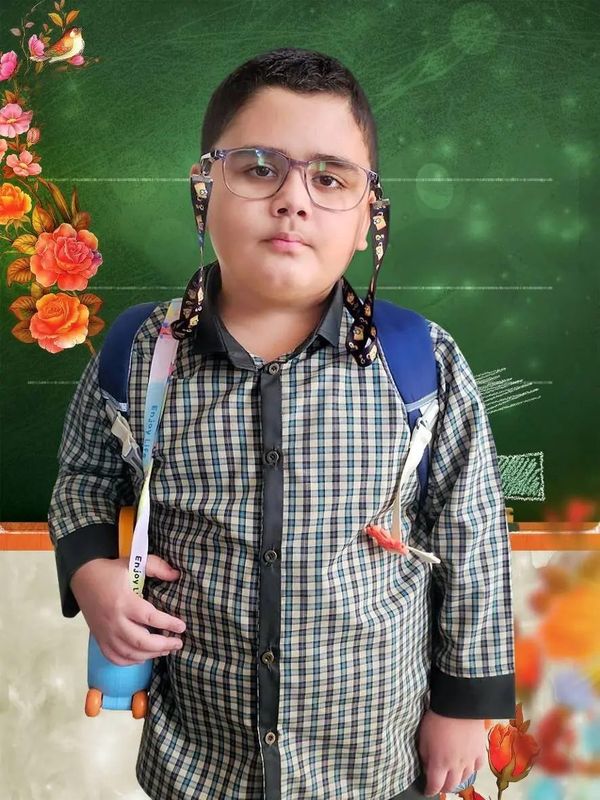
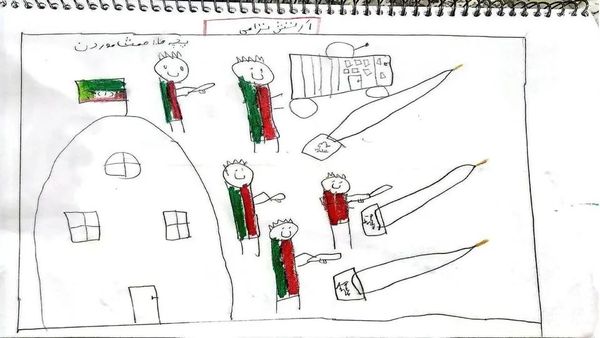
Shakiba Darikvand, the 31-year-old mother of Mikaeil, did not see his drawing until the next day. It reached her only after she had identified her son in a refrigerated truck compartment and then lost consciousness.
Mikaeil was found beside his close friend, Alireza Zare’. “I saw him with a bloodied face and an otherwise intact body, holding his school backpack in his arms—and I fainted.”
Alireza Zare’, who was in fourth grade, was never found; no trace of his body remained. The fourth-grade students had been near the prayer hall, which was completely destroyed. All of them were killed.
Kamran Mirdoraghi, a local journalist from Andimeshk and a relative of Mikaeil’s family, told Shargh that most people in Minab come from economically disadvantaged backgrounds. “Many of the children had no one to search for them. There was a boy there who came looking for his sisters and said: ‘We don’t have a father or mother.’”
Mikaeil was buried three days later in the martyrs’ section of Behesht Zahra Lor cemetery in Andimeshk. He left behind a strange keepsake: a drawing in which he had, with unsettling accuracy, depicted the number of American bombs that would later destroy his school and take the lives of his classmates and teachers, leaving their bodies torn apart.
Salma and Asra Zakeri were two students at the Shajareh Tayyebeh girls’ school. Their parents, Mokhtar Zakeri and Razieh Shahsavari, are from Minab. Before the ninth of Esfand, they had two daughters and a son. Their home, in the Zahouki neighborhood, was five minutes from the school. Salma was in first grade, Asra in fourth.
Mokhtar Zakeri, 39, a faculty member at Farhangian University, was at home that day teaching his students online. Earlier that morning, as usual, he had taken Salma and Asra to school and returned home. Around 10:30 a.m., the school called and told him to come pick up the children because “war has arrived.” Before Mokhtar and Razieh could even get into their car, the ground beneath them shook; as they set off, they heard a second explosion.
Like many families, Mokhtar says the girls had gone to the prayer hall to seek shelter—and the missile struck the prayer hall. He believes that if they had stayed in their classrooms, perhaps half of them might have survived.
Standing outside the school, Mokhtar and Razieh learned that Asra’s teacher, Ms. Basarde, had also been killed.
“It took three days and nights for the debris to be cleared and the bodies to be identified. I identified one of my children that same night, and the other the next day in the morgue. I identified Asra on the first night at the hospital. Salma, the next day. First, they showed us their photos on a monitor. They had placed the photos side by side, but Salma’s image wasn’t clear, so I couldn’t recognize her. I had to identify her in person.”
The girls lay close to each other in the morgue—one labeled number 62, the other 70. On both of their death certificates, the cause of death was written as: “head trauma.”
When Mokhtar speaks of their bodies, he says “thank God” they were not dismembered. “But 90 percent of the children’s bodies were destroyed.”
Yadollah Shahrjou, a teacher from Minab who worked that year in Bandar Abbas and commuted daily across 100 kilometers, had not yet fully left the school after the evacuation warning when he heard the devastating news: “Minab has been hit. A school has been hit.”
He had two loved ones at the school: Alireza Shahrjou, a seven-year-old first-grade student and his nephew, and Zahra Asghari-Far, an eight-year-old second-grade student, his niece.
Both died there.
Zahra was found earlier. At the time of the explosion, she had been in the yard; the blast wave threw her, rupturing her ears, but her body was not visibly injured—only a small cut above her eyebrow.
Those who saw the bodies say that even those whose bodies had not been torn apart had lost their skin due to the heat, while those thrown outward were dismembered, with pieces of their bodies scattered around or stuck to the walls. All of this was accompanied by a strange smell that lingered for days—a mixture of blood and bodies left beneath the rubble.
By Sunday afternoon, there was still no trace of Alireza. Eventually, the family made the painful decision to take his mother to the morgue to search among the bodies. Minab has only one hospital, “Hazrat Abolfazl,” with a morgue capacity of at most 30 bodies. For this reason, a local benefactor provided a large cold storage facility—originally intended for fish and shrimp, and not yet operational—for the families.
From Alireza’s class, six students were killed and eleven survived—because some had been using virtual classes. One mother told Alireza’s mother that she had gone that day to pick up her child; apparently, she was the last person to see them. She said the children had gathered their bags and water bottles and stood outside the classroom, while the teacher stood at the door, handing them over one by one.
Yadollah Shahrjou, like other families, says the school was established in the early 2010s. At that time, he was deputy of the Minab Department of Education and was familiar with the city’s educational developments:
“At that time, some schools obtained permits from Bandar Abbas for schools affiliated with the IRGC Navy, along the coast from Jask to Minab. Shajareh Tayyebeh was one of those non-profit schools whose license was issued through the IRGC Navy. Initially, it was for military families, but later it became a public school, and only a small number of students had military parents. For more than a decade, it has no longer been a military site and has been abandoned. I pass by there every day and have never seen any military activity.”
Content:
خانم قلیپور، مدیر مدرسه که شبیه «میکائیل میردورقی»، دانشآموز کلاس سوم، «سلما و اسرا ذاکری»، دانشآموزان کلاس اول و چهارم و «علیرضا شهرجو»، دانشآموز کلاس اول با بدنی سالم اما مرده پیدا شد؛ یا همه کسانی که بیجان با تنی تکهپاره از زیر آوار بیرون آمدند، شبیه «زهرا اصغریفر»، دانشآموز کلاس دوم.
محمود زمانی، برادر راضیه زمانی، معلم کلاس سوم پسرها
راضیه زمانی، متولد سال ۱۳۷۰ و دو سال بود که در این مدرسه، تدریس را شروع کرده بود، در کلاس سوم دبستان پسرانه، با هشت میلیون حقوق و قراردادی یکساله؛ کلاسی که «میکائیل میردورقی» هم آنجا درس میخواند و حالا هر دو کشته شدهاند
محمود میگوید گویا نام مدرسه پسرانه در آموزش و پرورش ثبت نبوده و به اسم همان مدرسه شجره طیبه دخترانه شناخته میشود، اما بیشتر کشتهشدگان از مدرسه پسرانه بودهاند. مسئولان آموزش و پرورش میناب به آنها گفتهاند از ثبت این مدرسه پسرانه خبر نداشته و وابسته به شیراز بوده است. «یک دکل مخابراتی بالای مدرسه بود و اولیا بارها گفته بودند که این دکل را از اینجا بردارید. همان روز هم دو راکت به فاصله شش ثانیه به این دکل اصابت کرد. مدرسه دو قسمت داشته و قسمتی از آن هم سالم مانده و دو معلم توانسته بودند از همان قسمت خارج شوند و سالم ماندند».
اول بیشتر نیروهای مردمی بودند و بعد هلالاحمر برای تجسس به مردم ملحق شدند. اعضای خانواده هم بین مردم ایستاده بودند و دیدند که همان ساعت اول چند نفری که زنده مانده بودند از زیر آوار درآمدند؛ از جمله دو دانشآموز کلاس راضیه که به دلیل پرتابشدن به زیر میز بر اثر موج انفجار سالم مانده بودند.
شکیبا دریکوند، مادر 31ساله «میکائیل میردورَقی»، نقاشی را اما تا روز بعد ندیده بود؛ نقاشی بعد از آن به دستش رسید که پسرش را در اتاقک ماشین یخچالدار شناسایی کرده و بعد از هوش رفته بود.
میکائیل را کنار دوست صمیمیاش، «علیرضا زارع» پیدا کردند. «او را با صورتی خونی و بدنی سالم، درحالیکه کولهپشتی مدرسهاش را بغل کرده بود، دیدم و از هوش رفتم». ««علیرضا زارع» هم دوست میکائیل بود اما در کلاس چهارم و از بدنش، نشانی پیدا نکردند؛ چون کلاس چهارمیها کنار نمازخانه بودند که به طور کامل تخریب شده بود. همهشان مرده بودند.
«کامران میردورقی»، خبرنگار محلی اندیمشک و یکی از اقوام خانواده میکائیل به «شرق» میگوید بیشتر مردم میناب از قشر ضعیف اقتصادیاند. «خیلی از بچهها خانوادهای نداشتند که دنبالشان بگردد. آنجا پسری بوده که آمده بوده دنبال خواهرهایش و گفته بوده که ما پدر و مادر نداریم».
میکائیل را سه روز بعد، در قطعه شهدای «بهشت زهرا لور» در اندیمشک به خاک سپردند و از او یک یادگاری عجیب به جا ماند: یک نقاشی که او حتی تعداد بمبهای آمریکایی را که مدرسهاش را خراب و همکلاسیها و معلمانش را با تنهایی تکه و پاره با خود بردند، بهدرستی پیشبینی کرده بود
سلما و اسرا ذاکری، دو نفر از دانشآموزان دختر مدرسه شجره طیبه میناب بودند. مختار ذاکری و راضیه شهسواری، مادر و پدر آنها، اهل میناباند، قبل از نهم اسفند، دو دختر و یک پسر داشتند و خانهشان پنج دقیقه با مدرسه فاصله دارد؛ خانهای در محله زهوکی. سلما کلاس اول بود و اسرا کلاس چهارم.
مختار ذاکری، ۳۹ساله که عضو هیئت علمی دانشگاه فرهنگیان است، آن روز در خانه مشغول تدریس آنلاین به دانشجویانش بود. او قبل از تدریس و سر صبح، طبق روال هر روز، سلما و اسرا را به مدرسه برده و به خانه برگشته بود. تا اینکه حوالی ساعت ۱۰:۳۰، از مدرسه زنگ زدند و گفتند بیایید دنبال بچه که «جنگ از راه رسیده است.» مختار و راضیه تا بیایند سوار ماشین شوند، زمین زیر پایشان لرزید و وقتی راه افتادند، صدای دومین انفجار را شنیدند.
مختار ذاکری مثل بقیه خانوادهها میگوید دانشآموزان دختر همه برای پناهگرفتن رفته بودند نمازخانه و موشک به نمازخانه خورده بود. او معتقد است شاید اگر آنها در کلاس میماندند، نصفشان زنده بودند. مختار و راضیه همانجا، روبهروی مدرسه فهمیدند معلم اسرا هم کشته شده، خانم «بسارده».
«این ماجرا سه شبانهروز طول کشید تا آواربرداری انجام و اجساد شناسایی شدند. یکی از بچهها را همان شب شناسایی کردم و یکی را روز بعدش در سردخانه. اسرا را شب اول شناسایی کردم، در بیمارستان. سلما را فردایش. اول عکسهایشان را در مانیتور نشان دادند. عکسها را با هم گذاشته بودند ولی عکس سلما را بد گرفته بودند و نتوانستم تشخیص دهم، بنابراین او را حضوری شناسایی کردم».
دخترها به فاصله کمی در سردخانه دراز کشیده بودند. یکی شماره ۶۲ بود و یکی ۷۰. در گواهی فوت هر دو، علت مرگ را نوشتند: ««ضربه به سر». مختار وقتی میخواهد از وضعیت بدن دخترهایش بگوید، از کلمه «خدا را شکر» استفاده میکند که بدنشان متلاشی نشده بود. «ولی بدن ۹۰ درصد بچهها از بین رفته بود».
یدالله شهرجو، معلم اهل میناب که امسال را در مدارس بندرعباس درس میداد و فاصله صد کیلومتری این شهر و میناب را روزانه طی میکرد، هنوز بعد از اخطار تخلیه مدرسه، کامل بیرون نیامده بود که خبر هولناک را شنید: «میناب را زدهاند. یک مدرسه را زدهاند». یدالله در معروفترین مدرسه شهر، دو عزیز داشت: «علیرضا شهرجو»، هفتساله و دانشآموز کلاس اول که برادرزادهاش بود و «زهرا اصغریفر»، هشتساله و دانشآموز کلاس دوم، دختر خواهرزادهاش.
زهرا و علیرضا همانجا جانشان را از دست داده بودند.
آن روز زهرا زودتر پیدا شد. او در زمان انفجار در حیاط بوده و موج انفجار پرتش کرده و گوشهایش را ترکانده بود، اما بدنش مجروح نبود و فقط خراشی کوچک بالای ابرو داشت. آنها که جسدها را دیدهاند اما میگویند حتی کسانی که بدنشان از هم نپاشیده بود نیز حرارت، پوست بدنشان را برده بود و آنهایی که از داخل به بیرون پرتاب شده بودند، تکهتکه شده و از بدنهایشان قطعههای کوچکی به اطراف ریخته یا به دیوارها چسبیده بود و همه اینها همراه با بویی عجیب که تا چند روز پس از حادثه به مشام میرسید؛ ترکیبی از بوی خون و بدنهای مانده زیر آوار.
تا بعدازظهر یکشنبه اثری از او نبود و در نهایت، خانواده کار سخت را انتخاب کرد؛ اینکه مادرش را ببرند در سردخانه تا بین اجساد دنبال پسرش بگردد. میناب یک بیمارستان به نام «حضرت ابالفضل» دارد با سردخانهای با ظرفیت نهایت ۳۰ نفر. به همین دلیل هم بود که یکی از خَیران شهر، سالن بزرگ سردخانه ماهی و میگویی را که بهتازگی خریده و هنوز راهاندازی نکرده بود، در اختیار خانوادهها گذاشت.
از کلاس علیرضا شش نفر کشته شدند و ۱۱ نفر زنده ماندند؛ چون از کلاس مجازی استفاده کرده بودند. یکی از مادرها به مادر علیرضا گفته آن روز توانسته برود و بچهاش را تحویل بگیرد؛ گویی او آخرین نفری بوده که آنها را دیده و حالا میگوید که همه بچهها کیفها و ظرف آبشان را جمع کرده و جلوی کلاسشان جمع شده بودند و معلم دم در کلاس ایستاده بود و یکییکی بچهها را تحویل میداد.
یدالله شهرجو نیز مثل بقیه خانوادهها میگوید این مدرسه از اوایل دهه ۹۰ راه افتاد. آن زمان او معاون اداره آموزش و پرورش میناب بود و از نزدیک تحولات آموزشی شهر را میشناخت: «آن زمان یکسری از مدارس از بندرعباس برای مدارس نیروی دریایی سپاه مجوز میگرفتند؛ در ساحلی از جاسک تا میناب. مدرسه شجره طیبه هم یکی از مدارس غیرانتفاعی بود که مجوز آن توسط نیروی دریایی سپاه گرفته شد و اوایل مخصوص خانوادههای سپاه بود، ولی بعدها مدرسهای عمومی شد و حداقل ممکن دانشآموزانی بودند که پدرشان نظامی است. بیشتر از یک دهه است که آنجا مکان نظامی نیست و متروکه شده. من هر روز از آنجا رد میشوم و ندیده بودم که نیروها بروند و بیایند».
Images: 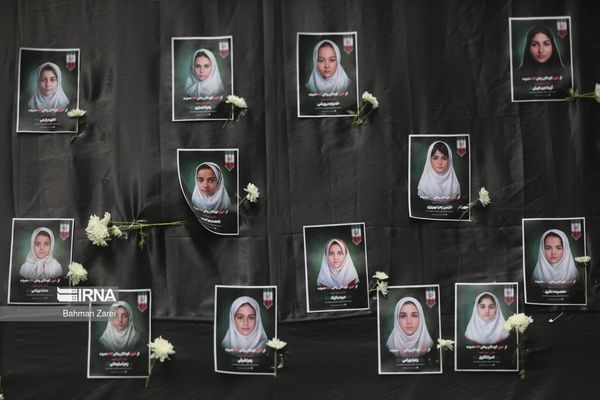
Additional Details
Captured Date
2026-05-05T15:31:09.000Z
Language
Persian
Incident