Source
Captured Post Date: 2026-03-12 00:00:00
Translated Author:
Author: BBC News
Translated Content:
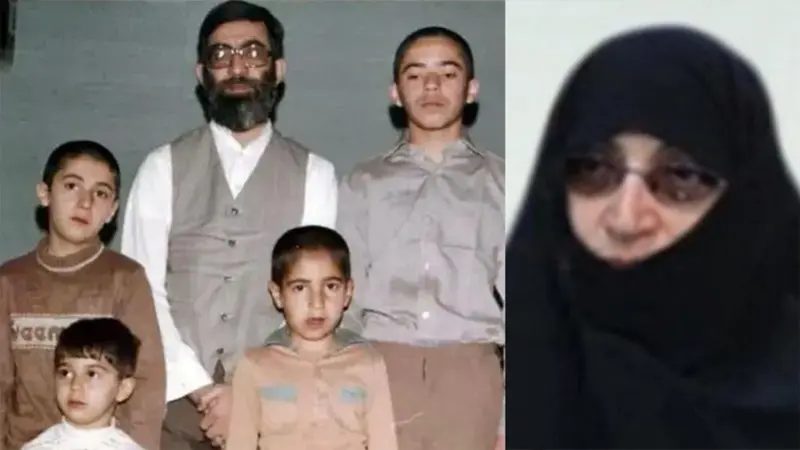
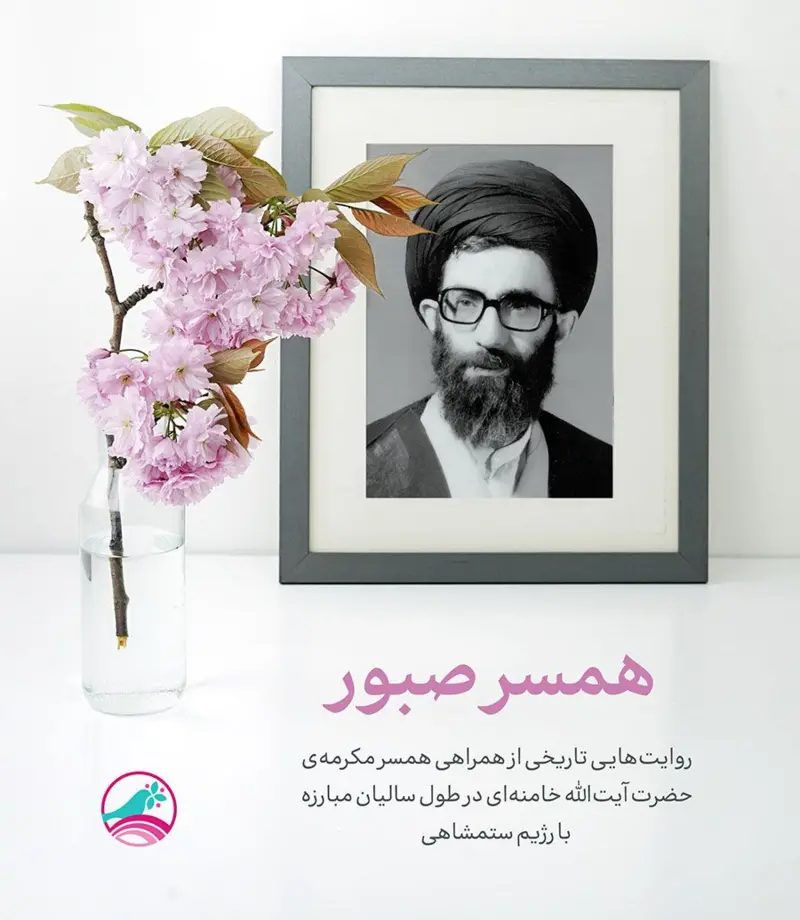
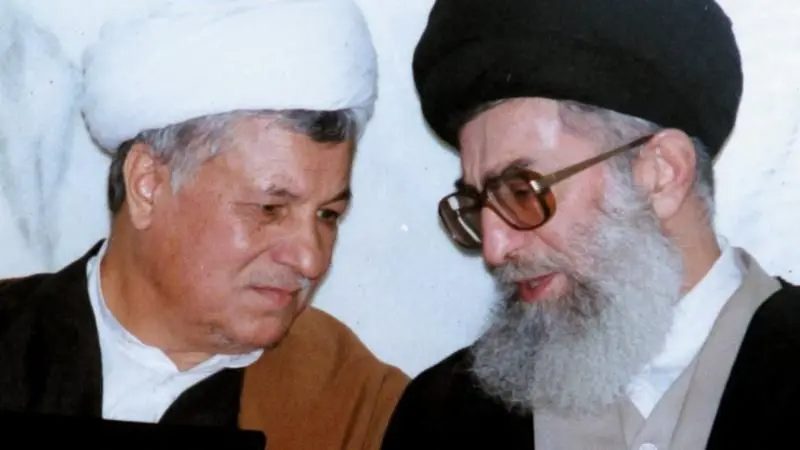
Mansoureh Khojasteh Bagherzadeh, wife of Ali KhameneiAuthor, Masoud Azarshagal, BBC11 Esfand 1404 - 2 March 2026Updated on 11 Esfand 1404 - 12 March 2026Reading time: 8 minutesFollowing the attack on the office and residence of the Leader of the Islamic Republic of Iran, news of the killing of his wife, Mansoureh Khojasteh Bagherzadeh, also broke. At that time, Iran's second television channel confirmed the killing of Mansoureh Khojasteh Bagherzadeh, wife of Ali Khamenei, and the Hamshahri newspaper wrote that she was injured in the first day of US and Israeli attacks and was in a "coma". Twelve days later, on 11 Esfand 1404, the lack of mention of her mother in the first written message of Mojtaba Khamenei as the third leader of the Islamic Republic raised questions. Following this, Fars News Agency denied the first news and announced that the initial news was wrong and that Ali Khamenei's wife "is alive." According to Mojtaba Khamenei's message, Bashari Khamenei, Ali Khamenei's daughter, Zahra Haddad Adel, Mojtaba Khamenei's wife, Mesbah Bagheri Kani, Hoda Khamenei's wife, and Zahra Mohammadi Golpayegani, the granddaughter of the leader of the Islamic Republic (Bashari's daughter), were killed. Since the beginning of Ali Khamenei's political career, few pictures of his wife, Mansoureh Khojasteh Bagherzadeh, had been published. She was the wife of the President of Iran for eight years and the wife of the Leader of the Islamic Republic of Iran for nearly 36 years, and despite this position, no photo of her was ever published next to her husband. The website of the Leader of the Islamic Republic of Iran has articles about Mansoureh Khojasteh Bagherzadeh. In published articles such as "Patient Wife," there is a photo of Ali Khamenei with a flower in a vase. The most important source about him is the words of the Leader of the Islamic Republic, and apart from one or two interviews, he has not appeared in any official or unofficial programs. Some statements suggest that he has participated in some meetings and ceremonies in a very private manner. Shohreh Pirani, the wife of Dariush Rezainejad, a nuclear scientist who was killed on August 1, 2011, claimed in a documentary broadcast on the Iranian Broadcasting Corporation (Seda) that Mr. Khamenei's wife had visited their house "several times." Despite the silence in the news about Ms. Khojasteh Bagherzadeh's activities and news surrounding her, during the presidency of Ebrahim Raisi, there was frequent talk of the "First Lady" and Jamileh Alam-ul-Hohadi, Mr. Raisi's wife, declared that she was "a simple teacher," and this title is fitting for the wife of Ayatollah Khamenei, who has been by his side for "decades" and that she is his First Lady. In another example, sometimes the wives of political prisoners, such as Fakhr al-Sadat Mohtashamipour, the wife of Mostafa Tajzadeh, wrote letters to Ms. Khojasteh Bagherzadeh on several occasions in cyberspace, asking her to help secure their release because her husband was in prison during the Shah's time and understands the conditions of the prisoners' families. However, it is not clear whether Ms. Khojasteh Bagherzadeh has responded to the letters. Skip Most Viewed and continue reading Most ViewedEnd of Most Viewed Who is Ms. Khojasteh Bagherzadeh? Skip % title % and continue reading BBC News Receive a selection of the most important news, field reports and exclusive interviews in your email every week. Subscribe here End % title % Despite the publication of several articles by Mansoureh Khojasteh Bagherzadeh, the website of the Leader of the Islamic Republic of Iran does not mention her date of birth. According to Iranian media, Ms. Khojasteh was born in 1948 into a religious, traditional and market-going family in Mashhad. Her father, Mohammad Ismail Khojasteh Bagherzadeh, was a "religious and literate" businessman from Mashhad. Khadija Mirdamadi, Ali Khamenei's mother, introduced her as her own child and in the early fall of 1964, at the age of 17, she married 25-year-old Ali Khamenei. In a section of the book "Sharh-e-Ism", which is a narrative of Ali Khamenei's life, the subject of Ms. Khojasteh's marriage is mentioned. The book "Sharh-e-Ism" states: "It had not been long since she returned to Mashhad. Lady Khadija, who was thinking of marrying her second son, took action and suggested a girl who had been raised in a traditional family with religious interests. She stepped forward and made arrangements for the proposal. The same path she had taken for Seyyed Mohammad (the elder brother) four or five years earlier, she took this time for Seyyed Ali. In the biography of Ali Khamenei, referring to the cost of the wedding ceremony, she writes: "They left the expenses of the wedding to the bride's family, which must have been considerable. "They were prosperous, they could and did." It is further mentioned that after the wedding ceremony and before they became roommates, Ms. Khojasteh was informed that "her 25-year-old husband had a foot in the field of struggle" and before that, "they looked at me as a student... who was the focus and interest of the elders and professors." In an article titled "Patient Wife" on Ali Khamenei's website in February 2018, it is mentioned that after marriage, "the couple's first home was the home of Seyyed Ali Khamenei's sister-in-law. They rented two rooms from Sheikh Ali Tehrani (Ali Moradkhani Aranga, known as Sheikh Ali Tehrani). "We were at my sister's house for a few months... Mr. Sheikh Ali... He charged us 50-60 tomans a month for rent. Of course, I had no concerns, because he did not put pressure on me.” Mr. Khamenei has noted that during his imprisonment and the struggle before the revolution, his wife “never expressed any concern or complaint about me, and was even my encourager in many cases. There were times… when some secret individuals and groups of important and high-ranking individuals would come and go from our house… she would not ask me questions, she would not try to interrogate me… she did not oppose me in any way, but she would even help.” Mansoureh Khojasteh-Baqerzadeh’s marriage to Ali Khamenei resulted in six children, including four sons named Mustafa (1965), Mojtabi (1969), Masoud (1974), Meysam (1988), and two daughters named Bashari (1980) and Hoda (1988). When Khamenei’s wife visits Rafsanjani in prison, one of the closest people to Ali Khamenei has family ties with Akbar Hashemi Rafsanjani. In Mr. Hashemi Rafsanjani's memoirs, he repeatedly mentions that "I was the leader's guest that night... Effat (Mr. Hashemi's wife Marashi) was also the leader's wife's guest." In a memoir published on Mr. Hashemi's website and in the book "Sharh-e-Ism," it is written that Ali Khamenei and Mansoureh Khojasteh-Baqerzadeh went to Tehran on 12 Ardabeehishtmah 1351 to meet him. According to the available accounts, Mr. Hashemi Rafsanjani was imprisoned in Tehran's Eshratabad prison at that time. It is said that the meeting with political prisoners was not like the usual meetings with ordinary prisoners, and Mr. Khamenei had to resort to a trick. When they reached the guardhouse, he pointed to his wife in a Kermani accent and said, "This lady is Mr. Hashemi's sister who came to visit her. I am also her husband." The guards looked at each other and decided to ask the commander. The commander said that only his sister could enter. "My wife trusted in God and entered. I was also worried and anxious that the secret would be revealed that she was not Mr. Hashemi's sister, because incestuous meetings have a special feature. But since Mr. Hashemi was a smart person, when he saw my wife from afar, he realized the matter... She stood next to a stream of water, so that my wife was on the other side of the stream in front of him." Apparently, Mr. Hashemi was looking for his friend and when he realized that he was at the guardhouse, he asked the guards to let his sister's husband (!) enter. "At that moment, a soldier came running towards me and allowed me to enter. I entered and Mr. Hashemi was very happy to meet me.” During the release of interrogation videos of Fahimeh Darinogurani, the wife of Saeed Emami, the deputy minister of intelligence during the period of the serial killings, stories were also told about Ms. Darinogurani’s relationship with Mansoureh Khojasteh Bagherzadeh. In 1999, the banned Nozazi website, close to the government of Mahmoud Ahmadinejad, published a text titled “Reciting a Violated Right” by Fahimeh Darinogurani about the relationship between Ali Khamenei’s family and Saeed Emami’s family. This article referred to the “secret trip” of Mr. Khamenei’s family members to London and stated that Saeed Emami was also with the family of the then leader of the Islamic Republic on this trip and that Mansoureh Khojasteh Bagherzadeh had even washed his clothes. Ms. Darinogurani quoted her husband as saying: “Of course I (Saeed Emami) used to say, why Haj Khanam? Why are you washing my clothes? They said, "No, you will remain like our son." The Nozazi website had claimed that this article was from unpublished interviews by the Islamic Revolution Records Center. Ruhollah Hosseinian, the then director of the center, never denied the substance of this interview, and the hints in that interview were not denied either. Among the relatives of Ali Khamenei's wife who held various government positions, his brother Hassan Khojasteh Bagherzadeh was the deputy director of the Islamic Republic Radio and Television Organization for many years. Five years ago, former Iranian President Mahmoud Ahmadinejad accused Hassan Khojasteh Bagherzadeh of having ties to Israel and having plans to travel to the country, saying, "He was dismissed from the radio station, but his issues were not addressed for reasons of convenience." Kamil Khojasteh Bagherzadeh (nephew of Mansoureh Khojasteh Bagherzadeh) has also been a senior manager of the Center for Publishing Ali Khamenei's Works and his official website in recent years. Farshad Mehdipour, Hassan Khojasteh Bagherzadeh's son-in-law, was also deputy secretary of the Supreme National Security Council for a while and, during the presidency of Ebrahim Raisi, deputy minister of culture and Islamic guidance. From illness to interview Part of this lack of information about Mr. Khamenei's wife must be attributed to the clerics' policies and their religious considerations, especially regarding their women and daughters. Not much is known about Ms. Khojasteh Bagherzadeh's illness and possible physical problems. Based on statements and writings, it appears that she had been hospitalized several times. In one case, we can mention the news in the Iranian media on July 28, 2010, in which a news item was written about this without mentioning the exact time and reason for the illness. The news item stated that “some time ago, the wife of the Supreme Leader fell ill and went to Baqiyatollah Hospital for surgery. Although his wife was hospitalized for several days, no one knew that she was the wife of the Supreme Leader, and they did everything in order, including receiving visits, medication, and other tasks. Two days before the wife of the Revolutionary Leader was to be discharged, the hospital officials were informed that the Supreme Leader intended to come to Baqiyatollah Hospital for a visit; When the Leader of the Revolution came to the hospital, the officials there only learned that the woman was the wife of the Supreme Leader of the Revolution. "In the meantime, some officials, such as Alireza Marandi, the family physician of the Leader of the Islamic Republic and former Minister of Health, have sometimes made statements about Mr. Khamenei's wife. Mr. Marandi had said on the TV program "Certificate" in April 2016 that one of the patients visiting his office was Ms. Khojasteh Bagherzadeh, who came to treat her child and "sometimes they would sit behind the door for one to two hours until their turn came." In an interview with the English-language magazine "Mahjouba" affiliated with the Islamic Culture and Relations Organization in 2013, Ms. Khojasteh Bagherzadeh shared memories of her life together with Ali Khamenei Khamenei. This is one of the few interviews Ms. Khojasteh Bagherzadeh has given. In this interview, she says that she has no official responsibilities and that her most important role is "maintaining a peaceful atmosphere in the house," and Mr. Khamenei also expects "the family environment to be peaceful, happy, and healthy."
Content:
منصوره خجسته باقرزاده، همسر علی خامنهاینویسنده, مسعود آذرشغل, بیبیسی۱۱ اسفند ۱۴۰۴ - ۲ مارس ۲۰۲۶به روز شده در ۲۱ اسفند ۱۴۰۴ - ۱۲ مارس ۲۰۲۶زمان مطالعه: ۸ دقیقهدر پی حمله به دفتر و محل سکونت رهبر جمهوری اسلامی ایران، خبر کشتهشدن همسر او، منصوره خجسته باقرزاده نیز منتشر شد. در آن زمان شبکه دوم تلویزیون ایران کشته شدن منصوره خجسته باقرزاده، همسر علی خامنهای را تایید کرد و روزنامه همشهری، نوشت که او در حملات روز اول آمریکا و اسرائیل مجروح شد و در «کما» بود. ۱۲ روز بعد، در ۲۱ اسفند ۱۴۰۴ عدم اشاره به مادر، در نخستین پیام کتبی مجتبی خامنهای، به عنوان سومین رهبر جمهوری اسلامی سوال برانگیز شد. در پی آن، خبرگزاری فارس با تکذیب خبر اول، اعلام کرد که اخبار اولیه اشتباه بوده و همسر علی خامنهای «در قید حیات هستند».بر اساس پیام مجتبی خامنهای، بشری خامنهای، دختر علی خامنهای، زهرا حداد عادل همسر مجتبی خامنهای، مصباح باقری کنی همسر هدی خامنهای، و زهرا محمدی گلپایگانی نوه دختری رهبر جمهوری اسلامی (دختر بشری) کشته شدهاند.از زمان آغاز حیات سیاسی علی خامنهای، از منصوره خجسته باقرزاده، همسر او، کمتر تصویری منتشر شده بود.او هشت سال همسر رئیس جمهور ایران و نزدیک به ۳۶ سال در جایگاه همسر رهبر جمهوری اسلامی ایران قرار داشت و با وجود چنین موقعیتی هرگز عکسی از او در کنار همسرش منتشر نشد.وب سایت رهبر جمهوری اسلامی ایران نوشتههایی درباره منصوره خجسته باقرزاده دارد. در مطالب منتشره مانند «همسر صبور» عکس علی خامنهای به همراه گلی در گلدان قرار دارد. مهمترین منبع درباره او سخنان رهبر جمهوری اسلامی است و به جز یکی دو مصاحبه هیچ اثری در هیچ برنامه رسمی و غیررسمی نیست.از بعضی از گفتهها چنین برمیآید که به صورت خیلی خصوصی در بعضی از دیدارها و مراسمها شرکت داشته است. شهره پیرانی، همسر داریوش رضایینژاد از دانشمندان هستهای که در اول مرداد ۱۳۹۰ کشته شد، در مستندی که از تلویزیون صدا و سیما پخش شد، مدعی شد که همسر آقای خامنهای به خانه آنها «چند بار» رفته بود. با وجود سکوت خبری درباره فعالیت و اخبار حول و حوش خانم خجستهباقرزاده، در زمان ریاست جمهوری ابراهیم رئیسی، بارها صحبت از «بانوی اول» به میان آمد و جمیله علمالهدی همسر آقای رئیسی اعلام کرد «یک معلم ساده است» و این عنوان برازنده همسر آیتالله خامنهای است که «دههها» در کنار او بوده است و او بانوی اول اوست.در نمونه دیگر گاهی همسر زندانیان سیاسی مانند فخرالسادات محتشمی پور همسر مصطفی تاجزاده در چند نوبت برای خانم خجسته باقرزاده نامهای در فضای مجازی نوشتند و از او خواست به دلیل اینکه همسرش در زمان شاه در زندان بوده و شرایط خانواده زندانیان را درک میکند، به آزادی آنها کمک کند اما مشخص نیست که خانم خجستهباقرزاده پاسخی به نامهها داده است یا خیر.Skip پربینندهترینها and continue readingپربینندهترینهاEnd of پربینندهترینهامنصوره خجسته باقرزاده کیست؟از % title % عبور کنید و به ادامه مطلب برویدخبرنامه بیبیسی فارسیگزیدهای از مهمترین خبرها، گزارشهای میدانی و گفتوگوهای اختصاصی را هر هفته در ایمیل خود دریافت کنید.اینجا مشترک شویدپایان % title %در وب سایت رهبر جمهوری اسلامی ایران با وجود انتشار چند مطلب از منصوره خجسته باقرزاده، اشارهای به تارخ تولد او نشده است. به گفته رسانههای ایران خانم خجسته در سال ۱۳۲۷ در یک خانواده مذهبی، سنتی و بازاری در مشهد به دنیا آمد.پدرش محمداسماعیل خجسته باقرزاده از کاسبان «دیندار و باسواد مشهد بود». خدیجه میردامادی، مادر علی خامنهای، او را به فرزند خود معرفی کرد و در اوایل پاییز ۱۳۴۳، در ۱۷ سالگی به عقد علی خامنهای ۲۵ ساله درآمد.در بخشی از کتاب «شرح اسم» که روایتی از زندگی علی خامنهای است، به موضوع ازدواج خانم خجسته اشاره شده است.در کتاب «شرح اسم» آمده: «مدتی از بازگشت به مشهد نمیگذشت. بانو خدیجه که در اندیشه ازدواج پسر دومش بود، دست به کار شد و دختری را که در خانوادهای سنتی و با علایق مذهبی پرورش یافته بود به او پیشنهاد کرد. او پا پیش گذاشت و مقدمات خواستگاری را فراهم ساخت. همان راهی که چهار پنج سال پیش برای سیدمحمد (برادر بزرگتر) رفته بود، این بار برای سیدعلی پیمود».در روایت زندگینامه علی خامنهای با اشاره به هزینه مراسم ازدواج مینویسد: «مخارج عقد را گذاشتند به عهده خانواده عروس که حتما قابل توجه بود. "آنها مرفه بودند، میتوانستند و کردند"».در ادامه اشاره میشود که خانم خجسته پس از مراسم عقد و پیش از همخانه شدن مطلع میشود که «شوی ۲۵ سالهاش پای در میدان مبارزه دارد» و پیش از آن «مرا به چشم طلبهای... که مورد توجه و علاقه بزرگان و اساتید هستم...نگاه میکردند.»در وب سایت علی خامنهای در بهمنماه ۱۳۹۷ در مطلبی با عنوان «همسر صبور» اشاره دارد که پس از ازدواج «نخستین خانه این زوج، منزل شوهرخواهر سیدعلی خامنهای بود. دو اتاق از شیخ علی تهرانی (علی مرادخانی ارنگه معروف به شیخ علی تهرانی) اجاره کردند. «چند ماهی منزل خواهرم بودیم... آقا شیخ علی آقا... ماهی ۶۰-۵۰ تومان از ما اجاره میگرفت. البته دغدغهای نداشتم، چون او فشاری نمیآورد».آقای خامنهای اشاره کرده که همسرش در دوران زندان و مبارزه در پیش از انقلاب «هیچ وقت اظهار نگرانی و گلهمندی از دست من نکرده، حتی مشوق من در قضایای عدیدهای هم بوده [است.] مواقعی... بود که بعضی از افراد و گروههای مخفی از اشخاص مهم و سطح بالایشان منزل ما رفت و آمد میکردند... از من سوال نمیکرد، مرا نمیخواست سوالپیچ کند... هیچگونه مخالفتی نداشت، بلکه کمک هم میکرد».حاصل ازدواج منصوره خجستهباقرزاده با علی خامنه شش فرزند شامل چهار پسر به نامهای مصطفی (۱۳۴۴)،مجتبی (۱۳۴۸)، مسعود (۱۳۵۳)، میثم (۱۳۵۷) و دو دختر به نامهای بشری (۱۳۵۹) و هدی (۱۳۶۰) است.وقتی همسر خامنهای در زندان رفسنجانی را ملاقات میکندیکی از نزدیکترین کسانی که با علی خامنهای روابط خانوادگی داشته اکبرهاشمی رفسنجانی است. در خاطرات آقای هاشمی رفسنجانی بارها اشاره دارد که «شب میهمان رهبری بودم... عفت (مرعشی همسر آقای هاشمی) هم میهمان همسر رهبری بود.»در خاطرهای که در وب سایت آقای هاشمی و کتاب «شرح اسم» آمده، نوشته شده است که علی خامنهای و منصوره خجستهباقرزاده در ۲۱ اردبیهشتماه ۱۳۵۱راهی تهران میشوند تا با او دیدار کنند. آقای هاشمی رفسنجانی بر اساس روایات موجود در این زمان در زندان عشرتآباد تهران محبوس بوده است.گفته شده است دیدار با زندانیان سیاسی شبیه ملاقاتهای معمول با زندانیان عادی نبود و آقای خامنهای مجبور بوده ترفندی بزند. وقتی به در نگهبانی میرسند، او با لهجه کرمانی اشاره به همسرش میکند و میگوید: «این خانم خواهر آقای هاشمی است که برای دیدار او آمده، من هم شوهر این خانم هستم.»نگهبانها به هم نگاه کردند و قرار شد از فرمانده بپرسند. فرمانده گفت فقط خواهرش میتواند وارد شود.«همسرم دل به خدا سپرد و وارد شد. من هم نگران و دلواپس، از اینکه راز آشکار شود که وی خواهر آقای هاشمی نیست، زیرا دیدار محارم با یکدیگر ویژگی خاصی دارد. اما ازآنجا که آقای هاشمی فرد زیرکی بود، وقتی همسرم را از دور دید، متوجه موضوع شد... کنار یک جوی آب ایستاد، بهطوریکه همسر من در مقابل وی در طرف دیگر جوی قرار گرفت.»ظاهراً آقای هاشمی سراغ دوستش را میگیرد و وقتیکه متوجه میشود در نگهبانی است، از نگهبانها میخواهد اجازه ورود شوهر خواهرش(!) را بدهند. «در این وقت یک نظامی دواندوان بهطرف من آمد و اجازه ورود داد. من وارد شدم و آقای هاشمی از دیدار من بسیار شادمان شد.»در جریان انتشار فیلمهای بازجویی از فهیمه درینوگورانی، همسر سعید امامی، معاون وزارت اطلاعات در دوره قتلهای زنجیرهای، درباره ارتباط خانم درینوگورانی با منصوره خجستهباقرزاده هم روایتهایی گفته شد.در سال ۱۳۷۸، سایت توقیف شده نوسازی نزدیک به دولت محمود احمدینژاد متنی را با عنوان «بازخوانی یک حق پایمالشده» از قول فهیمه درینوگورانی درباره روابط خانواده علی خامنهای با خانواده سعید امامی منتشر کرد.این مطلب به «سفر سری» اعضای خانواده آقای خامنهای به لندن اشاره کرده و گفته بود که سعید امامی هم در این سفر همراه خانواده رهبر وقت جمهوری اسلامی بوده و حتی منصوره خجستهباقرزاده لباسهای او را هم شسته بوده است. خانم درینوگورانی از قول همسرش گفته بود: «البته من (سعید امامی) میگفتم چرا حاج خانم؟ چرا شما لباسهای من را میشویید؟ میگفتند نه، تو مثل پسر ما میمانی.»سایت نوسازی ادعا کرده بود که این مطلب از مصاحبههای منتشر نشده مرکز اسناد انقلاب اسلامی است. روحالله حسینیان، مدیر وقت این مرکز اصل این مصاحبه را هرگز رد نکرد و اشارات آن مصاحبه هم تکذیب نشد.از اقوام همسر علی خامنهای که در مناصب مختلف حکومت حضور داشتند، برادر او حسن خجستهباقرزاده سالها معاون سازمان صداوسیمای جمهوری اسلامی بود. محمود احمدینژاد، رئیسجمهور پیشین ایران، پنج سال پیش حسن خجسته باقرزاده را به ارتباط با اسرائيل و داشتن برنامه برای سفر به این کشور متهم کرد و گفت «از ریاست رادیو عزل شد، لیکن بنا به مصالحی به مسائل ایشان رسیدگی نگردید.»کمیل خجستهباقرزاده (برادرزاده منصوره خجستهباقرزاده) هم در سالهای اخیر از مدیران ارشد مرکز نشر آثار علی خامنهای و وبسایت رسمی او بوده است.فرشاد مهدیپور، داماد حسن خجستهباقرزاده، هم مدتی معاون دبیرخانه شورای عالی امنیت ملی و در دوره ریاست جمهوری ابراهیم رئیسی، معاون وزارت فرهنگ و ارشاد اسلامی بوده است.از بیماری تا مصاحبهبخشی از این کمبود اطلاعات درباره همسر آقای خامنهای را باید به حساب مشی روحانیون و ملاحظات مذهبی آنان بخصوص درباره زنان و دخترانشان گذاشت.درباره بیماری و مشکلات جسمی احتمالی خانم خجستهباقرزاده اطلاعات زیادی در دست نیست. براساس گفتهها و نوشتهها ظاهرا او چندبار در بیمارستان بسری شده بود. در یک مورد میتوان به خبر رسانههای ایران در ۷ تیر ۱۳۸۹ اشاره کرد که در آن بدون اشاره به زمان دقیق و دلیل بیماری، خبری دراینباره نوشته شده است.در این خبرها آمده بود که «چندی پیش همسر مقام معظم رهبری بیمار شد و برای عمل جراحی به بیمارستان بقیهالله رفت. همسر ایشان با وجودی كه چند روز در بیمارستان بستری بود، هیچكس اطلاع نداشت كه همسر مقام معظم رهبری هستند و همه كارها اعم از دریافت ویزیت، دارو و سایر كارها را در نوبت انجام دادند. دو روز مانده به مرخص شدن همسر رهبر انقلاب، به مسئولان بیمارستان خبر دادند كه مقام معظم رهبری قصد دارد برای عیادت به بیمارستان بقیهالله بیایند؛ با آمدن رهبر انقلاب به بیمارستان، مسئولان آنجا تازه فهمیدند كه آن خانم، همسر رهبر معظم انقلاب بوده اند.»در این میان گاهی بعضی از مسئولان مانند علیرضا مرندی، پزشک خانوادگی رهبر جمهوری اسلامی و وزیر پیشین بهداشت درباره همسر آقای خامنهای اظهاراتی داشتهاند.آقای مرندی در برنامه تلویزیونی شناسنامه در فروردینماه سال ۹۵ گفته بود یکی از مراجعه کنندگان به مطب او، خانم خجسته باقرزاده بوده که برای درمان فرزندش مراجعه میکرد و «گاهی اوقات یک تا دو ساعت پشت در می نشستند تا نوبتشان برسد.»خانم خجسته باقرزاده در سال ۷۲ در مصاحبه با مجله انگلیسی زبان «محجوبه» وابسته به سازمان فرهنگ و ارتباطات اسلامی خاطراتی از زندگی مشترک خود با علی خامنهای خامنهای را بیان کرده است.این از معدود مصاحبههای خانم خجسته باقرزاده است. او در این گفتوگو میگوید هیچ مسئولیت رسمی ندارد و مهمترین نقشی که دارد «حفظ جو آرامش خانه» است و آقای خامنهای نیز انتظار دارد «محیط خانوادگی آرام و شاد و سالم باشد.
Images:
Additional Details
Captured Date
2026-05-06 21:42:26
Captured Post ID