Source
Captured Post Date:
2026-06-03 13:48
Translated Author:
Tahrir News
Author:
التحرير الإخباري - Tahrir News
Translated Content:
Kuwait Airport and the Ghost of Black August
Licenses of International Airlines Revoked
Control Tower and Two Runways Out of Service
Amira Ibrahim
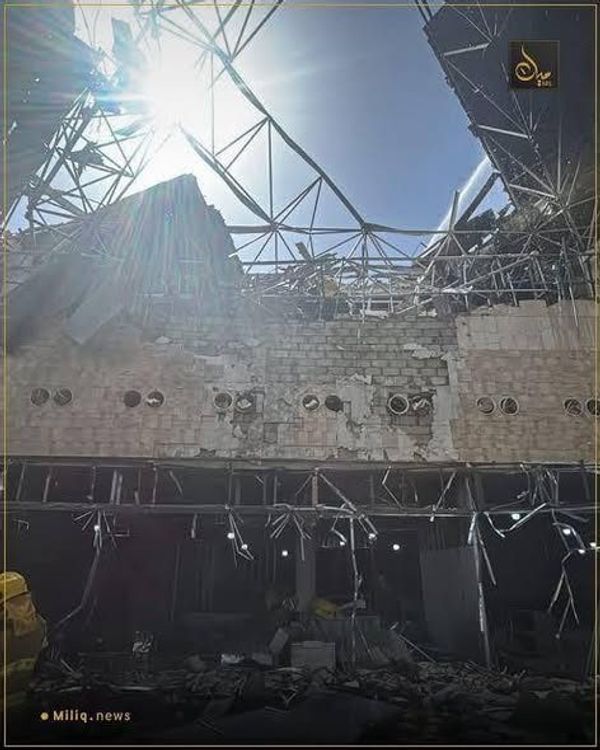
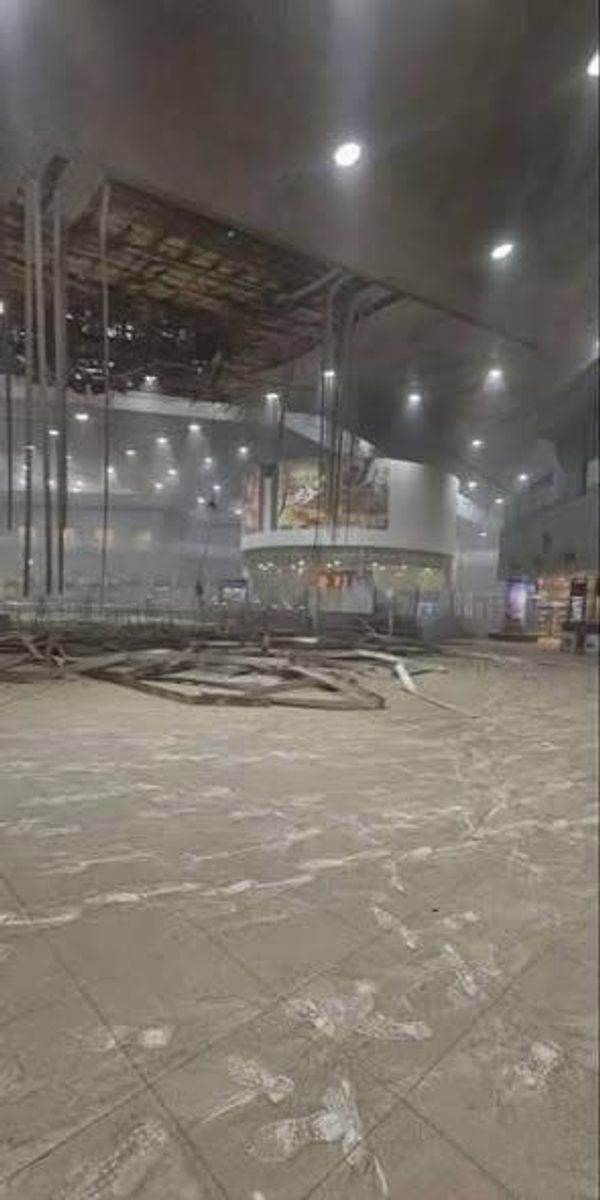
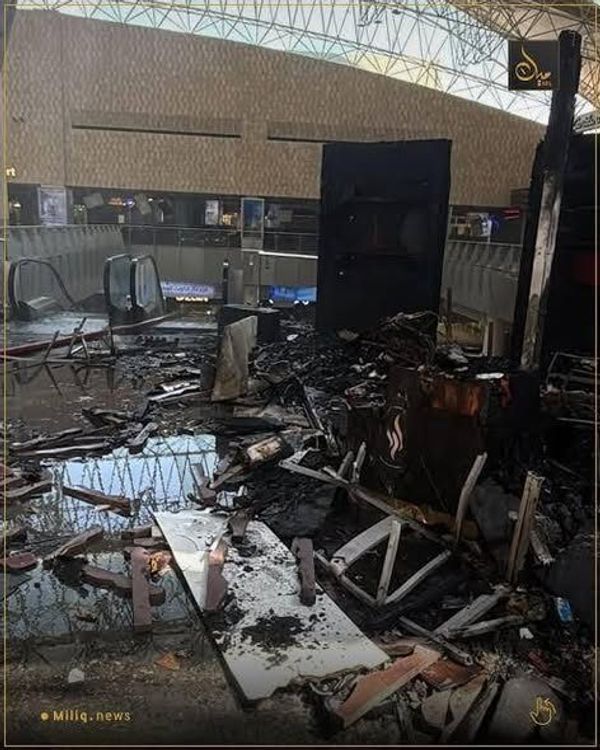
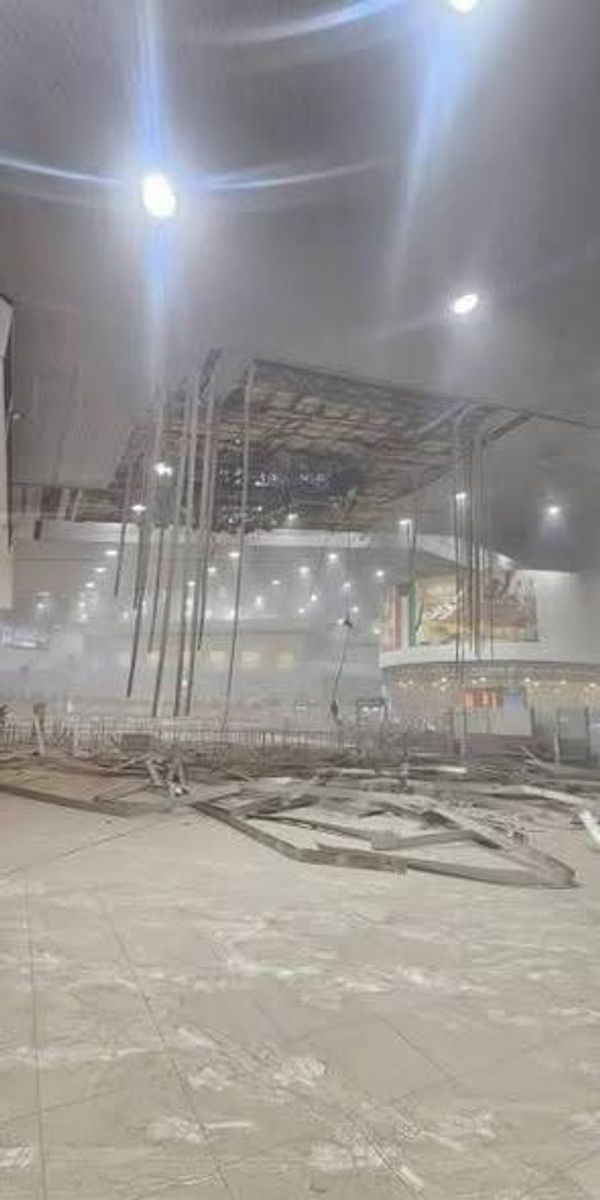
Just two days after its reopening and the resumption of flights to Kuwait by foreign airlines, which had been suspended for months, Kuwaitis awoke on Wednesday, June 3rd, to explosions and shelling of the main airport, specifically the historic terminal building, runways, and control towers. Sixty-three people were killed or injured, forcing Kuwait Airport to shut down and close its airspace. Later, it announced partial operations from a separate terminal, and 60-70% of scheduled flights were canceled indefinitely.
The timing of the attack on Kuwait Airport at dawn brought back to the minds of Kuwaitis the specter of August 2, 1990, when they awoke to find their airport destroyed and their country completely isolated from the world after the Iraqi army occupied it. They were forced to flee across the land borders in one of the darkest chapters of contemporary Arab history, a history marked by defeat after defeat. Kuwait International Airport was established in 1962 in the Farwaniya Governorate and has gradually developed over the decades. It currently comprises five main passenger terminals (T1, T2, T3, T4, and T5), in addition to the Sheikh Saad Al-Abdullah Terminal and the Amiri Flight Terminal, with a current capacity of over 15 million passengers annually.
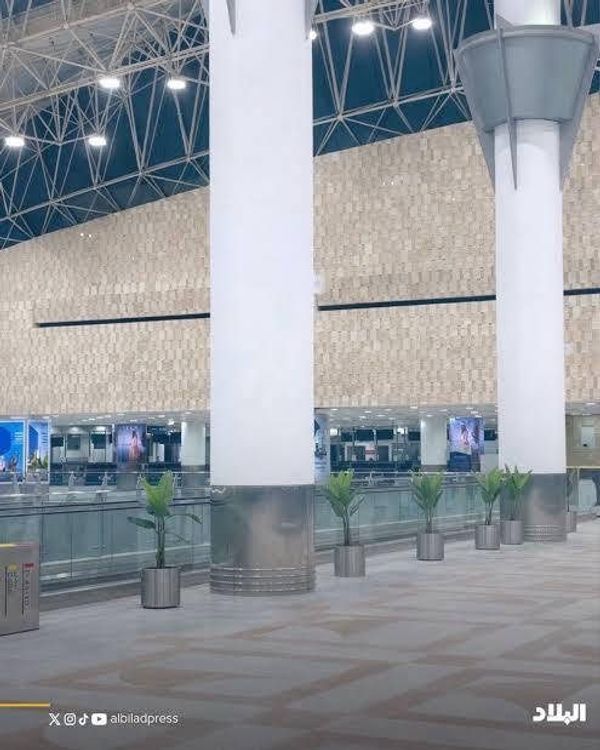
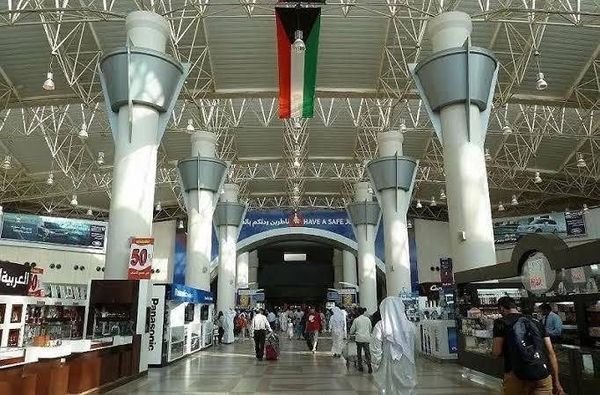
The terminal targeted today was Terminal 1 (TB1), designed by the Japanese architect Kenzo Tange and opened in 1979. It has undergone several comprehensive renovations and upgrades, the most recent being its official reopening just two days ago (June 1, 2026), following repairs and upgrades to its infrastructure, parking facilities, and security systems. The terminal has 16 departure gates connected by jet bridges and can accommodate approximately 5 to 7 million passengers annually. Most Arab and international airlines operate from this terminal. Although the attack did not reach Terminal 5 (TB5), which is designated for Jazeera Airways, the airline has completely suspended its operations after the government prioritized Kuwait Airways for its use. Why? Kuwait International Airport is currently operating with one runway and one air traffic control tower, out of a total of three parallel and widely spaced runways. The newest and longest runway, officially opened in October 2025, is 4.58 kilometers long. It is designed with state-of-the-art technology to accommodate superjumbo aircraft (such as the A380) and is directly connected to the new air traffic control tower's navigation system. This runway is completely safe and is currently relied upon for takeoffs and landings of TB4 flights. The middle and eastern runways, which serve the northern and western sectors of the airport near Terminal 1 (T1), sustained some damage to their surrounding taxiways from the attack. They are currently undergoing technical inspections and debris removal before being fully operational again. Kuwait International Airport manages air traffic through a navigation system that relies on two air traffic control towers: the historic TB1 tower, some of whose radar and communication equipment was affected by the attacks near the passenger terminal today; and the new tower, officially opened in October 2025, which stands 70 meters tall and is located in a geographically separate area. This tower is fully equipped with a backup radar operations room and advanced monitoring systems for managing air traffic in emergencies and low visibility conditions.
After the old radar systems near Terminal 1 were damaged, the bulk of air traffic operations was transferred to this new tower, which is safer and technically isolated.
Confining air traffic at the airport to a single runway and one air traffic control tower prioritized Kuwait Airways flights. Jazeera Airways was forced to cancel and postpone most of its flights, diverting its incoming aircraft to Dammam Airport in Saudi Arabia as a temporary alternative. Dammam Airport became the primary operational base for receiving diverted international flights, in addition to Qaisumah Airport (Hafar Al-Batin) as an emergency landing point due to its proximity to the Kuwaiti border.
Bahrain International Airport was used as a temporary hub for disembarking passengers bound for Kuwait and scheduling their onward travel.
Thus, nearby airports received hundreds of diverted flights, placing their air traffic control crews under unprecedented operational pressure to schedule slots. Officially, operating permits for 38 international and global airlines were revoked, and major carriers such as India's IndiGo, EgyptAir, Saudi Arabian Airlines, and Emirates announced the complete suspension of their flights to Kuwait. Dozens of aircraft transiting Gulf airspace were forced to alter their usual routes, significantly increasing cargo, operating, and fuel costs for international airlines, in addition to an anticipated dramatic rise in airfares and insurance premiums against the risks of war in the region. The specter of August 1990 returned, with scenes of buses and cars heading towards land border crossings as a lifeline. The Nuwaiseeb and Salmi border crossings with Saudi Arabia became the primary routes for transporting passengers by bus and car to and from Saudi airports to connect to their international flights. But what happened today at Kuwait Airport goes beyond the story of an airport and passengers being destroyed like oil installations. It opens up towering questions about the price Kuwait has paid since 1990, only to find, 35 years later, the same specter haunting its people with the same cruelty... but under the watchful eyes of American Patriot missiles. To be continued.
Content:
مطار الكويت وشبح اغسطس الأسود
سحب تراخيص شركات الطيران العالمية
برج المراقبة ومدرجان خارج الخدمة
أميرة إبراهيم
بعد يومين فقط من افتتاحه وإعادة تشغيل شركات الطيران الأجنبية لرحلاتها المتوقفة منذ شهور الي الكويت استيقظ الكويتيون فجر اليوم الاربعاء 3 يونيو علي انفجارات وقصف للمطار الرئيس وتحديدا المبني التاريخيّ والمدرجات وأبراج المراقبة بل وسقوط 63 بين مصاب وقتيل ليتوقف مطار الكويت ويغلق أجواءه قبل ان يعود ليعلن تشغيل جزئي من مبني منفصل ويتم بالفعل إلغاء 60-70% من الرحلات المجدولة ولأجل غير معلوم.
توقيت ضرب مطار الكويت في الفجر استدعي لأذهان الكويتيين شبح 2 اغسطس 1990 عندما استيقظوا فجر ذلك اليوم علي تدمير المطار و عزل دولتهم تماما عن العالم بعد ان احتلها الجيش العراقي ولجأوا للفرار عبر الحدود البرية في واحده من اقسي فصول التاريخ العربي المعاصر التي عبر عليها الاندحار عقدا وراء آخر.
مطار الكويت انشيء عام 1962 بمحافظة الفروانية وتطور تدريجياً عبر العقود ، ويضم حالياً 5 مبانٍ رئيسية للركاب (T1، T2، T3، T4، T5)، بالإضافة إلى مبنى الشيخ سعد العبدالله ومبنى الطيران الأميري ليتسع حاليا لأكثر من 15 مليون مسافر سنوياً
والمبني الذي تم استهدافه اليوم هو مبني الركاب TB1 صممه المعماري الياباني كنزو تانغه وافتتح عام 1979، وخضع لعدة عمليات تجديد وتطوير شاملة كان آخرها إعادة افتتاحه الرسمي قبل يومين فقط (1 يونيو 2026) بعد عمليات إصلاح وتأهيل للبنية التحتية والمواقف وأنظمة الأمن..
ويضم المبني 16 بوابة مغادرة متصلة بكباري للطائرات، و يستوعب ما يقرب من 5 إلى 7 ملايين مسافر سنوياً وتعمل منه غالبية شركات الطيران العربية والعالمية
ورغم ان الهجوم لم يصل لمبني الركاب TB5 المخصص لطيران الجزيرة لكن الشركة أوقفت أعمالها تماما بعد أصبحت اولوية التشغيل من الدولة للخطوط الجوية الكويتية لماذا؟
مطار الكويت يعمل حاليا بمدرج واحد وبرج ملاحي واحد ، من اصل ثلاثة مدارج متوازيه ومتباعده أحدثها وأطولها المدرج الجديد الذي افتتح رسمياً في أكتوبر 2025 بطول 4.58 كيلومتر. وهو مصمم بأحدث التقنيات لاستيعاب الطائرات العملاقة (مثل A380) ومربوط مباشرة بنظام ملاحة برج المراقبة الجديد. هذا المدرج آمن تماماً ويُعتمد عليه حالياً لتأمين عمليات الإقلاع والهبوط لرحلات TB4
اما المدرجين الأوسط و الشرقي اللذان يخدمان القطاع الشمالي والغربي للمطار القريب من T1 فقد تعرضت بعض ممراتهما المحيطة لشظايا الهجوم، ويخضعان حالياً لعمليات فحص فنية وتنظيف للمخلفات قبل إعادتهما للخدمة الكاملة
ويدير مطار الكويت الملاحة الجوية عبر منظومة ملاحية تعتمد علي برجين للملاحة؛ البرج التاريخيّ TB1 الذي تأثرت بعض تجهيزاته الرادارية والاتصالية نتيجة الهجمات القريبة من مبنى الركاب اليوم .
والبرج الجديد الذي افتتح رسمياً في أكتوبر 2025 بارتفاع 70 متراً، ويقع في منطقة منفصلة جغرافياً. هذا البرج مجهز بالكامل بغرفة عمليات رادار احتياطية، وأنظمة مراقبة متطورة لإدارة الحركة الجوية في حالات الطوارئ وانعدام الرؤية.
وبعد تضرر أنظمة الرادار القديمة القريبة من T1، تم نقل ثقل العمل الجوي إلى هذا البرج الجديد كونه آمناً ومعزولاً تقنياً.
اذن حصر حركة الملاحة في المطار عبر مدرج واحد وبرج ملاحة واحد، جعل الأولوية لرحلات الخطوط الكويتية واضطرت طيران الجزيرة لإلغاء وتأجيل معظم رحلاتها، وتحويل طائراتها القادمة إلى مطار الدمام بالمملكة العربية السعودية كبديل مؤقت والذي تحول إلى القاعدة التشغيلية البديلة الأبرز لاستقبال رحلات الشركات العالمية المحولة اضافة الي مطار القيصومة (حفر الباطن ) كنقطة هبوط طارئة لقربه الجغرافي الأرضي من الحدود الكويتية.
اما مطار البحرين الدولي فاستخدم كمركز عبور (Hub) مؤقت لإنزال الركاب المتجهين للكويت وجدولة حركتهم لاحقاً.
هكذا استقبلت المطارات القريبة مئات الرحلات المحولة، مما وضع أطقم المراقبة الجوية بها تحت ضغط تشغيلي غير مسبوق لجدولة الخانات الزمنية (Slots).
ورسميا تم إلغاء تصاريح التشغيل لـ 38 شركة طيران دولية وعالمية وأعلنت شركات كبرى كشركة إنديجو (IndiGo) الهندية، و مصر للطيران والخطوط السعودية، والإماراتية تجميد رحلاتها بالكامل إلى الكويت
واضطرت عشرات الطائرات العابرة لأجواء الخليج إلى تغيير مساراتها المعتادة، مما رفع تكاليف الشحن والتشغيل واستهلاك الوقود لشركات الطيران العالمية، فضلاً عن ارتفاع جنوني متوقع في أسعار تذاكر الطيران والتأمين ضد مخاطر الحرب بالمنطقة
ويعود شبح اغسطس 1990 بمشاهد الحافلات والسيارات المتجهه الي المنافذ البرية كشريان إنقاذ، اذ تحول منفذ النويصيب ومنفذ السالمي البريان مع المملكة العربية السعودية إلى المسار الأساسي الفعلي لنقل المسافرين عبر الحافلات والسيارات من وإلى المطارات السعودية لمتابعة رحلاتهم الدولية.
لكن ما حدث اليوم في مطار الكويت يتجاوز قصة مطار ومسافرين يدمر مثل المنشأت النفطية لانه يفتح أبواب شاهقة الارتفاع لاسئلة مشروعة عن الثمن الذي دفعته الكويت منذ 1990 لتعود بعد 35 عاما وتجد نفس الشبح يوقظ اهلها بنفس القسوة.. لكن تحت بصر مظلات الباتريوت الأمريكية
وللمتابعة بقيه
Images: 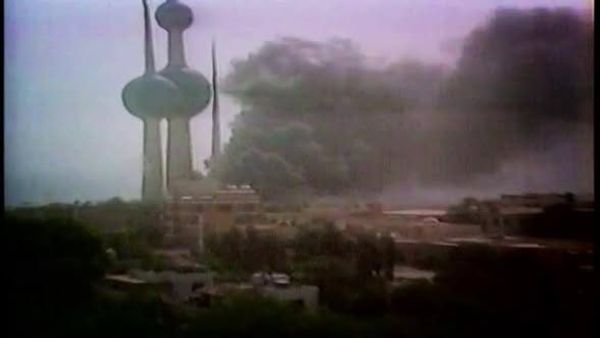
Additional Details
Captured Date
2026-06-06T11:29:46.000Z
Captured Post ID
pfbid033oQh7cu9S1LSTQHmyVxirWr2GzNqRPeaBjUHshLkhmoknAPK45TWTLWZQitMGywRl
Language
Arabic
Incident