Source
Captured Post Date: 2026-03-08 12:00:00
Translated Author: Media Press Lebanon
Author: ميديا برس ليبانون
Translated Content:
The Nabi Sheet Incursion… Did Israel Reopen the “Ron Arad Case” with a Secret Operation in the Heart of the Bekaa Valley?
Special Report – Media Press Lebanon
□Ahmed Moussa
What transpired in the eastern Bekaa Valley on Friday night was not merely a series of random airstrikes, but a complex security operation bearing the hallmarks of the special operations Israel has habitually conducted in highly sensitive intelligence cases.
The incursion carried out by an Israeli force near the town of Nabi Sheet has brought back to the forefront one of the oldest mysteries of the conflict between Israel and the resistance in Lebanon: the case of the missing Israeli pilot, Ron Arad.
The operation, which ended without achieving its stated objective according to the Israeli narrative, has raised a series of security and political questions about the nature of the intelligence that prompted Israel to risk an incursion into one of the most sensitive areas of the Bekaa Valley, and about the messages conveyed by this move in its military and political timing. Nighttime Infiltration Under Heavy Fire Cover
According to field reports, four Israeli helicopters were spotted around 10:30 PM on Friday infiltrating from Syrian territory towards the eastern mountain range of Lebanon.
In an area located at the triangle formed by the mountains of Yahfoufa, Khraibeh, and Maaraboun, two helicopters landed an Israeli special forces infantry unit in an operation resembling commando operations carried out by elite units of the Israeli army.
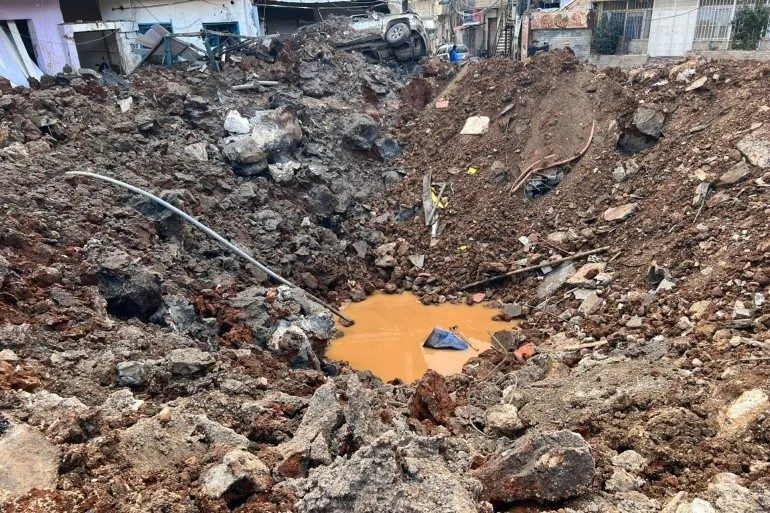
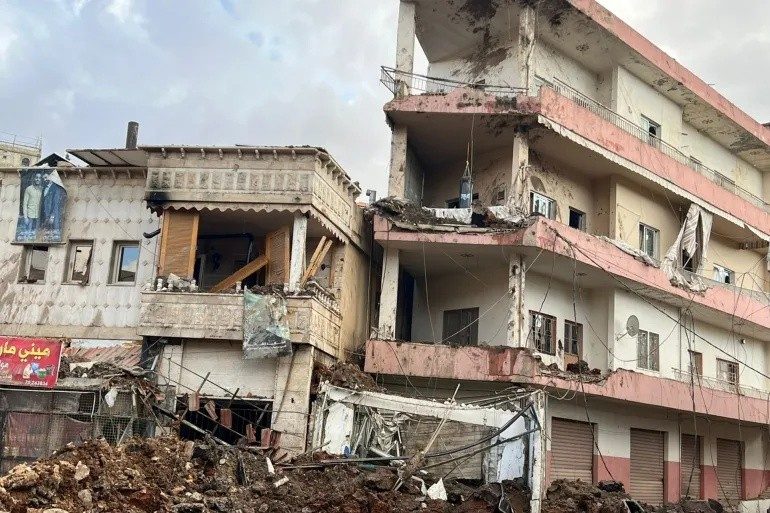
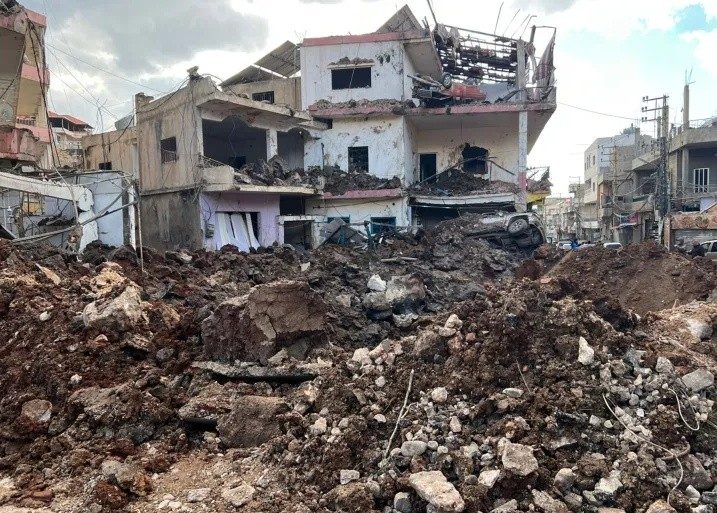
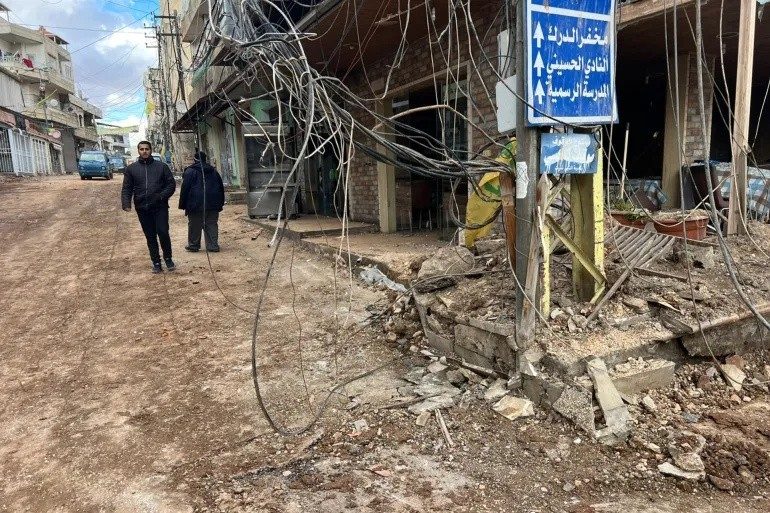
The landing coincided with widespread aerial bombardment targeting surrounding villages to provide fire cover for the operation and restrict civilian movement in the area.
However, the infiltrating force did not remain long at the landing site. It moved towards the eastern neighborhood of the town of Nabi Chit, reaching the town's cemetery, where armed clashes erupted after its movements were discovered.
Clashes and Extensive Air Intervention
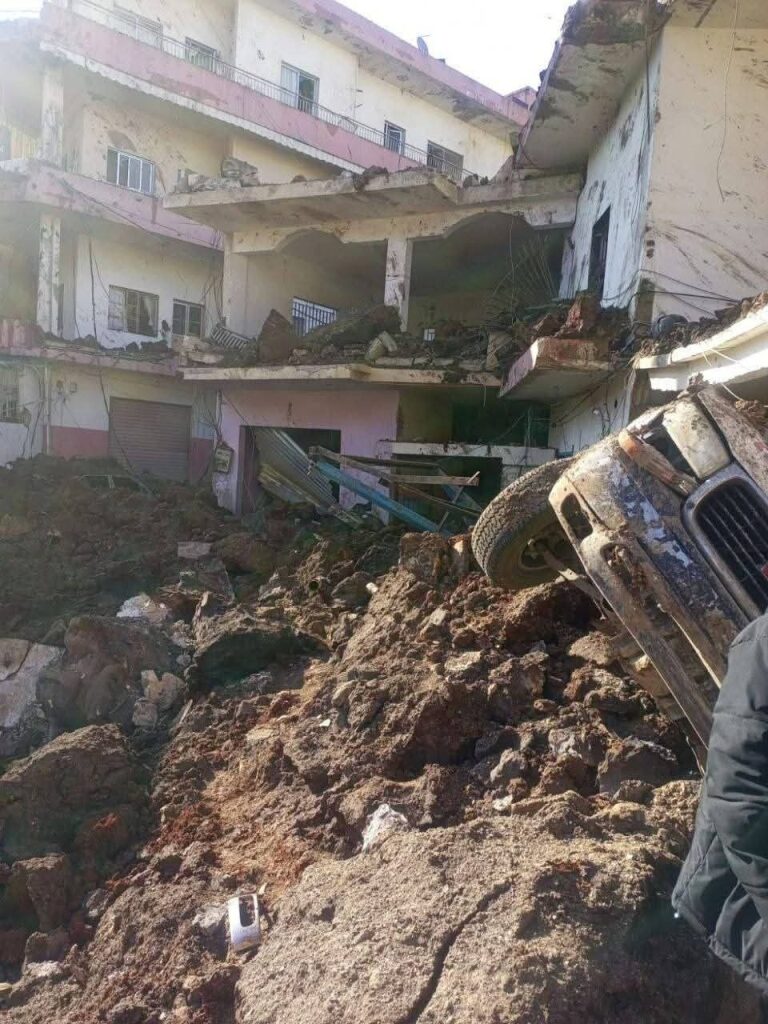
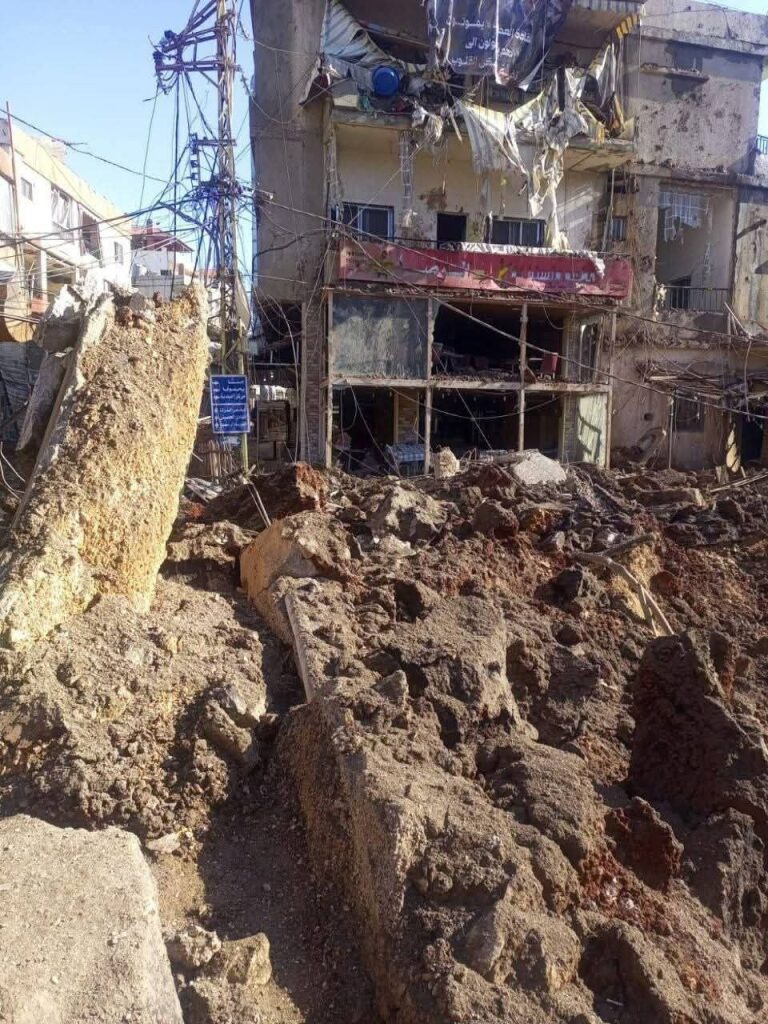
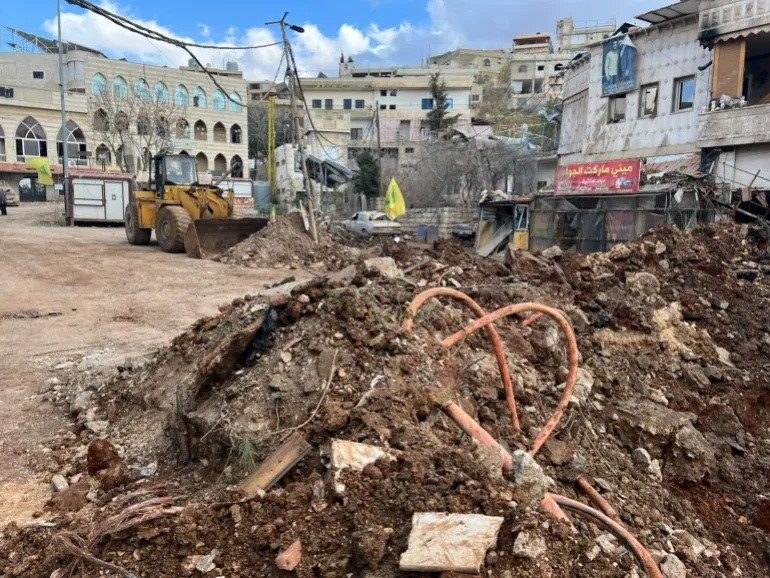
With the Israeli force exposed, clashes escalated in the area before Israeli warplanes intervened intensively, carrying out fire strips that included dozens of airstrikes. According to field reports, Israeli aircraft carried out approximately 40 airstrikes to secure the withdrawal of the special forces from the engagement site.
In response, the Lebanese Army announced that it had detected the landing operation and taken defensive measures, launching flares to illuminate the area. Meanwhile, activists circulated videos showing heavy gunfire in the air as warplanes flew overhead.
Heavy Casualty Toll
The Israeli airstrikes accompanying the operation resulted in a high casualty toll, according to the Lebanese Ministry of Health.
According to a statement issued by the Health Emergency Operations Center:
□41 Martyrs
□40 Wounded
Among the victims:
□3 Lebanese Army soldiers
□One member of the General Security Forces
□In addition to civilians from the towns of Nabi Sheet, Khraibeh, Sarain, and Ali al-Nahri.
Operation Objective: To Search for Ron Arad?
Despite the scale of the operation, the Israeli army later announced the failure of its primary mission, confirming that it had not found any evidence related to the missing pilot, Ron Arad. Israeli Prime Minister Benjamin Netanyahu also acknowledged that the special operation carried out inside Lebanon did not achieve its desired results.
However, military analysts believe that carrying out an operation of this scale indicates that Israel possessed new or near-certain intelligence that prompted it to risk a landing operation deep inside Lebanon.
The Mystery of the Retired Officer
In analyzing the background of the operation, security experts link what happened in Nabi Sheet to the disappearance of a retired Lebanese General Security officer about three months ago under mysterious circumstances.
The officer, known as “Shukr” and a native of Nabi Sheet, is believed to have possessed historical information related to the Ron Arad case.
Some accounts suggest that Israel may have obtained information during his interrogation that led them to believe the Israeli pilot's remains might be in the town's cemetery or its vicinity.
Previous reports also circulated a compelling account stating that Arad had spent a night at Shukr's family home in the past, which strengthens the hypothesis of a connection between this family and the missing pilot's case. Similarities to the 1994 Qasr Naba Operation
It is noteworthy that the new operation brought to mind a similar Israeli operation that took place in 1994 in the town of Qasr Naba, near Nabi Chit.
At that time, an Israeli special forces unit carried out a landing operation and kidnapped Mustafa Dirani, a leader in the Amal Movement, in an attempt to obtain information about the fate of Ron Arad.
Dirani remained imprisoned in Israel until 2004, when he was released as part of a prisoner exchange deal with Hezbollah.
This similarity in method and timing reinforces the hypothesis that Israel has never closed the Ron Arad case, despite the passage of nearly four decades since his disappearance.
Military and Political Messages
Beyond the immediate objective of the operation, analysts believe that the Israeli landing carries multiple military and intelligence messages.
On the one hand, the operation demonstrated that Israel remains prepared to carry out special operations deep inside Lebanon when it possesses sensitive intelligence. On the other hand, the confrontation demonstrated a high level of security and military preparedness on the part of Hezbollah, both in terms of field surveillance and rapid mobilization within the local environment.
This may prompt Israel to reassess the feasibility of carrying out similar landing operations inside Lebanese territory in the future.
Reopening the File
The Nabi Sheet landing has reopened one of the most ambiguous and complex files of the conflict: the case of Israeli pilot Ron Arad.
Despite Israel's declaration of the operation's failure, its mere execution reveals that this file has not yet been closed in intelligence and military calculations.
However, the operation also revealed another reality:
That Lebanon remains an open arena for complex security operations amidst the ongoing conflict, where military calculations are intertwined with political messages, and the full truth of what transpired remains buried beneath conflicting narratives and intelligence secrets.
Prepared and edited by: Media Press Lebanon – Security and Investigations Section
Special Report – Media Press Lebanon
□Ahmed Moussa
What transpired in the eastern Bekaa Valley on Friday night was not merely a series of random airstrikes, but a complex security operation bearing the hallmarks of the special operations Israel has habitually conducted in highly sensitive intelligence cases.
The incursion carried out by an Israeli force near the town of Nabi Sheet has brought back to the forefront one of the oldest mysteries of the conflict between Israel and the resistance in Lebanon: the case of the missing Israeli pilot, Ron Arad.
The operation, which ended without achieving its stated objective according to the Israeli narrative, has raised a series of security and political questions about the nature of the intelligence that prompted Israel to risk an incursion into one of the most sensitive areas of the Bekaa Valley, and about the messages conveyed by this move in its military and political timing. Nighttime Infiltration Under Heavy Fire Cover
According to field reports, four Israeli helicopters were spotted around 10:30 PM on Friday infiltrating from Syrian territory towards the eastern mountain range of Lebanon.
In an area located at the triangle formed by the mountains of Yahfoufa, Khraibeh, and Maaraboun, two helicopters landed an Israeli special forces infantry unit in an operation resembling commando operations carried out by elite units of the Israeli army.
The landing coincided with widespread aerial bombardment targeting surrounding villages to provide fire cover for the operation and restrict civilian movement in the area.
However, the infiltrating force did not remain long at the landing site. It moved towards the eastern neighborhood of the town of Nabi Chit, reaching the town's cemetery, where armed clashes erupted after its movements were discovered.
Clashes and Extensive Air Intervention
With the Israeli force exposed, clashes escalated in the area before Israeli warplanes intervened intensively, carrying out fire strips that included dozens of airstrikes. According to field reports, Israeli aircraft carried out approximately 40 airstrikes to secure the withdrawal of the special forces from the engagement site.
In response, the Lebanese Army announced that it had detected the landing operation and taken defensive measures, launching flares to illuminate the area. Meanwhile, activists circulated videos showing heavy gunfire in the air as warplanes flew overhead.
Heavy Casualty Toll
The Israeli airstrikes accompanying the operation resulted in a high casualty toll, according to the Lebanese Ministry of Health.
According to a statement issued by the Health Emergency Operations Center:
□41 Martyrs
□40 Wounded
Among the victims:
□3 Lebanese Army soldiers
□One member of the General Security Forces
□In addition to civilians from the towns of Nabi Sheet, Khraibeh, Sarain, and Ali al-Nahri.
Operation Objective: To Search for Ron Arad?
Despite the scale of the operation, the Israeli army later announced the failure of its primary mission, confirming that it had not found any evidence related to the missing pilot, Ron Arad. Israeli Prime Minister Benjamin Netanyahu also acknowledged that the special operation carried out inside Lebanon did not achieve its desired results.
However, military analysts believe that carrying out an operation of this scale indicates that Israel possessed new or near-certain intelligence that prompted it to risk a landing operation deep inside Lebanon.
The Mystery of the Retired Officer
In analyzing the background of the operation, security experts link what happened in Nabi Sheet to the disappearance of a retired Lebanese General Security officer about three months ago under mysterious circumstances.
The officer, known as “Shukr” and a native of Nabi Sheet, is believed to have possessed historical information related to the Ron Arad case.
Some accounts suggest that Israel may have obtained information during his interrogation that led them to believe the Israeli pilot's remains might be in the town's cemetery or its vicinity.
Previous reports also circulated a compelling account stating that Arad had spent a night at Shukr's family home in the past, which strengthens the hypothesis of a connection between this family and the missing pilot's case. Similarities to the 1994 Qasr Naba Operation
It is noteworthy that the new operation brought to mind a similar Israeli operation that took place in 1994 in the town of Qasr Naba, near Nabi Chit.
At that time, an Israeli special forces unit carried out a landing operation and kidnapped Mustafa Dirani, a leader in the Amal Movement, in an attempt to obtain information about the fate of Ron Arad.
Dirani remained imprisoned in Israel until 2004, when he was released as part of a prisoner exchange deal with Hezbollah.
This similarity in method and timing reinforces the hypothesis that Israel has never closed the Ron Arad case, despite the passage of nearly four decades since his disappearance.
Military and Political Messages
Beyond the immediate objective of the operation, analysts believe that the Israeli landing carries multiple military and intelligence messages.
On the one hand, the operation demonstrated that Israel remains prepared to carry out special operations deep inside Lebanon when it possesses sensitive intelligence. On the other hand, the confrontation demonstrated a high level of security and military preparedness on the part of Hezbollah, both in terms of field surveillance and rapid mobilization within the local environment.
This may prompt Israel to reassess the feasibility of carrying out similar landing operations inside Lebanese territory in the future.
Reopening the File
The Nabi Sheet landing has reopened one of the most ambiguous and complex files of the conflict: the case of Israeli pilot Ron Arad.
Despite Israel's declaration of the operation's failure, its mere execution reveals that this file has not yet been closed in intelligence and military calculations.
However, the operation also revealed another reality:
That Lebanon remains an open arena for complex security operations amidst the ongoing conflict, where military calculations are intertwined with political messages, and the full truth of what transpired remains buried beneath conflicting narratives and intelligence secrets.
Prepared and edited by: Media Press Lebanon – Security and Investigations Section
Content:
إنزال النبي شيت… هل أعادت إسرائيل فتح “ملف رون أراد” بعملية سرّية في قلب البقاع؟
خاص _ ميديا برس ليبانون
□أحمد موسى
لم يكن ما جرى في البقاع الشرقي ليل الجمعة مجرد غارات جوية عابرة، بل عملية أمنية معقدة تحمل بصمات العمليات الخاصة التي اعتادت إسرائيل تنفيذها في ملفات استخبارية شديدة الحساسية.
فالإنزال الذي نفذته قوة إسرائيلية قرب بلدة النبي شيت أعاد إلى الواجهة واحداً من أقدم ألغاز الصراع بين إسرائيل وال_م_قا_و_مة في لبنان: قضية الطيار الإسرائيلي المفقود رون أراد.
العملية، التي انتهت من دون تحقيق هدفها المعلن وفق الرواية الإسرائيلية، فتحت في المقابل سلسلة من الأسئلة الأمنية والسياسية حول طبيعة المعلومات الاستخبارية التي دفعت إسرائيل للمخاطرة بعملية إنزال داخل واحدة من أكثر المناطق حساسية في البقاع، وحول الرسائل التي تحملها هذه الخطوة في توقيتها العسكري والسياسي.
إنزال ليلي تحت غطاء ناري كثيف
بحسب المعطيات الميدانية، رُصدت أربع مروحيات إسرائيلية قرابة الساعة العاشرة والنصف مساء الجمعة وهي تتسلل من جهة الأراضي السورية نحو السلسلة الشرقية للبنان.
وفي منطقة تقع عند مثلث جرود يحْفوفا – الخريبة – معربون، أنزلت طائرتان قوة مشاة إسرائيلية خاصة، في عملية بدت شبيهة بعمليات الكوماندوس التي تنفذها وحدات النخبة في الجيش الإسرائيلي.
وتزامن الإنزال مع قصف جوي واسع النطاق طال القرى المحيطة لتأمين غطاء ناري للعملية وتقليص حركة المدنيين في المنطقة.
لكن القوة المتسللة لم تبقَ طويلاً في موقع الإنزال، إذ تحركت باتجاه الحي الشرقي لبلدة النبي شيت وصولاً إلى مقبرة البلدة، حيث اندلعت مواجهات مسلحة بعد انكشاف تحركها.
اشتباكات وتدخل جوي واسع
مع انكشاف القوة الإسرائيلية، تصاعدت المواجهات في المنطقة، قبل أن يتدخل الطيران الحربي الإسرائيلي بشكل مكثف لتنفيذ أحزمة نارية شملت عشرات الغارات.
ووفق المعطيات الميدانية، نفذ الطيران الإسرائيلي نحو 40 غارة جوية لتأمين انسحاب القوة الخاصة من موقع الاشتباك.
في المقابل، أعلن الجيش اللبناني أنه رصد عملية الإنزال واتخذ تدابير استنفار دفاعية، وأطلق قنابل مضيئة لكشف منطقة العملية، في وقت تداول ناشطون مقاطع فيديو تظهر إطلاق نار كثيف في الأجواء بالتزامن مع تحليق الطائرات الحربية.
حصيلة بشرية ثقيلة
أسفرت الغارات الإسرائيلية التي رافقت العملية عن حصيلة بشرية مرتفعة، بحسب وزارة الصحة اللبنانية.
ووفق بيان صادر عن مركز عمليات طوارئ الصحة:
□41 شهيداً
□40 جريحاً
ومن بين الضحايا:
□3 عسكريين من الجيش اللبناني
□عنصر من الأمن العام
□إضافة إلى مدنيين من بلدات النبي شيت والخريبة وسرعين وعلي النهري.
هدف العملية: البحث عن رون أراد؟
رغم حجم العملية، أعلن الجيش الإسرائيلي لاحقاً فشل المهمة الأساسية، مؤكداً أنه لم يعثر على أي دلائل تتعلق بالطيار المفقود رون أراد.
كما أقر رئيس الوزراء الإسرائيلي بنيامين نتنياهو بأن العملية الخاصة التي نفذت داخل لبنان لم تؤدِّ إلى النتائج المرجوة.
غير أن مصادر تحليلية عسكرية ترى أن تنفيذ عملية بهذا الحجم يشير إلى أن إسرائيل كانت تمتلك معلومات استخبارية جديدة أو شبه مؤكدة دفعتها للمخاطرة بعملية إنزال داخل العمق اللبناني.
لغز الضابط المتقاعد
في تحليل خلفيات العملية، يربط خبراء أمنيون بين ما جرى في النبي شيت وبين اختفاء ضابط متقاعد في الأمن العام اللبناني قبل نحو ثلاثة أشهر في ظروف غامضة.
الضابط، المعروف بلقب “شكر” والمنحدر من بلدة النبي شيت، يُعتقد أنه قد يكون امتلك معلومات تاريخية مرتبطة بملف رون أراد.
وتشير بعض الروايات إلى احتمال أن تكون إسرائيل حصلت على معلومات خلال التحقيق معه دفعتها للاعتقاد بوجود رفات محتملة للطيار الإسرائيلي في مقبرة البلدة أو في محيطها.
كما تداولت تقارير سابقة رواية مثيرة تفيد بأن أراد أمضى ليلة في منزل عائلة شكر في الماضي، ما يعزز فرضية وجود خيط يربط بين هذه العائلة وملف الطيار المفقود.
تشابه مع عملية قصرنبا 1994
اللافت أن العملية الجديدة أعادت إلى الذاكرة عملية إسرائيلية مشابهة وقعت عام 1994 في بلدة قصرنبا القريبة من النبي شيت.
يومها، نفذت وحدة إسرائيلية خاصة عملية إنزال واختطفت القيادي في حركة أمل مصطفى الديراني، في محاولة للحصول على معلومات عن مصير رون أراد.
وبقي الديراني معتقلاً في إسرائيل حتى عام 2004، عندما أُفرج عنه ضمن صفقة تبادل الأسرى مع ح_ز_ب الله.
هذا التشابه في الأسلوب والتوقيت يعزز فرضية أن إسرائيل لم تغلق يوماً ملف رون أراد رغم مرور ما يقارب أربعة عقود على اختفائه.
رسائل عسكرية وسياسية
بعيداً عن الهدف المباشر للعملية، يرى محللون أن الإنزال الإسرائيلي يحمل رسائل عسكرية واستخباراتية متعددة.
فمن جهة، أظهرت العملية أن إسرائيل لا تزال مستعدة لتنفيذ عمليات خاصة داخل العمق اللبناني عندما تتوفر لديها معلومات استخبارية حساسة.
ومن جهة أخرى، أظهرت المواجهة مستوى عالياً من الجاهزية الأمنية والعسكرية لدى ح_ز_ب الله، سواء على مستوى الرصد الميداني أو سرعة التعبئة داخل البيئة المحلية.
وقد يدفع ذلك إسرائيل إلى إعادة تقييم جدوى تنفيذ عمليات إنزال مشابهة مستقبلاً داخل الأراضي اللبنانية.
فتح الملف مجددًا
أعاد إنزال النبي شيت فتح أحد أكثر ملفات الصراع غموضاً وتعقيداً: ملف الطيار الإسرائيلي رون أراد.
ورغم إعلان إسرائيل فشل العملية، فإن مجرد تنفيذها يكشف أن هذا الملف لم يُطوَ بعد في الحسابات الاستخبارية والعسكرية.
لكن العملية في المقابل كشفت أيضاً واقعاً آخر:
أن لبنان لا يزال ساحة مفتوحة لعمليات أمنية معقدة في ظل الصراع المستمر، حيث تختلط الحسابات العسكرية بالرسائل السياسية، وتبقى الحقيقة الكاملة لما جرى مدفونة بين الروايات المتضاربة وأسرار الاستخبارات.
إعداد وتحرير: ميديا برس ليبانون – القسم الأمني وقسم التحقيقات
خاص _ ميديا برس ليبانون
□أحمد موسى
لم يكن ما جرى في البقاع الشرقي ليل الجمعة مجرد غارات جوية عابرة، بل عملية أمنية معقدة تحمل بصمات العمليات الخاصة التي اعتادت إسرائيل تنفيذها في ملفات استخبارية شديدة الحساسية.
فالإنزال الذي نفذته قوة إسرائيلية قرب بلدة النبي شيت أعاد إلى الواجهة واحداً من أقدم ألغاز الصراع بين إسرائيل وال_م_قا_و_مة في لبنان: قضية الطيار الإسرائيلي المفقود رون أراد.
العملية، التي انتهت من دون تحقيق هدفها المعلن وفق الرواية الإسرائيلية، فتحت في المقابل سلسلة من الأسئلة الأمنية والسياسية حول طبيعة المعلومات الاستخبارية التي دفعت إسرائيل للمخاطرة بعملية إنزال داخل واحدة من أكثر المناطق حساسية في البقاع، وحول الرسائل التي تحملها هذه الخطوة في توقيتها العسكري والسياسي.
إنزال ليلي تحت غطاء ناري كثيف
بحسب المعطيات الميدانية، رُصدت أربع مروحيات إسرائيلية قرابة الساعة العاشرة والنصف مساء الجمعة وهي تتسلل من جهة الأراضي السورية نحو السلسلة الشرقية للبنان.
وفي منطقة تقع عند مثلث جرود يحْفوفا – الخريبة – معربون، أنزلت طائرتان قوة مشاة إسرائيلية خاصة، في عملية بدت شبيهة بعمليات الكوماندوس التي تنفذها وحدات النخبة في الجيش الإسرائيلي.
وتزامن الإنزال مع قصف جوي واسع النطاق طال القرى المحيطة لتأمين غطاء ناري للعملية وتقليص حركة المدنيين في المنطقة.
لكن القوة المتسللة لم تبقَ طويلاً في موقع الإنزال، إذ تحركت باتجاه الحي الشرقي لبلدة النبي شيت وصولاً إلى مقبرة البلدة، حيث اندلعت مواجهات مسلحة بعد انكشاف تحركها.
اشتباكات وتدخل جوي واسع
مع انكشاف القوة الإسرائيلية، تصاعدت المواجهات في المنطقة، قبل أن يتدخل الطيران الحربي الإسرائيلي بشكل مكثف لتنفيذ أحزمة نارية شملت عشرات الغارات.
ووفق المعطيات الميدانية، نفذ الطيران الإسرائيلي نحو 40 غارة جوية لتأمين انسحاب القوة الخاصة من موقع الاشتباك.
في المقابل، أعلن الجيش اللبناني أنه رصد عملية الإنزال واتخذ تدابير استنفار دفاعية، وأطلق قنابل مضيئة لكشف منطقة العملية، في وقت تداول ناشطون مقاطع فيديو تظهر إطلاق نار كثيف في الأجواء بالتزامن مع تحليق الطائرات الحربية.
حصيلة بشرية ثقيلة
أسفرت الغارات الإسرائيلية التي رافقت العملية عن حصيلة بشرية مرتفعة، بحسب وزارة الصحة اللبنانية.
ووفق بيان صادر عن مركز عمليات طوارئ الصحة:
□41 شهيداً
□40 جريحاً
ومن بين الضحايا:
□3 عسكريين من الجيش اللبناني
□عنصر من الأمن العام
□إضافة إلى مدنيين من بلدات النبي شيت والخريبة وسرعين وعلي النهري.
هدف العملية: البحث عن رون أراد؟
رغم حجم العملية، أعلن الجيش الإسرائيلي لاحقاً فشل المهمة الأساسية، مؤكداً أنه لم يعثر على أي دلائل تتعلق بالطيار المفقود رون أراد.
كما أقر رئيس الوزراء الإسرائيلي بنيامين نتنياهو بأن العملية الخاصة التي نفذت داخل لبنان لم تؤدِّ إلى النتائج المرجوة.
غير أن مصادر تحليلية عسكرية ترى أن تنفيذ عملية بهذا الحجم يشير إلى أن إسرائيل كانت تمتلك معلومات استخبارية جديدة أو شبه مؤكدة دفعتها للمخاطرة بعملية إنزال داخل العمق اللبناني.
لغز الضابط المتقاعد
في تحليل خلفيات العملية، يربط خبراء أمنيون بين ما جرى في النبي شيت وبين اختفاء ضابط متقاعد في الأمن العام اللبناني قبل نحو ثلاثة أشهر في ظروف غامضة.
الضابط، المعروف بلقب “شكر” والمنحدر من بلدة النبي شيت، يُعتقد أنه قد يكون امتلك معلومات تاريخية مرتبطة بملف رون أراد.
وتشير بعض الروايات إلى احتمال أن تكون إسرائيل حصلت على معلومات خلال التحقيق معه دفعتها للاعتقاد بوجود رفات محتملة للطيار الإسرائيلي في مقبرة البلدة أو في محيطها.
كما تداولت تقارير سابقة رواية مثيرة تفيد بأن أراد أمضى ليلة في منزل عائلة شكر في الماضي، ما يعزز فرضية وجود خيط يربط بين هذه العائلة وملف الطيار المفقود.
تشابه مع عملية قصرنبا 1994
اللافت أن العملية الجديدة أعادت إلى الذاكرة عملية إسرائيلية مشابهة وقعت عام 1994 في بلدة قصرنبا القريبة من النبي شيت.
يومها، نفذت وحدة إسرائيلية خاصة عملية إنزال واختطفت القيادي في حركة أمل مصطفى الديراني، في محاولة للحصول على معلومات عن مصير رون أراد.
وبقي الديراني معتقلاً في إسرائيل حتى عام 2004، عندما أُفرج عنه ضمن صفقة تبادل الأسرى مع ح_ز_ب الله.
هذا التشابه في الأسلوب والتوقيت يعزز فرضية أن إسرائيل لم تغلق يوماً ملف رون أراد رغم مرور ما يقارب أربعة عقود على اختفائه.
رسائل عسكرية وسياسية
بعيداً عن الهدف المباشر للعملية، يرى محللون أن الإنزال الإسرائيلي يحمل رسائل عسكرية واستخباراتية متعددة.
فمن جهة، أظهرت العملية أن إسرائيل لا تزال مستعدة لتنفيذ عمليات خاصة داخل العمق اللبناني عندما تتوفر لديها معلومات استخبارية حساسة.
ومن جهة أخرى، أظهرت المواجهة مستوى عالياً من الجاهزية الأمنية والعسكرية لدى ح_ز_ب الله، سواء على مستوى الرصد الميداني أو سرعة التعبئة داخل البيئة المحلية.
وقد يدفع ذلك إسرائيل إلى إعادة تقييم جدوى تنفيذ عمليات إنزال مشابهة مستقبلاً داخل الأراضي اللبنانية.
فتح الملف مجددًا
أعاد إنزال النبي شيت فتح أحد أكثر ملفات الصراع غموضاً وتعقيداً: ملف الطيار الإسرائيلي رون أراد.
ورغم إعلان إسرائيل فشل العملية، فإن مجرد تنفيذها يكشف أن هذا الملف لم يُطوَ بعد في الحسابات الاستخبارية والعسكرية.
لكن العملية في المقابل كشفت أيضاً واقعاً آخر:
أن لبنان لا يزال ساحة مفتوحة لعمليات أمنية معقدة في ظل الصراع المستمر، حيث تختلط الحسابات العسكرية بالرسائل السياسية، وتبقى الحقيقة الكاملة لما جرى مدفونة بين الروايات المتضاربة وأسرار الاستخبارات.
إعداد وتحرير: ميديا برس ليبانون – القسم الأمني وقسم التحقيقات
Images:
Additional Details
Captured Date
2026-05-01 09:47:46
Captured Post ID
pfbid0AGxv4fJvJFqSuqmLFZE7QnkahGYobVoVThb6Y2dJoNyjX86v3f1ELuFqnYTLwyHFl
Element