Source
Captured Post Date:
2023-12-11 06:44
Author:
Sabreen Alghoul
Translated Content:
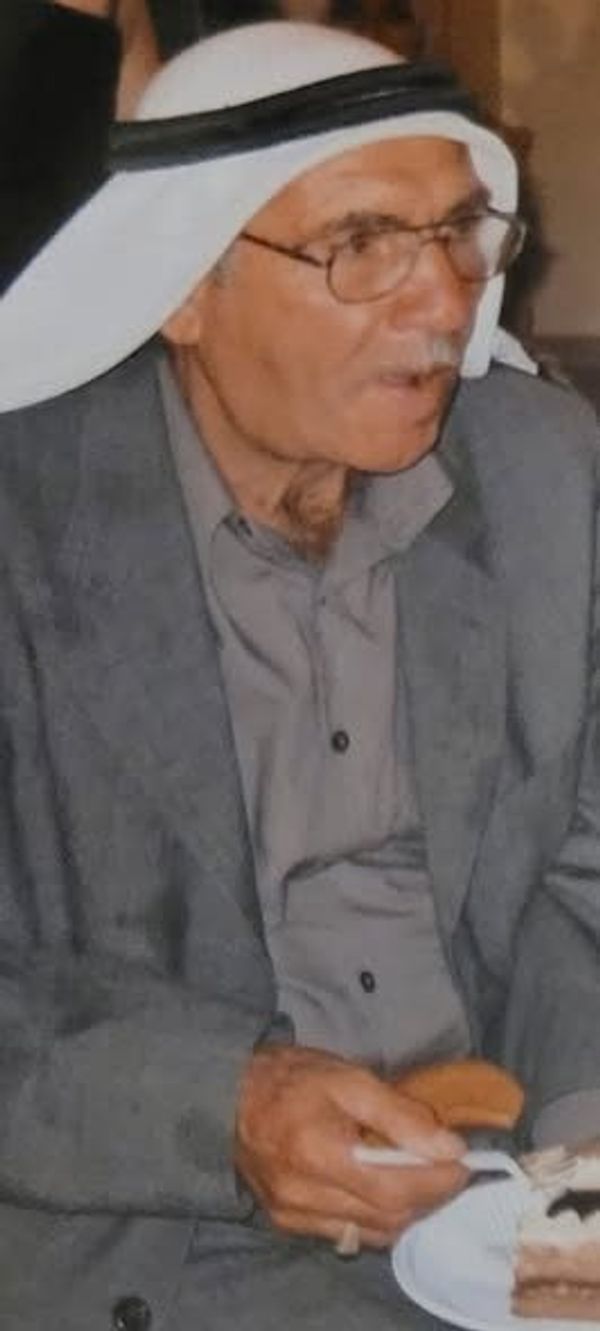
My martyred father, the kind-hearted Abdul Aziz Alian, Abu Mahmoud. Mahmoud waited a long time, and then the day came when his father-in-law, Mahmoud Al-Ghoul, passed away. Mahmoud was a role model, a support, and a father figure to my father, who never knew his own father. My grandfather, Saleh, passed away and was buried in the village of Hirbiya, 1.5 km from the Gaza border. My father migrated with the rest of his family to Gaza in 1948. His family was considered prominent in Hirbiya and owned a lot of land there. My grandfather's house was large and beautiful. He learned to read and write in the village and was responsible for his family's herd of cattle. When he migrated, he was 10 years old, leaving everything he, his mother, and the others owned behind. They never thought they would never return to their homes and the property they left behind. My father settled with my grandmother, Ghaliya, in Gaza City, where he took care of her. There was a significant age difference between my father and his brothers, as they were independent with their own families, some of whom were living in Egypt at the time. My father learned English when he worked at the YMCA as a young boy after immigrating. He earned a little money that helped him open his first business in the Shati refugee camp: a shop selling clothes, household items, sewing supplies, perfumes, and cosmetics. The handsome young man, who resembled a movie star of the time, became well-known in the area, especially among the women. He was famous for his good manners and high morals; he never strayed from the right path, which increased his standing, respect, and popularity. When my grandmother asked for my mother Zainab's hand in marriage, Zainab refused until she saw the groom herself. How we laughed when he told us about that day... the day she came to his shop with her aunt and cousin, who were close in age and very close friends. They came under the pretext of buying things, and my mother would ask him to get this or that item from the upper shelves, all the while exchanging knowing glances and giggles!
My father was blessed with eight daughters in a row, and then three sons. He never complained about having daughters; on the contrary, he treated us like boys. He relied on my sisters to manage the shop. Reserving and bringing in the various goods was my sister Jihan's job. We took turns working in the shop, sometimes with him and sometimes without. He divided his time between the land my mother inherited and his shop, but he loved the land more. The orchard was the cure for a child forced to leave his land and his family's orchard. He never felt there was a difference between girls and boys, except in how society viewed him, especially those close to him who treated him as if he were incomplete, without support or strength, because of his eight daughters!
My father took good care of us. He gave us the freedom to work and deal with men in buying and selling. By God, he was very protective of us and shielded us with his arms from a harsh society that treated women as inferior. We wore the best and latest clothes and ate the finest foods. How beautiful were the long winter nights when we huddled around the fire, roasting chestnuts or eating nutritious black raisins while watching television together. He was keen for us to learn and always go to school; education was his main concern. During the First Intifada, I was in high school with my sister Aya. Even during curfews, he would watch the street to make sure it was clear of occupation soldiers and then take us to school. He sold his shop and bought the house next to ours so my sister Lubna could open a charitable project there—a kindergarten. He and my mother were our support, protection, and safety, instilling in us the same spirit of resistance and pride. Lubna, the eldest, was arrested twice by the Israeli occupation, which only strengthened their resolve and encouraged the rest of us to follow the same path. He never forced any of us to do anything we didn't want or forced us into marriage (except for the first time, which was a training exercise for my father, and Lubna was the scapegoat from which my father learned many lessons). He loved his sons and daughters dearly, and what he loved most was that we visited them daily. He never tired of visiting my married sisters or his sons and daughters who lived in their grandparents' house. On the contrary, he would call us and them, asking, "Where are you? Why didn't you come today?" The grandchildren have countless memories of him; they can recount them later. My handsome father was deeply in love with my mother. They were two completely different personalities, but he always consulted her and took her opinion into consideration. During the war, he stayed with the men on the ground floor, and my mother stayed on the second floor with the women. My mother couldn't go downstairs because of the pain in her knees, so she would sit on the veranda and look out at him. He would see her and they would talk until they were tired. One day, she didn't appear as usual, so he asked my brothers to carry him to her. He was very worried about her and afraid that he would die without seeing her and saying goodbye. May God have mercy on you, my martyred father, the most wonderful father with the kindest heart, so easily moved to tears. You were buried with your beloved in the same grave.
Farewell, pride of fathers. Happy birthday, my beloved. Today is your eighty-fourth birthday. You loved for us to gather and celebrate with you, and today they celebrate you in Paradise. Don't worry, Father, you won't be alone. You have more with you now than there were left here... Take care of them, Father, and wait for us, for we long to see you.
Content:
ابي الشهيد ..طيب القلب عبد العزيز عليان. ابو محمود. انتظر محمود طويلا فجاء يوم غادر حماه محمود الغول.. الذي كان قدوة وسند واب لأبي الذي لم ير اباه حيث توفي جدي صالح ودفن في قرية هربيا التي تبعد ١.٥ كم عن حدود غزة. هاجر ابي مع من تبقى من عاءلته الى غزة في عام ١٩٤٨. كانت عاءلته تعتبر من أعيان هربيا وتملك الكثير من الأراضي هناك وبيت جدي كان كبيرا وجميلا . تعلم القراءة والكتابة في البلد وكان مسؤولا عن قطيع الأبقار التي تمتلكه عاءلته. عندما هاجر، كان عمره ١٠ سنوات، ترك كل ما يملك هو ووالدته والآخرين هناك. لم يعتقدوا ابدا انهم لن يعودوا يوما الى ديارهم واملاكهم التي تركوها خلفهم. استقر ابي مع ستي غالية في مدينة غزة، حيث تولى رعايتها. فرق السن بين ابي واخوته كان كبيرا، حيث كان إخوانه مستقلين مع عاءلاتهم ومنهم من كان يقيم في مصر انذاك.
ابي تعلم اللغة الانجليزية حيث عمل في جمعيةYMCA وهو صبي صغير بعد الهجرة، وجنى القليل من المال الذي ساعده في فتح مشروعه الأول في مخيم الشاطيء، محل ملابس، وادوات منزلية وكل مواد الحياكة، ايضا العطور وادوات الزينة. فالشهر الشاب الوسيم الذي كان يشبه ممثلين السينما في ذلك الوقت في المنطقة وبين النساء خاصة. اشتهر بادبه وخلقه العالي فلم يقع ابدا بالرذيلة مما زاد من مكانته واحترامه وشهرته بين الناس. عندما طلبت جدتي يد امي زينب للزواج، لم ترضى زينب قبل أن ترى العريس بنفسها. كم ضحكا وهو يخبرنا عن ذاك اليوم... يوم أتت الى محله برفقة عمتها وابنه عمها المتقاربات سنا وكانوا صديقات حميمات، أتين الى المحل بحجة الشراء وامي تطلب منه أن يحضر هذا وذاك الشيء احيانا من رفوف عليا، وهن يتغامزن ويضحكن!
ابي رزق بثماني بنات متتاليات ثم رزق بثلاثة ابناء . لم يشتكي يوما من خلفة البنات بل كان يعاملنا معاملة الصبيان. حيث اعتمد على اخواتي في إدارة المحل، حجز وإحضار البضاعة المختلفة كانت مهمة اختي الشهبيدة جيهان . كنا نتناوب على الوقوف بالمحل والبيع معه أو بدونه. وزع وقته بين الأرض التي ورثتها امي ومحله، لكنه كان يعشق الأرض اكثر. كانت البيارة هي الدواء الشافي لطفل اجبر على مغادرة أرضه وبيارتهم. لم يحس ابدا ان هناك فرق بين البنات والأولاد الا في نظرة المجتمع له وخاصة المقربون الذين عاملوه كأنه ناقص بلا ظهر ولا سند بسبب البنات الثمانية!
اهتم ابي بنا جيدا حيث كان يعطينا الحرية للعمل والتعامل مع الرجال في البيع والشراء ولله كان يخاف علينا جدا ويحوطنا بذراعيه حماية من مجتمع شرس يعامل المرأة بدرجة أدنى. حيث لبسنا افضل وأحدث الملابس؟ وناكل افضل الماكولات. ليالي الشتاء الطويلة ما اجملها حين نلتف حول نار الكانون نشوي الكستناء، أو ناكل الزبيب الأسود المغذي ونحن نتفرج على التلفاز سوية. اهتم بأن نتعلم ونذهب الى المدرسة داءما، كان التعليم شغله الشاغل. بالانتفاضة الأولى كنت في المرحلة الثانوية مع اختي اية ، حتى اثناء منع التجوال كان يراقب الشارع ويتأكد من خلوه من جنود الاحتلال ويخرجنا الى المدرسة. باع المحل واشترى المنزل المجاور لبيتنا لتفتح اختي لبنى فيه مشروعا خيريا، عبارة عن روضة للاطفال، كان مع امي هما السند والحماية والامان، حيث بثا فينا نفس النضال والكبرياء. اعتقلت لبنى الكبيرة مرتين من قبل الاحتلال الاسرائيلي، فزادا من دعمهما وشجعا البقية على السير على نفس النهج. لم يجبر اي واحدة منا على فعل ما لا تريده او اجبارها على زواج بالاكراه( بإستثناء المرة الأولى التي كانت تدريب لأبي ولبنى كانت كبش الفداء التي بعدها تعلم منها ابي الكثير من الدروس)
كان يحب أبناءه وبناته حبا جما، وأكثر ما احبه أن نزورهم يوميا ودائما، لم يتعب من زيارة اخواتي المتزوجات ولا من أبناءه وبناتهم المقيمين في بيت ستهم وسيدهم، على العكس تماما كان يتصل بنا وبهم أين أنتم... لماذا لم تاتوا اليوم... للاحفاد ذكريلدات لل تحصى.. لهم ان يذكروها لاحقا..
ابي الوسيم كان عاشقا لامي، شخصيتان مختلفتان تماما في الطباع، لكنه كان يستشيرها وياخد برايها داءما بعين الاعتبار. في الحرب كان يقيم مع الرجال في الطابق الارضي، وامي في الطابق الثاني مع النساء. لم تقوى امي على النزول لالم في ركبتيها، فكانت تجلس على الرندة وتطل عليه، فيراها ويتحدثا معا حتى يتعبا، لم تظهر في يوم كما كانت هي معتادة، فطلب من اخوتي أن يحملوه لها. خاف عليها كثيرا وخاف أن يموت بدون أن يراها ويودعها. رحمك الله يا ابي الشهيد، يا اجمل اب ذو القلب الطيب، تتاثر سريعا وتبكي من شدة التأثر. دفنت مع حبيبتك في قبر واحد
مع السلامة يا فخر الآباء. كل عام وانت بخير يا حبيب الروح اليوم عيد ميلادك الرابع وثمانون عاما. كنت تحب أن نجتمع ونحتفل معك واليوم يحتفلون بك بالجنة. لا تقلق يا ابي، لن تكون وحيدا. فمعك الان اكثر مما بقي هنا... اعتني بهم يا ابي وانتظرنا فنحن بشوق لرؤياكم
Images: 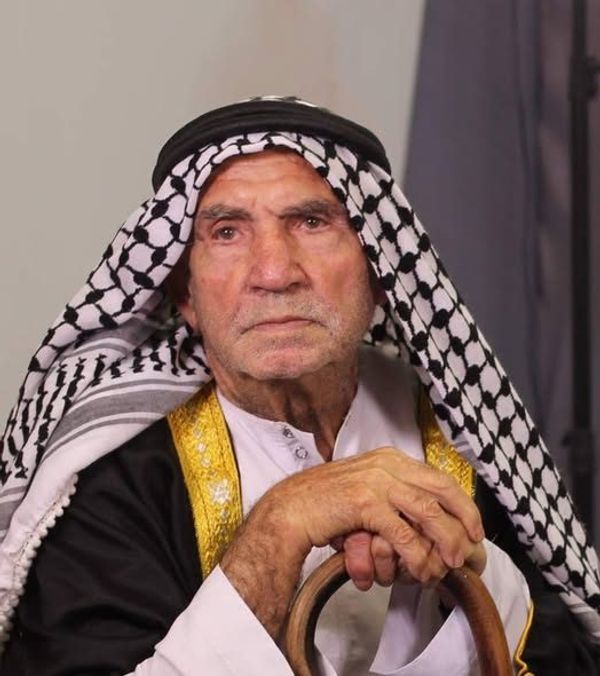
Additional Details
Captured Date
2026-06-29T11:53:14.000Z
Captured Post ID
pfbid02spHF9vjKUZAaxNNqS6LnCLgpYyqsYq3bpf5J8pXsmJT48JRJtBDGgzoSVg7hLCvfl
Language
Arabic
Incident