Source
Captured Post Date: 2026-04-01 12:43:59
Translated Author: Iran Kurdistan Human Rights Watch
Author: دیدبان حقوق بشر کردستان ایران
Translated Content:
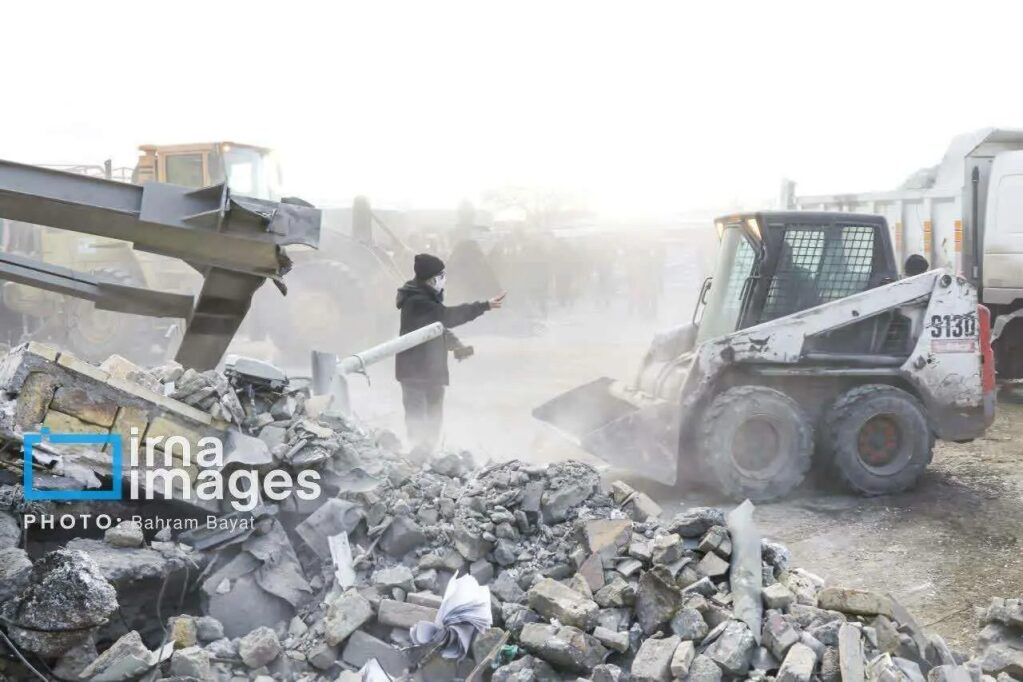
According to local reports on April 11, 2021, airstrikes attributed to the United States and Israel targeted water transmission facilities on the Naftshahr road in Qasr-e-Shirin city. The attack destroyed the administrative, technical, and equipment buildings of a contracting company active in the “tropical system project.” One civilian employee was killed and eight others were injured in the incident. From the perspective of international humanitarian law (IHL), these facilities are classified as vital civilian infrastructure that has no military use.
Violation of the Fundamental Rules of the Law of Armed Conflict
Targeting the Qasr-e-Shirin water supply project is a clear violation of international treaties based on the following principles: Violation of the Principle of Distinction: According to Article 48 of Additional Protocol I (1977), parties to a conflict are required to distinguish between military objectives and civilian objects. Attacking a water supply contractor is a deliberate departure from this legal obligation. Invulnerability of civilian infrastructure (Article 52 of the Additional Protocol): This article prohibits any attack or reprisal against civilian objects. Water supply installations are particularly protected because of their direct link to the survival of the civilian population. Prohibition of attacks on civilians (Article 51): Directly targeting technical and administrative personnel not taking part in the hostilities violates the inherent right to life and the protective rules of IHL. Assessment in the context of international criminal law According to Article 8 of the Rome Statute (International Criminal Court – ICC), in particular in paragraph 2 (b) (i) and (ii), an intentional attack directed against the civilian population or against civilian objects not considered military objectives is classified as a “war crime”. The destruction of water transmission facilities that were being built to meet the basic needs of the region is a clear example of targeting protected property. Legal Conclusion The attack on the Qasr-e-Shirin water transmission facility, due to the civilian nature of the target and the status of its personnel, is a gross violation of the four Geneva Conventions. Under the doctrine of “international state responsibility,” the acting governments are legally responsible for the deprivation of the right to life of the personnel and compensation for the damage caused to the vital infrastructure of Kermanshah province.
Violation of the Fundamental Rules of the Law of Armed Conflict
Targeting the Qasr-e-Shirin water supply project is a clear violation of international treaties based on the following principles: Violation of the Principle of Distinction: According to Article 48 of Additional Protocol I (1977), parties to a conflict are required to distinguish between military objectives and civilian objects. Attacking a water supply contractor is a deliberate departure from this legal obligation. Invulnerability of civilian infrastructure (Article 52 of the Additional Protocol): This article prohibits any attack or reprisal against civilian objects. Water supply installations are particularly protected because of their direct link to the survival of the civilian population. Prohibition of attacks on civilians (Article 51): Directly targeting technical and administrative personnel not taking part in the hostilities violates the inherent right to life and the protective rules of IHL. Assessment in the context of international criminal law According to Article 8 of the Rome Statute (International Criminal Court – ICC), in particular in paragraph 2 (b) (i) and (ii), an intentional attack directed against the civilian population or against civilian objects not considered military objectives is classified as a “war crime”. The destruction of water transmission facilities that were being built to meet the basic needs of the region is a clear example of targeting protected property. Legal Conclusion The attack on the Qasr-e-Shirin water transmission facility, due to the civilian nature of the target and the status of its personnel, is a gross violation of the four Geneva Conventions. Under the doctrine of “international state responsibility,” the acting governments are legally responsible for the deprivation of the right to life of the personnel and compensation for the damage caused to the vital infrastructure of Kermanshah province.
Content:
بر اساس گزارشهای محلی مورخ ۱۱ فروردین ۱۴۰۵، حملات هوایی انتسابی به آمریکا و اسرائیل، تأسیسات انتقال آب در مسیر جاده نفتشهر شهرستان قصرشیرین را هدف قرار دادند. این حمله ساختمان اداری، فنی و تجهیزات شرکت پیمانکاری فعال در «طرح سامانه گرمسیری» را ویران کرده است. در جریان این رخداد، یک تن از کارکنان غیرنظامی جان خود را از دست داده و هشت نفر دیگر مجروح شدهاند. از منظر حقوق بینالملل بشردوستانه (IHL)، این تأسیسات در زمره زیرساختهای حیاتی غیرنظامی (Civilian Infrastructure) قرار دارند که فاقد هرگونه کاربری نظامی هستند.
نقض قواعد بنیادین حقوق مخاصمات مسلحانه
هدف قرار دادن پروژه آبرسانی قصرشیرین، نقض صریح معاهدات بینالمللی است که بر محورهای زیر استوار است:نقض اصل تفکیک (Principle of Distinction): مطابق ماده ۴۸ پروتکل الحاقی اول (۱۹۷۷)، طرفهای مخاصمه موظف به تمایز مطلق میان اهداف نظامی و اموال غیرنظامی هستند. حمله به یک شرکت پیمانکاری آبرسانی، خروج عمدی از این تکلیف حقوقی است.مصونیت زیرساختهای غیرنظامی (ماده ۵۲ پروتکل الحاقی): این ماده هرگونه حمله یا اقدام تلافیجویانه علیه اموال غیرنظامی را ممنوع میکند. تأسیسات آبرسانی به دلیل پیوند مستقیم با بقای جمعیت غیرنظامی، از حمایت ویژه برخوردارند. ممنوعیت حمله به غیرنظامیان (ماده ۵۱): هدف قرار دادن مستقیم پرسنل فنی و اداری که در مخاصمه مشارکت ندارند، نقض حق ذاتی حیات و قواعد حمایتی IHL است. ارزیابی در چارچوب حقوق کیفری بینالمللیمطابق ماده ۸ اساسنامه رم (دیوان کیفری بینالمللی – ICC)، بهویژه در بند ۲ (ب) (i) و (ii)، حمله عمدی علیه جمعیت غیرنظامی یا علیه اموال غیرنظامی که هدف نظامی محسوب نمیشوند، در زمره «جنایات جنگی» (War Crimes) طبقهبندی میشود. تخریب تجهیزات انتقال آب که به منظور تأمین نیازهای اساسی منطقه در حال احداث بوده، مصداق بارز هدف قرار دادن اموال حفاظتشده است.نتیجهگیری حقوقیحمله به تأسیسات انتقال آب قصرشیرین، به دلیل ماهیت غیرنظامی هدف و وضعیت کارکنان آن، نقض فاحش کنوانسیونهای چهارگانه ژنو است. دولتهای عامل طبق دکترین «مسئولیت بینالمللی دولتها»، ملزم به پاسخگویی حقوقی در قبال سلب حق حیات کارکنان و جبران خسارات وارده به زیرساختهای حیاتی استان کرمانشاه هستند.
نقض قواعد بنیادین حقوق مخاصمات مسلحانه
هدف قرار دادن پروژه آبرسانی قصرشیرین، نقض صریح معاهدات بینالمللی است که بر محورهای زیر استوار است:نقض اصل تفکیک (Principle of Distinction): مطابق ماده ۴۸ پروتکل الحاقی اول (۱۹۷۷)، طرفهای مخاصمه موظف به تمایز مطلق میان اهداف نظامی و اموال غیرنظامی هستند. حمله به یک شرکت پیمانکاری آبرسانی، خروج عمدی از این تکلیف حقوقی است.مصونیت زیرساختهای غیرنظامی (ماده ۵۲ پروتکل الحاقی): این ماده هرگونه حمله یا اقدام تلافیجویانه علیه اموال غیرنظامی را ممنوع میکند. تأسیسات آبرسانی به دلیل پیوند مستقیم با بقای جمعیت غیرنظامی، از حمایت ویژه برخوردارند. ممنوعیت حمله به غیرنظامیان (ماده ۵۱): هدف قرار دادن مستقیم پرسنل فنی و اداری که در مخاصمه مشارکت ندارند، نقض حق ذاتی حیات و قواعد حمایتی IHL است. ارزیابی در چارچوب حقوق کیفری بینالمللیمطابق ماده ۸ اساسنامه رم (دیوان کیفری بینالمللی – ICC)، بهویژه در بند ۲ (ب) (i) و (ii)، حمله عمدی علیه جمعیت غیرنظامی یا علیه اموال غیرنظامی که هدف نظامی محسوب نمیشوند، در زمره «جنایات جنگی» (War Crimes) طبقهبندی میشود. تخریب تجهیزات انتقال آب که به منظور تأمین نیازهای اساسی منطقه در حال احداث بوده، مصداق بارز هدف قرار دادن اموال حفاظتشده است.نتیجهگیری حقوقیحمله به تأسیسات انتقال آب قصرشیرین، به دلیل ماهیت غیرنظامی هدف و وضعیت کارکنان آن، نقض فاحش کنوانسیونهای چهارگانه ژنو است. دولتهای عامل طبق دکترین «مسئولیت بینالمللی دولتها»، ملزم به پاسخگویی حقوقی در قبال سلب حق حیات کارکنان و جبران خسارات وارده به زیرساختهای حیاتی استان کرمانشاه هستند.
Images:
Additional Details
Captured Date
2026-04-23 09:47:55
Captured Post ID