Source
Captured Post Date: 2026-03-18 11:18:27
Translated Author: Sayyedeh Fatemeh Sadat Kiai
Author: سیده فاطمه سادات کیایی
Translated Content:
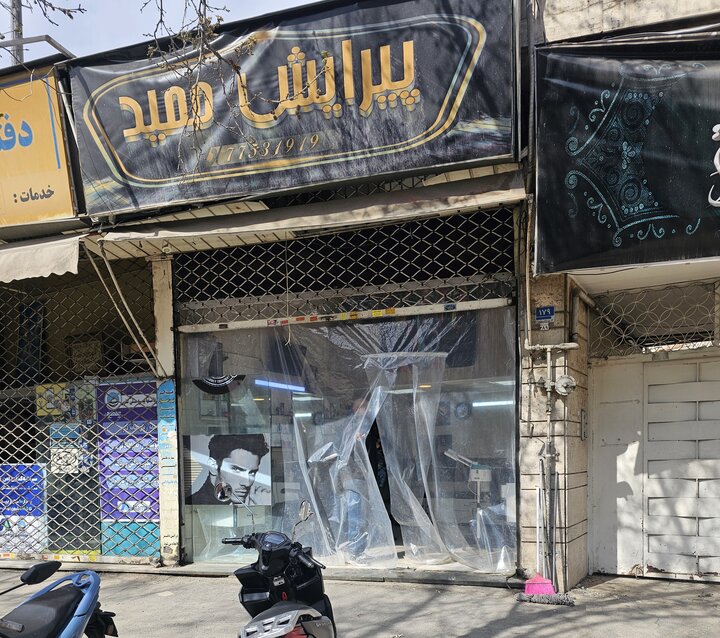
I walk from Shuhada Square to Absardar intersection. The street is busy and the shops are open. Since a few days ago, when one of the houses in this area was hit, you can still see the broken glass of the shops and the house on the floor of the street. In this situation, reason says to close the shutters of your shop and start a business when the situation calms down, but the heart says that life continues under the missile attack. Don't people want pickles and olives under bombardment? Or is it that no one is supposed to go to the barber shop in the days leading up to Eid, so both the pickle shop and the barber shop are open!
As the young boy sweeps the remaining broken glass out of his shop with a broom, he greets his new customer, replacing the broken glass with plastic.
When I see the Iran sign on the wall, my heart trembles. What happened to this neighborhood is the same thing that has affected the entire homeland, claimed the lives of the children of Minab, dumped rubble on the heads of Tehranians, and destroyed the historical monuments of Isfahan. The aggressor doesn't care who belongs to which neighborhood, city, or village, he hits everyone. I walk down the street until the smell of bulldozers and dirt fills my ears and nose. I turn into a side alley until the dirt and dust no longer allow me to see in front of me. It takes a few seconds for me to see the image in front of me amidst this mass of dirt.
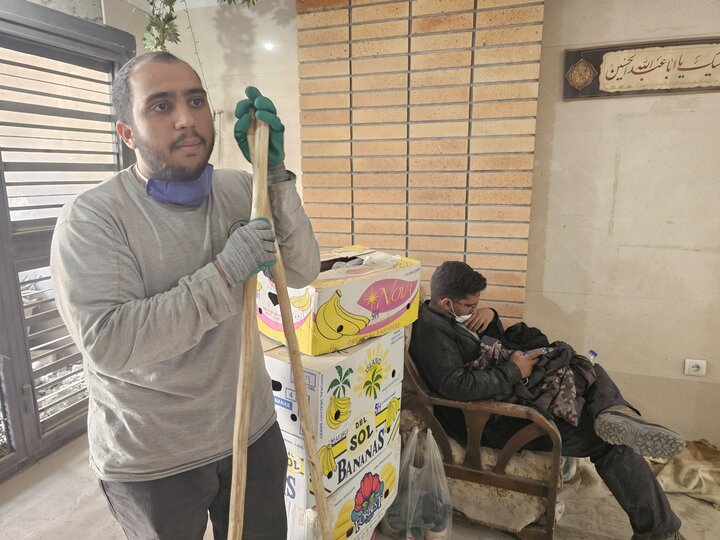
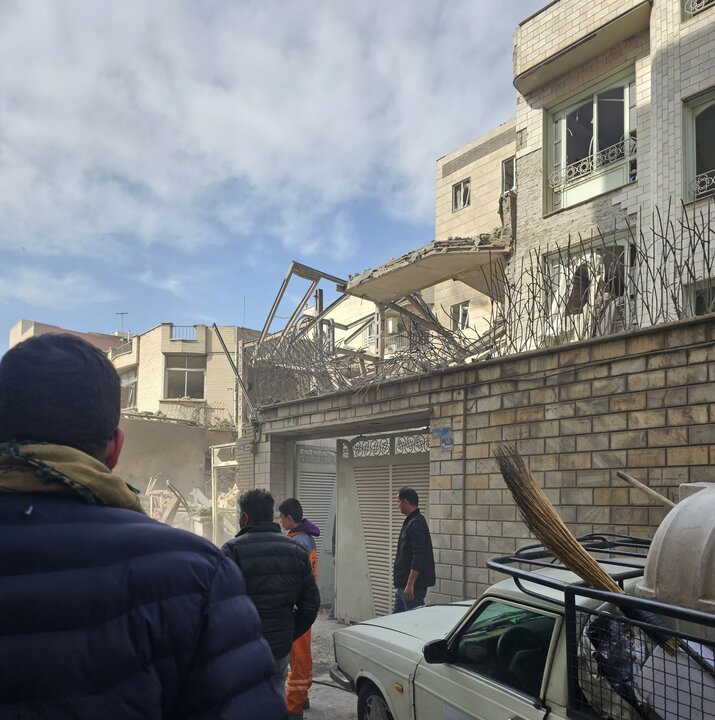
A young boy with a deep fryer in his hand emerges from the dust and a ruined house, behind him another person with a meat grinder, two people at a distance are holding a table and putting it in the back of a pickup truck, a house in a narrow alley is completely destroyed, the houses around and in front of it are also destroyed. A young boy wearing a robe and turban and holding a microphone from the sixties is telling the children behind a loudspeaker, "Move, we have a lot of work to do." I don't understand why he's saying this behind a loudspeaker when he can talk to the children like this and have his voice heard! Someone on the other side says: "Hajji, for God's sake, put that loudspeaker away." Hajji says as he holds the loudspeaker in front of his mouth, "I want to, but it won't turn off." Haji and the other children who are constantly coming out of the houses and going back in with tools are a group of jihadists who are helping the residents of the houses destroyed by Trump-sponsored bombs during these difficult days. All of them have been asking to come to Tehran since the beginning of the war, most of them young, and at most 24-25 years old. I soon learn that a group of about 10 students from Hamedan University have come to Tehran. Another 7-8 are students from the Qom Seminary. Mohammad Masih, one of the doctors, says with a shovel in his hand, “We are more than this, we are all students, each of us belongs to a city, and every morning we go to the area to clear the rubble from the areas that the enemy bombed last night.”
A few days ago, they were in Shahid Borujerdi Town, and a few days before that, Mirdamad, he says, the first people to see us are the ones who put up a guard, then when they see the children's efforts to help, they come to help themselves.
He says that the worst thing about these days of clearing rubble is seeing the dismembered bodies of people, sometimes their bodies thrown out several dozen meters from their houses. An old man is standing next to me, and when he hears our conversation, he takes out his phone, films Mohammad Masih, and asks questions about the children's jihadist activities like a journalist. War has turned everyone into a journalist, even those who are affected by the war like to create a role in the narrative field.
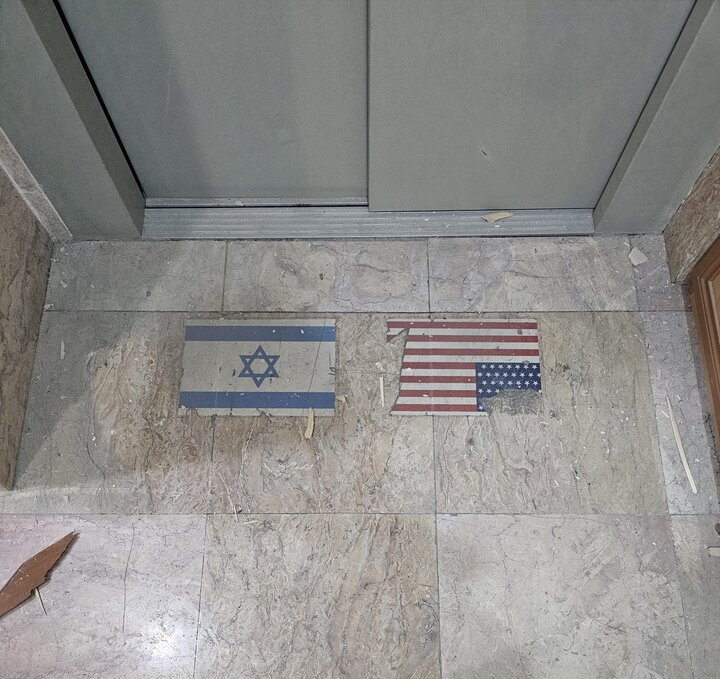
I climb the stairs one by one. I am standing in front of a house whose entrance is completely destroyed, this same house in front of the elevator, has American and Zionist flags painted on the floor, so that every time you use the elevator you have to perform a religious duty, to be free from the enemy. The jihadi kids are constantly moving things around, the landlord is busy with them. There is sadness on his face, but so is perseverance.
Another resident of the building comes over, I ask if any of the residents of the building were martyred?
_No, thank God
Who was martyred in the bombing?
Only one person, the caretaker of the same building that was hit by the bomb, was an Afghan. I think his body should be on the floor right now
One of the jihadi kids interrupts, _No, they took him away an hour ago.
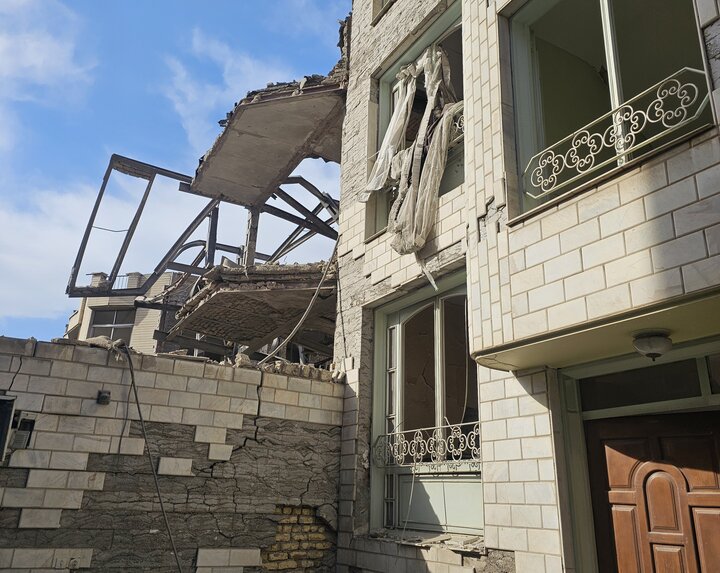
The bulldozer is constantly working and digging, the school, which is located near the houses and only its windows are down, has become a shelter for the local people's belongings, everything that has no shelter anywhere is taken to the school yard. From the outside, the houses look like jumbled signs that show the entire house, a house where life flows from a pot on the gas and you can see the torn curtains and the ruins of the walls and the deep damage from the war. The young woman who owns the house is taking pictures, I say, you need female help to pack your things, we are here, just a few minutes ago when we wanted to take a picture of her house, her husband did not allow it, now the woman was apologizing to us that her husband does not like to talk because of the stress she has put on, I say it is okay, they have five children. It was 3 pm when the house next to them was bombed, I say are the children okay? She says it is a miracle that we are all alive.
As the young boy sweeps the remaining broken glass out of his shop with a broom, he greets his new customer, replacing the broken glass with plastic.
When I see the Iran sign on the wall, my heart trembles. What happened to this neighborhood is the same thing that has affected the entire homeland, claimed the lives of the children of Minab, dumped rubble on the heads of Tehranians, and destroyed the historical monuments of Isfahan. The aggressor doesn't care who belongs to which neighborhood, city, or village, he hits everyone. I walk down the street until the smell of bulldozers and dirt fills my ears and nose. I turn into a side alley until the dirt and dust no longer allow me to see in front of me. It takes a few seconds for me to see the image in front of me amidst this mass of dirt.
A young boy with a deep fryer in his hand emerges from the dust and a ruined house, behind him another person with a meat grinder, two people at a distance are holding a table and putting it in the back of a pickup truck, a house in a narrow alley is completely destroyed, the houses around and in front of it are also destroyed. A young boy wearing a robe and turban and holding a microphone from the sixties is telling the children behind a loudspeaker, "Move, we have a lot of work to do." I don't understand why he's saying this behind a loudspeaker when he can talk to the children like this and have his voice heard! Someone on the other side says: "Hajji, for God's sake, put that loudspeaker away." Hajji says as he holds the loudspeaker in front of his mouth, "I want to, but it won't turn off." Haji and the other children who are constantly coming out of the houses and going back in with tools are a group of jihadists who are helping the residents of the houses destroyed by Trump-sponsored bombs during these difficult days. All of them have been asking to come to Tehran since the beginning of the war, most of them young, and at most 24-25 years old. I soon learn that a group of about 10 students from Hamedan University have come to Tehran. Another 7-8 are students from the Qom Seminary. Mohammad Masih, one of the doctors, says with a shovel in his hand, “We are more than this, we are all students, each of us belongs to a city, and every morning we go to the area to clear the rubble from the areas that the enemy bombed last night.”
A few days ago, they were in Shahid Borujerdi Town, and a few days before that, Mirdamad, he says, the first people to see us are the ones who put up a guard, then when they see the children's efforts to help, they come to help themselves.
He says that the worst thing about these days of clearing rubble is seeing the dismembered bodies of people, sometimes their bodies thrown out several dozen meters from their houses. An old man is standing next to me, and when he hears our conversation, he takes out his phone, films Mohammad Masih, and asks questions about the children's jihadist activities like a journalist. War has turned everyone into a journalist, even those who are affected by the war like to create a role in the narrative field.
I climb the stairs one by one. I am standing in front of a house whose entrance is completely destroyed, this same house in front of the elevator, has American and Zionist flags painted on the floor, so that every time you use the elevator you have to perform a religious duty, to be free from the enemy. The jihadi kids are constantly moving things around, the landlord is busy with them. There is sadness on his face, but so is perseverance.
Another resident of the building comes over, I ask if any of the residents of the building were martyred?
_No, thank God
Who was martyred in the bombing?
Only one person, the caretaker of the same building that was hit by the bomb, was an Afghan. I think his body should be on the floor right now
One of the jihadi kids interrupts, _No, they took him away an hour ago.
The bulldozer is constantly working and digging, the school, which is located near the houses and only its windows are down, has become a shelter for the local people's belongings, everything that has no shelter anywhere is taken to the school yard. From the outside, the houses look like jumbled signs that show the entire house, a house where life flows from a pot on the gas and you can see the torn curtains and the ruins of the walls and the deep damage from the war. The young woman who owns the house is taking pictures, I say, you need female help to pack your things, we are here, just a few minutes ago when we wanted to take a picture of her house, her husband did not allow it, now the woman was apologizing to us that her husband does not like to talk because of the stress she has put on, I say it is okay, they have five children. It was 3 pm when the house next to them was bombed, I say are the children okay? She says it is a miracle that we are all alive.
Content:
پیاده از میدان شهدا راهم را میکشانم به چهارراه آبسردار. خیابان شلوغ است و مغازه ها هم باز. از چند روز پیش که یکی از خانه های این منطقه را زدند هنوز کف خیابان میشود شیشه خورده مغازه ها و خانه را دید، در این شرایط عقل میگوید کرکره مغازه ات را بکش تا وقتی اوضاع آرام شود کاسبی را شروع کن، دل اما میگوید زندگی زیر موشک باران هم ادامه دارد، مردم زیر بمباران ترشی و زیتون نمیخواهند؟ یا قرار نیست کسی در دین روزهای نزدیک به عید سلمانی برود، پس هم ترشی فروشی باز است و هم سلمانی!
پسر جوان همینطور که مابقی شیشه خورده ها را با جارو از مغازهاش بیرون میریزد با مشتری جدیدش سلام و علیک میکند، جای شیشه های ریخته پلاستیک زده
تابلوی ایران را که روی دیوار میبینم دلم میلرزد، اتفاقی که برای این محله افتاده همان اتفاقی است که کل وطن را درگیر کرده، جان بچههای میناب را گرفته، آوار را روی سر تهرانیها ریخته، آثار تاریخی اصفهان را تخریب کرده. متجاوز کاری ندارد چه کسی برای کدام محله و شهر و روستاست، همه را میزند. خیابان را میروم پایین تا جایی که بولدوزر و بوی خاک گوش و مشامم را پر کند، میپیچم توی یکی از کوچه های فرعی تا آنجا که خاک و غبار دیگر اجازه دیدن مقابلم را نمیدهد، چند ثانیه طول میکشد تا در میان این حجم از خاک تصویر پیش رویم را ببینم.
یک پسر جوان با یک سرخ کن توی دستش از وسط غبار و خانه مخروبهای بیرون میآید، پشت سرش یک نفر دیگر با چرخ گوشت، دو نفر هم با فاصله دو سر میزی را گرفته اند و پشت وانت می گذارند، یک خانه در کوچهای تنگ به کلی ویران شده، خانههای اطراف و رو به رویش هم مخروبه شدند. پسر جوانی که عبا و عمامه به تن دارد و یک میکروفن دهه شصتی دستش گرفته، پشت بلندگو به بچهها میگوید، بجنبید خیلی کار داریم، نمیفهمم چرا این را پشت بلندگو میگوید وقتی میتواند با بچه ها همینجوری هم صحبت کند و صدایش برسد! یکی آنطرف میگوید: حاجی توروخدا اون بلندگورو بزار کنار، حاجی همینطور که بلندگو را جلوی دهانش گرفته میگوید: میخوام، ولی خاموش نمیشه.
حاجی و بچه های دیگری که مدام وسیله به دست از خانه های بیرون می آیند و دوباره داخل میشوند مجموعا چند گروه جهادی هستند که در این روزهای سخت، ساکنین خانه های تخریب شده از بمبهای کمک کننده ترامپ را یاری میکنند. همه شان از اول جنگ دلوطلب شدهاند بیایند تهران، اکثرا جوان و نهایتا ۲۴_۲۵ ساله. خیلی زود میفهمم یک گروه حدودا ۱۰ نفره از دانشجوهای دانشگاه همدان به تهران آمدهاند. ۷ ۸ نفر دیگر هم از طلبه های حوزه علمیه قم هستند. محمد مسیح یکی از طبیهها همینطور که بیل توی دستش است می گوید ما بیشتر از این هستیم، همه هم طلبه، هر کداممان مال یک شهریم و هر صبح برای آواربرداری از مناطقی که دیشب دشمن بمباران کرده عازم محل میشویم.
چند روز پیش شهرک شهید بروجردی بودند، چند روز قبلش هم میرداماد، تعریف میکند مردم اولی که ما را میبینند گارد میگیرند، بعد که تلاش بچه ها برای کمک رسانی را میبینند خودشان هم برای کم میآیند.
از بدترین اتفاق این روزهای آواربرداری میگوید که دیدن بدنهای تکه تکه شده آدمهایی است که بعضا پیکرهایشان تا چند ده متر از خانه ها به بیرون پرتاب شده است. کنار من پیرمردی هم ایستاده، صحبتهایمان را که میشنود گوشیاش را درمیاورد، از محمد مسیح فیلم میگیرد و مثل خبرنگارها از فعالیتهای جهادی بچه ها سوال میپرسد. جنگ همه را خبرنگار کرده، حتی آنهایی که آسیب دیده از جنگ هستند دوست دارند در میدان روایت نقشی بیافرینند.
پله ها را یکی یکی بالا میروم. جلوی در خانهای میایستم که در ورودی اش به کلی ویران شده، همین خانه جلوی اسانسور، روی زمین پرچم آمریکا و رژیمصهیونیستی را نقاشی کرده که هر بار برای استفاده از اسانسور یک فریضه دینی هم به جا بیاورد، برائت از دشمن. بچههای جهادی مدام در حال جا به جا کر ن وسائل اند، مرد صاحبخانه هم در کنار آنان مشغول است. در چهره اش ناراحتی هست اما استقامت هم همینطور.
یکی دیگر از اهالی ساختمان هم میآید، میپرسم کسی از اهالی ساختمان هم شهید شده؟
_نه الحمدالله
کلا تو بمباران کسی شهید شده؟
فقط یه نفر، سرایدار همون ساختمونی که بمب بهش خورده، بنده خدا افغانستانی بود. فکر کنم همین حالا پیکرش روی زمین باشه
یکی از بچه های جهادی وسط حرفش میپرد، _نه همین یک ساعت پیش بردنش.
بولدوزر مدام مشغول کار و خاک برداریست، مدرسه که نزدیکی خانه ها قرار دارد و فقط شیشه هایش پایین امده، شده سرپناه وسایل اهل محل، هرچیزی که از هرجایی پناهگاهی ندارد را میبرند در حیاط مدرسه. خانه ها از بیرون شبیه به تابلوهای درهمی هستند که تمام خانه را نشان میدهند، خانه ای که جریان زندگی را از قابلمه روی گاز میشود فهمید و از پرده پاره و ویرانه های دیوار و خرابی های عمیق زخم جنگ را دید. زن جوان صاحبخانه مشغول عکس رفتن است، میگویم برای جمع کردن وسایلت کمک زنانه میخواهی ما هستیم، همین چند دقیقه پیش که خواستیم از خانه اش عگس بگیریم همسرش اجازه نداد، حالا خانم از ما عذرخواهی میکرد که به خاطر استرسی که وارد شده همسرش دوست ندارد صحبت کند، میگویم اشکالی ندارد، پنج بچه دارند. ساعت ۳ ظهر بود که خانه کناریشان بمب خورد، میگویم بچه ها خوبند؟ میگوید معجزه بوده که همه زندهایم.
پسر جوان همینطور که مابقی شیشه خورده ها را با جارو از مغازهاش بیرون میریزد با مشتری جدیدش سلام و علیک میکند، جای شیشه های ریخته پلاستیک زده
تابلوی ایران را که روی دیوار میبینم دلم میلرزد، اتفاقی که برای این محله افتاده همان اتفاقی است که کل وطن را درگیر کرده، جان بچههای میناب را گرفته، آوار را روی سر تهرانیها ریخته، آثار تاریخی اصفهان را تخریب کرده. متجاوز کاری ندارد چه کسی برای کدام محله و شهر و روستاست، همه را میزند. خیابان را میروم پایین تا جایی که بولدوزر و بوی خاک گوش و مشامم را پر کند، میپیچم توی یکی از کوچه های فرعی تا آنجا که خاک و غبار دیگر اجازه دیدن مقابلم را نمیدهد، چند ثانیه طول میکشد تا در میان این حجم از خاک تصویر پیش رویم را ببینم.
یک پسر جوان با یک سرخ کن توی دستش از وسط غبار و خانه مخروبهای بیرون میآید، پشت سرش یک نفر دیگر با چرخ گوشت، دو نفر هم با فاصله دو سر میزی را گرفته اند و پشت وانت می گذارند، یک خانه در کوچهای تنگ به کلی ویران شده، خانههای اطراف و رو به رویش هم مخروبه شدند. پسر جوانی که عبا و عمامه به تن دارد و یک میکروفن دهه شصتی دستش گرفته، پشت بلندگو به بچهها میگوید، بجنبید خیلی کار داریم، نمیفهمم چرا این را پشت بلندگو میگوید وقتی میتواند با بچه ها همینجوری هم صحبت کند و صدایش برسد! یکی آنطرف میگوید: حاجی توروخدا اون بلندگورو بزار کنار، حاجی همینطور که بلندگو را جلوی دهانش گرفته میگوید: میخوام، ولی خاموش نمیشه.
حاجی و بچه های دیگری که مدام وسیله به دست از خانه های بیرون می آیند و دوباره داخل میشوند مجموعا چند گروه جهادی هستند که در این روزهای سخت، ساکنین خانه های تخریب شده از بمبهای کمک کننده ترامپ را یاری میکنند. همه شان از اول جنگ دلوطلب شدهاند بیایند تهران، اکثرا جوان و نهایتا ۲۴_۲۵ ساله. خیلی زود میفهمم یک گروه حدودا ۱۰ نفره از دانشجوهای دانشگاه همدان به تهران آمدهاند. ۷ ۸ نفر دیگر هم از طلبه های حوزه علمیه قم هستند. محمد مسیح یکی از طبیهها همینطور که بیل توی دستش است می گوید ما بیشتر از این هستیم، همه هم طلبه، هر کداممان مال یک شهریم و هر صبح برای آواربرداری از مناطقی که دیشب دشمن بمباران کرده عازم محل میشویم.
چند روز پیش شهرک شهید بروجردی بودند، چند روز قبلش هم میرداماد، تعریف میکند مردم اولی که ما را میبینند گارد میگیرند، بعد که تلاش بچه ها برای کمک رسانی را میبینند خودشان هم برای کم میآیند.
از بدترین اتفاق این روزهای آواربرداری میگوید که دیدن بدنهای تکه تکه شده آدمهایی است که بعضا پیکرهایشان تا چند ده متر از خانه ها به بیرون پرتاب شده است. کنار من پیرمردی هم ایستاده، صحبتهایمان را که میشنود گوشیاش را درمیاورد، از محمد مسیح فیلم میگیرد و مثل خبرنگارها از فعالیتهای جهادی بچه ها سوال میپرسد. جنگ همه را خبرنگار کرده، حتی آنهایی که آسیب دیده از جنگ هستند دوست دارند در میدان روایت نقشی بیافرینند.
پله ها را یکی یکی بالا میروم. جلوی در خانهای میایستم که در ورودی اش به کلی ویران شده، همین خانه جلوی اسانسور، روی زمین پرچم آمریکا و رژیمصهیونیستی را نقاشی کرده که هر بار برای استفاده از اسانسور یک فریضه دینی هم به جا بیاورد، برائت از دشمن. بچههای جهادی مدام در حال جا به جا کر ن وسائل اند، مرد صاحبخانه هم در کنار آنان مشغول است. در چهره اش ناراحتی هست اما استقامت هم همینطور.
یکی دیگر از اهالی ساختمان هم میآید، میپرسم کسی از اهالی ساختمان هم شهید شده؟
_نه الحمدالله
کلا تو بمباران کسی شهید شده؟
فقط یه نفر، سرایدار همون ساختمونی که بمب بهش خورده، بنده خدا افغانستانی بود. فکر کنم همین حالا پیکرش روی زمین باشه
یکی از بچه های جهادی وسط حرفش میپرد، _نه همین یک ساعت پیش بردنش.
بولدوزر مدام مشغول کار و خاک برداریست، مدرسه که نزدیکی خانه ها قرار دارد و فقط شیشه هایش پایین امده، شده سرپناه وسایل اهل محل، هرچیزی که از هرجایی پناهگاهی ندارد را میبرند در حیاط مدرسه. خانه ها از بیرون شبیه به تابلوهای درهمی هستند که تمام خانه را نشان میدهند، خانه ای که جریان زندگی را از قابلمه روی گاز میشود فهمید و از پرده پاره و ویرانه های دیوار و خرابی های عمیق زخم جنگ را دید. زن جوان صاحبخانه مشغول عکس رفتن است، میگویم برای جمع کردن وسایلت کمک زنانه میخواهی ما هستیم، همین چند دقیقه پیش که خواستیم از خانه اش عگس بگیریم همسرش اجازه نداد، حالا خانم از ما عذرخواهی میکرد که به خاطر استرسی که وارد شده همسرش دوست ندارد صحبت کند، میگویم اشکالی ندارد، پنج بچه دارند. ساعت ۳ ظهر بود که خانه کناریشان بمب خورد، میگویم بچه ها خوبند؟ میگوید معجزه بوده که همه زندهایم.
Images:
Additional Details
Captured Date
2026-04-27 12:58:23
Captured Post ID