Source
Captured Post Date:
Translated Author:
Author: Please enter your name here
Translated Content:
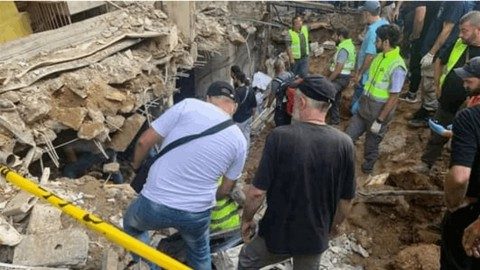
Beirut/Anadolu Agency (AFP) – Eleven people, including doctors, nurses, and paramedics, were killed and ten others wounded in Israeli airstrikes on Saturday targeting the towns of Taybeh and Deir Siryan in southern Lebanon.
The Lebanese National News Agency reported that “eleven people were killed and ten others, including doctors, nurses, and paramedics, were wounded in Israeli airstrikes that targeted Civil Defense centers and clinics belonging to the Islamic Health Authority in the towns of Taybeh and Deir Siryan in southern Lebanon,” without providing further details.
On Friday night/Saturday morning, towns in central, eastern, and southern Lebanon were subjected to Israeli airstrikes, described as the “most intense” since October 8, 2013, resulting in deaths and injuries.
This morning, Israel announced the assassination of Hezbollah Secretary-General Hassan Nasrallah in the airstrike that targeted the party's headquarters in Beirut's southern suburbs on Friday. An Israeli military spokesperson stated via X, “Hassan Nasrallah was killed,” but Hezbollah has not yet confirmed this.
– What is Nasrallah's fate?
“Hassan Nasrallah has been killed,” said Lieutenant Colonel Nadav Shoshani, a spokesman for the Israeli army, via the “X” platform on Saturday.
Another army spokesman, Captain David Abraham, confirmed to AFP the “elimination” of the Hezbollah secretary-general. However, a source close to Hezbollah in Beirut said that contact had been lost with Nasrallah since Friday evening.
Shortly after the airstrikes on Friday evening, a source close to Hezbollah confirmed that its secretary-general was “fine.” But on Saturday morning, another source close to the Iranian-backed party reported that contact had been lost with Hassan Nasrallah since Friday evening, without confirming his death.
The 64-year-old Hezbollah secretary-general has lived in hiding for many years and rarely appears in public.
– What happened on Friday?
Israel launched a series of airstrikes on Beirut’s southern suburbs on Friday evening, causing a massive explosion that reverberated throughout Beirut and its surroundings, sparking widespread panic and fear among residents. Local media broadcast live footage showing plumes of smoke rising from several locations in Beirut's southern suburbs.
The attack destroyed dozens of buildings, forced hundreds to flee, and left at least six people dead, according to a report from the Lebanese Ministry of Health.
The successive strikes created massive craters, some up to five meters in diameter, in the Haret Hreik area, according to an AFP photographer.
Residents told AFP they heard a series of explosions and that their homes shook as they occurred.
The Israeli army announced that it had "carried out a precision strike on the central headquarters of the Hezbollah terrorist organization in the southern suburbs" of Beirut.
According to Israeli army spokesman Daniel Hagari, the headquarters "is located beneath residential buildings in the heart of the southern suburbs of Beirut."
According to a source close to Hezbollah, the airstrikes targeted buildings located within a residential area that houses institutions, headquarters, and offices belonging to the party and its members of parliament.
– Intense Nighttime Bombardment
The bombardment of the southern suburbs continued overnight, and on Saturday morning, the Israeli army announced it had targeted Hezbollah positions in eastern Lebanon. Hundreds of families fled Beirut's southern suburbs overnight as Israeli airstrikes hit, after the Israeli army issued evacuation warnings to residents of some neighborhoods.
Men, women, and children gathered in Martyrs' Square in the city center and on the Ain al-Mreisseh Corniche, where they slept on the ground.
Hezbollah, for its part, announced that it had launched rockets at northern Israel on Saturday.
Since September 23, the Israeli army has been waging its "most intense and widespread" offensive against Lebanon since the start of the conflict with Hezbollah nearly a year ago. As of Friday morning, the offensive had resulted in 726 deaths, including children and women, and 2,173 injuries, according to Anadolu Agency's monitoring of Lebanese authorities' data.
The number of displaced persons registered in shelters approved by the National Operations Room in Lebanon reached 86,600 by Friday evening. The number of shelters reached 644, including public schools, educational complexes, vocational institutes, agricultural centers, and other facilities distributed across various governorates, according to the Lebanese government's Disaster Risk Management Unit. Since October 8, Lebanese and Palestinian factions in Lebanon, most notably Hezbollah, have been exchanging daily fire with the Israeli army across the Blue Line, resulting in hundreds of casualties, mostly on the Lebanese side.
We understand that not everyone can afford to read newspapers right now, so we have decided to keep our online newspaper, "Rai Al-Youm," open to everyone. To continue reading for free, we ask for your financial support to help us continue and maintain our independence. Thank you all.
For support:
Hezbollah severs ties with the three presidencies... A resounding Yemeni response... and a surprising, defiant appearance by Khamenei
The Lebanese National News Agency reported that “eleven people were killed and ten others, including doctors, nurses, and paramedics, were wounded in Israeli airstrikes that targeted Civil Defense centers and clinics belonging to the Islamic Health Authority in the towns of Taybeh and Deir Siryan in southern Lebanon,” without providing further details.
On Friday night/Saturday morning, towns in central, eastern, and southern Lebanon were subjected to Israeli airstrikes, described as the “most intense” since October 8, 2013, resulting in deaths and injuries.
This morning, Israel announced the assassination of Hezbollah Secretary-General Hassan Nasrallah in the airstrike that targeted the party's headquarters in Beirut's southern suburbs on Friday. An Israeli military spokesperson stated via X, “Hassan Nasrallah was killed,” but Hezbollah has not yet confirmed this.
– What is Nasrallah's fate?
“Hassan Nasrallah has been killed,” said Lieutenant Colonel Nadav Shoshani, a spokesman for the Israeli army, via the “X” platform on Saturday.
Another army spokesman, Captain David Abraham, confirmed to AFP the “elimination” of the Hezbollah secretary-general. However, a source close to Hezbollah in Beirut said that contact had been lost with Nasrallah since Friday evening.
Shortly after the airstrikes on Friday evening, a source close to Hezbollah confirmed that its secretary-general was “fine.” But on Saturday morning, another source close to the Iranian-backed party reported that contact had been lost with Hassan Nasrallah since Friday evening, without confirming his death.
The 64-year-old Hezbollah secretary-general has lived in hiding for many years and rarely appears in public.
– What happened on Friday?
Israel launched a series of airstrikes on Beirut’s southern suburbs on Friday evening, causing a massive explosion that reverberated throughout Beirut and its surroundings, sparking widespread panic and fear among residents. Local media broadcast live footage showing plumes of smoke rising from several locations in Beirut's southern suburbs.
The attack destroyed dozens of buildings, forced hundreds to flee, and left at least six people dead, according to a report from the Lebanese Ministry of Health.
The successive strikes created massive craters, some up to five meters in diameter, in the Haret Hreik area, according to an AFP photographer.
Residents told AFP they heard a series of explosions and that their homes shook as they occurred.
The Israeli army announced that it had "carried out a precision strike on the central headquarters of the Hezbollah terrorist organization in the southern suburbs" of Beirut.
According to Israeli army spokesman Daniel Hagari, the headquarters "is located beneath residential buildings in the heart of the southern suburbs of Beirut."
According to a source close to Hezbollah, the airstrikes targeted buildings located within a residential area that houses institutions, headquarters, and offices belonging to the party and its members of parliament.
– Intense Nighttime Bombardment
The bombardment of the southern suburbs continued overnight, and on Saturday morning, the Israeli army announced it had targeted Hezbollah positions in eastern Lebanon. Hundreds of families fled Beirut's southern suburbs overnight as Israeli airstrikes hit, after the Israeli army issued evacuation warnings to residents of some neighborhoods.
Men, women, and children gathered in Martyrs' Square in the city center and on the Ain al-Mreisseh Corniche, where they slept on the ground.
Hezbollah, for its part, announced that it had launched rockets at northern Israel on Saturday.
Since September 23, the Israeli army has been waging its "most intense and widespread" offensive against Lebanon since the start of the conflict with Hezbollah nearly a year ago. As of Friday morning, the offensive had resulted in 726 deaths, including children and women, and 2,173 injuries, according to Anadolu Agency's monitoring of Lebanese authorities' data.
The number of displaced persons registered in shelters approved by the National Operations Room in Lebanon reached 86,600 by Friday evening. The number of shelters reached 644, including public schools, educational complexes, vocational institutes, agricultural centers, and other facilities distributed across various governorates, according to the Lebanese government's Disaster Risk Management Unit. Since October 8, Lebanese and Palestinian factions in Lebanon, most notably Hezbollah, have been exchanging daily fire with the Israeli army across the Blue Line, resulting in hundreds of casualties, mostly on the Lebanese side.
We understand that not everyone can afford to read newspapers right now, so we have decided to keep our online newspaper, "Rai Al-Youm," open to everyone. To continue reading for free, we ask for your financial support to help us continue and maintain our independence. Thank you all.
For support:
Hezbollah severs ties with the three presidencies... A resounding Yemeni response... and a surprising, defiant appearance by Khamenei
Content:
بيروت/ الأناضول-(أ ف ب)- استشهد 11 شخصا وأصيب 10 آخرون، بين أطباء وممرضين ومسعفين، جراء غارات جوية إسرائيلية، السبت، على بلدتي الطيبة ودير سريان جنوب لبنان.
وذكرت وكالة الأنباء اللبنانية أن “11 شخصا استشهدوا وأصيب 10 آخرون من الأطباء والممرضين والمسعفين جراء غارات جوية إسرائيلية استهدفت مراكز ومستوصف الدفاع المدني في الهيئة الصحية الإسلامية في بلدتي الطيبة ودير سريان جنوب لبنان”، دون ذكر تفاصيل أكثر.
وليل الجمعة/ السبت، تعرضت بلدات بوسط وشرق وجنوب لبنان، لغارات جوية إسرائيلية تعد “الأعنف” منذ 8 أكتوبر/ تشرين الأول 2023، ما أدى لسقوط قتلى وجرحى.
وصباح اليوم، أعلنت إسرائيل اغتيال الأمين العام لحزب الله حسن نصرالله السبت في الغارة التي استهدفت الجمعة مقر قيادة الحزب في ضاحية بيروت الجنوبية. وقال الناطق باسم الجيش عبر “إكس”، “حسن نصرالله قتل” إلا أن الحزب لم يؤكد ذلك بعد.
– ما هو مصير نصرالله؟
قال الناطق باسم الجيش اللفتنانت كولونيل ناداف شوشاني عبر منصة “إكس” السبت “حسن نصرالله قتل”.
وأكد ناطق آخر باسم الجيش الكابتن دافيد أبراهام لوكالة فرانس برس “القضاء” على الأمين العام لحزب الله. في المقابل، قال مصدر مقرب من حزب الله في بيروت إن”الاتصال فقد” بنصرالله منذ مساء الجمعة.
وبعيد تلك الغارات مساء الجمعة، أكد مصدر مقرب من حزب الله أن أمينه العام “بخير”. لكن صباح السبت، أفاد مصدر آخر مقرب من الحزب المدعوم من إيران بأن الاتصال “فُقد” مع حسن نصرالله منذ مساء الجمعة، من دون تأكيد مقتله.
ويعيش الأمين العام لحزب الله البالغ 64 منذ سنوات طويلة في الخفاء ونادرا ما يظهر في الأماكن العامة.
– ماذا جرى الجمعة؟
شنّت إسرائيل سلسلة غارات على ضاحية بيروت الجنوبية مساء الجمعة، ما أحدث دويا هائلا تردد صداه في بيروت ومحيطها، وأثار حالة من الرعب والهلع لدى السكان.
بثّت وسائل إعلام محلية مشاهد مباشرة أظهرت أعمدة دخان تتصاعد من مواقع عدة في الضاحية الجنوبية.
دمّر الهجوم عشرات المباني ودفع مئات الأشخاص إلى الفرار وخلف ستة قتلى على الأقل، بحسب تقرير صادر عن وزارة الصحة اللبنانية.
وأحدثت الضربات المتتالية حفرا ضخمة يصل قطرها إلى خمسة أمتار في منطقة حارة حريك، وفق ما أفاد مصوّر وكالة فرانس برس.
وروى سكان في المنطقة لوكالة فرانس برس سماعهم انفجارات متلاحقة وأن بيوتهم “اهتزت” بهم أثناء حصولها.
وأعلن الجيش الإسرائيلي أنه “نفذ ضربة دقيقة على المقر المركزي لمنظمة حزب الله الإرهابية في الضاحية” الجنوبية لبيروت.
وبحسب المتحدث باسم الجيش الإسرائيلي دانيال هاغاري، فإن المقر “موجود تحت مبان سكنية في قلب الضاحية في بيروت”.
وبحسب المصدر المقرب من الحزب، استهدفت الغارات أبنية تقع ضمن منطقة سكنية تضم مؤسسات ومقرات ومكاتب تابعة للحزب ونوابه.
– قصف ليلي مكثّف
تواصل القصف على الضاحية الجنوبية خلال الليل، كما أعلن الجيش الإسرائيلي صباح السبت استهداف مواقع لحزب الله في شرق لبنان.
وفرّت مئات العائلات بشكل عاجل خلال الليل من الضاحية الجنوبية على وقع الغارات، بعدما أصدر الجيش الإسرائيلي إنذارات لسكان بعض أحياء الضاحية بالإخلاء.
وتجمّع رجال ونساء وأطفال في ساحة الشهداء في وسط العاصمة وعلى كورنيش عين المريسة، حيث افترشوا الأرض.
من جهته، أعلن حزب الله إطلاق صواريخ على شمال إسرائيل السبت.
ومنذ 23 سبتمبر/أيلول الجاري، يشن الجيش الإسرائيلي “أعنف وأوسع” هجوم على لبنان منذ بدء المواجهات مع “حزب الله” قبل نحو عام، أسفر حتى صباح الجمعة عن 726 شهيدا بينهم أطفال ونساء، و2173 جريحا، وفق رصد الأناضول لبيانات السلطات اللبنانية.
وبلغ عدد النازحين المسجلين في مراكز الإيواء المعتمدة من قبل غرفة العمليات الوطنية في لبنان حتى مساء الجمعة، 86 ألفا و600 نازح، فيما بلغ عدد مراكز الإيواء 644، تشمل مدارس رسمية ومجمعات تربوية ومعاهد مهنية ومراكز زراعية وغيرها موزعة في مختلف المحافظات، وفق وحدة إدارة مخاطر الكوارث بالحكومة اللبنانية.
ومنذ 8 أكتوبر، تتبادل فصائل لبنانية وفلسطينية في لبنان، أبرزها “حزب الله”، مع الجيش الإسرائيلي قصفا يوميا عبر “الخط الأزرق” الفاصل، أسفر عن مئات بين قتيل وجريح معظمهم بالجانب اللبناني.
ندرك جيدا أنه لا يستطيع الجميع دفع ثمن تصفح الصحف في الوقت الحالي، ولهذا قررنا إبقاء صحيفتنا الإلكترونية "راي اليوم" مفتوحة للجميع؛ وللاستمرار في القراءة مجانا نتمنى عليكم دعمنا ماليا للاستمرار والمحافظة على استقلاليتنا، وشكرا للجميع
للدعم:
حزب الله يفك الارتباط مع الرئاسات الثلاث.. رد يمني مزلزل.. وظهور مفاجئ متحد لخامنئي
وذكرت وكالة الأنباء اللبنانية أن “11 شخصا استشهدوا وأصيب 10 آخرون من الأطباء والممرضين والمسعفين جراء غارات جوية إسرائيلية استهدفت مراكز ومستوصف الدفاع المدني في الهيئة الصحية الإسلامية في بلدتي الطيبة ودير سريان جنوب لبنان”، دون ذكر تفاصيل أكثر.
وليل الجمعة/ السبت، تعرضت بلدات بوسط وشرق وجنوب لبنان، لغارات جوية إسرائيلية تعد “الأعنف” منذ 8 أكتوبر/ تشرين الأول 2023، ما أدى لسقوط قتلى وجرحى.
وصباح اليوم، أعلنت إسرائيل اغتيال الأمين العام لحزب الله حسن نصرالله السبت في الغارة التي استهدفت الجمعة مقر قيادة الحزب في ضاحية بيروت الجنوبية. وقال الناطق باسم الجيش عبر “إكس”، “حسن نصرالله قتل” إلا أن الحزب لم يؤكد ذلك بعد.
– ما هو مصير نصرالله؟
قال الناطق باسم الجيش اللفتنانت كولونيل ناداف شوشاني عبر منصة “إكس” السبت “حسن نصرالله قتل”.
وأكد ناطق آخر باسم الجيش الكابتن دافيد أبراهام لوكالة فرانس برس “القضاء” على الأمين العام لحزب الله. في المقابل، قال مصدر مقرب من حزب الله في بيروت إن”الاتصال فقد” بنصرالله منذ مساء الجمعة.
وبعيد تلك الغارات مساء الجمعة، أكد مصدر مقرب من حزب الله أن أمينه العام “بخير”. لكن صباح السبت، أفاد مصدر آخر مقرب من الحزب المدعوم من إيران بأن الاتصال “فُقد” مع حسن نصرالله منذ مساء الجمعة، من دون تأكيد مقتله.
ويعيش الأمين العام لحزب الله البالغ 64 منذ سنوات طويلة في الخفاء ونادرا ما يظهر في الأماكن العامة.
– ماذا جرى الجمعة؟
شنّت إسرائيل سلسلة غارات على ضاحية بيروت الجنوبية مساء الجمعة، ما أحدث دويا هائلا تردد صداه في بيروت ومحيطها، وأثار حالة من الرعب والهلع لدى السكان.
بثّت وسائل إعلام محلية مشاهد مباشرة أظهرت أعمدة دخان تتصاعد من مواقع عدة في الضاحية الجنوبية.
دمّر الهجوم عشرات المباني ودفع مئات الأشخاص إلى الفرار وخلف ستة قتلى على الأقل، بحسب تقرير صادر عن وزارة الصحة اللبنانية.
وأحدثت الضربات المتتالية حفرا ضخمة يصل قطرها إلى خمسة أمتار في منطقة حارة حريك، وفق ما أفاد مصوّر وكالة فرانس برس.
وروى سكان في المنطقة لوكالة فرانس برس سماعهم انفجارات متلاحقة وأن بيوتهم “اهتزت” بهم أثناء حصولها.
وأعلن الجيش الإسرائيلي أنه “نفذ ضربة دقيقة على المقر المركزي لمنظمة حزب الله الإرهابية في الضاحية” الجنوبية لبيروت.
وبحسب المتحدث باسم الجيش الإسرائيلي دانيال هاغاري، فإن المقر “موجود تحت مبان سكنية في قلب الضاحية في بيروت”.
وبحسب المصدر المقرب من الحزب، استهدفت الغارات أبنية تقع ضمن منطقة سكنية تضم مؤسسات ومقرات ومكاتب تابعة للحزب ونوابه.
– قصف ليلي مكثّف
تواصل القصف على الضاحية الجنوبية خلال الليل، كما أعلن الجيش الإسرائيلي صباح السبت استهداف مواقع لحزب الله في شرق لبنان.
وفرّت مئات العائلات بشكل عاجل خلال الليل من الضاحية الجنوبية على وقع الغارات، بعدما أصدر الجيش الإسرائيلي إنذارات لسكان بعض أحياء الضاحية بالإخلاء.
وتجمّع رجال ونساء وأطفال في ساحة الشهداء في وسط العاصمة وعلى كورنيش عين المريسة، حيث افترشوا الأرض.
من جهته، أعلن حزب الله إطلاق صواريخ على شمال إسرائيل السبت.
ومنذ 23 سبتمبر/أيلول الجاري، يشن الجيش الإسرائيلي “أعنف وأوسع” هجوم على لبنان منذ بدء المواجهات مع “حزب الله” قبل نحو عام، أسفر حتى صباح الجمعة عن 726 شهيدا بينهم أطفال ونساء، و2173 جريحا، وفق رصد الأناضول لبيانات السلطات اللبنانية.
وبلغ عدد النازحين المسجلين في مراكز الإيواء المعتمدة من قبل غرفة العمليات الوطنية في لبنان حتى مساء الجمعة، 86 ألفا و600 نازح، فيما بلغ عدد مراكز الإيواء 644، تشمل مدارس رسمية ومجمعات تربوية ومعاهد مهنية ومراكز زراعية وغيرها موزعة في مختلف المحافظات، وفق وحدة إدارة مخاطر الكوارث بالحكومة اللبنانية.
ومنذ 8 أكتوبر، تتبادل فصائل لبنانية وفلسطينية في لبنان، أبرزها “حزب الله”، مع الجيش الإسرائيلي قصفا يوميا عبر “الخط الأزرق” الفاصل، أسفر عن مئات بين قتيل وجريح معظمهم بالجانب اللبناني.
ندرك جيدا أنه لا يستطيع الجميع دفع ثمن تصفح الصحف في الوقت الحالي، ولهذا قررنا إبقاء صحيفتنا الإلكترونية "راي اليوم" مفتوحة للجميع؛ وللاستمرار في القراءة مجانا نتمنى عليكم دعمنا ماليا للاستمرار والمحافظة على استقلاليتنا، وشكرا للجميع
للدعم:
حزب الله يفك الارتباط مع الرئاسات الثلاث.. رد يمني مزلزل.. وظهور مفاجئ متحد لخامنئي
Images:

Additional Details
Captured Date
2025-12-10 00:34:02
Captured Post ID