Source
Captured Post Date:
2026-06-18
Translated Author:
Zahra Jafarzadeh
Author:
زهرا جعفرزاده
Translated Content:
Lamerd at 5:12 p.m.: Drenched in Blood
One image is shared: “The hospital floor was full of blood; people were drenched in blood.” The accounts of Lamerd’s children are evidence; evidence of the killing of children on 9 Esfand 1404 in a residential neighbourhood in Fars Province, where, at 5:12 p.m., precious lives were lost, many bodies were maimed, and countless psyches were exhausted, worn down, and shaken. Parts of what happened that day have been recounted in recent weeks through interviews, documentaries, and television programmes. But in this report, an effort has been made to present further accounts reported exclusively by *Shargh*. This piece is the result of nearly seven hours of conversations with families, children, and the doctor on shift on 9 Esfand. The coincidence of this incident with what happened in Minab, and then the internet shutdown, caused the accounts from Lamerd to be lost amid other reports; when the internet was restored and access to social media returned, many images and videos were published. In this report, 5:12 p.m. on 9 Esfand is recounted 11 times by 11 people: 11 people who have lost loved ones, whose loved ones have become war-wounded survivors, or who themselves were witnesses at the scene. The list of those killed in Lamerd is divided into several parts. One part is Eisar residential neighbourhood, with the following names: Jafar Hatami-Nia, Hossein Ebrahimi, Zahra Asadinejad, Sakineh Shabani, Ramezan Mansouri, Abedin Gharibdoust, Masoumeh Monfared, Alireza Abbasi, Abazar Amiri, Zahra Gholami, and Siavash Shahbazi. One part is Moallem Boulevard, with the following names: Hamid Amini and Farhad Najafi. One part is Tel Khandagh (Golkhoneh): Avina Barzegar and Robab Dehdashti. One part is the sports hall and football pitch: Mahmoud Najafi, Ilia Khatami, Abdolmossavver Rahmani, Elham Zaeri, and Helma Sadat Ahmadizadeh. One part is Enteghal-e Khun Street: Seyed Reza Mousavi. But the list of the wounded is countless.
**For her father’s sake, they resuscitated her again, even though she had no pulse**
Name: Helma Ahmadizadeh; age: 10 days short of her 11th birthday. Place of the missile strike: Shahid Naeimi Volleyball Hall in Lamerd: “Helma was lying on the floor in the corridor, and around eight people were gathered over her. They were resuscitating her. Her eyes were open. They were open completely normally. I was screaming, Helma, Helma. Her body was warm. I kept saying, bring her back to me. She is alive, she is alive.”
Nadia Nekoukhiz, 42, is Helma’s mother and recounts: “For one or two months, when she came home from school, she was tired, and I would keep calling her, saying get up and go to the club. But she would say, I’m tired. I want to sleep. At 11:30 in the morning on 9 Esfand, when she came home, she said, today I want to go to the club, because Zeinab, my friend, is coming and I want to see her. I said fine. I was not thinking about war at all, or about what had happened that morning. That day, Helma came home, slept for an hour, got up and said she was hungry. I gave her food, she played a little, and at around 3:30 she got up, changed clothes, and said to her father, Daddy, will you take me to the club? Her father answered: yes, my dear. Helma went to the club, but the friends who were supposed to come to the club had not come. At 4:30 she called her father and said, Daddy, are you coming to pick me up? But we did not realise she meant right then. We thought she wanted to stay until the end of her class. Her father again said, yes, my dear, I’ll come and pick you up. It was a quarter to five; her father and I got dressed to go and pick Helma up when the sound of an explosion came. From our house to the club is about 10 minutes by car. We were in the yard when the sound of the next missile came, and I involuntarily screamed, ‘We no longer have Helma.’ Even though I did not even know which part of the city had been hit. Because the city was quiet, the sound of the explosion came through very clearly.”
What made you say, “We no longer have Helma”? What sign did you see?
God is my witness, I do not know.
The mother continues: “My eyes were mistakenly looking to the right, toward the mountain, and all the way until near the club I was only looking in that direction, even though the club was on my left. The closer we got to the club, the more crowded it became. There was very heavy traffic. I got out and, distraught, beating my head, made my way to the club. I saw their coach, Ms Shahabi. She herself was distressed, but she told me, ‘Don’t do this to yourself, Helma is fine, she was just walking around here.’ But she wanted to send me away. She wanted to calm me down. She knew what had happened. We were told the wounded had been taken to the hospital. When we could not find Helma, we went to the hospital. In the sports hall, toward the football pitch, I saw Ilia Khatami, with a piece of clothing pulled over his face. I saw him in front of the club entrance. There were other children too, who had survived and were walking around, crying, waiting for their parents. The hospital is very close to the club; we got there in less than a minute. When I entered the hospital, I saw Helma on the floor.”
What was your reaction?
Helma was lying on the floor in the corridor, and around eight people were gathered over her. They were resuscitating her. Her eyes were open. They were open completely normally. I was screaming, Helma, Helma. Her body was warm. I kept saying, bring her back to me. She is alive, she is alive.
Nadia continues: “I was just screaming, and the nurses and doctors were busy. The hospital was not prepared at all for such an incident. They were resuscitating Helma on the floor, not on a bed or a chair. I saw all of this. Before that, at the club, we had been told that Helma had walked to the hospital herself, and when I looked at her appearance I could not see any sign of bleeding. They had taken off her clothes; she was wearing a sports crop top. There was a small black object on her chest. That was all. We saw no blood, no wound. Later they told us that a soldier had carried Helma in his arms and brought her to the hospital. At that point she had been weak. I think Helma had died inside the club. When the medical staff’s efforts produced no result, her father picked her up and carried her toward a bed that had become empty.”
Where had the shrapnel hit Helma? What was the final cause of death?
It had gone into her chest. Into her heart valve. It was so tiny that it could not be seen at all. Nothing was visible on her clothes. But the cause of death was announced as bleeding.
The mother continues: “Later, when we asked around, we were told that inside the hall they had asked her, are you okay? She had said yes. My chest just burns. She herself had told the coach, go and help the others. Nahal Vaseghi, another one of her classmates, was also hit by shrapnel, perhaps a hundred times more than Helma, but thank God she survived. I do not know at all why the shrapnel that hit her was so deadly. After her father put her on the bed, with her uncle following up, a group again came over her, hoping they might save her. But they knew Helma was no longer alive; they did it for her father’s sake. Helma had no pulse at all.” Helma had been going to the club for two years and wanted to become a volleyball player, like her father’s family, who are athletes. Every time she came home, she would say: “Mum, I managed to serve like this, or do that move.”
Helma was the only child of the Ahmadizadeh family. She was an only child and had a very deep emotional bond with her father. When they told her father that Helma had “finished,” her uncle, who was standing there, said he was “expecting at any moment that the father would die on the spot”: “My daughter’s lips had gone dry. It was as if she was thirsty. They brought me her sports water bottle just one or two days ago, after three months. It had been lying in the club hall, but my heart cannot bear going to that neighbourhood. I never will.” Helma was taken to the morgue, and her mother did not see her again until the day of burial: “Last year, someone asked Helma, when you get married, what is your father going to do for you? She had said he will light up the whole alley for me. And that is what happened. We have set up a mourning station in Helma’s name for Muharram. The alley will be lit up, but not for Helma’s wedding — for mourning her.” Her father was supposed to buy her a motorbike for her 11th birthday, and throughout that time she had been excited about that motorbike: “We buried her in the cemetery of Lamerd city. Elham Zaeri’s grave is a little distance away from hers. Helma and Elham were not close friends, but now her mother and I have become close.” The mother wants to thank Helma’s teacher, principal, and school supervisor, who stood beside her and stayed with her.
During this period, Nadia had strange headaches and would sleep with medication. She is a little better now and says that just last night, for the first time, she dreamed of Helma. Helma had told her: “Mum, tomorrow I want to go to school. She showed me a picture, related to one of those killed. I did not know who it was. A man around 25 years old. She said, tomorrow I want to take this to school; draw it for me.”
**My Elham, which star are you?**
Name: Elham Zaeri; age: 11. Place of the missile strike: Shahid Naeimi Volleyball Hall in Lamerd: “The flesh on her back had been torn to shreds. I thought those pieces of flesh belonged to the body of one of the other children and had been splashed onto my daughter. But they were hers. The shrapnel had entered her body; it had gone in from one side and come out from the other. There was a large hole in my daughter’s back. Her back and abdomen had been hit by shrapnel. Bleeding took her life.”
The mother falls asleep in the mornings. At noon, she wakes up with difficulty. In the first days, they took her to a doctor; the psychiatrist gave her medication. Then they told her she needed to see a counsellor who would talk to her. She was supposed to start doing that but could not. Her shoulder and neck hurt; the left side of her body has shooting pains. She is unable to speak, does not cook, fruit has spoiled in the refrigerator. She has abandoned life. Of an hour and 30 minutes of conversation, she spent nearly 30 minutes crying. She had no strength to speak. Nearly four months have passed since her daughter was killed, but it is as if the news was brought to her an hour ago.
Narges Arvand, 44, Elham Zaeri’s mother, recounts: “Elham was my only daughter. I have two older sons, one Erfan and the other Ehsan. Elham was born in 1394 and was in the fifth grade. On 9 Esfand, after she came home from school, we were watching what had happened in Minab on television together, and I was extremely upset. Elham went to her room and wanted to get ready to go to the club. That day, at around 2:30, I went out to the street with my son Erfan to shop. We said it would probably be shut down and it would be better to go to Shiraz. Her father and Elham were at home. Elham told her father that she wanted to go to the club. Her father had said, ‘Dear Elham, don’t go. Look, there is a war. It is dangerous.’ But Elham insisted on going. She said her friends were waiting for her. Then she called her coach to see whether the hall was open, and they said yes, it was open. Elham’s father called me at 3:35 and said, come and take Elham to the club. When we got to the club, there were about seven or eight minutes left before her class started. The distance from our house to the sports hall is about one and a half kilometres. I told her, ‘My dear, don’t sit in the sun. Go into the shade.’ She said, ‘Okay,’ and we said goodbye. We returned home. We were by the television; I had my phone in my hand and was calling my brother-in-law, who worked at the refinery, when suddenly there was the sound of a very large explosion. My husband went into the yard and shouted, ‘Oh no, they hit Lamerd.’ Then the second and third sounds came, and it was as if a breeze hit our faces. It was the blast wave. We looked from above and saw smoke coming from the direction of the sports hall. My husband shouted, ‘They hit the hall.’ He kept shouting and crying out. With Erfan, who was at home, we got into the car and went toward the hall. The alley and street were crowded. We were in the yard when the sound of the next explosion came. I was no longer in this world. I did not know at all which direction the sound was coming from. When we got near the hall, we saw that the canopies of several houses had been thrown into the street. My eyes could not see much. I was only praying and begging God. Across from the hall, Erfan parked the car and we ran toward the site. Erfan entered the hall. In the meantime, I saw a number of the wounded being put into cars and taken toward the hospital. But I could not see Elham. Several of the children had fallen in front of the entrance and were drenched in blood. There were so many people there. Everywhere was full of dust. Small children were running here and there while covered in blood. A number had been killed. There was blood everywhere. Everyone was running toward the outside door. Right beside the volleyball hall, which is covered, there is a football pitch named Shahid Ghaderi and a basketball court. Just then, I saw Erfan return empty-handed and drenched in blood. He said Elham had fallen inside the hall. It seems he had understood that she had been killed. Because Elham was a little heavy, he had not been able to bring her out. But together with the coach, Ms Shahabi, they had pulled her by the hand and brought her to the entrance of the hall. Her eyes were closed; it was as if she was asleep. They told me, don’t be afraid, it’s nothing. She has fainted. The child is fine. I looked at her and saw that nothing seemed wrong with her. She must have been frightened and fainted. But there was soot on her face and head, and she was covered in dust. My eyes fell to the lower part of her body; her abdomen was drenched in blood. We took her to Haj Mahmoud Haj Heydar Hospital.”
What did you see there?
The hospital was not prepared at all for this number of wounded. There were not enough beds. The wounded were on the floors of the corridors. The corridors were drenched in blood.
The mother continues: “Her father arrived and went with Erfan to Elham’s side. I could not go inside. I was by the other wounded. I was wandering around the courtyard. I was praying. I was begging God, begging the Prophet. I was like a headless chicken. I was going from one side to the other. I saw others who had been killed and had been transferred to the hospital. Some were in the back of pickup trucks. Some were in private cars. I kept saying, God, heal them. God, help them. I was beating my head. Sometimes I would go to the room and see that they were resuscitating her. Then I would go out again. I was lost. Then I saw that her father had started resuscitating her.” At that moment, the doctor went over to her and said, Mr Zaeri, don’t struggle. She has finished. The mother had an intense attachment to her daughter. She had given birth to her after a gap from her two sons, and when they told her it was a girl, the world was hers. Now she cannot believe that four months have passed and that she is still alive: “I wish my daughter were here. I wish she were alive. Even with a disability.” The mother had a difficult pregnancy. She spent many days in bed. Breastfeeding was difficult. She says: “May it have been good for her. May everything I did for her be accepted. I loved her so much that I would put her socks on her feet myself. I would not let her lift a finger.” The mother wants to speak for hours about her daughter: “Elham loved the voice of Hami, the singer. She had made many dubsmashes with his voice. Her dream was to grow up faster and go to a Hami concert. She read the *Shahnameh*. She was good at volleyball and wanted to take part in provincial and national competitions.”
What did you see on Elham’s body?
I had touched her before; the flesh on her back had been torn to shreds. I thought those pieces of flesh belonged to the body of one of the other children and had been splashed onto my daughter. But they were hers. The shrapnel had entered her body; it had gone in from one side and come out from the other. There was a large hole in my daughter’s back. Her back and abdomen had been hit by shrapnel. Bleeding took her life.
Narges continues: “They put Elham’s body inside a body bag and took her to the morgue. This happened on Saturday, and the funeral ceremony was held on Monday. They had held this ceremony for all those killed. They buried her in the central martyrs’ section, in Shah Hassan cemetery.” Narges and Nadia, Helma’s mother, are both grieving. Both have lost their daughters, and from night until morning they message each other and cry in memory of their daughters: “At night, I look at the sky. I say, my Elham, which star are you? I want to see her one more time and cover her in kisses.”
**“Daddy, I’m here. Sir, don’t take my child away”**
Name: Ilia Khatami. Age: 12. Place of the missile strike: Shahid Naeimi Football Hall in Lamerd: “My wife said, why are you sitting there doing nothing? Why aren’t you doing anything? Give the child breaths. When I gave him two breaths, blood came out of his ear, and I understood that his injury had been serious.”
Many people saw Ilia’s body. Diako’s mother, Amirmohammad Forouzan’s father, Mirsalar Khosravi’s father, Ms Shahabi, and Helma Ahmadizadeh’s mother. But the last person to see him was Amin Khatami, his father: “9 Esfand was my last day of work. I work in Assaluyeh, and after the missile strikes of the war began, they told us to return to our city. From Assaluyeh to Lamerd is about an hour. I got home at 1 p.m. Ilia had been dismissed from school, and we were sitting together watching television. That day I was very anxious and stressed. I could not even speak or connect with Ilia. He said to me: ‘Dad, now that there’s a war and you’re off work, shall we go north?’ I said: ‘Why north? It’s not dangerous here.’ I was fasting and a little weak. I had completely forgotten that Ilia had football that day. He had football class on Saturdays and Tuesdays. I went to sleep and woke up in panic at the first sound of an explosion and rushed into the yard. I looked to the left and saw dust rising. Immediately, the sounds of other explosions came. I shouted, ‘Ya Hossein, Ya Hossein.’ I turned to my wife and said, ‘Where is Ilia?’ She said, ‘Football class.’ His mother had taken him there, and on the way back, the club coach, Mr Mahmoud Najafi, who was himself killed, had taken the hand of his son Amirhesam and told Ilia’s mother to take him home. Their home is in their neighbourhood. She handed Ilia over and took Amirhesam to his mother. The route from home to the club was short, but there was traffic. When I arrived and entered the hall, I saw that the roof of the girls’ covered hall had been damaged. I asked, where are the children from the football class? They said they had been taken to the hospital. A kind person took me to the hospital. My wife stayed there. When I entered the emergency ward, it was very crowded. Small children in sports clothes were here and there. A number were on the floor, and everywhere was full of blood. I saw Ilia in someone’s arms. I went toward him and said, ‘Daddy, I’m here. Sir, don’t take my child away. My child is alive.’ The man did not speak to me; he was only going toward the emergency ward. I said, ‘Put him down right there.’ The man put the child down at the emergency entrance. The emergency ward was very crowded. The floor could not be seen because there was so much blood on it.”
How did you realise Ilia was no longer alive?
I have taken first-aid courses and knew the signs. I understood that he had finished. I left him there. I was by his side for 20 minutes, looking at him in shock and disbelief.
The father continues: “When my wife arrived and saw us, she was terrified. She said, why are you sitting there doing nothing? Why aren’t you doing anything? Give the child breaths. I knew it was useless. I did not dare check his pulse. I started CPR. I gave chest compressions. When I gave him two breaths, blood came out of his ear, and I understood that his injury had been serious.” Elsana, Ilia’s sister, was waiting in the car for her father, mother, and brother when the father went and told her the news that her brother had been killed.
Where had he been injured?
He had been hit by shrapnel in the back of the head. He had bled so much that when I put my face on his face, my face became bloody.
The psychological injuries caused by these events have been very severe. Did anyone help you in this regard?
No. Nothing has been done. And it is truly needed.
The father says: “Ilia wanted to become a footballer. He had been going to football class for five or six years. He loved Cristiano Ronaldo. Once he told me, Dad, do you know why Ronaldo has no tattoos on his body? I said, why? He said, because he wants to donate blood. That was why he had been drawn to him. Ilia was a fan of Esteghlal. He liked Alireza Koushki’s style of play. He said, I want to become the best player at Farhangian Club and a member of Esteghlal’s team. He also played the santur. It is such a pity.”
**“His leg turned black”**
Name: Mirsalar Khosravi. Age: 12. Place of impact: Shahid Naeimi Football Hall in Lamerd: “They scraped the wounds on his leg. They grafted the blood vessels. The tissue in part of the leg was completely necrotic, and the flesh had turned black. Every time he went to the operating room, they scraped away part of the dead tissue. They washed his leg three times a day. Every night they gave him morphine and strong antibiotics.”
Many people saw Mirsalar Khosravi on the football pitch while he was wearing sports shorts and a T-shirt, and the whiteness of his clothes could not be seen because he was so drenched in blood. Mirsalar has been training in football for five years and, according to Abdolsamad Khosravi, was preparing to enter international clubs. But on 9 Esfand, on that same football pitch, he was wounded alongside his classmates. His calf muscles were destroyed, and the blood vessels and nerves in his leg were almost severed.
His father is 49, and Mirsalar and Sanam-Banou are his twin children. He has endured many hardships during this period for his son’s treatment, and he speaks about the day of the explosion: “I was at home when I heard the sound of the explosion. It was past 5. I went to the roof of the house and saw that four missiles hit the city within five or six seconds. The distance from our house to the stadium is two kilometres. I came back into the house and told Mirsalar’s mother and sister that they had hit near the IRGC. I had not remembered at all that Mirsalar had football class. His mother said Mirsalar is there, and then I lost control of myself completely. I did not understand what happened. I got into the car and went. When I arrived, I saw smoke and fire coming out of houses. I stopped the car near the explosion site and went toward the stadium. It was full of smoke there too. Ambulances were in the street, many people had gathered, and there were continuous screams. From 200 metres before the stadium, I began shouting and calling my son’s name. There, they told me that all the children from the football pitch had been transferred to the hospital. Right there, I saw one of his classmates and his mother crying. I quickly got on a motorbike through the crowd and went to the hospital. My hands and feet were not under my control. My tongue was tied. My legs had no strength to move. The first thing I saw there was a pickup truck full of wounded people and lifeless bodies wearing football clothes. A blanket had been thrown over one of the children in the back of the pickup. I thought, what if it is Mirsalar? From the motorbike to the hospital yard was 20 metres, but for me it may have taken an hour to reach the pickup. I pulled the blanket aside and saw that it was not Mirsalar. I went inside the hospital and started searching. There was no room to put my foot on the floor. I tried not to step on the wounded. I went from one room to another. In every room I entered, I could not find him. Until I saw one of his classmates, who was wearing the club uniform. His shirt was red. I went to him and said, where is my Salar? He said: ‘I don’t know. We were in the car together.’ I said, what happened? He said: ‘Blood was coming from him.’ I said, he must be in the operating room. I got myself to the second floor of the hospital. I opened the operating-room door and saw Mirsalar on the bed, and one of the medical staff was stitching his wound. I went closer and saw that his eyes were open. I said, hello, my son. His face had gone white from fear, terror, and blood loss. He was not moving. His eyes were fixed on one point. I said, are you okay? He said, I’m okay. I looked at his leg and saw that he had suffered severe bleeding and that his right heel was in a terrible condition. That was when a large number of the wounded were transferred to the operating room. Everywhere I looked, the beds were full and nurses and doctors were stitching wounds. I sat there on a chair beside my son when a nurse came and said, why are you sitting here? Come and help. We had to move the bodies of those killed. They had been placed next to each other on the floor.”
Mirsalar was not in good condition. He had lost a lot of blood; he quickly returned to the operating room and received a blood transfusion: “At the same time, I saw bodies being transferred to the hospital. Later, when his condition worsened, they said he had to be transferred to Shiraz. We left for Shiraz at 1 a.m. and arrived at 6 in the morning. They immediately took him to the operating room, and he was in surgery for eight hours. They kept him in the ICU for a week. Every day they allowed us to see him for half an hour. He was unconscious for a week. For two months after that, he kept going back to the operating room. They scraped the wounds on his leg. They grafted the blood vessels. The tissue in part of the leg was completely necrotic, and the flesh had turned black. Every time he went to the operating room, they scraped away part of the dead tissue. They washed his leg three times a day. Every night they gave him morphine and strong antibiotics. His mental state was shattered. He was confused and dazed, with low consciousness. Every time they washed his leg, I would put my hand inside his mouth so that he could bite my hand and his teeth would not be damaged. After two months, they carried out a skin graft from his left leg. He is supposed to undergo a bone graft so that the heel can be repaired.” But the father has complaints. He says: “For the expenses, no one told us that we had to go to the Foundation of Martyrs and Veterans Affairs and take documents. We took documents, and they said a medical commission had to be formed and that it would take five or six months to reach a result. Then they told us that Day Insurance is for the Foundation of Martyrs and has nothing to do with the percentage of disability. It provides coverage immediately, and we went there. Many of those who were wounded still do not know this. During this period, we have spent a lot of money. A physiotherapist comes to the house every day. We spent almost 40 million, of which 16 million was returned to us. Mirsalar needs a private nurse to wash the wound. Each session is almost 1.5 million tomans. He needs artificial skin and special injections and so on. They have not paid for these.” He has one serious demand and wants it to be reported in the media: international legal follow-up. “Based on the Leader’s statements, the damages and blood money of the war-wounded must be taken from the enemy. We ask the Islamic Republic to pursue the rights of the families and their children in the international community, according to the norms of international law. Under international law and in an international court, this issue must be pursued as a war crime. No one is talking about this.”
**Shrapnel the size of peas**
Name: Anita Ghasemi. Age: 10. Place of impact: Shahid Naeimi Volleyball Hall in Lamerd: “Even my shoelaces became bloody. I was going from one room to another, searching for my daughter. I could not find her anywhere. In despair, I went toward the hospital entrance and saw her lying on a chair, with a nurse standing over her. She was in shock.” This past Saturday, the fourth surgery on 10-year-old Anita was performed. She is hospitalised at Namazi Hospital in Shiraz. The shrapnel hit her lower abdomen, causing serious damage to her lower organs and creating a two-centimetre hole. She received around 28 stitches and has gone through a very critical condition.
Her mother is 42 and a teacher. On 9 Esfand, her husband told her there might be a war. But she replied, what war! When she came home from school, unaware of everything, and without knowing what had happened in Minab, she lay down for a while. Anita had a duck and was very attached to it. But that day, when she came home from school, her duck had died for no reason, and Anita was so upset and cried so much that she no longer had any energy. Her mother said, “You don’t need to go to the club today.” But she insisted on going, perhaps so that the grief of losing her duck would ease. She wrapped the duck in a cloth so that when she returned she could bury it. She had cried so much that her eyes were red. Her mother continues: “I took her to the club and went to my brother’s house myself. It was around 5 when the sound of the explosion came. Within four or five seconds, the sounds of missiles came one after another. My brother said they fired missiles. I did not wait. I got into the car and went toward the club. On the way, I kept calling Anita. It rang so much that the call cut off. When I reached the street of the club, it was full of smoke. I saw the wounded in the street; I was terrified. When I got to the club, I saw one of the children. I said, where is Anita? She said, she is safe. But I had a feeling that she was not safe. I saw the father of one of the children and asked him about my daughter. He said she was fine, although he knew what had happened, but seeing my state, he did not want to tell me. Then the mother of one of the children called me and said, don’t be afraid, her leg is wounded and she is at the hospital now. As soon as she said this, the phone fell from my hand and I started crying. I set off again toward the hospital. The corridors were so crowded that it was impossible to find anyone. Everywhere was full of blood. Even my shoelaces became bloody. I was going from one room to another, searching for my daughter. I could not find her anywhere. In despair, I went toward the hospital entrance and saw her lying on a chair, with a nurse standing over her. She was in shock. She just looked at me and said nothing. I had started crying. The woman beside her had thrown her chador over Anita. She told me, don’t be afraid, God willing she will get better. Then they put her on a bed. She had bled severely.”
How had she been transferred to the hospital?
Later, she herself said that when she was wounded, a soldier picked her up and put her inside a car.
The mother continues: “The shrapnel pieces were the size of a pea and could be seen inside her body. Later, these same pieces of shrapnel became the source of infection for some of the wounded; for example, one or two months later. Apparently, they were contaminated with toxins that would become apparent after some time. There is still shrapnel inside Anita’s thigh, but they have not removed it. She keeps saying it itches. Sometimes the area around it turns red.”
The mother recounts: “The shrapnel pieces were hot and caused burns to her tissue. She was hospitalised in the ICU for a while, to the point that we could not visit her at all because they said there was a risk of infection. Her abdomen was open, and even now her rectum is externalised. The tissue has to be repaired so that they can return the intestine. Her treatment is still ongoing.” The mother says the medical costs were free, except in one case when, because of the high expenses, they paid around 3,700,000 tomans. They went to Shiraz for treatment, rented a house, and began the treatment process. The mother continues: “The issue is not just hospital costs. Nursing costs must also be added to that. Besides this, Anita was in very severe pain throughout this period. She would scream and I would cry. She had a fever and the fever would not stop. We were worried. They said this fever was viral; it would constantly go down and then come back again.” At first, they had been told that this intestine outside the body would have to remain there for the rest of her life, but at the last visit, the doctor gave them hope that it might be possible to return the intestine inside: “My daughter was very sensitive about her body. We thank God that Anita is alive, but this period has been very difficult for us. She now has bags attached for urine and stool.” Anita’s injuries, however, are not limited to her lower organs. One piece of shrapnel hit her right leg and created a cavity. During this period, her friends have come to visit her and brought her volleyballs. Now she has many volleyballs. Despite all this, her mother is not well, and the suffering she has endured during this period has been beyond her capacity. She says she cannot sleep at night and that the sound of missiles is constantly in her head.
**“Daddy, when will I play football again?”**
Name: Amirmohammad Forouzan. Age: 11. Place of impact: Shahid Naeimi Football Hall in Lamerd: “It was like the Day of Judgment. Children in sports clothes had fallen on the ground and were covered in blood. Some were fleeing. Some had been killed, and some were being carried in people’s arms. I saw Amirmohammad right there, while someone was carrying him.”
Amirmohammad is one of the 38 students of Mahmoud Najafi who has been confined to the house since 9 Esfand. The muscle of his right shoulder above the chest, along with the calf of his right leg, was hit by shrapnel. His father reached the stadium exactly three minutes after the missile strike. He put a number of wounded children into cars with his own hands and took them to the city’s only hospital. On 9 Esfand last year, Amirmohammad had gone to the football pitch by bicycle, and his bicycle was brought back home only a few days ago. The football class session was for the age group of 9 to 11. It began at 4:30 and was supposed to last until 6. The girls’ volleyball class also began around the same time, and all of them were young. That day was Amirmohammad’s fourth session in that football class.
His father is 40 and recounts: “I had just come out of the shower and was lying on the sofa when I heard the first sound of an explosion. Before that, the families had contacted the stadium and found out that it was not closed and that the classes were going ahead. That was why Amirmohammad had gone to the stadium on his bicycle. When the sound of the missile came, at first we thought there had been an earthquake. I did not realise it was a missile strike. My wife is in charge of one of the sections of the city hospital, and then we thought perhaps they had hit the hospital. At the same time, the next three missiles were fired. It may have taken less than 35 seconds. When I saw the missile smoke, I said: ‘Oh no, they hit the hall.’ Because the smoke was on the side of the hall; it was brown. The missiles exploded over the buildings.” The area struck by the missiles is full of pellets; everything has been pierced. Cars, buildings, roofs. Bodies. One of the cars was parked around 800 metres away from the area, but the shrapnel had reached its roof and riddled it with holes. Some pieces of shrapnel passed through the car roof, exited through the floor, and reached the asphalt: “With this level of force, what did it do to people’s bodies?” The neighbourhood hit by the missiles is called Eisar residential neighbourhood. Across from it is the nursing university; to the right is the city council hall, then the post office and a blood transfusion centre. There is also a university and a dental clinic in the same area. Behind these buildings there is a language institute, a kindergarten, and a girls’ primary school. Above this complex is the residential neighbourhood, which has shops and is a residential area. One of the missiles hit that side. One of the residents of those houses was a nurse on whose home the missile fell and who was killed. Of these four missiles, three struck the residential area, one of them hitting Shahid Naeimi Sports Hall and football pitch. They saw the missiles explode in the sky.
What did you see the moment you entered the sports hall?
It was like the Day of Judgment. Children in sports clothes had fallen on the ground and were covered in blood. Some were fleeing. Some had been killed, and some were being carried in people’s arms. I saw Amirmohammad right there, while someone was carrying him.
The father continues: “My son Amirmohammad was the fourth child I found. I was walking and saying, Ya Fatemeh Zahra, let my child be alive. Ya Hazrat Zeinab. Let whatever happens happen, just let my child be alive. At that moment, I did not know what I was doing. I was only trying to save the children’s lives when I saw Amirmohammad. Everyone who came out of the hall had been hit by shrapnel from several sides. The street was full of people.” There was a pickup truck in front of the stadium entrance transferring the wounded to the hospital, an image reminiscent of the frontlines and the transfer of soldiers.
Where did you find Amirmohammad?
He was sitting by the fences. Next to the football pitch there is an asphalt pitch. I lifted him up and saw that something was hanging from his leg. He only looked directly into my eyes. That day, I took around 10 wounded people to the hospital myself.
Amirmohammad told his father that after the first missile, their coach, Mr Najafi, gathered them together and asked them to lie down in the middle of the pitch. When the second missile hit, it exploded behind them, and the fourth missile passed over the hall and struck the right side. There is still shrapnel in the right side of his chest, but the doctor says it should not be touched for now. His father confirms that the shrapnel from the fired missiles was contaminated; the evidence, he says, is the infections Amirmohammad later developed: “My son was hospitalised again almost 24 days after the explosion. This time, he had an infection. Before that, he had gone to the operating room twice, and they had scraped away the upper layers of flesh on his leg that had become infected. The infection in his body would not clear even with the strongest antibiotics. Four to five centimetres of layers of flesh had been removed. We have even heard that among the wounded, two people had amputations, caused by infection after being hit by shrapnel.” Amirmohammad’s father, citing what has appeared in the media, says that these missiles poured hundreds of thousands of pellets down on people: small and large pellets that entered residents’ bodies, took lives, and wounded many. All of this while, according to him, the sports hall is 50 or 60 metres. Amirmohammad’s father insists that the shrapnel pieces must be removed because he is worried about infections. They have returned to Lamerd to continue treatment, and every day his wound is washed and dressed. But despite all the care, the wound became infected, and according to his father, brown infection the size of a tennis ball came out of his leg. No one had ever seen anything like it. All of these treatments were accompanied by Amirmohammad’s screams and cries because he was in so much pain. He had heard of another example of wound infection from Mr Akbarnejad, another one of the wounded, who had been transferred with them to Namazi Hospital in Shiraz. He too developed a fever after being discharged from the hospital, and when he returned, they realised that he had an infection. The infection was so severe that they were forced to amputate his leg. When the father reaches this part, he begins to cry. During this period, they have been under immense psychological pressure.
He has many complaints about the authorities: “During this period, the governor of Fars has not even come to visit these children. He has not come to see what has happened in the area. After it became public in the media, a few officials came. The whole city has suffered psychological injury. Psychologists and psychiatrists must come to the aid of the people of this city. To the aid of the wounded and the families of those killed. My child is frightened by the slightest things. At night he wakes from sleep and cries, he screams. If someone closes the door of a room forcefully, he becomes terrified. When we were in the hospital, he was afraid of the sound of trolley wheels. He thought it was a fighter jet.”
No one knows when Amirmohammad’s leg will return. One doctor says one year; another says perhaps longer: “My child asks, ‘Daddy, when will I be able to play football again?’ He wants to ride his bicycle again.”
Amirmohammad was wounded in several places. In addition to his upper body, a piece of shrapnel hit his right leg and exited from the side. His father says flesh the size of the sole of his foot was removed, and that it severed the blood vessels, nerves, and tendons. This critical condition led to Amirmohammad being transferred to Namazi Hospital in Shiraz. In Lamerd, doctors were only able to close the main arteries so that he could be transferred to Shiraz. There, the family was told that if he remained in that state, his leg would have to be amputated within three or four hours. In the ambulance, alongside Amirmohammad, were Mirsalar Khosravi, another child named Amirhossein, and several others. Amirhossein’s mother had been killed under the missile strike, and his two sisters had been hit by shrapnel. He was a six-year-old child. Another person was with them, a man named Mr Akbarnejad, who had also been wounded from below the pelvis and in the right leg, and they later learned that he had undergone an amputation. This group was transferred on the first night. After them, there were other groups, some of whom were killed. According to the father, 17 people were killed in the first moments, and later the number rose to 21. They were those who died after being transferred to the hospital and during the course of treatment. More than 50 people were also wounded.
Amirmohammad recounts in his own words, but because of his young age, general questions were asked so that he would not give details and would not have to recall memories: “When the missile hit, the coach said everyone lie down on the ground. When the next missiles hit, I saw several people fall to the ground, and blood was coming from my own leg. That was when I lost consciousness. When I regained consciousness, I was in front of the hall entrance.” 9 Esfand last year was the fourth day Amirmohammad had gone to the football pitch, but now, because of the severity of his injuries, he cannot walk. He had seen his classmates being killed, like Abdolmossavver and Ilia.
**“I did not see blood on his body”**
Name: Mahmoud Najafi. Age: 37. Football coach at the Shahid Naeimi Cultural and Sports Complex. Place of missile impact: the stadium’s football pitch: “I was screaming, crying. Then they took me to the morgue. I saw him there. Above his right eyebrow was bruised. I touched his face. His shoulders were bruised. The shrapnel had pierced his lungs; it had also hit his side and upper chest. But I did not see blood on his body.”
Zeinab Delnavaz is the wife of 37-year-old Mahmoud Najafi. He was born on 13 Esfand and was buried on the very night of his birthday. Mahmoud was the football coach for the children at Shahid Naeimi Stadium, and that day at 5 p.m. was the last time he spoke to his wife, leaving Zeinab and his nine-year-old son Amirhesam behind. Zeinab knows the exact time of the explosion: 17:12. Amirhesam had gone to the club with his father that day. At that hour, the session was for children aged 9 to 11. Thirty-eight students were present in the class. Mahmoud was fasting, and Amirhesam was bothering him; he had decided to send him home. Ilia’s mother, who had gone to drop off her child for class, returned with Najafi’s child and handed him over to his mother. Zeinab says that when she heard the first explosion, she called her husband, but the line was busy. Later, when she checked his mobile phone, she saw that at that moment Mahmoud had been speaking with emergency services. She immediately got into the car and drove toward the stadium. At the same time, she also started calling Mahmoud’s students. She called several of them. Some of the children had returned home and had said that the situation was critical, that a missile had hit and many people had been wounded. The children told her that the coach was helping the children: “The children were telling me, Auntie, nothing had happened to him. He was fine, running and helping the children. In my heart I said, thank God. Another one of them said that Ilia had been killed. I beat my head. I said, which Ilia? They said Ilia Khatami. From there I found out that everyone had been taken to the hospital. I went toward the hospital. When I arrived at the hospital, I stayed in the car. My sister and her husband came and went inside. Our son-in-law had arrived earlier. He had understood that Mahmoud was no longer alive, but he said nothing. Apparently, however much they had resuscitated him, he had not come back. I was beside myself. Suddenly my sister came, took my face between her hands, and said Mahmoud had been killed.”
What was your reaction?
I could not believe it. I was screaming and crying. Then they took me to the morgue. I saw him there. Above his right eyebrow was bruised. I touched his face; there was a smile on it. His shoulders were bruised. The shrapnel had pierced his lungs; it had also hit his side and upper chest. But I did not see blood on his body. His face looked like someone who had suffered pain.
For Muharram, they have set up a mourning station for Mahmoud and put a large photograph of him on a banner. One night, Amirhesam slept on the banner, with his arm around his father’s neck: “My son says, I miss the smell of my daddy’s hair. He has an audio file of his father and keeps listening to it. They have told him your father was such a good man that God bought him and took him away. He says, I want to save my money and buy Daddy back from God.” Zeinab and Mahmoud were university classmates. They had studied physical education and had married 15 years ago. Zeinab says: “I keep dreaming of Mahmoud. My nine-year-old son, Mahmoud, and I were always together. Now we have been separated.”
**“We were only stopping the bleeding”**
Name: Sohrab Sharifi. General surgeon at Haj Mahmoud Haj Heydar Hospital: “Let me tell you that every operation we performed involved contamination. The point is that every piece of shrapnel has an entry point and an exit point. The shrapnel acted exactly like bullets and caused extremely severe injuries.”
The images that Sohrab Sharifi, a general surgeon, saw from 5:30 p.m. on 9 Esfand will never leave his sight; like the man who was performing cardiac resuscitation on the lifeless body of his loved one and wanted to bring him back into the world, or the image of... Sharifi is a modest doctor and says he does not particularly want his name mentioned, because whatever he did, he did for his patients.
What did you see on 9 Esfand?
The scenes we saw were very painful. I studied and worked in Shiraz. The hospitals there are crowded, and people come from all over Iran for treatment. But what I saw on 9 Esfand, I had never seen anything like it.
Sharifi recounts: “The entire medical staff were working and crying. The situation was very bad, very difficult. Among all those who had been transferred, except for one or two people who were in their fifties, the rest were all under 24. The weapon used in Lamerd was also unconventional, meaning it was destructive rather than explosive. It had come for human casualties, not to destroy a building or a place. Each of the missiles had turned entirely into shrapnel and entered people’s bodies. Each piece was the size of a 10-toman coin.”
Was the contamination of these shrapnel pieces and pellets established for you?
I do not know what these shrapnel pieces were or what they were contaminated with, but I heard a great deal that the wound sites had become infected. One of these children was Abdolmossavver Rahmani, an Afghan child who had been hit by shrapnel in the back of his neck. No matter what antibiotics we injected into him, it was useless. Anything you can imagine. He had a fever and did not respond to any medication. We gave antipyretics; it was useless. We gave anti-infection medication; it was useless. I did everything I could so that this child would not be lost, but it had no result.
So Abdolmossavver was alive when he was transferred to the hospital?
Yes, he was alive for 72 hours. We performed three major operations on him, but in the end we could not find the source of the infection. A tear in the oesophagus can cause such an infection, but I freed the oesophagus and searched, and the oesophagus was intact.
The doctor continues: “In the best and most equipped hospitals in the world, an oesophageal tear and the infection caused by it has a 75 percent mortality rate, meaning it is fatal. Therefore, the only thing that could cause such an infection was an oesophageal tear. But Abdolmossavver’s oesophagus was intact. Alongside him, there was another female patient who was struggling with infection for about a month. A woman named Zahra or Fatemeh Gholami lost her life because of this infection. In general, let me tell you that every operation we performed involved contamination. The point is that every piece of shrapnel has an entry point and an exit point. The shrapnel acted exactly like bullets and caused extremely severe injuries.” Dr Sharifi’s shift began on the morning of 9 Esfand. Before the sounds of explosions were heard, Dr Sharifi had been in the operating room. He had returned to the on-call residence inside the hospital grounds and was watching the news when he heard the sound of the explosion. From there, he moved toward the hospital — Haj Mahmoud Haj Heydar Hospital. The distance from where he lived inside the hospital compound to the hospital itself was about 200 or 300 metres. He knew he had to return to the operating room. In the residence, he put on his operating-room gown; five minutes later, he got himself to the hospital, but in that short interval so many wounded people had been transferred to the hospital that there was no room to walk. The situation was so severe that he imagined perhaps ground forces were going to enter the city: “Lamerd is a very small city. So small that the wounded had reached the hospital before I did. No one imagined that anyone would want to hit Lamerd, use a new weapon against this small city, and cause casualties on that scale.”
Do you remember how many people you examined?
I do not remember at all. But I clearly remember that many people had been hit by shrapnel.
He continues: “One person was a transplant patient of mine. I had performed a kidney transplant on him, and the shrapnel had hit exactly that kidney. Later I found out he had gone to another city for treatment. Or a little girl who had been hit by shrapnel in the front of her neck — I was following her treatment until I found out she had continued her treatment somewhere else. We had many such cases, but I do not have statistics.” He has a world of memories from that day, like the 30- or 35-year-old young man whose loved one had been lost but who was still giving him chest compressions. Or, for example, Helma’s mother, who was extremely distraught and has not come directly during this period, but has sent people to ask exactly what treatment had been performed for her that day, or what else could have been done for her so that she would have survived: “On the first day, we were only stopping the bleeding. That is, our focus was on life-threatening injuries. Until the following night, meaning 10 Esfand, we worked continuously and did not leave the operating room. I examined and operated on many people, but I do not remember their names. I am still involved in the continued treatment of the wounded. Some of these wounded people have become disabled.”
**The hospital floor could not be seen**
Name: Rahimeh Shahabi. Age: 45. Volleyball coach at Shahid Naeimi Stadium in Lamerd: “I had lifted him a little, but he had lost a lot of blood. I do not know where the shrapnel had hit. But his body was full of blood. I told him, don’t be afraid, it’s nothing. They will come to help us now. Abdolmossavver was 11 years old. Later I found out that he had died.” Rahimeh Shahabi is the volleyball coach who, on 9 Esfand last year, was training with her students in the volleyball hall when she heard the sound of the missile. Twenty-six of her students were there, including Elham, Helma, Anita, Sara, Aysa, and Zeinab. They were on the underage girls’ volleyball team. The class began at 4 and was supposed to end at 5:30, but 18 minutes earlier, the missiles ended the class: “At exactly 5:10, I gathered the children in the middle of the volleyball court and was teaching a new exercise when the sound of the explosion came. The sound was terrifying. The frightened girls were screaming and running toward the exit door. We did not even know where the sound had come from. Eisar residential neighbourhood is directly opposite the stadium. A missile had hit there, and smoke and fire had risen over it. A small number of the girls had come out with us. But most of them were still in the hall.”
Why had they stayed in the hall? Were they frightened?
No. When they wanted to come out, another missile hit, and they stayed there. They did not know what they should do.
The coach continues: “The next time, they hit the hall. The children were screaming, and for a moment everywhere went dark. We could not see anything. We could only hear the sound of debris falling. I felt that the hall was collapsing. I just kept shouting, children, children, get out. I pushed them with my hands, hit them on the back so they would go outside. I guided the children toward the dirt field so that they would at least get away from there. Everyone who had been hit by shrapnel and wounded had fallen. I also saw Mr Najafi, the football coach, lying on the ground. Another one of his students had also been killed. It was a very strange situation. All that could be heard was screaming. My sister and I, who is also my colleague, went one by one to the children. We had no idea what we could do. The families arrived very quickly.” Ms Shahabi had also seen Abdolmossavver Rahmani, the Afghan child, lying on the ground drenched in blood. One of the children shouted: “Ma’am, help. Help.” The coach went toward her. Elham Zaeri was lying on the ground: “I could not lift her. My hand had been hit by shrapnel and I had no strength. Then her brother arrived, and together we brought her to the entrance of the hall. I was still in front of the hall entrance when I saw Helma. She came out of the hall toward me, lifted her clothes, showed me her chest, and said, Ma’am, I’m here, look at me, see, nothing has happened. I said, Helma, what are you doing here? I pulled her clothes back down. I said, go toward the dirt field.”
How long did all of this take?
I do not know, maybe 30 seconds. Four missiles hit within that time.
Tell us a little about Abdolmossavver. Was he still alive when you reached him?
Yes. I told him, can you get up? I had lifted him a little, but he had lost a lot of blood. I do not know where the shrapnel had hit. But his body was full of blood. I told him, don’t be afraid, it’s nothing. They will come to help us now. Abdolmossavver was 11 years old. Later I found out that he had died.
Many mothers and fathers who were looking for their children saw Abdolmossavver Rahmani — though they saw his lifeless body, lying on the red ground; red with blood. Abdolmossavver had fallen beside the football pitch. He was an Afghan child who, apparently after this incident, was taken to Afghanistan at his grandmother’s insistence, so that he could be buried there beside his loved ones, in his homeland.
Did you see Ilia too? Ilia Khatami.
Yes. I went to Ilia’s side. I also saw Mr Najafi. I shook him. I felt he was alive. A sound was coming from his throat. I shouted that they should take him to the hospital quickly. They took him to the hospital by car, but unfortunately he had been killed.
Rahimeh Shahabi has 20 years of work experience. She began working as a volleyball coach in 1384.
Were you aware of the war? Did no one say the classes should be cancelled?
We knew. The government had announced that schools and universities were closed, but no one had spoken about public and sports facilities. Beforehand, I asked the hall manager whether we were open or not. They said all the cultural complexes of the county were active.
How many people from your team were wounded?
Five. Aysa Safari, Nahal Vaseghi, Anita Ghasemi, Zeinab Malekfar, and Sara Tork Laleh-Bagh.
The coach continues: “After the children were transferred to the hospital, my sister and I went toward the hospital. We saw very bitter scenes. The ceramic tiles of the hospital floor could not be seen. Their white colour had become bloody. Everywhere was red. We were going from one room to another, looking for the children. Lamerd has only one hospital, and everyone had been brought there. Most of the shrapnel had hit the children on the right side. I do not know why. Perhaps because the missile was on that side, or because the children were fleeing when the shrapnel hit them, since the exit door was on their right. Some of the hits were to the legs, some to the hands and neck, and some to the head and chest.” Shrapnel also entered Ms Shahabi’s right hand. Sometimes the area around it becomes red and itchy. This condition repeats every week or 10 days. Her sister, who was also in the same hall, was injured in the face and neck. Ms Shahabi says classes are supposed to resume, though not at Shahid Naeimi Stadium: “Throughout this entire period, I have not touched a ball. We are constantly thinking about the children. Since that incident, I have not slept comfortably at all. I am always stressed and I have nightmares about the sports hall. Those exact same scenes repeat in my sleep, and I wake up stressed.” She says a group from the Welfare Organisation came to the hospital to provide psychological support, gave them their numbers, and said that if they had any problems, they should call and they would send a team.
**The index finger was left behind**
Name: Sara Tork Laleh-Bagh. Age: 11. Place of impact: Shahid Naeimi Volleyball Hall in Lamerd: “At the moment of the missile strike, Sara’s mobile phone was in her right hand, and the shrapnel hit that same hand. The phone burned completely and cut off her index finger.”
Sara Tork Laleh-Bagh is one of the wounded girls and one of Ms Shahabi’s students. Sara’s family has gone to Gorgan to continue their daughter’s treatment. They are originally from Gorgan, and staying close to family has made conditions easier for them. Eleven-year-old Sara has lost the index finger of her right hand. They performed a graft for her, but it was not successful. Doctors have said that perhaps in the future they may be able to graft one of her toes for her. The last surgery performed on her was for her leg. The main artery of her right leg was damaged in the Lamerd missile attack in the sports hall; it was torn and blood collected under her skin. She was hospitalised in Lamerd Hospital for one week. Then she was transferred to Mousavi Hospital in Gorgan. Now Sara’s right leg is bandaged, and she cannot walk. She has attended two or three physiotherapy sessions and has to continue. Her father explains to *Shargh* that at the moment of the missile strike, Sara’s mobile phone was in her right hand, and the shrapnel hit that same hand. The phone burned completely and cut off her index finger: “At that hour, I was waiting for her class to end. I saw the first missile hit; a little later they fired the second and third missiles as well. I was standing there in panic when I saw Sara coming toward the door, limping. She got herself to the entrance. I picked her up and took her to the hospital. But the condition of the hospital was very bad. I saw strange scenes. I was almost the first person to arrive at the site.” Sara had enrolled in volleyball class two or three months earlier. Now that she has lost a finger, she has told her father that she wants to change her sport.
How is she now?
You would not believe me if I told you that from that day until now, we have not had a single good day.
**We witnessed unbelievable scenes**
Name: Diako Tarafdar. Age: 11. One of the football students at Shahid Naeimi Stadium in Lamerd: “I kept calling Diako’s name. I was searching for him and imagined that the next child I would find drenched in blood would be Diako. I saw several other children in that condition too. I also saw Abdolmossavver and Ilia lying on the ground. My knees had no strength.”
Diako was another one of Mr Najafi’s students. His body was hit by a small piece of shrapnel. He was taken to the hospital and underwent ultrasound and CT scan examinations. Jaleh, his mother, was the first person to get herself to the stadium on 9 Esfand: “We are fine, but our psychological and emotional condition is not fine at all, and we saw scenes that were unbelievable.”
The mother sometimes takes Diako to Mirsalar’s house so they can play together and watch football. Sometimes Diako stays there as well. They are close friends: “I let him stay beside him for a night or two.” They have left Lamerd and gone to Shiraz. The mother says she cannot return to Lamerd at all. She is 39, and Diako is her only child: “On 9 Esfand, I had a doctor’s appointment. The clinic was a little distance from the stadium. I went and took my turn. The internet was cut off, and they gave us the visit slip by hand. I was still there when the sound of the explosion rose. I ran toward the clinic veranda and saw that they had hit Eisar residential neighbourhood. At first we thought they were testing the air defences, but I did not listen and quickly got myself to the stadium. During this time, four missiles exploded. I reached the club in the very first moment. Diako had class until six. The closer I got, the more smoke I saw. I could not believe that they had fired missiles at the place where my child was playing. As soon as I reached the club, I saw Mirsalar lying on the ground, drenched in blood. I kept calling Diako’s name. I was searching for him and imagined that the next child I would find drenched in blood would be Diako. I saw several other children in that condition too. I also saw Abdolmossavver and Ilia lying on the ground. My knees had no strength. I truly saw terrifying scenes that I had never imagined in these 39 years of my life. They told me the children had been taken to the hospital by ambulance. I turned around and saw that they had taken Salar away.”
How did you find Diako?
After a little while, I saw the mother of one of the children holding Diako’s hand. She called me: Jaleh, Jaleh, Diako. I ran toward them. My child had been hit by a small piece of shrapnel in the chest. But he did not tell us, and at night, when he lifted his shirt, I saw the shrapnel.
The mother continues: “His father scraped the shrapnel with his fingernail and something came out. It was a very small black metallic object. He had several other pieces of shrapnel like that too. God had mercy on us that it was only these. We took him to the hospital. He was checked, they performed ultrasound scans of his whole body, and a CT scan of his chest was done. Diako constantly wants to tell everyone the story of that day. But his mother tries to stop him. Others ask him questions, and he explains in detail, and the memory comes back to him. He saw everything: ‘He witnessed painful scenes, like the girl whose heart was hit by shrapnel, or those who had fallen on the ground and died.’ Now his condition is such that when he hears the sound of the elevator, he puts his hand over his head and shouts: ‘Oh no, they hit us.’”
Helma Ahmadizadeh, Elham Zaeri, Ilia Khatami, Amirmohammad Forouzan, Anita Ghasemi, Mirsalar Khosravi, and others — children who each entered the hall in sports clothes and with the dream of continuing practice, and whose paths in life changed within a few seconds. Fathers still have not forgotten the scene at the hospital; mothers run from one room to another in their dreams; coaches still hear the screams in the hall... The names are repeated in the accounts, but each time with a silence heavier than before. What remains is not only the memory of one day, but a collection of names that are no longer called out on the playing field, yet are still alive in homes, minds, and accounts.
Content:
لامرد ساعت ۵:۱۲ بعدازظهر؛ غرق در خون
یک تصویر، مشترک است: «زمین بیمارستان پر از خون بود، آدمها غرق در خون بودند». روایت کودکان لامرد، سند است؛ سندی بر کشتار کودکان در نهم اسفندماه ۱۴۰۴ در یک شهرک مسکونی استان فارس، آنجا که ساعت ۵:۱۲ بعدازظهر جانهای عزیزی از دست رفت، بدنهای بسیاری ناقص و روانهای بیشماری خسته و فرسوده و آشفته شد. بخشهایی از ماجرای آن روز در هفتههای گذشته، با مصاحبهها و مستندها و برنامههای تلویزیونی روایت شد. اما در این گزارش سعی شده روایتهای بیشتری به صورت اختصاصی از سوی «شرق» گزارش شود. این نوشته حاصل نزدیک به هفت ساعت گفتوگو با خانوادهها، کودکان و پزشک شیفت نهم اسفندماه است. همزمانی این اتفاق با آنچه در میناب رخ داد و در ادامه قطعی اینترنت سبب شد روایتهای لامرد در میان گزارشها گم شود و با وصلشدن دوباره اینترنت و دسترسی به شبکههای اجتماعی، تصاویر و ویدئوهای بسیاری منتشر شود. در این گزارش ۱۱ بار، ساعت ۵:۱۲ نهم اسفندماه از سوی ۱۱ نفر روایت میشود؛ ۱۱ نفری که عزیز از دست دادهاند، عزیزشان جانباز شده یا خودشان در صحنه نظارهگر بودهاند. فهرست شهدای لامرد به چند بخش تقسیم شده؛ یک بخش شهرک ایثار است با این اسامی: جعفر حاتمینیا، حسین ابراهیمی، زهرا اسدینژاد، سکینه شعبانی، رمضان منصوری، عابدین غریبدوست، معصومه منفرد، علیرضا عباسی، اباذر امیری، زهرا غلامی، سیاوش شهبازی. یک بخش بلوار معلم است با این اسامی: حمید امینی، فرهاد نجفی. یک بخش تل خندق (گلخونه): آوینا برزگر و رباب دهدشتی. یک بخش سالن ورزشی و زمین چمن: محمود نجفی، ایلیا خاتمی، عبدالمصور رحمانی، الهام زائری و هلما سادات احمدیزاده. یک بخش خیابان انتقال خون: سیدرضا موسوی؛ اما فهرست مجروحان بیشمار است.
به خاطر پدر، دوباره احیایش کردند، درحالیکه نبض نداشت
نام: هلما احمدیزاده؛ سن: ۱۰ روز مانده به تولد ۱۱ سالگی. محل موشکباران: سالن والیبال شهید نعیمی لامرد: «هلما روی زمین در راهرو افتاده بود و حدود هشت نفر بالای سرش بودند. احیایش میکردند. چشمانش باز بود. خیلی عادی باز بود. من فریاد میزدم که هلما، هلما. بدنش گرم بود. میگفتم بهم برش گردونید. زنده است زنده است».
«نادیا نکوخیز» ۴۲ ساله مادر هلماست و روایت میکند: «یکی، دو ماهی بود وقتی از مدرسه برمیگشت، خسته بود و مدام صدایش میکردم که بلند شو برو باشگاه. اما میگفت خستهام. میخواهم بخوابم. ساعت یازدهونیم صبح نهم اسفندماه وقتی برگشت خانه گفت که امروز میخواهم به باشگاه بروم، چون زینب دوستم میآید و میخواهم ببینمش. گفتم باشد. من هیچ فکر جنگ نبودم و اینکه صبحش چه اتفاقی افتاده. آن روز هلما به خانه آمد، یک ساعت خوابید، بلند شد گفت گرسنهام. غذا دادم، کمی بازی کرد و حدود ساعت سهونیم بلند شد لباس عوض کرد، به پدرش گفت بابا منو میبری باشگاه؟ پدرش جواب داد: آره باباجان. هلما به باشگاه رفت اما دوستانش که قرار بود به باشگاه بیایند نیامده بودند. ساعت چهارونیم به پدرش زنگ زد که بابا میای دنبالم؟ اما ما متوجه نشدیم منظورش همان موقع است. فکر کردیم تا پایان ساعت کلاسش میخواهد بماند. پدر باز هم گفت آره باباجان میام دنبالت. ساعت یک ربع به پنج بود، من و پدرش لباس پوشیدیم برویم دنبال هلما که صدای انفجار آمد. از خانه ما تا باشگاه حدود ۱۰ دقیقه با ماشین است. داخل حیاط بودیم که صدای موشک بعدی آمد و ناخودآگاه جیغ زدم که «دیگر هلما را نداریم». درحالیکه من حتی نمیدانستم کجای شهر را زده. چون شهر خلوت بود، صدای انفجار خیلی واضح میآمد».
چه شد که گفتید «دیگر هلما را نداریم»؟ چه نشانهای دیدید؟
خدا شاهد است که نمیدانم.
مادر ادامه میدهد: «چشمانم اشتباهی سمت راست را که کوه بود، میدید و تا نزدیکی باشگاه، فقط به همان سمت نگاه میکردم درحالیکه باشگاه سمت چپ من بود. هر چقدر به باشگاه نزدیکتر میشدیم، شلوغی بیشتر میشد. ترافیک خیلی زیاد بود. من پیاده شدم و پریشان درحالیکه روی سرم میزدم خودم را به باشگاه رساندم. مربیشان خانم شهابی را دیدم. خودش پریشان بود اما به من گفت که «با خودت اینطور نکن، هلما حالش خوب است، همینجا داشت میچرخید». اما او میخواست مرا دست به سر کند. میخواست آرامم کند. او میدانست چه شده. به ما گفتند مجروحان را به بیمارستان بردهاند. وقتی هلما را پیدا نکردیم رفتیم سراغ بیمارستان. در سالن ورزشی سمت زمین چمن «ایلیا خاتمی» را دیدم که لباسی روی صورتش کشیده بودند. او را جلوی در باشگاه دیدم. بچههای دیگر هم بودند که جان سالم به در برده بودند و راه میرفتند و گریه میکردند و منتظر پدر و مادرشان بودند. بیمارستان خیلی به باشگاه نزدیک است، کمتر از یک دقیقه رسیدیم. وقتی وارد بیمارستان شدم هلما را روی زمین دیدم».
چه واکنشی داشتید؟
هلما روی زمین در راهرو افتاده بود و حدود هشت نفر بالای سرش بودند. احیایش میکردند. چشمانش باز بود. خیلی عادی باز بود. من فریاد میزدم که هلما، هلما. بدنش گرم بود. میگفتم بهم برش گردونید. زنده است، زنده است.
نادیا ادامه حرفهایش را میگیرد: «من فقط جیغ میزدم و پرستار و پزشکان مشغول بودند. بیمارستان اصلا آمادگی چنین اتفاقی را نداشت. هلما را روی زمین احیا میکردند نه روی تخت و صندلی. من همه اینها را میدیدم. قبلش در باشگاه به ما گفته بودند که هلما با پای خودش به بیمارستان رفته و البته ظاهرش را که نگاه میکردم هیچ اثری از خونریزی نمیدیدم. لباسش را درآورده بودند، نیمتنه ورزشی تنش بود. روی قفسه سینهاش یک شیء کوچک سیاهی بود. همین. دیگر نه خونی دیدیم نه جراحتی. بعدا به ما گفتند که هلما را یک سرباز روی دست گرفته و به بیمارستان آورده. آن موقع بیحال بوده. فکر میکنم هلما داخل باشگاه تمام کرده بود. وقتی هم کار کادر درمان بینتیجه ماند پدرش او را بلند کرد و برد به سمت تختی که خالی شده بود».
ترکش به کجای هلما خورده بود؟ علت نهایی فوت چه بود؟
به داخل قفسه سینهاش خورده بود. به دریچه قلبش. آنقدر ریز بود که اصلا به چشم نمیآمد. از روی لباس هیچ چیزی پیدا نبود. اما علت فوت، خونریزی اعلام شد.
مادر ادامه میدهد: «بعدا که پرسوجو کردیم به ما گفتند داخل سالن از او پرسیدهاند که حالت خوب است؟ گفته بله. فقط قفسه سینهام میسوزد. خودش به مربی گفته بود که برو به بقیه کمک کن. نهال واثقی، یکی دیگر از همکلاسیهایش هم ترکش خورده که شاید صد برابر بیشتر از هلما بود، اما او خدا را شکر زنده مانده. اصلا نمیدانم چرا این ترکشی که بهش خورده اینقدر کشنده بود. بعد که پدرش او را گذاشته بود روی تخت، با پیگیریهای عمویش باز هم گروهی بالای سرش آمدند تا شاید نجاتش دهند. اما آنها میدانستند هلما دیگر زنده نیست اما بهخاطر پدرش این کار را کردند. هلما اصلا نبض نداشت». هلما دو سال بود باشگاه میرفت و میخواست مانند خانواده پدریاش که ورزشکار هستند، والیبالیست شود. هر بار به خانه میآمد میگفت: «مامان من توانستم این سرویس را بزنم یا فلان حرکت را اجرا کنم».
هلما تنها فرزند خانواده احمدیزاده بود. تکفرزند بود و رابطه بسیار عمیق عاطفی با پدرش داشت. وقتی خبر «تمامکردن» هلما را به پدر دادهاند، عمویش که آنجا ایستاده بود، گفته «هر لحظه منتظر بود پدر در لحظه جان دهد»: «لبهای دخترم خشک شده بود. انگار تشنه بود. بطری آب ورزشیاش را بعد از سه ماه همین یکی، دو روز پیش برایم آوردند. در سالن باشگاه افتاده بود اما من که دلم طاقت ندارد به آن محله بروم. هیچ وقت هم نخواهم رفت». هلما را به سردخانه بردند و مادر دیگر او را ندید تا روز خاکسپاری: «پارسال یکی از هلما پرسید تو ازدواج کردی قرار است پدرت برایت چه کار کند؟ گفته بود تمام کوچه را برایم چراغانی میکند. همین هم شد. ما یک موکب به اسم هلما برای محرم راه انداختهایم. کوچه چراغانی میشود اما نه برای عروسی هلما، برای عزاداریاش». قرار بود پدر برای تولد 11سالگی دخترش یک موتور بخرد و او تمام این مدت ذوق آن موتور را داشت: «او را در آرامستان شهر لامرد خاکسپاری کردیم. مزار الهام زائری کمی با او فاصله دارد. هلما و الهام رفیق صمیمی نبودند اما الان من و مادرش صمیمی شدهایم». مادر میخواهد از معلم و مدیر و ناظم مدرسه هلما قدردانی کند که پابهپای او ایستادند و کنارش بودند.
نادیا این مدت سردردهای عجیبی داشت و با دارو میخوابید. حالا کمی بهتر است و میگوید که همین دیشب برای اولینبار خواب هلما را دیده؛ به او گفته بود: «مامان من فردا میخواهم بروم مدرسه. یک عکسی نشانم داد، مربوط به یکی از شهدا. نمیدانستم کیست. یک مرد حدودا ۲۵ ساله. گفت این را فردا میخواهم ببرم مدرسه برایم نقاشی کن».
الهامِ مامان، تو کدام ستارهای؟
نام: الهام زائری، سن: ۱۱ ساله. محل موشکباران: سالن والیبال شهید نعیمی لامرد: «گوشت کمرش ریشریش شده بود. فکر کردم این گوشتها برای بدن یکی دیگر از بچههاست که روی دخترم پاشیده. ولی مال خودش بود. ترکش وارد بدنش شده بود، از یک طرف وارد و از طرف دیگر خارج شده بود. سوراخ بزرگی روی کمر دخترم بود. کمر و شکمش ترکش خورده بود. خونریزی جانش را گرفت».
مادر صبحها به خواب میرود. ظهر بهسختی بیدار میشود. روزهای اول او را نزد پزشک بردند؛ روانپزشک به او دارو داد، بعد به او گفتند باید بروی پیش مشاور که با تو صحبت کند. قرار بود این کار را شروع کند اما نتوانست. کتف و گردنش درد میکند، سمت چپ بدنش تیر میکشد. توانایی حرفزدن ندارد، غذا نمیپزد، میوهها در یخچال خراب شدهاند. زندگی را رها کرده. از یکساعتو ۳۰ دقیقه گفتوگو، نزدیک به ۳۰ دقیقهاش را گریه میکرد. نای حرفزدن نداشت. نزدیک به چهار ماه از جانباختن دخترش گذشته اما گویی یک ساعت پیش خبر را برایش آوردهاند.
نرگس آروند ۴۴ ساله، مادر الهام زائری روایت میکند: «الهام تنها دخترم بود. دو پسر بزرگ دیگر دارم، یکی عرفان و دیگری احسان. الهام متولد سال ۹۴ و کلاس پنجم بود. نهم اسفندماه، از مدرسه که برگشت با هم از تلویزیون اتفاق میناب را نگاه میکردیم و من بهشدت ناراحت شده بودم. الهام به اتاقش رفت و میخواست برای رفتن به باشگاه آماده شود. همان روز ساعت دوونیم بود که با پسرم عرفان برای خرید به خیابان رفتیم، گفتیم احتمالا تعطیل میشود و بهتر است به شیراز برویم. پدر و الهام در خانه بودند. الهام به پدرش گفت که میخواهد به باشگاه برود. پدر گفته بود «الهام جان نرو. ببین جنگ شده. خطرناک است». اما الهام اصرار کرده بود که برود، میگفت دوستانش منتظرش هستند. بعد به مربیاش زنگ زد تا ببیند سالن باز است که گفتند بله باز است. پدر الهام ساعت 3:35 با من تماس گرفت که بیایید الهام را ببرید باشگاه. وقتی به باشگاه رسیدیم حدود هفت، هشت دقیقهای به شروع کلاسش مانده بود. فاصله خانه ما تا سالن ورزشی حدود یکونیم کیلومتر است. بهش گفتم «مادر سمت آفتاب نشین. برو در سایه». گفت «چشم» و خداحافظی کردیم. ما به خانه برگشتیم. پای تلویزیون بودیم، گوشی هم دستم بود داشتم به شوهرخواهرم زنگ میزدم که در پالایشگاه کار میکرد، ناگهان صدای انفجار خیلی بزرگی آمد. همسرم رفت به حیاط و داد زد که «ای وای لامرد را زدند». بعد صدای دوم و سوم آمد و انگار یک نسیمی به صورتمان خورد. موج انفجار بود. از بالا نگاه کردیم دیدیم دود از سمت سالن ورزشی میآید. شوهرم فریاد زد «سالن رو زدن». همینطور داد و فریاد میکرد که با عرفان که خانه بود سوار ماشین شدیم و به سمت سالن رفتیم. کوچه و خیابان شلوغ بود. در حیاط بودیم که صدای انفجار بعدی آمد. من دیگر در این عالم نبودم. نمیدانستم اصلا صدا از چه سمتی میآید. نزدیک سالن که شدیم دیدیم سایهبان چند تا از خانهها در خیابان پرت شده. چشمانم چیز زیادی را نمیدید. فقط داشتم دعا میکردم و التماس خدا را میکردم. روبهروی سالن عرفان ماشین را گذاشت و دویدیم به سمت محل. عرفان وارد سالن شد. در این فاصله دیدم تعدادی از مجروحان را سوار ماشین میکنند و به سمت بیمارستان میروند. اما من الهام را نمیدیدم. چند تا از بچهها جلوی در افتاده و غرق در خون بودند. کلی آدم آنجا بود. همه جا پر از گرد و خاک بود. بچههای کوچک اینطرف و آنطرف میدویدند درحالیکه خونین بودند. تعدادی شهید شده بودند. همه جا خون بود. همه به سمت در بیرونی میدویدند. درست کنار سالن والیبال که سرپوشیده است، یک زمین چمن به اسم شهید قادری و یک زمین بسکتبال قرار دارد. همان موقع دیدم عرفان دست خالی و غرق به خون برگشت. گفت الهام در سالن افتاده. مثل اینکه فهمیده بود شهید شده. چون الهام کمی سنگین بود نتوانسته بود او را بیرون بیاورد. اما همراه با مربی که خانم شهابی است، دستش را کشیده و تا دم سالن آورده بودند. چشمانش بسته بود، انگار خواب بود. به من گفتند نترس چیزی نیست. بیهوش شده. بچه سالمه. نگاهش کردم دیدم چیزیش نیست. حتما ترسیده و از هوش رفته. اما روی سر و صورتش دوده بود و خاک گرفته بود. چشمم به پایین بدنش خورد، شکمش غرق در خون بود. او را به بیمارستان حاج محمود حاج حیدر بردیم».
آنجا چه دیدید؟
بیمارستان اصلا آمادگی این تعداد مجروح را نداشت. تختها به اندازه نبود. مجروحان کف راهروها بودند. راهروها غرق در خون.
مادر ادامه میدهد: «پدرش از راه رسید و با عرفان رفتند بالای سر الهام. من نتوانستم داخل شوم. بالای سر بقیه مجروحان بودم. در محوطه میگشتم. دعا میکردم. به خدا، به پیغمبر التماس میکردم. مثل مرغ سرکندهای بودند. این طرف و آن طرف میرفتم. شهدای دیگر را میدیدم که به بیمارستان منتقل شده بودند. بعضیها پشت وانت بودند. بعضیها با ماشین شخصی. میگفتم خدایا شفایشان بده. خدایا کمکشان کن. میزدم بر سرم. گاهی سر میزدم به اتاق، میدیدم مشغول احیا هستند. دوباره میرفتم بیرون. سرگردان بودم. بعد دیدم پدرش شروع کرده به احیا». همان موقع پزشک بالای سرش رفته و گفته آقای زائری تقلا نکن. تمام کرده. مادر وابستگی شدیدی به دخترش داشت. او را با فاصله از دو پسرش به دنیا آورده بود و وقتی به او گفتند دختر است، جهان برای او بود. حالا باورش نمیشود که چهار ماه گذشته و او هنوز زنده است: «کاش دخترم بود. کاش زنده بود. حتی با معلولیت». مادر بارداری سختی داشت. روزهای زیادی را در تختخواب گذرانده بود. شیردهی سختی داشت. میگوید: «نوش جانش. حلالش باشد هر کاری برایش کردم. آنقدر دوستش داشتم که جورابهایش را خودم پایش میکردم. نمیگذاشتم دست به سیاه و سفید بزند». مادر دوست دارد ساعتها درباره دخترش بگوید: «الهام عاشق صدای حامی، خواننده بود. دابسمشهای زیادی با صدای او درست کرده بود. آرزویش این بود زودتر بزرگ شود و به کنسرت حامی برود. شاهنامه میخواند. والیبالش خوب بود و میخواست در مسابقات استانی و کشوری شرکت کند».
روی بدن الهام چه دیدید؟
من قبلش بهش دست زده بودم، گوشت کمرش ریشریش شده بود. فکر کردم این گوشتها برای بدن یکی دیگر از بچههاست که روی دخترم پاشیده. ولی مال خودش بود. ترکش وارد بدنش شده بود، از یک طرف وارد شده و از طرف دیگر خارج شده بود. سوراخ بزرگی روی کمر دخترم بود. کمر و شکمش ترکش خورده بود. خونریزی جانش را گرفت.
نرگس ادامه حرفهایش را میگیرد: «پیکر الهام را داخل کاور گذاشتند و به سردخانه بردند. شنبه این اتفاق افتاد و دوشنبه مراسم تشییع برگزار شد. این مراسم را برای همه شهدا گرفته بودند. او را در گلزار شهدای مرکزی به خاک سپردند، در قبرستان شاهحسن». نرگس و نادیا مادر هلما، هر دو داغدار هستند. هر دو دخترانشان را از دست دادهاند و شب تا صبح به هم پیام میدهند و به یاد دخترانشان گریه میکنند: «شبها به آسمان نگاه میکنم. میگویم الهام مامان، تو کدام ستارهای؟ دلم میخواهد یک بار دیگر ببینمش و غرق در بوسهاش کنم».
«بابا من رسیدم، آقا بچه منو نبر»
نام: ایلیا خاتمی. سن: ۱۲ سال. محل موشکباران: سالن فوتبال شهید نعیمی لامرد: «همسرم گفت چرا دست روی دست گذاشتی؟ چرا هیچ کاری نمیکنی؟ به بچه نفس بده. دو تا نفس که بهش دادم از گوشش خون بیرون آمد و فهمیدم که آسیبش جدی بوده».
پیکر «ایلیا» را خیلیها دیدهاند. مادر «دیاکو»، پدر امیرمحمد فروزان، پدر میرسالار خسروی، خانم شهابی، مادر هلما احمدیزاده. آخرین نفر اما امین خاتمی، پدرش بود که او را دید: «نهم اسفندماه روز آخر کارم بود. من در عسلویه کار میکنم و بعد از شروع موشکباران جنگ، به ما گفتند برگردیم شهرمان. از عسلویه تا لامرد حدود یک ساعت راه است. ساعت یک ظهر به خانه رسیدم. ایلیا از مدرسه تعطیل شده بود و با هم نشسته بودیم پای تلویزیون. آن روز خیلی مضطرب بودم و استرس داشتم. حتی نمیتوانستم حرف بزنم و با ایلیا ارتباط بگیرم. به من گفت: «بابا الان که جنگ شده و تعطیل شدی بریم شمال؟». گفتم: «شمال برای چی. اینجا خطرناک نیست». روزه بودم و کمی بیحال. اصلا یادم نبود آن روز ایلیا فوتبال دارد. شنبه و سهشنبه کلاس فوتبال داشت. رفتم خوابیدم و با اولین صدای انفجار از خواب پریدم و سراسیمه به حیاط رفتم. سمت چپ را نگاه کردم دیدم گرد و خاک بلند شده. بلافاصله صدای انفجارهای دیگری آمد. داد زدم: «یا حسین، یا حسین». برگشتم به همسرم گفتم: «ایلیا کجاست؟» گفت: «کلاس فوتبال». مادرش او را رسانده بود و موقع برگشت، مربی باشگاه که آقای محمود نجفی است و خودش شهید شد، دست پسرش امیرحسام را گرفته و به مادر ایلیا گفته که او را ببرد خانه. خانه آنها در همسایگیشان است. او هم ایلیا را تحویل داد و امیرحسام را به مادرش رساند. مسیر خانه تا باشگاه کم بود اما ترافیک شده بود. وقتی رسیدم و وارد سالن شدم دیدم که سقف باشگاه سرپوشیده دختران آسیب دیده. پرسیدم بچههای کلاس فوتبال کجان؟ گفتند بردند بیمارستان. یک بنده خدایی من را به بیمارستان رساند. همسرم همانجا مانده بود. وقتی وارد اورژانس شدم خیلی شلوغ بود. بچههای کوچک با لباسهای ورزشی این طرف و آن طرف بودند. تعدادی روی زمین بودند و همه جا پر از خون بود. دیدم ایلیا در آغوش یک نفر است. رفتم سمتش گفتم: «بابا من رسیدم. آقا بچه منو نبر. بچه من زنده است». آن مرد با من صحبتی نمیکرد، فقط به سمت اورژانس میرفت. گفتم: «همانجا بگذارش زمین». مرد بچه را گذاشت دم در اورژانس. اورژانس خیلی شلوغ بود. کف زمین دیده نمیشد، بس که خون روی آن بود».
از کجا متوجه شدید ایلیا دیگر نیست؟
خودم دورههای کمکهای اولیه را گذراندهام و علائم را میشناختم، فهمیدم تمام کرده. همانجا گذاشتم بماند. ۲۰ دقیقه بالای سرش بودم و در بهت و ناباوری نگاهش میکردم.
پدر ادامه میدهد: «همسرم که رسید و ما را دید وحشت کرد. گفت چرا دست روی دست گذاشتی؟ چرا هیچ کاری نمیکنی؟ به بچه نفس بده. من میدانستم بیفایده است. جرئت نمیکردم نبضش را بگیرم. شروع کردم به سیپیآر. ماساژ قلبی دادم. دو تا نفس که بهش دادم از گوشش خون بیرون آمد و فهمیدم که آسیبش جدی بوده». السانا خواهر ایلیا در ماشین منتظر پدر و مادر و برادرش بود که پدر رفت و خبر شهیدشدن برادر را به او داد.
به کجا آسیب رسیده بود؟
به پشت سرش ترکش خورده بود. آنقدر خونریزی کرده بود که وقتی صورتم را روی صورتش گذاشتم، خونی شد.
آسیبهای روانی ناشی از این اتفاقات خیلی زیاد بوده، کسی در این زمینه به شما کمک کرد؟
نه. هیچ اقدامی نشده. واقعا هم نیاز است.
پدر میگوید: «ایلیا میخواست فوتبالیست شود. پنج، شش سالی بود که به کلاس فوتبال میرفت. عاشق کریستیانو رونالدو بود. یک بار به من گفت بابا میدانی چرا رونالدو روی بدنش تتو ندارد؟ گفتم چرا؟ گفت چون میخواهد خون اهدا کند. به همین دلیل هم جذب او شده بود. ایلیا طرفدار تیم استقلال بود. از سبک بازی علیرضا کوشکی خوشش میآمد. میگفت میخواهم بهترین بازیکن باشگاه فرهنگیان و عضو تیم استقلال شوم. او نوازنده سنتور هم بود. خیلی حیف شد».
«پایش سیاه شد»
نام: میرسالار خسروی. سن: ۱۲ سال. محل اصابت: سالن فوتبال شهید نعیمی لامرد: «زخمهای روی پایش را تراشیدند. عروق را پیوند زدند. بافت بخشی از پا کاملا نکروز و گوشتش سیاه شده بود. هر بار به اتاق عمل میرفت بخشی از بافت مرده را میتراشیدند. روزی سه بار پایش را شستوشو میدادند. هر شب مورفینها و آنتیبیوتیکهای قوی به او میزدند».
«میرسالار خسروی» را خیلیها روی زمین چمن فوتبال دیدند در حالی که شورت و تیشرت ورزشی تنش بود و سفیدی لباسها پیدا نمیشد بس که غرق در خون بود. میرسالار پنج سال است که فوتبال تمرین میکند و به گفته عبدالصمد خسروی، در حال آمادهکردن برای ورود به باشگاههای بینالمللی بود اما نهم اسفند ماه روی همان زمین چمن، کنار همکلاسیهایش مجروح شد. عضلات دوقلوی پایش از بین رفت و عروق و عصب پایش تقریبا قطع شد.
پدر ۴۹ساله است و میرسالار و صنمبانو، فرزندان دوقلویش هستند. او که در این مدت رنجهای بسیاری را برای درمان پسرش تحمل کرده، از آن روز انفجار میگوید: «من در خانه بودم که صدای انفجار را شنیدم. ساعت از ۵ گذشته بود. رفتم به پشتبام خانه دیدم به فاصله پنج، شش ثانیه چهار موشک به شهر خورد. فاصله خانه تا ورزشگاه دو کیلومتر است. برگشتم خانه، به مادر میرسالار و خواهرش گفتم نزدیک سپاه را زدند. من اصلا حواسم نبود که میرسالار کلاس فوتبال دارد. مادرش گفت که میرسالار آنجاست و من دیگر دست و پایم را گم کردم. نفهمیدم چطور شد. سوار ماشین شدم و رفتم. وقتی رسیدم دیدم از خانهها دود و آتش بیرون میآید. نزدیک محل انفجار ماشین را متوقف کردم و به سمت ورزشگاه رفتم. آنجا هم پر از دود بود. آمبولانسها در خیابان بودند و مردم زیادی جمع شده بودند و صدای جیغهای متوالی میآمد. ۲۰۰ متر مانده به ورزشگاه، شروع کردم به دادزدن و صداکردن اسم پسرم. آنجا به من گفتند که همه بچههای زمین فوتبال را به بیمارستان منتقل کردهاند. همانجا یکی از همکلاسیها و مادرش را دیدم که دارند گریه میکنند. سریع از بین جمعیت سوار موتور شدم و به بیمارستان رفتم. دست و پایم در اختیارم نبود. زبانم بند آمده بود. پاهایم توان حرکت نداشت. اولین چیزی که آنجا دیدم یک وانت پر از مجروح و پیکرهای بیجان بود که لباس فوتبال تنشان بود. روی یکی از بچهها که پشت وانت بود پتویی انداخته بودند، گفتم نکند میرسالار است، از موتور تا محوطه بیمارستان ۲۰ متر راه بود، شاید برای من یک ساعت طول کشید تا به وانت رسیدم. پتو را کنار زدم دیدم میرسالار نیست. رفتم داخل بیمارستان و شروع کردم به گشتن. جا نبود پایم را روی زمین بگذارم. سعی میکردم پایم را روی زخمیها نگذارم. از این اتاق به آن اتاق میرفتم. هر اتاقی میرفتم پیدایش نمیکردم. تا اینکه یکی از همکلاسیهایش را دیدم که لباس باشگاه تنش بود. پیراهنش قرمز بود. سراغش رفتم و گفتم سالار من کو؟ گفت: «نمیدانم. در ماشین با هم بودیم». گفتم چی شده؟ گفت: «ازش خون میآمد». گفتم حتما در اتاق جراحی است. خودم را به طبقه دوم بیمارستان رساندم. در اتاق عمل را باز کردم، دیدم میرسالار روی تخت است و یک نفر از کادر درمان در حال بخیهزدن زخمش است. نزدیک شدم دیدم چشمانش باز است. گفتم: سلام بابا. صورتش از ترس و وحشت و خونریزی سفید شده بود. تکان نمیخورد. چشمانش به یک جای ثابت خیره شده بود. گفتم: خوبی؟ گفت: خوبم. پایش را نگاه کردم دیدم دچار خونریزی شدیدی شده و پاشنه پای راستش وضعیت وخیمی دارد. همان موقع بود که تعداد زیادی از مجروحان به اتاق عمل منتقل شدند. از هر طرف نگاه میکردم تختها پر بود و پرستاران و پزشکان در حال بخیهزدن بودند. همانجا روی صندلی کنار پسرم نشستم که پرستار آمد گفت چرا اینجا نشستهاید؟ بیایید کمک. باید پیکرهای شهدا را جابهجا میکردیم. آنها روی زمین کنار هم قرار گرفته بودند».
میرسالار وضعیت خوبی نداشت. خون زیادی از او رفته بود، به سرعت به اتاق عمل بازگشت و برایش خون تزریق کردند: «همزمان میدیدم اجسادی را به بیمارستان منتقل میکنند. بعد که حالش وخیم شد گفتند باید به شیراز منتقل شود. ساعت یک شب حرکت کردیم به سمت شیراز، ساعت ۶ صبح رسیدیم. بلافاصله او را به اتاق عمل بردند و هشت ساعت زیر عمل بود. یک هفته آیسییو نگهش داشتند. هر روز نیمساعت به ما اجاره میدادند ببینیمش، یک هفته بیهوش بود. تا دو ماه بعدش هم مرتب به اتاق عمل میرفت. زخمهای روی پایش را تراشیدند. عروق را پیوند زدند. بافت بخشی از پا کاملا نکروز شده و گوشتش سیاه شده بود. هر بار به اتاق عمل میرفت بخشی از بافت مرده را میتراشیدند. روزی سه بار پایش را شستوشو میدادند. هر شب مورفینها و آنتیبیوتیکهای قوی به او میزدند. روحیهاش به هم ریخته بود. گیج و منگ، با هوشیاری پایین بود. هر بار که پایش را شستوشو میدادند، دستم را داخل دهانش میگذاشتم تا دستم را گاز بگیرد و به دندانهایش آسیبی نرسد. بعد از دو ماه پیوند پوست از پای چپش انجام شد. قرار است برایش پیوند استخوان انجام شود و پاشنه پا درست شود». پدر اما گلایه دارد. او میگوید «برای بخش هزینهها، کسی به ما نگفت که باید به اداره بنیاد شهید و امور ایثارگران برویم و مدرک ببریم. ما مدرک بردیم گفتند باید کمیسیون پزشکی تشکیل شود و پنج، شش ماهی طول میکشد تا به نتیجه برسد. بعد به ما گفتند که بیمه دی برای بنیاد شهید است و کاری به درصد جانبازی ندارد. بلافاصله تحت پوشش قرار میدهد و ما هم مراجعه کردیم. هنوز آن تعدادی که مجروح شدند از این موضوع خبر ندارند. در این مدت هزینههای بسیاری کردیم. هر روز فیزیوتراپ به خانه میآید. تقریبا ۴۰ میلیون خرج کردیم که ۱۶ میلیون را به ما برگرداندند. میرسالار نیاز به پرستار شخصی برای شستوشوی زخم دارد. هر جلسه تقریبا یکمیلیونو ۵۰۰ هزار تومان است. نیاز به پوست مصنوعی و آمپولهای خاص و... دارد. برای اینها چیزی پرداخت نکردهاند». او یک خواسته جدی دارد و میخواهد رسانهای شود، آنهم پیگیریهای حقوقی بینالمللی است: «بر اساس گفتههای رهبری، خسارات و دیه جانبازان، باید از دشمن گرفته شود. ما از جمهوری اسلامی میخواهیم که در جامعه بینالمللی طبق عرف حقوق بینالملل، پیگیر حقوق خانواده و فرزندان آنها باشند. طبق حقوق بینالملل و در یک دادگاه بینالمللی، باید این موضوع بهعنوان جنایت جنگی پیگیری شود. هیچکس دراینباره صحبت نمیکند».
ترکشهایی به اندازه نخود
نام: آنیتا قاسمی. سن: ۱۰ سال. محل اصابت: سالن والیبال شهید نعیمی لامرد: «حتی بند کفشهایم هم خونی شد. از این اتاق به آن اتاق دنبال دخترم میگشتم. هیچجا پیدایش نمیکردم. با ناامیدی به سمت در بیمارستان رفتم که دیدم روی صندلی خوابیده و یک پرستاری بالای سرش است. شوکه شده بود». روز شنبهای که گذشت، چهارمین جراحی آنیتای ۱۰ ساله انجام شد. او در بیمارستان نمازی شیراز بستری است. ترکشها به زیر شکم اصابت کرده که به اندامهای تحتانیاش آسیب جدی وارد کرده و سوراخی دو سانتیمتری ایجاد کرده است. حدود ۲۸ بخیه خورده و شرایط بسیار وخیمی را از سر گذرانده است.
مادر ۴۲ ساله و معلم است. نهم اسفند همسرش به او گفت که احتمال دارد جنگ شود. اما پاسخ داد که جنگ کجا بود! از مدرسه به خانه که برمیگردد بیخبر از همهجا، بدون اینکه بداند میناب چه اتفاقی افتاده، کمی دراز کشید. آنیتا یک اردک داشت و خیلی هم به آن وابسته بود. اما آن روز که از مدرسه برگشت اردکش بدون هیچ دلیلی مرده بود و آنیتا از این اتفاق آنقدر ناراحت شد و گریه کرد که دیگر حال نداشت. مادرش گفت «نمیخواهد امروز به باشگاه بروی». اما اصرار داشت که برود شاید غم ازدستدادن اردکش کم شود. اردکش را لای دستمالی پیچید تا وقتی برگشت خاکش کند. آنقدر گریه کرده بود که چشمانش قرمز شده بود. مادر ادامه میدهد: «او را به باشگاه بردم و خودم به خانه برادرم رفتم. ساعت حدود ۵ بود که صدای انفجار آمد. در چهار، پنج ثانیه پشت هم صدای موشک آمد. برادرم گفت موشک زدند. من صبر نکردم، سوار ماشین شدم و رفتم به سمت باشگاه. بین راه مدام با آنیتا تماس گرفتم، آنقدر زنگ خورد که قطع شد. به خیابان باشگاه که رسیدم پر از دود بود. مجروحان را در خیابان میدیدم، وحشت کرده بودم، به باشگاه که رسیدم یکی از بچهها را دیدم. گفتم آنیتا کجاست؟ گفت سالم است. اما یک احساسی داشتم که سالم نیست. پدر یکی از بچهها را دیدم، سراغ دخترم را گرفتم. گفت حالش خوب است. درحالیکه میدانست چه اتفاقی افتاده اما چون حالم را دیده بود نخواست به من بگوید. بعد مادر یکی از بچهها با من تماس گرفت و گفت نترس پایش زخمی شده و الان بیمارستان است. تا این را گفت تلفن از دستم افتاد و به گریه افتادم. دوباره راه افتادم سمت بیمارستان. راهروها آنقدر شلوغ بود که نمیشد کسی را پیدا کرد. همهجا پر از خون بود. حتی بند کفشهایم هم خونی شد. از این اتاق به آن اتاق دنبال دخترم میگشتم. هیچجا پیدایش نمیکردم. با ناامیدی به سمت درِ بیمارستان رفتم که دیدم روی صندلی خوابیده و یک پرستاری بالای سرش است. شوکه شده بود. فقط نگاهم میکرد و چیزی نمیگفت. به گریه افتاده بودم. زن کناری، چادرش را روی آنیتا انداخته بود. به من گفت نترس انشاءالله خوب میشود. بعد او را روی تخت گذاشتند. بهشدت خونریزی کرده بود».
چطور به بیمارستان منتقلش کرده بودند؟
بعدا خودش گفت وقتی زخمی شده یک سرباز او را بغل کرده و داخل ماشین گذاشته.
مادر ادامه میدهد: «ترکشها اندازه یک نخود بود که داخل بدنش دیده میشد. همین ترکشها بعدا برای تعدادی از مجروحان منبع عفونت شد؛ مثلا یکی، دو ماه بعد. ظاهرا آلوده به سمومی بودند که بعد از مدتی مشخص میشدند. الان داخل ران آنیتا هم ترکش است اما بیرون نیاوردهاند. مدام میگوید خارش دارد. گاهی دورش قرمز میشود».
مادر روایت میکند: «ترکشها داغ بود و منجر به سوختگی بافتهایش شد. مدتی در آیسییو بستری بود تا جایی که ما اصلا نمیتوانستیم به ملاقاتش برویم چون احتمال عفونت میدادند. شکمش باز بود و حالا هم روده راستش بیرون است. باید بافت ترمیم شود تا بتوانند روده را برگردانند. روند درمانش همچنان ادامه دارد». مادر میگوید هزینههای درمان رایگان بوده جز یک مورد که به دلیل بالابودن هزینهها حدود سهمیلیونو ۷۰۰ هزار تومان پرداخت کردهاند. آنها برای درمان به شیراز رفتهاند، خانهای اجاره کرده و درمان را شروع کردهاند. مادر ادامه میدهد: «مسئله فقط هزینههای داخل بیمارستان نیست. هزینههای پرستاری را هم باید به آن اضافه کرد. علاوه بر این آنیتا در تمام این مدت درد بسیار شدیدی داشت. او جیغ میزد و من گریه میکردم. تب کرده بود و تبش قطع نمیشد. نگران شده بودیم. میگفتند این تب ویروسی است و مرتب قطع میشد و دوباره برمیگشت». در ابتدا به آنها گفته بودند این روده بیرون از بدن، تا آخر عمر باید همانجا بماند اما در آخرین ویزیت، پزشک به آنها امیدواری داده که ممکن است بتوان روده را به داخل برگرداند: «دخترم خیلی روی بدنش حساس بود. خدا را شکر میکنیم که آنیتا زنده است اما این دوره خیلی به ما سخت گذشته. الان برایش کیسه دفع ادرار و مدفوع وصل کردهاند». مصدومیتهای آنیتا اما به اندامهای تحتانیاش محدود نمیشود. یک ترکش به پای راستش خورده و حفرهای ایجاد کرده. در این مدت دوستانش به ملاقاتش آمده و برایش توپ والیبال آوردهاند. حالا کلی توپ والیبال دارد. با همه اینها، حال مادر خوب نیست و رنجی که این مدت تحمل کرده بالاتر از ظرفیتش بوده. میگوید که شبها خواب ندارد و مدام صدای موشک در سرش است.
«بابا کی دوباره فوتبال بازی میکنم؟»
نام: امیرمحمد فروزان. سن: ۱۱ سال. محل اصابت: سالن فوتبال شهید نعیمی لامرد: «صحرای محشر بود. بچهها با لباسهای ورزشی روی زمین افتاده و خونی بودند. تعدادی در حال فرار بودند. برخی شهید شده و تعدادی روی دستها جابهجا میشدند. امیرمحمد را همانجا دیدم که یکی داشت جابهجایش میکرد».
«امیرمحمد» یکی از آن ۳۸ نفر شاگرد «محمود نجفی» است که از نهم اسفندماه خانهنشین شده. عضله شانه سمت راست بالای سینه همراه با ساق پای راستش ترکش خورده است. پدر، خودش را درست سه دقیقه بعد از موشکباران به ورزشگاه رساند. تعدادی از کودکان مجروح را با دستان خودش سوار ماشین کرد و به تنها بیمارستان شهر رساند. امیرمحمد نهم اسفندماه گذشته، با دوچرخه به زمین چمن رفته بود و دوچرخه را همین چند روز پیش به خانه برگردانده بودند. سانس کلاس فوتبال برای گروه سنی ۹ تا ۱۱ سال بود. ساعت چهارونیم شروع میشد تا ساعت شش. کلاس والیبال دختران هم همین حدود شروع میشد و همه کمسن بودند. آن روز چهارمین جلسه امیرمحمد در آن کلاس فوتبال بود.
پدر ۴۰ساله است و روایت میکند: «تازه از حمام بیرون آمده بودم و روی مبل دراز کشیده بودم که اولین صدای انفجار را شنیدم. قبلش خانوادهها در تماس با ورزشگاه، فهمیده بودند که تعطیل نیست و کلاسها سر جایش است. به همین دلیل هم امیرمحمد با دوچرخهاش راهی ورزشگاه شد. بعد که صدای موشک آمد، اول فکر کردیم زلزله شده. نفهمیدم موشکباران است. همسرم مسئول یکی از بخشهای بیمارستان شهر است و بعد فکر کردیم که نکند بیمارستان را زدهاند. در همان حین سه موشک بعدی شلیک شد. شاید کمتر از ۳۵ ثانیه طول کشید. دود موشک را که دیدم گفتم: «آخ که به سالن زدند». چون دود سمت سالن بود، دودش قهوهایرنگ بود. موشکها روی سر ساختمانها منفجر شد». منطقه موشکباران، پر از ساچمه است، همه جا را سوراخ کرده. ماشینها، ساختمانها، سقفها. بدنها. یکی از خودروها حدود ۸۰۰ متر دورتر از منطقه پارک شده بود، اما ترکشها خودشان را به سقفش رسانده و سوراخسوراخش کرده بودند. برخی ترکشها از سقف ماشین رد شده، از کف آن خارج شده و به آسفالت رسیده بودند: «با این میزان شدت، چه بلایی سر بدن آدمها آورد». اسم محلهای که مورد اصابت موشکها قرار گرفته، شهرک ایثار است، روبهرویش دانشگاه پرستاری است، سمت راست سالن شورای شهر است، بعد اداره پست قرار دارد و یک مرکز انتقال خون. یک دانشگاه و مطب دندانپزشکی هم در همان اطراف وجود دارد. پشت این ساختمانها یک آموزشگاه زبان، یک مهدکودک و یک مدرسه ابتدایی دخترانه است. بالاتر از این مجموعه شهرک است که فروشگاه دارد و منطقهای مسکونی است. یکی از موشکها به آن سمت اصابت کرده. یکی از ساکنان همان خانهها، خانم پرستاری بود که موشک بر سرش خورد و شهید شد. از این چهار موشک سه موشک در منطقه مسکونی اصابت کرده که یکی از آنها سالن ورزشی و زمین چمن شهید نعیمی بود. آنها دیدند که موشکها در آسمان منفجر شدند.
آن لحظه که وارد سالن ورزشی شدید، چه دیدید؟
صحرای محشر بود. بچهها با لباسهای ورزشی روی زمین افتاده و خونی بودند. تعدادی در حال فرار بودند. برخی شهید شده و تعدادی روی دستها جابهجا میشدند. امیرمحمد را همانجا دیدم که یکی داشت جابهجایش میکرد.
پدر ادامه میدهد: «پسرم امیرمحمد چهارمین بچهای بود که پیدا کردم. راه میرفتم و میگفتم یا فاطمه زهرا بچهام زنده باشد. یا حضرت زینب. هرچه میخواهد بشود فقط بچهام زنده باشد. آن لحظه نمیدانستم دارم چه کار میکنم. فقط دنبال نجات جان بچهها بودم که امیرمحمد را دیدم. هرکسی از سالن خارج میشد از چند جهت ترکش خورده بود. خیابان پر از آدم بود». یک وانت جلوی در ورزشگاه بود که مجروحان را به بیمارستان منتقل میکرد، تصویر یادآور دوره جبهه و انتقال سربازان بود.
امیرمحمد را کجا پیدا کردید؟
کنار فنسها نشسته بود. در مجاورت زمین فوتبال، یک زمین آسفالت قرار دارد. بلندش کردم دیدم یک چیزی از پایش آویزان شد. فقط مستقیم در چشمان من نگاه میکرد. آن روز حدود ۱۰ مجروح را با خودم به بیمارستان بردم.
امیرمحمد برای پدرش تعریف کرده که بعد از موشک اول مربیشان آقای نجفی آنها را جمع کرده و خواسته که وسط زمین دراز بکشند. موشک دومی را که زدند پشت سرشان منفجر شد و موشک چهارم سالن را رد کرده و به سمت راست برخورد کرده بود. همین الان در سینه راستش ترکش هست اما دکتر میگوید فعلا نباید به آن دست زد. پدر تأیید میکند که ترکشهای موشکهای پرتابشده آلوده بودهاند؛ سندش هم عفونتهایی است که بعدا امیرمحمد دچارش شده: «پسر من تقریبا ۲۴ روز بعد از انفجار، دوباره در بیمارستان بستری شد. این بار عفونت کرده بود. قبل از آن، دو دفعه اتاق عمل رفته بود و لایههای بالایی گوشت پایش را که عفونت کرده بود، تراشیده بودند. عفونت بدنش حتی با قویترین داروهای آنتیبیوتیک هم رفع نمیشد. لایههای گوشت به اندازه چهار تا پنج سانت برداشته شده بود. حتی شنیدهایم که از میان مجروحان دو نفر قطع عضو شدهاند که دلیل آن عفونت بعد از اصابت ترکش بوده است». پدر امیرمحمد با استناد به آنچه در رسانهها آمده میگوید که این موشکها صدها هزار ساچمه روی سر مردم ریخته است؛ ساچمههای کوچک و بزرگ که وارد بدن اهالی شده. جانها گرفته و تعداد زیادی را مجروح کرده. همه اینها در حالی است که به گفته او، سالن ورزشی ۵۰، ۶۰ متر است. پدر امیرمحمد اصرار دارد ترکشها خارج شود چون نگران عفونتهاست. آنها برای ادامه درمان به لامرد بازگشتهاند و هر روز زخمش شسته و پانسمان میشود. اما با همه مراقبتها زخم عفونت کرد و به گفته پدرش به اندازه یک توپ تنیس از پایش عفونت قهوهایرنگ بیرون آمده. هیچکس چنین چیزی ندیده بود. تمام این درمانها هم با جیغ و فریادهای امیرمحمد همراه بود. آنقدر که درد میکشید. نمونه دیگری از عفونت زخم را از آقای اکبرنژاد یکی دیگر از مجروحان شنیده. همان که با هم به بیمارستان نمازی شیراز اعزام شده بودند. او هم بعد از مرخصشدن از بیمارستان تب کرده و وقتی مراجعه کرده متوجه شدند عفونت کرده است. عفونت آنقدر زیاد بود که ناچار شدند پایش را قطع کنند. پدر به این بخش که میرسد شروع میکند به اشکریختن. در این مدت فشار روانی زیادی روی آنها بوده.
او از مسئولان گلایه فراوان دارد: «در این مدت استاندار فارس حتی نیامده به این بچهها سر بزند. نیامده ببیند در منطقه چه خبر شده. بعد از اینکه رسانهای شد چند مسئول آمدند. کل شهر آسیب روحی دیدهاند. روانشناسان و روانپزشکان باید به داد مردم این شهر برسند. به داد مجروحان و خانواده شهدا. بچه من از کوچکترین چیزها میترسد. شبها از خواب بیدار میشود و گریه میکند، جیغ میزند. یک نفر در اتاق را محکم ببندد، هراسیده میشود. در بیمارستان که بودیم از صدای چرخهای ترولی میترسید. فکر میکرد جنگنده است».
کسی نمیداند پای امیرمحمد کی برمیگردد. پزشکی میگوید یک سال، دیگری میگوید شاید طولانیتر: «بچهام میپرسد: «بابا کی میتونم دوباره فوتبال بازی کنم؟» دوست دارد دوباره سوار دوچرخهاش شود».
«امیرمحمد» از چند ناحیه مجروح شده. در کنار بالاتنهاش، ترکشی هم به پای راستش خورده و از بغل خارج شده. پدر میگوید که به اندازه کف پایش گوشت برداشته شده و عروق و عصب و تاندونها را قطع کرده است. همین وضعیت وخیم منجر شد تا امیرمحمد را به بیمارستان نمازی شیراز منتقل کنند. در لامرد، پزشکان فقط توانستند شریانهای اصلی را ببندند تا به شیراز منتقل شود. آنجا به خانواده گفته بودند که اگر اینطور بماند تا سه، چهار ساعت دیگر باید پایش قطع شود. در آمبولانس کنار، امیرمحمد، میرسالار خسروی، یک کودک دیگر به اسم امیرحسین و چند نفر دیگر هم بودند. مادر امیرحسین زیر موشکباران جان باخته بود و دو خواهرش ترکش خورده بودند. او کودک ششسالهای بود. یک نفر دیگر هم کنارشان بود به اسم آقای اکبرنژاد که او هم از زیر لگن و پای راستش مجروح شده بود و بعدا فهمیدند قطع عضو شده. این گروه همان شب اول اعزام شدند. بعد از آنها گروههای دیگری هم بودند که شهید شدند. آنطور که پدر میگوید در لحظه اول ۱۷ نفر شهید شدند و بعد به ۲۱ نفر رسیدند. آنها کسانی بودند که بعد از انتقال به بیمارستان و در پروسه درمان جان دادند. بیش از ۵۰ نفر هم مجروح شدند.
امیرمحمد از زبان خودش روایت میکند اما به دلیل خردسالبودنش سؤالات کلی پرسیده شد تا جزئیاتی از سوی او گفته نشود و یادآوری خاطرات نشود: «وقتی موشک خورد آقای مربی گفت همه کف زمین بخوابید. موشکهای بعدی را که زدند دیدم چند نفر روی زمین افتادند و از پای خودم هم خون میآمد همان موقع از هوش رفتم. وقتی به هوش آمدم جلوی در سالن بودم». نهم اسفند سال گذشته چهارمین روزی بود که امیرمحمد به زمین فوتبال میرفت اما حالا به دلیل شدت جراحات نمیتواند راه برود. او جانباختن همکلاسیهایش را دیده بود، مثل عبدالمصور و ایلیا.
«خونی روی بدنش ندیدم»
نام: محمود نجفی، سن: ۳۷ سال. مربی فوتبال مجموعه فرهنگی ورزشی شهید نعیمی. محل اصابت موشک: چمن فوتبال ورزشگاه: «جیغ میزدم، گریه میکردم. بعد مرا به سردخانه بردند. آنجا دیدمش. بالای ابروی راستش کبود بود. رویش دست کشیدم. شانههایش کبود بود. ترکشها ریهاش را سوراخ کرده بودند، به پهلو و بالای سینهاش هم خورده بود. اما خونی روی بدنش ندیدم».
«زینب دلنواز»، همسر محمود نجفی ۳۷ ساله است. او متولد سیزدهم اسفندماه بود و همان شب تولدش به خاک سپرده شد. «محمود» مربی فوتبال بچههای ورزشگاه شهید نعیمی بود و آن روز ساعت ۵ آخرین باری بود که با همسرش حرف زد و زینب و امیرحسام فرزند ۹ سالهاش را تنها گذاشت. زینب ساعت دقیق انفجار را میداند؛ ۱۷:12. امیرحسام آن روز همراه پدر به باشگاه رفته بود. آن ساعت سانس کودکان ۹ تا ۱۱ سال بود. ۳۸ شاگرد در کلاس حاضر شده بودند. محمود روزه بود و امیرحسام اذیتش میکرد، تصمیم داشت او را به خانه برگرداند. مادر ایلیا که برای گذاشتن فرزندش سر کلاس رفته بود، با فرزند نجفی بازمیگردد و او را به مادرش تحویل میدهد. زینب میگوید با شنیدن اولین انفجار به همسرش تلفن کرده اما پشت خطش قرار گرفته بعدا که گوشی تلفن همراهش را چک کرده دیده که محمود آن لحظه در حال صحبت با اورژانس بوده. بلافاصله سوار ماشین شد و به سمت ورزشگاه راند. همان موقع هم شروع کرد به تماسگرفتن با شاگردان محمود. به چندین نفر زنگ زد. بعضی از بچهها به خانه برگشته و خبر داده بودند که اوضاع وخیم بوده. موشک خورده و خیلیها مجروح شدهاند. بچهها به او گفته بودند که آقای مربی در حال کمک به بچهها بود: «بچهها به من میگفتند خاله هیچچیزش نشده بود. سالم بود میدوید و به بچهها کمک میکرد. در دلم گفتم خدا را شکر. یکی دیگرشان گفت که ایلیا شهید شده. من زدم بر سرم. گفتم کدام ایلیا؟ گفتند ایلیا خاتمی. از همانجا خبردار شدم همه را به بیمارستان بردهاند. رفتم به سمت بیمارستان. وقتی به بیمارستان رسیدم در ماشین ماندم. خواهرم و همسرش آمدند و رفتند داخل. دامادمان زودتر رسیده بود. او فهمیده بود محمود دیگر زنده نیست اما چیزی نگفت. ظاهرا هرچه احیایش کرده بودند برنگشته بود. من بیتابی میکردم. یک آن خواهرم آمد با دستانش دو طرف صورتم را گرفت و گفت که محمود شهید شده.
واکنش شما چه بود؟
باورم نمیشد. جیغ میزدم و گریه میکردم. بعد من را به سردخانه بردند. آنجا دیدمش. بالای ابروی راستش کبود بود. رویش دست کشیدم، لبخندی روی صورت داشت. شانههایش کبود بود. ترکشها ریهاش را سوراخ کرده بودند، به پهلو و بالای سینهاش هم خورده بود. اما خونی روی بدنش ندیدم. چهرهاش مثل دردکشیدهها بود.
برای محرم یک موکب برای محمود راه انداختهاند و عکسش را بزرگ روی بنری زدهاند. امیرحسام یک شب روی بنر خوابیده و دست در گردن پدر انداخته: «پسرم میگوید دلم برای بوی موهای بابام تنگ شده. یک فایل صوتی از پدرش دارد مدام آن را گوش میدهد. به او گفتهاند پدرت آنقدر مرد خوبی بود که خدا او را خریده و برده. او هم میگوید میخواهم پولهایم را جمع کنم بابا را از خدا بخرم». زینب و محمود همدانشکدهای بودند، رشته تربیت بدنی خوانده و ۱۵ سال پیش ازدواج کرده بودند. زینب میگوید: «مدام خواب محمود را میبینم. من و پسر ۹ سالهام و محمود همیشه با هم بودیم، حالا از هم جدا شدهایم».
«فقط خون بند میآوردیم»
نام: سهراب شریفی. جراح عمومی بیمارستان حاجمحمود حاجحیدر: «به شما بگویم که ما هر عملی انجام دادیم آلودگی داشت. نکته این است که هر ترکشی یک ورودی دارد، یک خروجی. دقیقا ترکشها مثل گلوله عمل کرده و آسیبهای بسیار شدیدی وارد کردند».
تصاویری که «سهراب شریفی» جراح عمومی از ساعت ۵:۳۰ بعدازظهر نهم اسفندماه دید، هیچ وقت از جلوی چشمانش کنار نمیرود؛ مثل مردی که پیکر جانباخته عزیزش را احیای قلبی میکرد و میخواست او را به دنیا برگرداند یا تصویر... . شریفی، پزشک فروتنی است و میگوید که خیلی علاقهای ندارد اسمی از او بیاید. چون هرچه کرده برای بیمارانش کرده.
نهم اسفندماه چه دیدید؟
صحنههایی که ما دیدیم خیلی دردناک بود. من شیراز درس خواندم و کار کردم. آنجا بیمارستانها شلوغ است و از همه جای ایران برای درمان میآیند. اما چیزی که در نهم اسفند دیدم هیچ وقت مشابهش را ندیده بودم.
شریفی روایت میکند: «تمام کادر درمان کار میکردند و اشک میریختند. اوضاع بسیار بد بود، سخت بود. همه کسانی که منتقل شده بودند جز یکی، دو نفر که ۵۰وخردهای ساله بودند بقیه همه زیر ۲۴ سال داشتند. آن سلاحی هم که در لامرد استفاده شد، نامتعارف بود، یعنی تخریبی بود تا انفجاری. برای تلفات انسانی آمده بود نه تخریب ساختمان و یک مکان. هرکدام از موشکها، همهاش ترکش شده و وارد بدن آدمها شده بود. هر کدام اندازه یک سکه ۱۰ تومانی».
آلودگی این ترکشها و ساچمهها برای شما محرز شد؟
نمیدانم این ترکشها چه بود و به چه چیزی آلوده بود، اما خیلی شنیدم که جای زخمها عفونی شده بود. یکی از این بچهها «عبدالمصور رحمانی» بود؛ کودک افغانستانی که پشت گردنش ترکش خورده بود. ما هرچه آنتیبیوتیک برایش تزریق میکردیم بیفایده بود. هرچه فکر کنید. تب کرده بود و به هیچ دارویی واکنش نشان نمیداد. ضد تب میدادیم بیفایده بود. ضد عفونت میدادیم بیفایده بود. برای اینکه این بچه از دست نرود هر کاری برایش کردم، بینتیجه بود.
یعنی عبدالمصور وقتی به بیمارستان منتقل شد زنده بود؟
بله تا ۷۲ ساعت زنده بود. ما سه عمل بزرگ رویش انجام دادیم اما در نهایت نتوانستیم منبع عفونت را پیدا کنیم. پارگی مری میتواند چنین عفونتی ایجاد کند اما من مری را آزاد کردم و گشتم اما مری سالم بود.
پزشک ادامه میدهد: «در بهترین و مجهزترین بیمارستانهای دنیا، پارگی مری و عفونت ناشی از آن در ۷۵ درصد مورتالیتی دارد یعنی مرگآور است. بنابراین تنها چیزی که میتوانست چنین عفونتی بدهد پارگی مری بود. اما مری عبدالمصور سالم بود. در کنار او بیمار زن دیگری بود که حدود یک ماه درگیر عفونت بود. یک خانمی به اسم زهرا یا فاطمه غلامی بر اثر این عفونت جانش را از دست داد. به طور کلی به شما بگویم که ما هر عملی انجام دادیم آلودگی داشت. نکته این است که هر ترکشی یک ورودی دارد، یک خروجی. دقیقا ترکشها مثل گلوله عمل کرده و آسیبهای بسیار شدیدی وارد کردند». شیفت کاری دکتر شریفی صبح نهم اسفندماه شروع شد. قبل از اینکه صدای انفجارها شنیده شود، دکتر شریفی در اتاق عمل بود. به پانسیون که در محیط بیمارستان است برگشته بود و در حال تماشای اخبار بود که صدای انفجار را شنید. از همان جا به سمت بیمارستان حرکت کرد؛ بیمارستان حاجمحمود حاجحیدر. حدود ۲۰۰، ۳۰۰ متر از محل زندگیاش در محوطه بیمارستان تا خود بیمارستان فاصله است. او میدانست که باید به اتاق عمل برگردد. در پانسیون روپوش اتاق عمل را به تن کرد، پنج دقیقه بعد خودش را به بیمارستان رساند اما در همان فاصله آنقدر مجروح به بیمارستان منتقل کرده بودند که جایی برای راهرفتن نبود. وضعیت آنقدر وخیم بود که او تصور کرده شاید قرار است نیروی زمینی وارد شهر شود: «لامرد شهر بسیار کوچکی است. آنقدر کوچک که مجروحان زودتر از من به بیمارستان رسیده بودند. هیچکس تصور نمیکرد کسی بخواهد لامرد را بزند و برای این شهر کوچک از سلاح جدیدی استفاده کند و تا آن اندازه تلفات بدهد».
یادتان هست که چند نفر را ویزیت کردید؟
اصلا یادم نمیآید. اما خوب یادم است که افراد زیادی ترکش خورده بودند.
او ادامه حرفهایش را میگیرد: «یک نفر مریض پیوندی من بود. پیوند کلیه برایش انجام داده بودم و ترکش دقیقا به همان کلیهاش خورده بود. بعدا فهمیدم به شهر دیگری برای درمان رفته. یا دختربچهای که جلوی گردنش ترکش خورده بود که در جریان درمانش بودم تا اینکه فهمیدم درمانش را جای دیگری ادامه داده. از این موارد زیاد داشتیم اما آماری ندارم». او دنیایی خاطره از آن روز دارد؛ مثل جوان ۳۰، ۳۵ سالهای که عزیزش از دست رفته بود اما همچنان در حال ماساژ قلبی او بود. یا مثلا مادر هلما که بهشدت بیتابی کرده و در این مدت خودش مستقیما مراجعه نکرده اما کسانی را فرستاده تا بپرسند دقیقا آن روز چه کارهای درمانی برایش انجام شد. یا چه کار دیگری میشد برایش انجام داد تا زنده میماند: «ما در روز اول فقط خون را بند میآوردیم. یعنی تمرکزمان بر آسیبهای کشنده بود. تا فردا شبش یعنی دهم اسفند ماه، یکبند سر کار بودیم و از اتاق عمل بیرون نیامدیم. خیلیها را ویزیت و جراحی کردم اما اسامیشان یادم نیست. هنوز هم درگیر ادامه درمان مجروحان هستم. برخی از این مجروحان دچار معلولیت شدهاند».
کف بیمارستان پیدا نبود
نام: رحیمه شهابی. سن: ۴۵ سال. مربی والیبال ورزشگاه شهید نعیمی لامرد: «کمی بلندش کرده بودم اما خیلی از او خون رفته بود. نمیدانم ترکش به کجا خورده بود. اما بدنش پر از خون بود. بهش گفتم نترس چیزی نیست. الان به کمکمان میآیند. عبدالمصور ۱۱ سالش بود. بعدا فهمیدم که جان باخته». رحیمه شهابی، مربی والیبالی است که نهم اسفند سال گذشته در سالن والیبال با شاگردانش مشغول تمرین بود که صدای موشک را شنید. ۲۶ شاگرد او آنجا بودند، مثل الهام و هلما و آنیتا و سارا و آیسا و زینب. آنها در تیم والیبال نونهالان بودند. کلاس آن ساعت ۴ شروع شد و قرار بود ساعت 5:30 تمام شود اما ۱۸ دقیقه زودتر موشکها، کلاس را تمام کردند: «دقیقا ساعت 5:10 دقیقه بچهها را وسط زمین والیبال جمع کردم و در حال آموزش تمرین جدیدی بودم که صدای انفجار آمد. صدا بسیار وحشتناک بود. دختران هراسیده جیغ میکشیدند و به سمت در خروجی میدویدند. ما حتی نمیدانستیم صدا از کجا آمده است. شهرک مسکونی ایثار دقیقا روبهروی ورزشگاه قرار دارد. آنجا را موشک زده بودند و بالای سرش را دود گرفته بود و آتش. تعداد کمی از دختران با ما بیرون آمده بودند. اما بیشترشان هنوز در سالن بودند».
چرا در سالن مانده بودند؟ ترسیده بودند؟
نه. وقتی میخواستند بیرون بیایند دوباره موشک زدند و آنها همانجا ماندند. نمیدانستند باید چه کنند.
مربی ادامه میدهد: «دفعه بعدی سالن را زدند. بچهها جیغ میزدند و یک لحظه همه جا تاریک شد. ما هیچی نمیدیدیدم. فقط صدای ریزش آوار میآمد. حس کردم سالن در حال فروریختن است. فقط داد میزدم که بچهها، بچهها برید بیرون. با دست هلشان میدادم، به پشتشان میزدم که بروند بیرون. بچهها را به سمت زمین خاکی هدایت کردم تا حداقل از آنجا فاصله بگیرند. همه ترکشخورده و زخمی افتاده بودند. آقای نجفی مربی فوتبال را هم دیدم که روی زمین افتاده بود. یکی دیگر از شاگردانش هم شهید شده بود. خیلی وضعیت عجیبی بود. فقط صدای جیغ میآمد. من و خواهرم که همکارم است، یکییکی بالای سر بچهها میرفتیم. اصلا نمیدانستیم چه کاری از دستمان برمیآید. خیلی سریع خانوادهها از راه رسیدند». خانم شهابی هم عبدالمصور رحمانی، کودک افغانستانی را دیده بود که روی زمین افتاده و غرق در خون بود. یکی از بچهها داد زد: «خانم کمک. کمک». مربی به سمتش رفت. الهام زائری روی زمین افتاده بود: «نتوانستم بلندش کنم. دستم ترکش خورده بود و توان نداشتم. بعد برادرش رسید و با هم تا دم در سالن بردیمش. هنوز جلوی در سالن بودم که هلما را دیدم. از داخل سالن آمد سمت من، لباسش را بالا زد قفسه سینهاش را نشانم داد و گفت خانم من اینجام، نگاهم کن، ببین چیزی نشده. گفتم هلما تو اینجا چه میکنی؟ لباسش را آوردم پایین. گفتم برو سمت زمین خاکی».
همه اینها چقدر طول کشید؟
نمیدانم شاید ۳۰ ثانیه. چهار موشک در همین مدت اصابت کرد.
کمی از عبدالمصور بگویید. هنوز زنده بود وقتی بالای سرش رسیدید؟
بله. بهش گفتم میتوانی بلند شوی. کمی بلندش کرده بودم اما خیلی ازش خون رفته بود. نمیدانم ترکش به کجا خورده بود. اما بدنش پر از خون بود. بهش گفتم نترس چیزی نیست. الان به کمکمان میآیند. عبدالمصور ۱۱ سالش بود. بعدا فهمیدم که جان باخته.
«عبدالمصور رحمانی» را خیلی از مادران و پدرانی که دنبال فرزنداشان بودند، دیدند. البته پیکر بیجانش را که روی زمین قرمزی بود؛ قرمز از خون. عبدالمصور کنار زمین چمن فوتبال افتاده بود. کودکی افغانستانی که ظاهرا بعد از این اتفاق، به اصرار مادربزرگش به افغانستان رفت تا همانجا کنار عزیزانش، در وطنش خاکسپاری شود.
ایلیا را هم دیدید؟ ایلیا خاتمی.
بله. بالای سر ایلیا رفتم. آقای نجفی را هم دیدم. تکانش دادم. احساس کردم زنده است. صدایی از گلویش میآمد. داد زدم که سریع برسانیدش بیمارستان. او را با ماشین به بیمارستان بردند اما متأسفانه شهید شده بود.
رحیمه شهابی، ۲۰ سال سابقه کار دارد. او از سال ۸۴ کارش را بهعنوان مربی والیبال شروع کرد.
شما در جریان جنگ بودید؟ کسی نگفت کلاسها تعطیل شود؟
ما خبر داشتیم. دولت اعلام کرده بود که مدارس و دانشگاهها تعطیل است اما کسی صحبت از اماکن عمومی و ورزشی نکرده بود. من قبلش از مسئول سالن استعلام گرفتم که باز هستیم یا نه. گفتند که تمام مجموعههای فرهنگی شهرستان فعال است.
از بین تیم شما چند نفر مجروح شدند؟
پنج نفر. آیسا صفری، نهال واثقی، آنیتا قاسمی، زینب ملکفر و سارا ترک لالهباغ.
مربی ادامه میدهد: «بعد از انتقال بچهها به بیمارستان من و خواهرم به سمت بیمارستان رفتیم. خیلی صحنههای تلخی دیدیم. سرامیک کف بیمارستان پیدا نبود. رنگ سفیدش خونی شده بود. همه جا قرمز بود. از این اتاق به آن اتاق دنبال بچهها میگشتیم. لامرد فقط یک بیمارستان دارد و همه را همینجا آورده بودند. بیشتر ترکشها به سمت راست بچهها خورده بود. نمیدانم چرا. شاید چون موشک آن سمتی بود یا اینکه بچهها در حال فرار بودند که ترکشها به آنها خورد، چون در خروجی سمت راستشان قرار داشت. بعضی اصابتها به پاها بود، برخی به دست و گردن و برخی به سر و سینهشان خورده بود». ترکش وارد دست راست خانم شهابی هم شد. گاهی دورش قرمز میشود و خارش میگیرد. هر یک هفته ۱۰ روز این وضعیت برایش تکرار میشود. خواهرش هم که در همان سالن بود از ناحیه صورت و گردن آسیب دیده. خانم شهابی میگوید که قرار است کلاسها از سر گرفته شود البته نه در ورزشگاه شهید نعیمی: «در تمام این مدت دست به توپ نشدهام. مدام در فکر بچهها هستیم. بعد از آن اتفاق اصلا خواب راحت ندارم. همش استرس دارم و کابوس سالن ورزشی را میبینم. دقیقا همان صحنهها در خواب تکرار میشود و با استرس بیدار میشوم». او میگوید از طرف بهزیستی گروهی برای حمایتهای روان، به بیمارستان آمدند و شمارههایشان را دادند و گفتند که اگر مشکلی داشتید تماس بگیرید و آنها تیم اعزام میکنند.
انگشت اشاره جا ماند
نام: سارا ترک لالهباغ. سن: ۱۱ سال. محل اصابت: سالن والیبال شهید نعیمی لامرد: «در لحظه موشکباران گوشی تلفن همراه دست راست سارا بوده و ترکشها به همان دستش خورده است. گوشی به طور کامل سوخت و انگشت اشارهاش را قطع کرد».
«سارا ترک لالهباغ» از دختران مجروح و شاگرد خانم شهابی است. خانواده سارا برای ادامه درمان دخترشان به گرگان رفتهاند. اصالتا گرگانیاند و ماندن در کنار خانواده شرایط را برایشان آسانتر کرده. سارا ۱۱ساله، انگشت اشاره دست راست را از دست داده. برایش پیوند زدند اما موفق نبوده. پزشکان گفتهاند شاید در آینده بتوان از انگشتان پایش برایش پیوند زد. آخرین جراحی که برایش انجام شد برای پایش بود، شاهرگ پای راستش در حمله موشکی لامرد در سالن ورزشی آسیب دید، پاره شد و خون را زیر پوستش جمع کرد. یک هفته در بیمارستان لامرد بستریاش کردند. بعد به بیمارستان موسوی گرگان منتقل شد. حالا پای راست سارا باندپیچی است و نمیتواند راه برود. دو، سه جلسه فیزیوتراپی رفته و باید ادامه دهد. پدر برای «شرق» توضیح میدهد که در لحظه موشکباران گوشی تلفن همراه دست راست سارا بوده و ترکشها به همان دستش خورده است. گوشی به طور کامل سوخت و انگشت اشارهاش را قطع کرد: «آن ساعت من منتظرش بودم تا کلاسش تمام شود. دیدم که اولین موشک خورد، کمی بعد موشک دوم و سوم را هم زدند، سراسیمه ایستاده بودم که سارا را دیدم که لنگلنگان به سمت در میآید. خودش را تا جلوی در رساند، بغلش کردم و بردم بیمارستان. وضعیت بیمارستان اما خیلی بد بود. صحنههای عجیبی دیدم. تقریبا اولین نفری بودم که در محل حاضر شده بود». دو، سه ماهی میشد که سارا در کلاس والیبال ثبتنام کرده بود. حالا که یک انگشتش را از دست داده به پدرش گفته که میخواهم رشته ورزشیام را عوض کنم.
الان اوضاعش چطور است؟
اگر به شما بگویم که از آن روز تا الان یک روز خوش ندیدیم، باورتان نمیشود.
شاهد صحنههای باورنکردنی بودیم
نام: دیاکو طرفدار. سن: ۱۱ سال. از شاگردان فوتبال ورزشگاه شهید نعیمی لامرد: «مرتب دیاکو را صدا میزدم. دنبالش میگشتم و تصورم این بود که بچه بعدی که غرق در خون پیدا میکنم، دیاکوست. چند بچه دیگر را هم دیدم که این وضعیت را داشتند. عبدالمصور و ایلیا را هم دیدم که روی زمین افتاده بودند. زانوهایم توان نداشتند».
«دیاکو» یکی دیگر از شاگردان آقای نجفی بود. بدنش ترکش کوچکی خورده. او را به بیمارستان بردند و سونوگرافی و سیتیاسکن شد. ژاله، مادرش، اولین نفری بود که نهم اسفند ماه خودش را به ورزشگاه رساند: «ما خوبیم اما شرایط روحی و روانیمان اصلا خوب نیست و صحنههایی دیدیم که باورکردنی نبود».
مادر گاهی دیاکو را به خانه میرسالار میبرد تا با هم بازی کنند و فوتبال ببینند. گاهی هم دیاکو همان جا میماند. آنها دوستان صمیمی هستند: «میگذارم یکی، دو شب کنارش باشد». آنها از لامرد خارج شده و به شیراز رفتهاند. مادر میگوید که اصلا نمیتواند به لامرد برگردد. مادر ۳۹ساله است و دیاکو تنها فرزندش: «نهم اسفند ماه وقت دکتر داشتم. درمانگاه کمی با ورزشگاه فاصله داشت. رفتم نوبتم را گرفتم. اینترنت قطع بود و برگه ویزیت را دستی به ما دادند. هنوز آنجا بودم که صدای انفجار بلند شد. به طرف ایوان درمانگاه دویدم و دیدم که شهرک ایثار را زدند. اول فکر کردیم در حال امتحانکردن پدافندها هستند اما من گوش ندادم و خودم را سریع رساندم به ورزشگاه. در همین حین چهار موشک منفجر شد. همان لحظه اول به باشگاه رسیدم. دیاکو تا ساعت شش کلاس داشت. هرچه نزدیکتر میشدم دود را بیشتر میدیدم. باورم نمیشد جایی که بچه من مشغول بازی است موشک زدهاند. همین که به باشگاه رسیدم دیدم میرسالار روی زمین افتاده و غرق در خون است. مرتب دیاکو را صدا میزدم. دنبالش میگشتم و تصورم این بود که بچه بعدی که غرق در خون پیدا میکنم، دیاکوست. چند بچه دیگر را هم دیدم که این وضعیت را داشتند. عبدالمصور و ایلیا را هم دیدم که روی زمین افتاده بودند. زانوهایم توان نداشتند. واقعا صحنههای وحشتناکی دیدم که در این ۳۹ سال برای خودم متصور نبودم. به من گفتند که بچهها را با آمبولانس به بیمارستان بردهاند. رویم را برگرداندم دیدم سالار را بردهاند».
چطور دیاکو را پیدا کردید؟
کمی که گذشت مادر یکی از بچهها را دیدم که دست دیاکو را گرفته بود. صدایم کرد: ژاله، ژاله، دیاکو. من دویدم سمتشان. بچهام در سینه ترکش کوچکی خورده بود. اما به ما نگفت و شب که بلوزش را بالا داد ترکش را دیدم.
مادر ادامه میدهد: «پدرش روی ترکش ناخن کشید و یک چیزی بیرون آمد. یک چیز خیلی کوچک سیاه فلزی بود. چند تای دیگر هم از این ترکشها داشت. خدا به ما رحم کرد که همینها بود. او را به بیمارستان بردیم. چکآپ شد، از کل بدنش سونوگرافی کردند و قفسه سینهاش سیتیاسکن شد. دیاکو مرتب میخواهد ماجرای آن روز را برای همه تعریف کند. اما مادر سعی میکند جلویش را بگیرد. دیگران از او سؤال میپرسند و او با جزئیات توضیح میدهد و خاطره برایش تداعی میشود. او همه چیز را دیده: «او شاهد صحنههای دردناکی بوده، مثل دختری که ترکش به قلبش اصابت کرد یا کسانی که روی زمین افتاده و جان داده بودند». حالا وضعیتش طوری است که صدای آسانسور میآید دستش را روی سرش میگذارد و فریاد میزند: «ای وای زدند».
هلما احمدیزاده، الهام زائری، ایلیا خاتمی، امیرمحمد فروزان، آنیتا قاسمی، میرسالار خسروی و... کودکانی که هرکدام با لباس ورزشی و رؤیای ادامه تمرین وارد سالن شدند و در چند ثانیه، مسیر زندگیشان تغییر کرد. پدران هنوز صحنه بیمارستان را فراموش نکردهاند، مادران در خوابها از اتاقی به اتاق دیگر میدوند، مربیان هنوز صدای جیغها را در سالن میشنوند... . نامها در روایتها تکرار میشوند، اما هر بار با سکوتی سنگینتر از قبل. آنچه باقی مانده، نهفقط خاطره یک روز، که مجموعهای از اسمهایی است که دیگر در زمین بازی صدا زده نمیشوند، اما در خانهها، ذهنها و روایتها هنوز زندهاند.
Images: 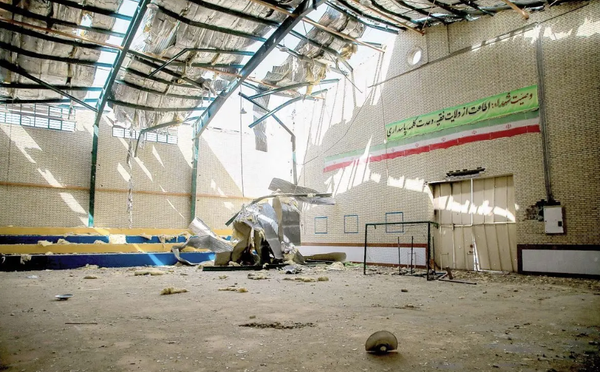
Additional Details
Captured Date
2026-06-19T08:34:39.000Z
Language
Persian
Incident