Source
Archive URL:
https://airwars.org/source/www-sharghdaily-com-%d8%b4%d8%a8%da%a9%d9%87-%d8%b4%d8%b1%d9%82-2025-06-23-165000/
Captured Post Date: 2025-06-23 16:50:00
Translated Author: Shargh Network
Author: شبکه شرق
Translated Content:
According to the Shargh Media Group, after nine days of trying to find the bodies of the Mousavi family's parents, on the eighth day, part of the lifeless body of "Fatima," the family's mother, was pulled from the rubble. After nine days, the DNA test results were determined, and the sample matched one of the bodies found at the Kahrizak Forensic Medicine Center. Now, the bodies of Hadiseh, 37, the family's daughter, and Saeed Mousavi, 64, the family's father, are scheduled to be buried in a three-story grave in Plot 42 of Golzar Shohada in Tehran until the mother's DNA results are determined. Bita Mousavi, the family's aunt, says, "Maybe my brother's body was transferred to the forensic medicine last week, but since the DNA test results were not determined, we couldn't say with certainty where the body is." Haditha Mousavi, 37, Saeed Mousavi, 64 - Father of the family Fatemeh Mousavi, mother of the family Sunday at 3 pm Five family members had been watching the building and the movements of dozens of firefighters and Red Crescent rescuers from morning until evening yesterday, hoping for news of the father of the family; Saeed Mousavi, 64, who was trapped under the rubble that day with two members of his family, but there was no news of him until Sunday night. Dozens of Red Crescent rescuers and firefighters from Tehran, Shiraz, and Hamedan had been working at the site since morning yesterday to try to find the body, but they hopelessly announced the end of the work at midnight. The result of their hours of effort was finding part of the mother's body. Before her, on the same day of the accident, the body of her daughter, Haditha, 37, was found hours after the explosion, with her head pressed to her chest and her legs tucked into her stomach. Haditha's marbles The faint sunlight at 3 pm Sunday fell on the glass marbles of "Haditha"; 5, 10, 15... dozens of marbles that have slid across the sidewalk; you walk and collect them: "Hadithah loved marbles very much; she kept marbles, beads, stones, and...". Several more marbles jump out of the wooden drawer of her mother, Fatimah's clothes. They clatter across the sidewalk and reach the garden; the garden of the apartment where, on the past Sunday afternoon, June 15, she stood at full height and, brick by brick, watched the house across the street collapse and be destroyed in an instant. The last spectator was the house at No. 6, Mohebi Shariati Street. The drawer that they took out of the house, Hadithah's clothes, on the sidewalk. When the rescuers come down from their special vehicles with lifts, they usually come in a bunch. Once they bring a drawer of the dresser, once a bag full of documents. Next time, a chest of gold and jewelry, a hair dryer, clothes and shoes, a razor, school and university documents, photo albums, they bring down the memories of 7 families. The initial file of Maziar Talebzadeh, with the seal of the lion and the sun of the Ministry of Education before the revolution, emerged from the rubble unscathed, but no one knows who its owner is. The target of the rubble removal is the second-floor apartment; the unit on the right. Mr. Mousavi's house. Amid the rubble and debris of the house, many marbles and beads are found, many women's clothes, many party dresses. A coffee maker and pots that they had bought for the dowry. The dowry that Hadiseh was supposed to take to the house of fortune; a beautiful girl with a long face and a sweet smile whose pictures sit in the photo gallery of her aunt's mobile phone. Her aunt, "Bita," is pale, she is impatient for her family, she could have spent 8 days searching for her brother and his wife without leaving. She is relieved about Haditha. She is resting in the forensic medicine. Yesterday morning, with a thousand troubles, after many mediations and follow-ups, they were finally able to go to the Abbasabad police station and bring them to the building. Then, with the coordination of the same police station, special fire trucks were sent to the scene and the Red Crescent rescuers started working with their survival dogs. However, the Red Crescent rescuer says that in this situation, the dogs cannot do anything. Because these are survival dogs, not corpses. When a few days pass, they are no longer able to find bodies from under the rubble. Extracting part of the body It had not been an hour since part of Fatima's lifeless body was pulled out from under the rubble. The firefighter did not allow anyone to approach the body. After 8 days, the body had changed and was not in a good condition. Finally, from the clothes it was wearing, it was determined that it belonged to the mother of the family in the second-floor apartment of the building; "Fatima" was Haditha and Mohammad's mother. She was quickly covered and taken to the forensic medicine. The final diagnosis is with a DNA sample. "Mohammad", 31, is the only survivor of this family, but he was a decapitated chicken that was pacing back and forth. His condition was different from the one he saw in front of the Kahrizak Forensic Diagnostic Center a week earlier. His facial lines had deepened, his eyes were sunken. He was dressed in mourning clothes all over. His beard had grown longer, and sadness was deep in his dark eyes. He kept taking the fire department elevator to the second floor, making rounds, and coming down. He pulled some of his belongings out of the rubble, and he left some of his clothes, his mother, his sister, and his father, on the corner of the street. He didn't want to see them. He also took some. A black garbage bag was being passed around the family and necessary supplies were being placed in it. At around 4 p.m., the fire brigade's shift changed. A fresh group of firefighters gave way to the previous team. They had come from Shiraz. The rescuers had also left for Tehran from Hamedan. They had been in Tehran for more than 10 days. The two special streets, Ashrafi and Mohebbi, had been closed off from Shariati Street with blue sacks until last Friday. No one was allowed to travel on that side of the street. There were people inside the street, carrying documents up and down; the building targeted by the missiles was a five-story high-rise building that was accessed from Ashrafi Street. Ashrafi Street, an alley down from Mohebbi, was in the same situation. The previous day, however, the street was empty of people, filled with firefighters and Red Crescent rescue workers. Residents were walking between the yellow tapes. The scene was not strange to them. They didn't even look at the collapsed building. The building on the left, number 6, is still standing. From the pulled-back net curtains, it's clear that it still has residents who don't dare look out the windows. The building on the right is covered from top to bottom with the same blue sacks, the extent of the destruction and destruction is only visible from the raised corners of the sacks. The building next door hasn't been cleared of rubble yet. Haditha adds to the glass marbles. Mohammad throws some into a black bag. Some also fall to the ground. I bend down. I pick up 5 colored marbles. One ocean blue. Two azure marbles. One ochre and one the color of the sky. "Haditha" never thought that her marbles would one day fall into the hands of a strange woman; a woman who has come to their house to prepare a report. Mohammad looks at the marbles: "Take them all." Now I'm turning the marbles in my hand. What a strange souvenir from a familiar stranger who we may not have met on the street by mistake. The first day they didn't go well. Bita points to the front of the house: "They found my brother's wife right here. The previous teams hadn't gone at all. No one was looking for people under the rubble. Just a few people came, took files and documents from the building next door, and left. They told us that they pulled three people out. We thought they were three members of the Mousavi family. But when we went to the forensics, none of the bodies matched our DNA samples. Only Hadiseh was there." He picks up Hadiseh's flowers from the ground: "I've never felt so strong," and goes to his nephew. There is no sign of his brother for hours after the rubble was cleared: "My mom was probably sitting in front of the TV. Hadiseh was right there. My father was either in the kitchen or sleeping in the room." Photos of a martyred neighbor Insurance book of a neighbor who was preparing to leave Tehran but was martyred Many missing persons The sound of the rescue vehicles' engines does not stop for a moment, they move the rubble with their hands, clothes, and faces covered in dirt. Many wires and plastic pipes are scattered on the ground. Many cars with organization logos can be seen from the street: "The first group to be present at the scene of the incident are the law enforcement and military agencies. Then the fire department. Once the fire department has secured the area, search and debris removal teams are dispatched to the scene." This is what one of the Red Crescent rescue workers told Shargh. According to him, cases similar to what happened to the bodies of the Mousavi family have occurred in other areas, and many teams are working: "In other places that have been destroyed by explosions and attacks, there are many bodies under the rubble. Rescue teams are busy working to get them out.” The exact number of Tehran’s martyrs is not known, but three days ago, the head of public relations at the Ministry of Health announced that 400 people have been martyred since the beginning of the attacks. According to a field report from Shargh from plot 42 of the Behesht Zahra Martyrs’ Cemetery, 70 people had been buried in that plot, which is dedicated to the martyrs of the attacks, by Saturday afternoon, and the fate of hundreds of other bodies is unknown. The rescuer says that the teams are busy. The command center tells them where to send them. Nothing is left. Mr. Abolhasani, a resident of the first floor of building number 6, is at work on Sunday afternoon, June 15, when his wife called. His wife’s mother had invited them for lunch. Mr. Abolhasani went separately. His family was separated. It was a little after 3:40 in the afternoon when a neighbor called: “Mr. Abolhasani, come here, they knocked on your house.” The man initially thought the house had been broken into: “They hit all the houses.” He then thought the building had been broken into: “I knew it was a war and there were rockets. But I didn’t think they hit our house.” He had the neighbors’ numbers. He had been a tenant in this building for a year, and now there was nothing left of his house; absolutely nothing. Part of his mother’s body was pulled out of building number 6. Six bodies were pulled out. Two from the second floor, the mother and daughter of the Mousavi family. One was a woman named Qashqai, who lived on the third floor and was preparing to leave Tehran with her husband. Her husband was waiting in front of the house when the rockets hit. The woman died and the man is in the hospital with serious injuries. Ms. Talebzadeh lived on the second floor. Ms. Alavi lives on the first floor in the United States. Mr. Azizi lived in the basement unit and was out of town that day. The bodies of three women who lived alone in the building, as well as the bodies of Mousavi’s wife and daughter and Ms. Qashqai, were taken out of the building. One person remains, Saeed Mousavi. According to the resident of the first floor, one side of the building had three floors and the other side had three floors with a basement where Mr. Azizi lived. Rescue forces announced the end of the work on Sunday at midnight. Bita Mousavi says that bank cards were also found, but not my brother’s body: “My mother says I won’t even say a single prayer for them until the bodies are found.” The rubble-clearing operation lasted until midnight. Rescue forces had made three rounds of the area by that time of night. They are taking things out of every corner of the building: "Late last night, a municipal official came and said that he had been here since day one and that they had seen the body of a man with the description of my brother Saeed being pulled out. Right here near the pillar." He points to what used to be a pillar: "On the first day, no one would give us the right answer. We thought they had taken everyone to the Kahrizak forensics office. But later it turned out that only Muhaddeseh's body was there and had been identified." This morning, Mohammad went back to the police station with his uncle Hussein and from there to the Kahrizak forensics office. That's where it was determined that the results of the family's father's DNA test had come in. He has probably been waiting for his wife at the Kahrizak forensics office since last week. Now they have to wait for the results of Fatima's DNA test so that a burial permit can be issued. As Bita says, a three-story grave will probably be allocated for this family. They will bury the father and daughter until the results of the mother's identification are available, and then she will be added to the family. Mousavi's family has calmed down a bit. They are waiting for the day of the funeral.
Content:
به گزارش گروه رسانهای شرق،
سرانجام پس از ۹ روز تلاش برای پیدا کردن اجساد پدر و مادر خانواده موسوی در هشتمین روز بخشی از پیکر بیجان «فاطمه» مادر خانواده از زیرآوارها بیرون کشیده شد و پس از ۹ روز هم با مشخص شدن نتیجه تست دیانای، نمونه با یکی از اجسادی که در مرکز تشخیص پزشکی قانونی کهریزک مطابقت پیدا کرد. حالا قرار است پیکر حدیثه ۳۷ ساله دختر خانواده و سعید موسوی ۶۴ ساله پدر خانواده در قطعه ۴۲ گلزار شهدای تهران در قبری سه طبقه خاکسپاری شود تا نتیجه دیانای مادر هم مشخص شود. بیتا موسوی عمه خانواده میگوید که «شاید پیکر برادرم همان هفته گذشته به پزشکی قانونی منتقل شده بود اما چون نتیجه تست دیانای مشخص نشده بود، نمیتوانستیم با قطعیت بگوییم جسد کجاست».
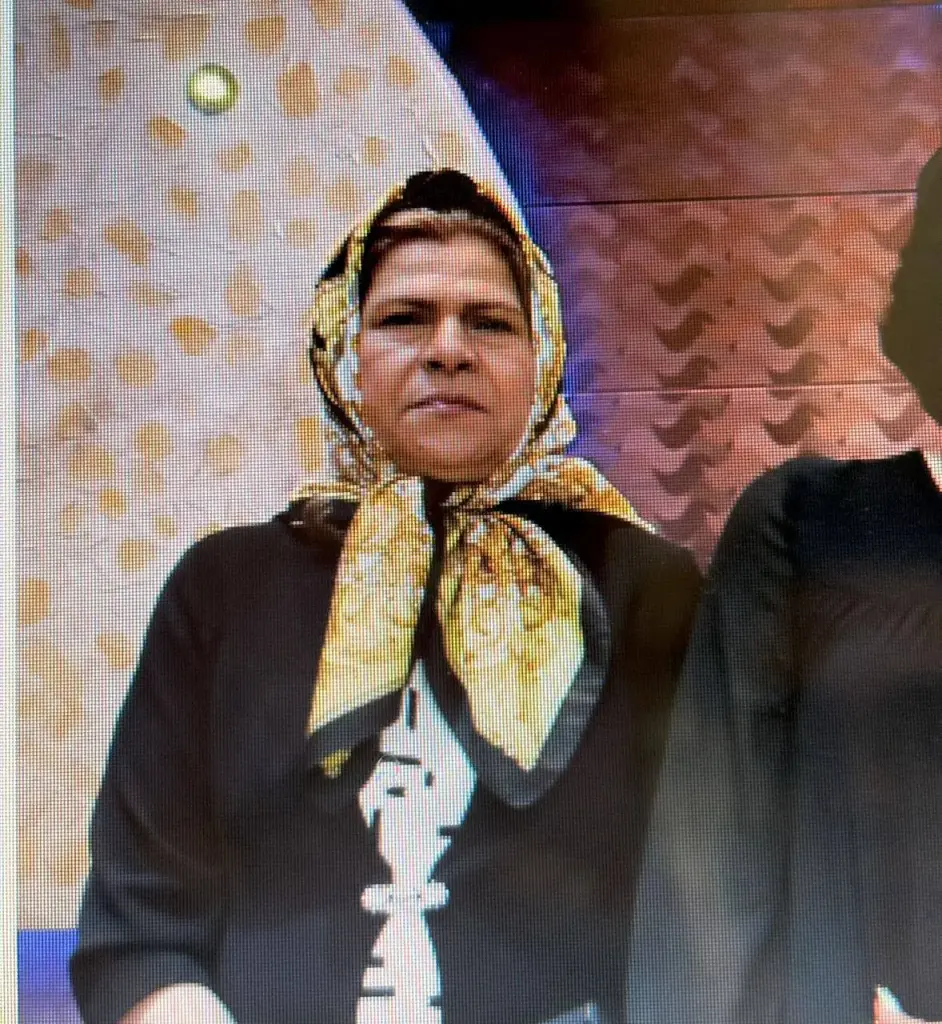
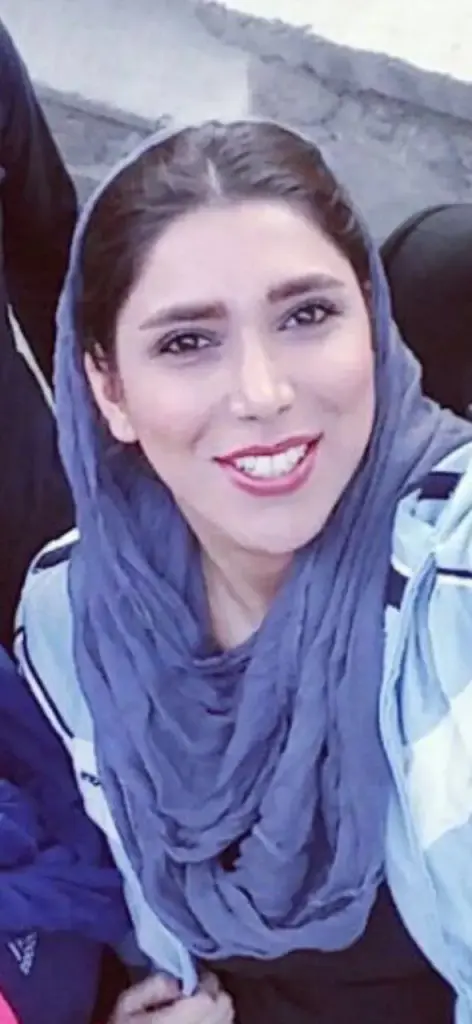
حدیثه موسوی ۳۷ ساله
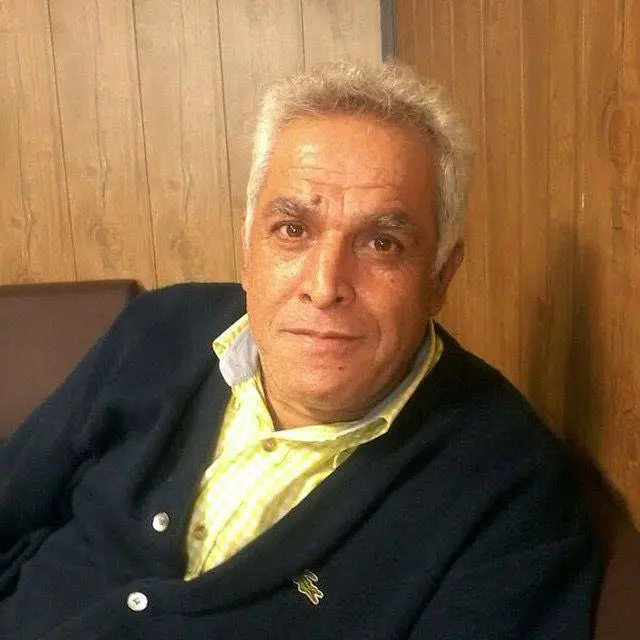
سعید موسوی ۶۴ ساله- پدر خانواده
فاطمه موسوی مادر خانواده
یکشنبه ساعت ۳ ظهر
پنج عضو خانواده از صبح تا شامگاه روز گذشته چشم به ساختمان و رفت و آمد دهها آتشنشان و امدادگر هلال احمر دوخته بودند تا شاید خبری از پدر خانواده شود؛ سعید موسوی پدر ۶۴ ساله که آن روز همراه با دو عضو خانوادهاش زیرآوارها ماند اما تا یکشنبه شب خبری از او نشد. دهها امدادگر هلالاحمر و آتشنشان از تهران، شیراز و همدان از صبح دیروز در محل مشغول عملیات بودند تا شاید پیکر را پیدا کنند اما ناامیدانه ساعت ۱۲ شب پایان کار را اعلام کردند. نتیجه ساعتها تلاش آنها پیدا کردن بخشی از پیکر مادر بود. قبل از او در همان روز حادثه، پیکر دخترش، حدیثه ۳۷ ساله ساعاتی پس از انفجار در حالیکه سرش را به سینه چسبانده و پاهایش را در شکم جمع کرده، پیدا شده بود.
تیلههای حدیثه
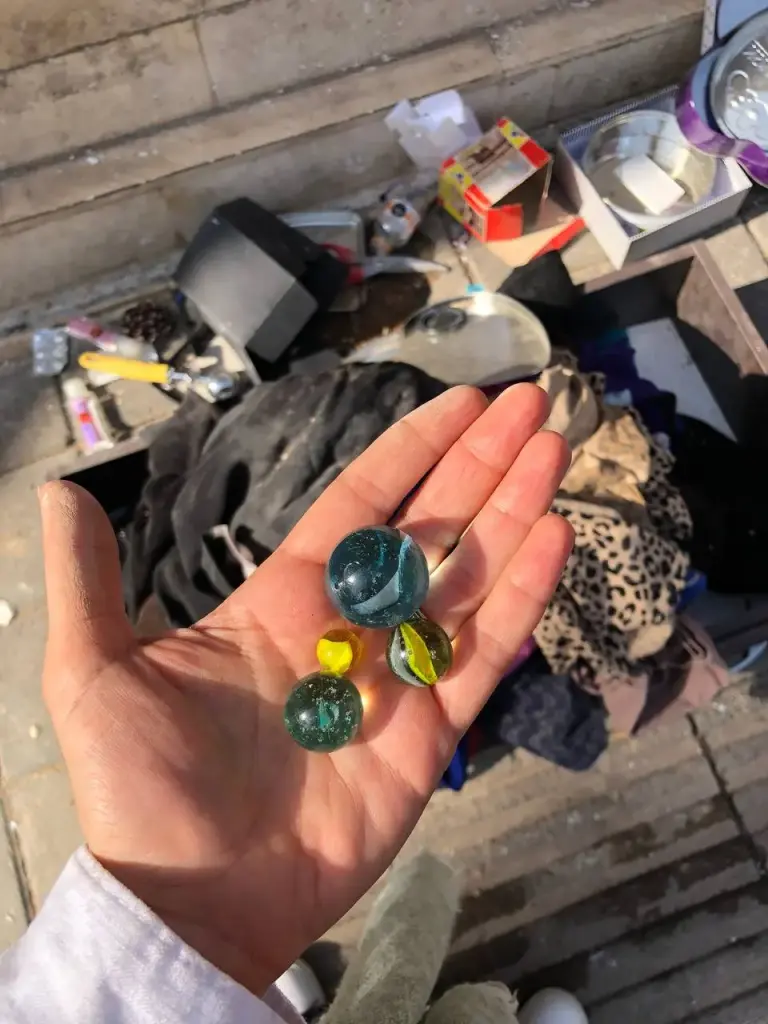
نور آفتاب کمرمق ساعت ۳ ظهر یکشنبه روی تیلههای شیشهای «حدیثه» افتاده؛ ۵، ۱۰، ۱۵ ... دهها تیله که کف پیادهراه سر خوردهاند؛ راه میروی و تیله جمع میکنی: «حدیثه خیلی تیله دوست داشت؛ تیله و مهره و سنگ و ... را نگه میداشت». از کشوی چوبی لباسهای فاطمه، مادرش، چندین تیله دیگر بیرون میپرد. قِل میخورند کف پیادهراه و میرسند به باغچه؛ به باغچه آپارتمانی که بعدازظهر یکشنبهای که گذشت، یعنی ۲۵ خرداد، تمام قد ایستاد و آجر به آجر، نظارهگر خانه روبهرویی بود که چطور در یک لحظه ریخت و ویران شد. تماشاچی پایان خانه پلاک ۶ خیابان محبی شریعتی بود.
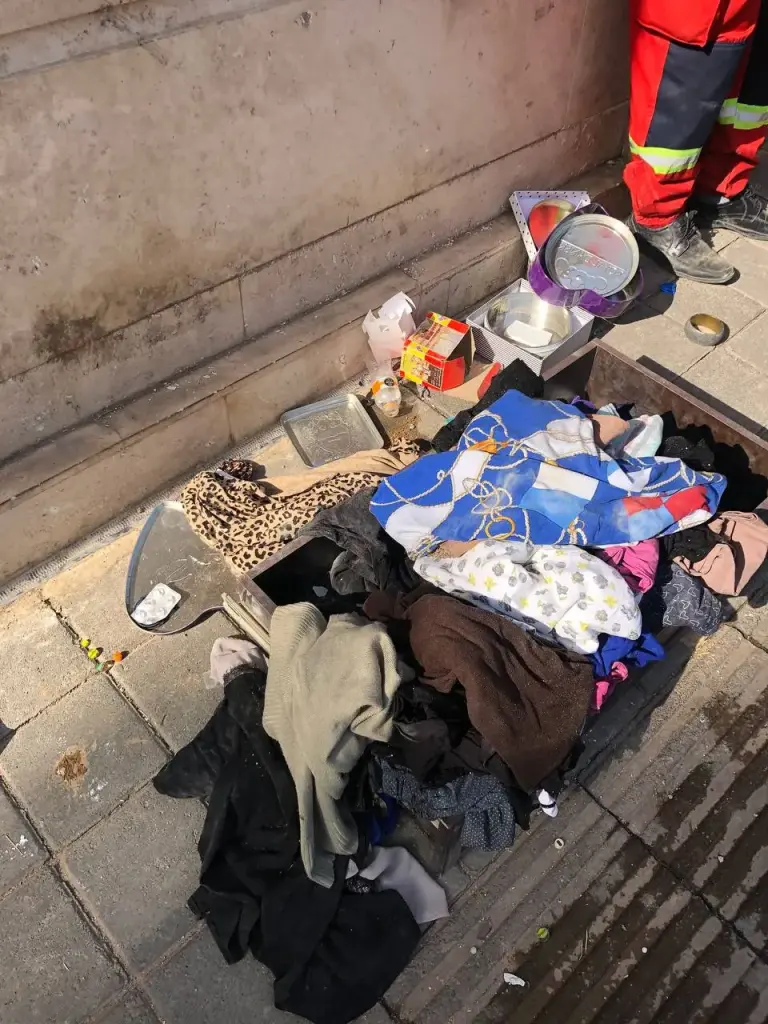
کشویی که از خانه بیرون آوردند
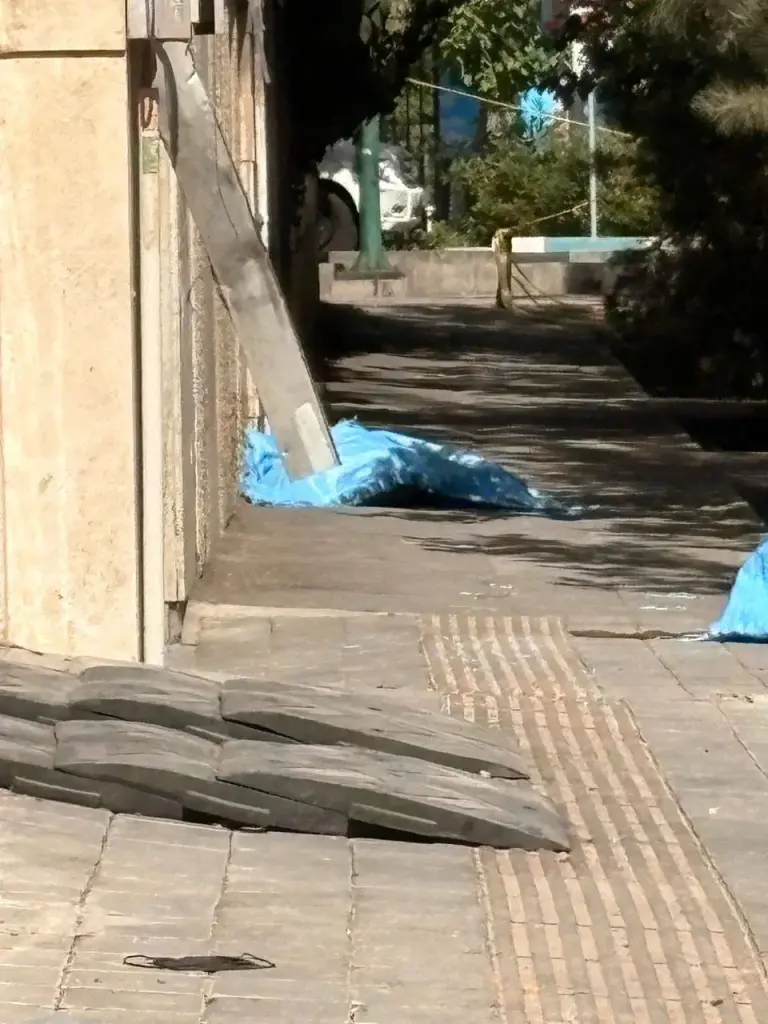
لباسهای حدیثه در پیادهراه
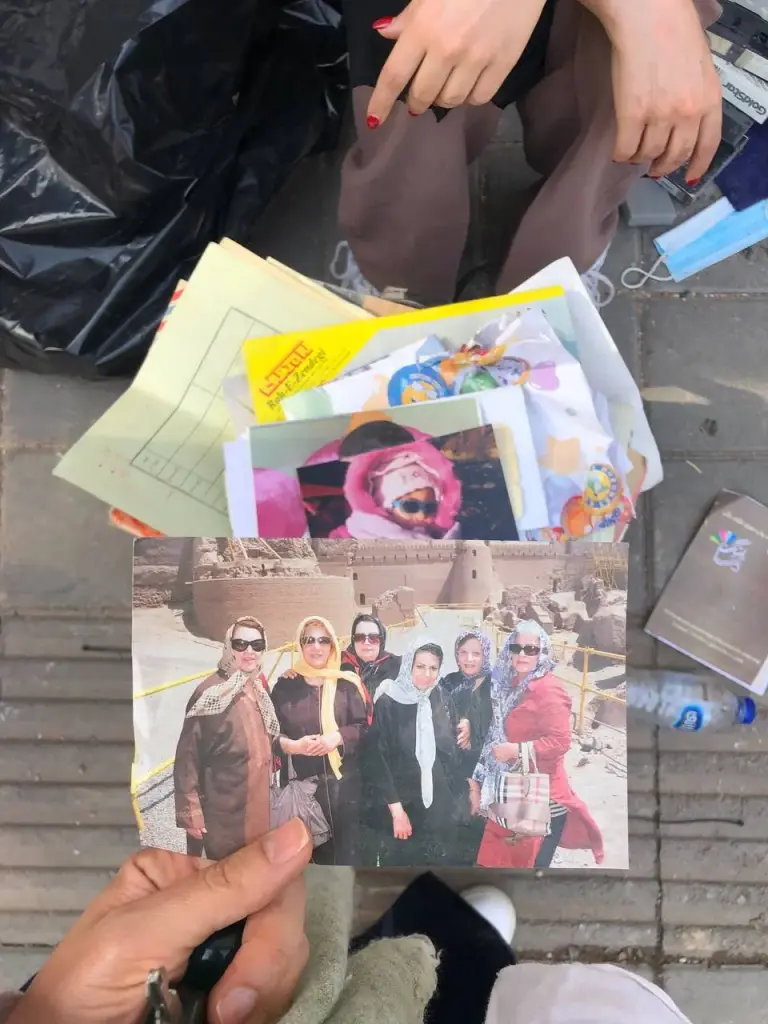
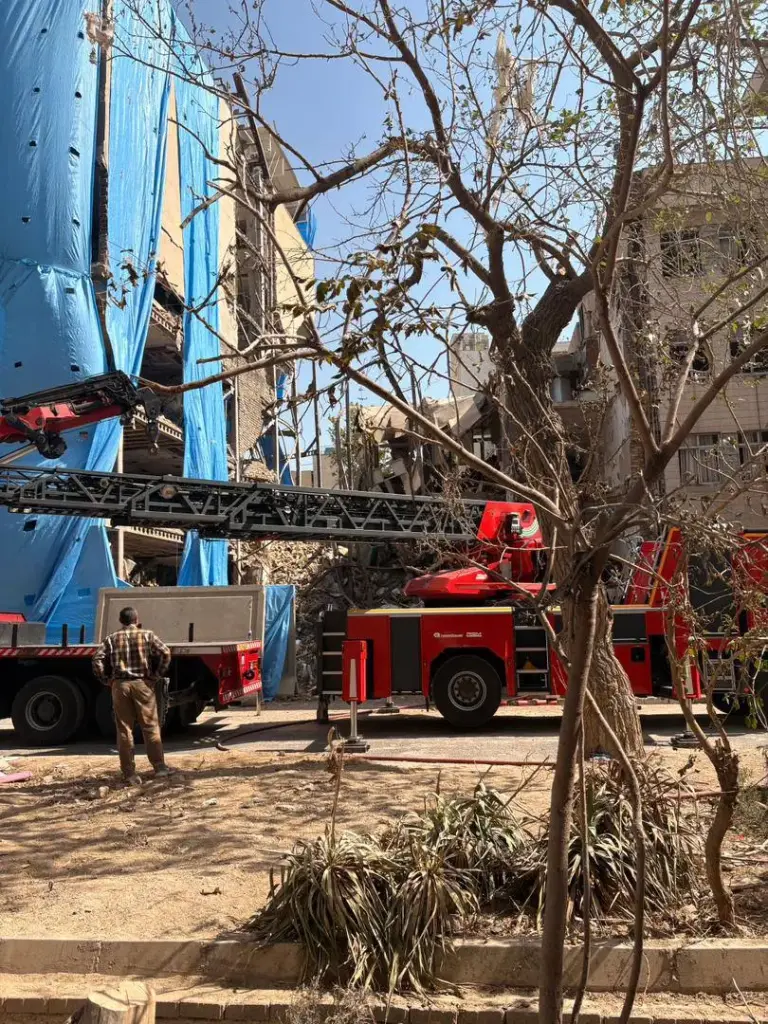
امدادگران از خودروهای مخصوصشان که بالابر دارد، پایین که میآیند معمولا دسته پرند. یک بار کشوی میز لباسها را میآورند، یک بار کیفی پر از مدارک. دفعه بعدی صندوقچه طلاها و زیورآلات، سشوار، لباسها و کفشها، ریشتراش، مدارک مدرسه و دانشگاه، آلبوم عکسها، آنها خاطرات ۷ خانواده را پایین می آورند. پرونده ابتدایی مازیار طالبزاده با مهر شیر و خورشید وزارت آموزش و پرورش پیش از انقلاب، سالم بدون پارگی از زیرآوار بیرون آمد، کسی اما از صاحبش خبری ندارد. هدف آواربرداری آپارتمان طبقه دوم است؛ واحد سمت راست. خانه آقای موسوی. لای خرت و پرته ای خانه،اما تیله و مهرههای زیادی پیدا میشود، لباسهای زنانه بسیار، لباسهای مهمانی بسیار. قهوهساز و قابلمههایی که برای جهیزیه خریده بودند. جهیزیهای که قرار بود حدیثه به خانه بخت ببرد؛ دختری زیبا با صورتی کشیده و لبخندی شیرین که تصاویرش در گالری عکسهای تلفن همراه عمهاش نشسته. عمهاش «بیتا»، رنگ به چهره ندارد، بیتاب خانوادهاش است، ۸ روزی میشد در جست وجوی برادر و همسر برادرش جایی نمانده نرفته باشد. خیالش از حدیثه راحت شده. او در پزشکی قانونی آرمیده است.
دیروز صبح با هزار دردسر، بعد از واسطهگریها و پیگیریهای زیاد سرانجام توانستند به کلانتری عباسآباد بروند و آنها را سر ساختمان بیاورند. بعد با هماهنگی همین کلانتری خودروهای مخصوص آتشنشانی به محل فرستاده شد و امدادگران هلالاحمر با سگهای زندهیابشان مشغول کار شدند. امدادگر هلالاحمر اما میگوید که در این وضعیت سگها نمیتوانند کاری انجام دهند. چون اینها سگهای زندهیابند نه مردهیاب. وقتی چند روز میگذرد دیگر توانایی پیدا کردن اجساد را از زیرآوارها ندارند.
بیرون کشیدن بخشی از جنازه
یک ساعت نگذشته بود که بخشی از پیکر بیجان فاطمه، از زیر آوار بیرون کشیده شد. مامور آتشنشانی به کسی اجازه نزدیکشدن به جنازه را نمیداد. جسد پس از ۸ روز تغییر کرده و در وضعیت مناسبی نبود. در نهایت از روی لباسی که به تن داشت، مشخص شد که متعلق به مادر خانواده آپارتمان طبقه دوم ساختمان است؛ «فاطمه» مادر حدیثه و محمد بود. او را به سرعت در کاور گذاشته و به پزشکی قانونی منتقل کردند. تشخیص نهایی با نمونه دیانای است.
«محمد» ۳۱ ساله تنها بازمانده این خانواده اما مرغ سر کندهای بود که به این طرف و آنطرف میرفت. وضعیت او با یک هفته قبلش در مقابل مرکز تشخیص پزشکی قانونی کهریزک تفاوت داشت. خطوط چهرهاش عمیقتر شده، چشمها به گود افتاده. سراسر لباس عزا به تن کرده. ریشهایش بلندتر شده و غم در عمق چشمان سیاهش نشسته است. او مدام با بالابر آتشنشانی به طبقه دوم میرود، گشتی میزند و پایین میآید. بخشی از وسایلش را از زیرآوار بیرون کشیده، لباسهای خودش، مادرشِ، خواهر و پدرش. بخشی را گوشه خیابان رها کرد. دل دیدنشان را نداشت. بخشی را هم برداشت. کیسه زباله سیاهی بین خانواده میچرخید و وسایل ضروری در آن جا میگرفت.
ساعت حدود ۴ بعداز ظهر، شیفت نیروهای آتشنشانی عوض شد. گروهی تازهنفس جایشان را به تیم قبلی دادند. آنها از شیراز آمده بودند. امدادگران هم از همدان راهی تهران شده بود. آنها بیش از ۱۰ روز است در تهران به سر میبرند.
دو خیابان خاص
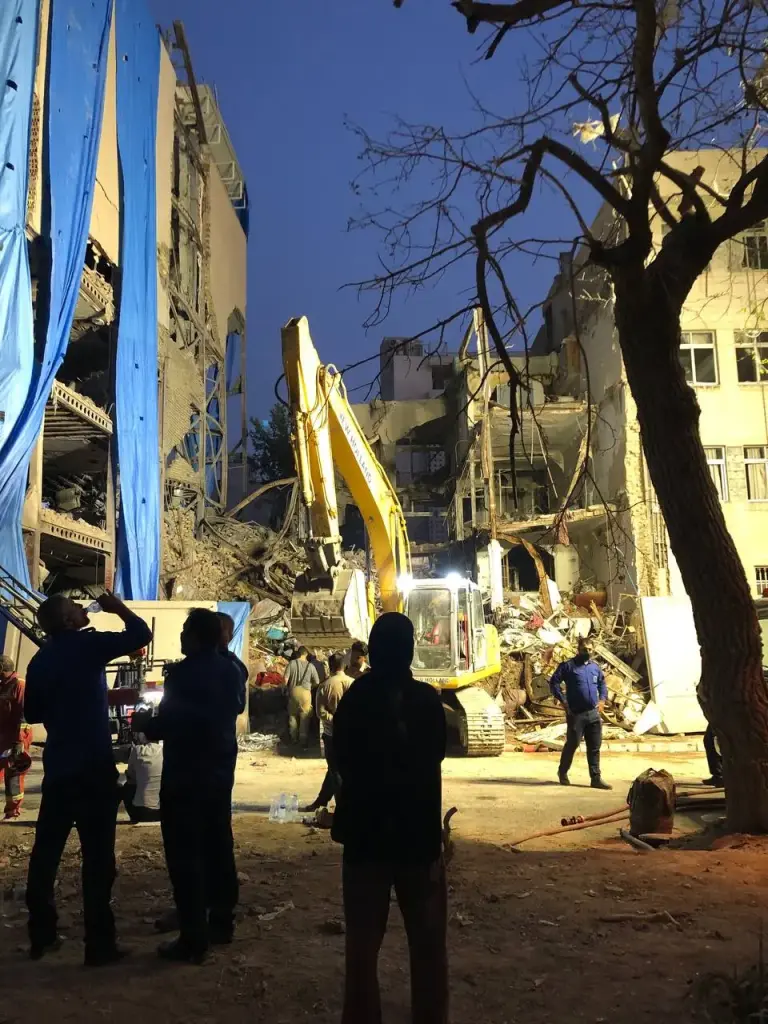
خیابان اشرفی و محبی تا جمعهای که گذشته از سمت خیابان شریعتی با گونی آبیرنگی بسته شده بود. کسی اجازه تردد از آن سمت خیابان نداشت. افرادی داخل خیابان بودند و اسنادی را بالا و پایین میکردند؛ ساختمان هدف موشکها یک ساختمان بلند ۵ طبقه بود که رفت و آمدش از سمت خیابان اشرفی انجام میشد. خیابان اشرفی یک کوچه پایینتر از محبی، همان وضعیت را داشت. روز گذشته اما خیابان خالی از هر آدمی، پر از ماموران آتشنشانی و امدادگران هلال احمر بود. ساکنان از لای نوارهای زرد رفت و آمد میکردند. صحنه برایشان عجیب نبود. نگاهی هم به ساختمان متلاشی شده نمیکردند. ساختمان سمت چپ پلاک ۶ اما هنوز روی پاهایش ایستاده. از پردههای توری کنار زده شده مشخص است هنوز ساکنانی دارد که جرات نگاه کردن از پنجره ندارند. ساختمان سمت راست اما با همان گونیهای آبی از بالا تا پایین پوشانده شده، میزان ویرانی و تخریب تنها از گوشههای بلند شده گونیها مشخص است. ساختمان کناری هنوز آواربرداری نشده است.
به تیلههای شیشهای حدیثه اضافه میشود. محمد تعدادی را داخل کیسه سیاه میاندازد. تعدادی هم روی زمین قل میخورند. خم میشوم. ۵ تیله رنگی بر میدارم. یکی اقیانوسی. دو تیله لاجوردی. یکی اخرایی و آن یکی به رنگ آسمان. «حدیثه» فکرش را هم نمیکرد که تیلههایش روزی به دست زنی غریبه میافتد؛ زنی که برای تهیه گزارش از خانهشان آمده است. محمد به تیلهها نگاه میکند: «همهشان را بردار». حالا تیلهها را در دست میچرخانم. چه یادگاری عجیبی از غریبهای آشنا که شاید به اشتباه هم در خیابان همدیگر را ملاقات نکرده باشیم.
روز اول خوب نگشتند
بیتا به جلوی خانه اشاره میکند: «همسر برادرم را همین جا پیدا کردند. تیمهای قبلی اصلا نگشته بودند. هیچکس دنبال آدمهای زیرآوار نبود. فقط عدهای آمدند پرونده و مدارکی از ساختمان کناری برداشتند و رفتند. به ما گفتند سه نفر را کشیدیم بیرون. تصور ما این بود که سه نفر از خانواده موسوی بودند. اما وقتی به پزشکی قانونی رفتیم هیچکدام از اجساد با نمونه دیانای ما مطابقت نداشت. فقط حدیثه آنجا بود.». گلسرهای حدیثه را از روی زمین بلند میکند: «هیچ وقت خودم را اینقدر قوی ندیده بودم» و میرود سمت برادرزادهاش. تا ساعتها بعد از آواربرداری خبری از برادر نیست: «احتمالا مامانم جلوی تلویزیون نشسته بود. حدیثه هم همان جا. پدرم یا در آشپزخانه بوده یا در اتاق خوابیده بود».
عکسهای همسایه شهیدشده
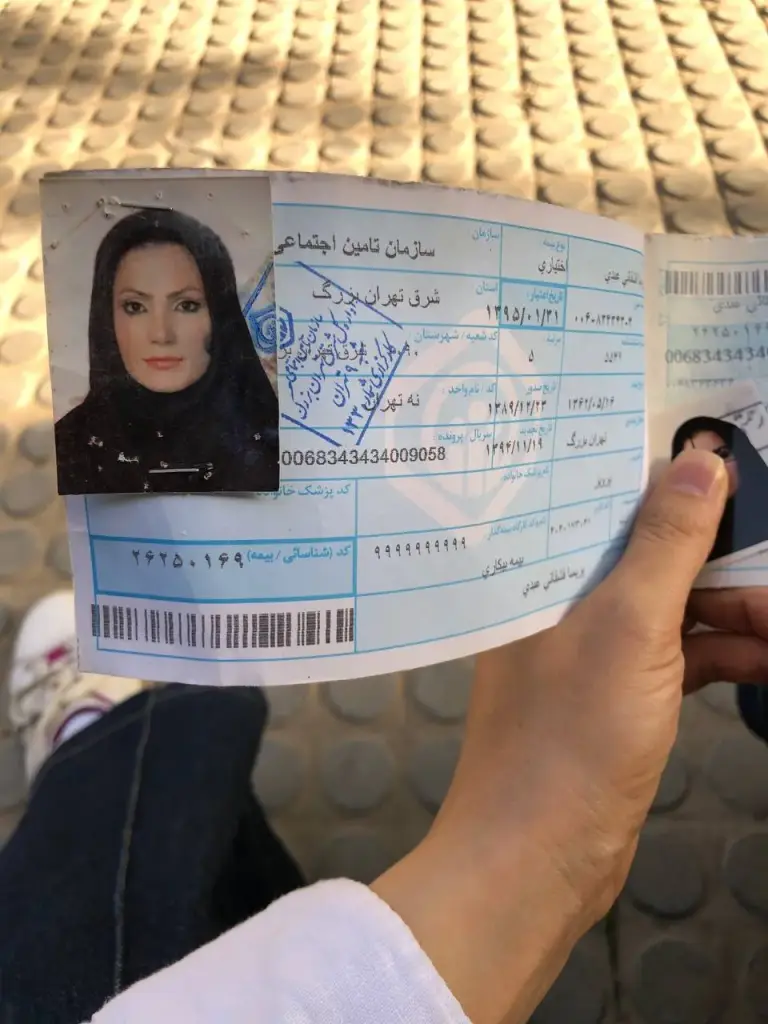
دفترچه بیمه زن همسایه که در حال آماده شدن برای خروج از تهران بود اما شهید شد
مفقودیهای بسیار
صدای موتور دستگاههای امدادی یک لحظه قطع نمیشود، آنها با دستها و لباسها و صورتهای خاکی، آوارها را جابهجا میکنند. سیم و لولههای پلاستیکی زیادی کف زمین پخش شده. از سر خیابان ماشینهای زیادی با آرمهای ارگانی دیده میشوند: «اولین گروهی که در محل حادثه باید حاضر باشند، نهادهای انتظامی و نظامیاند. بعد آتشنشانی. وقتی آتشنشانی منطقه را ایمن کرد تیمهای جستجو و آواربرداری به محل اعزام میشوند». این را یکی از نیروهای امدادی هلالاحمر به شرق میگوید. به گفته او مواردی شبیه آنچه برای اجساد خانواده موسوی افتاده در مناطق دیگر هم رخ داده است و خیلی از تیمها مشغول به کارند: «در مکانهای دیگر هم که در اثر حمله دچار انفجار و تخریب شدهاند، اجساد زیادی وجود دارد که زیرآوارها هستند. تیمهای امدادی مشغول کارند تا بتوانند آنها را بیرون بیاورند».
عملیات آواربرداری
آمار شهدای تهران به طور دقیق مشخص نیست اما سه روز پیش سرپرست روابط عمومی وزارت بهداشت اعلام کرد که از ابتدای حملات ۴۰۰ نفر شهید شدهاند. آنطور که گزارش میدانی شرق از قطعه ۴۲ گلزار شهدای بهشت زهرا نشان میدهد تا ظهر روز شنبه ۷۰ نفر در آن قطعه که ویژه شهدای حملات است، خاکسپاری شدند و تکلیف صدها جسد دیگر مشخص نیست. امدادگر میگوید که تیمها درگیر کارند. مرکز فرماندهی به آنها میگویند به کجا اعزام شوند.
هیچچیز نماند
آقای ابوالحسنی، ساکن طبقه اول ساختمان پلاک ۶ است. او ظهر روز یکشنبه ۲۵ خردادماه در محل کار بود که همسرش تماس گرفت. مادر همسرش آنها را برای ناهار دعوت کرده بود. آقای ابوالحسنی جداگانه رفت. خانوادهاش جدا. ساعت کمی از ۳:۴۰ بعد از ظهر گذشته بود که یکی از همسایهها تماس گرفت: «آقای ابوالحسنی بیا که خانهات را زدند». مرد ابتدا تصورش این بود که خانه را دزد زده: «همه خانهها را زدند». باز هم تصور کرده که دزد به ساختمان زده: «میدانستم جنگ است و موشکباران. اما فکر نمیکردم به خانه ما زده باشند». او آمار همسایهها را دارد. یک سالی میشود که در این ساختمان مستاجر بوده و حالا از خانهاش هیچ نمانده؛ دقیقا هیچچیزی.
بخشی از جسد مادر
از ساختمان شماره ۶، شش جسد بیرون کشیدهاند. دو نفر از طبقه دوم که مادر و دختر خانواده موسوی هستند. یک نفر خانم قشقایی ساکن طبقه سوم که با همسرش در حال آماده شدن برای خروج از تهران بودند. همسر مقابل خانه منتظر بود که موشک زدند. زن فوت کرد و مرد با جراحات بسیار در بیمارستان به سر میبرد. خانم طالبزاده ساکن طبقه دوم بود. خانم علوی ساکن طبقه اول در آمریکاست. آقای عزیزی در واحد زیرزمین زندگی میکرد که آن روز خارج از شهر بود. از این ساختمان جسد سه زن که به تنهایی در این ساختمان زندگی میکردند، جسد همسر و دختر موسوی و خانم قشقایی را بیرون آوردهاند. یک نفر مانده که سعید موسوی است. به گفته ساکن طبقه اول، یک طرف ساختمان سه طبقه بود و طرف دیگر سه طبقه با زیرزمین که آقای عزیزی ساکن آن بود. نیروهای امدادی پایان کار روز یکشنبه را ساعت ۱۲ شب اعلام کردند. بیتا موسوی میگوید که کارت بانکها هم پیدا شد اما پیکر برادرم نه:«مادرم میگوید تا وقتی اجساد پیدا نشود حتی یک فاتحه برایشان نمیخوانم».
عملیات آواربرداری تا ۱۲ شب
نیروهای امدادی تا آن ساعت از شب، سه دور منطقه را گشتند. از گوشه گوشه ساختمان وسیله بیرون آورند:«آخر شب یکی از ماموران شهرداری آمد و گفت که از روز اول اینجا بوده و دیده که جسد مردی با مشخصات برادرم سعید را بیرون کشیدهاند. همین جا نزدیک ستون». با دست به چیزی که زمانی ستونی بوده اشاره میکند: «روز اول کسی درست جواب ما را نمیداد. ما فکر کردیم همه را بردند پزشکی قانونی کهریزک. اما بعدا معلوم شد فقط جسد محدثه آنجاست و شناسایی شده است». از صبح امروز محمد همراه با حسین عمویش دوباره به کلانتری رفتند و از آنجا به پزشکی قانونی کهریزک. همان جا بود که مشخص شد نتیجه تست دیانای پدر خانواده آمده است. او احتمالا از هفته گذشته در پزشکی قانونی کهریزک انتظار همسرش را میکشد. حالا باید منتظر نتیجه تست دیانای فاطمه هم بمانند تا جواز دفن صادر شود. آنطور که بیتا میگوید احتمالا برای این خانواده یک مزار سه طبقه اختصاص داده شود. پدر و دختر را به خاک میسپرند تا جواب تشخیص هویت مادر هم بیاید و بعد به خانواده اضافه شود. خانواده موسوی کمی آرام گرفتهاند. آنها در انتظار روز خاکسپاریاند.
سرانجام پس از ۹ روز تلاش برای پیدا کردن اجساد پدر و مادر خانواده موسوی در هشتمین روز بخشی از پیکر بیجان «فاطمه» مادر خانواده از زیرآوارها بیرون کشیده شد و پس از ۹ روز هم با مشخص شدن نتیجه تست دیانای، نمونه با یکی از اجسادی که در مرکز تشخیص پزشکی قانونی کهریزک مطابقت پیدا کرد. حالا قرار است پیکر حدیثه ۳۷ ساله دختر خانواده و سعید موسوی ۶۴ ساله پدر خانواده در قطعه ۴۲ گلزار شهدای تهران در قبری سه طبقه خاکسپاری شود تا نتیجه دیانای مادر هم مشخص شود. بیتا موسوی عمه خانواده میگوید که «شاید پیکر برادرم همان هفته گذشته به پزشکی قانونی منتقل شده بود اما چون نتیجه تست دیانای مشخص نشده بود، نمیتوانستیم با قطعیت بگوییم جسد کجاست».
حدیثه موسوی ۳۷ ساله
سعید موسوی ۶۴ ساله- پدر خانواده
فاطمه موسوی مادر خانواده
یکشنبه ساعت ۳ ظهر
پنج عضو خانواده از صبح تا شامگاه روز گذشته چشم به ساختمان و رفت و آمد دهها آتشنشان و امدادگر هلال احمر دوخته بودند تا شاید خبری از پدر خانواده شود؛ سعید موسوی پدر ۶۴ ساله که آن روز همراه با دو عضو خانوادهاش زیرآوارها ماند اما تا یکشنبه شب خبری از او نشد. دهها امدادگر هلالاحمر و آتشنشان از تهران، شیراز و همدان از صبح دیروز در محل مشغول عملیات بودند تا شاید پیکر را پیدا کنند اما ناامیدانه ساعت ۱۲ شب پایان کار را اعلام کردند. نتیجه ساعتها تلاش آنها پیدا کردن بخشی از پیکر مادر بود. قبل از او در همان روز حادثه، پیکر دخترش، حدیثه ۳۷ ساله ساعاتی پس از انفجار در حالیکه سرش را به سینه چسبانده و پاهایش را در شکم جمع کرده، پیدا شده بود.
تیلههای حدیثه
نور آفتاب کمرمق ساعت ۳ ظهر یکشنبه روی تیلههای شیشهای «حدیثه» افتاده؛ ۵، ۱۰، ۱۵ ... دهها تیله که کف پیادهراه سر خوردهاند؛ راه میروی و تیله جمع میکنی: «حدیثه خیلی تیله دوست داشت؛ تیله و مهره و سنگ و ... را نگه میداشت». از کشوی چوبی لباسهای فاطمه، مادرش، چندین تیله دیگر بیرون میپرد. قِل میخورند کف پیادهراه و میرسند به باغچه؛ به باغچه آپارتمانی که بعدازظهر یکشنبهای که گذشت، یعنی ۲۵ خرداد، تمام قد ایستاد و آجر به آجر، نظارهگر خانه روبهرویی بود که چطور در یک لحظه ریخت و ویران شد. تماشاچی پایان خانه پلاک ۶ خیابان محبی شریعتی بود.
کشویی که از خانه بیرون آوردند
لباسهای حدیثه در پیادهراه
امدادگران از خودروهای مخصوصشان که بالابر دارد، پایین که میآیند معمولا دسته پرند. یک بار کشوی میز لباسها را میآورند، یک بار کیفی پر از مدارک. دفعه بعدی صندوقچه طلاها و زیورآلات، سشوار، لباسها و کفشها، ریشتراش، مدارک مدرسه و دانشگاه، آلبوم عکسها، آنها خاطرات ۷ خانواده را پایین می آورند. پرونده ابتدایی مازیار طالبزاده با مهر شیر و خورشید وزارت آموزش و پرورش پیش از انقلاب، سالم بدون پارگی از زیرآوار بیرون آمد، کسی اما از صاحبش خبری ندارد. هدف آواربرداری آپارتمان طبقه دوم است؛ واحد سمت راست. خانه آقای موسوی. لای خرت و پرته ای خانه،اما تیله و مهرههای زیادی پیدا میشود، لباسهای زنانه بسیار، لباسهای مهمانی بسیار. قهوهساز و قابلمههایی که برای جهیزیه خریده بودند. جهیزیهای که قرار بود حدیثه به خانه بخت ببرد؛ دختری زیبا با صورتی کشیده و لبخندی شیرین که تصاویرش در گالری عکسهای تلفن همراه عمهاش نشسته. عمهاش «بیتا»، رنگ به چهره ندارد، بیتاب خانوادهاش است، ۸ روزی میشد در جست وجوی برادر و همسر برادرش جایی نمانده نرفته باشد. خیالش از حدیثه راحت شده. او در پزشکی قانونی آرمیده است.
دیروز صبح با هزار دردسر، بعد از واسطهگریها و پیگیریهای زیاد سرانجام توانستند به کلانتری عباسآباد بروند و آنها را سر ساختمان بیاورند. بعد با هماهنگی همین کلانتری خودروهای مخصوص آتشنشانی به محل فرستاده شد و امدادگران هلالاحمر با سگهای زندهیابشان مشغول کار شدند. امدادگر هلالاحمر اما میگوید که در این وضعیت سگها نمیتوانند کاری انجام دهند. چون اینها سگهای زندهیابند نه مردهیاب. وقتی چند روز میگذرد دیگر توانایی پیدا کردن اجساد را از زیرآوارها ندارند.
بیرون کشیدن بخشی از جنازه
یک ساعت نگذشته بود که بخشی از پیکر بیجان فاطمه، از زیر آوار بیرون کشیده شد. مامور آتشنشانی به کسی اجازه نزدیکشدن به جنازه را نمیداد. جسد پس از ۸ روز تغییر کرده و در وضعیت مناسبی نبود. در نهایت از روی لباسی که به تن داشت، مشخص شد که متعلق به مادر خانواده آپارتمان طبقه دوم ساختمان است؛ «فاطمه» مادر حدیثه و محمد بود. او را به سرعت در کاور گذاشته و به پزشکی قانونی منتقل کردند. تشخیص نهایی با نمونه دیانای است.
«محمد» ۳۱ ساله تنها بازمانده این خانواده اما مرغ سر کندهای بود که به این طرف و آنطرف میرفت. وضعیت او با یک هفته قبلش در مقابل مرکز تشخیص پزشکی قانونی کهریزک تفاوت داشت. خطوط چهرهاش عمیقتر شده، چشمها به گود افتاده. سراسر لباس عزا به تن کرده. ریشهایش بلندتر شده و غم در عمق چشمان سیاهش نشسته است. او مدام با بالابر آتشنشانی به طبقه دوم میرود، گشتی میزند و پایین میآید. بخشی از وسایلش را از زیرآوار بیرون کشیده، لباسهای خودش، مادرشِ، خواهر و پدرش. بخشی را گوشه خیابان رها کرد. دل دیدنشان را نداشت. بخشی را هم برداشت. کیسه زباله سیاهی بین خانواده میچرخید و وسایل ضروری در آن جا میگرفت.
ساعت حدود ۴ بعداز ظهر، شیفت نیروهای آتشنشانی عوض شد. گروهی تازهنفس جایشان را به تیم قبلی دادند. آنها از شیراز آمده بودند. امدادگران هم از همدان راهی تهران شده بود. آنها بیش از ۱۰ روز است در تهران به سر میبرند.
دو خیابان خاص
خیابان اشرفی و محبی تا جمعهای که گذشته از سمت خیابان شریعتی با گونی آبیرنگی بسته شده بود. کسی اجازه تردد از آن سمت خیابان نداشت. افرادی داخل خیابان بودند و اسنادی را بالا و پایین میکردند؛ ساختمان هدف موشکها یک ساختمان بلند ۵ طبقه بود که رفت و آمدش از سمت خیابان اشرفی انجام میشد. خیابان اشرفی یک کوچه پایینتر از محبی، همان وضعیت را داشت. روز گذشته اما خیابان خالی از هر آدمی، پر از ماموران آتشنشانی و امدادگران هلال احمر بود. ساکنان از لای نوارهای زرد رفت و آمد میکردند. صحنه برایشان عجیب نبود. نگاهی هم به ساختمان متلاشی شده نمیکردند. ساختمان سمت چپ پلاک ۶ اما هنوز روی پاهایش ایستاده. از پردههای توری کنار زده شده مشخص است هنوز ساکنانی دارد که جرات نگاه کردن از پنجره ندارند. ساختمان سمت راست اما با همان گونیهای آبی از بالا تا پایین پوشانده شده، میزان ویرانی و تخریب تنها از گوشههای بلند شده گونیها مشخص است. ساختمان کناری هنوز آواربرداری نشده است.
به تیلههای شیشهای حدیثه اضافه میشود. محمد تعدادی را داخل کیسه سیاه میاندازد. تعدادی هم روی زمین قل میخورند. خم میشوم. ۵ تیله رنگی بر میدارم. یکی اقیانوسی. دو تیله لاجوردی. یکی اخرایی و آن یکی به رنگ آسمان. «حدیثه» فکرش را هم نمیکرد که تیلههایش روزی به دست زنی غریبه میافتد؛ زنی که برای تهیه گزارش از خانهشان آمده است. محمد به تیلهها نگاه میکند: «همهشان را بردار». حالا تیلهها را در دست میچرخانم. چه یادگاری عجیبی از غریبهای آشنا که شاید به اشتباه هم در خیابان همدیگر را ملاقات نکرده باشیم.
روز اول خوب نگشتند
بیتا به جلوی خانه اشاره میکند: «همسر برادرم را همین جا پیدا کردند. تیمهای قبلی اصلا نگشته بودند. هیچکس دنبال آدمهای زیرآوار نبود. فقط عدهای آمدند پرونده و مدارکی از ساختمان کناری برداشتند و رفتند. به ما گفتند سه نفر را کشیدیم بیرون. تصور ما این بود که سه نفر از خانواده موسوی بودند. اما وقتی به پزشکی قانونی رفتیم هیچکدام از اجساد با نمونه دیانای ما مطابقت نداشت. فقط حدیثه آنجا بود.». گلسرهای حدیثه را از روی زمین بلند میکند: «هیچ وقت خودم را اینقدر قوی ندیده بودم» و میرود سمت برادرزادهاش. تا ساعتها بعد از آواربرداری خبری از برادر نیست: «احتمالا مامانم جلوی تلویزیون نشسته بود. حدیثه هم همان جا. پدرم یا در آشپزخانه بوده یا در اتاق خوابیده بود».
عکسهای همسایه شهیدشده
دفترچه بیمه زن همسایه که در حال آماده شدن برای خروج از تهران بود اما شهید شد
مفقودیهای بسیار
صدای موتور دستگاههای امدادی یک لحظه قطع نمیشود، آنها با دستها و لباسها و صورتهای خاکی، آوارها را جابهجا میکنند. سیم و لولههای پلاستیکی زیادی کف زمین پخش شده. از سر خیابان ماشینهای زیادی با آرمهای ارگانی دیده میشوند: «اولین گروهی که در محل حادثه باید حاضر باشند، نهادهای انتظامی و نظامیاند. بعد آتشنشانی. وقتی آتشنشانی منطقه را ایمن کرد تیمهای جستجو و آواربرداری به محل اعزام میشوند». این را یکی از نیروهای امدادی هلالاحمر به شرق میگوید. به گفته او مواردی شبیه آنچه برای اجساد خانواده موسوی افتاده در مناطق دیگر هم رخ داده است و خیلی از تیمها مشغول به کارند: «در مکانهای دیگر هم که در اثر حمله دچار انفجار و تخریب شدهاند، اجساد زیادی وجود دارد که زیرآوارها هستند. تیمهای امدادی مشغول کارند تا بتوانند آنها را بیرون بیاورند».
عملیات آواربرداری
آمار شهدای تهران به طور دقیق مشخص نیست اما سه روز پیش سرپرست روابط عمومی وزارت بهداشت اعلام کرد که از ابتدای حملات ۴۰۰ نفر شهید شدهاند. آنطور که گزارش میدانی شرق از قطعه ۴۲ گلزار شهدای بهشت زهرا نشان میدهد تا ظهر روز شنبه ۷۰ نفر در آن قطعه که ویژه شهدای حملات است، خاکسپاری شدند و تکلیف صدها جسد دیگر مشخص نیست. امدادگر میگوید که تیمها درگیر کارند. مرکز فرماندهی به آنها میگویند به کجا اعزام شوند.
هیچچیز نماند
آقای ابوالحسنی، ساکن طبقه اول ساختمان پلاک ۶ است. او ظهر روز یکشنبه ۲۵ خردادماه در محل کار بود که همسرش تماس گرفت. مادر همسرش آنها را برای ناهار دعوت کرده بود. آقای ابوالحسنی جداگانه رفت. خانوادهاش جدا. ساعت کمی از ۳:۴۰ بعد از ظهر گذشته بود که یکی از همسایهها تماس گرفت: «آقای ابوالحسنی بیا که خانهات را زدند». مرد ابتدا تصورش این بود که خانه را دزد زده: «همه خانهها را زدند». باز هم تصور کرده که دزد به ساختمان زده: «میدانستم جنگ است و موشکباران. اما فکر نمیکردم به خانه ما زده باشند». او آمار همسایهها را دارد. یک سالی میشود که در این ساختمان مستاجر بوده و حالا از خانهاش هیچ نمانده؛ دقیقا هیچچیزی.
بخشی از جسد مادر
از ساختمان شماره ۶، شش جسد بیرون کشیدهاند. دو نفر از طبقه دوم که مادر و دختر خانواده موسوی هستند. یک نفر خانم قشقایی ساکن طبقه سوم که با همسرش در حال آماده شدن برای خروج از تهران بودند. همسر مقابل خانه منتظر بود که موشک زدند. زن فوت کرد و مرد با جراحات بسیار در بیمارستان به سر میبرد. خانم طالبزاده ساکن طبقه دوم بود. خانم علوی ساکن طبقه اول در آمریکاست. آقای عزیزی در واحد زیرزمین زندگی میکرد که آن روز خارج از شهر بود. از این ساختمان جسد سه زن که به تنهایی در این ساختمان زندگی میکردند، جسد همسر و دختر موسوی و خانم قشقایی را بیرون آوردهاند. یک نفر مانده که سعید موسوی است. به گفته ساکن طبقه اول، یک طرف ساختمان سه طبقه بود و طرف دیگر سه طبقه با زیرزمین که آقای عزیزی ساکن آن بود. نیروهای امدادی پایان کار روز یکشنبه را ساعت ۱۲ شب اعلام کردند. بیتا موسوی میگوید که کارت بانکها هم پیدا شد اما پیکر برادرم نه:«مادرم میگوید تا وقتی اجساد پیدا نشود حتی یک فاتحه برایشان نمیخوانم».
عملیات آواربرداری تا ۱۲ شب
نیروهای امدادی تا آن ساعت از شب، سه دور منطقه را گشتند. از گوشه گوشه ساختمان وسیله بیرون آورند:«آخر شب یکی از ماموران شهرداری آمد و گفت که از روز اول اینجا بوده و دیده که جسد مردی با مشخصات برادرم سعید را بیرون کشیدهاند. همین جا نزدیک ستون». با دست به چیزی که زمانی ستونی بوده اشاره میکند: «روز اول کسی درست جواب ما را نمیداد. ما فکر کردیم همه را بردند پزشکی قانونی کهریزک. اما بعدا معلوم شد فقط جسد محدثه آنجاست و شناسایی شده است». از صبح امروز محمد همراه با حسین عمویش دوباره به کلانتری رفتند و از آنجا به پزشکی قانونی کهریزک. همان جا بود که مشخص شد نتیجه تست دیانای پدر خانواده آمده است. او احتمالا از هفته گذشته در پزشکی قانونی کهریزک انتظار همسرش را میکشد. حالا باید منتظر نتیجه تست دیانای فاطمه هم بمانند تا جواز دفن صادر شود. آنطور که بیتا میگوید احتمالا برای این خانواده یک مزار سه طبقه اختصاص داده شود. پدر و دختر را به خاک میسپرند تا جواب تشخیص هویت مادر هم بیاید و بعد به خانواده اضافه شود. خانواده موسوی کمی آرام گرفتهاند. آنها در انتظار روز خاکسپاریاند.
Images:
Additional Details
Captured Date
2025-10-22 15:26:20
Captured Post ID