Source
Archive URL: https://airwars.org/source/www-sharghdaily-com-%d8%b4%d8%a8%da%a9%d9%87-%d8%b4%d8%b1%d9%82-2026-04-15-030000/
Captured Post Date:
2026-04-15 03:00
Translated Author:
East Network
Author:
شبکه شرق
Translated Content:
A crumpled blue sweater and a cream-colored sports shoe—this is all that has been recovered over the past 46 days from beneath the rubble of the school, the only trace left of Makan Nasiri: a seven-year-old first grader at Shajareh Tayyebeh School in Minab, the only child from whom absolutely nothing—nothing at all—of his fragile little body was ever found. All that remains of him now sits inside a small glass case in the Mahdieh Mosque in the Eslamabad neighborhood of Minab, a memorial for a child whose grave is empty.
“One of the student victims, named Makan Nasiri, has not been identified even through DNA testing and remains on the list of missing from this incident.” These are part of the Minab prosecutor’s remarks on Farvardin 20, when, after investigations, the final death toll of the school was announced as 156. According to him, this included 120 students—73 boys and 47 girls—26 female teachers, seven parents (four men and three women), one school bus driver, one pharmacy technician from the clinic next to the school, and a six-month-old fetus.
The prosecutor emphasized that one of the teachers, Zahra Shahriari, was six months pregnant at the time of her death, and her unborn child also perished in the attack. Of the 156 victims, 155 have been identified and, after forensic authorization, buried.
Asieh pauses for a moment: “We wanted to bury his shoe and sweater, but they told us not to. Now he only has a symbolic grave in the Minab martyrs’ cemetery and a memorial in the neighborhood mosque.” Makan’s blue sweater and one cream-colored shoe rest inside a glass case with a metal frame, beside photographs of other victims—Asra and Salma Zakari, Khadijeh Darvishi, and Masihah Salari—part of the mosque’s space dedicated to the children of this neighborhood who were killed in the missile strike.
On either side of the glass case are flower pots. On the ground, beside what remains of Makan—his notebooks and schoolbooks recovered from the rubble—a black cloth is spread, with a large bouquet laid upon it. Nearby stands a woman in black, her hands clasped together; even from a distance, her swollen, grief-stricken eyes are visible.
Asieh, 40 years old, held on to hope for 38 days. For 38 days she searched morgues and rubble for even a fragment of her third child’s body. In the end, it was her brother Hamzeh who brought her a sign: a torn shoe of Makan’s, found a hundred meters from the explosion site among the trees. That was when everything collapsed at home. The mother fainted; men and women broke into wails. A trace of their child had finally been found.
That morning, Makan went to school wearing a tracksuit, his blue sweater slung over his shoulder, his cream-colored shoes on his feet—but he never made it to gym class.
The empty grave of a seven-year-old child
At 11:16 a.m. on Esfand 9, Asieh was doing housework when her phone rang. It was Mandana Salari, the first-grade teacher, asking her to come pick up Makan. Apparently, an attack was underway. Unaware of what was happening elsewhere—unaware that missile strikes had already hit Tehran earlier—Asieh called the school bus driver. He said he was already near the school and heading there. As she held the phone, a massive explosion rang out—the school had been hit.
Asieh and her husband, who was home at the time, got into their car and drove toward Al-Mahdi Town, where the school was located. But as they approached, the road was blocked. They got out and continued on foot. The area was so crowded that the mother did not know where to go, where to search, or whom to ask about Makan.
Asieh speaks firmly: “Many were under the rubble, but not a single child came out alive. We were there from 11:30 in the morning until 2:30 the next morning. Every body pulled from the rubble was lifeless.”
What condition were the bodies in?
“A few had suffocated. Most were torn apart.”
A blue sweater inside a body bag
That Saturday, Makan had Persian, math, and sports. Gym was his last class. His mother did not know where to look for him—on the playground, in the classroom, or in the prayer hall. The building had collapsed so completely that it was impossible to tell which part lay beneath their feet.
Later, they learned that Makan’s classroom had suffered the worst damage:
“At first we thought three missiles had hit the school, but later, when we saw the videos, we realized twelve missiles had been fired toward the school and its entrance. I don’t know exactly how many struck it.”
She cannot bring herself to describe the search:
“On the fourth day, Makan’s sweater was found. I wasn’t even sure he had been wearing it, since he usually took it off for sports. That gave me hope he might still be alive.”
During those 38 days, they went repeatedly to morgues to identify bodies. DNA samples were taken. Once they were called to identify a body, but it was frozen, and she could not recognize it:
“Only his notebooks and books were found—not his shoes, not his bag, not even a part of his body.”
Until the thirty-eighth day:
“Apparently, some body parts had been buried mistakenly and later exhumed and rearranged. That’s what I heard. In any case, we were in limbo until two days before the fortieth day.”
Shajareh Tayyebeh was a coeducational school. Before Makan, his sister Mania had studied there for three years. Makan had completed preschool and had enrolled in first grade that year. Mania had moved to another school for seventh grade. His brother Mostafa, a tenth grader, was also at a different school. That morning, Mostafa learned of the attacks via his phone and asked permission to leave to pick up Makan—but he was not allowed.
“The boys’ and girls’ yards were separate. The boys’ classrooms were on different floors with separate routes. The preschool was at the back of the school with a few classes—and fortunately none of those children were harmed.”
The mother never imagined that anyone would even know Minab, or that the United States or Israel could find it on a map. They believed they lived in a very safe place. In the early days, they learned that Mandana Salari, Makan’s teacher, had been killed alongside her student daughter in the same school.
In search of a sign
Hamzeh Rahinejad, Makan’s uncle—the one who spent 38 days searching for any trace—still carries those days in his eyes. From the second day, they formed a team of about twenty relatives and searched everywhere, even into nearby wooded areas. They thought perhaps Makan had fled in fear, or was injured somewhere.
Did you still hope he was alive until the end?
“Yes. Because we had found no trace of him.”
In the end, Hamzeh brought a box filled with bags and single shoes and asked Asieh which one belonged to Makan.
What was the mother’s reaction?
“She fainted. Until then, there had been no trace at all. The house was full of people. When I showed it, it was like the end of the world.”
Hamzeh says he could not rest until he found something. When the shoe was found, they finally knew Makan was among the victims.
On the day of the explosion, Hamzeh heard the blast from his home; even his windows shook. He rushed to the school, abandoning his car unlocked along the way. From a distance, he could smell smoke, dust, and burning. He stayed there until five in the morning, searching—but all they found were fragments: hands, feet, small heads of children.
“It was something indescribable. Truly unbearable.”
He describes how his sister went daily to the morgues, searching, as the halls filled not only with children’s bodies but also those of parents who had come to pick them up—like the man who went to get his two daughters and was killed in the blast himself.
Hamzeh carried gauze and plastic bags, collecting any fragment he found to take for forensic testing. Makan had a distinct birthmark-like sign on parts of his body—something his uncle hoped would help identify him. He searched with that hope in mind.
How did you find Makan’s sweater?
“By chance. We had opened many body bags and found nothing. On the fourth day, the education office called us to the morgue. The first bag we saw in the second hall was half-open. Asieh opened it and recognized Makan’s blue sweater. There was about a hundred grams of flesh on it. We sent it for DNA testing—the result was negative. We don’t know whose it was.”
You checked the body bags yourself?
“Yes. I opened them one by one. They were full of torn flesh. Some had no limbs. Some had no heads. I looked at all of them, hoping to find something of Makan.”
Makan now has only a symbolic grave in the martyrs’ cemetery of Minab. The Martyrs Foundation has opened a missing persons file for him.
Content:
یک پولیور آبی مچالهشده و کفش ورزشی کرمرنگ، تمام آن چیزی است که در 46 روز گذشته از زیر آوارهای مدرسه بیرون کشیده شد و تنها اثری شد از ماکان نصیری؛ ماکان هفتساله کلاس اولی مدرسه شجره طیبه میناب، تنها کودکی که هیچچیز، مطلقا هیچچیز از پیکر نحیف و کوچکش پیدا نشد. تمام آنچه از او بر جای ماند، محتویات صندوق شیشهای کوچکی در مسجد مهدیه محله اسلامآباد میناب شد برای یادبود کودکی که قبرش خالی است. «یکی از شهدای دانشآموز به نام «ماکان نصیری» تاکنون حتی با انجام آزمایش DNA نیز شناسایی نشده و همچنان در فهرست مفقودان این حادثه قرار دارد». اینها بخشی از صحبتهای دادستان میناب در بیستم فروردینماه است؛ زمانی که آمار نهایی شهدای مدرسه را بعد از بررسیها، ۱۵۶ نفر اعلام کردند. بنا بر اعلام او، از این تعداد ۱۲۰ دانشآموز شامل ۷۳ پسر و ۴۷ دختر، ۲۶ معلم زن و هفت نفر از والدین دانشآموزان شامل چهار مرد و سه زن، یک راننده سرویس مدرسه، یک تکنسین داروخانه درمانگاه مجاور مدرسه و یک جنین ششماهه بودند.
دادستان میناب تأکید کرد که یکی از معلمان شهید به نام «زهره شهریاری» بر اساس اسناد پزشکی در زمان شهادت ششماهه باردار بوده است و جنین ششماهه او نیز در این حمله همراه با مادرش جان باخت.
بر اساس اعلام او، از مجموع ۱۵۶ شهید این حادثه، ۱۵۵ نفر شناسایی و احراز هویت شدهاند و پس از صدور جواز دفن از سوی پزشکی قانونی، تشییع و تدفین شدهاند.
آسیه کمی مکث میکند: «میخواستیم کفش و پولیورش را خاک کنیم، گفتند خوب نیست، این کار را نکنید. الان فقط یک قبر نمادین در گلزار شهدای میناب دارد و یک یادبود در مسجد محل». پولیور آبی و یک لنگهکفش کرم «ماکان» داخل یک صندوق شیشهای با قابی فلزی، کنار عکسهای اسرا و سلما ذاکری، خدیجه درویشی و مسیحا سالاری، بخشی از مسجد اسلامآباد است به یاد کودکان این محله که قربانی موشکباران شدند. اینسو و آنسوی صندوق شیشهای گلدان است، روی زمین کنار پای یادگارهای ماکان یعنی دفتر و کتابهای از زیر آوار بیرونآمدهاش، پارچهای مشکی پهن شده با دستهگلی بزرگ، درست کنار زنی سیاهپوش که دستها را در هم گره کرده و از همان گوشه عکس میتوان چشمان پفکرده و بهغمنشستهاش را دید. آسیه ۴۰ساله، ۳۸ روز امید داشت، ۳۸ روز در سردخانهها و روی آوارها بود تا تکهای از بدن سومین فرزندش را پیدا کند و در آخر حمزه برادرش، برای او نشانهای آورد؛ یک لنگه کفش پاره ماکان صد متر دورتر از محل انفجار در میان درختان. بعد از آن بود که خانه قیامت شد. مادر از حال رفت و زنان و مردان شیون از سر دادند. نشانی از کودک کوچکشان رسیده بود. ماکان صبح روز نهم اسفند با گرمکن ورزشی به مدرسه رفت، پولیور آبیرنگش را روی کول انداخت، کفشهای کرمش را پا کرد اما هیچوقت به زنگ ورزش نرسید.
قبر خالی کودک ۷ساله
ساعت ۱۱:۱۶ صبح نهم اسفند، آسیه مشغول خانهداری بود که تلفنش زنگ خورد؛ خانم ماندانا سالاری بود، معلم کلاس اول مدرسه. از او خواست به مدرسه برود و ماکان را ببرد. ظاهرا حملهای در جریان بود. آسیه، بیخبر از همه جا، بدون اینکه بداند ساعاتی قبل به تهران حمله موشکی شده، به راننده سرویس مدرسه زنگ میزند. راننده نزدیک مدرسه بود و میگوید که همین الان به آن سمت میروم. تلفن در دست آسیه بود که صدای انفجار مهیبی آمد؛ مدرسه موشکباران شد. آسیه و همسرش که آن ساعت از روز در خانه بود، سوار ماشین میشوند و به سمت شهرک المهدی جایی که مدرسه قرار گرفته، میروند. نزدیک مدرسه اما دیگر راهی نبود، پیاده شدند و پیاده رفتند. مدرسه آنقدر شلوغ بود که مادر نمیدانست باید کجا برود و کجا را بگردد و از چه کسی بپرسد ماکان کجاست؟
آسیه مسلط و محکم حرف میزند: «خیلیها زیر آوار بودند اما کودکی سالم بیرون نیامد. ما از ساعت ۱۱ و نیم صبح تا دو و نیم صبح روز بعد آنجا بودیم. هر کسی که از زیر آوار بیرون کشیده میشد، بیجان بود».
پیکرها چه وضعیتی داشت؟
تعداد کمی دچار خفگی شده بودند. بیشترشان تکهتکه بودند.
پولیور آبی در کاور جسد
روز شنبه «ماکان»، فارسی، ریاضی و ورزش داشت. ورزش زنگ آخرش بود، اما مادر نمیدانست نهم اسفند به دنبال ماکان در حیاط باشد، سر کلاس یا در نمازخانه! هرچند ساختمان طوری ریخته بود که نمیشد تشخیص داد کجای ساختمان زیر پای آنهاست. بعدها اما فهمیدند کلاس ماکان بیشترین آسیب را دیده است: «تصور ما این بود که سه موشک به مدرسه اصابت کرده اما بعدا که فیلمهایش را دیدیم متوجه شدیم 12 موشک شلیک شده که به مدرسه و درگاه مدرسه و... خورده است. اما بهطور دقیق نمیدانم چند موشک به مدرسه اصابت کرده است».
مادر نمیتواند از جزئیات جستوجو برای فرزندش بگوید: «روز چهارم، پولیور ماکان پیدا شد. البته من مطمئن نبودم ماکان پولیور را به تن داشت یا نه؛ چون معمولا برای ورزش درش میآورد. به همین دلیل امید به زندهبودنش داشتم». آنها در این 38 روز چندین بار برای شناسایی اجساد به سردخانهها مراجعه کرده بودند، اما نمیتوانستند ماکان را شناسایی کنند. تست DNA هم از آنها گرفته شد. یک بار هم برای شناسایی پیکری رفته بودند، اما پیکر تقریبا یخ زده بود و مادر نتوانست شناساییاش کند: «فقط دفتر و کتابهای ماکان پیدا شده بود؛ نه کفش و کیف و نه حتی بخشی از بدنش». تا روز سیوهشتم: «اوایل ظاهرا چند تکه از اجساد را اشتباهی دفن کرده بودند بعد نبش قبر کردند و تکهها جابهجا شد. البته من هم اینها را شنیدهام. به هر حال ما تا دو روز مانده به چهلم بلاتکلیف بودیم».
مدرسه شجره طیبه دخترانه-پسرانه بود و قبل از آن مانیا خواهر ماکان، سه سال دانشآموزش بود. ماکان یک سال پیشدبستانی بود و در سال تحصیلی جدید هم برای کلاس اول ثبتنام شده بود. مانیا کلاسهفتمی شد و به مدرسه دیگری رفت. برادر دیگر ماکان به نام «مصطفی» که کلاس دهم است، در مدرسه دیگری بود. او صبح شنبه از طریق موبایلی که با خودش به مدرسه برده بود متوجه حملات شد، از مدیرشان خواسته بود برای بردن ماکان از مدرسه خارج شود، اما به او اجازه نداده بودند: «حیاط دختران و پسران جدا از هم بود. کلاس پسران طبقه پایین و بالا، مسیرهای جداگانهای داشت. پیشدبستانی، پشت مدرسه قرار داشت با چند کلاس دخترانه و پسرانه که در این حمله خوشبختانه هیچکدام از بچههایش آسیبی ندیدند». مادر فکرش را هم نمیکرد کسی میناب را بشناسد یا مثلا آمریکا و اسرائیل آن را روی نقشه پیدا کنند. فکر میکردند در منطقه بسیار امنی زندگی میکنند. در همان روزهای اول خبردار شدند ماندانا سالاری، معلم ماکان، همراه دختر دانشآموزش در همان مدرسه شهید شدهاند.
در جستوجوی یک نشانه
«حمزه راهینژاد»، دایی ماکان همان که 38 روز در پی پیداکردن اثری از خواهرزادهاش بود، حال و روز دیگری دارد؛ آنچه از نهم اسفند بر او گذشته هنوز تصویر ثابت چشمهایش است. دایی میگوید از روز دوم، تیمی حدودا ۲۰نفره تشکیل دادند، عموها و داییها و فرزندانشان راهی محل شدند تا نشانی از ماکان بیابند و تا محوطه جنگلی هم پیش رفتند. آنها تصور میکردند شاید ماکان ترسیده و به سمت محوطه باغ پردرخت فرار کرده باشد. شاید زخمی شده و خبری از او نیست.
شما تا روزهای آخر امید داشتید ماکان زنده باشد؟
بله؛ چون هیچ نشانی از او پیدا نکرده بودیم. در آخر با جعبه پر از کیف و لنگهکفش رفتم. به آسیه گفتم کدامش برای ماکان است.
واکنش مادر وقتی لنگهکفش را دید، چه بود؟
از حال رفت؛ چون تا آن روز هیچ اثری از ماکان ندیده بودند. خانه پر از آدم بود. همه جمع شده بودند و وقتی من رسیدم و نشان دادم، قیامت شد. فاجعه اصلی آن روز بود.
حمزه میگوید که دلش آرام و قرار نداشت. شور میزد تا نشانی از ماکان پیدا کند. وقتی لنگهکفشش پیدا شد فهمیدند یکی از دانشآموزان شهید مدرسه است. حمزه اهل میناب است و خانهاش با مدرسه فاصله چندانی ندارد. وقتی صدای انفجار را شنیده بود شیشههای خانهاش هم لرزید. ترسید و به سمت مدرسه راند. ماشین را در میانه راه رها کرد، بدون قفل. از دور بوی دود و خاک و سوختگی میآمد. او از همان لحظه تا پنج صبح فردایش در محل بود تا نشانی از کودکشان پیدا کند. اما هرچه آوار برمیداشتند، تکههای دست و پا و سر کوچک کودکان بود: «یک چیز عجیب و غریبی بود. اصلا نمیشود وصف کرد. خیلی بد بود خیلی».
حال خواهرتان تا وقتی لنگهکفش ماکان را پیدا کنید، چطور بود؟
هر روز میگفت مرا ببرید بچهام را پیدا کنم. هر روز به سردخانه میرفت. سالنها پر شده بود؛ چون فقط جسد بچهها نبود، پیکر تعدادی از والدین که برای بردن بچههایشان رفته بودند هم در میان اجساد بود. مثل مردی که به دنبال دو دخترش رفته بود، انفجار شد و خودش هم شهید شد.
حمزه، یک گاز استریل و کیسه دستش گرفته بود و میان آوارها میگشت. هر تکه گوشت یا انگشتی پیدا میکرد میگذاشت روی گاز استریل و میبرد به پزشکی قانونی. ماکان مانند تعدادی از اعضای خانواده مادری نشانی روی بدنش داشت؛ نشانهای شبیه خال که روی دست و پا و بخشهایی از بدنش بود. در زمستان این نشانهها پررنگتر میشد و دایی، به همین نشانه امید داشت؛ مردی که چهار فرزند دارد و در تمام مدت تصور میکرد که این کودکان هم مانند فرزندانش هستند.
پولیور ماکان را چطور پیدا کردید؟
خیلی اتفاقی. کاورهای زیادی را باز کرده بودیم و چیزی ندیدیم. چهارمین روز از آموزش و پرورش زنگ زدند گفتند بروید سردخانه. ما هم رفتیم و اولین کاوری که در سالن دوم دیدیم، نیمهباز بود. آسیه تا بقیه زیپ را باز کرد پلیور آبی ماکان را شناخت. روی آن هم حدود صد گرم گوشت بود. بردیم برای DNA، جوابش منفی بود. نمیدانیم متعلق به بدن کدامیکی از دانشآموزان بود.
شما کاورها را بررسی میکردید؟
بله من کاورها را تک به تک باز میکردم. پر از گوشتهای تکهتکه بود. برخی دست و پا نداشتند. برخی سر نداشتند. همه را دیده بودم تا شاید چیزی از ماکان ببینم.
ماکان یک قبر نمادین در گلزار شهدای بهشت زهرای میناب دارد بنیاد شهید برای ماکان پرونده مفقودالاثری باز کرده است.
Images: 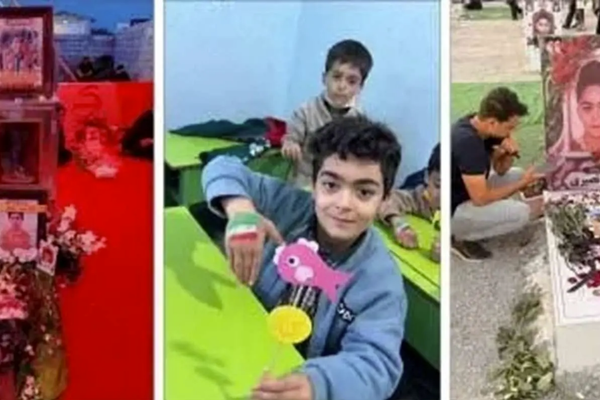
Additional Details
Captured Date
2026-05-01T16:14:17.000Z
Language
Persian
Incident