Source
Archive URL: https://airwars.org/source/www-zoomit-ir-%d9%86%da%af%db%8c%d9%86-%d8%a8%d8%a7%d9%82%d8%b1%db%8c-2026-07-20-152000-2/
Captured Post Date:
2026-07-20 15:20
Translated Author:
Negin Bagheri
Author:
نگین باقری
Translated Content:
Since last week, a telecommunications tower that had been out of service for five years, located within the ranger station in the village of Seyyed Jowzar, has raised a troubling question: could the presence of that tower have caused the site to be mistakenly identified as a military target in the early hours of 14 July?
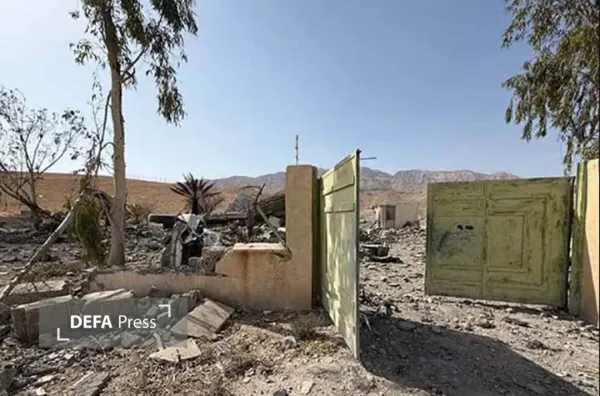
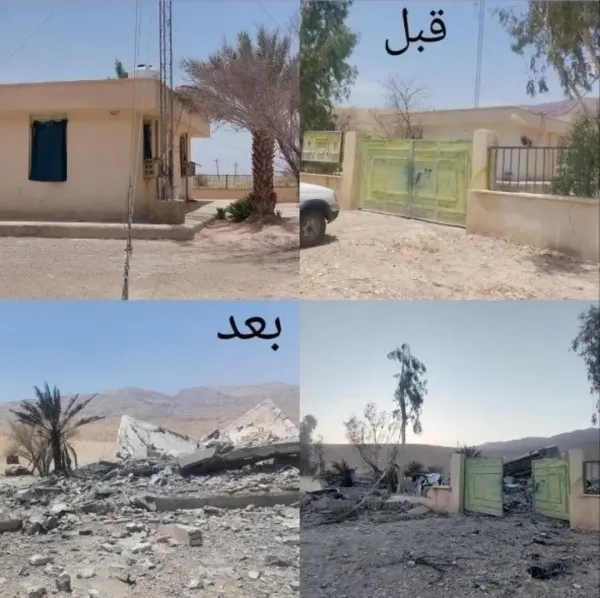
“The combination of the tower, the fences around a protected environmental site, and a shed used to store ranger equipment may have made Mr Hassan-Zadeh’s home appear, mistakenly, like a military area to the United States, leading it to become the target of two war missiles,” Zar’ei, one of the rangers in the area, told Zoomit. One of the two missiles he refers to hit the guesthouse and the other struck the storage building.
Since the start of the World Cup, Mr Hassan-Zadeh’s children had brought the television from their home in Hajiabad, in northern Hormozgan province, to the ranger station so they could watch football. The station’s previous television had been broken by shrapnel during the earlier war. This time, shrapnel was not all that the family suffered: US fighter jets fired missiles at the ranger station, ending the family’s 20-year life in the heart of the village.
Three people were in the station’s guesthouse that night: Mehdi, 19, and Mehrshad, 24, Mr Hassan-Zadeh’s sons, as well as Mehrshad’s fiancée, Elnaz Karimi, who was also around 24. Ranger Hassan-Zadeh had gone to hospital to accompany his ill wife, and this is what saved their lives.
At 2:20 a.m., their shelter—the ranger station—was attacked. The bodies of Mr Hassan-Zadeh’s two sons were less severely damaged, but the family’s future daughter-in-law was identified only with great difficulty.
**A telecommunications tower in a protected environmental area?**
There are two protected areas in Hajiabad with rich plant and animal life. When rangers enter these areas, they can no longer use their mobile phones: reception in the dry, mountainous Tarom protected area is non-existent. For this reason, as at other ranger stations, telecommunications towers had been installed so that rangers could communicate by radio.
Had all the towers not been disconnected years earlier because of the Department of Environment’s debts to the telecommunications company, they would have been used for tracking and to relay radio frequencies. But these towers are disconnected throughout protected environmental areas.
The deputy head of communications at the Telecommunication Company of Iran told Zoomit: “The Americans certainly do not have precise information or a full understanding of the area. Much of the incomplete information they have leads to commands that, unfortunately, have resulted in this incident. It is possible that such an incident—the strike on an environmental telecommunications tower—occurred as a result of incomplete information; this cannot be ruled out.”
According to Ghasemi-Nejad, a local environmental activist living in the area, “the first missile struck the storage building—the building where fodder, a tractor and ranger equipment were kept, from water tanks to other water-supply equipment. Then, in the second strike, the guard room was destroyed.”
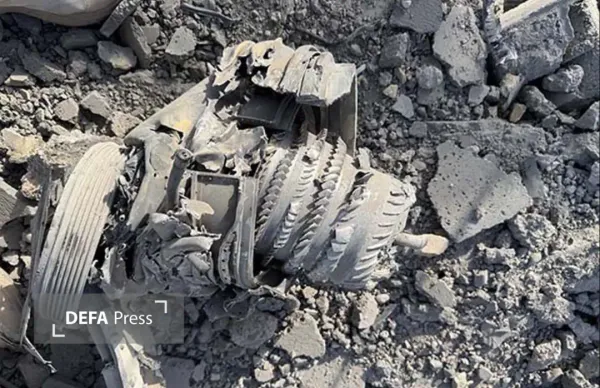
Zar’ei, the Hajiabad ranger, said: “Hassan-Zadeh had lived at this station for nearly 20 years. He had endured years of danger from confrontations with illegal hunters, nights of patrol, and the hardships of life in a protected area. But in the end, it was not the hunters who caused him the greatest loss. With two years left before retirement, he lost everything he had beneath the rubble in the missile attack: his children, his household belongings, and two cars—a Peugeot and a Pride—whose crumpled remains are barely recognisable even in the photographs.”
Ghasemi-Nejad said that, these days, sheds in the south of the country generally do not escape attack. In his view, it makes no difference whether a shed is empty, part of a factory, or a poultry farm: “The US fighters’ assumption is that the sheds might one day be used, or might already be in use.”
Content:
از هفته قبل یک دکل مخابراتی که پنج سال پیش از کار افتاده بود، در میان پاسگاه محیطبانی روستای سیدجوذر به منشا یک پرسش تبدیل شده است: آیا وجود همین دکل در بامداد ۲۳ تیرماه آن را به اشتباه تبدیل به هدف نظامی کرد؟
«ترکیب کنار هم قرار گرفتن دکل، حصارهای پایگاه محافظتشده محیط زیستی و یک سوله که محل انبار وسایل محیطبانی بود، ممکن است خانه آقای حسنزاده را به اشتباه برای آمریکا شبیه به یک منطقه نظامی و تبدیل به هدف دو موشک جنگی کرده باشد.» این را زارعی، یکی از محیطبانان منطقه به زومیت میگوید. دو موشکی که از آن حرف میزند یکی به مهمانسرا برخورد میکند و دیگری به انباری.
فرزندان آقای حسنزاده از زمانی که جام جهانی شروع شده بود تلویزیون خانهشان در حاجیآباد (واقع در شمال استان هرمزگان) را اینجا آورده بودند تا فوتبال ببینند. تلویزیون قبلی پاسگاه محیطبانی در جنگ پیشین بر اثر برخورد ترکش شکسته بود. سهم آنها از این جنگ اینبار فقط ترکش نبود؛ جنگندههای آمریکایی موشک را به سمت پاسگاه محیطبانی شلیک و به زندگی ۲۰ ساله خانواده در دل روستا پایان دادند.
آن شب سه نفر در مهمانسرای پاسگاه بودند؛ مهدی ۱۹ ساله، مهرشاد ۲۴ ساله پسران آقای حسنزاده و الناز کریمی، نامزد مهرشاد که او هم حدود ۲۴ سال داشت. محیطبان حسنزاده برای همراهی همسر بیمارش به بیمارستان رفته بود و همین جان آنها را نجات داد.
ساعت ۲:۲۰ دقیقه بامداد به سرپناهشان یعنی پاسگاه حمله شد. پیکر دو پسر آقای حسنزاده آسیب کمتری دیده بود اما پیکر عروس خانواده را بهسختی شناسایی کردند.
دکل در منطقه محیط زیستی محافظتشده؟
در حاجیآباد دو منطقه حفاظتشده با پوشش گیاهی و جانوری غنی قرار دارد. محیطبانها وقتی به این مناطق میروند دیگر نمیتوانند از موبایلهایشان استفاده کنند. آنتندهی در دل منطقه خشک و کوهستانی طارم صفر است. به همین خاطر هم مثل همه پاسگاههای محیطبانی از این دکلهای مخابراتی گذاشته بودند تا محیطبانها با بیسیم ارتباط بگیرند.
اگر از سالها پیش با بدهی سازمان محیط زیست به مخابرات تمام دکلها قطع نشده بودند باید از آنها برای ردیاب و فرکانسدهی بیسیمها استفاده میکردند. اما این دکلها همه جای مناطق حفاظتشده محیطزیستی قطع هستند.
معاون ادارهکل ارتباطات شرکت مخابرات ایران درباره این موضوع به زومیت توضیح میدهد: «قطعا آمریکاییها آن اطلاعات دقیق و اشراف کاملی به منطقه ندارند. بسیاری از اطلاعات ناقص به آنها فرمانهایی میدهد که متآسفانه باعث شده این اتفاق بیفتد. ممکن است بر اثر اطلاعات ناقص هم چنین موضوعی (برخورد با دکل محیط زیستی) رخ داده باشد که نمیشود آن را تکذیب کرد.»
به گفته قاسمینژاد، یک فعال محیط زیست بومی ساکن منطقه «موشک اول با انبار برخورد کرده بود. همان انبار انباشت علوفه، تراکتور و تجهیزات محیطبانی، از تانکر گرفته تا وسایل دیگر آبرسانی. بعد هم در ضربه دوم اتاقک نگهبانی ویران شده است.»
زارعی، محیطبان حاجیآبادی میگوید: «حسنزاده نزدیک به ۲۰ سال در این پاسگاه زندگی کرده و سالها خطر رویارویی با شکارچیان غیرمجاز، شبهای گشتزنی و سختی زندگی در منطقه حفاظتشده را پشت سر گذاشته بود. اما سرانجام این شکارچیان نبودند که بزرگترین خسارت را به او زدند. او دو سال مانده به بازنشستگی، در حمله موشکی هرچه داشت زیر آوار از دست داد. فرزندانش، وسایل خانه، دو خودروی پژو و پراید که بقایای مچالهشده آن حتی از تصاویر هم قابل تشخیص نیست.»
قاسمینژاد، فعال محیط زیست میگوید که این روزها در جنوب کشور سولهها معمولا از حملات در امان نمیمانند. به گفته او، فرقی نمیکند سوله خالی باشد، کارخانه باشد یا مرغداری؛ «مبنای جنگندههای آمریکایی این است که شاید روزی از سولهها استفاده شود یا الان در حال استفاده باشد.»
Images: