
Incident Code
Incident Date
Location
Geolocation
Geolocation
Airwars Assessment
(Previous Incident Code: R4729 )
Shortly before 1:50 PM on Saturday, November 30, 2024, an airstrike with contested responsibility allegedly carried out by the Russian military and/or Syrian regime forces struck al-Basel roundabout in the New Aleppo neighborhood of Aleppo City, Syria, reportedly killing at least 18 identified civilians, including a woman, and injuring at least 186 identified civilians, including at least 19 children. Some reports stated that the death toll may have reached more than 35 civilians. Among those confirmed killed were civilians from all walks of life, including a pharmacist, a teacher, and several young men whose deaths were mourned across Aleppo’s online networks. The strike reportedly hit the gathering of the opposition to the then-leader of Syria and the civilians supporting it shortly after the statue of Bashar al-Assad was toppled.
Twitter/X user @shahed_alep reported the incident at 1:53 PM, informing about bombardment by warplanes and a number of casualties. Another user, @anwaralnahar, informed about the strikes at 1:50 PM, sharing an image of two vehicles on fire. User @alsarott reported the incident at 1:59 PM, marking the information as “urgent.”
Journalist @Almohrar1 filmed a short video just after the attack, where he was approaching the monument in the center of al-Basel roundabout amidst the burning vehicles and corpses lying on the pavement. He was saying: “All civilians and their bodies become fragments…. Oh God…. Just civilians!”. The video caption said, “A horrific massacre in the middle of #Aleppo city, Al-Basel roundabout, by the #Russian occupation and regime aircraft.”
Sources reported varying casualty figures: Oada and Isaman posts reported two 2 civilians killed; SNHR cited 10 killed and 70 injured as an initial estimate; Al Arabiya, citing the Syrian Observatory, reported 16 killed; Syria Civil Defense mentioned over 15 killed; and Salah’s post claimed more than 35 killed. Many other sources, including @Almohrar1, Halab Today TV, and Furat Post, referred more generally to “dozens” of deaths and injuries.
The Syrian Network for Human Rights (@snhr) stated that “Syrian regime warplanes fired missiles at al-Basel Roundabout in the New Aleppo neighborhood in Aleppo city, killing 10 civilians, including a child, and injuring at least 70 others.”
Social media sources helped Airwars researchers identify the names of many civilians killed and injured.
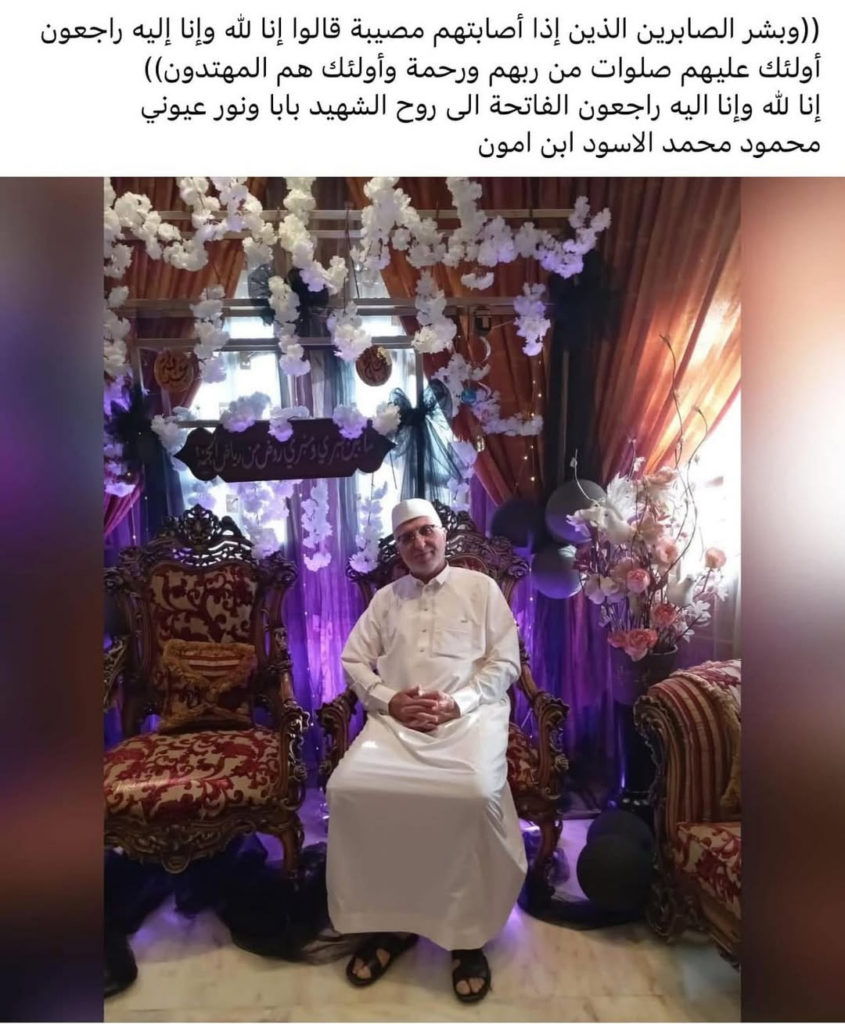
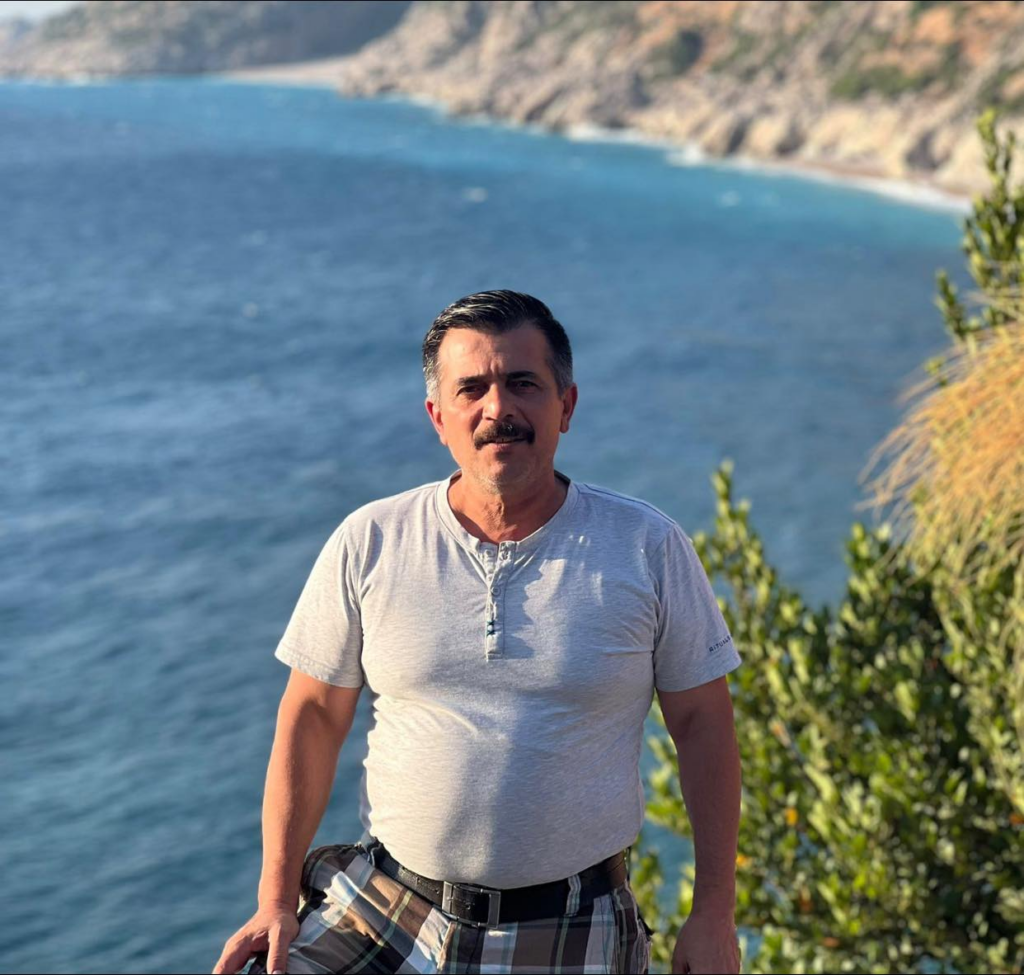
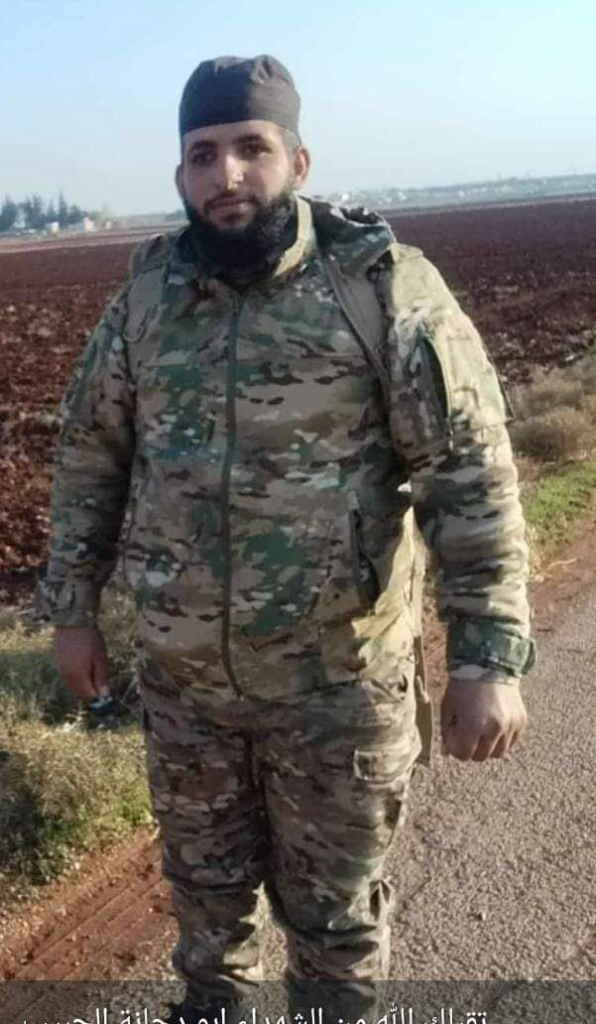
The victims killed were identified as: pharmacist Majed Aqoula, Mohammad Nizar Zakarya Ibreeq, a teacher of French Musab Kamel killed along with his wife (unclear if she was killed or injured, but as she isn’t counted as a “civilian martyr”, likely injured), Majed Shuwayhna, Mahmoud Yousef Hindawi, Ghaith Abo Dan, 28-year-old Ahmad Bakri Kabsou, Bakour Hasan Abdul Fatah, Waddah Mohammad Kamal Hilali, Amir Huskol, Wael Shaban, Muhammad Mustafa Hamliko, Mahmoud Muhammad Al-Aswad ibn Amun, Salman Fustaq, Ammar Jan Ali, 34-year-old Hassan Mohammed Ali, and Abul Karim Dabit. Ahmad al-Walid Ahmad was also memorialized after being killed in the Aleppo roundabout, but is classified as contested civilian status as he is pictured in a camouflage uniform, but there is no additional information.
The strike occurred in a densely populated area and was described by multiple observers as a “massacre.”
The Facebook post by Al aktsad had the images of two lists with the names of the civilians injured in the deadly strike. One list contained the names of the injuries in the University hospital, and another one of those in Al-Atarib hospital. The post reads, “Injured people after targeting Al-Basel and Al-Atarib roundabouts yesterday.. Check the names. A4 sheet of paper shows the injured at the University Hospital. May God heal them, Lord. The other is at Al-Atarib Hospital. May God heal them all and not harm the families.”
The first list of those in the University Hospital contained the name of the following 42 civilians – Ali Abd al-Raheem, Mohammed Bilal al-Hamawy, Akrima al-Hamawy, Muhammad Manqar, Murishid Mohammed al-Yousif, Mustafa Mohammed Abu Farid, Omar Warakan, Abdullah al-Hashem al-Musfir, Saeed al-Ahmed, Abdul Rahman Abdul Khaliq, Mustafa Tarad al-Mustafa, Alaa Mohammed Abu Rawan, Wael Ahmed Ibrahim, Mahmoud Kasho, Mohammed Haj Hussein, Abdullah Mohammed, Waleed Mustafa Qanawati, Hassan Mohammed Mustafa Nassar, Abu Aisha al-Halibi, Hassan Musto, Adel Mahmoud al-Amin, Hussam Shehadeh, Adnan Badwi, Muhammad Hussein al-Salem, Majid Awar al-Sattu, Subhi al-Issa, Adil Mahmoud al-Ameen, Abu Asdaf Izaz, Muhammad Abdul Qadir Ali, Ahmed Salih al-Sheikh Abdo, Ghassan al-Rajab, Abu Hassan al-Sori, Omar Abdul Majeed, Muhammad al-Azim, Ahmed Jamil al-Ahmed, Majhool al-Fasi, Tahir Shihab, Wael Assaf, Omar Abdul Majeed Abu Khaled, Eid Muhammad Khair, Hamza Abdul Qadir al-Youssef, and Ali Sarhan. There were two additional names listed that were not able to be transcribed.
The second list of injuries who were being treated at al-Atarib Hospital contained the names of 19 civilians, including at least five children and at least 12 men, namely, 35-year-old Ghazi Mohammed al-Hussein, 30-year-old Ahmed Mohammed Sufian, 20-year-old Mohammed Abdel Moneim, 27-year-old Ahmed Hussein Latif, 22-year-old Hussein Ahmed, 29-year-old Ali Ammar Jadid, five-year-old Islam Abdul Haj Hussein, 17-year-old Mohammed Gassan, 15-year-old Mahir Mueid Mehras, 44-year-old Abdul Kareem Dura Mohammed, one-year-old Sundis Mohamed Awad, 36-year-old Abdul Hamid, 42-year-old Ahed Mustafa Alloush, 33-year-old Hussein al-Wedhi, 12-year-old Yousef Mohammed Karish, Mohammed Jabur, Hasna Ahmed, 26-year-old Ahmed Alloush, and 42-year-old Mahmoud Al-Hsmawia. The list noted that most of those who were treated were discharged on the same day.
The Facebook account of “Khaled” posted a number of images containing the names of the civilians injured at al-Basel roundabout who were treated in the al-Kanana Hospital in the city of Dara Izza. This list included 102 names: Muhammad, 25-year-old Mahmoud Ghiath, 21-year-old Zahir Shihab, a 30 year old (name unclear), a 52-year-old (name unclear), 12-year-old Raghad Mahmoud Ali, a 25 year old (name unclear), nine-year-old Ahmed, 44-year-old Abdullah Mahmoud Zein El-Din, two-year-old Muhammad Ahmed Asaad, 52-year-old Khaled Ahmed Kousa, 35-year-old Ahmed Haji, 35-year-old Ahmed El-Omar, 37-year-old Ahmed Khaled Suleiman, 25-year-old Mohamed, 25-year-old Omar Yasser Omeisha, 27-year-old Mohamed Mahmoud, 25-year-old Mohamed Bassam, 20-year-old Hassan Mostou, 27-year-old Zakaria Jadoua, a 30 year old (name unclear), 19-year-old Ahmed Nour Asani, a 20 year old (name unclear), 35-year-old Mohamed Karam Abdel Qader Bakour, a 35 year old (name unclear), 17-year-old Mohamed Hassan Salem, 31-year-old Abdel Aziz Mohamed Ibrahim, 27-year-old Mustafa, 37-year-old Yassin, 26-year-old Hassan Mohammed, Mohammed al-Halabi, 44-year-old Hassan, 56-year-old Ibrahim, 45-year-old Mohammed Wahid Hassan, 30-year-old Mohammed Ahmed, 27-year-old Alaa Mohammed Abu Dan, 17-year-old Mohammed Omar, 19-year-old Ahmed Arab, 35-year-old Mohammed Maher Dahdouh, 26-year-old Hassan Hassan, 28-year-old Mohammed Omar Jaluda, 45-year-old Mohammed Ali, 28-year-old Mohammed Khaled al-Ali, 24-year-old Adi Ali, 30-year-old Mohammed Mahmoud, 30-year-old Amer Mohammed al-Ahmad, 22-year-old Mohammed Ahmed Jameel, 22-year-old Mohammed, 20-year-old Ali, 19-year-old Yaqoub Yassin, 33-year-old Mohammed Omar Manqar, 30-year-old Fadi Saeed Mustafa, 25-year-old Walid Mustafa Qanawati, 16-year-old Mustafa, a 30 year old (name unclear), 24-year-old Ismail, a 34 year old (name unclear), 24-year-old Hassan Abdel Rahman Daniel, 23-year-old Omar Mohamed Abdel Salam, 28-year-old Mohamed Maged Abu Bakr, 47-year-old Abdullah, a 32 year old (name unclear), a 24 year old (name unclear), 35-year-old Ahmed Sheikh Eido, 27-year-old Abu Ahmed, a 27 year old (name unclear), 35-year-old Ahmed Mohammed al-Ahmed, 21-year-old Ahmed Fayez Hussein, 18-year-old Mohammed Osama Abdul Mohsen, 35-year-old Mohammed Ali Haj Ahmed, 32-year-old Yahya Taleb, 21-year-old Shaher Mahmoud Jawad, 15-year-old Khaled Ziad, 18-year-old Hassan Walid Hassan, a 22 year old (name unclear), Ahmed Bashir, 13-year-old Muhannad Hani Mohammed, Younes, 30-year-old Yahya Saour, 36-year-old Saeed Khaled al-Ahmad, 19-year-old Yazan Abdul Rahman, a 41 year old (name unclear), 24-year-old Ahmed Mohammed al-Helou, 18-year-old Adel Ahmed Arslan, 29-year-old Mahmoud Mohammed Dahroug, 16-year-old Amal Ahmed Azraq, 10-year-old Jumaa Mohammed Mustafa, 27-year-old Ahmed Hassan, 27-year-old Saeed Mohammed Ahmed, 25-year-old Mohamed Abdel Hafeez Kasmo, and 34-year-old Abdel Rahman Radwan Abdel Khaleq. Eight additional names were unclear.
Another list was provided by “Diaries and complaints in Aleppo” of those “who were bombed at Al-Basel roundabout are present at Darat Izza Hospital” for those searching for the missing. The list does not specify whether those listed were killed or injured but as there is no overlap with those killed, all have assumed to be injured: 23-year-old Khaled Hamdi Al Jassim, 28-year-old Fadi Sobhi Hassino, 42-year-old Mohammed Daniel (son of Abdul Rahman and Zakia), 42-year-old Mohammed Naddaf (son of Abdul Fattah and Amina), Alaa Daniel (son of Abdul Rahman and Zakia), Aboud Daniel (son of Ahmed), Abdullah Naddaf (son of Abdul Fattah and Amina), 24-year-old Mahmoud Aboud (son of Jameel and Ilham), a 15 year old girl (name unclear), a 15 year old girl (name unclear), a 12 year old girl (name unclear), 36-year-old AbduIlah Daniel (son of Abdul Rahman and Zakia), two-year-old Ahmed Alomar Alaa Abdullah, a 37 year old (name unclear), Mortada Shams El Din, one-year-old Bashar Sheikh Ali, 52-year-old Abdul Basit Barakat (son of Muhammad and Fatima), a 25 year old (name unclear), a 40 year old (name unclear), a 25 year old (name unclear), a 35 year old (name unclear), a 50 year old (name unclear), and 27-year-old Bakri Kabso (son of Ahmad and Ubair).
Social media tributes poured in to mourn the death of the victims at the al-Basel roundabout.
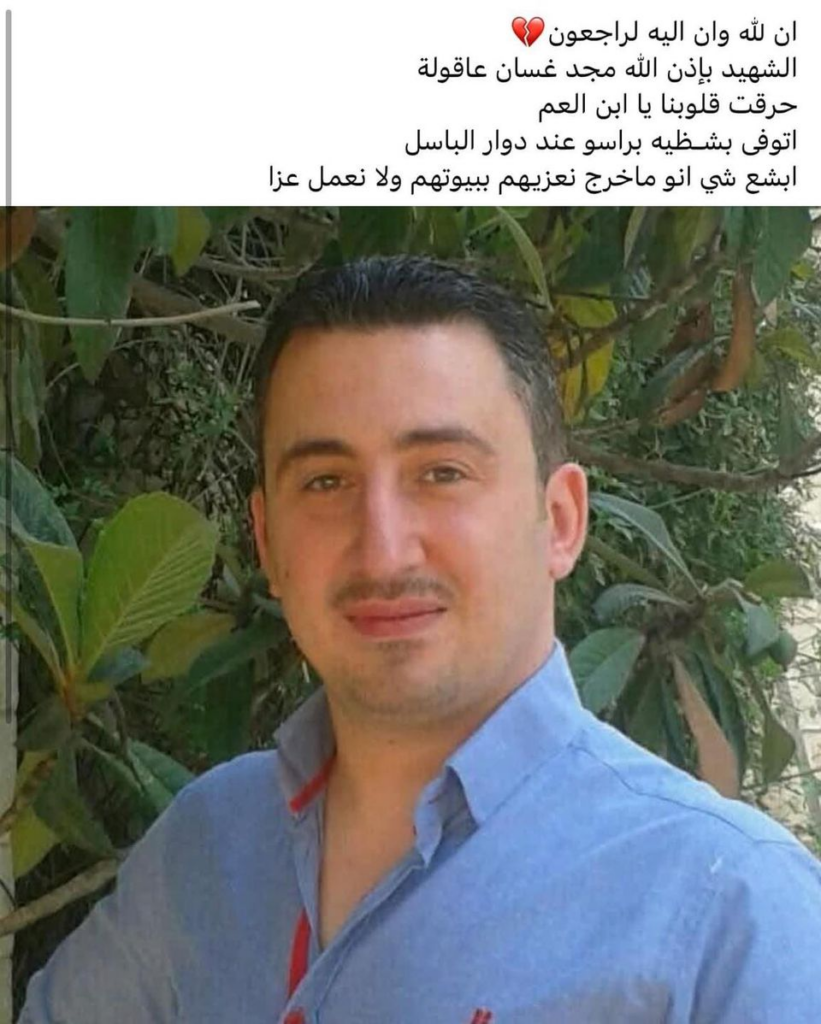
Majed Ghasan Aqoula was confirmed dead by social media sources; he had been a pharmacist whose image circulated in mourning posts. Majed reportedly died from a shrapnel wound to his head at the al-Basel roundabout. He was a young man pictured dressed in a blue shirt and standing in front of a large plant.
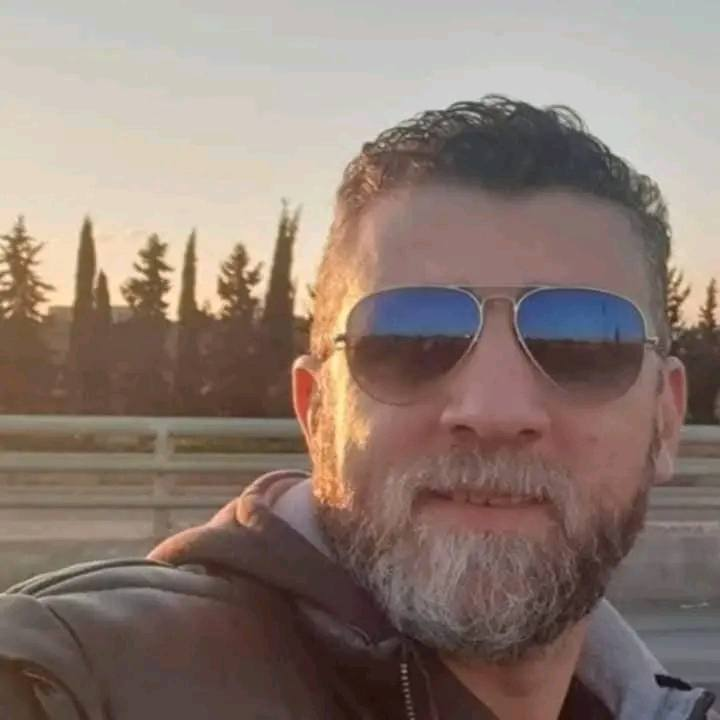
French teacher Professor Musab Kamel, also perished in the attack, along with his wife. A tribute post described Musab as “a kind soul, a bright teacher, taken with brutality.” A Facebook user Rami M Zahran mourned him as “one of the kindest hearts and best morals.” He added an image of the late Musab, who was a middle-aged man with a grey beard, wearing sunglasses. According to some social media posts, Musab died from a head injury on the left side.
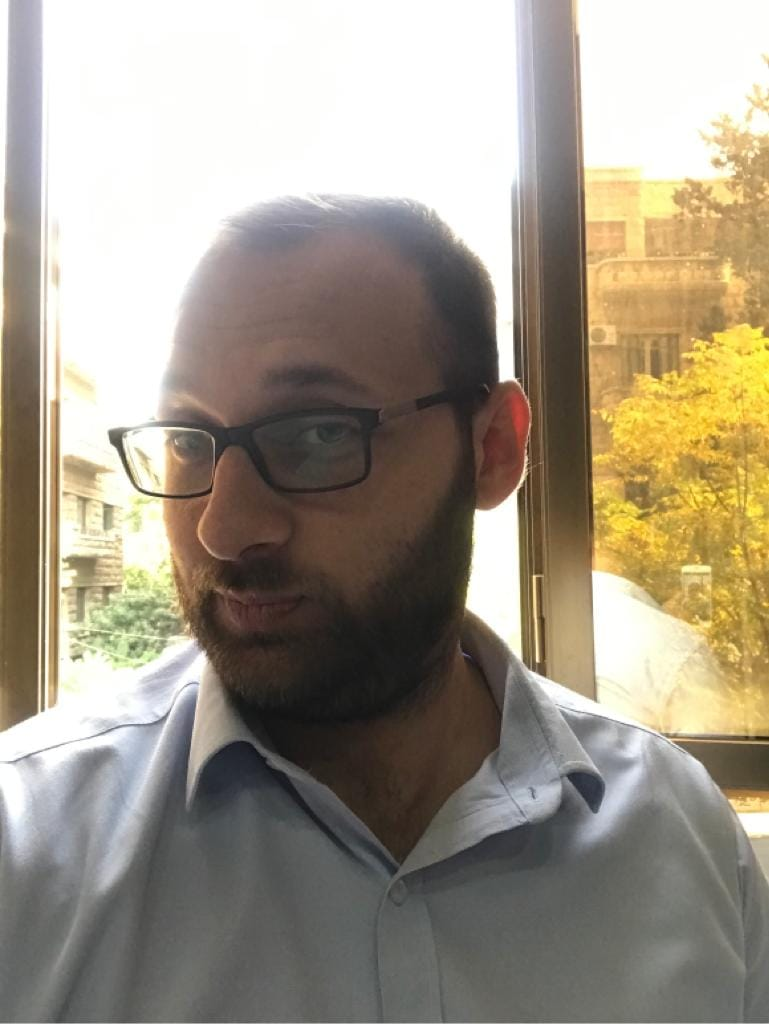
The son of well-known writer and critic Muhammad Shuwaihna, Majed Shuwaihna, was among the victims of the strike, reportedly killed in his car. His father announced his death on Facebook, sharing an image of Majed, who was a young man with short hair, a thick beard, wearing glasses, and dressed in a grey shirt. Muhammad also wrote: “This morning I buried you with my own hands. I kissed your forehead in the cold of death and broke with my own hands the soil to cover you.”
A Facebook post by Halid Abdo contained another image of Majed where he is seen sitting at the table, holding his phone and smiling at the camera. The inscription on the image, apparently written by his wife, read, “Al-Fatihah for the soul of my martyred husband, the young Majed Shuwaihna. He was in the street in his car near al-Basel roundabout, and there was a bombing, and he was martyred.”
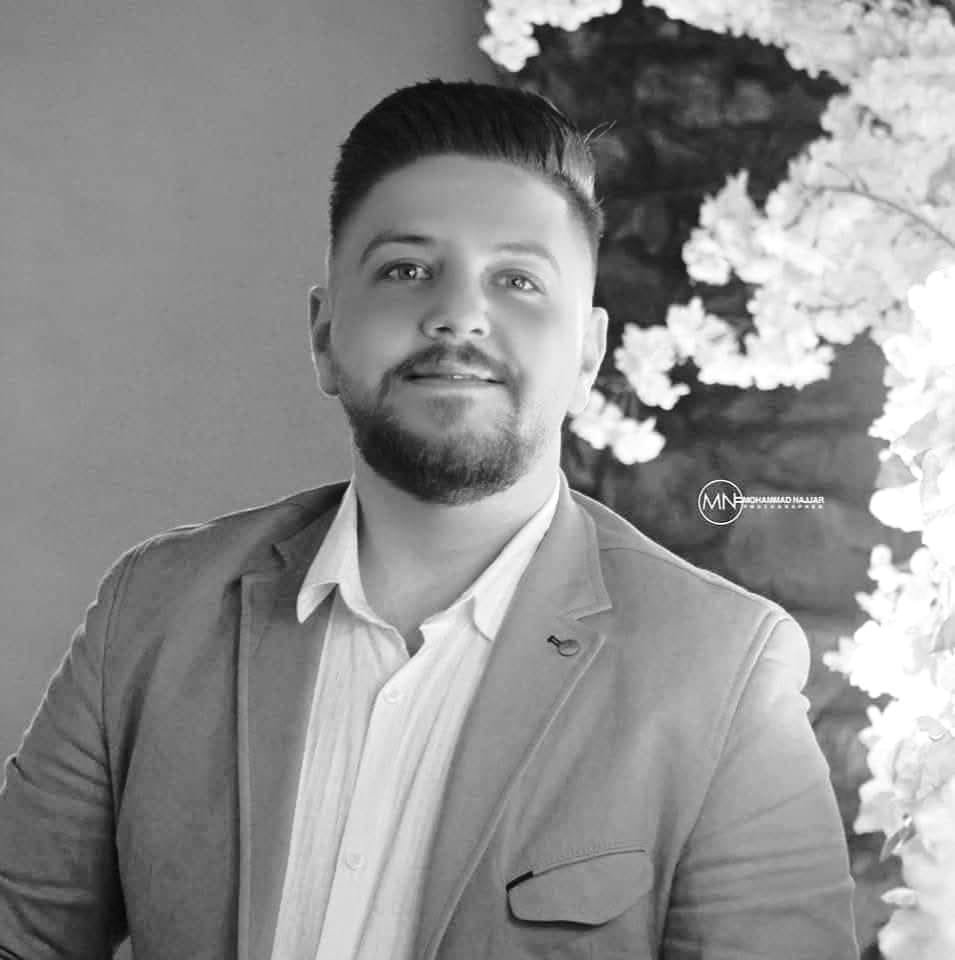
A young man, Muhammad Nizar Zakaria Ibriq, was first reported missing, but then his death was confirmed, according to the Facebook post by Aleppo TV. The post contained a picture of Muhammad who was a young man with styled short hair and a trimmed beard, dressed in a white shirt and a grey suit.
A young man, Mahmoud Yousef Handawi, was among the victims. In the image shared by Halab TV, Ahmad is seen as a young man with long hair, a trimmed beard dressed in a white hoodie and a checkered shirt. Mohammed Martini wrote a touching tribute to Mahmoud: “It’s too early, my brother, I haven’t come down and seen you yet, and everything is gone with you. It’s too early, my light of my eye, I still haven’t seen you coming and going, and my days have passed with you. May God have mercy on your soul, my light of my eyes.“
The death of a young man, Bakour Hassan Abdel Fattah, was grieved in a Facebook post by Fatima Hasan, who wrote, “In the gardens of bliss, my dear brother. From the martyrs of al-Basel roundabout. Bakour Hassan Abdel Fattah.” She added an image of Bakour, a young smiling man with dark hair and a thick dark beard wearing a blue sporting T-shirt and black sport trousers and sitting near a palm tree.
A young man, Amir Haskal (Hoskul), was remembered in a number of social media tributes. Ahmad M Muslemani wrote on Facebook: “With great sadness and sorrow and submission to God’s will and destiny, I received the news of the martyrdom of my neighbor, my school and university friend, and my business partner, the martyr Ahmed Amir Hoskul. May God have mercy on him and grant him a spacious place in Paradise and replace him with a home better than his home.” Ahmad posted an image of the late Amir who had light-brown hair, deep-set brown eyes, and a trimmed beard, and was wearing a red shirt and a black jacket, standing in nature. Amir’s uncle Abu Muhammad also mourned his death on Facebook, writing: “To God belongs what He takes and what He gives, and everything has an appointed term. The young martyr Amir Haskal, my nephew, has passed away. O God, treat him as You are worthy of, and do not treat him as he is worthy of. O God, reward him for his good deeds with goodness, and for his bad deeds with forgiveness and pardon. “
The death of 28-year-old Ahmad Bakri Kabso was announced by the city of Tal Rifaat on Facebook. He was a young man with short dark hair and a trimmed beard dressed in a white shirt.
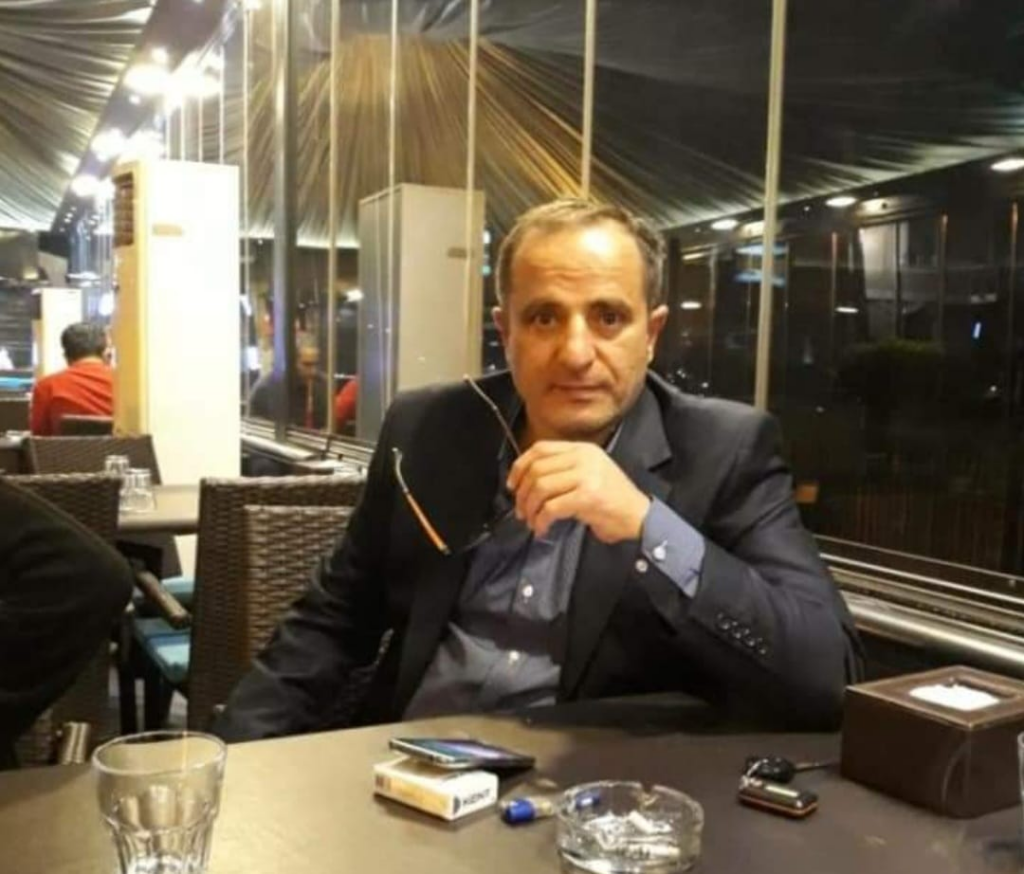
Facebook user Shadi Helale wrote about the killing of Hajj Wadah Muhammad Kamal Halali in the strike on the al-Basel roundabout in Aleppo, adding his image of a middle-aged man with a clean-shaven face, a large forehead dressed in a grey shirt and a black suit who was sitting at a table in a cafe, holding glasses.
The death of Salman Mustafa Fustaq was mourned by his nephew Ibrahim Muhammad Aqeel, who wrote on Facebook, “My uncle, my friend, and my beloved (Salman Mustafa Fustaq) has passed away.” In an image added by Ibrahim, the late Salman is seen as a middle-aged man with dark hair and mustache in a grey T-shirt and checkered trousers, standing against the backdrop of the sea.
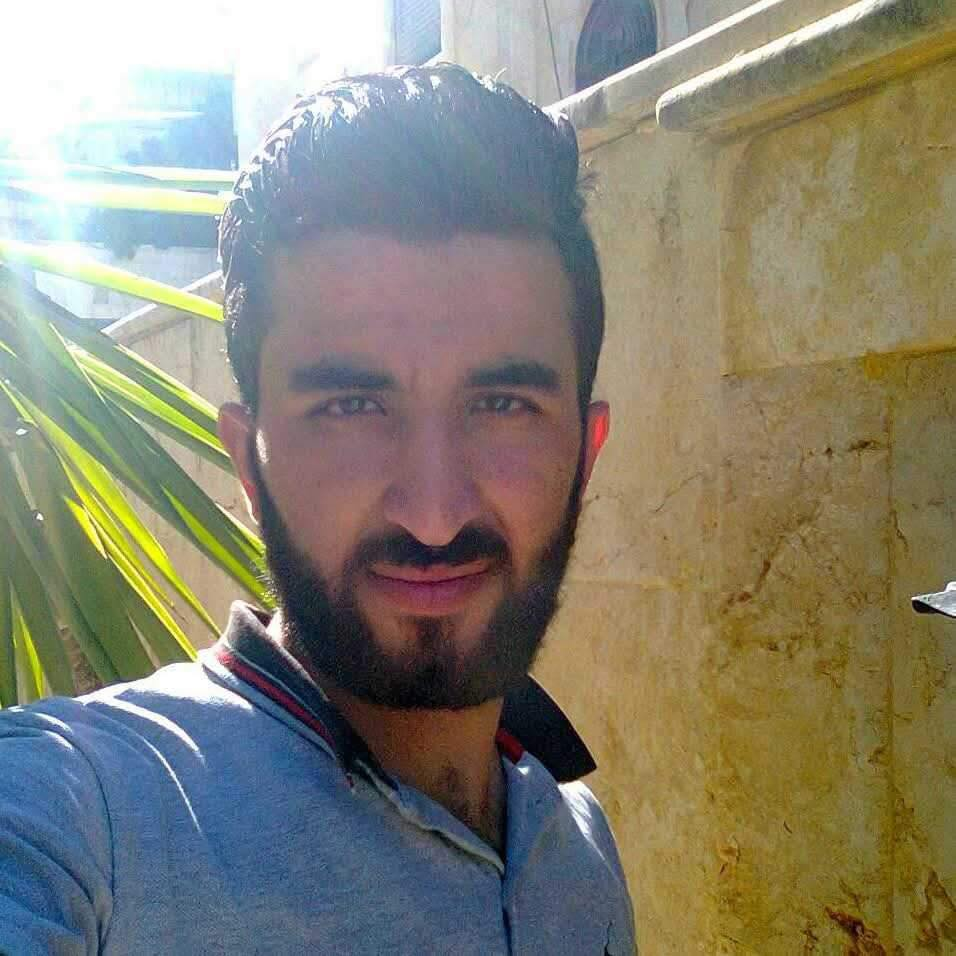
The death of Abdul Karim Dabbit was announced in a Facebook post by the College of Science and Economics, where he used to study. Facebook user Mohammad Mohammad grieved the death of Abdul Karim, noting that he had been his colleague in the mathematics department. Both sources shared the image of the late Abdul Karim, a young man with dark hair and a dark trimmed beard wearing a blue T-shirt and standing outside near a palm.
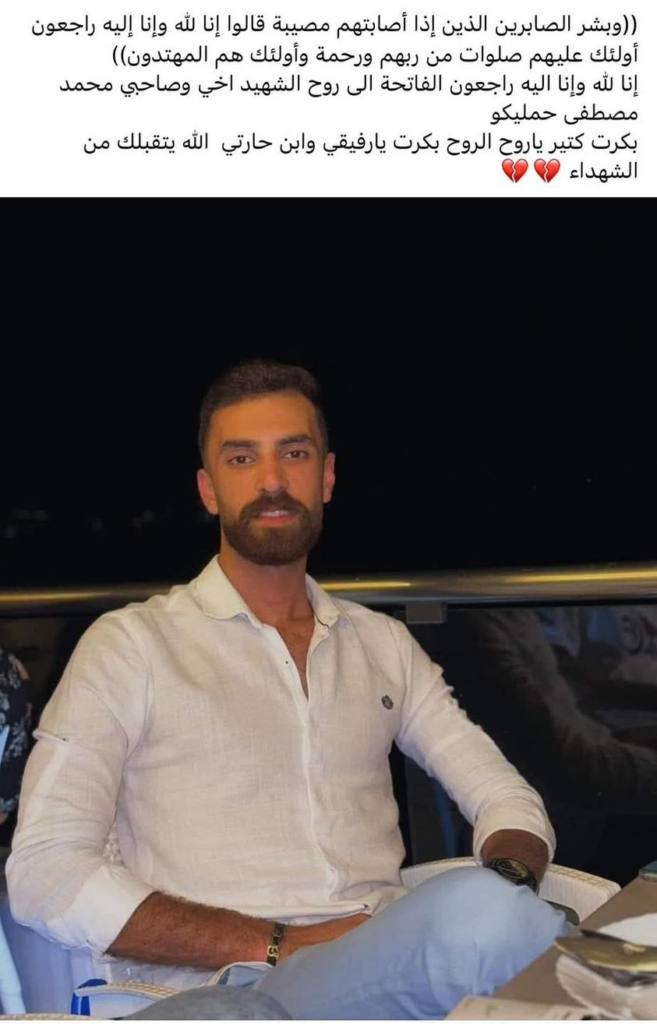
A young man, Muhammad Mustafa Hamliko, was also among the victims of the deadly strike. His image was shared by Halid Abdo in a Facebook post commemorating the victims, where he was a young man with short hair and a thick beard dressed in a white shirt and blue trousers, sitting in a cafe. The inscription on the picture read, “Al-Fatiha for the soul of the martyr, my brother and friend, Muhammad Mustafa Hamliko.”
Halid Abdo also shared an image of the late Ghaith Abu Dan, who was a young man seen dressed in a black T-shirt with white and violet stripes. In the image, he is smiling in nature. Ghaith was also mentioned in a post by Rami Khawajki, who described him as a “brother and lifelong friend, the honorable man and brother Ghaith Abu Dan.”
Haldi Abdo shared an image of Mahmoud Muhammad Al-Aswad ibn Amun who was an elderly man dressed in a traditional white thawb and wearing a white hat. He was pictured sitting on a beautiful chair in a pompous interior.” The inscription on the picture reads, “Al-Fatiha for the soul of the martyr, Baba and light of my eyes, Mahmoud Muhammad Al-Aswad ibn Amun.”
Facebook user Mahmoud Issa mourned the deaths of Salman Fustaq and Ammar Jan Ali, whom he called his “brothers and friends.” Salman was a middle-aged man dressed in a white thawb who was pictured lying on a sofa near a young boy. Ammar Jan Ali was a middle-aged man with dark hair and a mustache, wearing a thawb and smiling at a camera
Ahmad Walid Al Ahmad was mentioned in a Facebook post by the user Abbas, who inquired about the whereabouts of his body. The attached image shows a young man with a thick, dark beard in a military uniform standing near an agricultural field. Given the absence of further evidence, Airwars researchers consider him a contested civilian until further information comes to light.
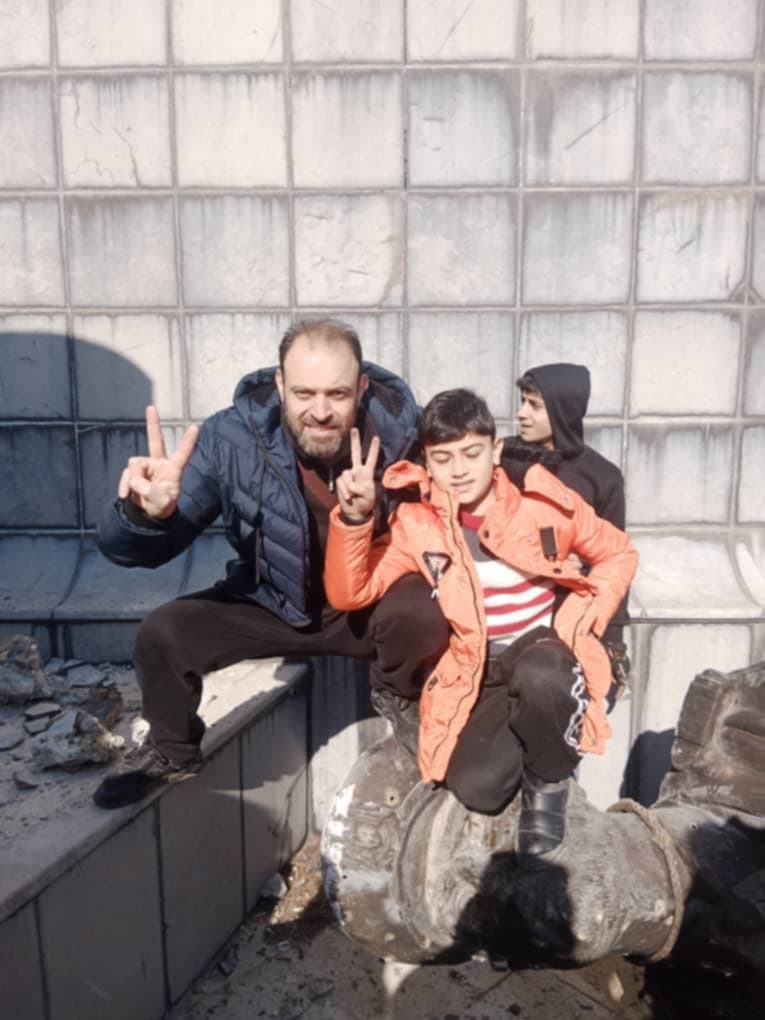
The death of Wael Shaban was grieved upon in the Facebook post by Basil Najib who wrote, “Wael did not enjoy what he celebrated in a video that is perhaps the most important video he has filmed in his life and with the words God is Great God is Great after he wrote: An indescribable feeling and he told me (the world does not believe it). {..}The regime’s aircraft bombed al-Basel roundabout, which led to the death of many, including Wael, may God have mercy on him and inspire his family with patience.” The video mentioned by Basil showed the toppling of the statue of the Syrian dictator Bashar Assad amidst the joyful screams of the protesters who shouted “Allahu Akbar!”In one of the images posted, Wael is seen with his son who was sitting on the granite head of the monument, and both show the victory sign. Sadly, soon after that celebration, Wael was killed in the airstrike on Aleppo. He was a middle-aged man with light brown hair and a thick brown beard. He was wearing a black jacket.
The Syrian Civil Defence (@SyriaCivilDefe) reported that “dozens of civilians were killed and injured in a massacre as a result of warplane airstrikes by the regime and Russia” on the al-Basel roundabout. They shared footage that showed emergency teams rushing into the aftermath, carrying injured people into ambulances and digging through debris. One picture showed a young girl lying wrapped in patterned blankets, her face still and peaceful, in the dim, amber light of what appeared to be a hospital corridor or makeshift morgue.
Another image showed five members of Syria’s Civil Defence—the White Helmets—surrounding the limp body of a civilian, lying face-up on the blood-streaked pavement. Helmets with mounted torches pierced the shadows, illuminating the scene. The victim, a man dressed in black, appeared to have suffered massive trauma. His lower leg had been torn open, his clothing soaked with blood. His body was contorted, one arm flung outward as if caught mid-motion in the moment of death.
The Syrian Network for Human Rights (@snhr) stated that “Syrian regime warplanes fired missiles at al-Basel Roundabout in the New Aleppo neighborhood in Aleppo city, killing 10 civilians, including a child, and injuring at least 70 others.”
Images and videos shared online documented both the impact and aftermath of the strike.
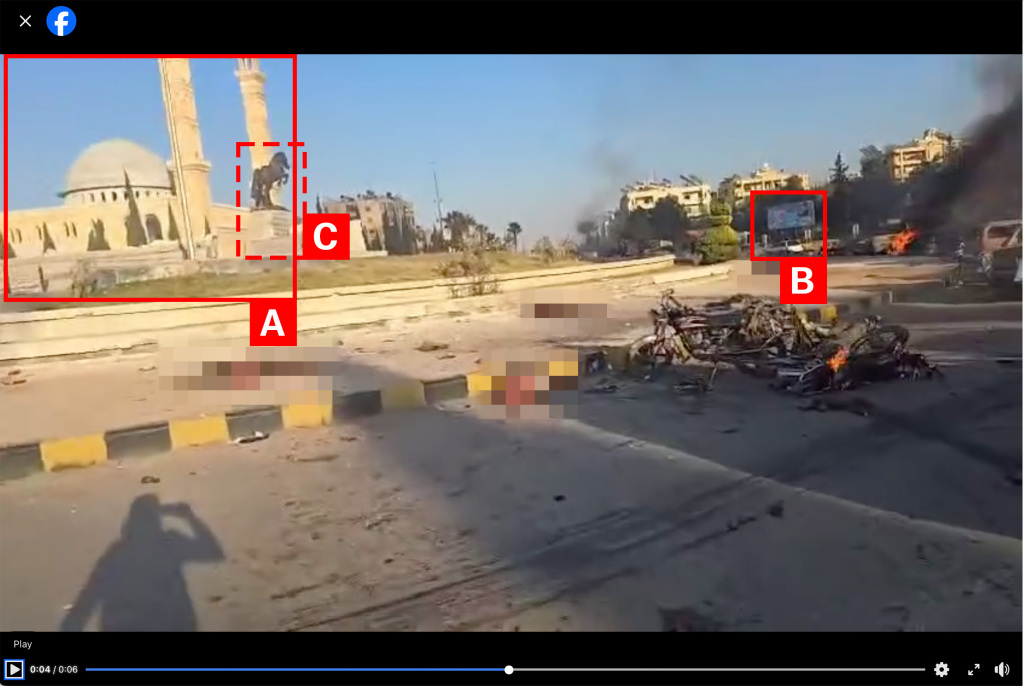
Facebook user Heba Alaahi shared a video related to the event. The video opened with the sound of screaming in the background as flames engulfed cars and motorcycles. On the ground, bodies were scattered and motionless—except for one man, who lifted his head and torso twice before falling still. Many appeared to be soldiers or uniformed men, their attire suggesting military affiliation. The concrete was littered with debris: splintered asphalt, shards of metal, and dark pools of blood. Scattered personal items — boots, caps, fragments of gear — marked the ground like remnants of a life interrupted. The person filming moved quickly and erratically, stepping between bodies as they recorded the devastation. To the left, a motorcycle burned violently, flames licking upward. Just ahead, a figure lay face-down, their limbs twisted unnaturally. Shattered concrete and settled dust revealed the force of the explosion. Smoke thickened as the camera advanced, revealing a mangled body slumped over a curb, clearly lifeless. The density of casualties in this confined radius was striking — limbs missing, clothes shredded, trails of scarlet and black-red blood streaking across the square.
Near a flight of steps leading to what appeared to be a monument or official structure, a group of men tried to assist the wounded. Two survivors, bloodied and dazed, sat slumped on the stairs. One man crouched beside them, checking on their condition. A red canister — likely a fire extinguisher — rested nearby, suggesting an earlier attempt to douse the flames. As the camera continued upward and panned across the scene, the scale of the carnage became clearer. Dozens lay dead or dying, scattered across the open plaza. The pavement was slick with blood. Black smoke coiled upward from the burning vehicles, veiling the sky in thick columns. In the distance, a lone figure ran across the street — a fleeting moment of movement in a landscape otherwise frozen in catastrophe. The wounded man who had briefly moved at the start of the video now lay still. Blood ran from him in silent streams.
The lens widened, capturing a panoramic view: several vehicles were ablaze across the roadway. Towering plumes of smoke obscured the horizon. A white SUV stood near the blast epicenter, parked beside a car consumed by fire. In the foreground, a man lay face-up — unmoving — his body strapped in what appeared to be webbing or a uniform harness. His arms were splayed out, and blood pooled beneath him. As the perspective shifted, the central plaza came into full view. Bodies were sprawled across the concrete slope — all male, many clad in dark uniforms. Some were visibly dismembered, others shredded by the blast. Personal gear — helmets, boots, jackets — lay scattered. The bloodstains on the pavement formed a grim constellation around the dead. The concrete was saturated with blood, and bits of debris were strewn everywhere — fragments of metal, pieces of clothing, scorched plastic.
As the video neared its end, the camera pulled back once more to a wide shot: the base of the steps, with the full scale of destruction laid bare. At least a dozen bodies were visible, scattered among wrecked vehicles and pools of blood. Civilian and military targets alike appeared in ruin. The city skyline was dimmed by the haze. In the final frames, the camera paused near the roundabout’s edge. A civilian lay face-up on the curb, clearly dead. A thick pool of blood fanned outward beneath him, soaking into the pavement and his clothes. Nearby lay his sandals, torn garments, and what appeared to be a rifle — suggesting he might have been armed or caught in the blast while carrying gear. Across the road, more cars burned. Others remained eerily intact, abandoned mid-motion. A lone motorcyclist passed slowly through the frame, weaving around corpses and debris — an unsettling image of life continuing, however briefly, against a backdrop of annihilation: bodies charred and still, motorcycles blazing, and rivers of blood.
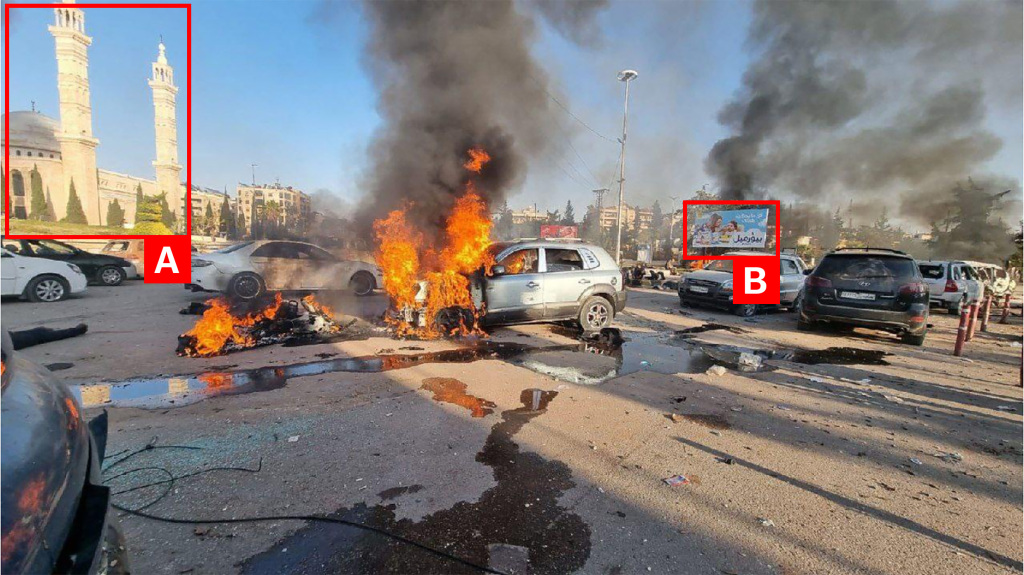
X/Twitter user @Almohrar1 shared a video on the social media platform related to the event. The camera panned across a wide, open intersection bathed in afternoon sunlight. A grand mosque with towering minarets dominated the background, its golden dome glinting beneath the sky. But the foreground appeared apocalyptic: the street was scattered with twisted metal — what looked like the wreckage of multiple motorbikes, some still burning. Several bodies lay motionless on the ground — their clothes torn, injuries visible, and no signs of life. Across the square, limbs were scattered in pools of blood. In the middle of the street divider, a heap of mangled motorcycles smoldered. Scorch marks streaked the pavement. Blood was visible in several locations. To the left, a limp body lay awkwardly splayed on the concrete, face down. The shadow of the person filming stretched across the scene, one hand raised — likely holding a phone or camera. A black SUV, riddled with shrapnel damage, sat idly on the road’s edge, its windows blown out. As the view widened, multiple cars were seen halted mid-traffic — some burning intensely, pillars of black smoke rising high into the air. Flames crackled from what had once been a functioning vehicle. Another body lay at the feet of the SUV, burnt and crumpled. The path of destruction was clear — dark trails marked the asphalt, suggesting blast impact or dragging.
North Post shared additional images related to the event. One picture captured the brutal human toll of the airstrike at al-Basel roundabout in Aleppo. The foreground was strewn with lifeless bodies—civilian victims lying sprawled across the asphalt, their limbs limp and twisted in unnatural positions. One body near the curb showed signs of severe trauma, the face bloodied and the clothes torn. A second corpse lay motionless near a shattered motorcycle, surrounded by scattered debris and oil stains, suggesting a violent blast impact. In the center, a third body—clad in what appeared to be casual clothing—rested between two destroyed motorbikes. The individual’s posture, flat on the back with arms partially raised, conveyed the abruptness of the death. Another victim lay on the sidewalk, possibly a young man, the head turned toward the camera and blood clearly visible. The surrounding destruction, with blown-out cars and overturned bikes, underscored the indiscriminate nature of the strike.
One image showed the immediate aftermath of the airstrike, focusing starkly on the human cost. At least six bodies lay scattered on the asphalt—motionless, lifeless, contorted. The victims were men, some partially burned, their limbs twisted or outstretched. One body in the foreground was charred black, smoke still visibly rising from the clothes—a chilling indication of how recently the explosion had occurred. Their positions suggested sudden, violent death. One man lay face-up, arms thrown outward, his chest burned and his legs bloodied. Another lay near a motorcycle, his back arched and feet bent inward as though struck mid-motion. A third was crumpled against the pavement in a fetal position, his shirt pulled up from the force of the blast. In the background, bystanders walked cautiously among the wreckage. A man in fatigues and combat boots—possibly a local fighter or first responder—stepped toward the bodies, his gaze downward. Nearby, a van and an old yellow sedan sat with their doors open, possibly abandoned mid-escape or mid-rescue. Pools of blood, a mangled motorbike, and burnt debris filled the frame—each a visual echo of the violence that shattered this moment.
In another image, two men lay motionless on the cracked asphalt, their bodies bearing the unmistakable marks of violent death. One of them, positioned in the foreground, was face-up with his eyes partially open, his arms splayed limply by his sides. His lower body appeared charred, his jeans blackened by fire or shrapnel. His mouth was slightly agape—a frozen expression that may have been a final breath, a cry, or nothing at all. Beside him, the second victim was barely distinguishable. His head was wrapped in a keffiyeh, and his body lay contorted, his torso facing downward but his legs twisted at an unnatural angle. His lower limbs had been severely mutilated, with parts blurred in the image to obscure the full horror. The remnants of what might have been a motorbike lay just beyond them, scorched and splintered—possibly the object they rode or stood near when the strike hit.
Facebook user Hbm alshaar shared video footage from inside what appeared to be a hospital or emergency clinic. The camera moved rapidly through a chaotic scene, capturing a crowded hallway where injured men lay on makeshift stretchers and bloodstained mattresses. The white tiled floor was smeared with streaks and pools of blood, creating a disturbing contrast with the sterile walls and overhead lighting. In the first frame, a man lay on a stretcher, barely moving, his face pale and twisted in pain. A bystander, possibly a relative or medical worker, stood beside him, gesturing with one hand, seemingly giving directions or encouragement. The wounded man wore civilian clothes, but a belt and what looked like medical tubing suggested emergency care was underway. Blood was visible around his waist and shoulder. The camera panned left. Several more bodies appeared — some lying still, others showing slight movement. In the background, overwhelmed medical staff attempted to triage amid the flood of casualties. White coats darted from body to body, kneeling or bending over the wounded. As the footage advanced, the camera moved down a corridor, past a trail of blood smeared across the tile. In the middle of the corridor, a body dressed in military fatigues lay face-up, limbs rigid and burned. His legs showed extensive injuries — blackened fabric, torn flesh, and visible bone. The corpse was surrounded by debris: torn clothing, bandage wraps, and a discarded IV pole. The camera swayed as it moved past a group of nurses or orderlies in blue gowns clustered around another patient on the floor. They seemed to be performing CPR or trying to stabilize him, their hands pressing urgently. Further down, several wounded sat upright but dazed, some with crude bandages, others bare-chested or bleeding from the arms and torso.
X/Twitter user @jabalybaraa shared a photograph that captured the raw aftermath of the airstrike in a civilian-dense urban setting. A light blue SUV was fully engulfed in flames, its hood consumed and the fire rapidly spreading through the passenger compartment. Thick black smoke billowed upward in multiple plumes, darkening the skyline and visibly marking the impact zone. The ground was slick with blood and fuel—large, dark puddles trailed across the pavement, testifying to the severity of the blast. Charred remains and personal effects were scattered across the road, with flames consuming what appeared to be a motorbike or possibly debris from a personal vehicle. Multiple other vehicles in the vicinity were visibly damaged—some with doors open, indicating rapid evacuations, while others were abandoned, scorched, or partially wrecked. At least one lifeless body could be seen lying face down on the road, largely untouched but clearly killed by the force or fragments of the blast. Another body lay near the burning vehicle, blurred into the chaos but unmistakably human. In the backdrop, a grand mosque with two prominent minarets towered over the scene, underscoring the civilian and religious character of the location. Residential buildings lined the horizon, reinforcing that this had not been a military target but a populated area. The stark juxtaposition of daily life and violent rupture encapsulated the horror experienced by civilians caught in this strike.
Facebook user Jhwar shared pictures showing the infrastructural damage related to the attack. In the first photo, the façade of a mid-rise apartment building had been violently torn apart. The skeletal remains of what was once a vehicle lay mangled and compacted into the building’s entrance—its body crushed and stripped of recognizable form. Debris was scattered everywhere: balcony railings were twisted, window bars hung precariously, and the entire street was coated in a thick layer of grey dust. The adjacent car was burned and partially buried in rubble, hinting at the sheer force of the blast. The second image zoomed out to show the broader devastation along the entire street. Both sides were lined with multi-story residential buildings, their windows blown out and façades cracked. Piles of debris, collapsed storefronts, and pulverized vehicles lined the road, which was otherwise deserted except for a lone figure walking down the center, dwarfed by the scale of destruction. The morning or evening light gave the scene a quiet eeriness—a disorienting contrast to the violence that had clearly unfolded just hours earlier. The third photo offered a view from a slightly different angle on the same street. A line of closed storefronts on the right, one still bearing its sign, stood amid a scene of wreckage: cars blanketed in dust, their windshields shattered, and shop shutters twisted. A delivery truck, its rear doors ajar, sat immobilized. The air seemed heavy with dust, and the street was eerily silent—testimony to a once-bustling neighborhood now silenced by violence.
Reports circulated that the statue of Bashar al-Assad at the roundabout had been recently toppled, and some observers speculated that the timing of the strike was symbolic or retaliatory.
When belligerents were identified, responsibility for the strike remained contested. Multiple sources attributed the airstrike to both Russian and Syrian regime warplanes. The Syrian Civil Defense explicitly blamed Russian aircraft for deliberately targeting civilians. Posts by @Almohrar1, @alsarott, and Furat Post likewise described the massacre as carried out by Russian forces. Other sources, including Halab Today TV and North Post, attributed the bombing solely to Syrian regime aircraft.
Assessment Updates
Victims
Family members (2)
Family members (2)
Family members (3)
Individuals
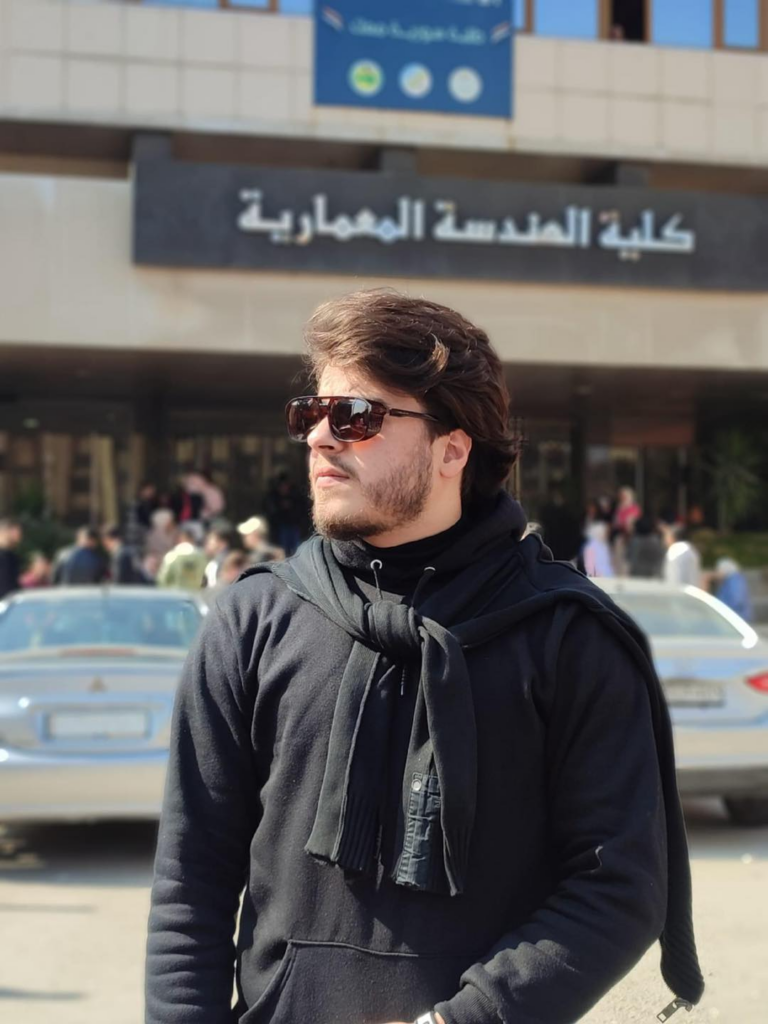
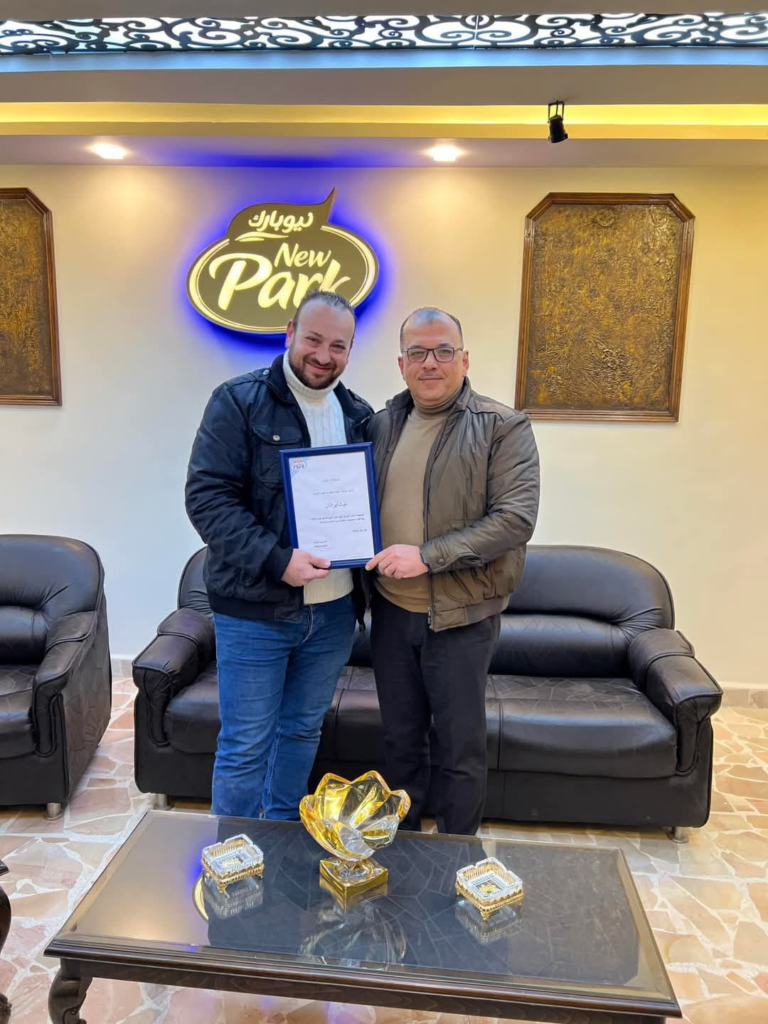
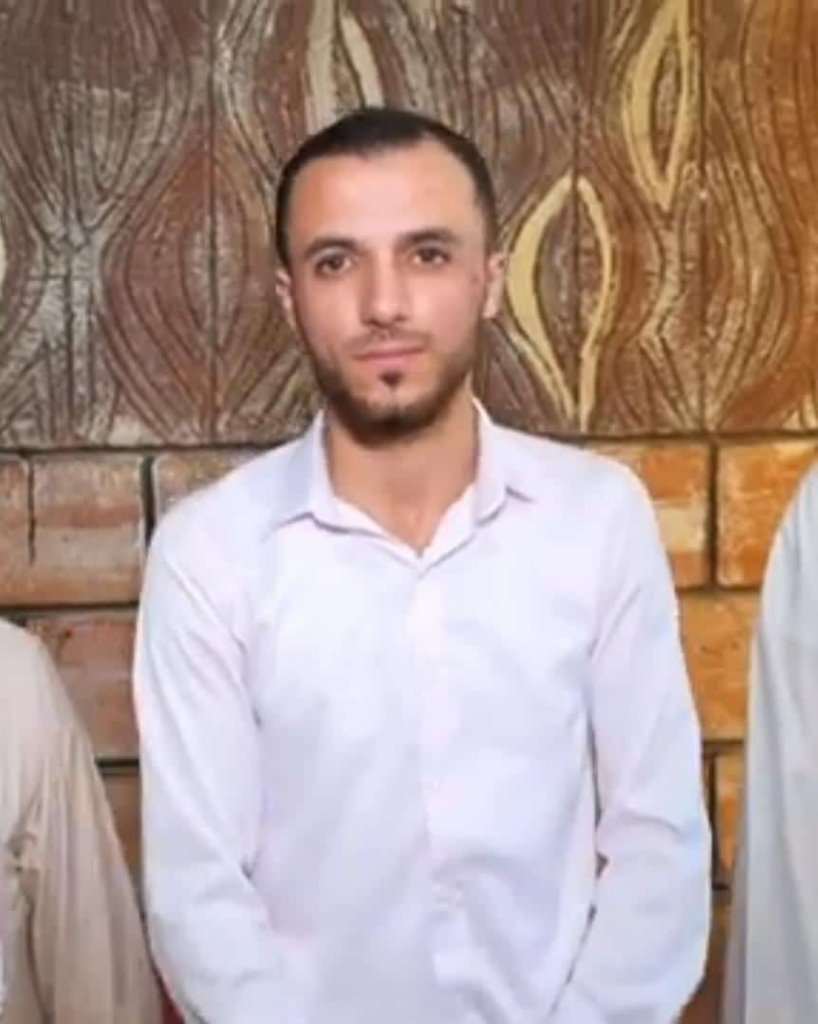
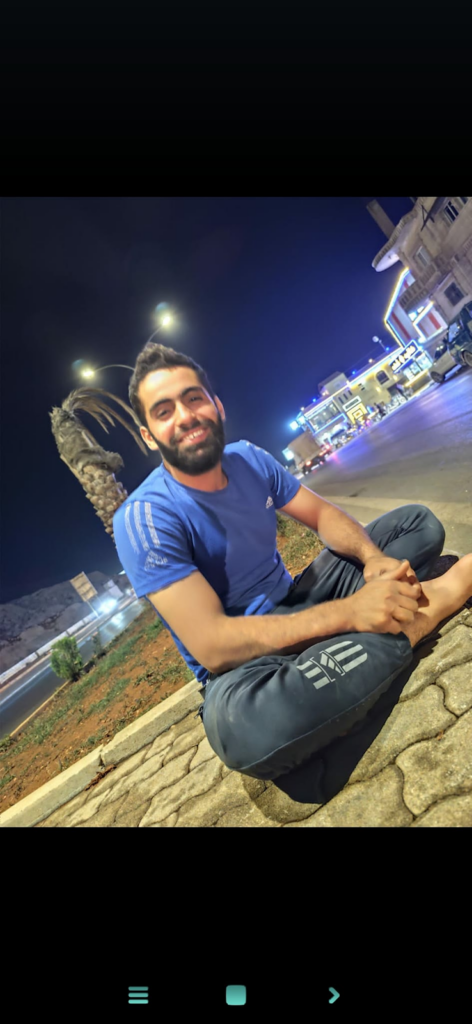
Geolocation Notes
Reports of the incident mention multiple strikes in the New Aleppo neighbourhood (حي حلب الجديدة) in the city of Aleppo (حلب). Analysing audio-visual material from sources, we have narrowed these locations down to the following exact coordinates: Al-Basel Roundabout (دوار الباسل) at 36.199842, 37.110844; and the residential area in the vicinity of Al-Basel Roundabout at 36.199501, 37.113702. Due to limited information, we were unable to determine in which of the two locations civilian harm occurred.
Imagery: @Bk_Hanas
Imagery: Heba

Imagery: Jhwar