47-year-old medic Mohammad Reza Azizi was among 15 civilians injured and three civilians killed by an alleged Israeli strike on the Mianrahan Comprehensive Health Service centre, in Mianrahan, Iran, on 16 or 19 June, 2025.
Akharin Khabar News, reporting that the strike occurred on 16 June, reported that Azizi (who they identified as 49) had “suffered shrapnel tore through his side and knees.” After 27 years in emergency medicine, he had post-traumatic stress from the experience: “When I am alone, it feels like the world is falling apart. My brain is about to explode. My body is shaking. My ears are about to go deaf.” Azizi had been working at the Centre since 2018, and was the Shift Head the day of the strike. If he had been outside, Azizi recalled, he “would have been destroyed.” The shrapnel had lodged in his body – it was impossible, or too dangerous, to remove. His ears had also been harmed, with the nerves significantly damaged.
Akharin Khabar News reported that Azizi had become violent after the attack; his brother, noticing this, was blunt: “You are no longer the same Mohammad Reza you used to be.” The family quickly admitted him to the Farabi Psychiatric Hospital in Kermanshah.
The source quoted Masoud Qaleh-e-Safidi, the head of the Medical Emergency Center at Kermanshah University of Medical Sciences, who shared that the Centre sustained severe damage: “The missile was only one or two meters away from our emergency medical centre; the medical pavilion was completely destroyed, several vehicles were destroyed.” Masoud Qaleh-e-Safidi reported that “two emergency technicians who were present at the scene miraculously escaped death but were injured. One of them is still hospitalised in Farabi Hospital.”
Several sources, including Abdullah Kanjurian, the governor of Sahned County, reported that three people from Dinwar had been killed and 15 injured in the attack on Mianrahan health centre but identified the date of the attack as the 19th of June.
Due to the reports of the incident occurring on both June 16 and June 19, a date range has been applied.
Where sources identified a belligerent, all pointed to the Israeli military.
Fair
Reported by two or more credible sources, with likely or confirmed near actions by a belligerent.
Causes of Death / Injury
Heavy weapons and explosive munitions
Civilians reported killed
3
Civilians reported injured
15
(1 Man)
Geolocation Notes
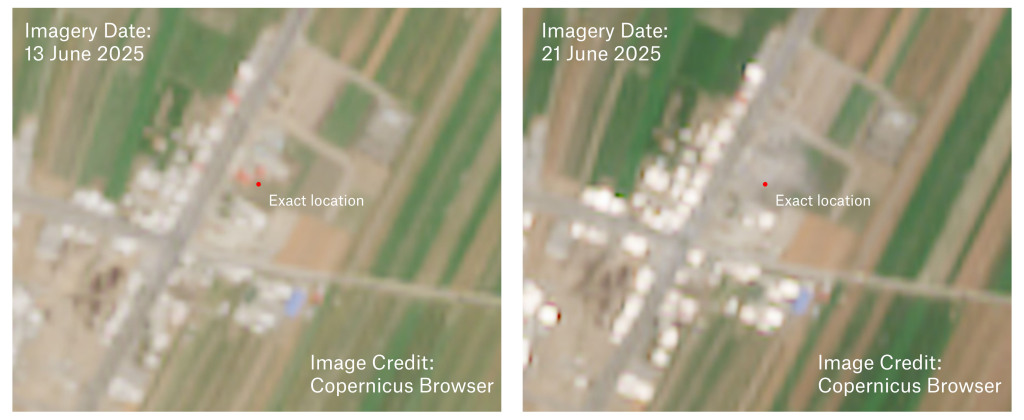
Reports of the incident mention Mianrahan Comprehensive Health Service Centre (مرکز خدمات جامع سلامت میانراهان), Mianrahan (میانراهان). This incident was independently geolocated by Kurd Channel (@kurdchannel_tv). Satellite imagery shows the strike location at the following exact coordinates: 34,586111, 47,448632.
Homeland/The following text was published in Homeland and its republishing in the latest news does not mean its endorsement Elahe Mohammadi | In the world's military literature, there is a term called "bullet shock"; a shock not only from the physical impact of the bullet, but also from the sound of the shot, from the terror before it hits; a tremor that targets the brain before the body, scratches the ear from the inside, and its sound does not end for years. In Iran, we call the victims of this shock "waves"; people who were not hit by a bullet, but the wave of the explosion took away their peace of mind. Like the 45,000 fighters who fell victim to the silent virus of war in the Iran-Iraq war, without sustaining any visible wounds. Now, 37 years after the 8-year war, in the recent 12-day war, this virus has again crossed the embankments and reached the depths of Iranian soil; to the back of the treatment and relief front. To the hospitals. To the nurses. Technicians like Mohammad Reza Azizi, 49, a technician at the emergency medical center in the city of “Meanrahan” in Kermanshah province, who suffered shrapnel tore through his side and knees after an Israeli missile attack on the area on June 16. But he is now afraid of even the simplest movements. He cannot sleep. He has nightmares at night; nightmares of bombings and awakenings filled with body tremors: “When I am alone, it feels like the world is falling apart. My brain is about to explode. My body is shaking. My ears are about to go deaf.” Mohammad Reza says he has been so involved with his family, breaking windows in the house and beating his wife and daughter that his brother told him, “You are no longer the same Mohammad Reza you used to be.” Mohammad Reza was discharged from the hospital after a few days, but he was so broken, nervous, and uncontrollable that his family transferred him to the Farabi Psychiatric Hospital in Kermanshah; the same hospital that itself was not spared from the missile damage, and as Alireza Ebrahimi, the head of this hospital, told Hammihan, 300 of its 600 staff members have been suffering from symptoms of shock after the explosion on June 16, and some of them are in bad shape. That day, 150 patients were transferred from this hospital to Imam Reza Hospital in Kermanshah, and most of their families came and took them, but as the head of Farabi Hospital says, 20 of the patients had no one to come after them, and now they have returned to the only psychiatric hospital in Kermanshah, Farabi; with their minds more wounded than ever. In this war, the hospital was not only a workplace for Mohammad Reza and hundreds of other healthcare workers, but also a minefield for their psyche. They are now dealing with the most wounded part of the war; a silent, smokeless, and bloodless wound, but with a voice that still shoots in their heads. The war is not over for them yet. The whistle of a missile, the starting line of a life of waves, is not just a physical condition, but a broken life. Missiles that are still fired in the brains of survivors, windows that break in sleep and wakefulness, and a mind that is destroyed anew every day by the same whistle, the same wave. There is no longer a boundary between war and the hospital bed. During World War I, thousands of soldiers suffered from mental disorders after being exposed to explosions. At first, this condition was attributed to the physical presence next to exploding bullets, but it soon became clear that the psychological impact of war was unprecedented until then. Statistics show that more than 13,000 cases of gunshot shock were recorded in 1915 alone, and by the end of the war, this number had reached about 200,000. There is no exact figure for the number of people who suffered from gunshot shock after returning from the fronts of the Iran-Iraq War or who struggled with it years later. Some statistics say that about 45,000 people, many of whom were during and after the war, were hospitalized in mental hospitals. Now, Mohammad Reza, 49, with 27 years of experience in emergency medicine, is one of the "waves" of the new war, the 12-day war; he is a man who was caught in the heart of the medical center. He has been working at the "Meyanrahan" Comprehensive Health Center, a part of the Sahneh County of Kermanshah, since 2018, and was there as the head of the shift on the day of the Israeli missile attack. He was sitting there, unaware of what was about to fall on him; Until a strange whistle changed everything. “I heard the whistle of a missile... a whistle I never thought I would hear one day.” The missile targeted a shed just two meters from the base; those two meters were the distance between Mohammad Reza’s life and death. “If I had been outside, I would have been destroyed. That one wall saved me... but not my soul.” With the explosion of the first missile, it was as if Mohammad Reza’s brain had been put in a press; a tremendous pressure, a numb body and head, unconsciousness, and then transfer to the hospital in the “Scene” city, with a bloody face and head. When he regained consciousness, nurses were busy stitching up wounds that he still hadn’t erased from his mind. But the story didn’t end there. The shrapnel lodged in his back, side, and behind his knee, right next to vital arteries. The doctors said they couldn’t be removed. And his ears? Their membranes were intact, but their nerves were crushed; “Both of my ears are like tunnels with the wind constantly blowing through them. The sound of the explosion, the sound of that damn whistle still echoes in my head.” After a few days in the hospital in Sahneh, Mohammad Reza returned home, but not to his old life. “I thought that just being alive was enough.” But it wasn’t. His decision-making was chaotic, he became aggressive, and he lost control of his behavior: “I got into an argument with my family. I broke the windows in the house. I hit my wife and daughter. My brother said, ‘You’re not the same Mohammad Reza you used to be.’” Mohammad Reza is now being treated under the compassionate supervision of Farabi Hospital officials, especially the hospital director. “The photo my family showed me showed my back like a tire that had been hit hard; red and swollen.” Mohammad Reza, a veteran emergency room technician, now covers his head with a handkerchief so that he might hear the sound of that deadly whistle less. His car, the result of years of work, was pulverized in the explosion. Now he has only enough to live on. His medication dosage is changing, but it is of no use. He himself says: “I am a wave now.” Psychological injuries of personnel; more than half under treatment Alireza Ebrahimi, a neurologist and head of Kermanshah Farabi Psychiatric Hospital, talks about a bitter day when the deadly explosions caused by the Israeli attack targeted part of the province’s psychiatric treatment system and left a deep wound on the body of the hospital that is the only refuge for mental patients in the region; patients with mental disorders such as depression, anxiety, obsession, madness and psychiatric disorders caused by drug abuse who were hospitalized in this hospital. On June 16, at around 9 am, like other professors at Kermanshah University of Medical Sciences, he was visiting patients at Farabi Hospital when several terrible explosions shook the hospital and damaged a large part of the hospital. In an interview with Hammihan, Ebrahimi said that all the patients were running towards the courtyard: "Because many parts of the hospital were damaged, many parts of the roof of the hospital had collapsed and needed general repairs. Our hospital was closed for a while, except for the emergency department. The mental hospitals were in a bad condition. The mental patients were all inside the courtyard, but anyway, we transferred our patients to the designated hospital with great difficulty." Ebrahimi says that the mega ICU of this hospital is still in disrepair: "We have a large ICU that was seriously damaged, now it has been destroyed and they are repairing it. The neurology and psychiatric wards are now usable, and the university president and the deputy governors and mayors all came and helped. The mental hospital is not like other hospitals. No one is burdened with mental patients and wants their own staff. "The university, provincial, municipal, Red Crescent, and emergency medical services worked very hard and arrived quickly on the day of the incident, were present at the scene, and cooperated." According to estimates determined by the university's technical and equipment experts, more than 100 billion tomans of damage was caused to Farabi Hospital's buildings and equipment, but what is more worrying is the psychological damage inflicted on the hospital's staff: "About 50 percent of our 600 staff suffered severe anxiety symptoms. Heart palpitations, insomnia, frequent nightmares, hearing impairments, and symptoms of wavering are common among them. We are currently treating them with a diagnosis of acute anxiety disorder (ASD). The diagnosis of PTSD is not yet definitive, but we are concerned that some cases will go that way. A number of our colleagues are being treated for stress disorders resulting from this life-threatening incident." According to Ebrahimi, 8 hospital staff members were also physically injured and are undergoing treatment, but their psychological damage was greater: "The blast wave took these people and they suffered from these problems. The most important complication we found was the explosion itself. These are the conditions of people who are called "waves". It is possible that more of them will suffer from a wave-related disorder in the future." According to him, none of the staff members (except for those with physical injuries) have been given leave: "We insisted that everyone return to their place of service. Avoiding the scene of the accident stabilizes mental disorders. This is part of the treatment; we call it "exposure therapy." Despite the great difficulty, the staff members returned and continued to work. Many of them still visit us every day and complain of sleep disorders and nightmares related to the explosions." The head of Farabi Hospital in Kermanshah, emphasizing the special situation of mental patients, explains that it is not easy to move them: "The neurology ward requires special equipment, from windows to space design. It is not possible to transfer to any ward or hospital. That same Friday, the families took most of the patients, but we hospitalized about 20 patients who had not been picked up with the help of Imam Reza Hospital so that our wards could be renovated." According to him, no patient who was in the hospital that day has ever come to us with a panic disorder: "They have their own problems, and it is not like we have diagnosed a new disorder in them. Mental illnesses require a specific location, and it is not possible to hospitalize a mental patient in any ward. The windows of the psychiatric ward are different, and the facilities available to psychiatric patients are different from those available to other patients. For this reason, it is not possible to admit a psychiatric patient to any ward. For example, a psychiatric patient cannot be admitted to the neurology ward because they require special facilities. The facilities available to psychiatric patients are more limited and are used with more caution. This is not the case in other wards. In Kermanshah, no center admits psychiatric patients, and only Farabi Hospital does so.” Alireza Ebrahimi, head of Kermanshah’s Farabi Hospital, recounts the days after the attack with some of the bitter yet humane incidents: “The time has passed for a family to come after their patient. According to the law, when a doctor discharges a patient and his family does not come to pick him up, we take the patient home through assistance. This is not unique to recent events; we face many such cases under normal circumstances. Sometimes families abandon the patient and we have to return them home with an ambulance and manpower. This is costly for the hospital and puts a lot of pressure on us.” He says that in the very first days, when the families found out about the incident, many of them came and took their patients: “We prescribed the medicines they were taking in the hospital and gave them to the families to give to them. But there were still about 20 patients left. With the help of our designated hospital, Imam Reza, we temporarily hospitalized them until our wards could be reactivated. Fortunately, with good cooperation, in less than 10 days, most of our wards returned to service.” Ebrahimi emphasizes that the emergency room has not been closed for a single moment: “Our insistence was on keeping the psychiatric emergency room active. A psychiatric hospital is different from other hospitals. No center accepts psychiatric patients, so we must always be ready. The women's, men's, IT and electrolysis departments are all active and we did not allow the emergency department to be out of service for a moment.” In another part of his speech, he assures that fortunately no suicide attempts have been reported – either among patients or staff: “We provide special care to patients. Even the transfer to Imam Reza Hospital was done carefully and with care. In no way were the patients transferred without a caregiver.” But his concerns are not limited to the patients. According to Ebrahimi, the hospital has suffered heavy damage in terms of buildings and equipment and has provided much of the equipment on loan: “We owe the market and people helped us a lot. But we expect the Ministry of Health to quickly step in and provide financial support.” Finally, he praises his medical staff: “Our staff were the real heroes of this crisis. Even those who were not on shift quickly made themselves available. "Controlling 170 patients who were suddenly thrown into the courtyard was not an easy task. But it was managed so well that not a single patient fell out of bed or was injured. We hope that these efforts are not just on paper. Real encouragement is worthy of the service that these people have provided without any expectations." He says that to date, none of the doctors have come to me for treatment: "Doctors usually start treatment themselves. But nurses, radiology technicians, laboratory staff, physiotherapists and occupational therapists have come to me, and most of the visits have been from nurses." Fire, broken glass and terrified patients At around 9 am on June 16, just as university professors were visiting patients at the Farabi Neurological and Psychiatric Hospital in Kermanshah, several massive explosions shook the hospital. In an instant, the roofs collapsed, the windows broke and everything was in chaos. The patients fled into the courtyard and the situation became critical. Some wards were rendered completely unusable, and the hospital was closed for a time, except for the emergency room. Ali Bahramian, head of public relations at Kermanshah University of Medical Sciences, was one of the first people to arrive at the scene after the attack on Farabi Hospital. What he describes is a scene like a fire nightmare, with mentally ill patients wandering around the hospital courtyard in fear and restlessness, terrified families running through smoke and broken glass, and nurses still standing there caring for patients. Three attacks, five and 10 minutes apart, targeted Farabi Hospital that day. Although no mortars directly hit the hospital building, the explosions set the back of the hospital ablaze. Bahramian, who arrived at the scene minutes after the attacks, told Hammihan about the severe destruction of the wards and vital equipment that day: “The mega ICU ward, which had been open for less than a year, was damaged, along with the server rooms, monitoring equipment, and even the administrative sections. The windows were broken and the tables and chairs were overturned.” Immediately after the attack, 150 hospitalized patients were brought to the hospital’s open area and then transferred to designated medical centers such as Imam Reza Hospital. However, the consequences of the attack were not only physical; many patients in the neurology ward suffered psychological trauma again, a shock that their families also suffered. A number of medical staff suffered shock and some were injured in various parts of their bodies. However, medical services were resumed after a few hours. The patients who were transferred returned to Farabi within two to three days, and to make up for the shortage, beds were received on loan from other hospitals. Bahramian says: “The mega ICU department suffered the most damage due to its highly specialized and expensive equipment. The initial estimate of the damage is about 115 billion tomans.” Masoud Qaleh-e-Safidi, head of the Medical Emergency Center at Kermanshah University of Medical Sciences, told Hammihan that even Imam Reza Hospital and the surrounding faculties were not spared from the Israeli attacks: “Four of our medical centers were directly affected by missile attacks. The windows were broken, the walls cracked, and the complex faced structural problems. We also had two cases of ambulance destruction in Kangavar city. One belonged to Sahneh city, which was dispatched to help, and the other from Kangavar itself, which was overturned by the blast wave. The Mahidasht Health Center also suffered damage.” The faculties of nursing, paramedical, health and nutrition are the four faculties of the University of Medical Sciences that are located near Farabi Hospital, which, according to Bahramian, the Faculty of Nutrition has suffered the most damage. Qale-e-Safidi is also clear about the main demand of the University of Medical Sciences from the authorities: "We have sent a full report of the damages. The university is pursuing compensation for these damages. The return of ambulances, reconstruction of centers and restoration of the health service cycle require serious support from the Ministry of Health. Infrastructure must be restored so that the emergency medical system can serve the people with all its might." Ehsan Khajehvand, an emergency technician at Farabi Hospital in Kermanshah, also tells "Hammihan" about that bitter and unforgettable day; the day when the shadow of the explosion fell on the roof of a medical center: "The explosion was right behind the hospital; somewhere near the warehouse and the truck showroom. The blast wave was so intense that large stones were thrown from behind and fell in front of the emergency room. Many cars were damaged, and the back of the hospital, including the inpatient wards, suffered the most damage. He says that although the emergency room was located at the entrance of the hospital and suffered less damage, the scene in other departments was shocking: "All the windows in the inpatient wards collapsed due to the pressure of the blast wave. The hospital's false ceiling came down and many of the vital ICU devices were seriously damaged. The patients' heart rates were extremely high; from the fear and psychological stress caused by the explosion." A month after the incident, its consequences continue: "Every day, both patients and staff visit the emergency room. They have common symptoms; stress, anxiety, insomnia, headaches and hearing damage. We call these people the wave; because their symptoms are clear and identifiable." He says of the authorities' decision to follow up on the situation of these people: "A file has been opened for all patients who were in the hospital on the day of the incident, even if they have been discharged. This will ensure that if they return with symptoms of the outbreak, they will receive appropriate treatment." From Kermanshah to Mianrahan Farabi Hospital in Kermanshah was damaged in the Israeli attack on June 16, but more than that, the Mianrahan Comprehensive Health Center in Sahneh County, Kermanshah, suffered an accident. What Ali Bahramian, Director of Public Relations at Kermanshah University of Medical Sciences, and Masoud Qale-Safidi, Head of Emergency Medicine at Kermanshah University of Medical Sciences, saw there was a terrible and terrifying event. Bahramian speaks of the extensive destruction at the Mianrahan Comprehensive Health Center; a 24-hour clinic with a doctor, obstetrics and general wards, an emergency base, and doctors' residences: "No one was killed there either, but several people were injured. Many of the wards and equipment were destroyed. Several ambulances were also put out of action; ambulances worth more than 8 billion tomans each. Although no patients or staff were killed in the attack, several people were injured. The blast wave in the intersection was so intense that it threw the ambulance and people around.” Masoud Qaleh-e-Safidi, head of the Medical Emergency Center at Kermanshah University of Medical Sciences, also said about the shockwave that hit some staff at Farabi Hospital and the Mianrahan Comprehensive Health Center: “In these attacks, many staff, especially at Farabi Hospital, were injured. A total of eight of our personnel suffered serious injuries, including a doctor, several technicians, and nurses. Some are still receiving treatment, and for others, the effects of the shockwave may occur later.” He says the Mianrahan Comprehensive Health Center was severely damaged: “The missile was only one or two meters away from our emergency medical center; the medical pavilion was completely destroyed, several vehicles were destroyed, and two emergency technicians who were present at the scene miraculously escaped death but were injured. One of them is still hospitalized in Farabi Hospital.” Qale-e-Safidi means that one person, Mohammad Reza Azizi. The same person Ali Bahramian also mentions; the technician at the Mianrahan Emergency Center who was hit by the powerful blast wave that day and has not let go yet: “What can I say, it’s been a wave, a wave.” According to Bahramian, Mohammad Reza was hospitalized that day and is now in the neurology ward of Farabi Hospital. Farabi Hossein Kermanpour Hospital suffers the most damage, says the head of the Public Relations and Information Center of the Ministry of Health, to Hammihan. During the 12-day war, hospitals and medical centers in the country were damaged from minor to 50 percent, but none were completely destroyed and closed. According to him, Farabi Hospital in Kermanshah suffered the most damage in the entire country, which was largely destroyed, and they are now reconstructing the damaged parts. He says that by destruction, he does not mean rubble: "But the percentage of destruction was such that some parts of the damaged hospitals lost their therapeutic efficiency. During the war, basically nothing was done for reconstruction because we were afraid that the same thing would happen again and that what we were doing would be ineffective." According to Kermanpour, when Farabi Hospital in Kermanshah was damaged, patients were transferred from that hospital to another location: “Now that the war is over, or rather, a ceasefire has been reached, Farabi Hospital officials are working to ensure that the necessary reconstruction is carried out.” He says that some centers were completely destroyed in those 12 days: “The emergency base in Hoveyzeh was one of the centers. We had four or five emergency bases that were severely damaged. Or, for example, the health center, a comprehensive health center where vaccinations for children and care for pregnant mothers are carried out and general practitioners go there to visit people, was also severely damaged. One of these centers in Kermanshah was also completely destroyed, and is now being rebuilt so that it can resume its work.” According to Kermanpour, when emergency centers are attacked, the situation worsens because these centers are the closest places to treat people in the event of an accident: "If a base is destroyed in an area, then if an ambulance wants to take its patient there from another place, it will have a problem; because the same time that the ambulance spent to get to the medical center, it must spend again to transfer the patient to another center and the patient may be harmed." He says that the parties to the war must adhere to the international conventions of sustained war, which of course Israel did not: "This destruction harms patients. Several of our ambulances were out of order, which makes it difficult to provide relief." Kermanpour says that as far as he knows, no one was killed in these centers and hospitals that were damaged, but there were injuries: "For example, when Farabi Hospital in Kermanshah was attacked, several patients were injured. But the important thing is that the hospital where our most oppressed patients are hospitalized was damaged; that is, the patients with mental disorders. The condition of many of these patients is such that sometimes they really need someone to accompany them and they cannot do many of their tasks themselves.” He continues: “When a bomb was dropped near Shahid Motahari Hospital, which is an accident and burn hospital, many windows and ceilings collapsed. In this hospital, patients have special bandages that they cannot walk properly with. Now imagine if something like this happened. That day was very scary and terrifying for these patients. In other words, they felt very lonely. Naturally, this incident would not only disrupt their treatment, but also affect them with its psychological consequences.” Kermanpour says that several pre-hospital emergency technicians, or 115, were also injured: "When technicians were providing care to patients in ambulances, a missile landed near them, and the blast wave damaged the vehicle that was quickly transporting the wounded. Our colleagues were also seriously injured and were hospitalized, receiving treatment, and several were killed." In the Israeli attack on Evin Prison, in addition to Dr. Shirvani, the prison doctor, two technicians who were helping in the Evin hospital were also killed. According to Kermanpour, the rest of the medical staff who were killed were in their homes.
Content
هم میهن/متن پیش رو در هم میهن منتشر شده و بازنشرش در آخرین خبر به معنای تاییدش نیست الهه محمدی| در ادبیات نظامی جهان، اصطلاحی وجود دارد به نام «شوک گلوله»؛ شوکی نهفقط از برخورد فیزیکی گلوله، که از صدای شلیک، از وحشت پیش از اصابت؛ لرزشی که مغز را پیش از بدن هدف میگیرد، گوش را از درون میخراشد و صدایش تا سالها تمام نمیشود. ما در ایران به قربانیان این شوک، «موجی» میگوییم؛ آدمهایی که گلوله به تنشان نخورده اما موج انفجار، آرامش روانشان را با خود برده. مانند همان ۴۵ هزار رزمندهای که در جنگ ایران و عراق، بیآنکه زخمی مرئی برداشته باشند، قربانی خاموشترین ویروس جنگ شدند.حالا بعد از 37 سال که از جنگ 8 ساله گذشته، در جنگ ۱۲ روزه اخیر، این ویروس دوباره از خاکریزها گذشته و به عمق خاک ایران رسیده؛ به پشت جبهه درمان و امداد. به بیمارستانها. پرستارها. تکنسینهایی مثل محمدرضا عزیزی ۴۹ ساله، تکنسین مرکز فوریتهای پزشکی شهر «میانراهان» در استان کرمانشاه که از ۲۶ خردادماه و در پی حمله موشکی اسرائیل به منطقه، ترکشها پهلو و زانوهایش را دریدند.او اما دیگر از صدای سادهترین حرکتها هم میترسد. خواب ندارد. شبها کابوس میبیند؛ کابوس بمباران و بیداریهایی پر از لرزش بدن: «وقتی تنها میشوم، انگار دنیا از هم میپاشد. مغزم میخواهد بترکد. بدنم میلرزد. گوشم میخواهد کَر شود.» محمدرضا میگوید آنقدر با خانوادهاش درگیر شده، شیشههای خانه را شکسته و همسر و دخترش را کتک زده که برادرش به او گفته: «تو دیگر آن محمدرضای قبلی نیستی.»محمدرضا پس از چندروز از بیمارستان مرخص شد، اما آنقدر درهمشکسته، عصبی و غیرقابل مهار که خانوادهاش او را به بیمارستان اعصاب و روان «فارابی» کرمانشاه منتقل کردند؛ همان بیمارستانی که خودش از آسیب موشکها در امان نماند و آنطور که «علیرضا ابراهیمی»، سرپرست این بیمارستان به «هممیهن» میگوید، ۳۰۰ نفر از ۶۰۰ پرسنل آن، بعد از انفجار 26 خردادماه، دچار علائم موجگرفتگی شدهاند و حال عدهایشان بد است. آنروز 150 نفر از بیماران را از این بیمارستان به بیمارستان امام رضا کرمانشاه منتقل کردند و خانوادههای بیشترشان آمدند و آنها را بردند، اما آنطور که سرپرست بیمارستان فارابی میگوید، 20 نفر از بیماران، کسی را نداشتند که دنبالشان بیاید و حالا به تنها بیمارستان اعصاب و روان کرمانشاه، فارابی، بازگشتهاند؛ با روانهایی زخمیتر از همیشه. در این جنگ، بیمارستان برای محمدرضا و صدها پرسنل دیگر حوزه بهداشت و درمان، نهفقط محل کار، که میدان مین روانشان بوده. آنها حالا با زخمیترین بخش جنگ درگیرند؛ زخمی بیصدا، بیدود و بیخون، اما با صدایی که هنوز در سرشان تیر میکشد. جنگ هنوز برای آنها تمام نشده.سوتِ موشک، خطِ شروع یک زندگی موجیموجگرفتگی، نهفقط عارضهای جسمی، که یک زندگی شکسته است. موشکهایی که هنوز در مغز بازماندگان شلیک میشود، پنجرههایی که در خواب و بیداری میشکنند و ذهنی که هر روز با همان سوت، همان موج، از نو ویران میشود. اینجا دیگر مرزی نیست میان جنگ و تخت بیمارستان. در جریان جنگ جهانی اول، هزاران سرباز پس از مواجهه با انفجارها دچار اختلالات روانی شدند. ابتدا، این وضعیت به حضور فیزیکی در کنار گلولههای منفجرشده نسبت داده میشد، اما خیلی زود مشخص شد که تأثیر روانی جنگ تا آنزمان بیسابقه است. آمارها نشان میدهند که بیش از 13 هزار مورد شوک گلوله فقط در سال ۱۹۱۵ ثبت شد و تا پایان جنگ، این تعداد به حدود 200 هزارنفر رسید.آمار دقیقی از تعداد کسانی که پس از بازگشت از جبهههای جنگ ایران و عراق، دچار شوک گلوله شدند یا سالها بعد با آن دستوپنجه نرم کردهاند هم در دست نیست. بعضی از آمارها میگویند، حدود 45 هزار نفر که بسیاریشان، حین و بعد از جنگ بودهاند، در آسایشگاههای اعصاب و روان بستری شدند.حالا محمدرضا ۴۹ ساله با ۲۷ سال سابقه کار در فوریتهای پزشکی، یکی از «موجی»های جنگ جدید، جنگ 12 روزه است؛ مردی است که جنگ، در قلب مرکز درمانی سراغش آمد. او که از سال ۱۳۹۷ در مرکز جامع سلامت «میانراهان»، از توابع شهرستان صحنه کرمانشاه مشغول بهکار بوده، روز حمله موشکی اسرائیل بهعنوان سرشیفت در محل حاضر بود. نشسته بود، بیخبر از آنچه قرار است بر سرش آوار شود؛ تا اینکه صدای سوتی غریب، همهچیز را تغییر داد.«صدای سوت موشک را شنیدم... سوتی که هیچوقت فکر نمیکردم یکروز گوشم آن را بشنود.» موشک، سولهای را هدف گرفت که فقط دومتر با پایگاه فاصله داشت؛ همان دومتر، فاصله بین زندگی و مرگ محمدرضا بود. «اگر بیرون بودم، حتماً از بین میرفتم. همان یک دیوار، من را نجات داد... اما روانم را نه.»با انفجار اولین موشک، انگار مغز محمدرضا را در دستگاه پرس گذاشته باشند؛ فشاری سهمگین، تن و سری بیحس، بیهوشی و بعد انتقال به بیمارستان شهرستان «صحنه»، با سر و صورتی خونآلود. وقتی به هوش آمد، پرستارها مشغول بخیهزدن به زخمهایی بودند که هنوز هم از ذهنش پاک نشدهاند. اما داستان به اینجا ختم نشد. ترکشها در کمر، پهلو و پشت زانویش جا خوش کردهاند، درست کنار شریانهای حیاتی. دکترها گفتند، درآوردنی نیست. و گوشهایش؟ پردهشان سالم، اما اعصابشان خرد شده؛ «هر دو گوشم انگار تونلی شدهاند که در آن باد میپیچد مدام. صدای انفجار، صدای آن سوت لعنتی هنوز هم در سرم میچرخد.»محمدرضا بعد از چندروز از بیمارستان شهرستان صحنه، به خانه برگشت، اما نه به زندگی سابق. «فکر میکردم همین که زندهام، کافی است.» اما نبود. تصمیمگیریهایش بههمریخته، پرخاشگر شده و کنترل رفتارش از دست رفته بود: «با خانوادهام درگیر شدم. شیشههای خانه را شکستم. همسر و دخترم را زدم. برادرم گفت: تو دیگه اون محمدرضای قبلی نیستی.» محمدرضا حالا زیر نظر مسئولان دلسوز بیمارستان فارابی، بهویژه رئیس بیمارستان، تحت درمان است. «عکسام را که خانوادهام نشانم دادند، پشتم مثل لاستیکی که با شدت به بدنم خورده، بود؛ قرمز و متورم.» محمدرضا، تکنسین کهنهکار اورژانس، حالا سرش را با دستمال میبندد تا شاید صدای آن سوت مرگبار را کمتر بشنود. ماشینش، حاصل سالها کار، در انفجار پودر شد. حالا برای خرج زندگی هم مانده. دوز داروهایش عوض میشود، اما سودی ندارد. خودش میگوید: «من دیگر یک موجیام.»آسیبهای روانی پرسنل؛ بیش از نیمی تحت درمانعلیرضا ابراهیمی، متخصص اعصاب و روان و سرپرست بیمارستان اعصاب و روان فارابی کرمانشاه، از روزی تلخ میگوید که انفجارهای مرگبار ناشی از حمله اسرائیل، بخشی از پیکره درمان روانی استان را هدف گرفت و زخمی عمیق بر تن بیمارستانی گذاشت که تنها مأمن بیماران روانی در منطقه است؛ بیمارانی با اختلالات اعصاب و روان مانند افسردگی، اضطراب، وسواس، جنون و اختلالات روانپزشکی ناشی از سوءمصرف موادمخدر که در این بیمارستان بستری بودند.او در ۲۶ خردادماه، حدود ساعت ۹ صبح مثل دیگر اساتید دانشگاه علوم پزشکی کرمانشاه در بیمارستان فارابی مشغول ویزیت بیماران بوده که چند انفجار مهیب، بیمارستان را لرزاند و قسمت زیادی از بیمارستان آسیب دید. ابراهیمی در گفتوگو با «هممیهن» میگوید، بیماران همه به سمت حیاط میدویدند: «چون بخشهای زیادی از بیمارستان آسیب دیده بود، قسمتهای زیادی از سقف بیمارستان ریخته بود و نیاز به تعمیرات کلی داشت. مدتی بیمارستان ما بهجز بخش اورژانس، تعطیل بود. بیمارستانهای روانی وضعیت بدی داشتند. بیماران روانی کلاً داخل حیاط بودند ولی بههرحال ما مریضهایمان را با سختیهای بسیاری به بیمارستان معین انتقال دادیم.»ابراهیمی میگوید که بخش مگا آیسییو این بیمارستان هنوز خراب است: «ما یک آیسییو بزرگ داریم که آسیب جدی دیده، الان تخریب شده و در حال تعمیرات آن هستند. بخشهای اعصاب و روان الان قابل استفادهاند و رئیس دانشگاه و معاونان استاندار و شهرداری همه آمدند و کمک کردند. بیمارستان روانی مانند دیگر بیمارستانها نیست. کسی زیر بار بیماران روان نمیرود و کادر مخصوص خودش را میخواهد. مسئولان دانشگاه، استانداری، شهرداری، هلالاحمر و فوریتهای پزشکی خیلی زحمت کشیدند و روز حادثه بهسرعت آمدند، در محل حاضر شدند و همکاری کردند.»طبق برآوردها آسیبی که از سوی کارشناسان فنی و تجهیزات دانشگاه تعیین شده، بیش از ۱۰۰ میلیارد تومان به ابنیه و تجهیزات بیمارستان فارابی خسارت وارد شده اما آنچه بیشتر نگرانکننده است، صدمات روانی واردشده به پرسنل بیمارستان است: «حدود ۵۰ درصد از ۶۰۰ پرسنل ما، دچار علائم شدید اضطرابی شدند. تپش قلب، بیخوابی، کابوسهای مکرر، اختلالات شنوایی و علائم موجگرفتگی در بین آنها شایع است. در حال حاضر، آنها را با تشخیص اختلال اضطراب حاد،(ASD) تحت درمان داریم. هنوز تشخیص PTSD قطعی نیست، اما نگرانیم بعضی موارد به آن سمت برود. تعدادی از همکاران ما با اختلالات استرس ناشی از این حادثه تهدیدکننده حیات، تحت درماناند.»به گفته ابراهیمی، 8 نفر از پرسنل بیمارستان دچار آسیب جسمی هم شدهاند و تحت درمانند، اما صدمات روانی برای آنها بیشتر بوده: «موج انفجار این افراد را گرفته و به این مسائل دچار شدند. مهمترین عارضهای که ما پیدا کردیم، همین انفجار است. اینها حالتهای افرادی را که به آنها گفته میشود موجی، دارند. ممکن است در ادامه تعداد بیشتری از آنها دچار اختلال ناشی از موجگرفتگی شوند.»به گفته او، هیچکدام از پرسنل (بهجز افراد با آسیب جسمی) مرخصی نگرفتهاند: «اصرار داشتیم همه به محل خدمت برگردند. پرهیز از محل حادثه، موجب تثبیت اختلالات روانی میشود. این بخشی از درمان است؛ ما آن را «مواجهه درمانی» مینامیم. بهرغم سختی زیاد، پرسنل برگشتند و پای کار ایستادند. هنوز تعداد زیادی از آنها هرروز به ما مراجعه میکنند و از اختلال خواب و کابوسهای مربوط به انفجارها شکایت دارند.»سرپرست بیمارستان فارابی کرمانشاه، با تأکید بر وضعیت خاص بیماران روان توضیح میدهد که جابهجایی آنها بهسادگی ممکن نیست: «بخش اعصاب و روان تجهیزات ویژهای میخواهد؛ از پنجرهها گرفته تا طراحی فضا. امکان انتقال به هر بخش یا بیمارستانی وجود ندارد. همان روز جمعه، خانوادهها اکثر بیماران را بردند، ولی حدود ۲۰ بیمار که کسی دنبالشان نیامده بود را با کمک بیمارستان امام رضا بستری کردیم تا بخشهای ما بازسازی شوند.»به گفته او، تابهحال بیماری که آنروز در بیمارستان بوده با اختلال موجگرفتگی به ما مراجعه نکرده: «آنها خودشان مشکل دارند و اینگونه نیست که اختلال جدیدی در آنها تشخیص داده باشیم. بیماریهای روان، مکان مشخصی میخواهد و نمیشود در هر بخشی بیمار روان را بستری کرد. پنجرههای بخش بیماران روان متفاوت است و امکاناتی که در اختیار بیمار روان است، با بقیه بیماران متفاوت است.به همین دلیل نمیشود در هر بخشی بستری کرد. بهعنوان مثال در بخش نورولوژی نمیتوان بیمار روان بستری کرد زیرا نیاز به امکانات خاصی دارد. امکاناتی که در اختیار بیمار روان است، محدودتر است و با احتیاط بیشتری استفاده میشود. در بخشهای دیگر اینگونه نیست. در کرمانشاه هیچ مرکزی، بیمار روان بستری نمیکند و تنها بیمارستان فارابی است که اینکار را میکند.»علیرضا ابراهیمی، سرپرست بیمارستان فارابی کرمانشاه، با بخشی از حوادث تلخ و در عین حال انسانی، روزهای پس از حمله را اینگونه روایت میکند: «الان دیگر وقت آن گذشته که خانوادهای دنبال بیمارشان بیایند. طبق قانون، وقتی پزشکی بیمار را ترخیص میکند و خانوادهاش برای تحویلاش مراجعه نمیکنند، ما از طریق مددکاری، بیمار را به خانه میبریم. این موضوع مختص اتفاقات اخیر هم نیست؛ در شرایط عادی هم ما با چنین موارد زیادی روبهرو هستیم. گاهی خانوادهها بیمار را رها میکنند و ما مجبور میشویم با آمبولانس و نیروی انسانی او را به منزلاش بازگردانیم. این کار برای بیمارستان هزینهبر است و فشار زیادی به ما وارد میکند.»او میگوید در همان روزهای نخست، وقتی خانوادهها متوجه ماجرا شدند، بسیاریشان آمدند و بیمارانشان را بردند: «داروهایی که در بیمارستان مصرف میکردند را نسخه کردیم و به خانوادهها سپردیم تا به آنها بدهند. اما همچنان حدود ۲۰ بیمار باقی مانده بودند. با کمک بیمارستان معینمان یعنی امامرضا، آنها را موقتاً بستری کردیم تا بخشهای خودمان مجدداً فعال شوند. خوشبختانه با همکاریهای خوبی که شد، در کمتر از ۱۰ روز، بیشتر بخشهای ما به چرخه خدمت برگشتند.»ابراهیمی تأکید میکند که اورژانس حتی یکلحظه هم تعطیل نشده: «اصرار ما بر فعالماندن اورژانس روانی بود. بیمارستان روانی با دیگر بیمارستانها تفاوت دارد. هیچ مرکزی، بیمار روانی نمیپذیرد، پس ما باید همیشه آماده باشیم. بخش زنان، مردان،IT و الکترولیز همه فعالاند و اجازه ندادیم اورژانس لحظهای از مدار خارج شود.»او در بخش دیگری از صحبتهایش، اطمینانخاطر میدهد که خوشبختانه هیچ مورد اقدام به خودکشی ـ چه در میان بیماران و چه پرسنل گزارش نشده: «ما مراقبتهای ویژهای از بیماران انجام میدهیم. حتی در انتقال به بیمارستان امامرضا هم با دقت و همراه انجام شد. بههیچوجه بیمارها بدون مراقب منتقل نشدند.»اما نگرانیهای او فقط متوجه بیماران نیست. بهگفته ابراهیمی، بیمارستان از نظر ابنیه و تجهیزات، خسارت سنگینی متحمل شده و تجهیزات زیادی را بهطور قرضی فراهم کردهاند: «ما به بازار بدهکاریم و مردم بسیار به ما کمک کردند. اما انتظار داریم وزارت بهداشت بهسرعت ورود کند و حمایت مالی انجام دهد.»او در پایان، با لحنی ستایشآمیز از کادر درمانیاش یاد میکند: «پرسنل ما قهرمانهای واقعی این بحران بودند. حتی آنهایی که شیفت نداشتند، بهسرعت خودشان را رساندند. کنترل ۱۷۰ بیماری که ناگهان به حیاط ریخته شدند، کار سادهای نبود. اما آنقدر خوب مدیریت شد که حتی یک بیمار هم از تخت نیفتاد یا دچار آسیب نشد. انتظار داریم این تلاشها فقط روی کاغذ دیده نشود. تشویق واقعی، درخور خدمتی است که این افراد بیچشمداشت انجام دادند.»او میگوید که تا امروز، هیچیک از پزشکان برای درمان خود مراجعه نکردهاند: «پزشکان معمولاً خودشان درمان را آغاز میکنند. اما پرستاران، تکنسینهای رادیولوژی، کارکنان آزمایشگاه، فیزیوتراپی و کاردرمانی به من مراجعه کردند و بیشترین مراجعات هم از سوی پرستاران بوده است.»آتش، شیشههای شکسته و بیماران وحشتزدهحدود ساعت ۹ صبح روز ۲۶ خردادماه، درست زمانی که اساتید دانشگاه در بیمارستان اعصاب و روان فارابی کرمانشاه در حال ویزیت بیماران بودند، چند انفجار مهیب بیمارستان را لرزاند. در یکلحظه، سقفها فروریختند، شیشهها شکستند و همهچیز بههمریخت. بیماران به حیاط فرار کردند و اوضاع بحرانی شد. بعضی از بخشها کاملاً غیرقابل استفاده شدند و بیمارستان برای مدتی - جز اورژانس - تعطیل شد. علی بهرامیان، رئیس روابط عمومی دانشگاه علوم پزشکی کرمانشاه، یکی از نخستین افرادی بود که پس از حمله به بیمارستان فارابی، خود را به محل رساند. آنچه او توصیف میکند، صحنهای است شبیه کابوس آتشسوزی، بیماران اعصاب و روانی که با ترس و بیقراری در حیاط بیمارستان سرگردان بودند، خانوادههایی هراسان که میان دود و شیشههای شکسته میدویدند و پرستارانی که همچنان ایستاده بودند و از بیماران مراقبت میکردند.آنروز سه حمله، با فاصلههای زمانی ۵ و ۱۰ دقیقهای، بیمارستان فارابی را هدف قرار دادند. هرچند خمپارهای مستقیم به ساختمان بیمارستان اصابت نکرد، اما انفجارها پشت بیمارستان را درگیر آتش کرد. بهرامیان که دقایقی پس از این حملات در محل حاضر شد، از تخریب شدید بخشها و تجهیزات حیاتی به «هممیهن» از آنروز میگوید: «بخش مگا آیسییو که کمتر از یکسال از راهاندازی آن میگذشت، همراه با اتاقهای سرور، تجهیزات مانیتورینگ و حتی بخشهای اداری، آسیب دیدند. شیشهها شکسته بودند و میز و صندلیها روی هم ریخته بودند.»بلافاصله پس از حمله، ۱۵۰ بیمار بستری به محوطه باز بیمارستان آورده، سپس به مراکز درمانی معین مثل بیمارستان امام رضا منتقل شدند. اما پیامد حمله تنها جسمی نبود؛ بسیاری از بیماران بخش اعصاب و روان، مجدداً دچار آسیبهای روانی شدند، شوکی که خانوادهها هم از آن بینصیب نماندند. شماری از کادر درمان، دچار موجگرفتگی و عدهای هم از نواحی مختلف بدن مجروح شدند. بااینحال، خدمات درمانی پس از چندساعت از سر گرفته شد. بیمارانی که منتقل شده بودند، ظرف دو تا سه روز به فارابی بازگشتند و برای جبران کمبود، تختهایی بهصورت امانی از دیگر بیمارستانها دریافت شد. بهرامیان میگوید: «بخش مگا آیسییو، بهدلیل تجهیزات بسیار تخصصی و گرانقیمت، بیشترین خسارت را دید. برآورد اولیه از میزان خسارت حدود ۱۱۵ میلیارد تومان است.»مسعود قلعهسفیدی، رئیس مرکز فوریتهای پزشکی دانشگاه علوم پزشکی کرمانشاه به «هممیهن» میگوید، حتی بیمارستان امام رضا و دانشکدههای اطراف هم از حملههای اسرائیل در امان نماندند: «چهار مرکز درمانی ما مستقیماً تحتتأثیر حملات موشکی قرار گرفتند. شیشهها شکست، دیوارها ترک برداشتند و مجموعه با مشکلات ساختاری مواجه شد. همچنین دو مورد تخریب آمبولانس در شهرستان کنگاور داشتیم. یکی متعلق به شهرستان صحنه بود که برای کمک اعزام شده بود و دیگری از خود کنگاور که بر اثر موجانفجار واژگون شد. مرکز سلامت ماهیدشت هم خسارتهایی دیده است.»دانشکدههای پرستاری، پیراپزشکی، بهداشت و تغذیه، چهار دانشکده دانشگاه علوم پزشکیاند که در نزدیکی بیمارستان فارابی قرار دارند که بهگفته بهرامیان، دانشکده تغذیه بیشترین آسیب را متحمل شده است. حرف قلعهسفیدی، درباره مطالبه اصلی مجموعه دانشگاه علوم پزشکی از مسئولان هم شفاف است: «ما گزارش کامل خسارات را ارسال کردهایم. دانشگاه پیگیر جبران این آسیبهاست. بازگشت آمبولانسها، بازسازی مراکز و بازیابی چرخه خدمات درمانی نیازمند حمایت جدی وزارت بهداشت است. باید زیرساختها ترمیم شود تا سیستم فوریتهای پزشکی با تمام توان به مردم خدمترسانی کند.»احسان خواجهوند، تکنسین اورژانس بیمارستان فارابی کرمانشاه هم از آنروز تلخ و فراموشنشدنی به «هممیهن» میگوید؛ روزی که سایه انفجار، بر بام یک مرکز درمانی افتاد: «انفجار درست پشت بیمارستان بود؛ جایی نزدیک انبار و نمایشگاه کامیون. موج انفجار آنقدر شدید بود که سنگهای بزرگ از پشت پرتاب شدند و جلوی اورژانس افتادند. بسیاری از خودروها آسیب دیدند و بخشهای پشتی بیمارستان، ازجمله بخشهای بستری، بیشترین خسارت را دیدند.»او میگوید هرچند اورژانس در ورودی بیمارستان قرار داشت و کمتر آسیب دید اما صحنهای که در بخشهای دیگر رقم خورد، تکاندهنده بود: «تمام شیشههای بخشهای بستری بهخاطر فشار موج انفجار فرو ریخت. سقف کاذب بیمارستان پایین آمد و بسیاری از دستگاههای حیاتی آیسییو آسیب جدی دیدند. ضربان قلب بیماران بهشدت بالا رفته بود؛ از ترس و فشار روانی ناشی از انفجار.» با گذشت یکماه از حادثه، تبعاتش همچنان ادامه دارد: «هنوز هرروز، هم بیماران و هم پرسنل به اورژانس مراجعه میکنند. علائم مشترک دارند؛ استرس، اضطراب، بیخوابی، سردرد و آسیبهای شنوایی. ما به این افراد موجی میگوییم؛ چون نشانههایشان مشخص و قابل شناسایی است.»او از تصمیم مسئولان برای پیگیری وضعیت این افراد میگوید: «برای تمام بیمارانی که روز حادثه در بیمارستان بودند، حتی اگر ترخیص شده باشند، پرونده تشکیل شده است. این کار باعث میشود اگر دوباره با علائم موجگرفتگی مراجعه کنند، تحتدرمان مناسب قرار بگیرند.»از کرمانشاه تا میانراهانبیمارستان فارابی کرمانشاه در 26 خردادماه، در حمله اسرائیل آسیب دید اما بیشتر از آن، مرکز جامع سلامت میانراهان از توابع شهرستان صحنه کرمانشاه دچار حادثه شد و آنچه علی بهرامیان، مدیر روابط عمومی دانشگاه علوم پزشکی کرمانشاه و مسعود قلعهسفیدی، رئیس فوریتهای پزشکی دانشگاه علوم پزشکی کرمانشاه در آنجا دیدهاند، اتفاقی مهیب و وحشتناک بوده. بهرامیان از تخریب گسترده در مرکز جامع سلامت میانراهان میگوید؛ درمانگاهی شبانهروزی با حضور پزشک، بخشهای مامایی و عمومی، پایگاه اورژانس و اقامتگاه پزشکان: «در آنجا هم کسی کشته نشده اما چندنفر زخمی شدند. بسیاری از بخشها و تجهیزات نابود شد. چند دستگاه آمبولانس نیز از رده خارج شدند؛ آمبولانسهایی که ارزش هرکدام به بیش از ۸ میلیارد تومان میرسد. گرچه در این حمله هیچیک از بیماران یا کارکنان کشته نشدند، اما چندیننفر مجروح شدند. موج انفجار در میانراهان بهقدری شدید بود که آمبولانس و افراد را به اطراف پرتاب کرد.»مسعود قلعهسفیدی، رئیس مرکز فوریتهای پزشکی دانشگاه علوم پزشکی کرمانشاه هم از موجگرفتگی عدهای از پرسنل بیمارستان فارابی و مرکز جامع سلامت میانراهان میگوید: «در این حملهها، پرسنل زیادی بهویژه در بیمارستان فارابی دچار موجگرفتگی شدند. درمجموع هشت نفر از نیروهای ما دچار آسیب جدیتری شدند ازجمله یک پزشک، چند تکنسین و پرستار. عدهای هنوز تحت درماناند و برای عده دیگری عوارض موجگرفتگی ممکن است بعدها بروز کند.» او میگوید مرکز جامع سلامت میانراهان بهشدت آسیب دیده: «موشک تنها یکی، دو متر با پایگاه فوریتهای پزشکی ما فاصله داشت؛ پاویون پزشک کاملاً تخریب شد، چند دستگاه خودرو از بین رفتند و دو نفر از تکنسینهای اورژانس که در محل حضور داشتند، بهشکل معجزهآسا از مرگ نجات یافتند اما زخمی شدند. یکی از آنها هنوز در بیمارستان فارابی بستری است.»منظور قلعهسفیدی از آن یکنفر، محمدرضا عزیزی است. همان کسی که علی بهرامیان هم از او نام میبرد؛ تکنسین پایگاه اورژانس میانراهان که موج انفجار شدید از همانروز او را گرفته و هنوز رها نکرده: «چه بگویم، موجی شده دیگر، موجی.» به گفته بهرامیان، محمدرضا از همانروز در بیمارستان بستری شد و حالا در بخش اعصاب و روان بیمارستان فارابی بستری است. بیشترین آسیب، بیمارستان فارابیحسین کرمانپور، رئیس مرکز روابط عمومی و اطلاعرسانی وزارت بهداشت به «هممیهن» میگوید در طول جنگ 12 روزه، به بیمارستانها و مراکز درمانی کشور از جزئی تا بهصورت 50درصدی، آسیب رسیده است اما هیچکدام بهصورت کامل تخریب نشدند که تعطیل شوند. به گفته او، بیمارستان فارابی کرمانشاه بیشترین آسیب را در کل کشور دید که تاحد زیادی تخریب شد و الان در حال بازسازی بخشهای تخریبشدهاند.او میگوید منظور او از تخریب، آوارشدن نیست: «اما درصد تخریب بهگونهای بود که بعضی از بخشهای بیمارستانهای آسیبدیده، کارایی درمانی خودش را از دست داد. در طول جنگ، قاعدتاً کاری برای بازسازی صورت نگرفت چون واهمه داشتیم که دوباره همین اتفاق رقم بخورد و کاری که میکنیم بیاثر باشد.»به گفته کرمانپور، زمانی که بیمارستان فارابی کرمانشاه دچار آسیب شد، بیمارها از آن بیمارستان به جای دیگری منتقل شدند: «الان از وقتی که جنگ تمام شده یا بهعبارتی آتشبس صورت گرفته، مسئولان بیمارستان فارابی درحال پیگیریاند که بازسازی لازم انجام شود.» او میگوید در آن 12 روز بعضی از مراکز کاملاً تخریب شدند: «پایگاه اورژانس در هویزه یکی از مراکز بود. چهار یا پنج پایگاه اورژانس داشتیم که خیلی شدید تخریب شدند.یا مثلاً مرکز بهداشتی یک مرکز جامع سلامت که در آنجا واکسیناسیون اطفال و مراقبت از مادران باردار انجام میشود و پزشکان عمومی برای ویزیت افراد به آنجا میروند هم دچار آسیب زیادی شدند. یک مورد از این مراکز هم در کرمانشاه بهصورت کامل تخریب شد که حالا درصدد بازسازی است تا مجدد به کارش ادامه دهد.» به گفته کرمانپور، وقتی به پایگاههای اورژانس حمله میشود، از این جهت وضعیت بد میشود که این مراکز نزدیکترین محلها برای رسیدگی به افراد هنگام حادثهاند: «اگر در یکمنطقه یکپایگاه تخریب شود آنوقت اگر آمبولانس بخواهد از یک محل دیگر بیمارش را به آنجا ببرد، دچار مشکل میشود؛ چون همان زمانی که آن آمبولانس صرف کرده تا خودش را به مرکز درمانی برساند، باید دوباره صرف کند تا او را به مرکز دیگری منتقل کند و ممکن است به بیمار آسیب برسد.» او میگوید، طرفین جنگها باید به کنوانسیونهای بینالمللی جنگ پایدار پایبند باشند که البته اسرائیل نبود: «این تخریبها به بیماران آسیب میرساند. چند آمبولانس ما از رده خارج شدند که کار امدادرسانی را مشکل میکند.»کرمانپور میگوید تا جایی که میداند، در این مراکز و بیمارستانهایی که دچار آسیب شدند، کسی از مردم کشته نشد اما زخمی چرا: «مثلاً وقتی به بیمارستان فارابی کرمانشاه حمله شد، چندنفر از بیماران زخمی شدند. اما موضوع مهم این است که بیمارستانی دچار آسیب شد که مظلومترین بیماران ما در آن بستریاند؛ یعنی بیماران اعصاب و روان. وضعیت بسیاری از این بیماران بهگونهای است که گاهی واقعاً نیاز دارند فردی آنها را همراهی کند و خودشان نمیتوانند خیلی از کارهایشان را شخصاً انجام دهند.»او ادامه میدهد: «وقتی نزدیک بیمارستان شهید مطهری که بیمارستان سوانح و سوختگی است، بمب زده شد بسیاری از شیشهها و سقفها فرو ریخت. در این بیمارستان بیماران باندپیچیهای خاصی دارند که نمیتوانند با آنها درست راه بروند. حالا فکرش را بکنید چنین اتفاقی هم رخ دهد. آنروز برای این بیماران بسیار ترسناک و رعبآور بود. بهعبارتی، آنها خیلی هم احساس تنهایی میکردند. قاعدتاً با این اتفاق نهتنها درمان آنها دچار اختلال میشود، بلکه عوارض سوءروانیاش هم گریبان آنها را خواهد گرفت.»کرمانپور میگوید چندنفر از تکنسینهای اورژانس پیشبیمارستانی یا همان 115 هم زخمی شدند: «وقتی تکنسینهایی بالای سر مریضها در ماشینهای آمبولانس حین خدمترسانی بودند، موشک در نزدیکیشان فرود آمده بود و موج انفجار، ماشینی را که با سرعت در حال جابهجایی مجروحان بود، دچار آسیب کرده بود. همکاران ما هم دچار آسیب جدی شدند که بستری شدند، تحت مداوا قرار گرفتند و چندنفر هم کشته شدند.»در حمله اسرائیل به زندان اوین، علاوه بر دکتر شیروانی ـ دکتر زندان ـ دو نفر از تکنسینهایی هم که در بهداری اوین کمک میکردند، کشته شدند. به گفته کرمانپور، بقیه کسانی که از کادر درمان کشته شدند، در منزل مسکونیشان بودند.
Israeli attack on a medical center in Kermanshah + photo
Publication date:
1404/03/31 02:26
In the recent attack by the Zionist regime on civilian centers, the Mianrahan Comprehensive Health Center in Kermanshah province was targeted
Following the Zionist regime's aggression against civilian centers, the Mianrahan Comprehensive Health Center in Kermanshah province was targeted by an aggressive attack yesterday.
Abdullah Kanjurian, the governor of Sahneh County, considered this act a perfect example of a crime against humanity and said: This brutal attack led to the martyrdom of three citizens from Dinwar and the injury of 15 others.
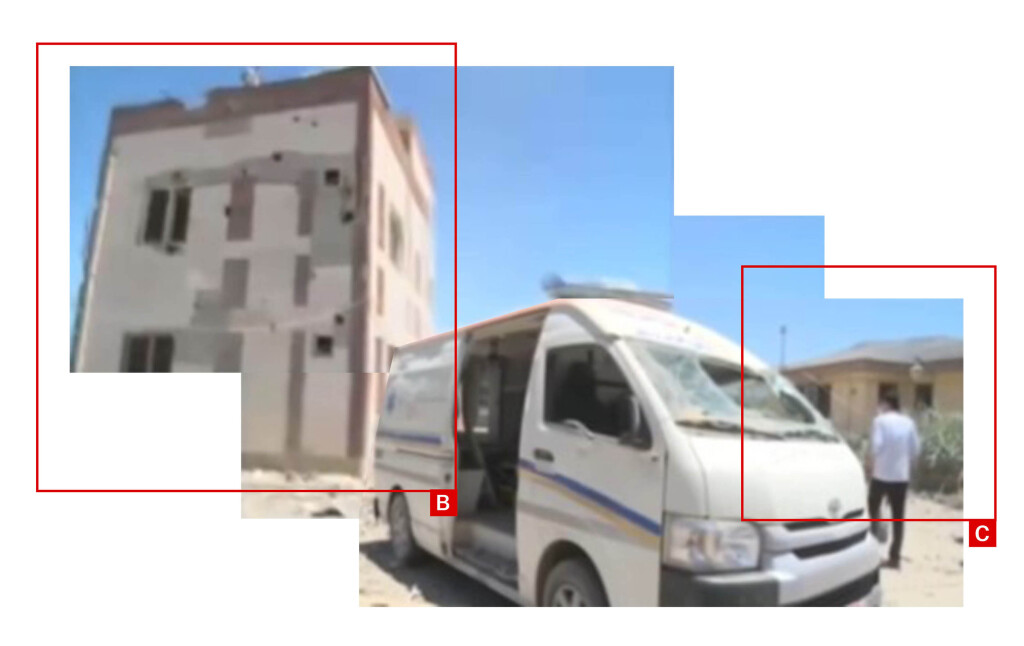
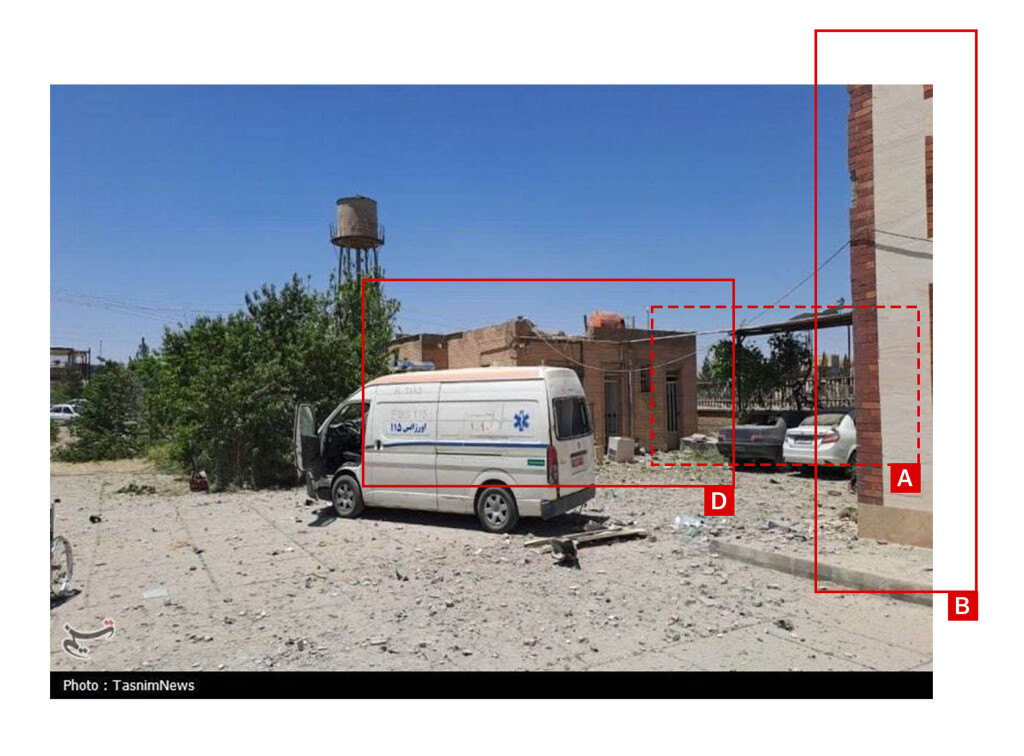
According to the announcement of the Kermanshah University of Medical Sciences, due to the severity of the explosion, a large part of the building of this medical center, including the emergency medical center, the doctors' pavilion, was completely destroyed, and the building of the comprehensive health center and the center's equipment were seriously damaged, and an ambulance was also taken out of service.
According to the announcement of the medical sciences, this center will be closed until further notice and will not be used by citizens.
Content
حمله اسرائیل به یک مرکز درمانی در کرمانشاه + عکس
تاریخ انتشار :
۱۴۰۴/۰۳/۳۱ ۰۲:۲۶
در حمله اخیر رژیم صهیونیستی به مراکز غیرنظامی، مرکز جامع سلامت میانراهان در استان کرمانشاه هدف قرار گرفت.
در پی تجاوز رژیم صهیونیستی به مراکز غیرنظامی، مرکز جامع سلامت میانراهان در استان کرمانشاه روز گذشته هدف حمله متجاوزانه قرار گرفت.
عبدالله کنجوریان فرماندار شهرستان صحنه این اقدام را مصداق کامل جنایت علیه بشریت دانست و گفت: این تجاوز وحشیانه منجر به شهادت سه شهروند اهل دینور و مجروح شدن ۱۵ نفر دیگر شد.
براساس اعلام دانشگاه علوم پزشکی کرمانشاه، بر اثر شدت انفجار، بخش زیادی از ساختمان این مرکز درمانی شامل پایگاه فوریتهای پزشکی، پاویون پزشکان تخریب کامل و ساختمان مرکز جامع سلامت و تجهیزات این مرکز آسیب جدی دیده و یک دستگاه آمبولانس نیز از مدار خدمات خارج شده است.
طبق اعلام علوم پزشکی این مرکز تا اطلاع ثانوی تعطیل و غیرقابل استفاده برای شهروندان خواهد بود.
Video/ Targeting a medical center in Kermanshah by the Zionist regime
In the recent Israeli attack on civilian centers, the Mianrahan Comprehensive Health Center in Kermanshah Province was targeted, resulting in the martyrdom of 3 citizens, the injury of 15 people, and extensive destruction of the building and medical equipment.
Content
فیلم/ هدف قراردادن یک مرکز درمانی در کرمانشاه توسط رژیم صهیونی
در حملۀ اخیر رژیم صهیونیستی به مراکز غیرنظامی، مرکز جامع سلامت میانراهان در استان کرمانشاه هدف قرار گرفت که به شهادت ۳ شهروند، مجروح شدن ۱۵ نفر و تخریب گستردۀ ساختمان و تجهیزات درمانی منجر شد.
Media from Mashreq News (1)
This media contains graphic content. Click to unblur.
The new Zionist crime in the attack on the Mianrahan Health Center In the Zionist regime’s attack on Thursday, the Mianrahan Comprehensive Health Center in Sahneh County, Kermanshah, was seriously damaged and put out of service.
According to the Kermanshah Central Broadcasting Agency, the criminal Zionist regime is pretending to be the victim and making baseless claims of attacking the hospital after the precise missile responses of the Iranian armed forces, when the Mianrahan Comprehensive Health Center in Sahneh County, Kermanshah, was also seriously damaged and put out of service in the attacks by this regime’s fighter jets and a strong wave of explosions on Thursday.
At the beginning of this week, part of the Farabi Hospital in Kermanshah was also destroyed as a result of the Zionist attacks. The Mianrahan Comprehensive Urban and Rural Health Center has a population of 10,000 and covers 13 health centers. This center provides medical, dental, nursing, laboratory, midwifery, and health services to about a thousand citizens daily. In the Zionist regime attack and the blast wave, an emergency medical ambulance was also taken out of service. In this attack, the emergency base, doctors' pavilion, and caretaker's office were destroyed, and the building of the comprehensive health center and its equipment are also out of order and require general repairs. With the initiative of the University of Medical Sciences, health services to the people of the region have been temporarily transferred to a school.
Content
جنایت جدید صهیونیست ها در حمله به مرکز سلامت میانراهان در حمله رژیم صهیونی در روز پنج شنبه، مرکز جامع سلامت میانراهان در شهرستان صحنه کرمانشاه آسیب جدی دیده و از مدار خدمت خارج شده است.
به گزارش خبرگزاری صدا و سیما مرکز کرمانشاه ،رژیم جنایتکار صهیونیستی در حالی پس از پاسخ های موشکی دقیق نیروهای مسلح ایران در حال مظلوم نمایی و طرح ادعای بی اساس حمله به بیمارستان است که در حملات جنگندههای این رژیم و موج شدید انفجار در روز پنج شنبه، مرکز جامع سلامت میانراهان در شهرستان صحنه کرمانشاه هم آسیب جدی دیده و از مدار خدمت خارج شده است.
در ابتدای هفته جاری هم بخشی از بیمارستان فارابی کرمانشاه در نتیجه حملات صهیونیستها تخریب شد. مرکز جامع سلامت شبانه روزی شهری و روستایی میانراهان دارای جمعیت تحت پوشش ۱۰ هزار نفری است و ۱۳ خانه بهداشت را تحت پوشش دارد. در این مرکز روزانه به حدود هزار نفر از شهروندان، خدمات پزشکی، دندانپزشکی، پرستاری، آزمایشگاه، مامایی و بهداشتی ارائه می شود. در حمله رژیم صهیونیستی و موج انفجار همچنین یک دستگاه آمبولانس فوریت های پزشکی نیز از مدار خدمت خارج شد در این حمله پایگاه فوریتها، پاویون پزشکان و سرایداری تخریب شده و ساختمان مرکز جامع سلامت و تجهیزات هم از کار افتاده و نیازمند تعمیرات کلی است. با تدبیر دانشگاه علوم پزشکی خدمات رسانی سلامت به مردم منطقه به صورت موقت به یک مدرسه منتقل شده است.
Media from IRIB NEWS AGENCY (1)
This media contains graphic content. Click to unblur.
Targeting a Medical Center in Kermanshah by the Zionist Regime
In the recent Israeli attack on civilian centers, the Mianrahan Comprehensive Health Center in Kermanshah Province was targeted
In the recent Israeli attack on civilian centers, the Mianrahan Comprehensive Health Center in Kermanshah Province was targeted, resulting in the martyrdom of 3 civilians, the injury of 15 people, and extensive destruction of buildings and medical equipment.
Content
هدف قراردادن یک مرکز درمانی در کرمانشاه توسط رژیم صهیونی
در حملۀ اخیر رژیم صهیونیستی به مراکز غیرنظامی، مرکز جامع سلامت میانراهان در استان کرمانشاه هدف قرار گرفت
در حملۀ اخیر رژیم صهیونیستی به مراکز غیرنظامی، مرکز جامع سلامت میانراهان در استان کرمانشاه هدف قرار گرفت که به شهادت ۳ شهروند، مجروح شدن ۱۵ نفر و تخریب گستردۀ ساختمان و تجهیزات درمانی منجر شد.
Media from 7 Sobh (1)
This media contains graphic content. Click to unblur.