Source
Captured Post Date:
2025-07-09 10:20
Author:
HuDa_NaIm92
Translated Content:
Journalist Bayan Abu Sultan, survivor of the Al-Baqa Rest House massacre, writes:
June 0, 2025
On the shores of the Mediterranean, in my favorite coastal city (Gaza), I headed this morning to my favorite café, Al-Baqa, to enjoy a measure of—fake—peace amidst the din of the massacre we have been living through for nearly two years.
I entered the café and greeted everyone who worked there, the faces I see every day.
I said “good morning” to Atef, passed by the bar, and ordered my usual drink. I saw Hummus carrying a bag full of biscuits—a rare commodity amid the current famine in the country. He offered me a few biscuits, and I returned them, deeply grateful for his generosity, which he always showers upon us. His young child deserves this treat.
I wanted to sit at my usual table, but Frans and Ismail had already arrived, so I sat at a table next to them. They were filming a video for a talk Ismail was going to present at one of his exhibitions touring the world. France was talking to me, her face beaming with joy. Ismail was looking even more elegant that day than usual, so I jokingly addressed him: "I've got a lot of money, man!" He replied, laughing: "I'm a loser!" The three of us chatted and told me that the table was theirs today because the lighting there was good for the video. We laughed together, and then I let them finish filming. Sitting next to me were three girls, regular customers. We exchanged smiles, and I complimented one of their shirts on its beautiful embroidery, a Palestinian peasant style. Every now and then, one of them would burst out laughing, the kind of laughter that someone surrounded by their loved ones would give them. At the table opposite me, two friends in their early twenties sat, looking calm after a fight. Next to them was an enormous wrapped gift—a teddy bear—that was almost taller than them. It later turned out to be a reconciliation gift between them after a quarrel that ended during that meeting.
I picked up my phone and scrolled through some news when Hadi interrupted me, reproachfully:
"I'm mad at you, auntie. How can you pass by and not say good morning to me?"
I replied:
"It's my fault, auntie. I swear I didn't see you. Good morning, Hadi!"
He laughed, tilted his head as if accepting the apology, and continued working in the café.
I grabbed my book, a book of literary criticism by Abdel Rahman Munif, in which he discusses the importance of literary memory and how it is essential not to overlook a writer's works after their death. Literature is a collective identity, and the writer—whether present or absent—is part of chronicling this identity and documenting the culture prevalent in a given society at a specific time. I continued reading until I reached the middle of the book, where Munif spoke about Ghassan Kanafani's role in chronicling Palestinian collective identity, and how "Returning to Haifa" had the greatest impact at that time in emphasizing the necessity that the homeland is not just the past, and that we cannot rely solely on what we possessed. Rather, it is the present we live in and struggle against from every direction. It is the future for which we must devote all our strength to obtain our rights, which have always been usurped in a world he referred to as "a world that is not ours."
At approximately 3:45 in the afternoon, my friend Muhammad Abu Shamala arrived. I had last seen him about two months ago. I put my book aside and we sat chatting. The conversation lasted only a few minutes when I interrupted him, pointing out to sea: "The warships are very close today."
We looked away later, believing it to be a routine military sweep despite their unusual proximity to the shore. We continued our conversation again when I asked him: "Abu Shamala, what is your country?" He replied, "Beit Dras."
"Beit Dras" was the last word I heard before my ears were pierced and I found myself lying on the floor with a sharp creaking sound inside my head and blood covering my face. I didn't fully understand what had happened in the first seconds; however, my survival instinct drove me to crawl under the nearest table, only to find Mohammed throwing himself behind me, receiving shrapnel that would have lodged in my body instead of his.
I tried to curb my curiosity—which would one day cause my death—but I couldn't. I raised my head to see what was happening, only to be hit by a wave of shrapnel, some of which landed on my face, which was covered in blood.
I turned my head to the left to find Mohammed slumped. I looked to my right and saw a foot separated from the rest of her body. Half a meter away, a girl was trying to crawl, looking into my eyes, trying to say something, but seconds later, she died without saying her last words. I pulled myself together, took the longest breath of my life, and was stunned as soon as I got to my feet. I saw everyone around me covered in blood. I couldn't see anyone moving. I went over to Mohammed to check on him, and he told me he was fine, but his foot was bleeding. His words reassured me, but that reassurance was shattered when I looked at Frans and Ismail's table to find them both dead. I tried to decide what my next steps should be, but I didn't know what to do other than search for my phone amidst the devastation to call an ambulance. Within minutes, hundreds arrived to retrieve the dead and evacuate the wounded. I was walking aimlessly in the same spot. I didn't realize I'd been hit until I found my bag and screamed in pain as soon as I shouldered it. Someone told me my head was bleeding and I should go to the emergency services, who had just arrived. I walked at my slowest pace, and with every step my heart ached with pain, not from the shrapnel I'd sustained, but from the horror of the scene. Seeing the bodies of people I'd wished good morning to: colleagues, friends, and even family.
On my way to the hospital, I felt a helplessness only a Gazan can understand: the helplessness of someone unable to save a loved one.
I held my nerve until I arrived at the hospital and saw my mother's face surrounded by my friends. I then allowed my body to collapse.
On Monday, at around 3:00 PM, the Israeli occupation forces launched an airstrike on the Al-Baqa Café on the Gaza City beachfront, causing a horrific massacre that left dozens dead and many more injured.
May God have mercy on the souls of Ismail Abu Hatab, Frans "Amna" Al-Salmi, Atef Al-Baqa, Homs "Mustafa" Abu Omeira, Hadi and Moataz Abu Dan. May God have mercy on the souls of the two friends who resolved their dispute in the final hours of their lives. Mercy to the souls of the girls sitting next to me. Mercy to the souls of all those who passed away that day.
Safety to Muhammad Abu Shamala and the reputation of "Ismail" Al-Jajah. Safety to all those who suffered physical wounds that may heal, and psychological wounds that will haunt them forever.
Mercy to the souls of the martyrs.
Healing to the wounded.
Patience to the hearts of their families and loved ones.
And damnation, damnation, to the occupation.
-Al-Baqa Cafe, Gaza City, temporarily occupied Palestine.
Content:
الصحفية بيان أبو سلطان الناجية من مجزرة استراحة الباقة تكتب:
0 يونيو، 2025
على ضفاف المتوسط، وفي المدينة الساحلية الأحب لقلبي (غزة)، توجّهت صباحًا إلى المقهى المفضل لي "الباقة" لأنعم بقسط من السلام -المزيف- وسط ضوضاء المذبحة التي نعيشها منذ قرابة العامين.
دخلت المقهى وأنا ألقي التحية على جميع من يعمل في المكان، على الوجوه التي أراها كل يوم.
أخبرت (عاطف) "صباح الخير"، مررت بالبار وطلبت مشروبي المعتاد فرأيت "حمص" يحمل كيسًا مليئا بالبسكويت -وهو العملة النادرة في ظلّ المجاعة الراهنة التي تقاسيها البلاد- عرض عليّ بضعًا من البسكويت فرددته ممتنة جزيلًا لكرمه الذي يغدقه علينا دومًا، فطفله الصغير هو الأولى بهذا الطعام.
أردت الجلوس على طاولتي المعتادة، إلا أن (فرانس) و (إسماعيل) كانا قد سبقاني إليها، فجلست بطاولة مجاورةٍ لهما. كانا يصوران فيديو لكلمة سوف يعرضها (إسماعيل) في أحد معارضه التي تجوب العالم. كانت (فرانس) تحادثني وقد ارتسمت على وجهها ابتسامة عرضها السماوات والأرض، بطلّتها البشوشة دومًا، وكان (إسماعيل) أنيقًا يومها أكثر من المعتاد، فتوجهت له ممازحةً:
"ملياان مصاري ياعمي!"
فأجابني ضاحكًا:
"أنا غلبااان!"
تبادل ثلاثتنا الحديث وأخبروني أن الطاولة اليوم لهم لأن الإضاءة في تلك البقعة جيدة للفديو، ضحكنا سويًا ثم تركتهم ليكملوا تصويرهم.
بجواري، جلست ثلاث فتياتٍ هن زبائن أراهم بشكل معتاد في المكان، تبادلنا الابتسامة وأثنيت على قميص إحداهن كونه مطرزٌ بطريقة فلاحية فلسطينية جميلةٍ للغاية. بين الفينة والأخرى كانت تفلت من إحداهن ضحكة من هو محاطٌ بأحبته.
على الطاولة المقابلة لي، جلست صديقتان في مطلع العشرين، بدا عليهما هدوء ما بعد المعركة، بجانبهما كانت هدية مغلفة ضخمة للغاية -دبدوب- تكاد تفوقهما طولًا. تبيّن لاحقًا أنها هدية صلح فيما بينهما بعد أن خاضتا مشاحنة انتهت في تلك الجلسة.
التقطت هاتفي وتصفحت بعض الأخبار ليقاطعني (هادي) معاتبًا:
"أنا زعلان منك يا خالتو كيف بتمرقي بتصبحيش عليا!"
لأرد بأن:
"حقك عليا يا خالتو والله ما شوفتك. صباح الخير يا هادي!"
ضحك مميلًا رأسه كمن قبِل الاعتذار، وتابع عمله في المقهى.
أمسكت كتابي، وهو كتاب نقدٍ أدبيّ لعبد الرحمن منيف، يتحدث فيه عن أهمية الذاكرة الأدبية، وكيف من الضرورة بمكان عدم تخطّي منتوجات كاتب ما بعد موته، فالأدب هو هويّة جمعية، والكاتب -بحضوره أو غيابه- هو جزءٌ من تأريخ هذه الهوية وتوثيق الثقافة السائدة في مجتمع معين في فترة زمنية محددة.
تابعت قرائتي إلى أن وصلت لمنتصف الكتاب، حيث تحدث (منيف) عن دور (غسان كنفاني) في تأريخ الهوية الجمعية الفلسطينية، وكيف كان ل "عائد إلى حيفا" أكبر الأثر في ذلك الوقت في التأكيد على ضرورة أن الوطن هو ليس الماضي فحسب، ولا يمكن الارتكاز على ما كنا نملك فقط، بل هو الحاضر الذي نعيشه ونصارعه من كل صوب، وهو المستقبل الذي يجب أن نبذل له جل قوانا لننال حقوقنا المنتزعة دومًا في عالم أشار له بأنه "عالمٌ ليس لنا".
في قرابة الثالثة إلا ربع مساءً، حضر صديقي (محمد أبو شمالة) وكنت قد رأيته آخر مرّة منذ قرابة الشهرين، فوضعت كتابي جانبًا وجلسنا نتبادل أطراف الحديث، ولم يطل الحوار إلا لعدة دقائق حين قاطعته مشيرةً للبحر:
"الزوارق الحربية قريبة جدًا اليوم"
أشحنا نظرنا عنهم لاحقًا معتقدين أنه تمشيط عسكري معتاد رغم قربهم غير المعتاد من الشاطئ، واسترسلنا حديثنا ثانيةً بسؤالي له:
"أبو شمالة شو بلدكم؟"
ليرد علي:
"بيت دراس".
كانت كلمة "بيت دراس" آخر كلمة سمعتها قبل أن تُثقب أذني وأجد نفسي ملقاةً على الأرض مع صرير حاد داخل رأسي ودم يغطي وجهي. لم أدرك تمامًا ما حصل في الثواني الأولى؛ لكن غريزة البقاء دفعتني للزحف أسفل الطاولة الأقرب لي، لأجد محمد يلقي بنفسه ورائي ما جعله يتلقى شظايا كانت ستسقر في جسدي بدلًا من جسده.
حاولت كبح جماح فضولي -الذي سيتسبب في موتي يومًا ما- لكنني لم أستطع ورفعت رأسي لأرى ما يحدث، فداهمتني موجةٌ مليئةٌ بالشظايا التي وجدت لها مستقرًا في وجهي الذي بدوره غرق بالدماء.
أزحت رأسي يسارًا لأجد محمد يتقلّب مكانه، نظرت ليميني فوجدت قدمًا فارقت بقية جسدها، على بعد نصف متر كانت فتاة تحاول الزحف وهي تنظر لعيناي محاولةً أن تقول شيئًا إلا أنها فارقت الحياة بعد ثواني دون أن تخبرني بكلماتها الأخيرة.
تمالكت أعصابي، أخذت نفسًا هو الأطول في حياتي، ثم ذهلت فور وقوفي على قدماي، رأيت جميع من هم حولي غارقين في دمائهم، لم أستطع رؤية أحد يتحرك. توجهت نحو (محمد) لأطمئن عليه فأخبرني أنه بخير لكن قدمه تنزف، كلماته طمأنت قلبي إلا أن هذه الطمأنينة انتُزعت فور نظرت إلى طاولة (فرانس) و (إسماعيل) لأجدهما قد فارقا الحياة.
حاولت أن أقرر ما هي خطواتي التالية فلم أعرف ما يمكن فعله سوى البحث عن هاتفي وسط هذا الدمار لأطلب الإسعاف.
في غضون دقائق، حضر المئات لانتشال الشهداء وإجلاء الجرحى، كنت أسير في ذات البقعة على غير هدىً، لم أعِ أنني قد أصبت إلا عندما وجدت حقيبتي وصرخت ألمًا فور حملتها على كتفي. أخبرني أحدهم أن رأسي ينزف ويجدر بي التوجه للإسعافات التي وصلت للتو.
مشيت بخطىً هي الأبطئ، ومع كل خطوة كان قلبي يعتصر ألمًا، لا من ما أصبت به من شظايا، بل من هول المشهد. مشهد رؤية جثامين أشخاص كنت قد تمنيت لهم صباحًا خيّرًا، زملاء وأصدقاء، بل وعائلة.
في طريقي للمشفى، شعرت بعجزٍ لا يفهمه إلا الغزي، عجزُ من لم يستطع إنقاذ من يحب.
حافظت على قواي إلى أن وصلت المشفى ورأيت وجه أمي محاطةً بأصدقائي، فسمحت لجسدي بأن يهوي.
قوات الاحتلال الإسرائيلي شنت غارة جوية يوم الاثنين قرابة الساعة الثالثة مساءً على مقهى الباقة على شاطئ مدينة غزة ما تسبب في مجزرة شنيعة ارتقى إثرها عشرات الشهداء وأصيب العديد.
الرحمة لأرواح إسماعيل أبو حطب، فرانس "آمنة" السالمي، عاطف الباقة، حمص "مصطفى" أبو عميرة، هادي و معتز أبو دان. الرحمة لأرواح الصديقتين اللتان حلّا خلافهما في آخر ساعات حياتهما. الرحمة لأرواح الفتيات اللائي كنّ يجلسن بجواري. الرحمة لأرواح كلّ من فارقوا الحياة في هذا اليوم.
السلامة لمحمد أبو شمالة، وسمعة "إسماعيل" الجاجة، السلامة لجميع من أصيبوا بجراح جسدية قد تشفى، ونفسية ستلازمهم أبد الدهر.
الرحمة لأرواح الشهداء،
الشفاء للجرحى،
الصبر لقلوب ذويهم ومحبيهم،
واللعنة، كل اللعنة، على الاحتلال.
-مقهى الباقة، مدينة غزة، فلسطين المحتلة مؤقتًا.
Images: 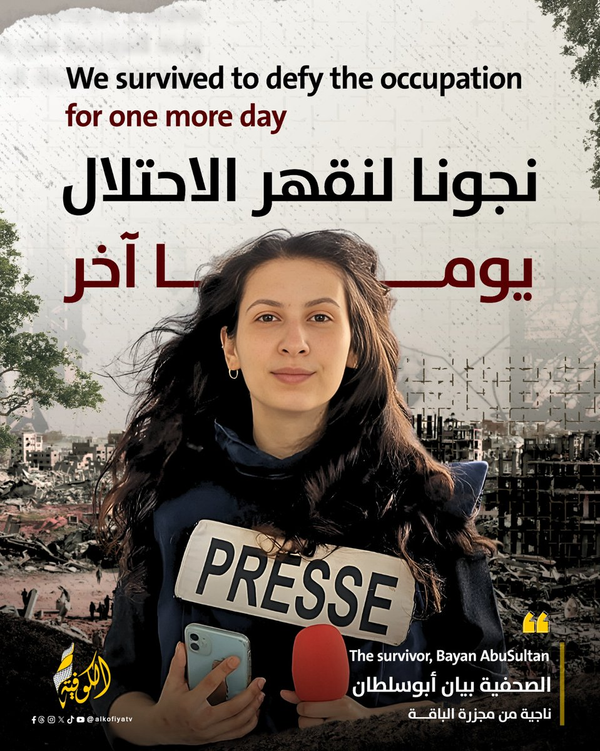
Additional Details
Captured Date
2025-08-17T22:01:00.000Z
Captured Post ID
1942891624394027058
Language
Arabic
Incident