Conflict

The Iran War (Feb-Apr 2026)

Incident Code

JIR260228f

Location

Lamerd, Fars province, Isfahan, Iran
لامرد

Geolocation

27.329324, 53.182483
Accuracy: Exact location (other)

Airwars Assessment

Last Updated: June 29, 2026

(Previous Incident Code: ISIR260228f )

At approximately 5:37 PM on Saturday, February 28, 2026, 22 people, including at least seven children and two women, were killed and up to 170 others injured in a series of three to four strikes allegedly carried out by the US military and/or Israeli military on Shahid Naimi sports hall, two residential buildings, and a school in the southern city of Lamerd, located in the southern Iranian Fars Province. According to local sources, the residential complex Shahrak Isar and the neighbourhood Talkhandagh (Talkhandeq) were hit by the strikes. Multiple media outlets including the BBC and the New York Times linked images of the munition captured in the strike to the United States, with various experts ruling out any other possible party to the conflict. This was denied by US CENTCOM.

10-year-old Helma Ahmadizadeh, 11 to 16-year-old Elham/Elahe Zaeri, 12-year-old Ilia Hatami, a teenager named Abdul Mosavar Rahmani, a footballer named Alireza Abbasi, and a sports coach named Mahmoud (Muhammad) Najafi were killed in the sports hall and adjacent football field. In nearby locations, two-year-old Avina Barzegar, 46-year-old engineer Hamid Amini, female radiologist Rubab Dehdashti, Masoumeh Monfared and her son, Abedin Gharibdoost, as well as Siavash Shahbazi, Jafar Hatami, Hossein Ebrahimi, Rahman Mansouri, Reza Mousavi, Sakineh Shabani, Zahra Asadinejad, Abuzar Amiri, Farhad Najafi, and 16-year-old Zahra Gholami, were killed. The list was initially published by Tasnim, and was later verified by the New York Times. Airwars also found additional reporting of the names among open sources.

While most of the sources, including Mr. Iravani, Iran’s representative to the U.N., reported around 100 civilians had been injured, a report for Iranian Channel 7 (Education Network) stated that 130 people had been injured. According to the head of the Lamerd Health Network who spoke on the day of attack, nearly 100 people had been injured in the attacks, of which 77 had been hospitalized in the Lamerd State Hospital as of the time of reporting.

A Telegram post from @majaraa_media reporting from the location of the attack 90 days afterwards provided an injury toll of 170 or 180 (also mentioning 160 or 170, so this has been quantified as 170 as that number was consistently mentioned). According to @Nournews_ir on Telegram, 32 of the injured people underwent surgery, and a total of about 40 surgeries were performed on the injured in this airstrike (meaning some had to undergo multiple surgeries).

Drop Site News spoke with Mir Dehdasht, an employee of Azad University who said that his 15-year-old daughter Rabab/Robab Dehdasht was training in the sports hall when the attack happened. While Rabab’s full name is nearly identical to victim Rubab listed above, their age and the details of their death are completely different. Therefore, both names have been listed separately in the civilian casualty list but have only been counted in the maximum civilian death toll to account for duplication.

Dehdasht described hearing about the strike, “I ran immediately toward the place, and when I arrived, I found burning cars and rubble scattered everywhere. The injured were bleeding heavily, some had lost consciousness on the ground, others were screaming without stopping. Their voices were deafening. Blood and dust covered everything, and the rubble blocked quick access to the building. Rescue teams were working with extreme care to bring out the injured athletes and the bodies of the victims. The screaming filled everything. Robab did not survive the force of the explosion, while others survived but with life-threatening injuries. I felt complete helplessness.”

On the day of the attack, Fars News Agency, AkharinKhabar, and other outlets reported that according to the “Governor of Lamerd, this city was attacked by four missiles…one of which hit the sports hall and two missiles hit residential areas. The total number of martyrs so far is 17 and nearly 100 people were injured, and we expect the number of martyrs to increase.”

On Telegram, Khabarfoori news agency (@akhbarefori) posted that “at the time of the attack, children were playing and exercising in this [sports] hall.” Fars News Agency (@farsna) also posted on Telegram, reporting that one missile had hit a “sports hall where female students were playing, two missiles hit residential houses and a projectile hit a school.”

According to a March 2 report by Student News Network (SNN), “this cowardly attack…resulted in the martyrdom of 21 innocent citizens, including children, teenagers, young people and the elderly. At the epicenter of this crime, the missile strike on a sports hall led to the martyrdom of two girls, two teenage boys and their coach.

In addition, 16 other innocent residents of the town were martyred, either in their private homes or while walking on the street.” It went on to explain that “the age range of the martyrs of the incident ranges from a two-year-old child to the elderly.” SNN later revised their death toll to 23 killed while reporting on a commemorative ceremony a few months later, on April 28th.

According to a reporter of Fars News who traveled to Lamerd and spoke to a local resident Ismail, the explosions of at least three missiles were recorded within 31 seconds based on CCTV timestamps: the first explosion in Shahrak Isar at 17:37:46; the second in the Talkhandagh (Talkhandeq) neighborhood at 17:37:56; and the third at 17:38:17 at the sports hall. According to Ismail, he checked the CCTV camera time to ascertain the exact time of the explosions. A report for Channel 7 stated that four missiles were used – with three hitting residential buildings, and one – the sports hall.

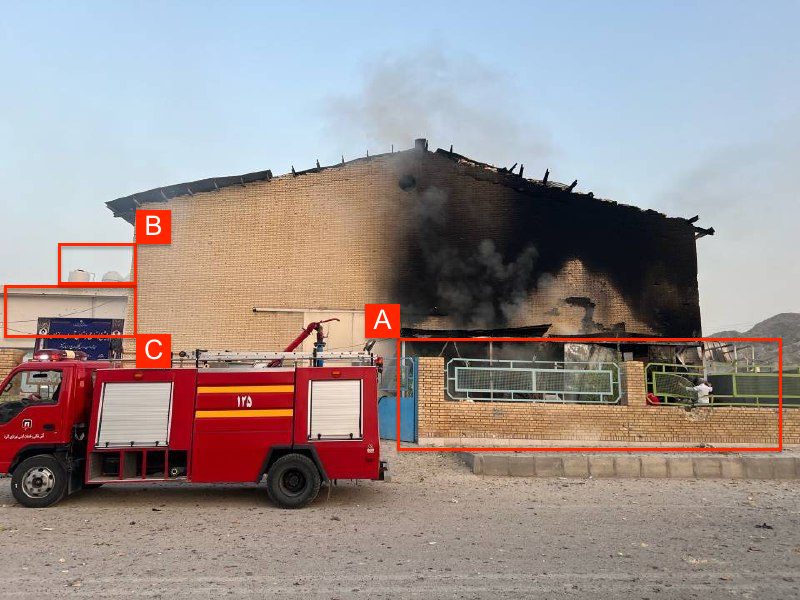
Mohammed Saed Khorshedy, a 29-year-old employee of the gym who witnessed the attack, told Drop Site News that “within seconds of the missile strike, the windows shattered into thousands of fragments. Sports equipment, balls, tables, barriers flew through the air. Black smoke filled the space. The smell of gunpowder made breathing almost impossible. The screaming began immediately, layered with the sound of debris collapsing and concrete falling from the ceiling.” According to Drop Site, the sports hall was described as “poorly maintained” and composed of a metal roof, a concrete frame, and a rubber floor for volleyball and other athletics. The missile reportedly hit the middle of the roof, reducing the main court, small spectator stands, changing rooms, and coach’s office to rubble.

The strikes were also described in detail by an Iranian journalist and women’s rights activist based in Tehran, Negin Bagheri. She wrote on her Twitter/X account that the girls of the local Noonhalan volleyball team were training in a sports center as the first explosion happened: “With the sound of the first explosion at a base near them, the power to the gym was cut off. Everyone, wherever they were, was trying to find the exit in the darkness. But the second missile did not give them time to evacuate. How could they get out of a 50-meter-long gym in 10 seconds?”

Bagheri went on to describe how the second explostion hit the sports hall: “While the kids were running away, the second rocket did not reach the base and exploded right above the club. Its shrapnel tore through the ceiling and came towards the Noonhalan Lamerd volleyball team in Fars Province. Then, the third rocket hit the Lamerd beltway about 200 meters ahead of the sports hall, in front of the citizens’ living quarters, killing 21 people.”

Additional details of the attack were provided by a Telegram post from @majaraa_media reporting from the location of the attack three months later. In the video, the reporter pointed out the extensive damage to the sports hall and nearby buildings and detailed the series of strikes as they unfolded: “The first missile struck here. This is a residential complex, behind the nursing school. The second missile struck over there, behind those trees, also in the middle of the houses. The third missile struck this same residential complex again. The fourth missile hit this stadium. There is a school behind the stadium. Do you see those slides? That is the school. Behind the school is a Basij building.”

Attack on the sports hall and football field

The attack on the sports hall and the adjacent football field took the lives of three teenage girls (10-year-old Helma Ahmadizadeh, 16-year-old Zahra Gholami, and 11-year-old Elham Zaeri), two teenage boys (12-year-old Ilia Hatami and Abdul Mosavar Rahmani of Afghan origin), their coach Mahmoud Najafi, and a football player named Alireza Abbasi, according to the reports by numerous media, including The New York Times, Student News Agency and Truthout.

Hours after the incident, @akhbarefori reported that “a sports teacher was martyred today…in the brutal attack by the child-killing regime of Israel and the criminal America on a gym in Lamerd” and shared a charming photo of a young man wearing an athletic shirt and sunglasses.

On March 1, @Nournews_ir reported that “Helma Ahmadizadeh, a fifth-grade female student at the elementary school “Khadija Kobra Absholi”, Elham Zaeri, a fifth-grade female student at Shahid Ameri Elementary School, and Ilia Hatami, a sixth-grade male student at the non-governmental Sama Elementary School, are among the student martyrs of this crime. Also in this cowardly attack, Mr. Mahmoud Najafi, the sports director of Hazrat Zahra Elementary School in this city was also martyred.”

The post included photos of two children and another picture of a smiling man who appears to be leading a physical education class. In its coverage from the funeral of many of the victims, ILNA published a photo of a crying woman holding Elham Zaeri’s smiling portrait, and another of a young girl holding the portrait of Helma Ahmadizadeh.

According to the sources, Helma and Elham were killed in the sports hall during a training of a female voleyball team where 26 girls were exercising, according to the report of Khabar Online. Negin Bagheri was the first to report their deaths. She interviewed Helma’s uncle, who said that Helma had survived the initial explosion and walked into the ambulance herself, without visible injuries, telling her coach, “It feels like something went into my body.” Around 7 p.m., she died in the hospital due to a piece of shrapnel that pierced her heart.

Khabar Online told the story of the second victim, Elham. According to the media outlet, Elham’s brother arrived before the ambulance, found Elham among the girls, and put her in the car with bloody hands and feet, and the doctors had later said that she had died right there before the hospital. Elham’s father said that his daughter “had many dreams of becoming a volleyball player. With her height and build, she could answer the serves of her older brothers and amaze them.” He also described Elham to BBC as  “an avid volleyball player, who would always turn up to the sports hall 20 to 25 minutes early.” According to a local citizen Ismail who spoke to Fars News, Elham was also a ta’ziyeh reciter. For two years, together with her father, she reportedly had been reciting the ta’ziyeh of Sakine.

Drop Site News spoke with 50-year-old Hossein Gholami, an elementary school teacher and father of Zahra Gholami, who said he was coming back from work when he heard the blast and “noticed a strange gathering of people at the corner of the street leading to the sports hall. The screaming was rising from a distance. A colleague ran toward me, waving his arm, and said in a shaken voice: ‘Zahra, the hall, there has been an explosion.’ I felt as though the ground had split beneath my feet. Everything around me became hazy. I ran immediately, and with every step the columns of black smoke rose higher, while the smell of fire and flames entered my nose with force.'”

Mr. Gholami also described the horror he witnessed at the site of the attack, saying “The continuous screaming of the injured mixed with the sounds of secondary explosions. The ground was covered in debris and shattered glass. It was difficult to move with all the rubble. Ambulances arrived after about twenty minutes, but most of the injured were in critical condition. The smell of blood and burns covered everything…the survivors were injured with fractures and burns from the shrapnel.” Mr. Gholami further expressed the pain of losing his daughter, expressing “Every time I close my eyes I see her face, her smile, and I hear the sound of the explosion.”

Local sources reported that Elham Zaeri ( الهام زائری) was among those killed, recording her age as 11 years old. However, an article from Drop Site news includes an interview with Farhad Za’eri, a retired Ministry of Health Employee, who spoke about his 16-year-old daughter Elahe Zaeri who was killed. Airwars has documented these reports as referring to one person, recording the killing of 16-year-old Elham Zaeri, with the assumption that the transliterated name used in the English-language Drop Site article was reasonably different than that transliterated by Airwars from Persian-language sources. This will be updated should additional information become available.

Za’eri told Drop Site News that when he received a call telling him about the strike, “I left immediately with some neighbors. The roads were unusually congested and there was a sense of anxiety throughout the neighborhood. When we arrived, the rescue teams were already there and they had begun bringing out the bodies one by one. I did not know what I would see but when I got close to the place where they were bringing out the victims, I felt a heaviness in my chest. Every body that was lifted carried the mark of pain, and the rescue effort was trying to distinguish between those who could still be saved and those whose lives had ended. There were voices from every direction, everyone was trying to understand what had happened. In that moment, everything inside me was silent, and I was waiting for them to tell me about my daughter Elahe.”

Za’eri eventually found out that his daughter was among the victims. Describing finally finding his daughter’s body, Za’eri said: “My daughter’s body was completely destroyed. It appears she was directly hit by the strike. The lower part of her body was completely destroyed. How can a father describe what he feels when he sees his child like this? All my memories of her, her laugh, her training, her dreams, collapsed before my eyes in a single moment.”

Mina Ghorbani posted on X/Twitter a message they received from Elham’s mother, who said that: “My daughter was an energetic girl full of hope for the future. Active in the field of art and sports. Painter. Designer. She used to write poetry….She was a great reader of the Shahnameh. She was very fond of books and reading. She was a professional skater. She was a professional volleyball player. She was a lively girl with strong public relations. What was this child’s sin? In the gym where she always went to exercise with love.” In images, she can be seen posing in different locations with fashionable outfits smiling.

Fars News also quoted that Ms. Shahabi, a volleyball teacher at the girls’ sports hall, who told the media: “When I heard the first explosion, I gathered everyone in the east door of the hall. Elham Zaeri and Helma Ahmadizadeh were going to the other door of the hall to pick up their belongings, and at that moment the door on that side slammed shut, and these two girls were martyred.” According to the report by Khabar Online, the coach and her assistant were also injured: “The head and back of the coach’s hand were shattered, and the skin on the throat and side of the assistant coach’s neck was torn.”

According to the same report, the two girls, Helma and Elham were supposed to have their birthdays soon: “Helma Sadat Ahmadizadeh, a fourth-grader, was supposed to blow out the candles on her cake in ten days. Elham Zaeri, a fifth-grader, was due to have her birthday a month later.”

On the adjacent football field, sports coach Mahmoud Najafi, 12-year-old Ilia (Ilya) Hatami, an Afghan teenage boy named Abdul Mosavar Rahmani, and another young man described as a footballer were killed. The name of this young man was Alireza Abbasi, according to Moj News Agency.

Ilia’s father spoke to IRNA about his deceased son: “Ilia was my best friend and I loved him very much; he was my constant companion in football, travel, and recreation; I took him with me to my workplace at the Asaluyeh Refinery several times, and my colleagues had become so close to him in that short time that they had become friends with Ilya before they were friends with me.” He added: “I realized that Ilia wanted to surprise me with the help of these same colleagues for March 10, which is my birthday.” Ilia’s father also told the media outlet that a missile first hit the surrounding houses, causing children and teenagers who were playing on the volleyball and football fields of the sports complex to run towards the exit in panic; but two consecutive missiles fired at the complex “did not give these children any time, leaving four bloody marks on the stadium field.”

In an image attached to the report, Ilia, wearing a school uniform, is holding up a yellow sign with Persian text saying “Happy World Children’s Day.” According to Ilia’s father, the teenager had a 10-year-old sister, who was suffering a lot because of his death.

According to reports, between 13 and 15 people were injured there and transferred to hospital. Negin Bagheri, in particular, reported on her Twitter/X account @neginbagheri91 that 10 girls who were training in the hall underwent surgery that night. One of them had a finger amputated. Three were sent to Shiraz by emergency services.

Among the injured was a 12-year-old boy named Salar, a champion soccer player, as reported by Tim Anderson (@timand2037) on Twitter/X. Salar’s right leg was reportedly shattered. An image of Salar, lying on a hospital bed, was added to the post. A post from Mina Ghorbani on Twitter/X provided the full name Mir Salar Khosravi of one of the children injured and showed a video of him trying to walk during his recovery.

A reporter with @majaraa_media spoke with a boy who survived the attack on the field but was injured, and who said that “We came to the soccer field. My friend and I ran toward the shade canopy…When our coach reached us, he quickly motioned for us to come outside. He said it was dangerous there. We came out. When I got here, the blast wave struck my hand, and I was moving farther back. Then a fragment struck me in the throat. I quickly went behind the water cooler. When the explosions stopped, I went over there to Abdolmasour. He was lying here. He had been struck in the lower back. Then he kept telling me, “Help me, help me . . .” Ilia was lying here. A fragment had entered through his forehead and exited through the back of his head.”

Attack on residential area

In addition, at least 16 other innocent residents of the town were killed, either in their homes or while walking on the streets, as reported by the Student News Agency, Negin Bagheri and other sources.

The youngest victim of the deadly attack, a two-year-old girl, Avina Barzegar, was killed in the yard of her home while playing. Videos shared on social media showed her being treated in a hospital, but she later succumbed to her injuries. According to @majaraa_media, Avina was treated by Dr. Mousavi, the city’s representative in parliament, who is also a surgeon and operated on her for three or four hours but couldn’t save her from the fragment which struck her in the side and the other which struck her in the chest. An emotional video shared by Fars News showed a funeral procession for Avina, with a teddy bear placed on a coffin with her small body, wrapped in an Iranian flag. The video showed also a grieving mother of Avina and other relatives.

Among the victims was Rabab Dehdashti, a radiology expert at Haj Mahmoud Haj Haidar Hospital in Lamerd County. On March 4, @nournews_ir announced her death as a result of “the missile attacks of the United States and the [Israeli] regime.” Rubab Dehdashti was reportedly killed in the yard of her home in Talkhandeq, while her daughter (surname Qasemi, from her father’s side, a child) was injured. According to a local resident Ismail who spoke to Fars News, Rubab was reading the Quran with her little daughter when a splinter hit her and she was killed. This happened before Iftar in the month of Ramadan.

A report for Iranian channel 7 claimed that Rabab’s husband, Mr. Mehdi Qasemi, also worked in the radiology department. He reportedly saw his wife’s body in the hospital emergency ward. Their daughter was also injured, lying on a stretcher beside her. According to the report, “Mr. Qasemi did not cry out or lament; he stood until morning in the radiology department—his workplace—serving the wounded.”

The death of Rabab was mourned by Dr. Seyed Basir Hashemi, President of Shiraz University of Medical Sciences and Health Services, who wrote: “The respected radiology expert at Haj Mahmoud Haj Heydar Hospital, whose continued blessed path of services in the field of health in Iran, found eternal meaning with the grace of martyrdom and left a lasting name in the history of health in the province.” He added an image of a woman in a white medical uniform and a black hijab, standing in front of a computer.

A housewife Masoumeh Monfared was killed while smoking a hookah in front of her house, alongside her son, Abedin Gharibdoost, in Shahrak Isar (an image of the site of their killing, where a condolence banner has been hanged in their memory, was shared by the local sources). According to Ismail who spoke to Fars News, “The people of Lamerd usually sit at the door of their houses near sunset. Abedin also came to see his mother – Martyr Manfared – who was martyred here.”

Negin Bagheri, writing about Masoumeh, also lamented: “Of the housewife who, according to southern customs, was sitting at home with her hookah at that moment, now one name remains on the list of Lamerd martyrs.” A reporter for @majaraa_media went to their home, pointing out that the building alone had been stuck by 200 to 300 fragments.

A young woman, Zahra Asadinejad, was also reportedly sitting in front of her house in the same neighborhood when she was killed.

Ismail told further Fars News that a young man Reza Mousavi was killed when he was standing in front of the Lamerd blood transfusion center, waiting for his mother; his father works there as a guard. The transfusion center was reportedly located very close to the sports hall.

A 46-year-old engineer holding PhD in naval engineering from Sharif University of Technology, Hamid Amini, was lost his life in the attack on February 28. He lived in Norway and had come to Lamerd to visit his family.  According to the report by Fars News, his family had urged him to go back to Norway when a war was about to break out. He replied, “I am like ninety million Iranians—my blood is no more precious than theirs.’” Hamid was reportedly killed in the street while out shopping, and, according to Narin Bagheri, he was shopping at a pharmacy.

Since 2011, Hamid used to work for a Norwegian compnay DNV (Det Norske Veritas) – a global authority that verifies that systems, companies, and technologies meet safety and quality standards, as a principal engineer in Maritime Business Area. His death was mourned by Knut Ørbeck Nilssen, DNV’s Acting Group President and CEO, who wrote a touching tribute to his employee: “Hamid Amini was a highly valued and respected colleague at DNV for many years. His death under such tragic circumstances is deeply distressing. My thoughts and deepest sympathies go especially to his family, friends, and closest colleagues.” An image of Hamid in a white shirt was shared by the sources.

@minamonteguide posted on X/Twitter a message she had received from the wife of victim Hossein Ebrahimi who wrote “Hello, I’m from Lamard. My husband was martyred. He wasn’t military, he didn’t have any weapons. He was on his way to work when he got hit by a missile.” Mina Ghorbani further added that Ebrahimi had been a passenger in a black Dena Pus car when shrapnel hit the car which was on the street near his home, killing him. A video posted reportedly shows Ebrahimi’s car burning after catching fire. Ebrahimi’s wife @henna.lamerd posted a memorial on Instagram to her husband, expressing “I wish I had a way to heaven so I could see you again” along with an image of him infront of palm leaves and on a beach.

Abdulhossein Amiri mourned multiple victims on X/Twitter, including their dear cousin Haj Abuzar Amiri, their son’s schoolmate Ilia, their friend’s son/son’s schoolmate Mir Salar, and radiology staff member Rubab.

Journalist Nerin Bagheri reported additional details of the victims of the strike, but Airwars did not identify all their names at the times of writing, except for Hamid Amini. Should additional information become available, the assessment will be updated accordingly:

“The third missile that hit the Lamerd belt area that day also killed three workers, two of whom were working: one from the same city, the other from Mamasani, and the third from Afghanistan. A grocery seller, a pedestrian living in Norway who was shopping at a pharmacy, the deputy customs officer of the Lamerd Special Zone, and several students also lost their lives in the explosion. The director of the MRI department of Lamerd Hospital also threw himself on his daughter upon hearing the sound. The daughter was saved, but the mother was not. The sibling of one of the dead is a student who had his spinal cord severed and was unaware of his sibling’s death until the time of writing this report. The student’s daughter was also blinded. Another citizen said that the shrapnel from the explosion entered her body like a blade and, like Helma, broke her leg bone, even though it was not visible.” In this description, only Hamid Amini can be identified as a “pedestrian living in Norway.”

On March 2, @ISNAMEDIA posted photos on Twitter/X depicting the funeral of many of those killed in the Lamerd attack. In one picture, a woman holds a picture of a toddler while clutching a teddy bear, apparently the little girl Avina. Other photos in the series show a massive crowd gathering around coffins draped in the Iranian flag. Another features two mourners holding portraits honoring a young woman named Zahra Asadinejad who was killed in the attack. Photographs from the funeral posted to Twitter/X by @Tasnimnews_Fa show the coffins neatly stacked in a pyramid as part of a larger display on the platform of a semi-truck. The procession features prominent portraits of Ayatollahs Ruhollah Khomeini and Ali Khamenei.

In its coverage of the funeral, SNN reported that “according to Colonel Ali Goladarian, commander of the Basij Resistance District of the Lamerd Corps, 17 of the martyrs are from Lamerd County. Three other martyrs are from Mehr and Firuzabad counties, and the rest are from Allamroodasht, Khairgo and Ashkanan districts, for which separate funeral ceremonies will be held. It should be noted that the identity of one of the minor martyrs, a citizen of Afghanistan, has been confirmed.” The news outlet provided the names of those honored in the Lamerd funeral ceremony, writing that “the people of Lamerd today, with their magnificent farewell, sent these martyrs to heaven: Zahra Gholami, Elham Zaeri, Rabab Dehdashti, Siavash Shahbazi, Ilia Khatami, Jafar Hatami, Abedin Gharibdoost, Hossein Ebrahimi, Mahmoud Najafi, Rahman Mansouri, Seyyed Reza Mousavi, Sakineh Shabani, Zahra Asadinejad, Alireza Abbasi, Seyyed Helma Ahmadizadeh, Masoumeh Monfared, Abuzar Amiri, Farhad Najafi, Hamid Amini, Avina Barzegar, and Abdul Masour Rahmani.”

A banner showing the pictures and names of 18 victims of the strike was shared by Fars News. @AbolhoseiniH on Twitter/X shared the image of all 21 victims of the incident.

Aftermath of the strikes and inftastructure damage

Various sources posted photos and videos pertaining to the attack. On Telegram, @farsna shared seven photos from the aftermath of the strikes, with one showing a badly burned building of the sports center and the others showing injured victims being treated in a hospital. The casualties include six children and one man, with many of the victims wearing athletic clothing. On Twitter/X, Tasnim News Agency (@Tasnimnews_Fa) shared photos from the “[Israeli]-American attack on a gym in Lamerd, Fars,” showing the same image of a charred building, a burning car, two injured people in a hospital, and a crushed vehicle next to a wall that seems to have incurred significant blast damage. A video posted to Twitter/X by @Pooyan_Fakhraei shows “footage of the sports hall hit and in flames.” This is the same building shown in photos by other sources.

On March 11, @Nournews_ir posted a clip of “the first moments of the [Israeli]-American regime’s attack on residential areas in Lamerd.” The video is a compilation of CCTV footage from multiple locations in the town showing the missile strike(s), some of which are presented in slow motion to highlight the suspected projectile.

In addition to the sports hall, a school, various residential buildings, shops, a theater, and a cultural center for children and teenagers were also damaged.

A video posted by a local Iranian media outlet showed the damaged interior of the adjacent school after the strike. Another video filmed by @LamerdMohr and shared on Fast News showed damage to shops and featured interviews with their owners.

Based on field reports, the building of the Lamerd center of the Institute for the Intellectual Development of Children and Young Adults (CIDCA), located near the site of impact, was damaged by shrapnel from the explosions. Dozens of pellet and fragment impacts are visible on the walls and windows of the center, indicating the wide dispersal of shrapnel across the area.

The city’s amphitheater which used to host rehearsals and performances by theater groups was reportedly damaged in the attack and closed. According to local theater activists in Lamerd, the hall was one of the most important artistic spaces in the county, serving as a venue for stage performances, artistic gatherings, and educational programs.

Attribution of the strike and munitions

Multiple international news outlets and investigation teams have concluded that the strike was likely carried out by the U.S. military. On March 28, the BBC reported that “US missiles were likely used in a deadly strike on a residential area of Iran last month, according to an analysis of footage by weapons experts. The analysts said a projectile visible in footage of the strike on residential buildings in the southern town of Lamerd was likely a Precision Strike Missile (PrSM). The munition is a new long-range weapon operated by the US military.”

Similarly, on March 29, The New York Times reported that “on the first day of the war with Iran, a weapon bearing the hallmarks of a newly developed U.S.-made ballistic missile was used in an attack that struck a sports hall and adjacent elementary school near a military facility in southern Iran, according to weapons experts and a visual analysis by The New York Times.” The analysis went on to state that “The Times verified videos of two strikes in Lamerd, as well as aftermath footage from the attacks,” and “Times reporters and munitions experts found that the weapon features, explosions and damage are consistent with a short-range ballistic missile called the Precision Strike Missile, or PrSM (pronounced like “prism”), which is designed to detonate just above its target and blast small tungsten pellets outward.” Further, it reports that “a U.S. official who spoke to The Times confirmed that the missile used in the Lamerd strike was the PrSM.” According to the NYT, The PrSM was designed to replace the Army Tactical Missile System, or ATACMS, in the Army and Marine Corps arsenal. Developed by Lockheed Martin in Camden, Ark., it’s capable of hitting targets at a range of approximately 400 miles.

A reporter for Iranian Channel 7 claimed that “the residential homes—walls near the site of the explosion, and even the asphalt ground beside the sports hall in Lamerd—were riddled with holes.” @Christiaan Triebert on Twitter/X shared an image of an “apparent tungsten pellet” from the U.S. strikes on Lamerd, explaning that “PrSM is designed to detonate above target and disperse thousands of these pellets outward.”

However, on March 31, the U.S. Central Command (CENTCOM) released a statement claiming that “U.S. forces did not launch any strikes at any time into the city of Lamerd or anywhere within 30 miles during the opening day of Operation Epic Fury. Furthermore, video footage circulated by media outlets alleging U.S. involvement does not show a Precision Strike Missile (PrSM). A PrSM is 13 feet in length. The munition depicted in the video appears to be twice as long, consistent with the dimensions and silhouette of an Iranian Hoveyzeh cruise missile.”

In response, the BBC published an article on April 3 that defended its earlier reporting and disputed the US CENTCOM’s claims, writing that “six experts – who examined footage of the strike and all commented independently – contested the US suggestion that it was an Iranian missile, citing the missile’s visual features, the way it exploded, its trajectory and the number of strikes in the area as the basis for their analysis.” According to the BBC, “multiple weapons experts have disputed Centcom’s claims, noting the Hoveyzeh has a number of distinctive features which they say are not visible in the Lamerd strike footage.” The article also quoted a Mckenzie Intelligence analyst, saying that “while it is feasible that an Iranian cruise missile could malfunction, it is a bit beyond credulity to have a number of them fail above the same location at the same time” and noted that “experts also say the munition in the verified CCTV footage does not appear to be damaged, malfunctioning or intercepted.”

The BBC’s April 3 article calls CENTCOM’s statement further into question for its claims that “US forces did not launch any strikes at any time into the city of Lamerd or anywhere within 30 miles during the opening day of Operation Epic Fury, but the US Department of Defense has previously posted an illustrative map captioned “First 100 hours” of the US-Israeli war with Iran, marking the locations of US-Israeli strikes and Iranian air defences along Iran’s southern coast, including the area around Lamerd.”

Shedding light on a possible target of the attack, The New York Times noted in its March 29 article that “there is an Islamic Revolutionary Guards Corps, or I.R.G.C., compound directly next to the sports hall… but according to archival satellite imagery, [the school and sport hall] have been walled off from the compound for at least 15 years.”

Documentary filmmaker Seyyed Mohsen Hashemi, in collaboration with the Avini Institute, made a documentary about the incident, titled “The Final Whistle.” He said in the comments to Khabar Online: “We visited the hospital and various parts of the city. It gradually became clear that the subject was a precision missile attack; an attack that unfortunately had the nature of causing mass casualties. The type of ammunition was also special; something that had never been seen before in the region and was being used for the first time. Its effects also showed that we were dealing with an unusual weapon.” He also added that “it became clear that the type of missile was not destructive at all; that is, it did not destroy the building, but its wave and thermal effect had caused widespread damage over a large radius. Even the windows of houses that were a kilometer away had collapsed; cars were burned and there were many injured.”

Where sources identified the belligerent, most sources attributed the strikes to US and Israeli forces. Investigations by the BBC and The New York Times determined that the strikes were likely carried out by the US military; however, US CENTCOM has denied any responsibility in the attack and instead placed blame on the Iranian military. However, this allegation was not supported by any local sources.

Victims

Family members (2)

Rubab Dehdashti رباب دهدشتی
Adult female killed
Daughter of Rubab and Mr. Qasemi
Child female with surname Qasemi injured

Family members (2)

Masoumeh Monfared معصومه منفرد
Adult female killed
Abedin Gharibdoost عابدین غریبدوست
Adult male Masoumeh's son killed

Individuals

Helma Ahmadizadeh حلما احمدیزاده
10 years old female killed
Elham/Elahe Zaeri الهام زائری
16 years old female killed
Ilia Hatami الیا حاتمی
12 years old male killed
Abdul Mosavar Rahmani عبدالمصور رحمانی
Child male killed
Mahmoud (Muhammad) Najafi محمود نجفی
Adult male killed
Mir Salar Khosravi میرسالار خسروی
12 years old male injured
Alireza Abbasi علیرضا عباسی
Adult male killed
Avina Barzegar آوینا برزگر
2 years old female killed
Hamid Amini حمید امینی
46 years old male killed
Zahra Gholami زهرا غلامی
16 years old female killed
Siavash Shahbazi سیاوش شهبازی
Adult male killed
Jafar Hatami جعفر حاتمی
male killed
Hossein Ebrahimi حسین ابراهیم
Adult male killed
Ramezan (Rahman) Mansouri رحمان منصوری
male killed
Reza Mousavi رضا موسوی
Adult male killed
Sakineh Shabani سکینه شعبانی
female killed
Zahra Asadinejad زهرا اسدینژاد
female killed
Abuzar Amiri ابوذر امیری
Adult male killed
Farhad Najafi فرهاد نجفی
Adult male killed
Ms. Shahabi خانم شهابی
Adult female volleyball coach injured
Assistant of Ms. Shahabi دستیار خانم شهابی
Adult female assistant of volleball coach injured
Rabab/Robab Dehdasht
15 years old female killed

Key Information

Geolocation Notes

Reports of the incident mention strikes at multiple locations. This incident was independently geolocated by BBC Verify. Analysing audio-visual material from sources, we have narrowed down the following locations to these exact coordinates: Shahid Naimi Sports Hall (سالن ورزشی شهید نعیمی), Lamerd (لامرد) at 27.329324, 53.182483; and residential complex Shahrak Isar (شهرک ایثار) at 27.326983, 53.183528. The generic coordinates for the other location are: vicinity of IRGC Lamerd Base at 27.330084, 53.183979. Due to limited satellite imagery and information available to Airwars, we were unable to verify the location further.
{"type":"FeatureCollection","features":[{"type":"Feature","properties":{"label":"Exact Location (sports hall)","label-type":"black-white"},"geometry":{"coordinates":[53.18256585235508,27.329362429990283],"type":"Point"}},{"type":"Feature","properties":{"label":"A","label-type":"white-red","stroke":"#ff0000","stroke-width":1,"stroke-opacity":1,"fill-opacity":0},"geometry":{"coordinates":[[53.18223296560234,27.329574146029387],[53.18229727327025,27.329533819196072],[53.18221216018094,27.329406117460323],[53.18214596111085,27.329449804912457],[53.182233430826415,27.32957407421189]],"type":"LineString"}},{"type":"Feature","properties":{"label":"C","label-type":"white-red","stroke":"#ff0000","stroke-width":1,"stroke-opacity":1,"fill-opacity":0},"geometry":{"coordinates":[[53.18258482572017,27.329661764456887],[53.182795392813375,27.329554302380117],[53.18271475009604,27.32943489995006],[53.18251164992188,27.32954236214256],[53.18258781248662,27.329657784382363]],"type":"LineString"}},{"type":"Feature","properties":{"label":"B","label-type":"white-red","stroke":"#ff0000","stroke-width":1,"stroke-opacity":1,"fill-opacity":0},"geometry":{"coordinates":[[[53.182493622446316,27.329622579565907],[53.182493622446316,27.329542978008504],[53.18259666591723,27.329542978008504],[53.18259666591723,27.329622579565907],[53.182493622446316,27.329622579565907]]],"type":"Polygon"}},{"type":"Feature","properties":{"label":"Exact Location","label-type":"black-white"},"geometry":{"coordinates":[53.1834763122684,27.32693990668595],"type":"Point"}},{"type":"Feature","properties":{"label":"D","label-type":"white-red","stroke":"#ff0000","stroke-width":1,"stroke-opacity":1,"fill-opacity":0},"geometry":{"coordinates":[[53.18358364842163,27.32683501515008],[53.18370323975293,27.32700055989835],[53.183820049890215,27.326946201948346],[53.183683771396744,27.326770773837538],[53.18358364842163,27.32683007351143]],"type":"LineString"}},{"type":"Feature","properties":{"label":"E","label-type":"white-red","stroke":"#ff0000","stroke-width":1,"stroke-opacity":1,"fill-opacity":0},"geometry":{"coordinates":[[53.183761644821544,27.327101863278813],[53.18392851644637,27.327353885922108],[53.184059232551675,27.32729705733729],[53.1838867985399,27.327054917821755],[53.183775550789676,27.327101863278813]],"type":"LineString"}},{"type":"Feature","properties":{"label":"F","label-type":"white-red","stroke":"#ff0000","stroke-width":1,"stroke-opacity":1,"fill-opacity":0},"geometry":{"coordinates":[[53.18399526509606,27.327482367833312],[53.18413710597656,27.327662736419015],[53.184253916113846,27.327610849595615],[53.18412041881439,27.327423068508224],[53.18400360867713,27.32748978024655]],"type":"LineString"}},{"type":"Feature","properties":{"label":"G","label-type":"white-red","stroke":"#ff0000","stroke-width":1,"stroke-opacity":1,"fill-opacity":0},"geometry":{"coordinates":[[53.18394520360846,27.328040768257324],[53.18426225969486,27.32787769585812],[53.18430675879537,27.32794687811743],[53.18399526509606,27.328095125670743],[53.183947984802586,27.328040768257324]],"type":"LineString"}},{"type":"Feature","properties":{"label":"H","label-type":"white-red","stroke":"#ff0000","stroke-width":1,"stroke-opacity":1,"fill-opacity":0},"geometry":{"coordinates":[[53.183168024573035,27.328696546510216],[53.18315837348317,27.328642245086556],[53.18319697784378,27.32859651755213],[53.18325166735366,27.328587943636265],[53.18328383765356,27.328612236393894],[53.183285446168725,27.328647961026576],[53.1832725780485,27.32869511752557],[53.18319858635897,27.328710836353366],[53.183168024573035,27.328696546510216]],"type":"LineString"}},{"type":"Feature","properties":{"label":"J","label-type":"white-red","stroke":"#ff0000","stroke-width":1,"stroke-opacity":1,"fill-opacity":0},"geometry":{"coordinates":[[53.18324260943342,27.328013499471652],[53.18318325617054,27.32792347428537],[53.1832614287606,27.32787846166478],[53.18327011460491,27.327801297130307],[53.18335842067887,27.32774599584714],[53.18345106967499,27.32777814775882],[53.183529242265024,27.327738279386963],[53.18358859552785,27.327816730041334],[53.183507527656445,27.327869459138512],[53.183466993720714,27.32785402623483],[53.183433697987454,27.327875889515198],[53.18332802022704,27.327932476807277],[53.18332802022704,27.327956912220927],[53.18324260943342,27.328008355177673]],"type":"LineString"}},{"type":"Feature","properties":{"label":"Lamerd IRGC Base منطقه سپاه لامرد","label-type":"black-white"},"geometry":{"coordinates":[53.18438391705615,27.330279100878812],"type":"Point"}}]}

Shahid Naimi Sports Hall (سالن ورزشی شهید نعیمی)

Imagery: Farsna
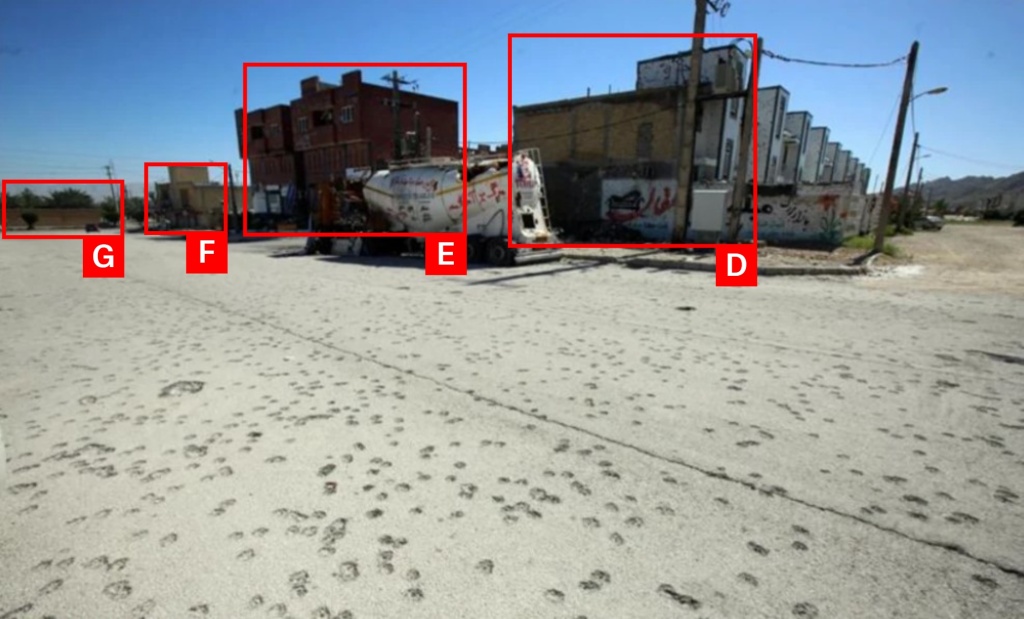
Residential complex Shahrak Isar

Imagery: Merlyn Thomas
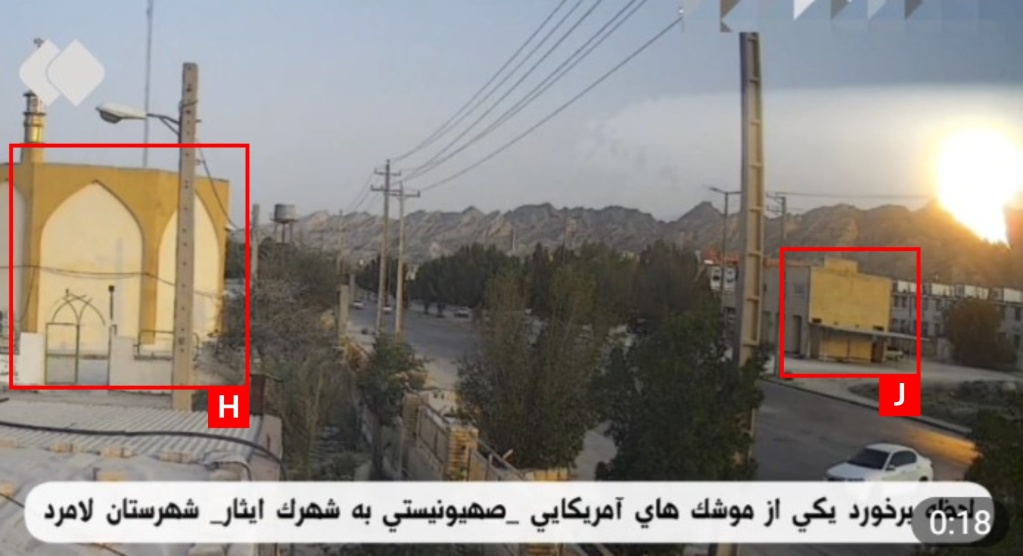
View of explosion over residential complex Shahrak Isar

Imagery: NourNews_ir

Military Statements

U.S. Forces Assessment
Suspected belligerent
U.S. Forces
U.S. Forces position on incident
Not yet assessed
Iranian Military Assessment
Suspected belligerent
Iranian Military
Iranian Military position on incident
Not yet assessed
Israeli Military Assessment
Suspected belligerent
Israeli Military
Israeli Military position on incident
Not yet assessed

Sources (107)

Civilians of Iran

English

View

Source ID

455597

Archive URL

Archive

Source URL

View

Source Author

Civilians of Iran

Languages

English

Content

Their storySiavash Ahmadi, an employee at the Parsian Gas Refinery, was killed while on his way to the refinery near the sports hall.Photos and mediaKilled inMissile Strike on Shahid Naimi Sports Hall, LamerdLamerd, Fars · 28 February 2026Read more →Sources and documentationwww.naftonline.irwww.naftonline.irView Source

Media from Civilians of Iran (1)

Civilians of Iran

Persian

View

Source ID

455596

Archive URL

Archive

Source URL

View

Source Author

Civilians of Iran

Languages

Persian

Translated Content

Their storyWe are still gathering information about Robab Dehdashtu. If you knew them, please contribute.Share what you knowPhotos and mediaKilled inMissile Strike on Shahid Naimi Sports Hall, LamerdLamerd, Fars · 28 February 2026Read more →Sources and documentationNames of martyrs of recent attacks in Lamerdfararu.comfaView Source

Content

Their storyWe are still gathering information about Robab Dehdashtu. If you knew them, please contribute.Share what you knowPhotos and mediaKilled inMissile Strike on Shahid Naimi Sports Hall, LamerdLamerd, Fars · 28 February 2026Read more →Sources and documentationاسامی شهدای حملات اخیر در لامردfararu.comfaView Source

Media from Civilians of Iran (1)

Civilians of Iran

English

View

Source ID

455594

Archive URL

Archive

Source URL

View

Source Author

Civilians of Iran

Languages

English

Content

Missile Strike on Shahid Naimi Sports Hall, LamerdLamerd, Fars · 28 February 2026

Media from Civilians of Iran (1)

Civilians of Iran

English

View

Source ID

455592

Archive URL

Archive

Source URL

View

Source Author

Civilians of Iran

Languages

English

Content

Their storyMahmoud Najafi was a physical education teacher in Iran’s public school system and a football coach for students in Lamerd.On the day of the attack, a special class for children between the ages of four and eight was being held, while a group of teenagers were organizing teams to begin practice and play when a missile struck the residential area of the sports complex. Mahmoud Najafi immediately tried to guide the children to safety and save their lives.He rushed to the girls’ hall, banged on the door, and shouted for them to leave the building as quickly as possible. The young volleyball players, led by their coach, moved toward the exit. It was at that moment that the first missile hit the hall, and as the girls were trying to escape, a second missile struck the sports complex.Rather than seeking shelter himself, the football coach focused on leading as many of the children as possible out of the complex. He was struck in the side and chest by three pieces of missile shrapnel. According to the Iranian state news agency IRNA, he still had enough time to call emergency services; the last recorded activity on his phone shows an unsuccessful 57-second call to 115, Iran’s emergency number.Photos and mediaKilled inMissile Strike on Shahid Naimi Sports Hall, LamerdLamerd, Fars · 28 February 2026Read more →Sources and documentation

Media from Civilians of Iran (1)

Civilians of Iran

English

View

Source ID

455584

Archive URL

Archive

Source URL

View

Source Author

Civilians of Iran

Languages

English

Content

Their storyWe are still gathering information about Ilya Khatami. If you knew them, please contribute.Share what you knowPhotos and mediaKilled inMissile Strike on Shahid Naimi Sports Hall, LamerdLamerd, Fars · 28 February 2026Read more →Sources and documentationwww.irna.irwww.irna.irenView Source

Media from Civilians of Iran (1)

Civilians of Iran

English

View

Source ID

455587

Archive URL

Archive

Source URL

View

Source Author

Civilians of Iran

Languages

English

Content

Their storyHossein Ebrahimi, a 31-year-old man from Lamerd, was killed in an attack on the Shahid Naeimi Sports Hall in Lamerd, Fars Province. On the day of the incident, he had gone to a supermarket near the sports complex. According to his sister-in-law, his car caught fire as a result of the incident, and his family was unable to obtain any information about him until around 8 p.m. They eventually found his name on the list of those killed in the attack on the sports hall.Photos and mediaKilled inMissile Strike on Shahid Naimi Sports Hall, LamerdLamerd, Fars · 28 February 2026Read more →Sources and documentationحمله به لامرد فارس ۱۹ شهید به جای گذاشت | گفت‌وگو با خانواده یکی از شهداwww.hamshahrionline.ir

Media from Civilians of Iran (1)

Civilians of Iran

Persian

View

Source ID

455583

Archive URL

Archive

Source URL

View

Source Author

Civilians of Iran

Languages

Persian

Translated Content

Their storyWe are still gathering information about Helma Sadat Ahmadizadeh. If you knew them, please contribute.Share what you knowPhotos and mediaKilled inMissile Strike on Shahid Naimi Sports Hall, LamerdLamerd, Fars · 28 February 2026Read more →Sources and documentationA story about the attack on the volleyball court of Lamerd girls/How did Helma and Elham die on the first day of American and Israeli airstrikes?www.khabaronline.irfaView Source

Content

Their storyWe are still gathering information about Helma Sadat Ahmadizadeh. If you knew them, please contribute.Share what you knowPhotos and mediaKilled inMissile Strike on Shahid Naimi Sports Hall, LamerdLamerd, Fars · 28 February 2026Read more →Sources and documentationروایتی از حمله به زمین دختران والیبالیست شهر لامرد/ هلما و الهام چگونه در اولین روز حملات هوایی آمریکا و اسرائیل جان باختند؟www.khabaronline.irfaView Source

Media from Civilians of Iran (1)

Civilians of Iran

English

View

Source ID

455576

Archive URL

Archive

Source URL

View

Source Author

Civilians of Iran

Languages

English

Content

Their storyFarhad Najafi, 57, originally from Firuzabad, has nearly 28 years of experience working in various departments of the Islamic Republic of Iran Customs Administration, including serving as the former head of customs at the Lamerd Special Economic Zone.Photos and mediaKilled inMissile Strike on Shahid Naimi Sports Hall, LamerdLamerd, Fars · 28 February 2026Read more →

Media from Civilians of Iran (1)

Civilians of Iran

Persian

View

Source ID

455574

Archive URL

Archive

Source URL

View

Source Author

Civilians of Iran

Languages

Persian

Translated Content

Their storyWe are still gathering information about Elham Zare'ei. If you knew them, please contribute.Share what you knowPhotos and mediaKilled inMissile Strike on Shahid Naimi Sports Hall, LamerdLamerd, Fars · 28 February 2026Read more →Sources and documentationA story about the attack on the volleyball court of Lamerd girls/How did Helma and Elham die on the first day of American and Israeli airstrikes?www.khabaronline.irfaView Source

Content

Their storyWe are still gathering information about Elham Zare'ei. If you knew them, please contribute.Share what you knowPhotos and mediaKilled inMissile Strike on Shahid Naimi Sports Hall, LamerdLamerd, Fars · 28 February 2026Read more →Sources and documentationروایتی از حمله به زمین دختران والیبالیست شهر لامرد/ هلما و الهام چگونه در اولین روز حملات هوایی آمریکا و اسرائیل جان باختند؟www.khabaronline.irfaView Source

Media from Civilians of Iran (1)

Civilians of Iran

English

View

Source ID

455573

Archive URL

Archive

Source URL

View

Source Author

Civilians of Iran

Languages

English

Content

Missile Strike on Shahid Naimi Sports Hall, LamerdLamerd, Fars · 28 February 2026

Media from Civilians of Iran (1)

Civilians of Iran

English

View

Source ID

455572

Archive URL

Archive

Source URL

View

Source Author

Civilians of Iran

Languages

English

Content

Missile Strike on Shahid Naimi Sports Hall, LamerdLamerd, Fars · 28 February 2026

Media from Civilians of Iran (1)

Mahmoud Aslan
1 Mar 2026

English

View

Source ID

455560

Archive URL

Archive

Source URL

View

Date

1 Mar 2026

Source Author

Dropsite News

Source Author Translated

Mahmoud Aslan

Languages

English

Content

Drop Site is a reader-funded, independent news outlet. Without your support, we can’t operate. Please consider becoming a paid subscriber or making a 501(c)(3) tax-deductible donation today.LAMERD, IRAN—Dozens of teenage girls were attending their regular training sessions of volleyball, basketball, and gymnastics in the main sports hall in Lamerd, a city near the Persian coast, when a missile slammed into the building at 5 p.m. on Saturday. Additional strikes hit two nearby residential areas and a hall adjacent to a school, as the U.S. and Israel pounded targets across Iran on the first day of what President Donald Trump declared as a regime change war. According to local officials cited in Iranian state media, the strikes on Lamerd killed at least 18 civilians and wounded scores more.“Within seconds of the missile strike, the windows shattered into thousands of fragments. Sports equipment, balls, tables, barriers flew through the air. Black smoke filled the space. The smell of gunpowder made breathing almost impossible. The screaming began immediately, layered with the sound of debris collapsing and concrete falling from the ceiling,” Mohammed Saed Khorshedy, a 29-year-old worker at the gym who witnessed the attack, told Drop Site News.The facility sits on the outskirts of Lamerd, a quiet city in Fars province, near the surrounding Zagros mountain range, giving the natural landscape an uneven, rugged character. The rectangular building is at a crossroads connecting the city center to Bandar Assaluyeh, an industrial port and energy hub on the Persian Gulf.The sports hall was poorly maintained, with deteriorating walls surrounded by a low perimeter fence. A high arched metal roof sat atop a reinforced concrete frame and a rubber floor for volleyball and other sports. The missile struck the middle of the roof, destroying a large part of the building. The main court, small spectator stands, changing rooms, and coach’s office were all reduced to rubble.Hossein Gholami, a 50-year-old elementary school teacher, was returning from work when he heard the blast. His 16-year-old daughter, Zahra, was training in the hall.“I noticed a strange gathering of people at the corner of the street leading to the sports hall,” Gholami told Drop Site. “The screaming was rising from a distance. A colleague ran toward me, waving his arm, and said in a shaken voice: ‘Zahra, the hall, there has been an explosion.’ I felt as though the ground had split beneath my feet. Everything around me became hazy,” he said. “I ran immediately, and with every step the columns of black smoke rose higher, while the smell of fire and flames entered my nose with force.”When he reached the site, he came upon a scene of horror. “The continuous screaming of the injured mixed with the sounds of secondary explosions. The ground was covered in debris and shattered glass. It was difficult to move with all the rubble. Ambulances arrived after about twenty minutes, but most of the injured were in critical condition,” he said. “The smell of blood and burns covered everything…the survivors were injured with fractures and burns from the shrapnel.”Later, he learned that Zahra was among the dead. “Every time I close my eyes I see her face, her smile, and I hear the sound of the explosion,” Gholami said.There has been no public statement by the U.S. or Israeli on the Lamerd strikes. CENTCOM and the Israeli military did not immediately respond to a request for comment.The bombing of the sports hall in Lamerd came hours after a strike on a girls’ elementary school in Minab, another small city on the Persian Gulf, further east near the Strait of Hormuz, that, according to the state-run IRNA news agency, killed 165 people, many of them schoolgirls. Neither the U.S. nor Israel claimed that strike. The Israeli military said it was not aware of strikes in the area of Minab; CENTCOM’s spokesperson said they were “looking into” reports. Another strike hit an adjacent IRGC naval base and the USS Abraham Lincoln is stationed nearby.The governor of Lamerd said “The United States and the Zionist regime fired missiles at the sports hall while female students were playing inside,” according to the Fars news agency.As of Sunday morning, the Iranian Red Crescent and state-linked media have reported preliminary casualty figures of over 200 people killed and more than 740 injured across Iran, though the actual toll is expected to be significantly higher. Iran launched retaliatory strikes across nine countries in the region: Israel, Bahrain, Iraq, Jordan, Kuwait, Oman, Qatar, Saudi Arabia and the United Arab Emirates, with a total of 18 killed, including three U.S. servicemen, according to a tally by Al Jazeera.Mir Dehdasht, an administrative officer at Azad university whose 15-year-old daughter Rabab Dehdasht was training at the sports hall, was at home when a neighbor knocked on his door to tell him the facility had been attacked.“I ran immediately toward the place, and when I arrived, I found burning cars and rubble scattered everywhere,” Dehdasht told Drop Site. “The injured were bleeding heavily, some had lost consciousness on the ground, others were screaming without stopping. Their voices were deafening.”He continued: “Blood and dust covered everything, and the rubble blocked quick access to the building. Rescue teams were working with extreme care to bring out the injured athletes and the bodies of the victims. The screaming filled everything,” he said. “Robab did not survive the force of the explosion, while others survived but with life-threatening injuries. I felt complete helplessness.”Farhad Za’eri, a retired Ministry of Health employee, received the news of the strike by phone. His 16-year-old daughter Elahe, was also there.“I left immediately with some neighbors. The roads were unusually congested and there was a sense of anxiety throughout the neighborhood,” Za’eri told Drop Site. “When we arrived, the rescue teams were already there and they had begun bringing out the bodies one by one.”“I did not know what I would see,” he continued, “but when I got close to the place where they were bringing out the victims, I felt a heaviness in my chest. Every body that was lifted carried the mark of pain, and the rescue effort was trying to distinguish between those who could still be saved and those whose lives had ended,” he said. “There were voices from every direction, everyone was trying to understand what had happened. In that moment, everything inside me was silent, and I was waiting for them to tell me about my daughter Elahe.”Elahe’s body was eventually brought out. “My daughter’s body was completely destroyed. It appears she was directly hit by the strike. The lower part of her body was completely destroyed,” Za’eri said. “How can a father describe what he feels when he sees his child like this? All my memories of her, her laugh, her training, her dreams, collapsed before my eyes in a single moment.”This story was published in collaboration with Egab.Leave a commentShare
Student News Agency | SNN.IR
28 Apr 2026

Persian

View

Source ID

455566

Archive URL

Archive

Source URL

View

Date

28 Apr 2026

Source Author

خبرگزاری دانشجو | SNN.IR

Source Author Translated

Student News Agency | SNN.IR

Languages

Persian

Translated Content

200 neighborhoods in memory of the martyrs of Lamerd Stadium The Minister of Labor said: This year, during Labor Week, sports competitions will be held in about 200 neighborhoods in memory of the martyrs of Lamerd Stadium. According to the provincial group of the Student News Agency, "Ahmad Midari" at the ceremony of "National Plan to Start the Activity of Selected Sports Stations Across the Country in Memory of the Daughters of Lamerd and the Blossoms of Minab" which was held simultaneously with Labor and Labor Week and in the presence of "Alireza Mahjoub", Secretary General of the Workers' House, "Amir Qale Noei", head coach of the national football team, and a group of provincial and national managers, congratulated Labor and Labor Week and stated: This year, during Labor Week, sports competitions will be held in about 200 neighborhoods in memory of the martyrs of Lamerd Stadium to show the enemies that they cannot cause a disruption in the vibrant and vibrant society of Iran. He added: On the first day of Esfand, the installation of artificial turf and other infrastructures in the Workers' Cultural-Sports Complex began, and even with the outbreak of war, the workers continued to work until the complex was inaugurated today. Midari continued: When the news of the martyrdom of the girls in the Lamerd stadium was published, some foreign media outlets, based on the same false and fabricated image, announced that do women and girls in Iran go to school or do sports? Lamerd Workers' Sports Complex in Memory of the Martyrs of Lamerd The Director General of Cooperatives, Labor and Social Welfare of Fars Province congratulated and condoled the martyrs of the Lamerd Ramadan War and said: Simultaneously with Labor Week; the activities of the workers' sports stations in Fars Province began in memory of the dear and oppressed martyrs of "Lamerd" and "Minab", and the Lamerd Workers' Sports Complex will also be completed by the dawn of this year in memory of the martyrs of the Lamerd Ramadan War. Saeed Biari, Director General of Cooperatives, Labor and Social Welfare of Fars, said in the company of the families of the martyrs of the Lamerd Ramadan War, whose memorial service was held today at the initiative of the Ministry of Labor and in the presence of the Minister of Cooperatives, Labor and Social Welfare, Midari, said: The martyred girls of the Lamerd city sports hall were martyred in March of last year, as a result of the war crime of the United States and the Zionist regime, by testing a mass destruction missile. He expressed his gratitude to the Ministry of Labor, which named the 23 martyrs of Lamerd after the martyrs of the Third Imposed War, and continued: This sports hall was named after the blessed martyr Khalil Naeimi in Lamerd. This hall was not the site of any military operations, and girls were doing sports there who were innocently martyred as a result of this inhuman crime. The Director General of Cooperatives, Labor and Social Welfare of Fars stated on the sidelines of this ceremony: During the commemoration of the martyrs of the Ramadan Lamerd War, and at the request of local officials of this city, the member of parliament of this region, and the governor of the city, and by order of Dr. Midari, the Honorable Minister of Labor, 62 billion Tomans has been approved for the completion of the Lamerd workers' sports complex. After its completion, this complex will be named after the memory and names of the martyrs of the Ramadan Lamerd war athletes, and we hope that it will be put into operation by the Fajr decade of this year. Saeed Biari stated: During Labor Week, 167 labor sports stations and 23 other stations began their activities in Fars Province, in accordance with planning and in memory of the families of the martyrs of Minab and Lamerd.

Content

۲۰۰ محله به یاد شهدای ورزشگاه لامرد وزیر کار گفت: امسال در هفته کارگر در حدود ۲۰۰ محله به یاد شهدای ورزشگاه لامرد مسابقات ورزشی اجرا می‌شود. به گزارش گروه استان‌های خبرگزاری دانشجو، «احمد میدری» در آئین «طرح ملی آغاز فعالیت ایستگاه‌های ورزشی منتخب سراسر کشور یادمان دختران لامرد و شکوفه‌های میناب» که همزمان با هفته کار و کارگر و با حضور «علیرضا محجوب» دبیرکل خانه کارگر، «امیر قلعه نویی» سرمربی تیم ملی فوتبال و جمعی از مدیران استانی و کشوری برگزار شد، با تبریک هفته کار و کارگر اظهار داشت: امسال در هفته کارگر در حدود ۲۰۰ محله به یاد شهدای ورزشگاه لامرد مسابقات ورزشی اجرا می‌شود تا به دشمنان نشان دهیم که در جامعه زنده و پرنشاط ایران نمی‌توانند خللی ایجاد کنند. وی افزود: در روز اول اسفند، نصب چمن مصنوعی و سایر زیرساخت‌ها در مجموعه فرهنگی - ورزشی کارگران آغاز شد که حتی با شروع جنگ، کارگران به کار خود ادامه دادند تا این مجموعه امروز افتتاح شود. میدری ادامه داد: وقتی خبر شهادت دختران در ورزشگاه لامرد منتشر شد برخی از رسانه‌های خارجی بنابر همان تصویر دروغین ساختگی اعلام کردند، مگر زنان و دختران در ایران به مدرسه می‌روند یا ورزش می‌کنند؟ مجموعه ورزشی کارگران لامرد به یاد شهدای لامرد مدیرکل تعاون، کار و رفاه اجتماعی استان فارس با تبریک و تسلیت به شهدای جنگ رمضان لامرد گفت: همزمان با هفته کارگر؛ فعالیت ایستگاه‌های ورزش کارگری در استان فارس به یاد شهدای عزیز و مظلوم «لامرد» و «میناب» آغاز به کار کرد و مجموعه ورزشی کارگران لامرد نیز تا دهه فجر امسال به یاد شهدای جنگ رمضان لامرد تکمیل می‌شود. سعید بیاری مدیرکل تعاون، کار و رفاه اجتماعی فارس در جمع خانواده معظم شهدای جنگ رمضان لامرد که یادمان این شهدا امروز به همت وزارت کار باحضور میدری وزیر تعاون، کار و رفاه اجتماعی برگزار شد گفت: دختران شهید سالن ورزشی شهرستان لامرد در اسفند سال گذشته، براثر جنایت جنگی آمریکا و رژیم صهیونیستی، با آزمایش یک موشک کشتار جمعی، به شهادت رسیدند. وی با قدردانی از وزارت کار که ٢٣ شهید لامرد به نام شهدای جنگ تحمیلی سوم نامگذاری شد، ادامه داد: این سالن ورزشی به نام مبارک شهید خلیل نعیمی در لامرد نامگذاری شده بود، این سالن محل هیچ عملیات نظامی نبود و دخترانی آنجا مشغول ورزش بودند که بی گناه براثر این جنایت غیرانسانی به شهادت رسیدند. مدیرکل تعاون، کار و رفاه اجتماعی فارس در حاشیه این مراسم بیان کرد: در جریان برگزاری این یادمان شهدای جنگ رمضان لامرد و بنا به درخواست مسئولان محلی این شهرستان و نماینده مجلس این منطقه و فرماندار شهرستان و با دستور دکتر میدری وزیر محترم کار، ۶٢ میلیارد تومان برای تکمیل مجموعه ورزشی کارگران لامرد مصوب شده است. این مجموعه پس از تکمیل آن، به یاد و نام شهدای ورزشکار جنگ رمضان لامرد نامگذاری می‌شود و امیدواریم تا دهه فجر امسال به بهره‌برداری برسد. سعید بیاری اظهار کرد: در ایام هفته کارگر با برنامه‌ریزی انجام شده و به یاد خانواده‌های شهدای میناب و لامرد، ١۶٧ ایستگاه ورزش کارگری و ٢٣ ایستگاه دیگر در استان فارس فعالیت‌شان اغاز کردند.

Media from Student News Agency | SNN.IR (1)

neginbagheri91
23 Mar 2026

English

View

Source ID

439188

Archive URL

Archive

Source URL

View

Date

23 Mar 2026

Source Author

neginbagheri91

Languages

English

Translated Content

The story of the US-Israeli missile attack on the girls volleyball players in Lamerd: On the evening of Saturday, March 26, Elham, Helma and the girls of the Noonhalan volleyball team were taking steps in the gym and hitting hard to defend the ball; not from the missile that had attacked their net minutes earlier. 🧵 With the sound of the first explosion at a base near them, the power to the gym was cut off. Everyone, wherever they were, was trying to find the exit in the darkness. But the second missile did not give them time to evacuate. How could they get out of a 50-meter-long gym in 10 seconds?/2 While the kids were running away, the second rocket did not reach the base and exploded right above the club. Its shrapnel tore through the ceiling and came towards the Noonhalan Lamerd volleyball team in Fars Province. Then, the third rocket hit the Lamerd beltway about 200 meters ahead of the sports hall, in front of the citizens’ living quarters, killing 21 people./3 The name of one of these 21 people is Helma and the name of the other is Elham; the same two girls who had been saying only one thing about them since March 29: two volleyball players from Lamerd. Helma is in fourth grade and Elham is in fifth grade. Helma’s cousin, Zahra Ahmadizadeh, is a member of the national women’s soccer team that recently arrived in Iran./4 The doctors had said that Elham had died before reaching the hospital. However, Helma got into the ambulance on her own. Without a single spot of blood on her body, she told her coach: “It’s like something has gone inside me.” She had pulled up her clothes. Something like a small blade that didn’t look like much of a wound./5 The girls who had been gasping for breath after a strenuous workout minutes earlier were now gasping for breath in the hospital out of fear. 10 to 12 of them underwent surgery that night. One of them had a finger amputated. Three were sent to Shiraz by emergency services. Of them, Helma was the furthest from death. But/6 According to her uncle, the same small black blade had gone into her heart, and at around 7 p.m., the nurse’s efforts to revive her failed. Not only these two female athletes, but also Ilya Khatami, a sixth-grade boy, and his coach, Mr. Najafi, who were playing soccer on the grass field, also lost their lives to shrapnel./7 The third missile that hit the Lamerd belt area that day also killed three workers, two of whom were working: one from the same city, the other from Mamasani, and the third from Afghanistan. The housewife who was sitting at home with a hookah at that moment is now the only name left on the list of martyrs./8 A grocery seller, a pedestrian living in Norway who was shopping at a pharmacy, the deputy customs officer of the Lamerd Special Zone, and several students also lost their lives in the explosion. The director of the MRI department of Lamerd Hospital also threw himself on his daughter upon hearing the sound. The daughter was saved, but the mother was not./9 The brother of one of the dead is a student who had his spinal cord severed and was unaware of his sister's death until the time of writing this report. The student's daughter was also blinded. Another citizen said that the shrapnel from the explosion entered her body like a blade and, like Helma, broke her leg bone, even though it was not visible./10 From the point of impact of the second and third missiles, it can be said that these two missiles hit two civilian and heavily trafficked areas. Including the volleyball team of the 1990s, 10 of whom were supposed to take to the field for the provincial tournament after the end of the exam season. A summary of the report below:

Content

ماجرای حمله موشکی آمریکا_اسرائیل به دختران والیبالیست شهر لامرد: غروب شنبه نهم اسفند ماه، الهام، هلما و دختران تیم والیبال نونهالان در سالن سه‌گام برمی‌داشتند و با قدرت ضربه می‌زدند تا از توپ دفاع کنند؛ نه از موشکی که دقایقی پیش به سمت تور آنها حمله آورده بود. 🧵 با صدای انفجار اول در پایگاهی نزدیکی آنها، برق سالن قطع شد. هر کسی هر جایی بود سعی می‌کرد در تاریکی در خروج را پیدا کند. موشک دوم اما فرصت تخلیه نمی‌دهد. در ۱۰ ثانیه چطور می‌شد از سالنی با طول ۵۰ متر به خروج رسید؟/۲ حین فرار بچه‌ها، راکت دوم به پایگاه نرسید و درست بالای آسمان باشگاه منفجر شد. ترکش‌های آن سقف را شکافت و به سمت تیم والیبال نونهال لامرد استان فارس آمد. سپس سومین راکت حدود ۲۰۰ متر جلوتر از سالن ورزشی به کمربندی لامرد و مقابل محل زندگی شهروندان اصابت کرد و جان ۲۱ نفر را گرفت./۳ نام یکی از این ۲۱ نفر هلما و نام دیگری الهام است؛ همان دو دختری که از نهم اسفند فقط درباره آنها یک جمله گفته می‌شد: دو دختر والیبالیست شهر لامرد. هلما کلاس چهارمی و الهام کلاس پنجمی است. دخترعموی هلما، زهرا احمدی‌زاده، عضو تیم ملی فوتبال زنان است که به تازگی وارد ایران شده./۴ دکترها گفته بودند الهام قبل از بیمارستان جانش را از دست داده بود. هلما اما با پای خودش سوار آمبولانس شد. بدون اینکه یک لکه خون روی بدنش باشد به مربی‌اش گفته بود: «انگار یک چیزی توی بدنم رفته.» لباسش را بالا زده بود. یک چیزی شبیه به تیغ کوچک که خیلی هم زخم کاری به نظر نمی‌آمد./۵ دخترانی که دقایقی پیش بعد از یک تمرین جانانه نفس نفس می‌زدند، حالا از روی ترس راه نفسشان را در بیمارستان گم کرده بودند. ۱۰ تا ۱۲ نفر همان شب جراحی شدند. انگشت یکی از آنها قطع شده بود. سه نفر را اورژانسی به شیراز اعزام کردند. از بین آنها هلما دورترین فاصله را تا مرگ داشت. اما/۶ به گفته عموی او همان تیغ کوچک سیاه رفته بود داخل قلب و حوالی ساعت ۱۹ عصر تلاش پرستار او را به زندگی باز نگرداند. نه فقط این دو دختر ورزشکار، بلکه ایلیا خاتمی، پسر کلاس ششمی و مربی او آقای نجفی که در زمین چمن فوتبال بازی می‌کردند هم جان خود را با همین ترکش‌ها از دست دادند./۷ سومین موشکی که آن روز به محدوده کمربندی لامرد برخورد کرد، سه کارگر هم به کشتن داده بود که دو نفر از آنها مشغول کار بودند: یکی از آنها اهل همین شهر، دیگری اهل ممسنی و سومی اهل افغانستان. از زن خانه‌داری که آن لحظه با قلیان دم خانه نشسته بود حالا اسمی در فهرست شهدا باقی مانده./۸ یک فروشنده خواروبار، یک عابر پیاده ساکن نروژ که در حال خرید از داروخانه بوده، معاون گمرک منطقه ویژه لامرد و چند دانشجو هم با این انفجار جان خود را از دست داده‌اند. مدیر بخش ام‌آرآی بیمارستان لامرد هم با شنیدن صدا، خودش را روی دخترش می‌اندازد. دختر نجات می‌یابد اما مادر نه./۹ برادر یکی از کشته‌شدگان دانشجوییست که قطع نخاع شده و تا زمان نوشتن این گزارش از مرگ خواهرش بی‌اطلاع بوده. دختر دانشجویی هم نابینا شده. شهروند دیگری هم می‌گوید ترکش‌های این انفجار مثل یک تیغه وارد بدن او شده و مانند هلما با وجود اینکه قابل دیدن نبوده، استخوان پایش را شکسته./۱۰ از نقطه برخورد موشک دوم و سوم می‌توان گفت که این دو موشک درست به دو محدوده غیرنظامی و پر رفت‌و آمد برخورد کرده‌اند. از جمله به تیم والیبال دهه نودی که قرار بود ۱۰ نفرشان با تمام شدن فصل امتحانات برای مسابقات استانی وارد زمین شوند. خلاصه‌ای از گزارش زیر:

Media from neginbagheri91 (1)

New York Times
30 Mar 2026

English

View

Source ID

439152

Archive URL

Archive

Source URL

View

Date

30 Mar 2026

Source Author

New York Times

Languages

English

Content

On the first day of the war with Iran, a weapon bearing the hallmarks of a newly developed U.S.-made ballistic missile was used in an attack that struck a sports hall and adjacent elementary school near a military facility in southern Iran, according to weapons experts and a visual analysis by The New York Times. Local officials cited in Iranian media said this strike and others nearby in the city of Lamerd killed at least 21 people. The Feb. 28 attack occurred the same day as a U.S. Tomahawk cruise missile struck a school in the city of Minab, several hundred miles away, killing 175 people. In the case of Lamerd, though, it involved a weapon that had been untested in combat. The Times verified videos of two strikes in Lamerd, as well as aftermath footage from the attacks. Times reporters and munitions experts found that the weapon features, explosions and damage are consistent with a short-range ballistic missile called the Precision Strike Missile, or PrSM (pronounced like “prism”), which is designed to detonate just above its target and blast small tungsten pellets outward. Videos that capture one strike, in a residential area about 900 feet from the sports hall and school, show the weapon in flight, with a distinctive silhouette that matches the PrSM. The missile erupts in a large fireball midair. Another video, filmed from a security camera directly across from the sports hall, shows the strike on the hall and adjacent school. While the video does not capture an incoming missile, it clearly shows an explosion just above the structure. Photos of the aftermath show both sites were pockmarked with holes, apparently from the tungsten pellets. There is an Islamic Revolutionary Guards Corps, or I.R.G.C., compound directly next to the sports hall. It’s not known if it was struck in the attack. The PrSM completed prototype testing only last year, according to an Army press release. On March 1, U.S. Central Command posted a video of a PrSM launch from the first 24 hours of the war. Days later, Adm. Brad Cooper, who leads Central Command, said the PrSM had been used in combat for the first time. The military has been touting its debut. Since the weapon is so new, it’s more difficult to assess whether the PrSM strikes in Lamerd were intentional, stemmed from a design flaw or manufacturing defect, or were the result of improper target selection. It’s unclear if or how the school or sports hall might be affiliated with the I.R.G.C. compound, but according to archival satellite imagery, they have been walled off from the compound for at least 15 years. The sports hall, at the time of the strikes, was being used by a female volleyball team, according to Amir Saeid Iravani, Iran’s representative to the United Nations. Photos and videos posted to a social media account linked to the school show the premises were regularly used by children. The sports hall has also for years been publicly identified as a civilian-use facility on readily available digital mapping platforms, including Google Maps, Apple Maps and Wikimapia, according to a review by The Times. Ground-level and satellite images of the aftermath show the sports hall with scorch marks and a partly collapsed roof. Footage from inside the school shows blown-out windows, fire damage and splotches of blood. The PrSM’s intended use is to kill enemy troops and destroy unarmored vehicles, and it can fly more than twice as far as any other missile in the Army’s arsenal. A U.S. official who spoke to The Times confirmed that the missile used in the Lamerd strike was the PrSM. The official was not authorized to comment publicly about the attack and spoke on the condition of anonymity. Other experts consulted by The Times also provided an assessment of the weapon. “While we knew PrSM was fired, this is the first look we’ve gotten at the business end of the system,” Jeffrey Lewis, a nuclear nonproliferation expert at Middlebury College, said after reviewing videos and photos of the incident. Mr. Lewis’s observation was supported by Frederic Gras, another munitions expert. He said the video showing airburst detonation was very clear, and “the pattern of fragmentation damages are impressive and match with the few technical information available on the PrSM.” Capt. Tim Hawkins, a spokesman for U.S. Central Command, said in a statement to The Times on Saturday: “We’re aware of the reports and are looking into them. U.S. forces do not indiscriminately target civilians, unlike the Iranian regime.” Mr. Lewis said the missile seen in the video also resembled another ground-launched American weapon — a guided rocket called GMLRS-ER, but since that munition has a range of only 93 miles, versus the PrSM’s 400 miles, it would have had to have been fired from inside Iran, which is highly unlikely. In addition to the sports hall and school, and nearby residential area, a third location may have been hit in the attack. The Times verified a video that shows another plume of smoke rising close to the other strikes at the same time. Local Telegram and media reports stated a cultural center had been hit, but that couldn’t be independently verified. The BBC and public radio program “The World” reported earlier that the missiles used in Lamerd may have been PrSMs, and that the Pentagon was looking into the incident. The strikes on Iran are being conducted by a joint Israeli-U.S. coalition, but senior American military officials made it clear that in the opening days of the conflict the United States was operating in the southern part of the country, where Lamerd is located. The footage of the weapon in flight and subsequently exploding in the residential area was broadcast by Fars, a semiofficial news agency affiliated with Iran’s security forces, and appears to originate from security cameras. A video posted by a local Iranian media outlet showed the damaged interior of the adjacent school after the strike. Photographs taken at the scene show the sports hall’s playground peppered and pockmarked, a pattern of damage consistent with the exploding warhead on a PrSM. A similar fragmentation pattern appears in photos and video verified by The Times at the residential area just southeast of the sports hall, where the explosion destroyed an oil truck and damaged several shops and residential buildings. No large blast craters are visible at these locations — which is also consistent with an airbursting PrSM warhead. At least 21 people were killed in the strikes, according to Iran’s state news agency, IRNA. While that figure has not been independently verified, photos and videos posted online by local media outlets show scenes from a mass funeral the next day, March 1. An additional hundred people were injured, said Mr. Iravani, Iran’s representative to the U.N. Some of the casualties were volleyball players who were training inside the hall when the missile struck, according to Mr. Iravani, and eyewitnesses cited by U.S.-based online media outlet Drop Site News. Tasnim, a semiofficial Iranian news agency, published the names of the 21 people it said were killed. An Iran-based journalist, Negin Bagheri, wrote about two of the victims: Helma Ahmadizadeh, a 10-year-old fourth-grader, and Elham Zaeri, a fifth-grader, both of whom were at volleyball practice when the missile struck. Khabar-e Jonoub, an Iranian newspaper, reported on the death of a sports coach identified as Mahmoud Najafi. The PrSM is a short-range ballistic missile designed to replace the Army Tactical Missile System, or ATACMS, in the Army and Marine Corps arsenal. Developed by Lockheed Martin in Camden, Ark., it’s capable of hitting targets at a range of approximately 400 miles. But additional details about the weapon, including its expected accuracy and the quantity of explosives it carries, remain unknown to the public. In past wars, the Pentagon has at times deployed developmental weapons like the PrSM to active war zones for what the military calls “combat evaluation,” so long as commanders knowingly accept the attendant risk of using a munition before it has gone through more testing.

Media from New York Times (8)

CENTCOM
31 Mar 2026

English

View

Source ID

439151

Archive URL

Archive

Source URL

View

Date

31 Mar 2026

Source Author

CENTCOM

Languages

English

Content

TAMPA, Fla. — U.S. Central Command Spokesperson U.S. Navy Capt. Tim Hawkins provided the following statement: Several media outlets recently reported accusations of U.S. forces striking a sports hall and residential area in the city of Lamerd, Iran, on Feb. 28. After looking into the reports, U.S. Central Command has confirmed the accusations are false. U.S. forces did not launch any strikes at any time into the city of Lamerd or anywhere within 30 miles during the opening day of Operation Epic Fury. Furthermore, video footage circulated by media outlets alleging U.S. involvement does not show a Precision Strike Missile (PrSM). A PrSM is 13 feet in length. The munition depicted in the video appears to be twice as long, consistent with the dimensions and silhouette of an Iranian Hoveyzeh cruise missile. U.S. forces do not target civilians, unlike the Iranian regime which has attacked civilian locations in neighboring countries more than 300 times.
BBC News
3 Apr 2026

English

View

Source ID

439142

Archive URL

Archive

Source URL

View

Date

3 Apr 2026

Source Author

BBC News

Languages

English

Content

3 April 2026Merlyn Thomas,BBC Verify correspondent ,Shayan Sardarizadeh,Senior Journalist, BBC VerifyandSarah JalaliMultiple weapons experts have disputed a US claim that Iran may have been responsible for a deadly strike on the town of Lamerd on the first day of the war.Six experts - who examined footage of the strike and all commented independently - contested the US suggestion that it was an Iranian missile, citing the missile's visual features, the way it exploded, its trajectory and the number of strikes in the area as the basis for their analysis.Iranian officials have said 21 people, including four children, were killed.BBC Verify originally reported on the strikes on 28 March, citing experts who said it was likely a US Precision Strike Missile (PrSM) was used. The US Central Command (Centcom) - which oversees US military operations in the Middle East - declined to comment for that report.Centcom then released a statement on 31 March denying it was a US missile, instead saying that footage of the attack was consistent with an Iranian Hoveyzeh cruise missile."US forces do not target civilians, unlike the Iranian regime which has attacked civilian locations in neighboring countries more than 300 times," the statement added.When BBC Verify went back to Centcom with the experts' analysis, it said it had "nothing to add" to its original statement.CCTV footage shows moment of strike on residential buildings in LamerdLamerd, a town in southern Iran, came under attack on 28 February. CCTV footage published by Iranian state media - which was authenticated and geolocated by BBC Verify - showed a munition moments before it exploded above a residential area. Experts identified it as likely being a US missile, based on its appearance, the size of the blast and the distance from potential US launch sites in the Middle East.In BBC Verify's initial report, three analysts at the defence intelligence company Janes and an expert at McKenzie Intelligence all said the missile seen in the footage was likely a PrSM - a brand new missile manufactured by Lockheed Martin for the US military.A New York Times report also found that a PrSM likely hit Lamerd.On Tuesday US Navy Capt Tim Hawkins said in the statement: "After looking into the reports, U.S. Central Command has confirmed the accusations are false.""U.S. forces did not launch any strikes at any time into the city of Lamerd or anywhere within 30 miles during the opening day of Operation Epic Fury," adding that it "does not show a Precision Strike Missile (PrSM)"."The munition depicted in the video appears to be twice as long, consistent with the dimensions and silhouette of an Iranian Hoveyzeh cruise missile," Capt Hawkins said.Multiple weapons experts have disputed Centcom's claims, noting the Hoveyzeh has a number of distinctive features which they say are not visible in the Lamerd strike footage.On the same day nearly 400km east, strikes hit an Iranian school and a nearby military base in Minab, killing 168 people according to Iranian officials. Expert video analysis suggests a US Tomahawk missile struck the military compound.US Defence Secretary Pete Hegseth said the incident was under investigation, adding that US forces "never target civilian targets".PrSM vs Hoveyzeh missileAmael Kotlarski, a weapons analyst at Janes - a defence intelligence company - said that the Hoveyzeh missile has a belly-mounted turbojet and a pair of mid-body wings."Crucially, no matter the angle from which the missile is viewed from, the wings and the turbo jet would be visible. None of that is clearly distinguishable from the footage," he said.Another munitions expert from McKenzie Intelligence also said the missile seen in the video had no wings or external engine. They said that distinctive "canard fins", consistent with a PrSM, are visible in the footage."I remain convinced that the weapon seen is a PrSM and not a Iranian Hoveyzeh Cruise Missile - the two are vastly different in appearance," they added.Trevor Ball, a weapons expert with the investigative outlet Bellingcat said in a post on X that the length of the missile was "much more consistent with the PrSM" than a Hoveyzeh missile."The Hoveyzeh silhouette is also much different, with wings and a visible engine depending on angle," he added.Airburst warheadIn the verified CCTV footage, the munition appears to explode mid-air above a Lamerd residential area. Experts say this is consistent with the airburst feature of a PrSM, where a weapon explodes above the ground to disperse fragments over a wider area, which is seen in some technologically advanced missiles.Despite the footage being low resolution, a mid-air explosion is clearly visible. Experts say this is not a known capability of the Hoveyzeh missile.The manufacturer, Lockheed Martin, describes the PrSM as an "optimized warhead" which contains pre-formed fragments that explode outwards. This, it says, "increases lethality" and "maximizes area effects".Intelligence expert and ex-National Crime Agency (NCA) investigator Chris Proops said the mid-air explosion was more consistent with a PrSM than any Iranian cruise missile currently in service.Images taken after the strike further support the assessment that an airburst munition was used. It shows the walls and ground covered by small tightly-packed impact marks which match the spread of fragments from an airburst warhead like a PrSM, according to expert analysis."Those pock marks are witness marks of a fragmentation munition," an analyst from McKenzie Intelligence said.Kotlarski from Janes added: "To put it simply, the warhead behaviour and effect from the Lamerd strike displays a level of technical sophistication that we have not observed, so far, from any Iranian cruise or ballistic missile."He said that while there is "little solid data" on the Hoveyzeh's warhead, it is thought to use a more "primitive" impact-fuzed high-explosive warhead, meaning it would detonate on or after hitting a target.The three verified strikesSince our initial investigation, BBC Verify has confirmed additional footage that shows there were three separate strikes on a sports hall, a residential area and near an educational centre in Lamerd that day."While it is feasible that an Iranian cruise missile could malfunction, it is a bit beyond credulity to have a number of them fail above the same location at the same time," said an analyst from McKenzie Intelligence.Experts also say the munition in the verified CCTV footage does not appear to be damaged, malfunctioning or intercepted.N R Jenzen Jones, director of Armament Research Services, said although it's difficult to positively identify the munition, "it appears to be correctly aligned for the terminal phase of its flight".Newly published footage, shared by pro-government local media and confirmed by BBC Verify, shows that a small primary school which is located next to the sports hall was also damaged.Debris and warped metal which may be munition fragments can also be seen on a street in the residential area. But multiple experts BBC Verify spoke to could not identify the fragments.The intended target on the day may have been an Islamic Revolutionary Guard Corps (IRGC) compound adjacent to the sports hall. BBC Verify has reviewed dozens of photos and videos of the aftermath of the strike and has not yet seen any on-the-ground footage of the IRGC base after the attack. The base also appeared to be undamaged in high-resolution satellite imagery on 9 March.Centcom's statement says US forces did not launch any strikes at any time into the city of Lamerd or anywhere within 30 miles during the opening day of Operation Epic Fury.But the US Department of Defense has previously posted an illustrative map captioned "First 100 hours" of the US-Israeli war with Iran, marking the locations of US-Israeli strikes and Iranian air defences along Iran's southern coast, including the area around Lamerd.The Israel Defense Forces (IDF) also told BBC Verify that it was not aware of any Israeli strikes in that part of Lamerd on 28 February.

Media from BBC News (7)

BBC News
28 Mar 2026

English

View

Source ID

439139

Archive URL

Archive

Source URL

View

Date

28 Mar 2026

Source Author

BBC News

Languages

English

Content

27 March 2026Merlyn Thomas,Sarah JalaliandShayan Sardarizadeh,BBC Verify State-of-the-art US missiles were likely used in a deadly strike on a residential area of Iran last month, according to an analysis of footage by weapons experts.The analysts said a projectile visible in footage of the strike on residential buildings in the southern town of Lamerd was likely a Precision Strike Missile (PrSM). The munition is a new long-range weapon operated by the US military.According to Iranian state media at least 21 people were killed in at least two strikes on the town that day that hit residential buildings and a sports hall about 300 metres apart.Centcom - which oversees US military operations in the Middle East - declined to comment.Lamerd is a town in the Fars province of about 30,000 people, according to the 2016 census. Surrounded by rugged mountains, it is around a 14-hour drive from the capital, Tehran.CCTV footage published by Iranian state media - which was authenticated and geolocated by BBC Verify - shows what experts identify as a likely US munition in flight, moments before it explodes above the target area.Three analysts at the defence intelligence company Janes and an expert at McKenzie Intelligence said the projectile's shape, length and size of the blast created, and lack of visible nose-mounted controls, indicate the weapon in the verified footage is likely to be a PrSM.Amael Kotlarski - an analyst with Janes - said based on those characteristics and the distance from potential US launch sites in the Middle East, the PrSM is likely the only munition in the American arsenal that could have hit the town.McKenzie Intelligence also observed that Lamerd was "within the extended range" of the missile. "US Central Command has admitted to using PrSM in strikes from the desert of an unnamed Gulf country against Iran in the early phases of the conflict," it noted.CCTV footage shows moment of strike on residential buildings in LamerdThe intended target of the strike may have been an Iranian Revolutionary Guards Corps (IRGC) base located adjacent to the sports hall. While no on-the-ground footage has emerged of the base to show the impact, the building appeared to be undamaged on high-resolution satellite imagery on 9 March.The strike, which took place on the opening day of the war, came just hours after an attack on a school in Minab which Iranian authorities say killed at least 168 people, including about 110 children. US Defence Secretary Pete Hegseth said the incident was under investigation and insisted US forces "never target civilian targets".The conflict marks the first time the weapon, which is manufactured by Lockheed Martin and entered service in 2023, has been used by the US military, according to the Department of Defense.Little is publicly disclosed about this new generation of long-range ballistic missile that can reach distances of up to 500km (310 miles).It is the successor to ATACMS - a surface-to-surface ballistic missile with a range of up to 300km (186 miles), which has been used by Ukraine against Russia.Chairman of the Joint Chiefs, Gen Dan Caine, hailed his troops' use of the system in a press conference on 13 March, saying they had "made history" and carried out their operations with "the precision and determination that comes from relentless training and trust in each other and in their weapon systems".Videos and photos reviewed by BBC Verify suggest the missile may have also been used in a near simultaneous strike on a sports hall about 300m away from the residential buildings.One video showed a main road with cars passing by, with the sports hall visible in the background. Moments later, a bright yellow fireball erupts on the sports hall. While the angle of the video does not show the missile, shockwaves appear to shatter the windows of the building across the street and a man is seen running away in panic.Footage of the aftermath shows the entire side of the building blackened with soot with a plume of smoke rising into the air. Damage could also be seen to the roof and blast fragments surrounded the area.An analyst from Janes said although it is not possible to identify the munition used on the sports hall from the video alone, photos of the aftermath point to evidence consistent with a PrSM warhead."This is the first time we are seeing the PrSM in action, so we have nothing to compare it to. The fragmentation pattern and density visible on the building does support the analysis on the nature of the PrSM warhead," Kotlarski said.Publicly available images paint a picture of daily life in the town's sports hall, where schoolchildren played volleyball tournaments and students sat exams.Among the children killed that day was a 12-year-old girl, Elham Zaeri, according to multiple Iranian state media outlets. Her father described her as an avid volleyball player, who would always turn up to the sports hall 20 to 25 minutes early.The youngest victim was reportedly two years old.Days after the strikes a mass funeral procession took place in the city. Footage from the IRGC-affiliated Tasnim news agency, showed hundreds of mourners bowing their heads in front of a group of at least 18 coffins draped in the flag of the Islamic Republic of Iran. Another clip appeared to show that a young child was among those buried. The Open Source Munitions Portal - a database that records footage and images of munitions used in conflicts - also identified footage of a PrSM in a video published by Centcom on 1 March, the day after the war began.On its website Lockheed Martin describes the missile as "mature, proven, affordable and low-risk". The company declined to comment on the strike, referring questions to the US government.On Wednesday, the company said it had signed an agreement with the US Department of Defense to "quadruple" production of the munition.

Media from BBC News (7)

Time Magazine
27 Apr 2026

English

View

Source ID

438269

Archive URL

Archive

Source URL

View

Date

27 Apr 2026

Source Author

Time Magazine

Languages

English

Content

Thousands of civilians have been killed across the Middle East since the United States and Israel launched a surprise attack against Iran on Feb. 28. An exact number has been difficult to ascertain due to restricted access to affected areas, but figures compiled from government statements, health ministries, and human rights reports indicated that at least 2,100 civilians have died as a result of the war—the vast majority by U.S.-Israeli airstrikes. In Iran, the Human Rights Activists News Agency (HRANA) has documented 1,701 civilian deaths, as part of a broader total of more than 3,400 people killed since the start of the conflict.Across Lebanon, the Lebanese health ministry said that the death toll from Israeli strikes has risen to 2,496 people since March 2. It did not provide a complete breakdown between civilians and Hezbollah fighters, but said that nearly a quarter of those killed were women, children and medics, underscoring the heavy civilian toll from the fighting.Among the totals across the region are at least 503 women: 251 in Iran, 248 in Lebanon, and four in the Israeli-occupied West Bank, who died from Iranian missile fire, according to rights groups and health authorities.At least 413 children have been killed in the Iran war, including 248 in Iran and 165 in Lebanon, with no confirmed child fatalities reported in other affected countries.Nine journalists have also been killed in Israeli strikes in Lebanon since fighting escalated in early March. Medical workers and aid groups have described overwhelmed hospitals in Beirut and other cities, where mass casualty surges have strained emergency rooms and depleted medical supplies during repeated waves of airstrikes. Iranian missile and drone fire has also killed dozens of civilians across the region. Some 23 people were killed in Israel by Iran and Hezbollah strikes, according to Israel's ambulance service. At least 10 have been killed in the United Arab Emirates, among them several migrant workers. Numerous deaths due to Iranian fire have been reported across other Gulf countries, including Saudi Arabia, Oman and Bahrain. Overall, hostilities have eased after Iran and the United States agreed to a two-week cease-fire on April 8, but the casualty figures continue to rise as authorities and aid groups update their counts across the region.Here is what we know about just a few of the civilians killed during this conflict. Hassan Badawi, 31, a paramedic in southern LebanonHassan Badawi, a Lebanese Red Cross paramedic, was killed in an Israeli strike on Sunday, April 12, in the town of Beit Yahoun in southern Lebanon. Badawi, who had been working with the Red Cross since 2012, was reportedly carrying a patient out of an ambulance on a stretcher when an Israeli strike injured him. The father of two later died from his wounds.He was one of 91 health workers killed since the start of Israel's deadly bombardment and invasion of Lebanon.“Hassan carried out his humanitarian duty,” his father, Ali Badawi, told Al Jazeera. “In every war, he used to be among the first to go, but at a cost,” his mother, Ahlam Badawi, added. “This time, God took him from me.”Al Jazeera reported that Badawi called his wife on the eve of his death, telling her that bombing was “everywhere,” but that he could not leave the wounded behind.When asked about Badawi’s death, the Israeli military told reporters that it had targeted “a Hezbollah terrorist who operated adjacent to IDF soldiers in the Bint Jbeil area in southern Lebanon. Reports were received regarding a Red Cross team injured in the strike.”Raha Zerai, 7, a schoolgirl in Minab, IranRaha Zerai was among the 165 people killed when a suspected U.S. air strike hit the Shajareh Tayyebeh Primary School in Minab, in Iran’s Hormozgan province, in the opening barrage of the war on Feb. 28. She was found in the rubble by her father, Reza Zerai, 47, in the minutes after the attack. “She was silly, full of energy, always laughing, singing, making up little poems,” Bastami, Raha’s aunt, told Foreign Policy. “Together we were always up to mischief. She loved school, and especially her teacher, and she kept telling us she wanted to study to become a dentist.”She had thick curly hair and a contagious laugh, according to relatives interviewed by Foreign Policy. Her room was decorated with Hello Kitty wallpaper and she carried a unicorn-patterned backpack.Several young gymnasts were also among the dead, according to Iran’s Gymnastics Federation and state media, including Reza Habashi, 7, Arina Arab-Kish, Atena Ahmadzadeh, Makan Nasiri, and Araz Ahmadi-Zadeh. According to Human Rights Watch, the school was on the interior border of an Islamic Revolutionary Guard Corps (IRGC) Naval Forces compound, but the school is walled off and in a separate compound.Shiva Amelirad, the international representative of the Coordinating Council of Iranian Teachers’ Trade Associations, told TIME that the school was announced as closed when the war began, “but the time between the announcement of the school’s closure and the moment of the explosion was very short, and many families had not yet arrived to pick up their children.”“The principals and teachers stayed to get the children out. Most of them were killed,” Amelirad said. Saleh Ahmed, 55, a migrant worker in the UAEJust one month into the war, Human Rights Watch warned that migrant workers in Gulf countries face “additional risks” to their lives because of the conflict. Drivers, delivery workers, security guards, chefs, and cleaners have been required to continue working despite not being able to afford basic necessities and amid heightened risks.The majority of civilian deaths across the Gulf during the war have been migrant workers. Among them is Saleh Ahmed, a Bangladeshi national, who was killed in Ajman, UAE, on the first day of war by debris that fell from an intercepted Iranian missile, according to the Bangladeshi Foreign Ministry. He was delivering water when he was struck. Ahmed was the sole breadwinner of his household and a hardworking man, his son Abdul Haque told Sky News in early March, just days after his father’s death. He had been living in the UAE for 25 years, sending his earnings home to his wife and four children in Bangladesh every week.“At the beginning, my father really struggled and did a lot of different work…he washed cars, cut grass, he did everything,” he said. “And for the last seven or eight years, he had a good position at the water company. He did a good job; it was in the service of people, delivering drinking water to people.”Ghada Dayekh, 59, a journalist in Tyre, LebanonRadio journalist Ghada Dayekh was killed on April 8 by an Israeli airstrike that hit her apartment building in Tyre, a city in southern Lebanon, completely destroying it. Dayekh worked for the privately owned radio station Sawt al-Farah since it began in the 1980s, the station said in a tribute to her, and she had been on air for 37 years. She hosted a morning show that discussed current events, sports and culture happening in Tyre, where she lived. She had been working from home since the radio station’s headquarters had been destroyed at the beginning of the conflict. Alwan Charafeddine, owner and director of the station, said she was “full of life and loved to joke,” according to local news outlet L’Orient Le Jour.  At least nine journalists have been killed in Israeli strikes in Lebanon since fighting escalated in early March. On April 22, Amal Khalil, a reporter with the daily Al-Akhbar newspaper, was killed in an Israeli airstrike after being targeted numerous times over several hours, and despite a ceasefire between Israel and Hezbollah. Lebanon’s Health Ministry said that a drone strike initially hit a car she was traveling behind with a colleague, forcing them to take cover in a nearby building. Rescue workers tried to reach her for several hours but were fired upon by Israeli forces, the ministry said.  Zeinab Faraj, a photographer who was accompanying Khalil and barely survived the strikes, told the UAE-based The National newspaper that they were stuck for hours in the building, whole severely injured from the first strike: “I saw Amal like that, burning, telling me, 'Zeinab, I’m burning,'" Ms Faraj said. “She told me: ‘Don’t fall asleep, don’t leave me’”. A separate airstrike then hit the building in al-Tiri where she was taking shelter, and her body was found hours later beneath the rubble.Israel denied that it prevented rescue workers from reaching the scene, or that it deliberately targeted civilians, and said the incident was under review. But Lebanon’s President Joseph Aoun said after Khalil’s death that Israel “aimed at concealing the truth of its aggressive acts against Lebanon.”Three of the journalists were killed on March 28 when an Israeli airstrike hit a clearly marked press vehicle traveling near the southern town of Jezzine, according to witnesses and the Committee to Protect Journalists (CPJ).Those killed included Ali Shoaib, a correspondent for Hezbollah-affiliated Al-Manar TV, Fatima Ftouni of Al-Mayadeen TV, and her brother Mohamad Ftouni, a freelance photojournalist. The Israeli military acknowledged carrying out the strike that killed the journalists, claiming that Shoaib and "Mohammad Fatouni" [sic] were members of Hezbollah’s military wing.  "For many years, Shaib [sic] operated to aid Hezbollah in various ways while working as a journalist, and in 2020, he officially joined Hezbollah’s military wing," an Israeli Defense Forces (IDF) spokesperson told TIME. "The IDF takes all operationally feasible measures to mitigate harm to civilians, including journalists. The IDF has never, and will never, deliberately target journalists as such," the spokesperson added.  It provided no evidence to support its claims that Shoaib and Ftouni were Hezbollah combatants. Two other journalists were killed earlier in the month, including Mohammad Sherri in a strike in central Beirut on March 18, and Hussain Hamood, who was killed while filming in the southern city of Nabatieh on March 25. Helma Ahmadizadeh, 10, a volleyball player in Lamerd, Iran Helma Ahmadizadeh, 10, was killed in a strike that hit a sports facility in the town of Lamerd while it was being used by a women’s volleyball team, killing at least 21 people.Her death, along with at least four other children killed in the attack, was first reported by Negin Bagheri, an Iranian journalist and women’s rights activist based in Tehran.Bagheri interviewed Helma’s uncle, who said that she survived the initial explosion and walked into the ambulance herself, telling her coach, "It feels like something went into my body." Helma later died in the hospital due to a piece of shrapnel that pierced her heart. She was killed alongside her friend Elaheh, who was in the grade above her, and who also played volleyball.U.S. Central Command released a statement, claiming that Iran may have been responsible for the strike in Lamerd, adding that “U.S. forces do not target civilians, unlike the Iranian regime, which has attacked civilian locations in neighboring countries more than 300 times.”However, both the BBC and the New York Times have reported on evidence that the missile used was a Precision Strike Missile manufactured by Lockheed Martin for the U.S. military.Yaakov Briton, 16, Avigail, 15, and Sarah, 13, siblings in Beit Shemesh, Israel. Nine people were killed and 65 were hospitalized when an Iranian missile struck in the city of Beit Shemesh on March 1, destroying a synagogue and several homes. It was the deadliest attack against Israel since the war began. Among the victims were three children from the same family. Yaakov Briton, 16, Avigail, 15, and Sarah, 13, were all killed near the bomb shelter beneath a synagogue they had gone to seek refuge in. It took their mother, Tamar Biton, 24 hours to identify their bodies. She survived along with her husband and one other child,  four-year-old Rachel.  Tamar said Yaakov was a natural-born leader in an interview with the Associated Press. He studied at a Jewish seminary and was known for encouraging his friends to be more observant. Avigail was smart and thoughtful, she told the AP, and Sarah was “always helping around the house.”  Yitzhak Biton, the children’s father, said he hopes to open a Jewish seminary in their honor. “They sanctified God’s name with their life, and also after their death, they continue sanctifying his name,” he told the AP.

Media from Time Magazine (6)

akhbarefori
28 Feb 2026

Persian

View

Source ID

404273

Archive URL

Archive

Source URL

View

Date

28 Feb 2026

Source Author

akhbarefori

Languages

Persian

Translated Content

‌♦️US and Zionist regime attack on a sports hall in Lamerd🔹 The US and the Zionist regime attacked a sports hall in Lamerd, Fars Province, in attacks this morning. Initial estimates indicate that more than 15 people were killed in this crime. At the time of the attack, children were playing and exercising in this hall.@AkhbareFori | Link ‌♦️US and Zionist regime attack on a sports hall in Lamerd🔹 The US and the Zionist regime attacked a sports hall in Lamerd, Fars Province, in attacks this morning. Initial estimates indicate that more than 15 people were killed in this crime. At the time of the attack, children were playing and exercising in this hall.@AkhbareFori | Link

Content

‌♦️حملهٔ آمریکا و رژیم صهیونیستی به یک سالن ورزشی در لامرد🔹 آمریکا و رژیم صهیونیستی در حملات صبح‌ امروز به یک سالن ورزشی در لامرد استان فارس حمله کرده‌اند. برآوردهای اولیه از شهادت بیش از ۱۵ نفر در این جنایت آشکار دارد. در لحظۀ حمله، کودکان در این سالن مشغول بازی و ورزش بودند.@AkhbareFori | Link ‌♦️حملهٔ آمریکا و رژیم صهیونیستی به یک سالن ورزشی در لامرد🔹 آمریکا و رژیم صهیونیستی در حملات صبح‌ امروز به یک سالن ورزشی در لامرد استان فارس حمله کرده‌اند. برآوردهای اولیه از شهادت بیش از ۱۵ نفر در این جنایت آشکار دارد. در لحظۀ حمله، کودکان در این سالن مشغول بازی و ورزش بودند.@AkhbareFori | Link
akhbarefori
28 Feb 2026

Persian

View

Source ID

404279

Archive URL

Archive

Source URL

View

Date

28 Feb 2026

Source Author

akhbarefori

Languages

Persian

Translated Content

‌♦️US and Zionist regime attack on a sports hall in Lamerd 🔹 In attacks this morning, the US and the Zionist regime attacked a sports hall in Lamerd, Fars Province. Initial estimates indicate that more than 15 people were killed in this crime. At the time of the attack, children in the hall… ‌♦️US and Zionist regime attack on a sports hall in Lamerd 🔹 In attacks this morning, the US and the Zionist regime attacked a sports hall in Lamerd, Fars Province. Initial estimates indicate that more than 15 people were killed in this crime. At the time of the attack, children in the hall…

Content

‌♦️حملهٔ آمریکا و رژیم صهیونیستی به یک سالن ورزشی در لامرد 🔹 آمریکا و رژیم صهیونیستی در حملات صبح‌ امروز به یک سالن ورزشی در لامرد استان فارس حمله کرده‌اند. برآوردهای اولیه از شهادت بیش از ۱۵ نفر در این جنایت آشکار دارد. در لحظۀ حمله، کودکان در این سالن… ‌♦️حملهٔ آمریکا و رژیم صهیونیستی به یک سالن ورزشی در لامرد 🔹 آمریکا و رژیم صهیونیستی در حملات صبح‌ امروز به یک سالن ورزشی در لامرد استان فارس حمله کرده‌اند. برآوردهای اولیه از شهادت بیش از ۱۵ نفر در این جنایت آشکار دارد. در لحظۀ حمله، کودکان در این سالن…
akhbarefori
28 Feb 2026

Persian

View

Source ID

404283

Archive URL

Archive

Source URL

View

Date

28 Feb 2026

Source Author

akhbarefori

Languages

Persian

Translated Content

♦️Martyrdom of a sports teacher in the US attack on a gym in Lamerd 🔹A sports teacher was martyred today, Saturday, March 25, in the city of Lamerd, Fars Province, in the brutal attack by the child-killing regime of Israel and the criminal America on a gym in this city. #Fars_News in cyberspace 👇@akhbarfars ♦️Martyrdom of a sports teacher in the US attack on a gym in Lamerd 🔹A sports teacher was martyred today, Saturday, March 25, in the city of Lamerd, Fars Province, in the brutal attack by the child-killing regime of Israel and the criminal America on a gym in this city. #Fars_News in cyberspace 👇@akhbarfars

Content

♦️شهادت یک معلم ورزش در حمله آمریکا به یک سالن ورزشی در لامرد🔹یک معلم ورزش امروز شنبه، نهم اسفند در شهرستان لامرد استان فارس در حمله ددمنشانه رژیم کودک‌کش اسراییل و آمریکای جنایتکار به یک سالن ورزشی در این شهر به شهادت رسید.#اخبار_فارس در فضای مجازی 👇@akhbarfars ♦️شهادت یک معلم ورزش در حمله آمریکا به یک سالن ورزشی در لامرد🔹یک معلم ورزش امروز شنبه، نهم اسفند در شهرستان لامرد استان فارس در حمله ددمنشانه رژیم کودک‌کش اسراییل و آمریکای جنایتکار به یک سالن ورزشی در این شهر به شهادت رسید.#اخبار_فارس در فضای مجازی 👇@akhbarfars

Media from akhbarefori (1)

horse
28 Feb 2026

Persian

View

Source ID

404289

Archive URL

Archive

Source URL

View

Date

28 Feb 2026

Source Author

farsna

Source Author Translated

horse

Languages

Persian

Translated Content

🎥 Governor of Lamerd Fars: America and the Zionist regime fired missiles at the sports hall where female students were playing 🔹 Also, 2 missiles hit residential houses and a projectile hit a school. The total number of martyrs in these attacks is 17 and the number of injured is 100. @Farsna 🎥 Governor of Lamerd Fars: America and the Zionist regime fired missiles at the sports hall where female students were playing 🔹 Also, 2 missiles hit residential houses and a projectile hit a school. The total number of martyrs in these attacks is 17 and the number of injured is 100. @Farsna

Content

🎥 فرماندار لامرد فارس: آمریکا و رژیم صهیونیستی به سالن ورزشی محل بازی دانش‌آموزان دختر موشک زدند 🔹همچنین ۲ موشک به منازل مسکونی و یک پرتابه به یک مدرسه اصابت کرده است. مجموع شهدای این حملات تا این ۱۷ نفر و تعداد مجروحان ۱۰۰ نفر است. @Farsna 🎥 فرماندار لامرد فارس: آمریکا و رژیم صهیونیستی به سالن ورزشی محل بازی دانش‌آموزان دختر موشک زدند 🔹همچنین ۲ موشک به منازل مسکونی و یک پرتابه به یک مدرسه اصابت کرده است. مجموع شهدای این حملات تا این ۱۷ نفر و تعداد مجروحان ۱۰۰ نفر است. @Farsna

Media from horse (7)

akhbarefori
1 Mar 2026

Persian

View

Source ID

405006

Archive URL

Archive

Source URL

View

Date

1 Mar 2026

Source Author

akhbarefori

Languages

Persian

Translated Content

The names of the martyrs of the recent American-Israeli crime in Lamerd were announced 🔹1. Martyr Zahra Gholami 🔹2. Martyr Elham Zaeri 🔹3. Martyr Rubab Dehdashti 🔹4. Martyr Siavash Shahbazi 🔹5. Martyr Ilia Hatami, a teenager 🔹6. Martyr Jafar Hatami 🔹7. Martyr Abedin Gharibdoost 🔹8. Martyr Hossein Ebrahimi 🔹9. Martyr Mohammad Najafi (sports coach) 🔹10. Martyr Rahman Mansouri 🔹11. Martyr Seyed Asghar Mousavi 🔹12. Martyr Sakineh Shabani 🔹13. Martyr Zahra Asadinejad 🔹14. Martyr Alireza Abbasi 🔹15. Martyr Helma Ahmadizadeh (10-year-old child) 🔹16. Martyr Masoumeh Monfared 🔹17. Martyr Abuzar Amiri 🔹18. Martyr Farhad Najafi 🔹The US and Israel attacked a sports hall in Lamerd, Fars Province, in attacks yesterday morning.

Content

اسامی شهدای جنایت اخیر آمریکایی-اسرائیلی در لامرد اعلام شد 🔹۱. شهیده زهرا غلامی 🔹۲. شهیده الهام زائری 🔹۳. شهیده رباب دهدشتی 🔹۴. شهید سیاوش شهبازی 🔹۵. شهید نوجوان ایلیا حاتمی 🔹۶. شهید جعفر حاتمی 🔹۷. شهید عابدین غریب‌دوست 🔹۸. شهید حسین ابراهیمی 🔹۹. شهید محمد نجفی (مربی ورزش) 🔹۱۰. شهید رحمان منصوری 🔹۱۱. شهید سید اصغر موسوی 🔹۱۲. شهیده سکینه شعبانی 🔹۱۳. شهیده زهرا اسدی‌نژاد 🔹۱۴. شهید علیرضا عباسی 🔹۱۵. شهیده هلما احمدی‌زاده (کودک ۱۰ ساله) 🔹۱۶. شهیده معصومه منفرد 🔹۱۷. شهید ابوذر امیری 🔹۱۸. شهید فرهاد نجفی 🔹آمریکا و اسرائیل در حملات صبح‌ دیروز به یک سالن ورزشی در لامرد استان فارس حمله کرده‌ بودند.
Nournews_ir
4 Mar 2026

Persian

View

Source ID

406889

Archive URL

Archive

Source URL

View

Date

4 Mar 2026

Source Author

Nournews_ir

Languages

Persian

Translated Content

✅Martyrdom of three medical personnel in the attacks of the aggressor enemy / Announcement of the names of the martyrs🔹The Public Relations and Information Center of the Ministry of Health, Treatment and Medical Education announced the martyrdom of three medical personnel in the missile attacks of the United States and the Zionist regime, and expressed condolences to the medical community and their families for this loss.🔹Martyr Rabab Dehdashti, a radiology expert at Haj Mahmoud Haj Heydar Hospital in Lamerd County, Martyr Ali Abdullahi, an operational expert in the West Emergency Department of Tehran Province, and Martyr Dr. Ali Aria, a third-year orthopedic assistant at Sina Hospital, were among the martyrs of these attacks who sacrificed their lives in the service of the people and the country's health system. Moment-by-moment news of the foreign enemy's aggression against the country and Iran's crushing response at the following link:🌐 https://NourNews.ir/n/279418🆔 @Nournews_IR ✅Martyrdom of three medical personnel in the attacks of the aggressor enemy / Announcement of the names of the martyrs🔹The Public Relations and Information Center of the Ministry of Health, Treatment and Medical Education announced the martyrdom of three medical personnel in the missile attacks of the United States and the Zionist regime, and this He expressed his condolences to the medical community and their families. Martyr Rabab Dehdashti, a radiology expert at Haj Mahmoud Haj Haidar Hospital in Lamerd County, Martyr Ali Abdollahi, an operational expert in the West Emergency Department of Tehran Province, and Martyr Dr. Ali Aria, a third-year orthopedic assistant at Sina Hospital, were among the martyrs of these attacks who sacrificed their lives in the service of the people and the country's health system. Minute-by-minute news of the foreign enemy's aggression against the country and Iran's crushing response can be found at the following link: 🌐 https://NourNews.ir/n/279418🆔 @Nournews_IR

Content

✅شهادت سه نیروی کادر درمان در حملات دشمن متجاوز/ اعلام اسامی شهدا🔹مرکز روابط عمومی و اطلاع رسانی وزارت بهداشت، درمان و آموزش پزشکی با اعلام شهادت سه نفر از نیروهای کادر درمان در حملات موشکی آمریکا و رژیم صهیونی، این ضایعه را به جامعه پزشکی و خانواده‌های آنان تسلیت گفت.🔹شهید رباب دهدشتی از کارشناسان رادیولوژی بیمارستان حاج محمود حاج حیدر شهرستان لامرد، شهید علی عبداللهی کارشناس عملیاتی ناحیه غرب اورژانس استان تهران و شهید دکتر علی آریا دستیار سال سوم ارتوپدی بیمارستان سینا از جمله شهدای این حملات بودند که در راه خدمت به مردم و نظام سلامت کشور جان خود را فدا کردند.اخبار لحظه به لحظه از تجاوز دشمن خارجی به کشور و پاسخ کوبنده ایران در لینک زیر :🌐 https://NourNews.ir/n/279418🆔 @Nournews_IR ✅شهادت سه نیروی کادر درمان در حملات دشمن متجاوز/ اعلام اسامی شهدا🔹مرکز روابط عمومی و اطلاع رسانی وزارت بهداشت، درمان و آموزش پزشکی با اعلام شهادت سه نفر از نیروهای کادر درمان در حملات موشکی آمریکا و رژیم صهیونی، این ضایعه را به جامعه پزشکی و خانواده‌های آنان تسلیت گفت.🔹شهید رباب دهدشتی از کارشناسان رادیولوژی بیمارستان حاج محمود حاج حیدر شهرستان لامرد، شهید علی عبداللهی کارشناس عملیاتی ناحیه غرب اورژانس استان تهران و شهید دکتر علی آریا دستیار سال سوم ارتوپدی بیمارستان سینا از جمله شهدای این حملات بودند که در راه خدمت به مردم و نظام سلامت کشور جان خود را فدا کردند.اخبار لحظه به لحظه از تجاوز دشمن خارجی به کشور و پاسخ کوبنده ایران در لینک زیر :🌐 https://NourNews.ir/n/279418🆔 @Nournews_IR
Nournews_ir
1 Mar 2026

Persian

View

Source ID

405205

Archive URL

Archive

Source URL

View

Date

1 Mar 2026

Source Author

Nournews_ir

Languages

Persian

Translated Content

✅Martyrdom of 3 students in the Israeli regime's child-killing attack on Lamerd 🔹 Three Lamerd students were martyred in the Israeli regime and the criminal child-killing America's attack on a sports hall. 🔹 Sayeda Helma Ahmadizadeh, a fifth-grade female student at the elementary school, Khadija Kobra Absholi, Elham Zaeri, a fifth-grade female student at Shahid Ameri Elementary School, and Ilia Khatami, a sixth-grade male student at the non-governmental Sama Elementary School, are among the student martyrs of this crime. 🔹 Also in this cowardly attack, Mr. Mahmoud Najafi; The sports director of Hazrat Zahra Elementary School in this city was also martyred. Up-to-the-minute news of the foreign enemy's aggression against the country and Iran's crushing response can be found at the following link: 🌐 https://nournews.ir/n/278382🆔 @Nournews_IR ✅Martyrdom of 3 students in the attack by the child-killing Israeli regime on Lamerd 🔹 Three Lamerd students were martyred in the attack by the child-killing Israeli regime and the criminal American regime on a sports hall. 🔹 Seyyedah Helma Ahmadizadeh, a fifth-grade female student at the elementary school, Khadija Kobra Absholi, Elham Zaeri, a fifth-grade female student at Shahid Ameri Elementary School, and Ilya Khatami, a sixth-grade male student at the non-governmental Sama Elementary School, are among the student martyrs of this crime. 🔹 Also in this cowardly attack, Mr. Mahmoud Najafi; The sports director of Hazrat Zahra Elementary School in this city was also martyred. Up-to-the-minute news about the foreign enemy's aggression against the country and Iran's crushing response can be found at the following link: 🌐 https://nournews.ir/n/278382🆔 @Nournews_IR

Content

✅شهادت ٣ دانش آموز در حمله رژیم کودک کش اسرائیل به لامرد 🔹 سه دانش آموز لامردی در حمله رژیم اسرائیل و آمریکای جنایتکار کودک‌کش به یک سالن ورزشی به شهادت رسیدند.🔹 سیده هلما احمدی زاده دانش آموز دختر پایه پنجم دبستان، خدیجه کبری آبشولی، الهام زائری دانش آموز دختر پایه پنجم دبستان شهید عامری و ایلیا خاتمی دانش آموز پسر پایه ششم دبستان غیر دولتی سما از شهدای دانش آموز این جنایت هستند.🔹 همچنین در این حمله ناجوانمردانه، اقای محمود نجفی؛ دبیر ورزش دبستان حضرت زهرا این شهرستان نیز به شهادت رسید.اخبار لحظه به لحظه از تجاوز دشمن خارجی به کشور و پاسخ کوبنده ایران در لینک زیر :🌐 https://nournews.ir/n/278382🆔 @Nournews_IR ✅شهادت ٣ دانش آموز در حمله رژیم کودک کش اسرائیل به لامرد 🔹 سه دانش آموز لامردی در حمله رژیم اسرائیل و آمریکای جنایتکار کودک‌کش به یک سالن ورزشی به شهادت رسیدند.🔹 سیده هلما احمدی زاده دانش آموز دختر پایه پنجم دبستان، خدیجه کبری آبشولی، الهام زائری دانش آموز دختر پایه پنجم دبستان شهید عامری و ایلیا خاتمی دانش آموز پسر پایه ششم دبستان غیر دولتی سما از شهدای دانش آموز این جنایت هستند.🔹 همچنین در این حمله ناجوانمردانه، اقای محمود نجفی؛ دبیر ورزش دبستان حضرت زهرا این شهرستان نیز به شهادت رسید.اخبار لحظه به لحظه از تجاوز دشمن خارجی به کشور و پاسخ کوبنده ایران در لینک زیر :🌐 https://nournews.ir/n/278382🆔 @Nournews_IR

Media from Nournews_ir (1)

Nournews_ir
4 Mar 2026

Persian

View

Source ID

406898

Archive URL

Archive

Source URL

View

Date

4 Mar 2026

Source Author

Nournews_ir

Languages

Persian

Translated Content

✅Lamerd Hospital returns to normal / 40 surgeries performed on missile attack victims Mohammad Javad Sajjadi, head of Haj Mahmoud Haj Heydari Lamerd Hospital, told #IRNA: 🔹️This hospital has returned to normal and now only 6 of the injured in the missile attack on the people of this city are hospitalized. 🔹️Following the attack on the residential area of Lamerd on the evening of March 21, 110 injured people were admitted to this hospital, of which 21 were ultimately martyred. 🔹️32 of the injured people underwent surgery and a total of about 40 surgeries were performed on the injured in this airstrike. Up-to-the-minute news of the foreign enemy's aggression against the country and Iran's crushing response in the following link: 🌐 https://NourNews.ir/n/279418🆔 @Nournews_IR ✅Lamerd Hospital returns to normal / 40 surgeries performed on missile attack victims Mohammad Javad Sajjadi, head of Haj Mahmoud Haj Heydari Lamerd Hospital, told #IRNA: 🔹️This hospital has returned to normal and now only 6 of the injured in the attack are hospitalized. People in this city are hospitalized after being hit by a missile. 🔹️Following the attack on the residential area of Lamerd on the evening of March 21, 110 injured people were admitted to this hospital, of which 21 were ultimately martyred. 🔹️32 of the injured people underwent surgery, and a total of about 40 surgeries were performed on the injured people of this airstrike. Up-to-the-minute news about the aggression of a foreign enemy against the country and Iran's crushing response can be found at the following link: 🌐 https://NourNews.ir/n/279418🆔 @Nournews_IR

Content

✅بیمارستان لامرد به حالت نرمال بازگشت/ انجام ۴۰ جراحی روی مجروحان حمله موشکیمحمدجواد سجادی رییس بیمارستان حاج محمود حاج حیدری لامرد در گفت‌وگو با #ایرنا:🔹️این بیمارستان به وضعیت عادی بازگشته و اکنون تنها ۶ نفر از مجروحان حمله موشکی به مردم این شهرستان در بیمارستان بستری هستند.🔹️در پی حمله عصر نهم اسفندماه به محل مسکونی لامرد، ۱۱۰ مجروح در این بیمارستان پذیرش شدند که در نهایت ۲۱ نفر به شهادت رسیدند.🔹️۳۲ نفر از مجروحان مورد عمل جراحی قرار گرفتند و در مجموع حدود ۴۰ جراحی بر روی مجروحان این حمله هوایی انجام شد.اخبار لحظه به لحظه از تجاوز دشمن خارجی به کشور و پاسخ کوبنده ایران در لینک زیر :🌐 https://NourNews.ir/n/279418🆔 @Nournews_IR ✅بیمارستان لامرد به حالت نرمال بازگشت/ انجام ۴۰ جراحی روی مجروحان حمله موشکیمحمدجواد سجادی رییس بیمارستان حاج محمود حاج حیدری لامرد در گفت‌وگو با #ایرنا:🔹️این بیمارستان به وضعیت عادی بازگشته و اکنون تنها ۶ نفر از مجروحان حمله موشکی به مردم این شهرستان در بیمارستان بستری هستند.🔹️در پی حمله عصر نهم اسفندماه به محل مسکونی لامرد، ۱۱۰ مجروح در این بیمارستان پذیرش شدند که در نهایت ۲۱ نفر به شهادت رسیدند.🔹️۳۲ نفر از مجروحان مورد عمل جراحی قرار گرفتند و در مجموع حدود ۴۰ جراحی بر روی مجروحان این حمله هوایی انجام شد.اخبار لحظه به لحظه از تجاوز دشمن خارجی به کشور و پاسخ کوبنده ایران در لینک زیر :🌐 https://NourNews.ir/n/279418🆔 @Nournews_IR

Media from Nournews_ir (1)

Iranhrs99
28 Feb 2026

Persian

View

Source ID

407229

Archive URL

Archive

Source URL

View

Date

28 Feb 2026

Source Author

iranhrs99

Languages

Persian

Translated Content

#Lamerd, #Fars Province, targeting IRGC intelligence with 4 missiles

Content

#لامرد استان #فارس اطلاعات سپاه رو هدف گرفتن با 4 تا موشک

Media from Iranhrs99 (3)

Tasnimnews_Fa
28 Feb 2026

Persian

View

Source ID

407230

Archive URL

Archive

Source URL

View

Date

28 Feb 2026

Source Author

Tasnimnews_Fa

Languages

Persian

Translated Content

Zionist-American attack on a gym in Lamerd, Fars

Content

حمله صهیونیستی - آمریکایی به یک سالن ورزشی در لامرد فارس

Media from Tasnimnews_Fa (4)

dahri9
28 Feb 2026

Persian

View

Source ID

407231

Archive URL

Archive

Source URL

View

Date

28 Feb 2026

Source Author

dahri9

Languages

Persian

Translated Content

The intensity of the explosion at the Lamerd sports hall in Fars was so high that the injured girl was left with this look!

Content

شدت انفجار سالن ورزشی لامرد فارس به قدری بالا بوده که دختر مجروح این ریختی شده!

Media from dahri9 (1)

Pooyan_Fakhraei
28 Feb 2026

Persian

View

Source ID

407232

Archive URL

Archive

Source URL

View

Date

28 Feb 2026

Source Author

Pooyan_Fakhraei

Languages

Persian

Includes Video

Yes

Translated Content

Targeting a sports complex in Lamerd Children were competing in the hall at the time of the attack. At least 15 killed.

Content

هدف گرفتن یک مجموعه ورزشی در لامرد در لحظه حمله، کودکان در این سالن مشغول مسابقه بودند. حداقل ۱۵ کشته.

Media from Pooyan_Fakhraei (2)

ISNAMEDIA
2 Mar 2026

Persian

View

Source ID

407233

Archive URL

Archive

Source URL

View

Date

2 Mar 2026

Source Author

ISNAMEDIA

Languages

Persian

Translated Content

Funeral of 21 martyrs of US and Israeli attack in Lamerd http://isna.ir/xdW38T

Content

تشییع پیکر ۲۱ شهید حمله آمریکا و اسرائیل در لامرد http://isna.ir/xdW38T

Media from ISNAMEDIA (4)

ManotoNews
28 Feb 2026

Persian

View

Source ID

407234

Archive URL

Archive

Source URL

View

Date

28 Feb 2026

Source Author

ManotoNews

Languages

Persian

Translated Content

Fars Province; "The people who beat the IRGC"

Content

استان فارس؛ «لامرد سپاه را زدن»

Media from ManotoNews (2)

aqolizadeh
28 Feb 2026

Persian

View

Source ID

407253

Archive URL

Archive

Source URL

View

Date

28 Feb 2026

Source Author

aqolizadeh

Languages

Persian

Translated Content

Pictures of the wounded from the US and Israeli regime attack on the girls' gym in Lamerd, with at least 17 martyrs. #Iran_Condolences

Content

تصاویر مجروحان حمله آمریکا و رژیم اسرائیل به سالن ورزشی دختران در لامرد با دستکم ۱۷ شهید. #ایران_تسلیت

Media from aqolizadeh (4)

Tasnimnews_Fa
2 Mar 2026

Persian

View

Source ID

407267

Archive URL

Archive

Source URL

View

Date

2 Mar 2026

Source Author

Tasnimnews_Fa

Languages

Persian

Translated Content

Funeral of 21 Martyrs of US-Israeli Attack in Lamerd On Saturday afternoon, March 21, following the direct and cowardly aggression of the Zionist-American regime into Iranian airspace, the town of Isar in Lamerd County was targeted by 4 missiles

Content

تشییع پیکر ۲۱ شهید حمله آمریکا و اسرائیل در لامرد بعداز ظهر روز شنبه نهم اسفندماه، در پی تجاوز مستقیم و بزدلانه رژیم صهیونیستی - آمریکایی به حریم هوایی ایران، شهرک ایثار شهرستان لامرد هدف اصابت ۴ فروند موشک قرار گرفت

Media from Tasnimnews_Fa (4)

FarsNews_Agency
28 Feb 2026

Persian

View

Source ID

407270

Archive URL

Archive

Source URL

View

Date

28 Feb 2026

Source Author

FarsNews_Agency

Languages

Persian

Includes Video

Yes

Translated Content

Governor of Lamerd Fars: America and the Zionist regime fired missiles at the sports hall where female students were playing Two missiles also hit residential houses and one projectile hit a school. The total number of martyrs in these attacks is 17 and the number of injured is 100.

Content

فرماندار لامرد فارس: آمریکا و رژیم صهیونیستی به سالن ورزشی محل بازی دانش‌آموزان دختر موشک زدند همچنین ۲ موشک به منازل مسکونی و یک پرتابه به یک مدرسه اصابت کرده است. مجموع شهدای این حملات تا این ۱۷ نفر و تعداد مجروحان ۱۰۰ نفر است.

Media from FarsNews_Agency (2)

Tasnimnews_Fa
1 Mar 2026

Persian

View

Source ID

407277

Archive URL

Archive

Source URL

View

Date

1 Mar 2026

Source Author

Tasnimnews_Fa

Languages

Persian

Translated Content

Names of the Martyrs of the Recent American-Zionist Crime in Lamerd 1. Martyr Zahra Gholami 2. Martyr Elham Zaeri 3. Martyr Rabab Dehdashti 4. Martyr Siavash Shahbazi 5. Martyr Ilia Hatami 6. Martyr Jafar Hatami 7. Martyr Abedin Gharibdoost 8. Martyr Hossein Ebrahimi 9. Martyr Mohammad Najafi (Sports Coach) 10. Martyr Rahman Mansouri

Content

اسامی شهدای جنایت اخیر آمریکایی-صهیونی در لامرد ۱. شهیده زهرا غلامی ۲. شهیده الهام زائری ۳. شهیده رباب دهدشتی ۴. شهید سیاوش شهبازی ۵. شهید نوجوان ایلیا حاتمی ۶. شهید جعفر حاتمی ۷. شهید عابدین غریب‌دوست ۸. شهید حسین ابراهیمی ۹. شهید محمد نجفی (مربی ورزش) ۱۰. شهید رحمان منصوری

Media from Tasnimnews_Fa (1)

Student News Agency | SNN.IR
2 Mar 2026

Persian

View

Source ID

407290

Archive URL

Archive

Source URL

View

Date

2 Mar 2026

Source Author

خبرگزاری دانشجو | SNN.IR

Source Author Translated

Student News Agency | SNN.IR

Languages

Persian

Translated Content

Funeral of 21 martyrs of cowardly US-Zionist missile attack held in Lamerd with enthusiastic attendance of mourners According to the provincial group of the Student News Agency, on the afternoon of Saturday, March 21, following the direct and cowardly violation of Iranian airspace by the Zionist-American regime, the town of Isar in Lamerd was hit by four missiles. This cowardly attack targeted public places, including the sports hall and residential areas of the city, resulting in the martyrdom of 21 innocent citizens, including children, teenagers, young people and the elderly. At the epicenter of this crime, the missile strike on a sports hall led to the unjust martyrdom of two girls, two teenage boys and their coach. In addition, 16 other innocent residents of the town were martyred, either in their private homes or while walking on the street. The age range of the martyrs of the incident ranges from a two-year-old child to the elderly. The presence of a mother of three and 30-year-old youth among the dead is further evidence of the West’s repeated claims of adherence to human rights and international law, which are now being openly violated in support of the Zionist regime. Today, Sunday, March 11, the Revolution Square in Lamard Asr witnessed the manifestation of the glory of the people of the southern Fars province. A large crowd, with hearts filled with the sorrow of separation and fasting lips, gathered to mourn the holy bodies of their loved ones. Amidst the grief, the steadfastness of the people in shouting slogans of “Death to America” and “Death to Israel” showed the depth of their disgust and determination against this horrific crime. Along the funeral route, the people’s cry of “An army, an army of revenge, revenge” was a firm demand for the armed forces to respond to this bloodshed. The funeral procession for the bodies of 21 civilian martyrs continued to Imam Khomeini Square in the city. According to Colonel Ali Goladarian, commander of the Basij Resistance District of the Lamerd Corps, 17 of the martyrs are from Lamerd County. Three other martyrs are from Mehr and Firuzabad counties, and the rest are from Allamroodasht, Khairgo and Ashkanan districts, for which separate funeral ceremonies will be held. It should be noted that the identity of one of the minor martyrs, a citizen of Afghanistan, has been confirmed. The people of Lamerd today, with their magnificent farewell, sent these martyrs to heaven: Zahra Gholami, Elham Zaeri, Rabab Dehdashti, Siavash Shahbazi, Ilia Khatami, Jafar Hatami, Abedin Gharibdoost, Hossein Ebrahimi, Mahmoud Najafi, Rahman Mansouri, Seyyed Reza Mousavi, Sakineh Shabani, Zahra Asadinejad, Alireza Abbasi, Seyyed Helma Ahmadizadeh, Masoumeh Monfared, Abuzar Amiri, Farhad Najafi, Hamid Amini, Avina Barzegar, and Abdul Masour Rahmani. The ceremony, which was held with the extensive presence of military and law enforcement officials from the province and city administrators, in addition to comforting the grieving hearts, sent a firm message of the steadfastness and steadfastness of southern Fars against the enemies. According to the public relations report of Haj Mahmoud Haj Heydari Hospital and the governor of Lamerd, during this missile attack, in addition to 21 martyrs, more than 100 citizens were injured, all of whom are receiving treatment in hospitals in the cities of Lamerd, Mehr, Oz, Gerash, Khonj, and Shiraz, and some of them have been discharged.

Content

تشییع پیکر 21 شهید حمله موشکی بزدلانه آمریکا-صهیونیستی با حضور پرشور مردم عزادار در لامرد برگزار شد به گزارش گروه استانهای خبرگزاری دانشجو,بعداز ظهر روز شنبه نهم اسفندماه، در پی تجاوز مستقیم و بزدلانه رژیم صهیونیستی_ آمریکایی به حریم هوایی ایران، شهرک ایثار شهرستان لامرد هدف اصابت چهار فروند موشک قرار گرفت. این حمله ناجوانمردانه، اماکن عمومی از جمله سالن ورزشی و نقاط مسکونی شهر را هدف قرار داد که در نتیجه آن، 21 نفر از شهروندان بی‌گناه از جمله کودکان، نوجوانان، جوانان و سالمندان، به شهادت رسیدند. در کانون این جنایت، اصابت موشک به یک سالن ورزشی منجر به شهادت مظلومانه دو دختر، دو پسر نوجوان و مربی آنها شد. علاوه بر این، 16 نفر دیگر از اهالی بی‌گناه شهرک، چه در منازل شخصی و چه در حین تردد در خیابان، به شهادت رسیدند. طیف سنی شهدای حادثه از یک کودک دو ساله تا افراد مسن را شامل می‌شود. حضور مادر سه فرزند و جوانانی 30 ساله در میان کشته‌شدگان، سند دیگری بر ابطال ادعا‌های مکرر غرب در خصوص پایبندی به حقوق بشر و قوانین بین‌المللی است که اکنون در حمایت از رژیم صهیونیستی، آشکارا زیر پا گذاشته می‌شود. میدان انقلاب لامردعصر امروز یکشنبه یازدوهم اسفندماه شاهد تجلی شکوه مردم ولایتمدار جنوب فارس بود. جمعیتی کثیر، با دلی آکنده از اندوه فراق و لبان روزه‌دار، برای تشییع پیکر‌های مطهر عزیزان خود گرد هم آمدند. در عین اندوه، استواری مردم در فریاد زدن شعار‌های «مرگ بر آمریکا» و «مرگ بر اسرائیل» نشان از عمق انزجار و عزم راسخ آنها در برابر این جنایت هولناک داشت. در طول مسیر تشییع، ندای «سپاهی، ارتشی انتقام، انتقام» از سوی مردم، مطالبه‌ای قاطعانه برای پاسخگویی نیرو‌های مسلح به این خون‌ریزی بود. آیین تشییع پیکر 21 شهید غیرنظامی، تا میدان امام خمینی (ره) شهر ادامه یافت. بر اساس اعلام سرهنگ علی گله‌داریان فرمانده ناحیه مقاومت بسیج سپاه لامرد از مجموع شهدا، 17 تن متعلق به شهرستان لامرد هستند. سه شهید دیگر به شهرستان‌های مهر و فیروزآباد و مابقی به بخش‌های علامرودشت، خیرگو و اشکنان تعلق دارند که مراسم خاکسپاری جداگانه‌ای برای آنها برگزار خواهد شد. لازم به ذکر است که هویت یکی از شهدای خردسال، تبعه کشور افغانستان تأیید شده است. مردم لامرد امروز با بدرقه باشکوه خود، این شهدا را به آسمان سپردند: زهرا غلامی، الهام زائری، رباب دهدشتی، سیاوش شهبازی، ایلیا خاتمی، جعفر حاتمی، عابدین غریب‌دوست، حسین ابراهیمی، محمود نجفی، رحمان منصوری، سید رضا موسوی، سکینه شعبانی، زهرا اسدی‌نژاد، علیرضا عباسی، سیده هلما احمدی‌زاده، معصومه منفرد، ابوذر امیری، فرهاد نجفی، حمید امینی، آوینا برزگر و عبدالمصور رحمانی. این مراسم که با حضور گسترده مسئولان نظامی و انتظامی استان و مدیران شهرستانی برگزار شد، علاوه بر تسلی دل‌های داغ‌دیده، پیامی قاطع از پایداری و پایمردی جنوب فارس در برابر دشمنان صادر کرد. بر اساس گزارش روابط عمومی بیمارستان حاج محمود حاج حیدری و فرماندار لامرد، در جریان این حمله موشکی، علاوه بر 21 شهید، بیش از 100 نفر از شهروندان مجروح شدند که همگی در بیمارستان‌های شهرستان‌های لامرد، مهر، اوز، گراش، خنج و شیراز تحت مداوا قرار داشته و تعدادی از آنها مرخص شده‌اند.
akharinkhabar
28 Feb 2026

Persian

View

Source ID

407292

Archive URL

Archive

Source URL

View

Date

28 Feb 2026

Source Author

akharinkhabar

Languages

Persian

Translated Content

18 to 20 female volleyball players martyred in attack on sports hall in Lamerd Governor of Lamerd: This city was attacked by 4 missiles at 5:00 PM, one of which hit the sports hall and two missiles hit residential areas. The total number of martyrs so far is 17 and nearly 100 people were injured, and we expect the number of martyrs to increase.

Content

شهادت ۱۸ تا ۲۰ والیبالیست دختر در حمله به یک سالن ورزشی در لامرد فرماندار لامرد: این شهرستان در ساعت ۱۷ مورد حمله ۴ موشک قرار گرفت که یکی از این موشک‌ها به سالن ورزشی و دو موشک نیز به اماکن مسکونی اصابت کرد‌. مجموع شهدا تا این لحظه ۱۷ نفر است و نزدیک به ۱۰۰ نفر مجروح شدند و احتمال می‌دهیم تعداد شهدا افزایش پیدا کند.
ILNA News Agency
2 Mar 2026

Persian

View

Source ID

408890

Archive URL

Archive

Source URL

View

Date

2 Mar 2026

Source Author

خبرگزاری ایلنا

Source Author Translated

ILNA News Agency

Languages

Persian

Translated Content

Funeral of 21 martyrs of the anti-human terrorist incident of America and Israel in Lamerd, Fars/Declaration of disgust of the people of Lamerd against the bloody crime of America and Israel

Content

تشییع ٢١ شهید حادثه تروریستی ضدبشری آمریکا و اسرائیل در لامرد فارس/اعلام انزجار مردم لامرد از جنایت خونین آمریکا و اسرائیل

Media from ILNA News Agency (13)

Tasnim News Agency | Tasnim
2 Mar 2026

Persian

View

Source ID

408892

Archive URL

Archive

Source URL

View

Date

2 Mar 2026

Source Author

خبرگزاری تسنیم | Tasnim

Source Author Translated

Tasnim News Agency | Tasnim

Languages

Persian

Translated Content

Funeral of 21 martyrs of US and Zionist regime missile attack in Lamerd On Saturday afternoon, March 21, following the direct and cowardly aggression of the Zionist-American regime into Iranian airspace, the town of Isar in Lamerd was hit by four missiles. This cowardly attack targeted public places, including the sports hall and residential areas of the city, resulting in the martyrdom of 21 innocent citizens, including children, teenagers, young people, and the elderly. The funeral of these oppressed martyrs was held today from Enghelab Square to Imam Khomeini Square in Lamerd city, with a large attendance of the public.

Content

تشییع پیکر 21 شهید حمله موشکی آمریکا و رژیم صهیونیستی در لامرد بعداز ظهر روز شنبه نهم اسفندماه، در پی تجاوز مستقیم و بزدلانه رژیم صهیونیستی_ آمریکایی به حریم هوایی ایران، شهرک ایثار شهرستان لامرد هدف اصابت چهار فروند موشک قرار گرفت.این حمله ناجوانمردانه، اماکن عمومی از جمله سالن ورزشی و نقاط مسکونی شهر را هدف قرار داد که در نتیجه آن، 21 نفر از شهروندان بی‌گناه از جمله کودکان، نوجوانان، جوانان و سالمندان، به شهادت رسیدند.تشییع این شهدای مظلوم امروز از میدان انقلاب تا میدان امام خمینی ره شهر لامرد و با حضور گسترده مردم برگزار شد.
Nournews_ir
11 Mar 2026

Persian

View

Source ID

410610

Archive URL

Archive

Source URL

View

Date

11 Mar 2026

Source Author

Nournews_ir

Languages

Persian

Translated Content

🎥The first moments of the Zionist-American regime's attack on residential areas in Lamerd🔹21 people were martyred in the Zionist-American regime's attack on several residential units and a sports hall in Lamerd city in Fars province.🌐 nournews.ir🆔 @Nournews_IR 🎥The first moments of the Zionist-American regime's attack on residential areas in Lamerd🔹21 people were martyred in the Zionist-American regime's attack on several residential units and a sports hall in Lamerd city in Fars province.🌐 nournews.ir🆔 @Nournews_IR

Content

🎥لحظات اولیۀ حملۀ رژیم صهیونی-آمریکایی به مناطق مسکونی لامرد🔹در حملۀ رژیم صهیونی-آمریکایی به چند واحد مسکونی و یک سالن ورزشی در شهرستان لامرد در استان فارس ۲۱ نفر به شهادت رسیدند.🌐 nournews.ir🆔 @Nournews_IR 🎥لحظات اولیۀ حملۀ رژیم صهیونی-آمریکایی به مناطق مسکونی لامرد🔹در حملۀ رژیم صهیونی-آمریکایی به چند واحد مسکونی و یک سالن ورزشی در شهرستان لامرد در استان فارس ۲۱ نفر به شهادت رسیدند.🌐 nournews.ir🆔 @Nournews_IR

Media from Nournews_ir (1)

Nournews_ir
4 Mar 2026

Persian

View

Source ID

406889

Archive URL

Archive

Source URL

View

Date

4 Mar 2026

Source Author

Nournews_ir

Languages

Persian

Translated Content

✅Martyrdom of three medical personnel in the attacks of the aggressor enemy / Announcement of the names of the martyrs🔹The Public Relations and Information Center of the Ministry of Health, Treatment and Medical Education announced the martyrdom of three medical personnel in the missile attacks of the United States and the Zionist regime, and expressed condolences to the medical community and their families for this loss.🔹Martyr Rabab Dehdashti, a radiology expert at Haj Mahmoud Haj Heydar Hospital in Lamerd County, Martyr Ali Abdullahi, an operational expert in the West Emergency Department of Tehran Province, and Martyr Dr. Ali Aria, a third-year orthopedic assistant at Sina Hospital, were among the martyrs of these attacks who sacrificed their lives in the service of the people and the country's health system. Moment-by-moment news of the foreign enemy's aggression against the country and Iran's crushing response at the following link:🌐 https://NourNews.ir/n/279418🆔 @Nournews_IR ✅Martyrdom of three medical personnel in the attacks of the aggressor enemy / Announcement of the names of the martyrs🔹The Public Relations and Information Center of the Ministry of Health, Treatment and Medical Education announced the martyrdom of three medical personnel in the missile attacks of the United States and the Zionist regime, and this He expressed his condolences to the medical community and their families. Martyr Rabab Dehdashti, a radiology expert at Haj Mahmoud Haj Haidar Hospital in Lamerd County, Martyr Ali Abdollahi, an operational expert in the West Emergency Department of Tehran Province, and Martyr Dr. Ali Aria, a third-year orthopedic assistant at Sina Hospital, were among the martyrs of these attacks who sacrificed their lives in the service of the people and the country's health system. Minute-by-minute news of the foreign enemy's aggression against the country and Iran's crushing response can be found at the following link: 🌐 https://NourNews.ir/n/279418🆔 @Nournews_IR

Content

✅شهادت سه نیروی کادر درمان در حملات دشمن متجاوز/ اعلام اسامی شهدا🔹مرکز روابط عمومی و اطلاع رسانی وزارت بهداشت، درمان و آموزش پزشکی با اعلام شهادت سه نفر از نیروهای کادر درمان در حملات موشکی آمریکا و رژیم صهیونی، این ضایعه را به جامعه پزشکی و خانواده‌های آنان تسلیت گفت.🔹شهید رباب دهدشتی از کارشناسان رادیولوژی بیمارستان حاج محمود حاج حیدر شهرستان لامرد، شهید علی عبداللهی کارشناس عملیاتی ناحیه غرب اورژانس استان تهران و شهید دکتر علی آریا دستیار سال سوم ارتوپدی بیمارستان سینا از جمله شهدای این حملات بودند که در راه خدمت به مردم و نظام سلامت کشور جان خود را فدا کردند.اخبار لحظه به لحظه از تجاوز دشمن خارجی به کشور و پاسخ کوبنده ایران در لینک زیر :🌐 https://NourNews.ir/n/279418🆔 @Nournews_IR ✅شهادت سه نیروی کادر درمان در حملات دشمن متجاوز/ اعلام اسامی شهدا🔹مرکز روابط عمومی و اطلاع رسانی وزارت بهداشت، درمان و آموزش پزشکی با اعلام شهادت سه نفر از نیروهای کادر درمان در حملات موشکی آمریکا و رژیم صهیونی، این ضایعه را به جامعه پزشکی و خانواده‌های آنان تسلیت گفت.🔹شهید رباب دهدشتی از کارشناسان رادیولوژی بیمارستان حاج محمود حاج حیدر شهرستان لامرد، شهید علی عبداللهی کارشناس عملیاتی ناحیه غرب اورژانس استان تهران و شهید دکتر علی آریا دستیار سال سوم ارتوپدی بیمارستان سینا از جمله شهدای این حملات بودند که در راه خدمت به مردم و نظام سلامت کشور جان خود را فدا کردند.اخبار لحظه به لحظه از تجاوز دشمن خارجی به کشور و پاسخ کوبنده ایران در لینک زیر :🌐 https://NourNews.ir/n/279418🆔 @Nournews_IR
irna_1313
13 Mar 2026

Persian

View

Source ID

411815

Archive URL

Archive

Source URL

View

Date

13 Mar 2026

Source Author

irna_1313

Languages

Persian

Translated Content

🔹Names of 15 martyrs of the health system announced🔹Mohammad Raeeszadeh, head of the Medical System Organization, while condoling the martyrdom of a group of health system forces in the imposed Ramadan war and announcing the names of these martyrs, said: While according to international laws and regulations, medical centers and health and rescue personnel are immune in all war conditions, the vicious and numerous attacks by the cruel enemies on more than 20 hospitals, medical centers and emergency services have resulted in the martyrdom of a group of members of the Medical System Organization and health personnel of the country.🔹Martyr Dr. Ali Aria - Third Year Orthopedic Assistant at Sina Hospital, Tehran🔹Martyr Dr. Alireza Poursaeed Ghazi🔹Martyr Dr. Mohammad Reza Abbasi - Mehran County🔹Martyrs Dr. Mohammad Mehrabi and Dr. Abdollah Asl Alvan are among the oppressed martyrs of the army on the Dena ship🔹Martyr Dr. Maedeh Dehaqin, PhD in Pharmacy - Tehran🔹Emergency martyrs: Martyr Ali Abdollahi - Tehran; Martyr Houshang Turk-Olia - Shiraz; Martyr Sajjad Charkhandeh - Shiraz 🔹Martyr nurses: Martyr Atefeh Bahrami - Khomein; Martyr Razieh Abedi - Khomein, Isfahan; Martyr Ramin Jafari - Tehran 🔹Martyr Robab Dehdashti, a radiology expert - Lamerd; ️Martyr Hassan Mohammadi from the health center of the Martyrs of Valfajr - Shiraz 🔹Martyr Aniseh Sadat Omidali - health care worker at the Comprehensive Urban Health Services Center of Borujerd News link 📌 Follow IRNA on Yes and Rubika @IRNA_1313 🔹Names of 15 martyrs of the health system announced 🔹Mohammad Raeeszadeh, head of the Medical System Organization, while condoling the martyrdom of a group of health system forces in the imposed Ramadan war and announcing the names of these martyrs, said: While according to international laws and regulations, medical centers and health and rescue personnel have immunity in all war conditions, the vile and numerous attacks by the cruel enemies on more than 20 hospitals and medical and emergency centers have resulted in the martyrdom of a group of members of the Medical System Organization and health personnel of the country. 🔹Martyr Dr. Ali Aria - third-year orthopedic assistant at Sina Hospital in Tehran 🔹Martyr Dr. Alireza Poursaeed Ghazi 🔹Martyr Dr. Mohammad Reza Abbasi - Mehran County 🔹Martyrs Dr. Mohammad Mehrabi and Dr. Abdollah Asl Alvan are among the oppressed martyrs of the army on the ship Dena 🔹Martyr Dr. Maedeh Dehaqin, PhD in Pharmacy - Tehran 🔹Emergency martyrs: Martyr Ali Abdollahi - Tehran; Martyr Houshang Turk-Alia - Shiraz; Martyr Sajjad Charkhandeh - Shiraz 🔹Martyr nurses: Martyr Atefeh Bahrami - Khomeini; Martyr Razieh Abedi - Khomeini, Isfahan; Martyr Ramin Jafari - Tehran 🔹Martyr Rabab Dehdashti, radiology expert - Lamerd; ️Martyr Hassan Mohammadi, from the health center of the Martyrs of Valfajr - Shiraz 🔹Martyr Aniseh Al-Sadat Omidali - health care worker at the Comprehensive Health Service Center of Borujerd News link 📌 Follow IRNA on Yes and Rubika @IRNA_1313

Content

🔹اسامی۱۵ شهید نظام سلامت اعلام شد🔹محمد رییس زاده رئیس کل سازمان نظام پزشکی ضمن تسلیت شهادت جمعی از نیروهای نظام سلامت در جنگ تحمیلی رمضان و اعلام اسامی این شهدا، گفت: در حالی که بر اساس قوانین و مقررات بین المللی مراکز درمانی و کادر سلامت و امداد و نجات در تمامی شرایط جنگی دارای مصونیت هستند ولی حملات رذیلانه و متعدد دشمنان سفاک به بیش از ۲۰ بیمارستان و مرکز درمانی و اورژانس، موجب شهادت جمعی از اعضای سازمان نظام پزشکی و کادر سلامت کشور شده است.🔹شهید دکتر علی آریا - دستیار سال سوم ارتوپدی بیمارستان سینا تهران🔹شهید دکتر علیرضا پورسعید قاضی🔹شهید دکتر محمدرضا عباسی - شهرستان مهران🔹شهیدان دکتر محمد مهرابی و دکتر عبداله اصل علوان از شهدای مظلوم ارتش در ناو دنا🔹شهیده دکتر مائده دهاقین دکترای داروسازی - تهران🔹شهدای اورژانس: شهید علی عبدالهی - تهران؛ شهید هوشنگ ترک علیا - شیراز ؛ شهید سجاد چرخنده - شیراز🔹پرستاران شهید: شهیده عاطفه بهرامی - خمین؛ شهیده راضیه عابدی - خمینی شهر اصفهان؛ شهید رامین جعفری - تهران🔹شهیده رباب دهدشتی از کارشناسان رادیولوژی - لامرد؛ ️شهید حسن محمدی از نیروهای مرکز بهداشت شهدای والفجر - شیراز🔹شهید انیسه السادات امیدعلی - مراقب سلامت مرکز خدمات جامع سلامت شهری بروجردلینک خبر📌 ایرنا را در بله و روبیکا دنبال کنید@IRNA_1313 🔹اسامی۱۵ شهید نظام سلامت اعلام شد🔹محمد رییس زاده رئیس کل سازمان نظام پزشکی ضمن تسلیت شهادت جمعی از نیروهای نظام سلامت در جنگ تحمیلی رمضان و اعلام اسامی این شهدا، گفت: در حالی که بر اساس قوانین و مقررات بین المللی مراکز درمانی و کادر سلامت و امداد و نجات در تمامی شرایط جنگی دارای مصونیت هستند ولی حملات رذیلانه و متعدد دشمنان سفاک به بیش از ۲۰ بیمارستان و مرکز درمانی و اورژانس، موجب شهادت جمعی از اعضای سازمان نظام پزشکی و کادر سلامت کشور شده است.🔹شهید دکتر علی آریا - دستیار سال سوم ارتوپدی بیمارستان سینا تهران🔹شهید دکتر علیرضا پورسعید قاضی🔹شهید دکتر محمدرضا عباسی - شهرستان مهران🔹شهیدان دکتر محمد مهرابی و دکتر عبداله اصل علوان از شهدای مظلوم ارتش در ناو دنا🔹شهیده دکتر مائده دهاقین دکترای داروسازی - تهران🔹شهدای اورژانس: شهید علی عبدالهی - تهران؛ شهید هوشنگ ترک علیا - شیراز ؛ شهید سجاد چرخنده - شیراز🔹پرستاران شهید: شهیده عاطفه بهرامی - خمین؛ شهیده راضیه عابدی - خمینی شهر اصفهان؛ شهید رامین جعفری - تهران🔹شهیده رباب دهدشتی از کارشناسان رادیولوژی - لامرد؛ ️شهید حسن محمدی از نیروهای مرکز بهداشت شهدای والفجر - شیراز🔹شهید انیسه السادات امیدعلی - مراقب سلامت مرکز خدمات جامع سلامت شهری بروجردلینک خبر📌 ایرنا را در بله و روبیکا دنبال کنید@IRNA_1313

Media from irna_1313 (1)

akhbarefori
28 Feb 2026

Persian

View

Source ID

404273

Archive URL

Archive

Source URL

View

Date

28 Feb 2026

Source Author

akhbarefori

Languages

Persian

Translated Content

‌♦️US and Zionist regime attack on a sports hall in Lamerd🔹 The US and the Zionist regime attacked a sports hall in Lamerd, Fars Province, in attacks this morning. Initial estimates indicate that more than 15 people were killed in this crime. At the time of the attack, children were playing and exercising in this hall.@AkhbareFori | Link ‌♦️US and Zionist regime attack on a sports hall in Lamerd🔹 The US and the Zionist regime attacked a sports hall in Lamerd, Fars Province, in attacks this morning. Initial estimates indicate that more than 15 people were killed in this crime. At the time of the attack, children were playing and exercising in this hall.@AkhbareFori | Link

Content

‌♦️حملهٔ آمریکا و رژیم صهیونیستی به یک سالن ورزشی در لامرد🔹 آمریکا و رژیم صهیونیستی در حملات صبح‌ امروز به یک سالن ورزشی در لامرد استان فارس حمله کرده‌اند. برآوردهای اولیه از شهادت بیش از ۱۵ نفر در این جنایت آشکار دارد. در لحظۀ حمله، کودکان در این سالن مشغول بازی و ورزش بودند.@AkhbareFori | Link ‌♦️حملهٔ آمریکا و رژیم صهیونیستی به یک سالن ورزشی در لامرد🔹 آمریکا و رژیم صهیونیستی در حملات صبح‌ امروز به یک سالن ورزشی در لامرد استان فارس حمله کرده‌اند. برآوردهای اولیه از شهادت بیش از ۱۵ نفر در این جنایت آشکار دارد. در لحظۀ حمله، کودکان در این سالن مشغول بازی و ورزش بودند.@AkhbareFori | Link
ILNA News Agency
28 Feb 2026

Persian

View

Source ID

434050

Archive URL

Archive

Source URL

View

Date

28 Feb 2026

Source Author

خبرگزاری ایلنا

Source Author Translated

ILNA News Agency

Languages

Persian

Translated Content

The governor of Lamerd city announced the attack by the Zionist and American regimes on four residential areas of the city this evening and said: Unfortunately, 17 citizens have been martyred so far and this number will increase. According to ILNA, Ali Alizadeh added: The four points of Lamerd, including a sports hall, 2 residential areas and a hall next to a school, were attacked by the Zionist and American regimes. He continued: The number of martyrs will definitely be more than 17 people and the number of injured has been reported to be 100 so far.

Content

فرماندار شهرستان لامرد از حمله رژیم صهیونیستی و آمریکا به چهار منطقه مسکونی این شهرستان در عصر امروز خبر داد و گفت: متاسفانه تاکنون ۱۷ نفر از شهروندان به شهادت رسیدند و این آمار افزایش خواهد داشت. به گزارش ایلنا، علی علیزاده افزود: چهار نقطه لامرد شامل یک سالن ورزشی، ۲ نقطه مسکونی و یک سالن در کنار یک مدرسه است که مورد حمله رژیم صهیونیستی و آمریکا قرار گرفتند. وی ادامه داد: تعداد شهدا قطعاً بیش از ۱۷ نفر خواهد بود و تعداد مجروحان نیز تاکنون ۱۰۰ نفر گزارش شده است.
Mehr News
28 Feb 2026

Persian

View

Source ID

434057

Archive URL

Archive

Source URL

View

Date

28 Feb 2026

Source Author

مهر نیوز

Source Author Translated

Mehr News

Languages

Persian

Translated Content

First images of the US and Zionist regime's attack on a sports hall in Lamerd, Fars🔺 At the time of the attack, children were competing in the hall.

Content

نخستین تصاویر از حملهٔ آمریکا و رژیم صهیونیستی به یک سالن ورزشی در لامرد فارس🔺در لحظه حمله، کودکان در این سالن مشغول مسابقه بودند.

Media from Mehr News (1)

ISNA news agency
28 Feb 2026

Persian

View

Source ID

434061

Archive URL

Archive

Source URL

View

Date

28 Feb 2026

Source Author

خبرگزاری ایسنا

Source Author Translated

ISNA news agency

Languages

Persian

Translated Content

A sports teacher was martyred today, Saturday, March 29, in the city of Lamerd, Fars Province, in the brutal attack by the child-killing regime of Israel and the criminal America on a gym in this city.

Content

یک معلم ورزش امروز شنبه، نهم اسفند در شهرستان لامرد استان فارس در حمله ددمنشانه رژیم کودک‌کش اسراییل و آمریکای جنایتکار به یک سالن ورزشی در این شهر به شهادت رسید.

Media from ISNA news agency (1)

Asr Iran
28 Feb 2026

Persian

View

Source ID

434068

Archive URL

Archive

Source URL

View

Date

28 Feb 2026

Source Author

عصر ایران

Source Author Translated

Asr Iran

Languages

Persian

Translated Content

The head of the Lamerd Health and Medical Network announced the martyrdom of 18 citizens in the Zionist regime’s attack on the city this evening and said: “Most of the martyrs were children and students who were working in a sports hall.” In an interview with IRNA on Saturday evening, Fatemeh Amini explained the latest details about the Zionist regime’s terrorist attack on various parts of the city this evening. Confirming the attack on four points in Lamerd city, including a sports hall, two residential units, and a hall located next to a school, she announced: “Unfortunately, 18 innocent citizens have been martyred in these brutal attacks so far.” The head of the Lamerd Health and Medical Network emphasized that most of the martyrs were children and students and added: “These dear ones were working in a sports hall when they were hit.” Referring to the high number of injured, the head of the Lamerd Health Network said: Nearly 100 people were injured in these attacks, of which 77 have been hospitalized in the Lamerd State Hospital as of the time of this news.

Content

رئیس شبکه بهداشت و درمان لامرد از شهادت ۱۸ شهروند در حمله عصر امروز رژیم صهیونیستی به این شهرستان خبر داد و گفت: بیشتر شهدا را کودکان و دانش‌آموزانی تشکیل می‌دهند که در یک سالن ورزشی مشغول فعالیت بودند. فاطمه امینی شامگاه شنبه در گفت‌وگو با ایرنا آخرین جزئیات مربوط به حمله تروریستی عصر امروز رژیم صهیونیستی به نقاط مختلف این شهرستان را تشریح کرد. وی با تایید حمله به چهار نقطه از شهرستان لامرد شامل یک سالن ورزشی، ۲ واحد مسکونی و یک سالن واقع در کنار مدرسه، اعلام کرد: در این حملات وحشیانه، متاسفانه تا این لحظه ۱۸ تن از شهروندان بی‌گناه به شهادت رسیده‌اند. رئیس شبکه بهداشت و درمان لامرد با تاکید بر اینکه بیشتر شهدا را کودکان و دانش‌آموزان تشکیل می‌دهند، افزود: این عزیزان در سالن ورزشی مشغول فعالیت بودند که مورد اصابت قرار گرفتند. رئیس شبکه بهداشت لامرد با اشاره به حجم بالای مصدومان، گفت: نزدیک به ۱۰۰ نفر در این حملات مجروح شده‌اند که از این تعداد، تا لحظه مخابره این خبر، ۷۷ نفر در بیمارستان دولتی لامرد بستری شده‌اند.
Fars News Agency
28 Feb 2026

Persian

View

Source ID

434064

Archive URL

Archive

Source URL

View

Date

28 Feb 2026

Source Author

خبرگزاری فارس

Source Author Translated

Fars News Agency

Languages

Persian

Includes Video

Yes

Translated Content

The US and the Zionist regime attacked a sports hall in Lamerd, Fars province, in attacks this morning. Initial estimates indicate that more than 15 people were killed in this crime.

Content

آمریکا و رژیم صهیونیستی در حملات صبح‌ امروز به یک سالن ورزشی در لامرد استان فارس حمله کرده‌اند. برآوردهای اولیه از شهادت بیش از ۱۵ نفر در این جنایت آشکار دارد.

Media from Fars News Agency (1)

Fatemeh Refahat
5 Mar 2026

Persian

View

Source ID

434065

Archive URL

Archive

Source URL

View

Date

5 Mar 2026

Source Author

فاطمه رفاهت

Source Author Translated

Fatemeh Refahat

Languages

Persian

Translated Content

On March 29, at around 4:30 PM, the sports hall in the town of Isar Lamerd was targeted by the Israeli regime's missiles, killing 12-year-old Ilia; a teenager who was supposed to surprise his father the next day, but the child-killing missiles took away this opportunity from him. According to IRNA, on March 29, Ilia was targeted by the Israeli regime's missiles in the sports hall in the town of Isar Lamerd, so that the blood of the innocent children of this land would flow once again; among the four children martyred in this crime was the body of 12-year-old Ilia; a teenager whose father says that he was not his only child, he was a child of Iran. The only son of the Khatami family and the older brother of a 10-year-old girl was martyred on March 29, at around 4:30 PM, during the Israeli regime's missile attack on the sports hall in the town of Isar Lamerd. In this crime, an American-Zionist missile first hit the surrounding houses, causing children and teenagers who were playing on the volleyball and football fields of the sports complex to run towards the exit in panic; but two consecutive missiles fired at the complex did not give these children any time and left four bloody tulips on the stadium field. Apart from Ilya, the Khatami family also has a 10-year-old girl who is going through the most difficult days of her life these days.

Content

نهم اسفندماه حوالی ساعت ۱۶:۳۰ بود که سالن ورزشی شهرک ایثار لامرد هدف موشک‌های رژیم صهیونیستی قرار گرفت و ایلیای ۱۲ ساله را آسمانی کرد؛ نوجوانی که قرار بود فردای آن روز پدرش را سورپرایز کند، اما موشک‌های کودک‌کش این فرصت را از او گرفتند. به گزارش ایرنا، ایلیا، نهم اسفندماه در سالن ورزشی شهرک ایثار لامرد هدف موشک‌های رژیم صهیونیستی قرار گرفت تا بار دیگر خون کودکان بی‌گناه این سرزمین جاری شود؛ در میان چهار کودک شهید این جنایت، پیکر مطهر ایلیای ۱۲ ساله بود؛ نوجوانی که پدرش می‌گوید او تنها فرزند من نبود، فرزند ایران بود. تنها پسر خانواده خاتمی و برادر بزرگتر یک دختر ۱۰ ساله، نهم اسفندماه حوالی ساعت ۱۶:۳۰ در جریان حمله موشکی رژیم صهیونیستی به سالن ورزشی شهرک ایثار لامرد به شهادت رسید. در این جنایت، ابتدا یک موشک آمریکایی-صهیونیستی به خانه‌های اطراف برخورد کرد و کودکان و نوجوانانی را که در زمین والیبال و فوتبال مجموعه ورزشی مشغول بازی بودند، وحشت زده به سوی در خروجی دوید؛ اما دو موشک متوالی که به سوی مجموعه شلیک شد، به این کودکان مهلت نداد و چهار لاله خونین بر زمین ورزشگاه نقش بست. خانواده خاتمی غیر از ایلیا، یک دختر ۱۰ ساله نیز دارد که این روزها سخت‌ترین روزهای زندگی خود را پشت سر می‌گذارد.
Moj News
1 Mar 2026

Persian

View

Source ID

434077

Archive URL

Archive

Source URL

View

Date

1 Mar 2026

Source Author

موج نیوز

Source Author Translated

Moj News

Languages

Persian

Translated Content

Three students among the martyrs of the Israeli and criminal American attack on Lamerd Three Lamerd students were martyred in the attack by the child-killing Israeli and criminal American regimes on a sports hall in the city. According to Moj News Agency from Fars, three students of this city were martyred in the attack by the child-killing Israeli and criminal American regimes on a sports hall in the city of Lamerd, Fars Province. Sayeda Helma Ahmadizadeh; a fifth-grade female student at Khadija Kobra Absholi Elementary School, Elham Zaeri; a fifth-grade female student at Shahid Ameri Elementary School, and Ilia Khatami; a sixth-grade male student at the non-governmental Sama Elementary School are among the student martyrs of this crime. Also, in this cowardly attack, Mr. Mahmoud Najafi; the sports director of Hazrat Zahra Elementary School in this city was also martyred. It is worth mentioning; On Saturday, March 29, a number of female students in Lamerdi were playing volleyball and a number of male students were playing soccer in the Shahid Naimi Lamerdi sports hall when they were targeted by these missile attacks. In these attacks, which were carried out yesterday evening by the American-Zionist enemy, three points in Lamerdi, including a sports hall and two residential areas, 19 people were martyred and about a hundred were injured. The names of the martyrs of this attack are as follows: Zahra Gholami Ilham Zaeri Robab Dehdashti  Siavash Shahbazi Ilya Hatami Jafar Hatami Abidin Gharib Doost Hossein Ebrahimi Mohammad Najafi (sports coach) Rahman Mansouri Seyed Asghar Mousavi Sakineh Shabani  Zahra Asadinejad Alireza Abbasi Helma Ahmadizadeh Masoumeh Monfared Abuzar Amiri Farhad Najafi Hamid Amini

Content

سه دانش آموز لامردی در حمله رژیم کودک کش اسرائیل و آمریکای جنایتکار به یک سالن ورزشی در این شهرستان به شهادت رسیدند. به گزارش خبرگزاری موج از فارس، در حمله رژیم کودک کش اسرائیل و آمریکای جنایتکار به یک سالن ورزشی در شهرستان لامرد استان فارس  سه دانش آموز این شهر به شهادت رسیدند. سیده هلما احمدی زاده؛ دانش آموز دختر پایه پنجم دبستان خدیجه کبری آبشولی، الهام زائری؛ دانش آموز دختر پایه پنجم دبستان شهید عامری و ایلیا خاتمی؛ دانش آموز پسر پایه ششم دبستان غیر دولتی سما از شهدای دانش آموز این جنایت هستند. همچنین در این حمله ناجوانمردانه، اقای محمود نجفی؛ دبیر ورزش دبستان حضرت زهرا این شهرستان نیز به شهادت رسید. گفتنی ست؛ روز شنبه نهم اسفندماه، تعدادی از دانش آموزان دختر لامردی در حال ورزش در رشته والیبال و تعدادی دانش آموزان پسر نیز در حال بازی فوتبال در سالن ورزشی شهید نعیمی لامرد بودند که هدف این حملات موشکی قرار گرفتند. در این حملات که عصر دیروز دشمن آمریکایی-صهیونیستی سه نقطه از لامرد شامل یک سالن ورزشی و ۲ نقطه مسکونی  را هدف قرار داد ۱۹ نفر به شهادت رسیدند و حدود صد نفر مجروح شدند. اسامی شهدای این حمله به شرح زیر است: زهرا غلامی الهام زائری رباب دهدشتی  سیاوش شهبازی ایلیا حاتمی جعفر حاتمی عابدین غریب دوست حسین ابراهیمی محمد نجفی(مربی ورزش) رحمان منصوری سید اصغر موسوی سکینه شعبانی  زهرا اسدی‌نژاد علیرضا عباسی هلما احمدی‌زاده معصومه منفرد ابوذر امیری فرهاد نجفی حمید امینی
Fararu
11 Mar 2026

Persian

View

Source ID

434081

Archive URL

Archive

Source URL

View

Date

11 Mar 2026

Source Author

فرارو

Source Author Translated

Fararu

Languages

Persian

Translated Content

Initial moments of Israel/US attack on Lamerd

Content

لحظات اولیه حمله اسرائیل و آمریکا به لامرد

Media from Fararu (1)

Negin Bagheri
16 Mar 2026

Persian

View

Source ID

434093

Archive URL

Archive

Source URL

View

Date

16 Mar 2026

Source Author

نگین باقری

Source Author Translated

Negin Bagheri

Languages

Persian

Translated Content

On the evening of Saturday, March 26, Elham, Helma, and the girls of the Noonhalan volleyball team were taking steps in the gym, hitting the ball hard to defend the ball; not the missile that had come towards their net a few minutes earlier. Twenty minutes before the end of class, at 5:10 p.m., they were circling the coach in the middle of the gym to learn a new drill when the first rocket hit a base near them. The second rocket exploded in the sky right above the heads of the 26 girls, and the third hit the field around the city of Lamerd about 200 meters ahead of the gym. From these white lines and the sound of the storm that the missiles fired at their city of 44,000 people, 21 people were martyred. One of these 21 people was named Helma and the other was named Elham; the same two girls who had only been said one sentence about them since March 26: two volleyball girls from Lamerd. Helma Sadat Ahmadizadeh, a fourth-grader, was supposed to blow out the candles on her cake in ten days. Elham Zaeri, a fifth-grader, was due to have her birthday a month later. Another member of Helma's family has also been caught up in the war. She is the cousin of Zahra Ahmadizadeh, a member of the national women's soccer team who, after a controversial trip to Australia, is now stuck in Malaysia with the team, waiting for the borders to open. Leaving the 50-meter hall in 10 seconds The coach of the Lamerd volleyball school recounts that day step by step: With the sound of the first explosion, the power in the hall went out. Everyone, everywhere, was trying to find the exit in the twilight, which had already turned dark. The coach was shouting: “Everyone, get out. Get out.” But the second rocket didn’t give them time to evacuate. How could they reach the exit in 10 seconds from a 50-meter-long hall? As the children were running away, the second rocket exploded in the middle of the path, right above the sky of the club. Its shrapnel from five meters above the ground tore through the ceiling and hit the volleyball players of the Lamerd Youth Hall in Fars Province. The flames of the hall were visible from outside, and the smoke filled the small eyes of all the tall and half-tall girls in the second to fifth grades of the team. Elham’s brother arrived before the ambulance, found Elham among the girls, and put her in the car with bloody hands and feet. The doctors had said that her beloved had died right there before the hospital. Elham's father says that his daughter had many dreams of becoming a volleyball player. With her height and build, she could answer the serves of her older brothers and amaze them. Helma had boarded the ambulance on her own. Without a single stain of blood on her body, she had fled the gym with the others and had only told her coach: "It's like something has gone into my body." She had pulled up her dress. Something that looked like a small razor that didn't look like a very serious wound. The girls, who had been gasping for breath after a hard workout minutes earlier, had lost their breath in the hospital out of fear. 10 to 12 of them underwent surgery that night at Lamerd Hospital. One of the girls' fingers had been amputated. Three were sent to Shiraz by emergency. The head and back of the coach's hand were broken, and the skin on the throat and side of the assistant coach's neck was torn. But Helma was the furthest from death. According to her uncle, the same small black blade had gone into her heart, and at around 7 p.m., the nurse’s attempts at CPR failed to bring her back to life. What happened to others: Three workers, several students, several housewives, a doctor, and an employee Not only these two female athletes, but also Ilya Hatami, a sixth-grade boy, and his coach Farhad Najafi, who were playing on the grass next to the soccer club, also lost their lives to shrapnel. The third missile that hit the Lamerd perimeter that day also killed three workers, two of whom were working: one from the same city, the other from Mamasani, and the third from Afghanistan. The housewife, who, according to southern customs, was sitting at home with her hookah at that moment, now has one name left on the list of Lamerd martyrs. A grocery store vendor, a Norwegian pedestrian who was shopping at a pharmacy, the deputy customs officer of the Lamerd Special Zone, and several students were also killed in the explosion. The director of the MRI department at Lamerd Hospital had just arrived home from work that day when he heard the sound and threw himself on his daughter. The daughter survived, but the mother did not. The brother of one of the victims is another student who had his spinal cord severed and is still unaware of his sister's death. From the impact point of the second and third missiles, it can be said that these two missiles did not hit the military area, but rather two civilian and heavily trafficked areas. A female student was also blinded by the explosion. Another citizen said that the black shrapnel from the explosion entered her body like a blade and, just like what hit Helma, crushed their bones even though it was not visible. The attack on Lamerd is also fraught with ambiguity in two ways: the second missile hit the western end of the club, and the third missile, 200 meters west of it, hit the Lamerd belt itself, unjustly killing many citizens. From the point of impact of the second and third missiles, it can be said that these two missiles did not hit the military area, but rather two civilian and busy areas. Among them was the volleyball team of the 1990s, 10 of whom were supposed to enter the field for the provincial tournament after the end of the exam season. Everyone wanted to practice in the spring, attack in the summer for the make-up tournament, cheer each other loudly, go to the podium at the end of the festival and dream of the world championships by raising the trophy above their heads.

Content

غروب شنبه نهم اسفند ماه، الهام، هلما و دختران تیم والیبال نونهالان در سالن سه‌گام برمی‌داشتند و با قدرت به توپ ضربه می‌زدند تا از توپ دفاع کنند؛ نه از موشکی که دقایقی پیش به سمت تور آنها حمله آورده بود. ۲۰ دقیقه مانده به پایان کلاس، در ساعت ۱۷:۱۰ دقیقه، برای یاد گرفتن یک تمرین جدید وسط سالن دور مربی حلقه زده بودند که راکت اول به پایگاهی در نزدیکی آنها برخورد کرد. راکت دوم درست در آسمان بالای سر این ۲۶ دختر منفجر شد و سومی حدود ۲۰۰ متر جلوتر از سالن ورزشی، به زمین کمربندی شهر لامرد برخورد کرد. از این خطوط سفید و صدای طوفانی که موشک‌ها به سمت شهر ۴۴ هزار نفری نفره آنها شلیک کردند، ۲۱ نفر شهید شدند. نام یکی از این ۲۱ نفر هلما و نام دیگری الهام است؛ همان دو دختری که از نهم اسفند فقط درباره آنها یک جمله گفته می‌شد: دو دختر والیبالیست شهر لامرد. هلما سادات احمدی‌زاده، دانش‌آموز کلاس چهارم، ده روز دیگر باید شمع‌های روی کیک خود را فوت می‌کرد. نوبت تولد الهام زائری، دانش‌آموز کلاس پنجم هم یک ماه بعد از این بود. از خانواده هلما یک عضو دیگر هم درگیر جنگ شده. او دخترعموی زهرا احمدی‌زاده، عضو تیم ملی فوتبال زنان است که بعد از یک سفر پر حاشیه به استرالیا، حالا به همراه تیم اکنون در مالزی منتظر باز شدن مرزها مانده. خروج از سالن ۵۰ متری در ۱۰ ثانیه مربی مدرسه والیبال لامرد درباره آن روز مرحله به مرحله اینطور روایت می‌کند: با صدای انفجار اول برق سالن قطع شد. هر کسی هر جایی بود سعی می‌کرد در هوای گرگ و میش آن ساعت که دیگر به تاریکی رفته بود، کورمال کورمال در خروجی را پیدا کند. مربی داد می‌زد: «همه برید بیرون. بیرون.» موشک دوم اما فرصت تخلیه نمی‌دهد. در ۱۰ ثانیه چطور می‌شد از سالنی با طول ۵۰ متر به در خروجی رسید؟ حین فرار بچه‌ها، راکت دوم در میانه مسیر، درست بالای آسمان باشگاه منفجر شد. ترکش‌های آن از پنج متری زمین، سقف را شکافت و به سمت والیبالیست‌های نونهال لامرد استان فارس ضربه زد. از بیرون شعله‌های آتش سالن معلوم بود و دود آن همه چشم‌های کوچک دختران قد و نیم قد کلاس دوم تا پنجمی تیم را پر می‌کرد. برادر الهام زودتر از آمبولانس رسید، الهام را بین دخترها پیدا کرد و او را با دست و پای خونین داخل ماشین گذاشت. دکترها گفته بودند همان جا قبل از بیمارستان جان عزیزش تمام شده بود. پدر الهام می‌گوید دخترش آرزوهای زیادی برای والیبالیست شدن داشت. با قد و قواره‌ای بلندتر از هم سن و سال‌هایش می‌توانست سرویس‌های برادرهای بزرگ‌تر از خودش را جواب دهد و حیرت‌زده‌شان کند.  هلما با پای خودش سوار آمبولانس شده بود. بدون اینکه یک لکه خون روی بدنش باشد با بقیه از سالن فرار کرده و فقط به مربی‌اش گفته بود: «انگار یک چیزی توی بدنم رفته.» لباسش را بالا زده بود. یک چیزی شبیه به تیغ کوچک که خیلی هم زخم کاری به نظر نمی‌آمد. دخترانی که دقایقی پیش بعد از یک تمرین جانانه نفس نفس می‌زدند، از روی ترس راه نفسشان را در بیمارستان گم کرده بودند. ۱۰ تا ۱۲ نفر همان شب همان جا در بیمارستان لامرد جراحی شدند. انگشت یکی از دخترک ها قطع شده بود. سه نفر را اورژانسی به شیراز اعزام کردند. سر و پشت دستش مربی ترکش خورده و پوست روی گلو و کنار گردن کمک‌مربی پاره شده بود. اما از بین آنها هلما دورترین فاصله را تا مرگ داشت. به گفته عموی او همان تیغ کوچک سیاه رفته بود داخل قلبش و حوالی ساعت ۱۹ عصر تلاش پرستار برای سی پی آر او را به زندگی باز نگرداند. آنچه بر دیگران گذشت: سه کارگر، چند دانشجو، چند زن خانه‌دار، پزشک و کارمند نه فقط این دو دختر ورزشکار، بلکه ایلیا حاتمی، پسر کلاس ششمی و مربی او فرهاد نجفی که در زمین چمن کنار باشگاه فوتبال بازی می‌کردند هم جان خود را با همین ترکش‌ها از دست دادند. سومین موشکی که آن روز به محدوده کمربندی لامرد برخورد کرد، سه کارگر هم به کشتن داده بود که دو نفر از آنها مشغول کار بودند: یکی از آنها اهل همین شهر، دیگری اهل ممسنی و سومی اهل افغانستان. از زن خانه‌داری که طبق رسوم جنوبی‌ها آن لحظه با قلیانش دم خانه نشسته بود حالا اسمی در فهرست شهدای لامرد باقی مانده است. یک فروشنده خواروبار، یک عابر پیاده ساکن نروژ که در حال خرید از داروخانه بود، معاون گمرک منطقه ویژه لامرد و چند دانشجو هم با این انفجار جان خود را از دست دادند. مدیر بخش ام‌آرآی بیمارستان لامرد آن روز تازه از محل کار به خانه رسیده بوده که با شنیدن صدا، خودش را روی دخترش می‌اندازد. دختر نجات می‌یابد اما مادر نه. برادر یکی از این کشته‌شدگان دانشجوی دیگریست که قطع نخاع شده و هنوز از مرگ خواهرش اطلاعی ندارد. از نقطه برخورد موشک دوم و سوم می‌توان گفت که این دو موشک نه به سمت محدوده نظامی بلکه درست به دو محدوده غیرنظامی و پر رفت‌و آمد برخورد کرده‌اند. همچنین دختر دانشجویی بر اثر همین انفجار نابینا شده است. شهروند دیگری از ترکش‌های سیاه‌رنگ این انفجار می‌گویند که مثل یک تیغه وارد بدن او شده و درست مانند آنچه بر هلما رفت با وجود اینکه قابل دیدن نبوده، استخوان بدنشان را خرد کرده است. حمله به لامرد هم از دو جهت با ابهاماتی همراه است: موشک دوم به انتهای ضلع غربی باشگاه برخورد کرده است و موشک سوم، ۲۰۰ متر غرب‌تر از آن با خود کمربندی لامرد اصابت کرده که شهروندان زیادی را مظلومانه به کشتن داده است. از نقطه برخورد موشک دوم و سوم می‌توان گفت که این دو موشک نه به سمت محدوده نظامی بلکه درست به دو محدوده غیرنظامی و پر رفت‌و آمد برخورد کرده‌اند. از جمله به تیم والیبال دهه نودی که قرار بود ۱۰ نفرشان با تمام شدن فصل امتحانات برای مسابقات استانی وارد زمین شوند. همه بهار را می‌خواستند تمرین کنند، تابستان برای مسابقات آرایش حمله بگیرند، با صدای بلند همدیگر را تشویق کنند، پایان فستیوال روی سکو بروند و با بالا بردن جام روی سرشان، رویای مسابقات جهانی را ببینند.
Tasnim
28 Feb 2026

Persian

View

Source ID

434104

Archive URL

Archive

Source URL

View

Date

28 Feb 2026

Source Author

تسنیم

Source Author Translated

Tasnim

Languages

Persian

Translated Content

In the brutal attack by the usurping and child-killing Zionist regime and its criminal master America on the Shahid Naimi sports hall in Lamerd, Fars province, Mr. Mahmoud Najafi, the sports director of Hazrat Zahra Elementary School in this city, was martyred. In this cowardly attack, a number of female students were in a volleyball class and male students were in a football class. Up to this moment, an accurate statistic of the number of students martyred and injured in this brutal crime in this hall has not been announced.

Content

درحمله ددمنشانه رژیم غاصب و‌کودک کش صهیونیستی و اربابش آمریکای جنایتکار به سالن ورزشی شهید نعیمی در لامرد استان فارس اقای محمود نجفی؛ دبیر ورزش دبستان حضرت زهرا این شهرستان به شهادت رسید. در این حمله ناجوانمردانه تعدادی از دانش آموزان دختر کلاس والیبال و دانش آموزان پسر نیز کلاس فوتبال داشتند که تا این لحظه آمار دقیقی از تعداد دانش آموزان شهید و‌ مجروح این جنایت ددمنشانه در این سالن اعلام نشده است.
Anna News Agency
12 Apr 2026

Persian

View

Source ID

434110

Archive URL

Archive

Source URL

View

Date

12 Apr 2026

Source Author

خبرگزاری آنا

Source Author Translated

Anna News Agency

Languages

Persian

Translated Content

According to the ANA news agency, in the first days of the Third Imposed War, we witnessed the American-Zionist crime in the city of Lamerd. That is why Hashemi, a documentary maker, made a documentary in collaboration with the Evin Institute titled The Final Whistle. Hashemi said about how this documentary was made: The fact is that our city has never had a history of such an event. It was completely unimaginable that such an event would happen here. That day, we first heard a sound. At first, we thought it was an ordinary explosion; because we were far away. But when we went to the place, a column of smoke was visible. Fires had broken out in several parts of the city. Later, it became clear that the issue was not just a fire. He continued: In the next stages, we visited the hospital and various parts of the city. It gradually became clear that the issue was a precise missile attack; an attack that unfortunately had the nature of causing mass casualties. The type of ammunition was also special; something that had never been seen before in the region and was being used for the first time. Its effects also showed that we were dealing with an unusual weapon. Unfortunately, a number of citizens also died. The documentary maker stated: At least four students were martyred; as well as several elderly people. We met with the families of the martyrs from the beginning. Each of these families really had special and great personalities. One example was a martyr who had been returning home at a specific time every day for years; without exception. That day, he happened to forget to register his departure at the company and returned at midnight for a fingerprint check… and that’s when the incident occurred. He added: “From the very first hours, we tried to proceed step by step; from recording images, collecting narratives, attending the hospital, meeting families, and going to the site of the missile strike. We examined point by point. It turned out that the type of missile was not destructive at all; that is, it did not destroy the building, but its wave and thermal effect had caused extensive damage over a large radius. Even the windows of houses that were a kilometer away had collapsed; Cars were burned and there were many injured. Hashemi continued, pointing to the area, which was completely residential: The sports hall was also near the same spot. Children were playing. Even some teenagers are still scared about the incident. One of the children thought it was lightning when he saw the light in the sky and ran away. The remnants of that fear are still visible in their behavior. The documentary maker said: The documentary begins with children playing in the sports hall. We had a picture of a teenager practicing volleyball; the ball falls from his hand, the whistle blows for the end of practice… and right at that moment, the first missile hits. That is why we named the documentary “The Final Whistle.” He noted: "We would like the audience to understand when they watch this documentary that this incident occurred in a completely residential area; where families, children, and teenagers lived. We hope that the documentary can present a clear picture of the reality of the incident and the suffering of the people of Lamerd; without exaggeration, without slogans; only the truth."

Content

به گزارش خبرگزاری آنا، در روز‌های اول جنگ تحمیلی سوم شاهد جنایت امریکایی صهیونیستی در شهر لامرد بودیم. از همین رو هاشمی مستند ساز باهمکاری موسسه اوینی مستندی را تحت عنوان سوت پایان ساخت. هاشمی درباره چگونگی ساخت این مستند گفت: واقعیت این است که شهر ما هیچ‌وقت سابقه چنین اتفاقی را نداشت. اصلاً قابل تصور نبود که چنین رویدادی اینجا بیفتد. آن روز، ابتدا یک صدا شنیدیم. اول فکر کردیم انفجار معمولی است؛ چون فاصله‌مان زیاد بود. اما وقتی به سمت محل رفتیم، ستون دود معلوم بود. در چند نقطه شهر آتش‌سوزی رخ داده بود. بعدتر مشخص شد که موضوع فقط آتش‌سوزی نیست. وی ادامه داد: در مراحل بعدی، از بیمارستان و نقاط مختلف شهر بازدید کردیم. کم‌کم مشخص شد که موضوع یک حمله دقیق موشکی بوده؛ حمله‌ای که متأسفانه ماهیتش به سمت ایجاد تلفات جمعی رفته بود. نوع مهمات هم خاص بود؛ چیزی که قبلاً در منطقه سابقه نداشت و برای اولین بار از آن استفاده می‌شد. اثرات آن هم نشان می‌داد که با یک سلاح غیرمعمول روبه‌رو هستیم. متأسفانه تعدادی از شهروندان هم جان باختند. این مستند ساز عنوان کرد: دست‌کم چهار دانش‌آموز شهید شدند؛ همین‌طور چند سالمند. ما از ابتدا با خانواده شهدا دیدار کردیم. هرکدام از این خانواده‌ها واقعاً شخصیت‌های خاص و بزرگی داشتند. یک نمونه‌اش شهیدی بود که سال‌هاست هر روز سر یک ساعت مشخص به خانه برمی‌گشته؛ بدون استثنا. همان روز اتفاقاً یادش می‌رود خروجش را در شرکت ثبت کند و نیمه‌شب برمی‌گردد برای انگشت‌زنی… و همان زمان حادثه رخ می‌دهد. وی افزود: از همان ساعات نخست سعی کردیم قدم‌به‌قدم پیش برویم؛ از ثبت تصاویر، جمع‌آوری روایت‌ها، حضور در بیمارستان، دیدار با خانواده‌ها و رفتن به محل اصابت موشک‌ها. نقطه‌به‌نقطه بررسی کردیم. مشخص شد که نوع موشک اصلاً تخریبی نبود؛ یعنی ساختمان را تخریب نمی‌کرد، اما موج و اثر حرارتی‌اش تا شعاع زیادی آسیب گسترده ایجاد کرده بود. حتی شیشه‌های خانه‌هایی که یک کیلومتر دورتر بودند فرو ریخته بود؛ ماشین‌ها سوخته بودند و زخمی‌ها زیاد بودند. هاشمی با اشاره به منطقه که کاملاً مسکونی بود ادامه داد: سالن ورزشی هم نزدیک همان نقطه بود. بچه‌ها در حال بازی بودند. حتی برخی از نوجوان‌ها هنوز بابت آن حادثه دچار ترس هستند. یکی از بچه‌ها همان لحظه با دیدن نور آسمان فکر کرده بود رعد و برق است و فرار کرده بود. هنوز ته‌مانده آن ترس در رفتارشان پیداست. این مستند ساز بیان کرد: شروع مستند با بازی بچه‌ها در سالن ورزشی است. ما تصویری داشتیم از یک نوجوان که داشت والیبال تمرین می‌کرد؛ توپ از دستش می‌افتد، سوت پایان تمرین زده می‌شود… و درست همان لحظه، اولین موشک برخورد می‌کند. به همین دلیل نام مستند را «سوت پایان» گذاشتیم. وی خاطرنشان کرد: دوست داریم وقتی مخاطب این مستند را می‌بیند، بفهمد این اتفاق در یک منطقه کاملاً مسکونی رخ داده؛ جایی که خانواده‌ها، کودکان و نوجوان‌ها زندگی می‌کردند. امیدواریم مستند بتواند تصویر روشنی از واقعیت حادثه و رنج مردم لامرد ارائه دهد؛ بدون بزرگ‌نمایی، بدون شعار؛ فقط حقیقت.
Fars News Agency
28 Feb 2026

Persian

View

Source ID

434107

Archive URL

Archive

Source URL

View

Date

28 Feb 2026

Source Author

خبرگزاری فارس

Source Author Translated

Fars News Agency

Languages

Persian

Translated Content

Governor of Lamerd Fars: America and the Zionist regime fired missiles at the sports hall where female students were playing 🔹 Also, 2 missiles hit residential houses and one projectile hit a school. The total number of martyrs in these attacks is 17 and the number of injured is 100.

Content

فرماندار لامرد فارس: آمریکا و رژیم صهیونیستی به سالن ورزشی محل بازی دانش‌آموزان دختر موشک زدند 🔹همچنین ۲ موشک به منازل مسکونی و یک پرتابه به یک مدرسه اصابت کرده است. مجموع شهدای این حملات تا این ۱۷ نفر و تعداد مجروحان ۱۰۰ نفر است.

Media from Fars News Agency (7)

BBC Persian
12 Apr 2026

Persian

View

Source ID

434113

Archive URL

Archive

Source URL

View

Date

12 Apr 2026

Source Author

بی بی سی فارسی

Source Author Translated

BBC Persian

Languages

Persian

Includes Video

Yes

Translated Content

What do we know about the airstrike on the sports hall and residential area of Lamerd? New images have been released of the US and Israeli airstrikes on the first day of the war on a sports hall and targets in the residential area of Lamerd city in Fars province, which, according to official reports, killed 21 people, some of whom were children and women. During this attack, in addition to several residential units in the Isar town of Lamerd, the Shahid Naimi sports hall in this city was also targeted by missiles. According to the governor of Lamerd, a group of students were practicing in this hall at the time of the attack. According to BBC investigations, this sports hall was adjacent to the IRGC base but separate from it. Also, in the low-resolution satellite images we have, there is no obvious damage to the IRGC base. The governor of Lamerd says that "most of the casualties were related to the missile hitting two houses." The Israeli and US militaries have not yet responded to our questions about the purpose of the attack.

Content

از حمله هوایی به سالن ورزشی و بافت مسکونی لامرد چه می‌دانیم؟ تصاویر جدیدی از حملات هوایی آمریکا و اسرائیل در روز نخست جنگ به یک سالن ورزشی و اهدافی در بافت مسکونی شهرستان لامرد در استان فارس منتشر شده که بر اساس گزارش‌های رسمی در جریان آن ۲۱ نفر کشته شدند که تعدادی از آن‌ها کودکان و زنان بودند.در جریان این حمله علاوه بر چند واحد مسکونی در شهرک ایثار لامرد، سالن ورزشی شهید نعیمی در این شهرستان هم هدف موشک قرار گرفت. به گفته فرماندار لامرد، در هنگام حمله گروهی از دانش‌آموزان در این سالن در حال تمرین بوده‌اند.بر اساس بررسی‌های بی‌بی‌سی، این سالن ورزشی در مجاورت پایگاه سپاه اما جدا از آن بوده است. همچنین در تصاویر ماهواره‌ای با وضوح پایین که در اختیار داریم، آسیب آشکاری به پایگاه سپاه دیده نمی‌شود.فرماندار لامرد می‌گوید «عمده تلفات مربوط به برخورد موشک به دو خانه» بوده است.ارتش اسرائیل و آمریکا هنوز به پرسش‌های ما درباره هدف این حمله پاسخ نداده‌اند.

Media from BBC Persian (1)

CENTCOM

English

View

Source ID

434115

Archive URL

Archive

Source URL

View

Source Author

CENTCOM

Languages

English

Content

TAMPA, Fla. — U.S. Central Command Spokesperson U.S. Navy Capt. Tim Hawkins provided the following statement: Several media outlets recently reported accusations of U.S. forces striking a sports hall and residential area in the city of Lamerd, Iran, on Feb. 28. After looking into the reports, U.S. Central Command has confirmed the accusations are false. U.S. forces did not launch any strikes at any time into the city of Lamerd or anywhere within 30 miles during the opening day of Operation Epic Fury. Furthermore, video footage circulated by media outlets alleging U.S. involvement does not show a Precision Strike Missile (PrSM). A PrSM is 13 feet in length. The munition depicted in the video appears to be twice as long, consistent with the dimensions and silhouette of an Iranian Hoveyzeh cruise missile. U.S. forces do not target civilians, unlike the Iranian regime which has attacked civilian locations in neighboring countries more than 300 times.
BBC News
28 Mar 2026

English

View

Source ID

434117

Archive URL

Archive

Source URL

View

Date

28 Mar 2026

Source Author

BBC News

Languages

English

Content

State-of-the-art US missiles were likely used in a deadly strike on a residential area of Iran last month, according to an analysis of footage by weapons experts. The analysts said a projectile visible in footage of the strike on residential buildings in the southern town of Lamerd was likely a Precision Strike Missile (PrSM). The munition is a new long-range weapon operated by the US military. According to Iranian state media at least 21 people were killed in at least two strikes on the town that day that hit residential buildings and a sports hall about 300 metres apart. Centcom - which oversees US military operations in the Middle East - declined to comment. CCTV footage published by Iranian state media - which was authenticated and geolocated by BBC Verify - shows what experts identify as a likely US munition in flight, moments before it explodes above the target area. Three analysts at the defence intelligence company Janes and an expert at McKenzie Intelligence said the projectile's shape, length and size of the blast created, and lack of visible nose-mounted controls, indicate the weapon in the verified footage is likely to be a PrSM. The intended target of the strike may have been an Iranian Revolutionary Guards Corps (IRGC) base located adjacent to the sports hall. While no on-the-ground footage has emerged of the base to show the impact, the building appeared to be undamaged on high-resolution satellite imagery on 9 March. Videos and photos reviewed by BBC Verify suggest the missile may have also been used in a near simultaneous strike on a sports hall about 300m away from the residential buildings. One video showed a main road with cars passing by, with the sports hall visible in the background. Moments later, a bright yellow fireball erupts on the sports hall. While the angle of the video does not show the missile, shockwaves appear to shatter the windows of the building across the street and a man is seen running away in panic. Footage of the aftermath shows the entire side of the building blackened with soot with a plume of smoke rising into the air. Damage could also be seen to the roof and blast fragments surrounded the area. Among the children killed that day was a 12-year-old girl, Elham Zaeri, according to multiple Iranian state media outlets. Her father described her as an avid volleyball player, who would always turn up to the sports hall 20 to 25 minutes early. The youngest victim was reportedly two years old. Days after the strikes a mass funeral procession took place in the city. Footage from the IRGC-affiliated Tasnim news agency, showed hundreds of mourners bowing their heads in front of a group of at least 18 coffins draped in the flag of the Islamic Republic of Iran. Another clip appeared to show that a young child was among those buried.

Media from BBC News (5)

New York Times
30 Mar 2026

English

View

Source ID

434118

Archive URL

Archive

Source URL

View

Date

30 Mar 2026

Source Author

New York Times

Languages

English

Content

The Pentagon used missiles untested in combat in a deadly attack that struck civilian sites near a military compound on Feb. 28, according to visual evidence examined by The Times and weapons experts.March 29, 2026On the first day of the war with Iran, a weapon bearing the hallmarks of a newly developed U.S.-made ballistic missile was used in an attack that struck a sports hall and adjacent elementary school near a military facility in southern Iran, according to weapons experts and a visual analysis by The New York Times. Local officials cited in Iranian media said this strike and others nearby in the city of Lamerd killed at least 21 people. The Times verified videos of two strikes in Lamerd, as well as aftermath footage from the attacks. Times reporters and munitions experts found that the weapon features, explosions and damage are consistent with a short-range ballistic missile called the Precision Strike Missile, or PrSM (pronounced like “prism”), which is designed to detonate just above its target and blast small tungsten pellets outward.Videos that capture one strike, in a residential area about 900 feet from the sports hall and school, show the weapon in flight, with a distinctive silhouette that matches the PrSM. The missile erupts in a large fireball midair. Another video, filmed from a security camera directly across from the sports hall, shows the strike on the hall and adjacent school. While the video does not capture an incoming missile, it clearly shows an explosion just above the structure. Photos of the aftermath show both sites were pockmarked with holes, apparently from the tungsten pellets. In addition to the sports hall and school, and nearby residential area, a third location may have been hit in the attack. The Times verified a video that shows another plume of smoke rising close to the other strikes at the same time. Local Telegram and media reports stated a cultural center had been hit, but that couldn’t be independently verified. At least 21 people were killed in the strikes, according to Iran’s state news agency, IRNA. While that figure has not been independently verified, photos and videos posted online by local media outlets show scenes from a mass funeral the next day, March 1. An additional hundred people were injured, said Mr. Iravani, Iran’s representative to the U.N. Some of the casualties were volleyball players who were training inside the hall when the missile struck, according to Mr. Iravani, and eyewitnesses cited by U.S.-based online media outlet Drop Site News. Tasnim, a semiofficial Iranian news agency, published the names of the 21 people it said were killed. An Iran-based journalist, Negin Bagheri, wrote about two of the victims: Helma Ahmadizadeh, a 10-year-old fourth-grader, and Elham Zaeri, a fifth-grader, both of whom were at volleyball practice when the missile struck. Khabar-e Jonoub, an Iranian newspaper, reported on the death of a sports coach identified as Mahmoud Najafi.

Media from New York Times (4)

BBC News
3 Apr 2026

English

View

Source ID

434143

Archive URL

Archive

Source URL

View

Date

3 Apr 2026

Source Author

BBC News

Languages

English

Content

Multiple weapons experts have disputed a US claim that Iran may have been responsible for a deadly strike on the town of Lamerd on the first day of the war. Six experts - who examined footage of the strike and all commented independently - contested the US suggestion that it was an Iranian missile, citing the missile's visual features, the way it exploded, its trajectory and the number of strikes in the area as the basis for their analysis. Iranian officials have said 21 people, including four children, were killed. BBC Verify originally reported on the strikes on 28 March, citing experts who said it was likely a US Precision Strike Missile (PrSM) was used. The US Central Command (Centcom) - which oversees US military operations in the Middle East - declined to comment for that report. Centcom then released a statement on 31 March denying it was a US missile, instead saying that footage of the attack was consistent with an Iranian Hoveyzeh cruise missile. "US forces do not target civilians, unlike the Iranian regime which has attacked civilian locations in neighboring countries more than 300 times," the statement added. When BBC Verify went back to Centcom with the experts' analysis, it said it had "nothing to add" to its original statement. Since our initial investigation, BBC Verify has confirmed additional footage that shows there were three separate strikes on a sports hall, a residential area and near an educational centre in Lamerd that day. "While it is feasible that an Iranian cruise missile could malfunction, it is a bit beyond credulity to have a number of them fail above the same location at the same time," said an analyst from McKenzie Intelligence. Experts also say the munition in the verified CCTV footage does not appear to be damaged, malfunctioning or intercepted.

Media from BBC News (7)

Trevor Ball
31 Mar 2026

English

View

Source ID

434145

Archive URL

Archive

Source URL

View

Date

31 Mar 2026

Source Author

Trevor Ball

Languages

English

Content

Interesting claim by CENTCOM here. A very quick estimated measurement using the diameters of the Hoveyzeh and PrSM make the length much more consistent with the PrSM. The Hoveyzeh silhouette is also much different, with wings and a visible engine depending on angle.

Media from Trevor Ball (2)

Christiaan Triebert
31 Mar 2026

English

View

Source ID

434152

Archive URL

Archive

Source URL

View

Date

31 Mar 2026

Source Author

Christiaan Triebert

Languages

English

Content

A first look at an apparent tungsten pellet from the U.S. strikes on Lamerd, Feb. 28. PrSM is designed to detonate above target and disperse thousands of these pellets outward. Our analysis shows they killed at least 21 people, including girls who were at volleyball practice.

Media from Christiaan Triebert (3)

Permanent Representative of the Islamic Republic of Iran at UN
5 Apr 2026

English

View

Source ID

434148

Archive URL

Archive

Source URL

View

Date

5 Apr 2026

Source Author

Permanent Representative of the Islamic Republic of Iran at UN

Languages

English

Content

On the same day, a missile struck a sports hall in the city of Lamerd in Fars Province. At the time of the attack, a group of female volleyball players was conducting a training session inside the facility. The strike resulted in the martyrdom of more than 18 female athletes and left approximately 100 others injured.
AbolhoseiniH
20 Apr 2026

Persian

View

Source ID

434158

Archive URL

Archive

Source URL

View

Date

20 Apr 2026

Source Author

AbolhoseiniH

Languages

Persian

Translated Content

The US crime in Lamerd and the targeting of the sports hall was less widely reported and covered in the media.

Content

جنایت امریکا در لامرد و هدف قرار دادن سالن ورزشی در رسانه‌ها کمتر دیده و پرداخته شد.

Media from AbolhoseiniH (1)

Fars News
8 Apr 2026

Persian

View

Source ID

434165

Archive URL

Archive

Source URL

View

Date

8 Apr 2026

Source Author

Fars News

Languages

Persian

Translated Content

On the wall of the council, they have put up a banner of eighteen of the martyrs. Esmail came to the council door to meet us. He stands beside the banner and, like storytellers, introduces the martyrs one by one: “Martyr Hamid Amini had a PhD in ship engineering from Sharif University of Technology. He had been living in Norway. He had come to Lamerd to see his family. They told him to go back to Norway, that war was about to happen. He replied: I am like ninety million Iranians. My blood is not more valuable.” I look at the photo of the martyr. A red tie with a white shirt in the background and a jacket over his right hand. “Helma Ahmadizadeh and Elham Zaeri had gone to the sports hall to practice volleyball. Helma had been hit by a piece of shrapnel in her sternum. Elham was also a ta’ziyeh reciter. For two years, together with her father, she had been reciting the ta’ziyeh of Sakineh (PBUH).” Both of their faces look very young. Esmail says they were in the fourth grade of elementary school. “Avina Barzegar was not even two years old. She was in the yard with her mother when shrapnel hit her, and by the time they took her to the hospital, she had been martyred.”

Content

روی دیوار شورا بنر هجده تا از شهدا را زده‌اند. اسماعیل، درب شورا آمد دنبالمان. کنار بنر می‌ایستد و مثل پرده‌خوان‌ها یکی یکی شهدا را معرفی می‌کند: «شهید حمید امینی دکترای مهندسی کشتی از دانشگاه صنعتی شریف داشته. ساکن نروژ بوده. اومده بوده لامرد خونواده‌ش رو ببینه. بهش گفتن برگرد نروژ الان جنگ میشه، جواب داده منم مثل نود میلیون ایرانی. خونم که رنگین‌تر نیست.» به عکس شهید نگاه می‌کنم. کراوات قرمز با پس‌زمینه پیراهن سفید و کت روی دست راست. «هلما احمدی‌زاده و الهام زائری رفته بودن سالن ورزشی برای تمرین والیبال. هلما یه ترکش خورده بوده توی جناغ سینه‌ش. الهام هم تعزیه‌خون بوده. دو سال همراه باباش تعزیه سکینه(س) رو می‌خونده.» صورت هر دو بچه‌سال می‌زند. اسماعیل می‌گوید کلاس چهارم ابتدایی بوده‌اند. «آوینا برزگر هم دو ساله‌ش بیشتر نبوده. توی حیاط پیش مامانش بوده که ترکش بهش می‌خوره و تا میبرنش بیمارستان شهید میشه.»

Media from Fars News (1)

Tim Anderson
25 Mar 2026

English

View

Source ID

434177

Archive URL

Archive

Source URL

View

Date

25 Mar 2026

Source Author

Tim Anderson

Languages

English

Content

12 year old Salar, a champion soccer player, is a survivor of a missile strike on Lamerd sports field, Shiraz. 20 dead and unjured, mostly children. Salar's right leg was shattered. The missile came from Bahrain, where there is a large US military base.

Media from Tim Anderson (1)

Moj News
17 Apr 2026

Persian

View

Source ID

434793

Archive URL

Archive

Source URL

View

Date

17 Apr 2026

Source Author

موج نیوز

Source Author Translated

Moj News

Languages

Persian

Translated Content

Paying tribute to the athlete martyrs of Fars in the Ramadan war Lamerd County: - Martyr Alireza Khatami (football) - Martyr Mahmoud Najafi (football coach) - Martyr Abdolmasawar Rahmani (football) - Martyr Seyyedeh Helma Ahmadzadeh (volleyball) - Martyr Elham Zaeri (volleyball) - Martyr Alireza Abbasi (football)

Content

ادای احترام به شهدای ورزشکار فارس در جنگ رمضان شهرستان لامرد: - شهید علیرضا خاتمی (فوتبال) - شهید محمود نجفی (مربی فوتبال) - شهید عبدالمصور رحمانی (فوتبال) - شهید سیده هلما احمدزاده (والیبال) - شهید الهام زائری (والیبال) - شهید علیرضا عباسی (فوتبال)
Fars News Agency
1 Mar 2026

Persian

View

Source ID

434922

Archive URL

Archive

Source URL

View

Date

1 Mar 2026

Source Author

خبرگزاری فارس

Source Author Translated

Fars News Agency

Languages

Persian

Includes Video

Yes

Translated Content

The blood of Lamerd’s people—among them children and adolescents—spilled on the ground at the hands of the “Great Satan,” criminal America.

Content

خون های به زمین ریخته شده مردم از جمله کودکان و نوجوانان لامردی به دست شیطان بزرگ آمریکای جنایتکار

Media from Fars News Agency (1)

Fars News
20 Apr 2026

Persian

View

Source ID

434991

Archive URL

Archive

Source URL

View

Date

20 Apr 2026

Source Author

Fars News

Languages

Persian

Translated Content

A girl with 6 copies of Shahnameh Elham had gone to volleyball class. The same day that America hit Tehran and Minab, and no one thought they would hit Lamerd as well. On Saturday evening, when the sound of an explosion was heard, Elham's father, mother, and brother came into the yard, saw smoke, realized it was coming from the gym, and went to see what had happened to them. Along the way, Elham's father, in his twenty-eight-year tradition of chanting the rosary and leading the ta'ziyyah, was whispering under his breath: "The head is high on a spear in front of Zainab. May God forbid that it is not the head of Zeinab's brother." Then they reach the stadium and the blood-soaked body of the girl is taken to the hospital, and the doctor says, "Mr. Zaeri, don't struggle, it's over." When the story reached this point, I wished that Elham's father wasn't a rosary reader. He poured Ashura into his daughter's story, line by line, and burned his own liver and our livers. In fact, Elham's story had been tied to the tail and device of Hussein (AS), the epic, and the Shahnameh since she was two years old. From the time her mother would tie a green scarf and headband for her and send her to the ta'ziyyah with her father so that she could perform the role of Hazrat Ruqayyah (AS). Or when she would ask her father for the Shahnameh instead of a lacquer, a bag, and a doll, and she was a great Shahnameh reader. The older one, the more she can fit her foot into a shoe, as she wants to perform the role of Hazrat Sakineh (PBUH) under a veil and a veil in the middle of the 55-degree heat of Lamerd. During the entire hour that Elham's father talked about his daughter, the veil of the role of Hazrat Sakineh (PBUH), and the six copies of the Shahnameh that are now in the corner of her room, her mother cried, sighed, and cried again.

Content

دختری با ۶ نسخه شاهنامه الهام رفته بود کلاس والیبال. همان روزی که آمریکا تهران را زد و میناب را زد و کسی فکر نمی‌کرد لامرد را هم بزند. عصر شنبه صدای انفجار که بلند می‌شود بابا و مامان و داداش الهام می‌آیند توی حیاط، دود می‌بینند، می‌فهمند از سمت سالن ورزشی است و می‌روند ببینند چه خاکی بر سرشان شده. توی مسیر هم بابای الهام به رسم بیست‌وهشت‌سال روضه‌خوانی و تعزیه‌گردانی زیرلب زمزمه می‌کرده:_سری به نیزه بلند است در برابر زینب؛ خدا کند که نباشد سر برادر زینب. بعد هم می‌رسند به قیامتِ ورزشگاه و پیکر غرق خون دختر را می‌برند بیمارستان و دکتر می‌گوید: «آقای زائری تقلا نکن تموم شده.» اینجای قصه که رسید آرزو کردم کاش بابای الهام روضه‌خوان نبود. خط‌به‌خط عاشورا را ریخت توی قصه دخترش، و جگر خودش را و جگر ما را سوزاند. اصلا قصه الهام از همان دو سالگی با دَم‌ودستگاه حسین (ع) و حماسه و شاهنامه گره خورده بود. از همان وقتی که مادرش روسری سبز و سربند برایش می‌بسته و با بابا می‌فرستاده تعزیه تا نقش حضرت رقیه (س) را اجرا کند. یا وقتی به جای لاک و کیف و عروسک از بابایش شاهنامه طلب می‌کرده و شاهنامه‌خوان قهاری بوده. بزرگتر هم که می‌شود پایش را می‌کند توی یک کفش که می‌خواهد نقش حضرت سکینه (س) را زیر چادر و روبنده وسط گرمای پنجاه‌وپنج درجهٔ لامرد اجرا کند.‌توی تمام یک ساعتی که بابای الهام از دخترش و از چادرِ نقشِ حضرت سکینه (س) و از شش نسخه شاهنامه‌ای که حالا گوشه اتاقش است گفت، مامانش اشک ریخت و آه کشید و دوباره اشک ریخت.

Media from Fars News (2)

Fars News
21 Apr 2026

Persian

View

Source ID

434996

Archive URL

Archive

Source URL

View

Date

21 Apr 2026

Source Author

Fars News

Languages

Persian

Translated Content

If we were alone, we would have to answer back every four or five minutes, or if my stomach was full and all these questions were answered with disbelief, I would probably get into trouble and be arrested. As we walked around the fences of the gym's yard, every two or three minutes, a car with smoked glass would stop next to us and a young man in a black mask would come up to us and ask, "Who are you? And what are you doing? And where are you from?" We were lucky that Ismail was with us and answered for us. Having such acquaintances who would immediately say in response to the young man in the black mask: "Who is your commander? Tell him to call me. Everything is coordinated." It was truly a great blessing. The Martyr Naimi Lamerd sports hall is completely abandoned, its asphalt is covered in countless shrapnel wounds, and the roof on its western side has been hit by a missile. I walk around it once. When the walls run out, I reach a school that is wall to wall with a sports hall. I open my phone to take a picture of its grounds, and my eyes lock on the screen. On the rusty metal frame, there is a rectangular, oil-blue sign: "Preschool and Elementary School of the Civilizers." Below it is written in white Nastaliq script: "Under the supervision of Rahian Kowsar Schools." I can't breathe. I exhale the trapped air in my chest as much as I can through my nostrils. The same set of schools that I send my daughters to. I quickly take a picture or two and walk away from the school entrance. What if the evening shift schools hadn't been closed and the same thing happened here as in Minab? The thought of it makes me sick. "Should I jump in?" I ask Ismail. I would like to enter the gym's courtyard and film from there: "Go. They'll catch you. But you can't go inside the gym." I stand on the wall and take one leg over the fence. I quickly throw myself into the courtyard. The courtyard is sad. It seems like it's mourning what has happened to it. Some places are like that. Here too, it's probably been sad since the blood of innocent teenage girls soaked into its soil. In the dirt corner of the ground, the metal pieces of the rocket are stacked together. It seems like someone gathered them and put them in this corner. "What is it made of that's so heavy?" I've asked myself this question several times now: "Steel? Lead?" I review the story that Ms. Shahabi told me. Ms. Shahabi was a volleyball teacher at the girls' sports hall: "When I heard the first explosion, I gathered everyone in the east door of the hall. Elham Zaeri and Helma Ahmadizadeh were going to the other door of the hall to pick up their belongings, and at that moment the door on that side slammed shut, and these two girls were martyred." I wish I could see inside the hall so I could better visualize the atmosphere.

Content

اگر خودمان تنها بودیم، باید هر چهار پنج دقیقه یک بار جواب پس می‌دادیم یا اگر صفرایم بالا میزد و از این همه سوال جواب کفرم در می‌آمد، احتمالا درگیر می‌شدم و بازداشت روی شاخم بود. دور و بر فنس‌های حیاط سالن ورزشی که می‌پلکیدیم، هر دو سه دقیقه یک بار، ماشینی شیشه دودی کنارمان می‌ایستاد و جوانی با ماسک مشکی می‌آمد سمتمان که شما کی‌اید؟ و چی‌اید؟ و از کجا آمده‌اید؟ بخت یارمان بود که اسماعیل همراهمان بود و جای ما جواب می‌داد. داشتن چنین آشناهایی که بلافاصله در جواب جوان ماسک مشکی بگوید: «فرمانده‌ت کیه؟ بهش بگو بهم زنگ بزنه. همه چی هماهنگ شده.» واقعا نعمت بزرگی بود. سالن ورزشی شهید نعیمی لامرد کاملا متروکه شده، روی آسفالتهایش بی‌نهایت زخم برخورد ترکش‌ها و روی سقف ضلع غربی‌اش جای اصابت موشک مانده. یک بار دور تا دورش را پیاده می‌روم. دیوارها که تمام می‌شود می‌رسم به مدرسه‌ای که دیوار به دیوار سالن ورزشی قرار دارد. گوشی را باز می‌کنم تا از محوطه‌اش عکس بگیرم که چشمم روی صفحه گوشی قفل می‌شود. روی قاب فلزی زنگ زده، تابلوی مستطیلی آبیِ نفتی رنگی نشسته: «پیش‌دبستان و دبستان تمدن‌سازان» پایینش هم با خط نستعلیق سفید رنگی نوشته شده: «زیر نظر مدارس راهیان کوثر.»نفسم بالا نمی‌آید. از پره‌های بینی هرچه می‌توانم هوای حبس شده توی سینه‌ام را بیرون می‌دهم. همان مجموعه مدارسی که دخترهایم را آنجا می‌فرستم. سریع یکی دو عکس می‌گیرم و از روبروی سردر مدرسه دور می‌شوم. اگر مدارس شیفت عصر تعطیل نشده بود و این‌جا همان اتفاقی می‌افتاد که در میناب، چه؟ فکر کردنش هم حالم را بد می‌کند.«بپرم داخل؟» این را از اسماعیل می‌پرسم. دوست دارم وارد حیاط سالن ورزشی شوم و از آنجا فیلم بگیرم: «برو. فوقش می‌گیرنت. ولی داخل سالن نمیشه بری.»روی دیوار می‌ایستم و یک لنگه پایم را از بالای فنس‌ها داخل می‌برم. سریع خودم را می‌اندازم داخل حیاط. حیاط غم دارد. انگار خودش از آنچه سرش آمده، عزادار است. بعضی مکان‌ها همین‌طورند. این‌جا هم احتمالا از وقتی خون دختران نوجوان بی‌گناه در خاکش فرو رفته، اندوهگین شده.گوشه خاکی زمین، تکه‌های فلزی موشک کنار هم قرار گرفته. انگار کسی آنها را جمع کرده و در این کنج گذاشته.«از چی ساخته شده این قدر سنگینه؟» این سوال را تا حالا چند بار از خودم پرسیدم: «فولاد؟ سرب؟»ماجرایی که خانم شهابی تعریف کرده را با خودم مرور می‌کنم. خانم شهابی معلم والیبال سالن ورزشی دخترها بوده: «وقتی صدای انفجار اول رو شنیدم، همه رو جمع کردم در شرقی سالن. الهام زائری و هلما احمدی‌زاده میرن سمت در دیگه سالن که وسایل‌شون رو بردارن، همون موقع در اون سمت رو میزنن و این دو تا دختر شهید میشن.» کاش می‌توانستم داخل سالن را ببینم تا بتوانم فضا را بهتر تصویر کنم. همین قدرش را هم قاچاقی آمده‌ام.

Media from Fars News (4)

New York Times
10 Apr 2026

English

View

Source ID

435018

Archive URL

Archive

Source URL

View

Date

10 Apr 2026

Source Author

New York Times

Languages

English

Content

A new visual analysis by The New York Times and munitions experts has uncovered additional evidence showing that the weapons that struck a sports hall, a school and two residential areas in the Iranian city of Lamerd were U.S.-made Precision Strike Missiles, or PrSMs.The U.S. military has rejected the conclusions of earlier investigations by The Times and other news organizations that found that PrSMs had hit civilian locations in Lamerd on Feb. 28. It has denied it was attacking there on the day in question, and claimed the incoming weapon captured on video more closely resembled an Iranian cruise missile called the Hoveyzeh, given its length. The Civilian Toll The Times reviewed the names of 21 people reported killed in the strikes on the sports hall, the school and nearby residential areas. The list was initially published by Tasnim, a semiofficial Iranian news agency. Another 110 people were injured, local health officials have said. The Times was able to independently verify the deaths of the people named by Tasnim by cross-referencing that list with photographs and videos of coffins posted online, recordings of funeral speeches, and photos of the individuals from social media and other websites. The strike killed at least five children, including two girls who had been attending volleyball practice at the sports hall. They were Helma Ahmadizadeh, 10, and Elham Zaeri, 11, whose deaths were first reported by Negin Bagheri, a journalist based in Iran who spoke to the victims’ family members. According to Ms. Bagheri’s reporting, Helma showed no outward signs of blood loss but told her coach that she felt as if something had entered her body. At the hospital, she was found to have a small object embedded in her. She later died from the injury. Ms. Bagheri also reported that at the adjacent soccer pitch, a young boy, Ilia Khatami, was killed alongside his coach, Mahmoud Najafi. The Times confirmed their deaths, and the death of a second boy, Abdul Mosavar Rahmani, who was from Afghanistan, through funeral footage, social media posts and local media reports. The remaining victims appear to have been killed in the two strikes on residential areas, according to officials cited in local media and videos and online posts by the employers and family members of those killed in the strikes. Among the victims was Hamid Amini, 46, an engineer at Det Norske Veritas, a global risk management firm where he had worked for nearly 15 years. In a statement, the company confirmed that Mr. Amini was killed in the attack on Lamerd on Feb. 28 and described him as a “highly respected and valued colleague.” Mr. Amini had been living in Norway and was on paternity leave visiting the city with his family. His wife and children survived the strike, the company said. The youngest victim was 2-year-old Avina Barzegar. According to a local official cited in Iranian media, she was struck by a small object while playing outside her house. Videos show her later being treated in a hospital, but she died of her injuries; photos and videos of her body, coffin and funeral service were shared online.

Media from New York Times (1)

Alireza Ameri
2 Mar 2026

Persian

View

Source ID

435088

Archive URL

Archive

Source URL

View

Date

2 Mar 2026

Source Author

علیرضا عامری

Source Author Translated

Alireza Ameri

Languages

Persian

Translated Content

On the afternoon of Saturday, February 28, following the direct and cowardly aggression of the Zionist-American regime against Iranian airspace, the town of Isar in Lamerd city was targeted by four missiles. This cowardly attack targeted public places, including the sports hall and residential areas of the city, resulting in the martyrdom of 21 innocent citizens, including children, adolescents, young people and the elderly. The funeral of these oppressed martyrs was held today from Enghelab Square to Imam Khomeini Square in Lamerd city, with a large attendance of the public.

Content

بعداز ظهر روز شنبه نهم اسفندماه، در پی تجاوز مستقیم و بزدلانه رژیم صهیونیستی_ آمریکایی به حریم هوایی ایران، شهرک ایثار شهرستان لامرد هدف اصابت چهار فروند موشک قرار گرفت.این حمله ناجوانمردانه، اماکن عمومی از جمله سالن ورزشی و نقاط مسکونی شهر را هدف قرار داد که در نتیجه آن، 21 نفر از شهروندان بی‌گناه از جمله کودکان، نوجوانان، جوانان و سالمندان، به شهادت رسیدند.تشییع این شهدای مظلوم امروز از میدان انقلاب تا میدان امام خمینی ره شهر لامرد و با حضور گسترده مردم برگزار شد.
Channel 7
3 Apr 2026

Persian

View

Source ID

435091

Archive URL

Archive

Source URL

View

Date

3 Apr 2026

Source Author

شبکه 7 تلویزیون

Source Author Translated

Channel 7

Languages

Persian

Includes Video

Yes

Translated Content

The program For the Homeland, Channel 7 (Education Network), interview with Mousa Mousavi, Member of Parliament for Lamerd and Mohr in the Islamic Consultative Assembly of Iran

Content

برنامه برای وطن، شبکه 7، مصاحبه با موسی موسوی، نماینده لامرد و مهر در مجلس شورای اسلامی ایران

Media from Channel 7 (2)

Mohsen NeyDani
18 Apr 2026

Persian

View

Source ID

434878

Archive URL

Archive

Source URL

View

Date

18 Apr 2026

Source Author

محسن نی‌دانی

Source Author Translated

Mohsen NeyDani

Languages

Persian

Includes Video

Yes

Translated Content

When American pellets targeted the dreams of Lamerd’s children A missile attack on residential areas of Lamerd did not only scar the walls of the Institute for the Intellectual Development of Children and Young Adults (CIDCA), but—with the unimaginable passing of Helma Sadat Ahmadi-Zadeh—also lodged a heavy grief in the throat of southern Iran; a crime in which new and deadly munitions were used to target the innocence of children. According to Fars News Agency reporting from Lamerd, the missile attack on residential areas of the county in southern Fars Province, which took place on the first day of the United States and the Israeli regime’s assault on Iran, left a number of children and adolescents dead and injured, provoking widespread media and social reactions. In the course of the attack, several parts of the city—including the vicinity of Shahid Naeimi Stadium in Lamerd and nearby residential neighborhoods—were struck, resulting in significant human and material damage. Based on field reports, the building of the Lamerd center of the Institute for the Intellectual Development of Children and Young Adults (CIDCA), located near the site of impact, was also damaged by shrapnel from the explosions. Dozens of pellet and fragment impacts are visible on the walls and windows of the center, indicating the wide dispersal of shrapnel across the area. Following the incident, and in order to closely examine its dimensions, Ali Khajeh-Nejadian, Director General of the Institute in Fars Province, traveled to Lamerd along with a team of experts. During these field visits, in addition to assessing the condition of the Institute’s building, several homes of children injured in the attack were also visited. The wide dispersal of shrapnel over a considerable radius has been cited as one of the reasons for the high number of casualties. Among the victims was Helma Sadat Ahmadi-Zadeh, a member of the Lamerd center of the Institute, who lost her life after being struck by a fragment and was counted among the dead. According to published reports, although the child appeared to have suffered only minor external bleeding, she died due to the severity of internal injuries.

Content

وقتی ساچمه‌های آمریکایی رویای کودکان لامرد را نشانه رفتند حمله موشکی به مناطق مسکونی شهرستان لامرد، نه تنها دیوارهای کانون پرورش فکری کانون و نوجوانان را زخمی کرد، بلکه با پرواز ناباورانه «هلما سادات احمدی‌زاده»، بغضی سنگین را در گلوی جنوب ایران نشاند؛ جنایتی که در آن از تسلیحات جدید و مرگبار برای هدف قرار دادن معصومیت کودکان استفاده شده است. به گزارش خبرگزاری فارس از لامرد، حمله موشکی به مناطق مسکونی شهرستان لامرد در جنوب استان فارس که در روز اول حمله ایالات متحده آمریکا و رژیم صهیونیستی به ایران رخ داد، با برجای گذاشتن تعدادی شهید و مجروح از میان کودکان و نوجوانان این شهر، واکنش‌های گسترده‌ای در سطح رسانه‌ای و اجتماعی برانگیخته است؛ رخدادی که در جریان آن چند نقطه از شهر از جمله محدوده ورزشگاه شهید نعیمی لامرد و برخی مناطق مسکونی هدف اصابت موشک قرار گرفت و خسارات انسانی و مادی قابل توجهی برجای گذاشت. بر اساس گزارش‌های میدانی، در جریان این حمله ساختمان مرکز کانون پرورش فکری کودکان و نوجوانان لامرد نیز که در نزدیکی محل اصابت موشک قرار داشت، از ترکش‌های ناشی از انفجار آسیب دیده است. آثار برخورد ده‌ها ساچمه و ترکش ریز بر دیوارها و پنجره‌های این مرکز مشاهده شده که نشان‌دهنده شدت پراکندگی ترکش‌ها در محدوده حادثه بوده است. در پی وقوع این حادثه و با هدف بررسی دقیق ابعاد آن، علی خواجه‌نژادیان مدیرکل کانون پرورش فکری کودکان و نوجوانان استان فارس به همراه کارشناسان به شهرستان لامرد سفر کرد. در جریان این بازدیدهای میدانی، علاوه بر بررسی وضعیت ساختمان کانون پرورش فکری کودکان و نوجوانان لامرد، برخی از منازل کودکانی که در این حادثه مجروح شده بودند نیز مورد بازدید قرار گرفت. پراکندگی گسترده این ترکش‌ها در شعاع قابل توجهی از محل انفجار نیز یکی از دلایل افزایش تعداد مصدومان در این حادثه عنوان شده است.در میان قربانیان این حادثه، «هلما سادات احمدی زاده» از اعضای مرکز کانون پرورش فکری کودکان و نوجوانان لامرد نیز حضور داشت که بر اثر اصابت یک ترکش جان خود را از دست داد و به جمع شهدا پیوست. بر اساس گزارش‌های منتشرشده، این کودک با وجود آنکه دچار خونریزی بیرونی ظاهراً اندکی شده بود، به دلیل شدت آسیب داخلی به شهادت رسید

Media from Mohsen NeyDani (2)

Negin Bagheri
1 Apr 2026

Persian

View

Source ID

434873

Archive URL

Archive

Source URL

View

Date

1 Apr 2026

Source Author

نگین باقری

Source Author Translated

Negin Bagheri

Languages

Persian

Translated Content

What happened to others: Three workers, several students, several housewives, a doctor and an employee The third missile that hit the Lamerd belt area that day also killed three workers, two of whom were working: one from this city, another from Mamasani, and the third from Afghanistan. Of the housewife who, according to southern customs, was sitting at home with her hookah at that moment, now one name remains on the list of Lamerd martyrs. A grocery seller, a pedestrian from Norway who was shopping at the pharmacy, the deputy customs officer of the Lamerd special zone, and several students also lost their lives in the explosion. The director of the MRI department of Lamerd Hospital had just arrived home from work that day when he heard the sound and threw himself on his daughter. The daughter was saved, but the mother was not. The brother of one of the dead is another student whose spinal cord was severed and who still does not know about his sister's death. A female student was also blinded by the same explosion. Another citizen says that the black shrapnel from the explosion entered his body like a blade and, just like the one that hit Helma, crushed their bones even though it was not visible. The attack on Lamerd is also fraught with ambiguity in two ways: the second missile hit the western end of the club, and the third missile hit the Lamerd beltway 200 meters west of it, killing many citizens. From the point of impact of the second and third missiles, it can be said that these two missiles did not hit the military area, but rather two civilian and busy areas.

Content

آنچه بر دیگران گذشت: سه کارگر، چند دانشجو، چند زن خانه‌دار، پزشک و کارمند سومین موشکی که آن روز به محدوده کمربندی لامرد برخورد کرد، سه کارگر هم به کشتن داده بود که دو نفر از آنها مشغول کار بودند: یکی از آنها اهل همین شهر، دیگری اهل ممسنی و سومی اهل افغانستان. از زن خانه‌داری که طبق رسوم جنوبی‌ها آن لحظه با قلیانش دم خانه نشسته بود حالا اسمی در فهرست شهدای لامرد باقی مانده است. یک فروشنده خواروبار، یک عابر پیاده ساکن نروژ که در حال خرید از داروخانه بود، معاون گمرک منطقه ویژه لامرد و چند دانشجو هم با این انفجار جان خود را از دست دادند. مدیر بخش ام‌آرآی بیمارستان لامرد آن روز تازه از محل کار به خانه رسیده بوده که با شنیدن صدا، خودش را روی دخترش می‌اندازد. دختر نجات می‌یابد اما مادر نه. برادر یکی از این کشته‌شدگان دانشجوی دیگری است که قطع نخاع شده و هنوز از مرگ خواهرش اطلاعی ندارد. همچنین دختر دانشجویی بر اثر همین انفجار نابینا شده است. شهروند دیگری از ترکش‌های سیاه‌رنگ این انفجار می‌گویند که مثل یک تیغه وارد بدن او شده و درست مانند آنچه بر هلما رفت با وجود اینکه قابل دیدن نبوده، استخوان بدنشان را خرد کرده است.  حمله به لامرد هم از دو جهت با ابهاماتی همراه است: موشک دوم به انتهای ضلع غربی باشگاه برخورد کرده است و موشک سوم، ۲۰۰ متر غرب‌تر از آن با خود کمربندی لامرد اصابت کرده که شهروندان زیادی را مظلومانه به کشتن داده است. از نقطه برخورد موشک دوم و سوم می‌توان گفت که این دو موشک نه به سمت محدوده نظامی بلکه درست به دو محدوده غیرنظامی و پر رفت‌و آمد برخورد کرده‌اند.
Moj News
2 Mar 2026

Persian

View

Source ID

434899

Archive URL

Archive

Source URL

View

Date

2 Mar 2026

Source Author

موج نیوز

Source Author Translated

Moj News

Languages

Persian

Translated Content

The bodies of 21 martyrs of the American-Zionist attack were buried in Lamerd, Fars The funeral ceremony for the 21 civilian martyrs of Lamerd city who were martyred in the American-Zionist attack in this city on Saturday, March 21, was held. According to Moj News Agency from Fars , the ceremony was held this Monday evening, March 1, with the maximum presence of the people and officials of this city and cities in the southern regions of Fars province. During the American and Israeli attack on a residential house, supermarket, sports hall and a school in Lamerd city, 21 people were martyred and more than 100 people were injured, all of whom were treated in hospitals in the cities of Lamerd, Mehr, Oz, Gerash, Khonj and Shiraz, and some of them have been discharged. One of these martyrs was a two-year-old child, another was a sports teacher, and another was an Afghan citizen. Their names are as follows: Zahra Gholami, Elham Zaeri, Rabab Dehdashti, Siavash Shahbazi, Ilia Khatami, Jafar Hatami, Abedin Gharibdoost, Hossein Ebrahimi, Mahmoud Najafi, Rahman Mansouri, Seyed Reza Mousavi, Sakineh Shabani, Zahra Asadinejad, Alireza Abbasi, Seyedeh Helma Ahmadizadeh, Masoumeh Monfared, Abuzar Amiri, Farhad Najafi, Hamid Amini, Avina Barzegar, and Abdul Masour Rahmani.

Content

پیکر ۲۱ شهید حمله آمریکایی ـ صهیونیستی در لامرد فارس تشییع شد مراسم تشییع ۲۱ شهید غیرنظامی شهرستان لامرد که در روز شنبه، نهم اسفندماه در حمله آمریکایی ـ صهیونیستی در این شهرستان به شهادت رسیدند، برگزار شد. به گزارش خبرگزاری موج از فارس این مراسم عصر امروز دوشنبه ۱۱ اسفند با حضور حداکثری مردم و مسئولان این شهرستان و شهرستان‌های مناطق جنوبی استان فارس برگزار شد. در جریان حمله آمریکا و اسرائیل به یک منزل مسکونی، سوپرمارکت، سالن ورزشی و یک مدرسه در شهرستان لامرد ۲۱ نفر شهید و بیش از ۱۰۰ نفر زخمی شدند، که همگی در بیمارستان‌های شهرستان‌های لامرد، مهر، اوز، گراش، خنج و شیراز تحت مداوا قرار داشته و تعدادی از آنها مرخص شده‌اند. یکی از این شهدا یک کودک دو ساله و یک نفر دیگر معلم ورزش و یک نفر هم تبعه کشور افغانستان بوده است که اسامی آنان به شرح زیر است: زهرا غلامی، الهام زائری، رباب دهدشتی، سیاوش شهبازی، ایلیا خاتمی، جعفر حاتمی، عابدین غریب‌دوست، حسین ابراهیمی، محمود نجفی، رحمان منصوری، سید رضا موسوی، سکینه شعبانی، زهرا اسدی‌نژاد، علیرضا عباسی، سیده هلما احمدی‌زاده، معصومه منفرد، ابوذر امیری، فرهاد نجفی، حمید امینی، آوینا برزگر و عبدالمصور رحمانی.
Fars News Agency
17 Mar 2026

Persian

View

Source ID

434902

Archive URL

Archive

Source URL

View

Date

17 Mar 2026

Source Author

خبرگزاری فارس

Source Author Translated

Fars News Agency

Languages

Persian

Includes Video

Yes

Translated Content

When the people of Lamerd clean and repair the damaged homes of their fellow residents after the American–Zionist attack

Content

وقتی مردم #لامرد خانه های آسیب دیده همشهریان خود بر اثر حمله آمریکایی صهیونی را نظافت و ترمیم می کنند

Media from Fars News Agency (1)

Fars News Agency
6 Mar 2026

Persian

View

Source ID

434911

Archive URL

Archive

Source URL

View

Date

6 Mar 2026

Source Author

خبرگزاری فارس

Source Author Translated

Fars News Agency

Languages

Persian

Includes Video

Yes

Translated Content

Time to help the affected compatriots The people of the city of Lamerd began repairing and rebuilding damaged homes after the American-Zionist terrorist attack on a sports hall and its surroundings in the city.

Content

به وقت یاری هموطنان آسیب‌دیده مردم شهر لامرد پس از حمله تروریستی آمریکایی-صهیونیستی به یک سالن ورزشی و حوالی آن در این شهر، اقدام به ترمیم و بازسازی منازل آسیب‌دیده کردند.

Media from Fars News Agency (1)

Fars News Agency
6 Mar 2026

Persian

View

Source ID

434913

Archive URL

Archive

Source URL

View

Date

6 Mar 2026

Source Author

خبرگزاری فارس

Source Author Translated

Fars News Agency

Languages

Persian

Includes Video

Yes

Translated Content

A few moments from the funeral and burial ceremony of Avina Barzegar, a 2-year-old child who was martyred in the cowardly attack by the US and the Zionist regime on the city of Lamerd.

Content

گوشه‌هایی از آیین تشییع و خاکسپاری شهیده آوینا برزگر کودک ۲ ساله‌ای که در حمله ناجوانمردانه آمریکا و رژیم صهیونی به شهر لامرد به شهادت رسید.

Media from Fars News Agency (2)

Fars News Agency
4 Mar 2026

Persian

View

Source ID

434920

Archive URL

Archive

Source URL

View

Date

4 Mar 2026

Source Author

خبرگزاری فارس

Source Author Translated

Fars News Agency

Languages

Persian

Includes Video

Yes

Translated Content

Documentary "Crime Document" Part 1 This document is the crime of the great devil against the fasting people of Islamic Iran📍in #Lamerd, Fars Province🏷

Content

مستند "سند جنایت" قسمت اول این‌ سند جنایت شیطان بزرگ علیه مردم روزه دار ایران اسلامیست در #لامرد استان فارس🏷

Media from Fars News Agency (1)

Iran Theatre News Agency
20 Apr 2026

Persian

View

Source ID

434924

Archive URL

Archive

Source URL

View

Date

20 Apr 2026

Source Author

خبرگزاری ایران تئاتر

Source Author Translated

Iran Theatre News Agency

Languages

Persian

Translated Content

The cultural complex of Lamerd’s amphitheater hall was damaged and shut down due to the missile attack by criminal America. According to a reporter from Iran Theatre News Agency in Fars Province, following the missile attack by criminal America on a residential township in Lamerd, the city’s amphitheater—located adjacent to the affected residential area—sustained serious damage due to the impact of projectiles. The destruction caused by the attack has led to the closure of this cultural venue. In recent years, Lamerd’s amphitheater had hosted rehearsals and performances by theater groups. With its closure, performing groups have suffered significant setbacks in their productions. It is hoped that, with the support of cultural authorities in the province and those committed to the arts, the venue will return to hosting theatrical works. According to local theater activists in Lamerd, the hall was one of the most important artistic spaces in the county, serving as a venue for stage performances, artistic gatherings, and educational programs. Its closure has created serious difficulties for many local artists. The Lamerd amphitheater had been inaugurated in 1400 (2021) following efforts by local theater activists and with the support of the Lamerd municipality.

Content

مجموعه فرهنگی سالن آمفی تئاتر لامرد در پی حمله موشکی آمریکای جنایتکار آسیب دید و تعطیل شد. به گزارش خبرنگار ایران تئاتر در استان فارس، در پی حمله موشکی آمریکای جنایتکار به یک شهرک مسکونی در لامرد، سالن آمفی‌تئاتر این شهر که در مجاورت شهرک مسکونی مذکور قرار داشته است، در اثر اصابت پرتابه‌های دشمن دچار آسیب‌های جدی شده و خرابی‌های ناشی از این حمله موجب تعطیلی این مجموعه فرهنگی شده است. سالن آمفی تئاتر شهر لامرد طی سال‌های اخیر میزبان تمرینات و اجراهای گروه‌های نمایشی بوده و با توجه به تعطیلی آن، گروه نمایشی برای تولیدات خود دچار لطمه جدی هستند. امید است با حمایت و همراهی متولیان فرهنگ و هنر استان و نیز دلسوزان این عرصه مجددا به چرخه میزبانی از آثار نمایشی بازگردد. به گفته فعالان هنر نمایش در شهرستان لامرد، این سالن به‌عنوان یکی از مهم‌ترین فضاهای هنری شهرستان، محل برگزاری اجراهای نمایشی، نشست‌های هنری و برنامه‌های آموزشی بوده و تعطیلی آن بسیاری از هنرمندان محلی را با مشکل مواجه کرده است. سالن آمفی تاتر لامرد با پیگیری‌های فعالان نمایش شهرستان و حمایت شهرداری لامرد در سال ۱۴۰۰ راه اندازی شده بود.

Media from Iran Theatre News Agency (1)

Mohsen NeyDani
6 Apr 2026

Persian

View

Source ID

434945

Archive URL

Archive

Source URL

View

Date

6 Apr 2026

Source Author

محسن نی‌دانی

Source Author Translated

Mohsen NeyDani

Languages

Persian

Includes Video

Yes

Translated Content

The market of solidarity: a story of the remarkable dedication of Lamerd’s business community

Content

بازار غیرت، روایتی از همت والای اهالی کسب و کار لامرد

Media from Mohsen NeyDani (1)

Shargh Daily
4 Mar 2026

Persian

View

Source ID

434949

Archive URL

Archive

Source URL

View

Date

4 Mar 2026

Source Author

روزنامه شرق

Source Author Translated

Shargh Daily

Languages

Persian

Translated Content

Martyrdom of three medical personnel in the attacks of the aggressor enemy The Public Relations and Information Center of the Ministry of Health, Treatment and Medical Education announced the martyrdom of three medical personnel in the missile attacks of the United States and the Zionist regime, and expressed condolences to the medical community and their families. According to the Shargh Media Group, The Public Relations and Information Center of the Ministry of Health, Treatment and Medical Education announced the martyrdom of three medical personnel in the missile attacks of the United States and the Zionist regime, and expressed condolences to the medical community and their families. Martyr Rabab Dehdashti, a radiology expert at Haj Mahmoud Haj Haidar Hospital in Lamerd County, Martyr Ali Abdollahi, an operational expert in the West Emergency Department of Tehran Province, and Martyr Dr. Ali Aria, a third-year orthopedic assistant at Sina Hospital, were among the martyrs of these attacks who sacrificed their lives in the service of the people and the country's health system.

Content

شهادت سه نیروی کادر درمان در حملات دشمن متجاوز مرکز روابط عمومی و اطلاع رسانی وزارت بهداشت، درمان و آموزش پزشکی با اعلام شهادت سه نفر از نیروهای کادر درمان در حملات موشکی آمریکا و رژیم صهیونی، این ضایعه را به جامعه پزشکی و خانواده‌های آنان تسلیت گفت. به گزارش گروه رسانه‌ای شرق، مرکز روابط عمومی و اطلاع رسانی وزارت بهداشت، درمان و آموزش پزشکی با اعلام شهادت سه نفر از نیروهای کادر درمان در حملات موشکی آمریکا و رژیم صهیونی، این ضایعه را به جامعه پزشکی و خانواده‌های آنان تسلیت گفت. شهید رباب دهدشتی از کارشناسان رادیولوژی بیمارستان حاج محمود حاج حیدر شهرستان لامرد، شهید علی عبداللهی کارشناس عملیاتی ناحیه غرب اورژانس استان تهران و شهید دکتر علی آریا دستیار سال سوم ارتوپدی بیمارستان سینا از جمله شهدای این حملات بودند که در راه خدمت به مردم و نظام سلامت کشور جان خود را فدا کردند.
Khabaronline News Agency
12 Apr 2026

Persian

View

Source ID

434951

Archive URL

Archive

Source URL

View

Date

12 Apr 2026

Source Author

خبرگزاری خبرآنلاین

Source Author Translated

Khabaronline News Agency

Languages

Persian

Translated Content

He added: "From the very first hours, we tried to proceed step by step; tasks such as taking pictures, collecting stories, attending the hospital, meeting families, and going to the site of the missile strike. We examined point by point and it became clear that the type of missile was not destructive at all; that is, it did not destroy the building, but its wave and thermal effect had caused widespread damage over a large radius. Even the windows of houses that were a kilometer away had collapsed; cars were burned and there were many injured."

Content

وی افزود: از همان ساعات نخست سعی کردیم قدم‌به‌قدم پیش برویم؛ کارهایی مانند ثبت تصاویر، جمع‌آوری روایت‌ها، حضور در بیمارستان، دیدار با خانواده‌ها و رفتن به محل اصابت موشک‌ها. نقطه‌به‌نقطه بررسی کردیم و مشخص شد که نوع موشک اصلاً تخریبی نبود؛ یعنی ساختمان را تخریب نمی‌کرد، اما موج و اثر حرارتی‌اش تا شعاع زیادی آسیب گسترده ایجاد کرده بود. حتی شیشه‌های خانه‌هایی که یک کیلومتر دورتر بودند فرو ریخته بود؛ ماشین‌ها سوخته بودند و زخمی‌ها زیاد بودند.
ILNA News Agency
18 Apr 2026

Persian

View

Source ID

434953

Archive URL

Archive

Source URL

View

Date

18 Apr 2026

Source Author

خبرگزاری ایلنا

Source Author Translated

ILNA News Agency

Languages

Persian

Translated Content

The Director of the Islamic Revolution Housing Foundation of Lamerd County, referring to the reconstruction of the damages of the Ramadan War, said: So far, 9 construction units and 198 repair units are being rebuilt.

Content

مدیر بنیاد مسکن انقلاب اسلامی شهرستان لامرد با اشاره به بازسازی خسارات جنگ رمضان گفت: تا کنون ۹ واحد احداثی و ۱۹۸ واحد تعمیری در حال بازسازی است.
Mohammad Hossein Azimi
16 Apr 2026

Persian

View

Source ID

434985

Archive URL

Archive

Source URL

View

Date

16 Apr 2026

Source Author

محمدحسین عظیمی

Source Author Translated

Mohammad Hossein Azimi

Languages

Persian

Translated Content

In the middle of the alley, on top of the asphalt that had sunk a few centimeters into the ground, he stood and said, "The first missile exploded here; twenty meters from the ground. Its shrapnel was thrown three hundred to four hundred meters away." Ismail says this and shows us a concrete bunker with his hand, whose chamber has been turned into rusty iron due to the shrapnel hitting it: "These slogans on the bunker were written by spontaneous people that day." I look at the slogans written in red spray paint: Death to America; Death to Israel; This is a document of American crime. I look up from the white bunker tank and look at the asphalt of the alley, which is full of holes left by shrapnel. I enter the first alley of Isar Street. Ismail looks at the piece of paper he is holding: “I checked the CCTV camera time, the first explosion here happened at 17:37:46, the second in the Talkhandaq neighborhood at 17:37:56, and the third at 17:38:17 in the sports hall.” I mentally calculate, meaning all the explosions happened in 31 seconds; half an hour before the Maghrib prayer and the time to break the fast: “Here, Abedin Gharibdost and his mother were martyred. The people of Lamerd usually sit at the door of their houses near sunset. Abedin also came to see his mother - Martyr Manfared - who was martyred here.” In the midday heat of Lamerd, cold sweat settles on my body. I picture the scene where the boy and his mother are sitting under a palm tree on the cement blocks in front of the house and the shrapnel that takes their lives, and I swallow the bitterness in my throat. The facades of all the houses in the alley are covered with shrapnel and holes: "This neighborhood has been completely evacuated after this explosion." Seyed Mehdi, I don't know where, found a few shrapnel. I hold them in my hand. Their density is high. The size of a pea, the shrapnel weighs a lot. I think about what these shrapnel did to the bodies of the martyrs. "Martyr Asadi was also martyred in the upper alley. He was sitting in his house when he was martyred,” I pick up a few pea-sized fragments and a few pieces of metal left over from the rocket and put them in the pocket of my bag: “After the explosions, children would come to the neighborhoods hit by the rockets and collect shrapnel for their games.” Children’s play with shrapnel has a strange metaphorical status. It’s as if people who are at war with two superpowers and their ten or eleven offspring are not only fearless, but a new game has also been created for children. In my imagination, I wander among children who are collecting shrapnel from the streets and the doors and walls of houses. I stand above the head of a boy who is putting together pea-shaped pieces of metal to make a necklace for his teenage sister: “The death line is on the son of a man, the necklace is on the right side of the girl; Death is engraved on the children of Adam like the mark of a necklace on the neck of young girls.” Footnote: The photo is a picture of the place where Abedin Gharibdost and his mother were martyred.

Content

وسط کوچه، بالای سر آسفالتی که چند سانتی‌متر توی زمین فرو رفته بود، ایستاد و گفت: «این‌جا اولین موشک منفجر شد؛ در فاصله بیست متری زمین. ترکش‌هاش تا سیصد چهارصد متر اون‌طرفتر پرتاب شده.»اسماعیل این‌ها را می‌گوید و با دست بونکر سیمانی را نشان‌مان می‌دهد که اتاقکش بر اثر برخورد ترکش به آهن زنگ زده تبدیل شده: «این شعارهای روی بونکر رو مردم خودجوش همون روزا اومدن نوشتن.»به شعارهایی که با اسپری قرمز نوشته شده نگاه می‌کنم:مرگ بر آمریکا؛مرگ بر اسراییل؛ این سند جنایت آمریکاست چشم از مخزن سفید بونکر برمیدارم و به آسفالت کوچه نگاه می‌کنم که پُر است از خال‌هایی که ترکش‌ها فرو کرده در تَنَش.وارد اولین کوچه خیابان ایثار می‌شوم. اسماعیل به تکه‌کاغذی که توی دستش گرفته نگاه می‌کند: «ساعت دوربین مدار بسته رو که چک کردم، اولین انفجار این‌جا، ساعت ۱۷:۳۷:۴۶ اتفاق افتاده،‌ دومی توی محله تلخندق ۱۷:۳۷:۵۶ و سومی ۱۷:۳۸:۱۷ در سالن ورزشی» ذهنی حساب می‌کنم، یعنی کل انفجارها در ۳۱ثانیه اتفاق افتاده؛ نیم‌ساعت قبل از اذان مغرب و وقت افطار: «این‌جا عابدین غریب‌دوست و مادرش شهید شدن. مردم لامرد معمولا نزدیک غروب، دم در خونه‌شون میشینن. عابدین هم اومده بوده مادرش -شهیده منفرد- رو ببینه که همین‌جا شهید میشه.» توی گرمایِ وسط ظهر لامرد، عرق سرد می‌نشیند روی تنم. صحنه‌ای که پسر همراه مادرش زیر درخت نخل، نشسته‌اند روی بلوک‌های سیمانیِ جلوی خانه و ترکش‌هایی که جان هر دو را می‌گیرد، در ذهن تصویر می‌کنم و بغض گلویم را فرو می‌دهم.روی نمای تمام خانه‌های کوچه، ترکش نشسته و سوراخ شده‌اند: «این محله بعد از این انفجار کلا تخلیه شده.»سیدمهدی، نمی‌دانم از کجا، چند تایی ترکش پیدا کرده. توی دست می‌گیرم. چگالی‌اش بالاست. اندازه یک نخود ترکش، وزن زیادی دارد. به کاری که این ترکش‌ها با بدن‌های شهدا کرده فکر می‌کنم.«شهیده اسدی هم توی کوچه بالایی شهید شده. اونم در خونه‌ش نشسته بوده که شهید شده»، چند تا ترکش نخودی و چند تکه فلزی باقی‌مانده از موشک را برمی‌دارم و توی جیب کیفم می‌گذارم: «بعد از انفجارها، بچه‌ها می‌اومدن توی محلاتی که موشک خورده، برای بازی‌شون ترکش‌ جمع می‌کردن.»بازی کودکان با ترکش، وضعیت استعاری غریبی در خودش دارد. انگار مردمی که در جنگ با دو ابرقدرت و ده یازده نوچه‌اش‌ هستند نه‌تنها ترسی ندارند که بازی جدیدی هم برای کودکان درست شده.توی خیالم بین بچه‌هایی می‌گردم که از کف خیابان و در و دیوار خانه‌ها ترکش جمع می‌کنند. بالای سر پسربچه‌ای می‌ایستم که فلزهای نخودی‌شکل را کنار هم می‌چیند تا گردن‌بندی برای خواهر نوجوانش درست کند: «خط الموت علی ولد آدم مخط القلاده فی جید الفتاة؛ مرگ بر فرزندان آدم همچون جای گردن‌بند بر گردن دختران جوان، حک شده است.» پی‌نوشت: عکس، تصویر مکانی‌ست که عابدین غریب‌دوست و مادرش به شهادت رسیدند.

Media from Mohammad Hossein Azimi (2)

Mohammad Hossein Azimi
21 Apr 2026

Persian

View

Source ID

435004

Archive URL

Archive

Source URL

View

Date

21 Apr 2026

Source Author

محمدحسین عظیمی

Source Author Translated

Mohammad Hossein Azimi

Languages

Persian

Translated Content

I've come this far illegally. I jump down from the fences. The Lamerd blood transfusion center with its wounded wall and the banner of martyr Seyyed Reza Mousavi comes into my mind: "Martyr Mousavi, the son of the guard, was here. His mother wanted to buy something for iftar. He was waiting here to go shopping with his mother, when it exploded behind him and he was martyred." I remember the sharpness and heaviness of the metal that I had been holding in my hand for a few minutes, and my mouth turns bitter. We walk to the Talkhandaq neighborhood. That's where the second explosion happened. The walls and doors of the houses here are also damaged. Seyyed Mehdi stands in front of one of the walls: “It looks like a drill has drilled holes in them.” I think about the names of the places that were hit by missiles. The first place: Shahrak Isar, the second: Talkhandaq, the third: Shahid Naimi Sports Hall. No matter how much I try to understand why these places were hit by missiles, I can’t. For the first and third neighborhoods, I can assume that the dog-like artificial intelligence that was recognizing the places somehow connected the names of Shahrak Isar and Shahid Naimi Sports Hall to one place and decided to shoot. Why the other Talkhandaq neighborhood? “In the courtyard of this house, Shahideh Dehdashti was reading the Quran with her little daughter, a splinter hit her and she was martyred. Her child was next to her and went to her father and told him, ‘Mom, you’re a martyr.’” I look into the courtyard through the door. Ismail shows us the corner of the courtyard: "He was sitting right here, reading the Quran." The month of Ramadan, sunset, iftar, the Quran; it is as if His Holiness has arranged the elements of the scene symbolically so that everything fits together.

Content

از روی فنس‌ها پایین میپرم. پایگاه انتقال خون لامرد با دیوار مجروح و بنر شهید سیدرضا موسوی توی قاب چشمم می‌آید: «شهید موسوی پسر نگهبان اینجا بوده. مادرش می‌خواسته برای افطار خرید کنه. منتظر ایستاده بوده این‌جا تا همراه مادرش بره برای خرید که همین‌جا ترکش میخوره پشت سرش و شهید میشه.»تیزی و سنگینی فلزی که چند دقیقه توی دستم گرفته بودم، یادم می‌آید و دهانم تلخ می‌شود.پیاده تا محله تلخندق می‌رویم. جایی که انفجار دوم آن جا اتفاق افتاده. در و دیوار خانه‌های این‌جا هم جراحت دارد. سیدمهدی جلوی یکی از دیوارها می‌ایستد: «انگار مته سوراخشون کرده.»به اسم جاهایی که موشک خورده فکر می‌کنم. مکان اول: شهرک ایثار، دوم: تلخندق، سوم: سالن ورزشی شهید نعیمی. هرجور می‌خواهم درک کنم چرا اینجاها را موشک زده‌اند، نمی‌توانم. برای محله اول و سوم می‌توانم فرض کنم آن هوش مصنوعی سگ‌پدری که داشته مکان‌ها را تشخیص می‌داده، اسم شهرک ایثار و سالن ورزشی شهید نعیمی را یک طوری به یک جایی وصل کرده و تصمیم به شلیک گرفته. محله تلخندق دیگر چرا؟«توی حیاط این خونه، شهیده دهدشتی کنار دختر کوچیکش داشته قرآن میخونده، یه ترکش بهش می‌خوره و شهید میشه. بچه‌ش کنارش بوده و میره به باباش میگه مامان شهید شده.»از لای در حیاط خانه را نگاه می‌کنم. اسماعیل گوشه حیاط را نشان‌مان می‌دهد: «دقیقا همین‌جا نشسته بوده و قرآن می‌خونده.»ماه رمضان، غروب، افطار، قرآن؛ انگار حضرت باری‌تعالی اجزای صحنه را طوری نمادین چیده که همه چیزش با هم جور دربیاید.
Shiraz University of Medical Sciences and Health Services
3 Mar 2026

Persian

View

Source ID

434955

Archive URL

Archive

Source URL

View

Date

3 Mar 2026

Source Author

دانشگاه علوم پزشکی و خدمات بهداشتی درمانی شیراز

Source Author Translated

Shiraz University of Medical Sciences and Health Services

Languages

Persian

Translated Content

Condolence message from the President of Shiraz University of Medical Sciences following the martyrdom of a colleague of Haj Mahmoud Haj Heydar Lamerd Hospital The President of Shiraz University of Medical Sciences and Health Services expressed his condolences for the martyrdom of "Robab Dehdashti", a radiology expert at Haj Mahmoud Haj Heydar Hospital following the terrorist attacks on Lamerd city. According to the Public Relations Department of Shiraz University of Medical Sciences and Health Services, the text of the condolence message from Dr. "Seyed Basir Hashemi" states: "We belong to Allah and to Him we shall return" Unfortunately, we have been informed that following the criminal American-Zionist attacks on Lamerd city, the lady defender of health in Fars province, Mrs. "Robab Dehdashti", attained the high degree of martyrdom. The respected radiology expert at Haj Mahmoud Haj Heydar Hospital, whose continued blessed path of services in the field of health in Iran, found eternal meaning with the grace of martyrdom and left a lasting name in the history of health in the province. I would like to express my sincere condolences to the noble family of that precious lady, the esteemed colleagues of the Lamerd County Health Department, and the Fars Health Family, and I wish the survivors patience. I also wish good health to Mr. Mehdi Ghasemi, her husband and one of the honorable radiology colleagues of Haj Mahmoud Haj Haidar Hospital, as well as to his daughter, who were injured in this criminal American-Zionist attack. Dr. Seyed Basir Hashemi President of Shiraz University of Medical Sciences and Health Services

Content

پیام تسلیت رئیس دانشگاه علوم پزشکی شیراز در پی شهادت همکار بیمارستان حاج محمود حاج حیدر لامرد رئیس دانشگاه علوم پزشکی و خدمات بهداشتی درمانی شیراز، شهادت «رباب دهدشتی»، کارشناس رادیولوژی بیمارستان حاج محمود حاج حیدر در پی حملات تروریستی به شهرستان لامرد را تسلیت گفت. به گزارش روابط عمومی دانشگاه علوم پزشکی و خدمات بهداشتی درمانی شیراز، در متن پیام تسلیت دکتر «سید بصیر هاشمی» آمده است: انا لله و انا الیه راجعون متاسفانه با خبر شدیم در پی حملات جنایتکارانه آمریکایی _ صهیونی به شهرستان لامرد، بانوی مدافع سلامت استان فارس، سرکار خانم «رباب دهدشتی»، به درجه رفیع شهادت نائل آمد. کارشناس محترم رادیولوژی بیمارستان حاج محمود حاج حیدر که تداوم مسیر پربرکت خدماتش در عرصه سلامت ایران، با فیض شهادت، معنایی جاویدان یافت و نامی همیشه ماندگار در تاریخ سلامت استان، از خویش بر جای نهاد. این ضایعه را به خانواده شریف آن بانوی گرانقدر، همکاران ارجمند حوزه سلامت شهرستان لامرد و خانواده سلامت فارس، صمیمانه تسلیت عرض نموده و برای بازماندگان، صبر جمیل را خواستارم. همچنین برای جناب آقای «مهدی قاسمی» همسر ایشان و از همکاران شریف رادیولوژی بیمارستان حاج محمود حاج حیدر و همچنین دختر ایشان نیز که در این حمله جنایتکارانه آمریکایی_صهیونی آسیب دیده اند، آرزوی صحت و سلامت دارم. دکتر سید بصیر هاشمی رئیس دانشگاه علوم پزشکی و خدمات بهداشتی درمانی شیراز

Media from Shiraz University of Medical Sciences and Health Services (1)

Haj Mahmoud Haj Heydar Lamerd Hospital
8 Apr 2026

Persian

View

Source ID

434956

Archive URL

Archive

Source URL

View

Date

8 Apr 2026

Source Author

بیمارستان حاج محمود حاج حیدر لامرد

Source Author Translated

Haj Mahmoud Haj Heydar Lamerd Hospital

Languages

Persian

Translated Content

Holding a memorial ceremony for the ascension of Martyr Rabab Dehdashti (radiology expert) at Haj Mahmoud Haj Heydar Lamerd Hospital According to the public relations report of Haj Mahmoud Haj Heydar Lamerd Hospital, on the occasion of the 40th day of the incredible ascension of our martyr colleague, the late Rabab Dehdashti, a memorial ceremony was held in the hospital's amphitheater hall with the presence of the deceased's family, a group of staff and colleagues of this medical center. ️At this ceremony, the attendees honored the memory of this devoted and dedicated colleague by reciting the Fatiha and expressing sympathy with the bereaved family of the deceased, and emphasized the continuation of the path of honest and selfless service in the field of health. ️At the end of this spiritual ceremony, in order to honor the memory and name of the late Rabab Dehdashti and other staff We had lost a colleague in previous years, and a sapling was planted in the main hospital grounds; a symbolic act that was a manifestation of respect, gratitude, and keeping alive the memory of the loved ones lost in the space of the medical complex. While offering our condolences for this loss, we wish God's mercy and forgiveness for the soul of the deceased colleague, and patience and health for his esteemed family.

Content

برگزاری مراسم یادبود عروج شهیده رباب دهدشتی ( کارشناس رادیولوژی) در بیمارستان حاج محمود حاج حیدر لامرد به گزارش روابط عمومی بیمارستان حاج محمود حاج حیدر لامرد، به مناسبت چهلمین روز عروج ناباورانه همکار شهیدمان، مرحومه رباب دهدشتی، مراسم یادبودی با حضور خانواده آن مرحوم، جمعی از کارکنان و همکاران این مرکز درمانی در سالن آمفی‌تئاتر بیمارستان برگزار شد.️در این مراسم، حاضران با قرائت فاتحه و ابراز همدردی با خانواده داغدار آن مرحوم، یاد و خاطره این همکار خدوم و فداکار را گرامی داشتند و بر ادامه مسیر خدمت صادقانه و ایثارگرانه در عرصه سلامت تأکید کردند.️در پایان این آیین معنوی، به نشانه پاسداشت یاد و نام مرحومه رباب دهدشتی و سایر کارکنانی که در سال‌های پیش از دست داده بودیم، نهالی در محوطه اصلی بیمارستان کاشته شد؛ اقدامی نمادین که جلوه‌ای از احترام، قدردانی و زنده نگه داشتن یاد عزیزان از دست‌رفته در فضای مجموعه درمانی بود.️ضمن تسلیت مجدد این ضایعه، برای روح آن همکار فقید رحمت و مغفرت الهی و برای خانواده محترم ایشان صبر و سلامتی مسئلت داریم.

Media from Haj Mahmoud Haj Heydar Lamerd Hospital (2)

Mohammad Hossein Azimi
8 Apr 2026

Persian

View

Source ID

435006

Archive URL

Archive

Source URL

View

Date

8 Apr 2026

Source Author

محمدحسین عظیمی

Source Author Translated

Mohammad Hossein Azimi

Languages

Persian

Translated Content

On the wall of the council building, they have hung banners bearing the images of eighteen of the dead. Esmail comes to meet us at the entrance and stands beside the banner, introducing them one by one, like a traditional storyteller: “Martyr Hamid Amini had a PhD in naval engineering from Sharif University of Technology. He lived in Norway. He had come to Lamerd to visit his family. They told him to go back to Norway, that war was about to break out. He replied, ‘I am like ninety million Iranians—my blood is no more precious than theirs.’” I look at his photograph: a red tie against a white shirt, his jacket draped over his right arm. “Avina Barzegar was barely two years old. She was in the yard with her mother when a fragment struck her. She died on the way to the hospital.” “Martyr Seyed Reza Mousavi also has his own story. His father is the guard at the Lamerd blood transfusion center. He himself was standing at the entrance, waiting to go with his mother to buy things for iftar, when a missile fragment hit him and he was killed.” It is hard to believe that something of this magnitude has happened in the province—that so many civilians have been killed—and yet, after a month, it has scarcely been reflected in the media. I reproach myself for having been so negligent.

Content

روی دیوار شورا بنر هجده تا از شهدا را زده‌اند. اسماعیل، درب شورا آمد دنبالمان. کنار بنر می‌ایستد و مثل پرده‌خوان‌ها یکی یکی شهدا را معرفی می‌کند: «شهید حمید امینی دکترای مهندسی کشتی از دانشگاه صنعتی شریف داشته. ساکن نروژ بوده. اومده بوده لامرد خونواده‌ش رو ببینه. بهش گفتن برگرد نروژ الان جنگ میشه، جواب داده منم مثل نود میلیون ایرانی. خونم که رنگین‌تر نیست.» به عکس شهید نگاه می‌کنم. کراوات قرمز با پس‌زمینه پیراهن سفید و کت روی دست راست. «آوینا برزگر هم دو ساله‌ش بیشتر نبوده. توی حیاط پیش مامانش بوده که ترکش بهش می‌خوره و تا میبرنش بیمارستان شهید میشه.» «شهید سیدرضا موسوی هم برای خودش داستانی داره. پدرش نگهبان اداره انتقال خون لامرده. خودش ایستاده بوده دم در اداره تا همراه مادرش برن برای خرید افطار که ترکش موشک بهش میخوره و شهید میشه.» باور این‌که اتفاقی به این مهمی در استان افتاده باشد، این همه شهید غیرنظامی داده باشیم و بعد از یک ماه چندان رسانه‌ای نشده باشد، سخت است. خودم را سرزنش می‌کنم که چرا کاهلی کردم.

Media from Mohammad Hossein Azimi (1)

Lucy Hine
3 Mar 2026

English

View

Source ID

435011

Archive URL

Archive

Source URL

View

Date

3 Mar 2026

Source Author

Lucy Hine

Languages

English

Content

A senior DNV engineer has died while on leave in Iran during bombings by the US and Israeli forces. Social media posts by his friends and associates detail that Hamid Amini died on Sunday in the Iranian city of Lamerd in Fars province. He was said to be visiting his parents while on paternity leave.

Media from Lucy Hine (1)

Knut Ørbeck-Nilssen
4 Mar 2026

English

View

Source ID

435017

Archive URL

Archive

Source URL

View

Date

4 Mar 2026

Source Author

Knut Ørbeck-Nilssen

Languages

English

Content

Yesterday we received the devastating news that our dear colleague Hamid Amini lost his life in an aerial attack while on personal travel to Lamerd, in southern Iran, on Saturday 28 February. Hamid joined DNV in 2011 after completing his PhD at the Norwegian University of Science and Technology (NTNU), and for 15 years he was a highly respected and valued colleague in DNV, both in Norway and in Germany, as a Principal Engineer in our Maritime Business Area. Hamid had many close colleagues in Norway and Germany, as well as in many other countries. His professionalism, competence, and dedication were greatly appreciated by those who worked with him, and he will be deeply missed. On behalf of DNV, I would like to express our deepest sympathy, especially to his family, his friends, and his closest colleagues.
DNV
3 Mar 2026

English

View

Source ID

435076

Archive URL

Archive

Source URL

View

Date

3 Mar 2026

Source Author

DNV

Languages

English

Content

DNV confirms the death of colleague Hamid Amini  It is with great sadness that DNV has received confirmation that our colleague Hamid Amini was killed during a private trip to Iran on 28 February 2026.  We have been informed that he lost his life in connection with an airstrike on the city of Lamerd in southern Iran. We are in ongoing contact with Norway’s Ministry of Foreign Affairs to assist the family.  Hamid has been a valued colleague at DNV since 2011 and will be deeply missed. Our thoughts and deepest sympathies go out to his family, friends, and colleagues.  “Hamid Amini was a highly valued and respected colleague at DNV for many years. His death under such tragic circumstances is deeply distressing. My thoughts and deepest sympathies go especially to his family, friends, and closest colleagues,” says Knut Ørbeck Nilssen, DNV’s Acting Group President and CEO.

Media from DNV (1)

Alireza Ameri
2 Mar 2026

Persian

View

Source ID

435088

Archive URL

Archive

Source URL

View

Date

2 Mar 2026

Source Author

علیرضا عامری

Source Author Translated

Alireza Ameri

Languages

Persian

Translated Content

On the afternoon of Saturday, February 28, following the direct and cowardly aggression of the Zionist-American regime against Iranian airspace, the town of Isar in Lamerd city was targeted by four missiles. This cowardly attack targeted public places, including the sports hall and residential areas of the city, resulting in the martyrdom of 21 innocent citizens, including children, adolescents, young people and the elderly. The funeral of these oppressed martyrs was held today from Enghelab Square to Imam Khomeini Square in Lamerd city, with a large attendance of the public.

Content

بعداز ظهر روز شنبه نهم اسفندماه، در پی تجاوز مستقیم و بزدلانه رژیم صهیونیستی_ آمریکایی به حریم هوایی ایران، شهرک ایثار شهرستان لامرد هدف اصابت چهار فروند موشک قرار گرفت.این حمله ناجوانمردانه، اماکن عمومی از جمله سالن ورزشی و نقاط مسکونی شهر را هدف قرار داد که در نتیجه آن، 21 نفر از شهروندان بی‌گناه از جمله کودکان، نوجوانان، جوانان و سالمندان، به شهادت رسیدند.تشییع این شهدای مظلوم امروز از میدان انقلاب تا میدان امام خمینی ره شهر لامرد و با حضور گسترده مردم برگزار شد.
Brett Wilkins
12 Apr 2026

English

View

Source ID

439844

Archive URL

Archive

Source URL

View

Date

12 Apr 2026

Source Author

Brett Wilkins

Languages

English

Content

The strike killed 21 people, including children as young as 2 years old. President Donald Trump speaks during a news conference in James S. Brady Press Briefing Room of the White House on April 06, 2026, in Washington, D.C. Andrew Harnik / Getty Images Support justice-driven, accurate and transparent news — make a quick donation to Truthout today!  New information published Friday by the New York Times further suggests that the U.S. military may have lied when it tried to pin the blame for a February airstrike that killed 21 people in Iran on the Iranian government, with evidence indicating that the U.S. carried out the attack with a new missile designed to inflict maximum casualties. While much of the world knows about the February 28 massacre of around 175 children and staff at the Shajareh Tayyebeh girls’ elementary school in Minab — and about how President Donald Trump initially blamed Iran for the slaughter — the strike that hit a sports hall and playground in Lamerd on the same day, the first day of the war, received far less media coverage. Munitions experts and the Times concluded that U.S.-made Precision Strike Missiles, or PrSMs — pronounced “prism” — struck the residential area of the southern Iranian city. Developed by Lockheed Martin, PrSMs are airburst weapons, exploding above their targets and blasting 180,000 lethal tungsten pellets in every direction. Video footage of the Lamerd strike shows multiple airbursts.Don’t miss a beat Get the latest news and thought-provoking analysis from Truthout. The Times verified the identities of 21 people killed in the strike. At least five victims were children, the youngest of them just 2 years old. Helma Ahmadizadeh, 10, and Elham Zaeri, 11, were attending volleyball practice at the sports hall when it was bombed. Helma survived the strike with no visible injuries. However, she told her coach that she felt something enter her body. A medical examination at a local hospital revealed a small object in her body. She subsequently died. “A young boy, Ilia Khatami, was killed alongside his coach, Mahmoud Najaf,” the newspaper said. “The Times confirmed their deaths, and the death of a second boy, Abdul Mosavar Rahmani, who was from Afghanistan.” The 2-year-old, Avina Barzegar, was mortally wounded by a small object while she was playing outside her home. Video posted on Telegram shows her being treated in a local hospital before she died. Local officials said 100 other people were injured in the attack. Pentagon officials previously denied U.S. responsibility for the attack following the March 29 publication of a Times investigation that used video analysis to identify PrSMs as the missiles used in the strike. U.S. Central Command (CENTCOM) spokesperson Capt. Tim Hawkins issued a statement on March 31 calling reports that the U.S. carried out the attack “false” and suggesting that weapon used in the strike was an Iranian Hoveyzeh cruise missile. The Times’ latest analysis is “based on new video footage of detonations, new photo evidence of the damage, a missile-trajectory assessment, and the perspectives of multiple experts, including three U.S. government officials.” Findings include distinctive damage patterns consistent with tungsten pellet dispersion from a PrSM airburst, the discovery of a third detonation site consistent with a PrSM, a strike trajectory indicating the missile was launched from where U.S. forces are based, and the sports hall’s proximity to an Islamic Revolutionary Guards Corps base. The Minab girls’ school is also located very close to an IRGC base. Critically, Iran does not have any missiles in its arsenal that function in a similar manner to PrSMs. “The problem is that CENTCOM chose as an alternative a very identifiable missile,” Amaël Kotlarski, who leads the weapons team at the defense intelligence firm Janes, told the Times. “And the Hoveyzeh’s distinct features aren’t seen in the video.” Shahryar Pasandideh, another military analyst consulted by the Times, said “there is no public information to suggest that Iranian cruise missiles, including the Hoveyzeh, are equipped with an airburst fuse, let alone an airburst fuse and pre-formed tungsten pellets.” After the Minab massacre, Trump claimed that Iran had somehow acquired a U.S. Tomahawk missile and used it to blow up the school. An earlier investigation by the BBC Verify also concluded that the Lamerd strike was carried out using U.S. PrSM missiles. VIDEO | According to a report from BBC Verify, video evidence and expert assessment suggest a US Precision Strike Missile (PrSM) was likely involved in an attack on a sports hall in Lamerd, southwestern Iran on 28 February. The attack killed at least 21 people, including… pic.twitter.com/alZ25dVMl6— The Cradle (@TheCradleMedia) March 29, 2026 More than 3,000 people have been killed over 42 days of U.S. and Israeli strikes on Iran, according to medical officials there. This figure reportedly includes over 1,300 civilians, hundreds of whom are women and children. Press freedom is under attack As Trump cracks down on political speech, independent media is increasingly necessary. Truthout produces reporting you won’t see in the mainstream: journalism from the frontlines of global conflict, interviews with grassroots movement leaders, high-quality legal analysis and more. Our work is possible thanks to reader support. Help Truthout catalyze change and social justice — make a tax-deductible monthly or one-time donation today.

Media from Brett Wilkins (1)

Majeraye Jang [The story of the war]
8 Jun 2026

Persian

View

Source ID

475341

Archive URL

Archive

Source URL

View

Date

8 Jun 2026

Source Author

ماجرای جنگ

Source Author Translated

Majeraye Jang [The story of the war]

Languages

Persian

Includes Video

Yes

Translated Content

The War Story 2, Narrated by Javad Mogoui Narrative 18: Lamard

Content

ماجرای جنگ۲ به‌روایت جواد موگویی روایت هجدهم:لامرد

Media from Majeraye Jang [The story of the war] (1)

Mina Ghorbani
12 Jun 2026

Persian

View

Source ID

479773

Archive URL

Archive

Source URL

View

Date

12 Jun 2026

Source Author

مینا قربانی

Source Author Translated

Mina Ghorbani

Languages

Persian

Translated Content

It's 3am, I can't sleep. I wake up and see this message on my Instagram: "Hello, I'm Lamardi. My husband was martyred. He wasn't a soldier, he didn't have a weapon. He was going to work when a rocket hit him. All the martyrs were innocent. 2-year-old Avina, Helma, Elham, Ilya, and ......" #Hossein_Ebrahimi

Content

ساعت سه صبح شده، نمی‌تونم بخوابم به خودم میام می‌بینم این پیام رو توی اینستاگرامم گرفتم: «سلام من لامردی ام . همسرم شهید شد . نه نظامی بود نه سلاحی داشت . میخواست بره سر کار که موشک میخوره تمام شهدا بیگناه شهید شدن آوینای ۲ ساله و هلما و الهام و ایلیا و ......‌» #حسین_ابراهیمی
Abdulhossein Amiri
13 Jun 2026

Persian

View

Source ID

479777

Archive URL

Archive

Source URL

View

Date

13 Jun 2026

Source Author

عبدالحسین امیری

Source Author Translated

Abdulhossein Amiri

Languages

Persian

Translated Content

I am a non-human All the martyrs of Lamard were civilians My dear cousin Haj Abuzar Amiri is one of the martyrs. Martyr Ilya was also my son's schoolmate. Mir Salar Khosravi was my friend's son and also my son's schoolmate Martyr Robab Dehdashti was a radiology staff member at the hospital.

Content

من لامرديم تمام شهداي لامرد غير نظامي بودند پسر عموي عزيزم حاج ابوذر اميري يكي از شهداست. شهيد ايليا هم مدرسه اي پسرم بود. ميرسالار خسروي پسر دوستم و هم مدرسه اي ديگر پسرم شهيده رباب دهدشتي پرسنل راديولوژي بيمارستان بود.
Mina Ghorbani
13 Jun 2026

Persian

View

Source ID

479783

Archive URL

Archive

Source URL

View

Date

13 Jun 2026

Source Author

مینا قربانی

Source Author Translated

Mina Ghorbani

Languages

Persian

Translated Content

Message from the mother of Elham Zaeri, the child killed on the Lamar.D youth volleyball team They also sent the photos themselves for publication "I am the mother of martyr Elham Zaeri My daughter was an energetic girl and full of hope for the future Active in the field of art and sports Painter Designer She used to write poetry even though her arms and legs were broken She was a great reader of the Shahnameh She was very fond of books and reading Professional skater Professional volleyball player She was a lively girl with strong public relations What was this child's sin? In the gym where she always went to exercise with love Why did they drop a bomb on her head?"

Content

پیام مادر الهام زائری، کودک کشته شده از تیم نونهالان والیبال لامر.د عکس‌ها رو هم خودشون ارسال کردن برای انتشار «من مادر شهیده الهام زائری هستم دختر من یه دختر پرانرژی و پر از امید به آینده بود فعال در زمینه هنری و ورزشی نقاش طراح شعر میگفت دست و پا شکسته شاهنامه خوان قهاری بود بسیار اهل کتاب و مطالعه اسکیت حرفه ای والیبال حرفه ای دختری بود بجوش و با روابط عمومی قوی گناه این بچه چی بود؟ تو سالنی که همیشه با عشق میرفت برای ورزش کردن بمب بریزن رو سرش چرا اخه؟»

Media from Mina Ghorbani (4)

Mina Ghorbani
12 Jun 2026

Persian

View

Source ID

479791

Archive URL

Archive

Source URL

View

Date

12 Jun 2026

Source Author

مینا قربانی

Source Author Translated

Mina Ghorbani

Languages

Persian

Includes Video

Yes

Translated Content

My child, people are dying for your pain and your endurance… #MirSalarKhosravi is a footballer and a war wounded person. Crime Lamar.D

Content

بچه من مردم برای درد تو و استقامت تو… #میرسالار_خسروی فوتبالیست و مجروح جنگی جنایت لامر.د

Media from Mina Ghorbani (2)

Mina Ghorbani
12 Jun 2026

Persian

View

Source ID

479792

Archive URL

Archive

Source URL

View

Date

12 Jun 2026

Source Author

مینا قربانی

Source Author Translated

Mina Ghorbani

Languages

Persian

Translated Content

I watched the video of this kid walking with a walker a hundred times. When you see a picture of a wound that deep, you understand what a great thing this kid is doing now, three months later, he can walk just a few steps. Oh my goodness I had not thought about the fate of war wounded, especially children #MirSalar_Khosravi 12 years old, injured footballer, crime committed by Lamar D

Content

صدبار ویدیو راه رفتن این بچه با واکر رو نگاه کردم.وقتی عکس زخمی به اون عمیقی رو می‌بینی می‌فهمی حالا بعد سه ماه این بچه چه کار بزرگی می‌کنه همین چند قدم هم راه می‌ره.ای دلیرم به سرنوشت مجروحان جنگ مخصوصا کودکان فکر نکرده بودم #میرسالار_خسروی ۱۲ ساله،فوتبالیست مجروح جنایت لامر د

Media from Mina Ghorbani (1)

Mina Ghorbani
12 Jun 2026

Persian

View

Source ID

479801

Archive URL

Archive

Source URL

View

Date

12 Jun 2026

Source Author

مینا قربانی

Source Author Translated

Mina Ghorbani

Languages

Persian

Includes Video

Yes

Translated Content

Hossein Ebrahimi, a civilian victim of the Lamerd crime, was, according to his wife, a passenger in a black Dena Plus on his way to work when rocket shrapnel hit his car on the street near his home and killed him. He was rescued by rescue workers before the car caught fire.

Content

حسین ابراهیمی، از قربانیان غیرنظامی جنایت لامرد طبق گفته‌ی همسرش سرنشین دنا پلاس مشکی و در حال رفتن به سر کار بوده که در خیابان مجاور خانه‌اش ترکش‌های موشک به ماشین‌ش اصابت می‌کند و کشته می‌شود. او‌ پیش از آتش گرفتن خودرو توسط نیروهای امدادی از خودرو خارج شده بود.

Media from Mina Ghorbani (2)

henna.lamerd (Ebrahimi's wife)
10 Jun 2026

Persian

View

Source ID

479806

Archive URL

Archive

Source URL

View

Date

10 Jun 2026

Source Author

henna.lamerd

Source Author Translated

henna.lamerd (Ebrahimi's wife)

Languages

Persian

Translated Content

I wish I had a way to heaven so I could see you again 🖤

Content

کاش به آسمان راهی داشتم تا دوباره تو را می دیدم 🖤

Media from henna.lamerd (Ebrahimi's wife) (2)

Zahra Jafarzadeh
18 Jun 2026

Persian

View

Source ID

484339

Archive URL

Archive

Source URL

View

Date

18 Jun 2026

Source Author

زهرا جعفرزاده

Source Author Translated

Zahra Jafarzadeh

Languages

Persian

Translated Content

Lamerd at 5:12 p.m.: Drenched in Blood One image is shared: “The hospital floor was full of blood; people were drenched in blood.” The accounts of Lamerd’s children are evidence; evidence of the killing of children on 9 Esfand 1404 in a residential neighbourhood in Fars Province, where, at 5:12 p.m., precious lives were lost, many bodies were maimed, and countless psyches were exhausted, worn down, and shaken. Parts of what happened that day have been recounted in recent weeks through interviews, documentaries, and television programmes. But in this report, an effort has been made to present further accounts reported exclusively by *Shargh*. This piece is the result of nearly seven hours of conversations with families, children, and the doctor on shift on 9 Esfand. The coincidence of this incident with what happened in Minab, and then the internet shutdown, caused the accounts from Lamerd to be lost amid other reports; when the internet was restored and access to social media returned, many images and videos were published. In this report, 5:12 p.m. on 9 Esfand is recounted 11 times by 11 people: 11 people who have lost loved ones, whose loved ones have become war-wounded survivors, or who themselves were witnesses at the scene. The list of those killed in Lamerd is divided into several parts. One part is Eisar residential neighbourhood, with the following names: Jafar Hatami-Nia, Hossein Ebrahimi, Zahra Asadinejad, Sakineh Shabani, Ramezan Mansouri, Abedin Gharibdoust, Masoumeh Monfared, Alireza Abbasi, Abazar Amiri, Zahra Gholami, and Siavash Shahbazi. One part is Moallem Boulevard, with the following names: Hamid Amini and Farhad Najafi. One part is Tel Khandagh (Golkhoneh): Avina Barzegar and Robab Dehdashti. One part is the sports hall and football pitch: Mahmoud Najafi, Ilia Khatami, Abdolmossavver Rahmani, Elham Zaeri, and Helma Sadat Ahmadizadeh. One part is Enteghal-e Khun Street: Seyed Reza Mousavi. But the list of the wounded is countless. **For her father’s sake, they resuscitated her again, even though she had no pulse** Name: Helma Ahmadizadeh; age: 10 days short of her 11th birthday. Place of the missile strike: Shahid Naeimi Volleyball Hall in Lamerd: “Helma was lying on the floor in the corridor, and around eight people were gathered over her. They were resuscitating her. Her eyes were open. They were open completely normally. I was screaming, Helma, Helma. Her body was warm. I kept saying, bring her back to me. She is alive, she is alive.” Nadia Nekoukhiz, 42, is Helma’s mother and recounts: “For one or two months, when she came home from school, she was tired, and I would keep calling her, saying get up and go to the club. But she would say, I’m tired. I want to sleep. At 11:30 in the morning on 9 Esfand, when she came home, she said, today I want to go to the club, because Zeinab, my friend, is coming and I want to see her. I said fine. I was not thinking about war at all, or about what had happened that morning. That day, Helma came home, slept for an hour, got up and said she was hungry. I gave her food, she played a little, and at around 3:30 she got up, changed clothes, and said to her father, Daddy, will you take me to the club? Her father answered: yes, my dear. Helma went to the club, but the friends who were supposed to come to the club had not come. At 4:30 she called her father and said, Daddy, are you coming to pick me up? But we did not realise she meant right then. We thought she wanted to stay until the end of her class. Her father again said, yes, my dear, I’ll come and pick you up. It was a quarter to five; her father and I got dressed to go and pick Helma up when the sound of an explosion came. From our house to the club is about 10 minutes by car. We were in the yard when the sound of the next missile came, and I involuntarily screamed, ‘We no longer have Helma.’ Even though I did not even know which part of the city had been hit. Because the city was quiet, the sound of the explosion came through very clearly.” What made you say, “We no longer have Helma”? What sign did you see? God is my witness, I do not know. The mother continues: “My eyes were mistakenly looking to the right, toward the mountain, and all the way until near the club I was only looking in that direction, even though the club was on my left. The closer we got to the club, the more crowded it became. There was very heavy traffic. I got out and, distraught, beating my head, made my way to the club. I saw their coach, Ms Shahabi. She herself was distressed, but she told me, ‘Don’t do this to yourself, Helma is fine, she was just walking around here.’ But she wanted to send me away. She wanted to calm me down. She knew what had happened. We were told the wounded had been taken to the hospital. When we could not find Helma, we went to the hospital. In the sports hall, toward the football pitch, I saw Ilia Khatami, with a piece of clothing pulled over his face. I saw him in front of the club entrance. There were other children too, who had survived and were walking around, crying, waiting for their parents. The hospital is very close to the club; we got there in less than a minute. When I entered the hospital, I saw Helma on the floor.” What was your reaction? Helma was lying on the floor in the corridor, and around eight people were gathered over her. They were resuscitating her. Her eyes were open. They were open completely normally. I was screaming, Helma, Helma. Her body was warm. I kept saying, bring her back to me. She is alive, she is alive. Nadia continues: “I was just screaming, and the nurses and doctors were busy. The hospital was not prepared at all for such an incident. They were resuscitating Helma on the floor, not on a bed or a chair. I saw all of this. Before that, at the club, we had been told that Helma had walked to the hospital herself, and when I looked at her appearance I could not see any sign of bleeding. They had taken off her clothes; she was wearing a sports crop top. There was a small black object on her chest. That was all. We saw no blood, no wound. Later they told us that a soldier had carried Helma in his arms and brought her to the hospital. At that point she had been weak. I think Helma had died inside the club. When the medical staff’s efforts produced no result, her father picked her up and carried her toward a bed that had become empty.” Where had the shrapnel hit Helma? What was the final cause of death? It had gone into her chest. Into her heart valve. It was so tiny that it could not be seen at all. Nothing was visible on her clothes. But the cause of death was announced as bleeding. The mother continues: “Later, when we asked around, we were told that inside the hall they had asked her, are you okay? She had said yes. My chest just burns. She herself had told the coach, go and help the others. Nahal Vaseghi, another one of her classmates, was also hit by shrapnel, perhaps a hundred times more than Helma, but thank God she survived. I do not know at all why the shrapnel that hit her was so deadly. After her father put her on the bed, with her uncle following up, a group again came over her, hoping they might save her. But they knew Helma was no longer alive; they did it for her father’s sake. Helma had no pulse at all.” Helma had been going to the club for two years and wanted to become a volleyball player, like her father’s family, who are athletes. Every time she came home, she would say: “Mum, I managed to serve like this, or do that move.” Helma was the only child of the Ahmadizadeh family. She was an only child and had a very deep emotional bond with her father. When they told her father that Helma had “finished,” her uncle, who was standing there, said he was “expecting at any moment that the father would die on the spot”: “My daughter’s lips had gone dry. It was as if she was thirsty. They brought me her sports water bottle just one or two days ago, after three months. It had been lying in the club hall, but my heart cannot bear going to that neighbourhood. I never will.” Helma was taken to the morgue, and her mother did not see her again until the day of burial: “Last year, someone asked Helma, when you get married, what is your father going to do for you? She had said he will light up the whole alley for me. And that is what happened. We have set up a mourning station in Helma’s name for Muharram. The alley will be lit up, but not for Helma’s wedding — for mourning her.” Her father was supposed to buy her a motorbike for her 11th birthday, and throughout that time she had been excited about that motorbike: “We buried her in the cemetery of Lamerd city. Elham Zaeri’s grave is a little distance away from hers. Helma and Elham were not close friends, but now her mother and I have become close.” The mother wants to thank Helma’s teacher, principal, and school supervisor, who stood beside her and stayed with her. During this period, Nadia had strange headaches and would sleep with medication. She is a little better now and says that just last night, for the first time, she dreamed of Helma. Helma had told her: “Mum, tomorrow I want to go to school. She showed me a picture, related to one of those killed. I did not know who it was. A man around 25 years old. She said, tomorrow I want to take this to school; draw it for me.” **My Elham, which star are you?** Name: Elham Zaeri; age: 11. Place of the missile strike: Shahid Naeimi Volleyball Hall in Lamerd: “The flesh on her back had been torn to shreds. I thought those pieces of flesh belonged to the body of one of the other children and had been splashed onto my daughter. But they were hers. The shrapnel had entered her body; it had gone in from one side and come out from the other. There was a large hole in my daughter’s back. Her back and abdomen had been hit by shrapnel. Bleeding took her life.” The mother falls asleep in the mornings. At noon, she wakes up with difficulty. In the first days, they took her to a doctor; the psychiatrist gave her medication. Then they told her she needed to see a counsellor who would talk to her. She was supposed to start doing that but could not. Her shoulder and neck hurt; the left side of her body has shooting pains. She is unable to speak, does not cook, fruit has spoiled in the refrigerator. She has abandoned life. Of an hour and 30 minutes of conversation, she spent nearly 30 minutes crying. She had no strength to speak. Nearly four months have passed since her daughter was killed, but it is as if the news was brought to her an hour ago. Narges Arvand, 44, Elham Zaeri’s mother, recounts: “Elham was my only daughter. I have two older sons, one Erfan and the other Ehsan. Elham was born in 1394 and was in the fifth grade. On 9 Esfand, after she came home from school, we were watching what had happened in Minab on television together, and I was extremely upset. Elham went to her room and wanted to get ready to go to the club. That day, at around 2:30, I went out to the street with my son Erfan to shop. We said it would probably be shut down and it would be better to go to Shiraz. Her father and Elham were at home. Elham told her father that she wanted to go to the club. Her father had said, ‘Dear Elham, don’t go. Look, there is a war. It is dangerous.’ But Elham insisted on going. She said her friends were waiting for her. Then she called her coach to see whether the hall was open, and they said yes, it was open. Elham’s father called me at 3:35 and said, come and take Elham to the club. When we got to the club, there were about seven or eight minutes left before her class started. The distance from our house to the sports hall is about one and a half kilometres. I told her, ‘My dear, don’t sit in the sun. Go into the shade.’ She said, ‘Okay,’ and we said goodbye. We returned home. We were by the television; I had my phone in my hand and was calling my brother-in-law, who worked at the refinery, when suddenly there was the sound of a very large explosion. My husband went into the yard and shouted, ‘Oh no, they hit Lamerd.’ Then the second and third sounds came, and it was as if a breeze hit our faces. It was the blast wave. We looked from above and saw smoke coming from the direction of the sports hall. My husband shouted, ‘They hit the hall.’ He kept shouting and crying out. With Erfan, who was at home, we got into the car and went toward the hall. The alley and street were crowded. We were in the yard when the sound of the next explosion came. I was no longer in this world. I did not know at all which direction the sound was coming from. When we got near the hall, we saw that the canopies of several houses had been thrown into the street. My eyes could not see much. I was only praying and begging God. Across from the hall, Erfan parked the car and we ran toward the site. Erfan entered the hall. In the meantime, I saw a number of the wounded being put into cars and taken toward the hospital. But I could not see Elham. Several of the children had fallen in front of the entrance and were drenched in blood. There were so many people there. Everywhere was full of dust. Small children were running here and there while covered in blood. A number had been killed. There was blood everywhere. Everyone was running toward the outside door. Right beside the volleyball hall, which is covered, there is a football pitch named Shahid Ghaderi and a basketball court. Just then, I saw Erfan return empty-handed and drenched in blood. He said Elham had fallen inside the hall. It seems he had understood that she had been killed. Because Elham was a little heavy, he had not been able to bring her out. But together with the coach, Ms Shahabi, they had pulled her by the hand and brought her to the entrance of the hall. Her eyes were closed; it was as if she was asleep. They told me, don’t be afraid, it’s nothing. She has fainted. The child is fine. I looked at her and saw that nothing seemed wrong with her. She must have been frightened and fainted. But there was soot on her face and head, and she was covered in dust. My eyes fell to the lower part of her body; her abdomen was drenched in blood. We took her to Haj Mahmoud Haj Heydar Hospital.” What did you see there? The hospital was not prepared at all for this number of wounded. There were not enough beds. The wounded were on the floors of the corridors. The corridors were drenched in blood. The mother continues: “Her father arrived and went with Erfan to Elham’s side. I could not go inside. I was by the other wounded. I was wandering around the courtyard. I was praying. I was begging God, begging the Prophet. I was like a headless chicken. I was going from one side to the other. I saw others who had been killed and had been transferred to the hospital. Some were in the back of pickup trucks. Some were in private cars. I kept saying, God, heal them. God, help them. I was beating my head. Sometimes I would go to the room and see that they were resuscitating her. Then I would go out again. I was lost. Then I saw that her father had started resuscitating her.” At that moment, the doctor went over to her and said, Mr Zaeri, don’t struggle. She has finished. The mother had an intense attachment to her daughter. She had given birth to her after a gap from her two sons, and when they told her it was a girl, the world was hers. Now she cannot believe that four months have passed and that she is still alive: “I wish my daughter were here. I wish she were alive. Even with a disability.” The mother had a difficult pregnancy. She spent many days in bed. Breastfeeding was difficult. She says: “May it have been good for her. May everything I did for her be accepted. I loved her so much that I would put her socks on her feet myself. I would not let her lift a finger.” The mother wants to speak for hours about her daughter: “Elham loved the voice of Hami, the singer. She had made many dubsmashes with his voice. Her dream was to grow up faster and go to a Hami concert. She read the *Shahnameh*. She was good at volleyball and wanted to take part in provincial and national competitions.” What did you see on Elham’s body? I had touched her before; the flesh on her back had been torn to shreds. I thought those pieces of flesh belonged to the body of one of the other children and had been splashed onto my daughter. But they were hers. The shrapnel had entered her body; it had gone in from one side and come out from the other. There was a large hole in my daughter’s back. Her back and abdomen had been hit by shrapnel. Bleeding took her life. Narges continues: “They put Elham’s body inside a body bag and took her to the morgue. This happened on Saturday, and the funeral ceremony was held on Monday. They had held this ceremony for all those killed. They buried her in the central martyrs’ section, in Shah Hassan cemetery.” Narges and Nadia, Helma’s mother, are both grieving. Both have lost their daughters, and from night until morning they message each other and cry in memory of their daughters: “At night, I look at the sky. I say, my Elham, which star are you? I want to see her one more time and cover her in kisses.” **“Daddy, I’m here. Sir, don’t take my child away”** Name: Ilia Khatami. Age: 12. Place of the missile strike: Shahid Naeimi Football Hall in Lamerd: “My wife said, why are you sitting there doing nothing? Why aren’t you doing anything? Give the child breaths. When I gave him two breaths, blood came out of his ear, and I understood that his injury had been serious.” Many people saw Ilia’s body. Diako’s mother, Amirmohammad Forouzan’s father, Mirsalar Khosravi’s father, Ms Shahabi, and Helma Ahmadizadeh’s mother. But the last person to see him was Amin Khatami, his father: “9 Esfand was my last day of work. I work in Assaluyeh, and after the missile strikes of the war began, they told us to return to our city. From Assaluyeh to Lamerd is about an hour. I got home at 1 p.m. Ilia had been dismissed from school, and we were sitting together watching television. That day I was very anxious and stressed. I could not even speak or connect with Ilia. He said to me: ‘Dad, now that there’s a war and you’re off work, shall we go north?’ I said: ‘Why north? It’s not dangerous here.’ I was fasting and a little weak. I had completely forgotten that Ilia had football that day. He had football class on Saturdays and Tuesdays. I went to sleep and woke up in panic at the first sound of an explosion and rushed into the yard. I looked to the left and saw dust rising. Immediately, the sounds of other explosions came. I shouted, ‘Ya Hossein, Ya Hossein.’ I turned to my wife and said, ‘Where is Ilia?’ She said, ‘Football class.’ His mother had taken him there, and on the way back, the club coach, Mr Mahmoud Najafi, who was himself killed, had taken the hand of his son Amirhesam and told Ilia’s mother to take him home. Their home is in their neighbourhood. She handed Ilia over and took Amirhesam to his mother. The route from home to the club was short, but there was traffic. When I arrived and entered the hall, I saw that the roof of the girls’ covered hall had been damaged. I asked, where are the children from the football class? They said they had been taken to the hospital. A kind person took me to the hospital. My wife stayed there. When I entered the emergency ward, it was very crowded. Small children in sports clothes were here and there. A number were on the floor, and everywhere was full of blood. I saw Ilia in someone’s arms. I went toward him and said, ‘Daddy, I’m here. Sir, don’t take my child away. My child is alive.’ The man did not speak to me; he was only going toward the emergency ward. I said, ‘Put him down right there.’ The man put the child down at the emergency entrance. The emergency ward was very crowded. The floor could not be seen because there was so much blood on it.” How did you realise Ilia was no longer alive? I have taken first-aid courses and knew the signs. I understood that he had finished. I left him there. I was by his side for 20 minutes, looking at him in shock and disbelief. The father continues: “When my wife arrived and saw us, she was terrified. She said, why are you sitting there doing nothing? Why aren’t you doing anything? Give the child breaths. I knew it was useless. I did not dare check his pulse. I started CPR. I gave chest compressions. When I gave him two breaths, blood came out of his ear, and I understood that his injury had been serious.” Elsana, Ilia’s sister, was waiting in the car for her father, mother, and brother when the father went and told her the news that her brother had been killed. Where had he been injured? He had been hit by shrapnel in the back of the head. He had bled so much that when I put my face on his face, my face became bloody. The psychological injuries caused by these events have been very severe. Did anyone help you in this regard? No. Nothing has been done. And it is truly needed. The father says: “Ilia wanted to become a footballer. He had been going to football class for five or six years. He loved Cristiano Ronaldo. Once he told me, Dad, do you know why Ronaldo has no tattoos on his body? I said, why? He said, because he wants to donate blood. That was why he had been drawn to him. Ilia was a fan of Esteghlal. He liked Alireza Koushki’s style of play. He said, I want to become the best player at Farhangian Club and a member of Esteghlal’s team. He also played the santur. It is such a pity.” **“His leg turned black”** Name: Mirsalar Khosravi. Age: 12. Place of impact: Shahid Naeimi Football Hall in Lamerd: “They scraped the wounds on his leg. They grafted the blood vessels. The tissue in part of the leg was completely necrotic, and the flesh had turned black. Every time he went to the operating room, they scraped away part of the dead tissue. They washed his leg three times a day. Every night they gave him morphine and strong antibiotics.” Many people saw Mirsalar Khosravi on the football pitch while he was wearing sports shorts and a T-shirt, and the whiteness of his clothes could not be seen because he was so drenched in blood. Mirsalar has been training in football for five years and, according to Abdolsamad Khosravi, was preparing to enter international clubs. But on 9 Esfand, on that same football pitch, he was wounded alongside his classmates. His calf muscles were destroyed, and the blood vessels and nerves in his leg were almost severed. His father is 49, and Mirsalar and Sanam-Banou are his twin children. He has endured many hardships during this period for his son’s treatment, and he speaks about the day of the explosion: “I was at home when I heard the sound of the explosion. It was past 5. I went to the roof of the house and saw that four missiles hit the city within five or six seconds. The distance from our house to the stadium is two kilometres. I came back into the house and told Mirsalar’s mother and sister that they had hit near the IRGC. I had not remembered at all that Mirsalar had football class. His mother said Mirsalar is there, and then I lost control of myself completely. I did not understand what happened. I got into the car and went. When I arrived, I saw smoke and fire coming out of houses. I stopped the car near the explosion site and went toward the stadium. It was full of smoke there too. Ambulances were in the street, many people had gathered, and there were continuous screams. From 200 metres before the stadium, I began shouting and calling my son’s name. There, they told me that all the children from the football pitch had been transferred to the hospital. Right there, I saw one of his classmates and his mother crying. I quickly got on a motorbike through the crowd and went to the hospital. My hands and feet were not under my control. My tongue was tied. My legs had no strength to move. The first thing I saw there was a pickup truck full of wounded people and lifeless bodies wearing football clothes. A blanket had been thrown over one of the children in the back of the pickup. I thought, what if it is Mirsalar? From the motorbike to the hospital yard was 20 metres, but for me it may have taken an hour to reach the pickup. I pulled the blanket aside and saw that it was not Mirsalar. I went inside the hospital and started searching. There was no room to put my foot on the floor. I tried not to step on the wounded. I went from one room to another. In every room I entered, I could not find him. Until I saw one of his classmates, who was wearing the club uniform. His shirt was red. I went to him and said, where is my Salar? He said: ‘I don’t know. We were in the car together.’ I said, what happened? He said: ‘Blood was coming from him.’ I said, he must be in the operating room. I got myself to the second floor of the hospital. I opened the operating-room door and saw Mirsalar on the bed, and one of the medical staff was stitching his wound. I went closer and saw that his eyes were open. I said, hello, my son. His face had gone white from fear, terror, and blood loss. He was not moving. His eyes were fixed on one point. I said, are you okay? He said, I’m okay. I looked at his leg and saw that he had suffered severe bleeding and that his right heel was in a terrible condition. That was when a large number of the wounded were transferred to the operating room. Everywhere I looked, the beds were full and nurses and doctors were stitching wounds. I sat there on a chair beside my son when a nurse came and said, why are you sitting here? Come and help. We had to move the bodies of those killed. They had been placed next to each other on the floor.” Mirsalar was not in good condition. He had lost a lot of blood; he quickly returned to the operating room and received a blood transfusion: “At the same time, I saw bodies being transferred to the hospital. Later, when his condition worsened, they said he had to be transferred to Shiraz. We left for Shiraz at 1 a.m. and arrived at 6 in the morning. They immediately took him to the operating room, and he was in surgery for eight hours. They kept him in the ICU for a week. Every day they allowed us to see him for half an hour. He was unconscious for a week. For two months after that, he kept going back to the operating room. They scraped the wounds on his leg. They grafted the blood vessels. The tissue in part of the leg was completely necrotic, and the flesh had turned black. Every time he went to the operating room, they scraped away part of the dead tissue. They washed his leg three times a day. Every night they gave him morphine and strong antibiotics. His mental state was shattered. He was confused and dazed, with low consciousness. Every time they washed his leg, I would put my hand inside his mouth so that he could bite my hand and his teeth would not be damaged. After two months, they carried out a skin graft from his left leg. He is supposed to undergo a bone graft so that the heel can be repaired.” But the father has complaints. He says: “For the expenses, no one told us that we had to go to the Foundation of Martyrs and Veterans Affairs and take documents. We took documents, and they said a medical commission had to be formed and that it would take five or six months to reach a result. Then they told us that Day Insurance is for the Foundation of Martyrs and has nothing to do with the percentage of disability. It provides coverage immediately, and we went there. Many of those who were wounded still do not know this. During this period, we have spent a lot of money. A physiotherapist comes to the house every day. We spent almost 40 million, of which 16 million was returned to us. Mirsalar needs a private nurse to wash the wound. Each session is almost 1.5 million tomans. He needs artificial skin and special injections and so on. They have not paid for these.” He has one serious demand and wants it to be reported in the media: international legal follow-up. “Based on the Leader’s statements, the damages and blood money of the war-wounded must be taken from the enemy. We ask the Islamic Republic to pursue the rights of the families and their children in the international community, according to the norms of international law. Under international law and in an international court, this issue must be pursued as a war crime. No one is talking about this.” **Shrapnel the size of peas** Name: Anita Ghasemi. Age: 10. Place of impact: Shahid Naeimi Volleyball Hall in Lamerd: “Even my shoelaces became bloody. I was going from one room to another, searching for my daughter. I could not find her anywhere. In despair, I went toward the hospital entrance and saw her lying on a chair, with a nurse standing over her. She was in shock.” This past Saturday, the fourth surgery on 10-year-old Anita was performed. She is hospitalised at Namazi Hospital in Shiraz. The shrapnel hit her lower abdomen, causing serious damage to her lower organs and creating a two-centimetre hole. She received around 28 stitches and has gone through a very critical condition. Her mother is 42 and a teacher. On 9 Esfand, her husband told her there might be a war. But she replied, what war! When she came home from school, unaware of everything, and without knowing what had happened in Minab, she lay down for a while. Anita had a duck and was very attached to it. But that day, when she came home from school, her duck had died for no reason, and Anita was so upset and cried so much that she no longer had any energy. Her mother said, “You don’t need to go to the club today.” But she insisted on going, perhaps so that the grief of losing her duck would ease. She wrapped the duck in a cloth so that when she returned she could bury it. She had cried so much that her eyes were red. Her mother continues: “I took her to the club and went to my brother’s house myself. It was around 5 when the sound of the explosion came. Within four or five seconds, the sounds of missiles came one after another. My brother said they fired missiles. I did not wait. I got into the car and went toward the club. On the way, I kept calling Anita. It rang so much that the call cut off. When I reached the street of the club, it was full of smoke. I saw the wounded in the street; I was terrified. When I got to the club, I saw one of the children. I said, where is Anita? She said, she is safe. But I had a feeling that she was not safe. I saw the father of one of the children and asked him about my daughter. He said she was fine, although he knew what had happened, but seeing my state, he did not want to tell me. Then the mother of one of the children called me and said, don’t be afraid, her leg is wounded and she is at the hospital now. As soon as she said this, the phone fell from my hand and I started crying. I set off again toward the hospital. The corridors were so crowded that it was impossible to find anyone. Everywhere was full of blood. Even my shoelaces became bloody. I was going from one room to another, searching for my daughter. I could not find her anywhere. In despair, I went toward the hospital entrance and saw her lying on a chair, with a nurse standing over her. She was in shock. She just looked at me and said nothing. I had started crying. The woman beside her had thrown her chador over Anita. She told me, don’t be afraid, God willing she will get better. Then they put her on a bed. She had bled severely.” How had she been transferred to the hospital? Later, she herself said that when she was wounded, a soldier picked her up and put her inside a car. The mother continues: “The shrapnel pieces were the size of a pea and could be seen inside her body. Later, these same pieces of shrapnel became the source of infection for some of the wounded; for example, one or two months later. Apparently, they were contaminated with toxins that would become apparent after some time. There is still shrapnel inside Anita’s thigh, but they have not removed it. She keeps saying it itches. Sometimes the area around it turns red.” The mother recounts: “The shrapnel pieces were hot and caused burns to her tissue. She was hospitalised in the ICU for a while, to the point that we could not visit her at all because they said there was a risk of infection. Her abdomen was open, and even now her rectum is externalised. The tissue has to be repaired so that they can return the intestine. Her treatment is still ongoing.” The mother says the medical costs were free, except in one case when, because of the high expenses, they paid around 3,700,000 tomans. They went to Shiraz for treatment, rented a house, and began the treatment process. The mother continues: “The issue is not just hospital costs. Nursing costs must also be added to that. Besides this, Anita was in very severe pain throughout this period. She would scream and I would cry. She had a fever and the fever would not stop. We were worried. They said this fever was viral; it would constantly go down and then come back again.” At first, they had been told that this intestine outside the body would have to remain there for the rest of her life, but at the last visit, the doctor gave them hope that it might be possible to return the intestine inside: “My daughter was very sensitive about her body. We thank God that Anita is alive, but this period has been very difficult for us. She now has bags attached for urine and stool.” Anita’s injuries, however, are not limited to her lower organs. One piece of shrapnel hit her right leg and created a cavity. During this period, her friends have come to visit her and brought her volleyballs. Now she has many volleyballs. Despite all this, her mother is not well, and the suffering she has endured during this period has been beyond her capacity. She says she cannot sleep at night and that the sound of missiles is constantly in her head. **“Daddy, when will I play football again?”** Name: Amirmohammad Forouzan. Age: 11. Place of impact: Shahid Naeimi Football Hall in Lamerd: “It was like the Day of Judgment. Children in sports clothes had fallen on the ground and were covered in blood. Some were fleeing. Some had been killed, and some were being carried in people’s arms. I saw Amirmohammad right there, while someone was carrying him.” Amirmohammad is one of the 38 students of Mahmoud Najafi who has been confined to the house since 9 Esfand. The muscle of his right shoulder above the chest, along with the calf of his right leg, was hit by shrapnel. His father reached the stadium exactly three minutes after the missile strike. He put a number of wounded children into cars with his own hands and took them to the city’s only hospital. On 9 Esfand last year, Amirmohammad had gone to the football pitch by bicycle, and his bicycle was brought back home only a few days ago. The football class session was for the age group of 9 to 11. It began at 4:30 and was supposed to last until 6. The girls’ volleyball class also began around the same time, and all of them were young. That day was Amirmohammad’s fourth session in that football class. His father is 40 and recounts: “I had just come out of the shower and was lying on the sofa when I heard the first sound of an explosion. Before that, the families had contacted the stadium and found out that it was not closed and that the classes were going ahead. That was why Amirmohammad had gone to the stadium on his bicycle. When the sound of the missile came, at first we thought there had been an earthquake. I did not realise it was a missile strike. My wife is in charge of one of the sections of the city hospital, and then we thought perhaps they had hit the hospital. At the same time, the next three missiles were fired. It may have taken less than 35 seconds. When I saw the missile smoke, I said: ‘Oh no, they hit the hall.’ Because the smoke was on the side of the hall; it was brown. The missiles exploded over the buildings.” The area struck by the missiles is full of pellets; everything has been pierced. Cars, buildings, roofs. Bodies. One of the cars was parked around 800 metres away from the area, but the shrapnel had reached its roof and riddled it with holes. Some pieces of shrapnel passed through the car roof, exited through the floor, and reached the asphalt: “With this level of force, what did it do to people’s bodies?” The neighbourhood hit by the missiles is called Eisar residential neighbourhood. Across from it is the nursing university; to the right is the city council hall, then the post office and a blood transfusion centre. There is also a university and a dental clinic in the same area. Behind these buildings there is a language institute, a kindergarten, and a girls’ primary school. Above this complex is the residential neighbourhood, which has shops and is a residential area. One of the missiles hit that side. One of the residents of those houses was a nurse on whose home the missile fell and who was killed. Of these four missiles, three struck the residential area, one of them hitting Shahid Naeimi Sports Hall and football pitch. They saw the missiles explode in the sky. What did you see the moment you entered the sports hall? It was like the Day of Judgment. Children in sports clothes had fallen on the ground and were covered in blood. Some were fleeing. Some had been killed, and some were being carried in people’s arms. I saw Amirmohammad right there, while someone was carrying him. The father continues: “My son Amirmohammad was the fourth child I found. I was walking and saying, Ya Fatemeh Zahra, let my child be alive. Ya Hazrat Zeinab. Let whatever happens happen, just let my child be alive. At that moment, I did not know what I was doing. I was only trying to save the children’s lives when I saw Amirmohammad. Everyone who came out of the hall had been hit by shrapnel from several sides. The street was full of people.” There was a pickup truck in front of the stadium entrance transferring the wounded to the hospital, an image reminiscent of the frontlines and the transfer of soldiers. Where did you find Amirmohammad? He was sitting by the fences. Next to the football pitch there is an asphalt pitch. I lifted him up and saw that something was hanging from his leg. He only looked directly into my eyes. That day, I took around 10 wounded people to the hospital myself. Amirmohammad told his father that after the first missile, their coach, Mr Najafi, gathered them together and asked them to lie down in the middle of the pitch. When the second missile hit, it exploded behind them, and the fourth missile passed over the hall and struck the right side. There is still shrapnel in the right side of his chest, but the doctor says it should not be touched for now. His father confirms that the shrapnel from the fired missiles was contaminated; the evidence, he says, is the infections Amirmohammad later developed: “My son was hospitalised again almost 24 days after the explosion. This time, he had an infection. Before that, he had gone to the operating room twice, and they had scraped away the upper layers of flesh on his leg that had become infected. The infection in his body would not clear even with the strongest antibiotics. Four to five centimetres of layers of flesh had been removed. We have even heard that among the wounded, two people had amputations, caused by infection after being hit by shrapnel.” Amirmohammad’s father, citing what has appeared in the media, says that these missiles poured hundreds of thousands of pellets down on people: small and large pellets that entered residents’ bodies, took lives, and wounded many. All of this while, according to him, the sports hall is 50 or 60 metres. Amirmohammad’s father insists that the shrapnel pieces must be removed because he is worried about infections. They have returned to Lamerd to continue treatment, and every day his wound is washed and dressed. But despite all the care, the wound became infected, and according to his father, brown infection the size of a tennis ball came out of his leg. No one had ever seen anything like it. All of these treatments were accompanied by Amirmohammad’s screams and cries because he was in so much pain. He had heard of another example of wound infection from Mr Akbarnejad, another one of the wounded, who had been transferred with them to Namazi Hospital in Shiraz. He too developed a fever after being discharged from the hospital, and when he returned, they realised that he had an infection. The infection was so severe that they were forced to amputate his leg. When the father reaches this part, he begins to cry. During this period, they have been under immense psychological pressure. He has many complaints about the authorities: “During this period, the governor of Fars has not even come to visit these children. He has not come to see what has happened in the area. After it became public in the media, a few officials came. The whole city has suffered psychological injury. Psychologists and psychiatrists must come to the aid of the people of this city. To the aid of the wounded and the families of those killed. My child is frightened by the slightest things. At night he wakes from sleep and cries, he screams. If someone closes the door of a room forcefully, he becomes terrified. When we were in the hospital, he was afraid of the sound of trolley wheels. He thought it was a fighter jet.” No one knows when Amirmohammad’s leg will return. One doctor says one year; another says perhaps longer: “My child asks, ‘Daddy, when will I be able to play football again?’ He wants to ride his bicycle again.” Amirmohammad was wounded in several places. In addition to his upper body, a piece of shrapnel hit his right leg and exited from the side. His father says flesh the size of the sole of his foot was removed, and that it severed the blood vessels, nerves, and tendons. This critical condition led to Amirmohammad being transferred to Namazi Hospital in Shiraz. In Lamerd, doctors were only able to close the main arteries so that he could be transferred to Shiraz. There, the family was told that if he remained in that state, his leg would have to be amputated within three or four hours. In the ambulance, alongside Amirmohammad, were Mirsalar Khosravi, another child named Amirhossein, and several others. Amirhossein’s mother had been killed under the missile strike, and his two sisters had been hit by shrapnel. He was a six-year-old child. Another person was with them, a man named Mr Akbarnejad, who had also been wounded from below the pelvis and in the right leg, and they later learned that he had undergone an amputation. This group was transferred on the first night. After them, there were other groups, some of whom were killed. According to the father, 17 people were killed in the first moments, and later the number rose to 21. They were those who died after being transferred to the hospital and during the course of treatment. More than 50 people were also wounded. Amirmohammad recounts in his own words, but because of his young age, general questions were asked so that he would not give details and would not have to recall memories: “When the missile hit, the coach said everyone lie down on the ground. When the next missiles hit, I saw several people fall to the ground, and blood was coming from my own leg. That was when I lost consciousness. When I regained consciousness, I was in front of the hall entrance.” 9 Esfand last year was the fourth day Amirmohammad had gone to the football pitch, but now, because of the severity of his injuries, he cannot walk. He had seen his classmates being killed, like Abdolmossavver and Ilia. **“I did not see blood on his body”** Name: Mahmoud Najafi. Age: 37. Football coach at the Shahid Naeimi Cultural and Sports Complex. Place of missile impact: the stadium’s football pitch: “I was screaming, crying. Then they took me to the morgue. I saw him there. Above his right eyebrow was bruised. I touched his face. His shoulders were bruised. The shrapnel had pierced his lungs; it had also hit his side and upper chest. But I did not see blood on his body.” Zeinab Delnavaz is the wife of 37-year-old Mahmoud Najafi. He was born on 13 Esfand and was buried on the very night of his birthday. Mahmoud was the football coach for the children at Shahid Naeimi Stadium, and that day at 5 p.m. was the last time he spoke to his wife, leaving Zeinab and his nine-year-old son Amirhesam behind. Zeinab knows the exact time of the explosion: 17:12. Amirhesam had gone to the club with his father that day. At that hour, the session was for children aged 9 to 11. Thirty-eight students were present in the class. Mahmoud was fasting, and Amirhesam was bothering him; he had decided to send him home. Ilia’s mother, who had gone to drop off her child for class, returned with Najafi’s child and handed him over to his mother. Zeinab says that when she heard the first explosion, she called her husband, but the line was busy. Later, when she checked his mobile phone, she saw that at that moment Mahmoud had been speaking with emergency services. She immediately got into the car and drove toward the stadium. At the same time, she also started calling Mahmoud’s students. She called several of them. Some of the children had returned home and had said that the situation was critical, that a missile had hit and many people had been wounded. The children told her that the coach was helping the children: “The children were telling me, Auntie, nothing had happened to him. He was fine, running and helping the children. In my heart I said, thank God. Another one of them said that Ilia had been killed. I beat my head. I said, which Ilia? They said Ilia Khatami. From there I found out that everyone had been taken to the hospital. I went toward the hospital. When I arrived at the hospital, I stayed in the car. My sister and her husband came and went inside. Our son-in-law had arrived earlier. He had understood that Mahmoud was no longer alive, but he said nothing. Apparently, however much they had resuscitated him, he had not come back. I was beside myself. Suddenly my sister came, took my face between her hands, and said Mahmoud had been killed.” What was your reaction? I could not believe it. I was screaming and crying. Then they took me to the morgue. I saw him there. Above his right eyebrow was bruised. I touched his face; there was a smile on it. His shoulders were bruised. The shrapnel had pierced his lungs; it had also hit his side and upper chest. But I did not see blood on his body. His face looked like someone who had suffered pain. For Muharram, they have set up a mourning station for Mahmoud and put a large photograph of him on a banner. One night, Amirhesam slept on the banner, with his arm around his father’s neck: “My son says, I miss the smell of my daddy’s hair. He has an audio file of his father and keeps listening to it. They have told him your father was such a good man that God bought him and took him away. He says, I want to save my money and buy Daddy back from God.” Zeinab and Mahmoud were university classmates. They had studied physical education and had married 15 years ago. Zeinab says: “I keep dreaming of Mahmoud. My nine-year-old son, Mahmoud, and I were always together. Now we have been separated.” **“We were only stopping the bleeding”** Name: Sohrab Sharifi. General surgeon at Haj Mahmoud Haj Heydar Hospital: “Let me tell you that every operation we performed involved contamination. The point is that every piece of shrapnel has an entry point and an exit point. The shrapnel acted exactly like bullets and caused extremely severe injuries.” The images that Sohrab Sharifi, a general surgeon, saw from 5:30 p.m. on 9 Esfand will never leave his sight; like the man who was performing cardiac resuscitation on the lifeless body of his loved one and wanted to bring him back into the world, or the image of... Sharifi is a modest doctor and says he does not particularly want his name mentioned, because whatever he did, he did for his patients. What did you see on 9 Esfand? The scenes we saw were very painful. I studied and worked in Shiraz. The hospitals there are crowded, and people come from all over Iran for treatment. But what I saw on 9 Esfand, I had never seen anything like it. Sharifi recounts: “The entire medical staff were working and crying. The situation was very bad, very difficult. Among all those who had been transferred, except for one or two people who were in their fifties, the rest were all under 24. The weapon used in Lamerd was also unconventional, meaning it was destructive rather than explosive. It had come for human casualties, not to destroy a building or a place. Each of the missiles had turned entirely into shrapnel and entered people’s bodies. Each piece was the size of a 10-toman coin.” Was the contamination of these shrapnel pieces and pellets established for you? I do not know what these shrapnel pieces were or what they were contaminated with, but I heard a great deal that the wound sites had become infected. One of these children was Abdolmossavver Rahmani, an Afghan child who had been hit by shrapnel in the back of his neck. No matter what antibiotics we injected into him, it was useless. Anything you can imagine. He had a fever and did not respond to any medication. We gave antipyretics; it was useless. We gave anti-infection medication; it was useless. I did everything I could so that this child would not be lost, but it had no result. So Abdolmossavver was alive when he was transferred to the hospital? Yes, he was alive for 72 hours. We performed three major operations on him, but in the end we could not find the source of the infection. A tear in the oesophagus can cause such an infection, but I freed the oesophagus and searched, and the oesophagus was intact. The doctor continues: “In the best and most equipped hospitals in the world, an oesophageal tear and the infection caused by it has a 75 percent mortality rate, meaning it is fatal. Therefore, the only thing that could cause such an infection was an oesophageal tear. But Abdolmossavver’s oesophagus was intact. Alongside him, there was another female patient who was struggling with infection for about a month. A woman named Zahra or Fatemeh Gholami lost her life because of this infection. In general, let me tell you that every operation we performed involved contamination. The point is that every piece of shrapnel has an entry point and an exit point. The shrapnel acted exactly like bullets and caused extremely severe injuries.” Dr Sharifi’s shift began on the morning of 9 Esfand. Before the sounds of explosions were heard, Dr Sharifi had been in the operating room. He had returned to the on-call residence inside the hospital grounds and was watching the news when he heard the sound of the explosion. From there, he moved toward the hospital — Haj Mahmoud Haj Heydar Hospital. The distance from where he lived inside the hospital compound to the hospital itself was about 200 or 300 metres. He knew he had to return to the operating room. In the residence, he put on his operating-room gown; five minutes later, he got himself to the hospital, but in that short interval so many wounded people had been transferred to the hospital that there was no room to walk. The situation was so severe that he imagined perhaps ground forces were going to enter the city: “Lamerd is a very small city. So small that the wounded had reached the hospital before I did. No one imagined that anyone would want to hit Lamerd, use a new weapon against this small city, and cause casualties on that scale.” Do you remember how many people you examined? I do not remember at all. But I clearly remember that many people had been hit by shrapnel. He continues: “One person was a transplant patient of mine. I had performed a kidney transplant on him, and the shrapnel had hit exactly that kidney. Later I found out he had gone to another city for treatment. Or a little girl who had been hit by shrapnel in the front of her neck — I was following her treatment until I found out she had continued her treatment somewhere else. We had many such cases, but I do not have statistics.” He has a world of memories from that day, like the 30- or 35-year-old young man whose loved one had been lost but who was still giving him chest compressions. Or, for example, Helma’s mother, who was extremely distraught and has not come directly during this period, but has sent people to ask exactly what treatment had been performed for her that day, or what else could have been done for her so that she would have survived: “On the first day, we were only stopping the bleeding. That is, our focus was on life-threatening injuries. Until the following night, meaning 10 Esfand, we worked continuously and did not leave the operating room. I examined and operated on many people, but I do not remember their names. I am still involved in the continued treatment of the wounded. Some of these wounded people have become disabled.” **The hospital floor could not be seen** Name: Rahimeh Shahabi. Age: 45. Volleyball coach at Shahid Naeimi Stadium in Lamerd: “I had lifted him a little, but he had lost a lot of blood. I do not know where the shrapnel had hit. But his body was full of blood. I told him, don’t be afraid, it’s nothing. They will come to help us now. Abdolmossavver was 11 years old. Later I found out that he had died.” Rahimeh Shahabi is the volleyball coach who, on 9 Esfand last year, was training with her students in the volleyball hall when she heard the sound of the missile. Twenty-six of her students were there, including Elham, Helma, Anita, Sara, Aysa, and Zeinab. They were on the underage girls’ volleyball team. The class began at 4 and was supposed to end at 5:30, but 18 minutes earlier, the missiles ended the class: “At exactly 5:10, I gathered the children in the middle of the volleyball court and was teaching a new exercise when the sound of the explosion came. The sound was terrifying. The frightened girls were screaming and running toward the exit door. We did not even know where the sound had come from. Eisar residential neighbourhood is directly opposite the stadium. A missile had hit there, and smoke and fire had risen over it. A small number of the girls had come out with us. But most of them were still in the hall.” Why had they stayed in the hall? Were they frightened? No. When they wanted to come out, another missile hit, and they stayed there. They did not know what they should do. The coach continues: “The next time, they hit the hall. The children were screaming, and for a moment everywhere went dark. We could not see anything. We could only hear the sound of debris falling. I felt that the hall was collapsing. I just kept shouting, children, children, get out. I pushed them with my hands, hit them on the back so they would go outside. I guided the children toward the dirt field so that they would at least get away from there. Everyone who had been hit by shrapnel and wounded had fallen. I also saw Mr Najafi, the football coach, lying on the ground. Another one of his students had also been killed. It was a very strange situation. All that could be heard was screaming. My sister and I, who is also my colleague, went one by one to the children. We had no idea what we could do. The families arrived very quickly.” Ms Shahabi had also seen Abdolmossavver Rahmani, the Afghan child, lying on the ground drenched in blood. One of the children shouted: “Ma’am, help. Help.” The coach went toward her. Elham Zaeri was lying on the ground: “I could not lift her. My hand had been hit by shrapnel and I had no strength. Then her brother arrived, and together we brought her to the entrance of the hall. I was still in front of the hall entrance when I saw Helma. She came out of the hall toward me, lifted her clothes, showed me her chest, and said, Ma’am, I’m here, look at me, see, nothing has happened. I said, Helma, what are you doing here? I pulled her clothes back down. I said, go toward the dirt field.” How long did all of this take? I do not know, maybe 30 seconds. Four missiles hit within that time. Tell us a little about Abdolmossavver. Was he still alive when you reached him? Yes. I told him, can you get up? I had lifted him a little, but he had lost a lot of blood. I do not know where the shrapnel had hit. But his body was full of blood. I told him, don’t be afraid, it’s nothing. They will come to help us now. Abdolmossavver was 11 years old. Later I found out that he had died. Many mothers and fathers who were looking for their children saw Abdolmossavver Rahmani — though they saw his lifeless body, lying on the red ground; red with blood. Abdolmossavver had fallen beside the football pitch. He was an Afghan child who, apparently after this incident, was taken to Afghanistan at his grandmother’s insistence, so that he could be buried there beside his loved ones, in his homeland. Did you see Ilia too? Ilia Khatami. Yes. I went to Ilia’s side. I also saw Mr Najafi. I shook him. I felt he was alive. A sound was coming from his throat. I shouted that they should take him to the hospital quickly. They took him to the hospital by car, but unfortunately he had been killed. Rahimeh Shahabi has 20 years of work experience. She began working as a volleyball coach in 1384. Were you aware of the war? Did no one say the classes should be cancelled? We knew. The government had announced that schools and universities were closed, but no one had spoken about public and sports facilities. Beforehand, I asked the hall manager whether we were open or not. They said all the cultural complexes of the county were active. How many people from your team were wounded? Five. Aysa Safari, Nahal Vaseghi, Anita Ghasemi, Zeinab Malekfar, and Sara Tork Laleh-Bagh. The coach continues: “After the children were transferred to the hospital, my sister and I went toward the hospital. We saw very bitter scenes. The ceramic tiles of the hospital floor could not be seen. Their white colour had become bloody. Everywhere was red. We were going from one room to another, looking for the children. Lamerd has only one hospital, and everyone had been brought there. Most of the shrapnel had hit the children on the right side. I do not know why. Perhaps because the missile was on that side, or because the children were fleeing when the shrapnel hit them, since the exit door was on their right. Some of the hits were to the legs, some to the hands and neck, and some to the head and chest.” Shrapnel also entered Ms Shahabi’s right hand. Sometimes the area around it becomes red and itchy. This condition repeats every week or 10 days. Her sister, who was also in the same hall, was injured in the face and neck. Ms Shahabi says classes are supposed to resume, though not at Shahid Naeimi Stadium: “Throughout this entire period, I have not touched a ball. We are constantly thinking about the children. Since that incident, I have not slept comfortably at all. I am always stressed and I have nightmares about the sports hall. Those exact same scenes repeat in my sleep, and I wake up stressed.” She says a group from the Welfare Organisation came to the hospital to provide psychological support, gave them their numbers, and said that if they had any problems, they should call and they would send a team. **The index finger was left behind** Name: Sara Tork Laleh-Bagh. Age: 11. Place of impact: Shahid Naeimi Volleyball Hall in Lamerd: “At the moment of the missile strike, Sara’s mobile phone was in her right hand, and the shrapnel hit that same hand. The phone burned completely and cut off her index finger.” Sara Tork Laleh-Bagh is one of the wounded girls and one of Ms Shahabi’s students. Sara’s family has gone to Gorgan to continue their daughter’s treatment. They are originally from Gorgan, and staying close to family has made conditions easier for them. Eleven-year-old Sara has lost the index finger of her right hand. They performed a graft for her, but it was not successful. Doctors have said that perhaps in the future they may be able to graft one of her toes for her. The last surgery performed on her was for her leg. The main artery of her right leg was damaged in the Lamerd missile attack in the sports hall; it was torn and blood collected under her skin. She was hospitalised in Lamerd Hospital for one week. Then she was transferred to Mousavi Hospital in Gorgan. Now Sara’s right leg is bandaged, and she cannot walk. She has attended two or three physiotherapy sessions and has to continue. Her father explains to *Shargh* that at the moment of the missile strike, Sara’s mobile phone was in her right hand, and the shrapnel hit that same hand. The phone burned completely and cut off her index finger: “At that hour, I was waiting for her class to end. I saw the first missile hit; a little later they fired the second and third missiles as well. I was standing there in panic when I saw Sara coming toward the door, limping. She got herself to the entrance. I picked her up and took her to the hospital. But the condition of the hospital was very bad. I saw strange scenes. I was almost the first person to arrive at the site.” Sara had enrolled in volleyball class two or three months earlier. Now that she has lost a finger, she has told her father that she wants to change her sport. How is she now? You would not believe me if I told you that from that day until now, we have not had a single good day. **We witnessed unbelievable scenes** Name: Diako Tarafdar. Age: 11. One of the football students at Shahid Naeimi Stadium in Lamerd: “I kept calling Diako’s name. I was searching for him and imagined that the next child I would find drenched in blood would be Diako. I saw several other children in that condition too. I also saw Abdolmossavver and Ilia lying on the ground. My knees had no strength.” Diako was another one of Mr Najafi’s students. His body was hit by a small piece of shrapnel. He was taken to the hospital and underwent ultrasound and CT scan examinations. Jaleh, his mother, was the first person to get herself to the stadium on 9 Esfand: “We are fine, but our psychological and emotional condition is not fine at all, and we saw scenes that were unbelievable.” The mother sometimes takes Diako to Mirsalar’s house so they can play together and watch football. Sometimes Diako stays there as well. They are close friends: “I let him stay beside him for a night or two.” They have left Lamerd and gone to Shiraz. The mother says she cannot return to Lamerd at all. She is 39, and Diako is her only child: “On 9 Esfand, I had a doctor’s appointment. The clinic was a little distance from the stadium. I went and took my turn. The internet was cut off, and they gave us the visit slip by hand. I was still there when the sound of the explosion rose. I ran toward the clinic veranda and saw that they had hit Eisar residential neighbourhood. At first we thought they were testing the air defences, but I did not listen and quickly got myself to the stadium. During this time, four missiles exploded. I reached the club in the very first moment. Diako had class until six. The closer I got, the more smoke I saw. I could not believe that they had fired missiles at the place where my child was playing. As soon as I reached the club, I saw Mirsalar lying on the ground, drenched in blood. I kept calling Diako’s name. I was searching for him and imagined that the next child I would find drenched in blood would be Diako. I saw several other children in that condition too. I also saw Abdolmossavver and Ilia lying on the ground. My knees had no strength. I truly saw terrifying scenes that I had never imagined in these 39 years of my life. They told me the children had been taken to the hospital by ambulance. I turned around and saw that they had taken Salar away.” How did you find Diako? After a little while, I saw the mother of one of the children holding Diako’s hand. She called me: Jaleh, Jaleh, Diako. I ran toward them. My child had been hit by a small piece of shrapnel in the chest. But he did not tell us, and at night, when he lifted his shirt, I saw the shrapnel. The mother continues: “His father scraped the shrapnel with his fingernail and something came out. It was a very small black metallic object. He had several other pieces of shrapnel like that too. God had mercy on us that it was only these. We took him to the hospital. He was checked, they performed ultrasound scans of his whole body, and a CT scan of his chest was done. Diako constantly wants to tell everyone the story of that day. But his mother tries to stop him. Others ask him questions, and he explains in detail, and the memory comes back to him. He saw everything: ‘He witnessed painful scenes, like the girl whose heart was hit by shrapnel, or those who had fallen on the ground and died.’ Now his condition is such that when he hears the sound of the elevator, he puts his hand over his head and shouts: ‘Oh no, they hit us.’” Helma Ahmadizadeh, Elham Zaeri, Ilia Khatami, Amirmohammad Forouzan, Anita Ghasemi, Mirsalar Khosravi, and others — children who each entered the hall in sports clothes and with the dream of continuing practice, and whose paths in life changed within a few seconds. Fathers still have not forgotten the scene at the hospital; mothers run from one room to another in their dreams; coaches still hear the screams in the hall... The names are repeated in the accounts, but each time with a silence heavier than before. What remains is not only the memory of one day, but a collection of names that are no longer called out on the playing field, yet are still alive in homes, minds, and accounts.

Content

لامرد ساعت ۵:۱۲ بعدازظهر؛ غرق در خون یک تصویر، مشترک است: «زمین بیمارستان پر از خون بود، آدم‌ها غرق در خون بودند». روایت کودکان لامرد، سند است؛ سندی بر کشتار کودکان در نهم اسفندماه ۱۴۰۴ در یک شهرک مسکونی استان فارس، آنجا که ساعت ۵:۱۲ بعدازظهر جان‌های عزیزی از دست رفت، بدن‌های بسیاری ناقص و روان‌های بی‌شماری خسته و فرسوده و آشفته شد. بخش‌هایی از ماجرای آن روز در هفته‌های گذشته، با مصاحبه‌ها و مستندها و برنامه‌های تلویزیونی روایت شد. اما در این گزارش سعی شده روایت‌های بیشتری به ‌صورت اختصاصی از سوی «شرق» گزارش شود. این نوشته حاصل نزدیک به هفت ساعت گفت‌وگو با خانواده‌ها، کودکان و پزشک شیفت نهم اسفندماه است. هم‌زمانی این اتفاق با آنچه در میناب رخ داد و در ادامه قطعی اینترنت سبب شد روایت‌های لامرد در میان گزارش‌ها گم شود و با وصل‌شدن دوباره اینترنت و دسترسی به شبکه‌های اجتماعی، تصاویر و ویدئوهای بسیاری منتشر شود. در این گزارش ۱۱ بار، ساعت ۵:۱۲ نهم اسفندماه از سوی ۱۱ نفر روایت می‌شود؛ ۱۱ نفری که عزیز از دست داده‌اند، عزیزشان جانباز شده یا خودشان در صحنه نظاره‌گر بوده‌اند. فهرست شهدای لامرد به چند بخش تقسیم شده؛ یک بخش شهرک ایثار است با این اسامی: جعفر حاتمی‌نیا، حسین ابراهیمی، زهرا اسدی‌نژاد، سکینه شعبانی، رمضان منصوری، عابدین غریب‌دوست، معصومه منفرد، علیرضا عباسی، اباذر امیری، زهرا غلامی، سیاوش شهبازی. یک بخش بلوار معلم است با این اسامی: حمید امینی، فرهاد نجفی. یک بخش تل خندق (گلخونه): آوینا برزگر و رباب دهدشتی. یک بخش سالن ورزشی و زمین چمن: محمود نجفی، ایلیا خاتمی، عبدالمصور رحمانی، الهام زائری و هلما سادات احمدی‌زاده. یک بخش خیابان انتقال خون: سیدرضا موسوی؛ اما فهرست مجروحان بی‌شمار است. به خاطر پدر، دوباره احیایش کردند، درحالی‌که نبض نداشت نام: هلما احمدی‌زاده؛ سن: ۱۰ روز مانده به تولد ۱۱ سالگی. محل موشک‌باران: سالن والیبال شهید نعیمی لامرد: «هلما روی زمین در راهرو افتاده بود و حدود هشت نفر بالای سرش بودند. احیایش می‌کردند. چشمانش باز بود. خیلی عادی باز بود. من فریاد می‌زدم که هلما، هلما. بدنش گرم بود. می‌گفتم بهم برش گردونید. زنده است زنده است». «نادیا نکوخیز» ۴۲ ساله مادر هلماست و روایت می‌کند: «یکی، دو ماهی بود وقتی از مدرسه برمی‌گشت، خسته بود و مدام صدایش می‌کردم که بلند شو برو باشگاه. اما می‌گفت خسته‌ام. می‌خواهم بخوابم. ساعت یازده‌ونیم صبح نهم اسفندماه وقتی برگشت خانه گفت که امروز می‌خواهم به باشگاه بروم، چون زینب دوستم می‌آید و می‌خواهم ببینمش. گفتم باشد. من هیچ فکر جنگ نبودم و اینکه صبحش چه اتفاقی افتاده. آن روز هلما به خانه آمد، یک ساعت خوابید، بلند شد گفت گرسنه‌ام. غذا دادم، کمی بازی کرد و حدود ساعت سه‌ونیم بلند شد لباس عوض کرد، به پدرش گفت بابا منو می‌بری باشگاه؟ پدرش جواب داد: آره باباجان. هلما به باشگاه رفت اما دوستانش که قرار بود به باشگاه بیایند نیامده بودند. ساعت چهارونیم به پدرش زنگ زد که بابا میای دنبالم؟ اما ما متوجه نشدیم منظورش همان موقع است. فکر کردیم تا پایان ساعت کلاسش می‌خواهد بماند. پدر باز هم گفت آره باباجان میام دنبالت. ساعت یک ربع به پنج بود، من و پدرش لباس پوشیدیم برویم دنبال هلما که صدای انفجار آمد. از خانه ما تا باشگاه حدود ۱۰ دقیقه با ماشین است. داخل حیاط بودیم که صدای موشک بعدی آمد و ناخودآگاه جیغ زدم که «دیگر هلما را نداریم». درحالی‌که من حتی نمی‌دانستم کجای شهر را زده. چون شهر خلوت بود، صدای انفجار خیلی واضح می‌آمد». چه شد که گفتید «دیگر هلما را نداریم»؟ چه نشانه‌ای دیدید؟ خدا شاهد است که نمی‌دانم. مادر ادامه می‌دهد: «چشمانم اشتباهی سمت راست را که کوه بود، می‌دید و تا نزدیکی باشگاه، فقط به همان سمت نگاه می‌کردم درحالی‌که باشگاه سمت چپ من بود. هر چقدر به باشگاه نزدیک‌تر می‌شدیم، شلوغی بیشتر می‌شد. ترافیک خیلی زیاد بود. من پیاده شدم و پریشان درحالی‌که روی سرم می‌زدم خودم را به باشگاه رساندم. مربی‌شان خانم شهابی را دیدم. خودش پریشان بود اما به من گفت که «با خودت این‌طور نکن، هلما حالش خوب است، همین‌جا داشت می‌چرخید». اما او می‌خواست مرا دست به سر کند. می‌خواست آرامم کند. او می‌دانست چه شده. به ما گفتند مجروحان را به بیمارستان برده‌اند. وقتی هلما را پیدا نکردیم رفتیم سراغ بیمارستان. در سالن ورزشی سمت زمین چمن «ایلیا خاتمی» را دیدم که لباسی روی صورتش کشیده بودند. او را جلوی در باشگاه دیدم. بچه‌های دیگر هم بودند که جان سالم به در برده بودند و راه می‌رفتند و گریه می‌کردند و منتظر پدر و مادرشان بودند. بیمارستان خیلی به باشگاه نزدیک است، کمتر از یک دقیقه رسیدیم. وقتی وارد بیمارستان شدم هلما را روی زمین دیدم». چه واکنشی داشتید؟ هلما روی زمین در راهرو افتاده بود و حدود هشت نفر بالای سرش بودند. احیایش می‌کردند. چشمانش باز بود. خیلی عادی باز بود. من فریاد می‌زدم که هلما، هلما. بدنش گرم بود. می‌گفتم بهم برش گردونید. زنده است، زنده است. نادیا ادامه حرف‌هایش را می‌گیرد: «من فقط جیغ می‌زدم و پرستار و پزشکان مشغول بودند. بیمارستان اصلا آمادگی چنین اتفاقی را نداشت. هلما را روی زمین احیا می‌کردند نه روی تخت و صندلی. من همه اینها را می‌دیدم. قبلش در باشگاه به ما گفته بودند که هلما با پای خودش به بیمارستان رفته و البته ظاهرش را که نگاه می‌کردم هیچ اثری از خون‌ریزی نمی‌دیدم. لباسش را درآورده بودند، نیم‌تنه ورزشی تنش بود. روی قفسه سینه‌اش یک شیء کوچک سیاهی بود. همین. دیگر نه خونی دیدیم نه جراحتی. بعدا به ما گفتند که هلما را یک سرباز روی دست گرفته و به بیمارستان آورده. آن موقع بی‌حال بوده. فکر می‌کنم هلما داخل باشگاه تمام کرده بود. وقتی هم کار کادر درمان بی‌نتیجه ماند پدرش او را بلند کرد و برد به سمت تختی که خالی شده بود». ترکش به کجای هلما خورده بود؟ علت نهایی فوت چه بود؟ به داخل قفسه سینه‌‌اش خورده بود. به دریچه قلبش. آن‌قدر ریز بود که اصلا به چشم نمی‌آمد. از روی لباس هیچ چیزی پیدا نبود. اما علت فوت، خون‌ریزی اعلام شد. مادر ادامه می‌دهد: «بعدا که پرس‌وجو کردیم به ما گفتند داخل سالن از او پرسیده‌اند که حالت خوب است؟ گفته بله. فقط قفسه سینه‌ام می‌سوزد. خودش به مربی گفته بود که برو به بقیه کمک کن. نهال واثقی، یکی دیگر از هم‌کلاسی‌هایش هم ترکش خورده که شاید صد برابر بیشتر از هلما بود، اما او خدا را شکر زنده مانده. اصلا نمی‌دانم چرا این ترکشی که بهش خورده این‌قدر کشنده بود. بعد که پدرش او را گذاشته بود روی تخت، با پیگیری‌های عمویش باز هم گروهی بالای سرش آمدند تا شاید نجاتش دهند. اما آنها می‌دانستند هلما دیگر زنده نیست اما به‌خاطر پدرش این کار را کردند. هلما اصلا نبض نداشت». هلما دو سال بود باشگاه می‌رفت و می‌خواست مانند خانواده پدری‌اش که ورزشکار هستند، والیبالیست شود. هر بار به خانه می‌آمد می‌گفت: «مامان من توانستم این سرویس را بزنم یا فلان حرکت را اجرا کنم». هلما تنها فرزند خانواده احمدی‌زاده بود. تک‌فرزند بود و رابطه بسیار عمیق عاطفی با پدرش داشت. وقتی خبر «تمام‌کردن» هلما را به پدر داده‌اند، عمویش که آنجا ایستاده بود، گفته «هر لحظه منتظر بود پدر در لحظه جان دهد»: «لب‌های دخترم خشک شده بود. انگار تشنه بود. بطری آب ورزشی‌اش را بعد از سه ماه همین یکی، دو روز پیش برایم آوردند. در سالن باشگاه افتاده بود اما من که دلم طاقت ندارد به آن محله بروم. هیچ‌ وقت هم نخواهم رفت». هلما را به سردخانه بردند و مادر دیگر او را ندید تا روز خاک‌سپاری: «پارسال یکی از هلما پرسید تو ازدواج کردی قرار است پدرت برایت چه کار کند؟ گفته بود تمام کوچه را برایم چراغانی می‌کند. همین هم شد. ما یک موکب به اسم هلما برای محرم راه انداخته‌ایم. کوچه چراغانی می‌شود اما نه برای عروسی هلما، برای عزاداری‌اش». قرار بود پدر برای تولد 11سالگی دخترش یک موتور بخرد و او تمام این مدت ذوق آن موتور را داشت: «او را در آرامستان شهر لامرد خاک‌سپاری کردیم. مزار الهام زائری کمی با او فاصله دارد. هلما و الهام رفیق صمیمی نبودند اما الان من و مادرش صمیمی شده‌ایم». مادر می‌خواهد از معلم و مدیر و ناظم مدرسه هلما قدردانی کند که پا‌به‌پای او ایستادند و کنارش بودند. نادیا این مدت سردردهای عجیبی داشت و با دارو می‌خوابید. حالا کمی بهتر است و می‌گوید که همین دیشب برای اولین‌بار خواب هلما را دیده؛ به او گفته بود: «مامان من فردا می‌خواهم بروم مدرسه. یک عکسی نشانم داد، مربوط به یکی از شهدا. نمی‌دانستم کیست. یک مرد حدودا ۲۵ ساله. گفت این را فردا می‌خواهم ببرم مدرسه برایم نقاشی کن». الهامِ مامان، تو کدام ستاره‌ای؟ نام: الهام زائری، سن: ۱۱ ساله. محل موشک‌باران: سالن والیبال شهید نعیمی لامرد: «گوشت کمرش ریش‌ریش شده بود. فکر کردم این گوشت‌ها برای بدن یکی دیگر از بچه‌هاست که روی دخترم پاشیده. ولی مال خودش بود. ترکش وارد بدنش شده بود، از یک طرف وارد و از طرف دیگر خارج شده بود. سوراخ بزرگی روی کمر دخترم بود. کمر و شکمش ترکش خورده بود. خون‌ریزی جانش را گرفت». مادر صبح‌ها به خواب می‌رود. ظهر به‌سختی بیدار می‌شود. روزهای اول او را نزد پزشک بردند؛ روان‌پزشک به او دارو داد، بعد به او گفتند باید بروی پیش مشاور که با تو صحبت کند. قرار بود این کار را شروع کند اما نتوانست. کتف و گردنش درد می‌کند، سمت چپ بدنش تیر می‌کشد. توانایی حرف‌زدن ندارد، غذا نمی‌پزد، میوه‌ها در یخچال خراب شده‌اند. زندگی را رها کرده. از یک‌ساعت‌و ۳۰ دقیقه گفت‌وگو، نزدیک به ۳۰ دقیقه‌اش را گریه می‌کرد. نای حرف‌زدن نداشت. نزدیک به چهار ماه از جان‌باختن دخترش گذشته اما گویی یک ساعت پیش خبر را برایش آورده‌اند. نرگس آروند ۴۴ ساله، مادر الهام زائری روایت می‌کند: «الهام تنها دخترم بود. دو پسر بزرگ دیگر دارم، یکی عرفان و دیگری احسان. الهام متولد سال ۹۴ و کلاس پنجم بود. نهم اسفندماه، از مدرسه که برگشت با هم از تلویزیون اتفاق میناب را نگاه می‌کردیم و من به‌شدت ناراحت شده بودم. الهام به اتاقش رفت و می‌خواست برای رفتن به باشگاه آماده شود. همان روز ساعت دو‌ونیم بود که با پسرم عرفان برای خرید به خیابان رفتیم، گفتیم احتمالا تعطیل می‌شود و بهتر است به شیراز برویم. پدر و الهام در خانه بودند. الهام به پدرش گفت که می‌خواهد به باشگاه برود. پدر گفته بود «الهام جان نرو. ببین جنگ شده. خطرناک است». اما الهام اصرار کرده بود که برود، می‌گفت دوستانش منتظرش هستند. بعد به مربی‌اش زنگ زد تا ببیند سالن باز است که گفتند بله باز است. پدر الهام ساعت 3:35 با من تماس گرفت که بیایید الهام را ببرید باشگاه. وقتی به باشگاه رسیدیم حدود هفت، هشت دقیقه‌ای به شروع کلاسش مانده بود. فاصله خانه ما تا سالن ورزشی حدود یک‌و‌نیم کیلومتر است. بهش گفتم «مادر سمت آفتاب نشین. برو در سایه». گفت «چشم» و خداحافظی کردیم. ما به خانه برگشتیم. پای تلویزیون بودیم، گوشی هم دستم بود داشتم به شوهرخواهرم زنگ می‌زدم که در پالایشگاه کار می‌کرد، ناگهان صدای انفجار خیلی بزرگی آمد. همسرم رفت به حیاط و داد زد که «ای وای لامرد را زدند». بعد صدای دوم و سوم آمد و انگار یک نسیمی به صورتمان خورد. موج انفجار بود. از بالا نگاه کردیم دیدیم دود از سمت سالن ورزشی می‌آید. شوهرم فریاد زد «سالن رو زدن». همین‌طور داد و فریاد می‌کرد که با عرفان که خانه بود سوار ماشین شدیم و به سمت سالن رفتیم. کوچه و خیابان شلوغ بود. در حیاط بودیم که صدای انفجار بعدی آمد. من دیگر در این عالم نبودم. نمی‌دانستم اصلا صدا از چه سمتی می‌آید. نزدیک سالن که شدیم دیدیم سایه‌بان چند تا از خانه‌ها در خیابان پرت شده. چشمانم چیز زیادی را نمی‌دید. فقط داشتم دعا می‌کردم و التماس خدا را می‌کردم. روبه‌روی سالن عرفان ماشین را گذاشت و دویدیم به سمت محل. عرفان وارد سالن شد. در این فاصله دیدم تعدادی از مجروحان را سوار ماشین می‌کنند و به سمت بیمارستان می‌روند. اما من الهام را نمی‌دیدم. چند تا از بچه‌ها جلوی در افتاده و غرق در خون بودند. کلی آدم آنجا بود. همه‌ جا پر از گرد و خاک بود. بچه‌های کوچک این‌طرف و آن‌طرف می‌دویدند درحالی‌که خونین بودند. تعدادی شهید شده بودند. همه ‌جا خون بود. همه به سمت در بیرونی می‌دویدند. درست کنار سالن والیبال که سرپوشیده است، یک زمین چمن به اسم شهید قادری و یک زمین بسکتبال قرار دارد. همان موقع دیدم عرفان دست خالی و غرق به خون برگشت. گفت الهام در سالن افتاده. مثل اینکه فهمیده بود شهید شده. چون الهام کمی سنگین بود نتوانسته بود او را بیرون بیاورد. اما همراه با مربی که خانم شهابی است، دستش را کشیده و تا دم سالن آورده بودند. چشمانش بسته بود، انگار خواب بود. به من گفتند نترس چیزی نیست. بیهوش شده. بچه سالمه. نگاهش کردم دیدم چیزیش نیست. حتما ترسیده و از هوش رفته. اما روی سر و صورتش دوده بود و خاک گرفته بود. چشمم به پایین بدنش خورد، شکمش غرق در خون بود. او را به بیمارستان حاج محمود حاج حیدر بردیم». آنجا چه دیدید؟ بیمارستان اصلا آمادگی این تعداد مجروح را نداشت. تخت‌ها به اندازه نبود. مجروحان کف راهروها بودند. راهروها غرق در خون. مادر ادامه می‌دهد: «پدرش از راه رسید و با عرفان رفتند بالای سر الهام. من نتوانستم داخل شوم. بالای سر بقیه مجروحان بودم. در محوطه می‌گشتم. دعا می‌کردم. به خدا، به پیغمبر التماس می‌کردم. مثل مرغ سرکنده‌ای بودند. این طرف و آن طرف می‌رفتم. شهدای دیگر را می‌دیدم که به بیمارستان منتقل شده بودند. بعضی‌ها پشت وانت بودند. بعضی‌ها با ماشین شخصی. می‌گفتم خدایا شفای‌شان بده. خدایا کمک‌شان کن. می‌زدم بر سرم. گاهی سر می‌زدم به اتاق، می‌دیدم مشغول احیا هستند. دوباره می‌رفتم بیرون. سرگردان بودم. بعد دیدم پدرش شروع کرده به احیا». همان موقع پزشک بالای سرش رفته و گفته آقای زائری تقلا نکن. تمام کرده. مادر وابستگی شدیدی به دخترش داشت. او را با فاصله از دو پسرش به دنیا آورده بود و وقتی به او گفتند دختر است، جهان برای او بود. حالا باورش نمی‌شود که چهار ماه گذشته و او هنوز زنده است: «کاش دخترم بود. کاش زنده بود. حتی با معلولیت». مادر بارداری سختی داشت. روزهای زیادی را در تخت‌خواب گذرانده بود. شیردهی سختی داشت. می‌گوید: «نوش جانش. حلالش باشد هر کاری برایش کردم. آن‌قدر دوستش داشتم که جوراب‌هایش را خودم پایش می‌کردم. نمی‌گذاشتم دست به سیاه و سفید بزند». مادر دوست دارد ساعت‌ها درباره دخترش بگوید: «الهام عاشق صدای حامی، خواننده بود. دابسمش‌های زیادی با صدای او درست کرده بود. آرزویش این بود زودتر بزرگ شود و به کنسرت حامی برود. شاهنامه می‌خواند. والیبالش خوب بود و می‌خواست در مسابقات استانی و کشوری شرکت کند». روی بدن الهام چه دیدید؟ من قبلش بهش دست زده بودم، گوشت کمرش ریش‌ریش شده بود. فکر کردم این گوشت‌ها برای بدن یکی دیگر از بچه‌هاست که روی دخترم پاشیده. ولی مال خودش بود. ترکش وارد بدنش شده بود، از یک طرف وارد شده و از طرف دیگر خارج شده بود. سوراخ بزرگی روی کمر دخترم بود. کمر و شکمش ترکش خورده بود. خون‌ریزی جانش را گرفت. نرگس ادامه حرف‌هایش را می‌گیرد: «پیکر الهام را داخل کاور گذاشتند و به سردخانه بردند. شنبه این اتفاق افتاد و دوشنبه مراسم تشییع برگزار شد. این مراسم را برای همه شهدا گرفته بودند. او را در گلزار شهدای مرکزی به خاک سپردند، در قبرستان شاه‌حسن». نرگس و نادیا مادر هلما، هر دو داغدار هستند. هر دو دختران‌شان را از دست داده‌اند و شب تا صبح به هم پیام می‌دهند و به یاد دختران‌شان گریه می‌کنند: «شب‌ها به آسمان نگاه می‌کنم. می‌گویم الهام مامان، تو کدام ستاره‌ای؟ دلم می‌خواهد یک بار دیگر ببینمش و غرق در بوسه‌اش کنم». «بابا من رسیدم، آقا بچه منو نبر» نام: ایلیا خاتمی. سن: ۱۲ سال. محل موشک‌باران: سالن فوتبال شهید نعیمی لامرد: «همسرم گفت چرا دست روی دست گذاشتی؟ چرا هیچ‌ کاری نمی‌کنی؟ به بچه نفس بده. دو تا نفس که بهش دادم از گوشش خون بیرون آمد و فهمیدم که آسیبش جدی بوده». پیکر «ایلیا» را خیلی‌ها دیده‌اند. مادر «دیاکو»، پدر امیرمحمد فروزان، پدر میرسالار خسروی، خانم شهابی، مادر هلما احمدی‌زاده. آخرین نفر اما امین خاتمی، پدرش بود که او را دید: «نهم اسفندماه روز آخر کارم بود. من در عسلویه کار می‌کنم و بعد از شروع موشک‌باران جنگ، به ما گفتند برگردیم شهرمان. از عسلویه تا لامرد حدود یک ساعت راه است. ساعت یک ظهر به خانه رسیدم. ایلیا از مدرسه تعطیل شده بود و با هم نشسته بودیم پای تلویزیون. آن روز خیلی مضطرب بودم و استرس داشتم. حتی نمی‌توانستم حرف بزنم و با ایلیا ارتباط بگیرم. به من گفت: «بابا الان که جنگ شده و تعطیل شدی بریم شمال؟». گفتم: «شمال برای چی. اینجا خطرناک نیست». روزه بودم و کمی بی‌حال. اصلا یادم نبود آن روز ایلیا فوتبال دارد. شنبه و سه‌شنبه کلاس فوتبال داشت. رفتم خوابیدم و با اولین صدای انفجار از خواب پریدم و سراسیمه به حیاط رفتم. سمت چپ را نگاه کردم دیدم گرد و خاک بلند شده. بلافاصله صدای انفجارهای دیگری آمد. داد زدم: «یا حسین، یا حسین». برگشتم به همسرم گفتم: «ایلیا کجاست؟» گفت: «کلاس فوتبال». مادرش او را رسانده بود و موقع برگشت، مربی باشگاه که آقای محمود نجفی است و خودش شهید شد، دست پسرش امیرحسام را گرفته و به مادر ایلیا گفته که او را ببرد خانه. خانه آنها در همسایگی‌شان است. او هم ایلیا را تحویل داد و امیرحسام را به مادرش رساند. مسیر خانه تا باشگاه کم بود اما ترافیک شده بود. وقتی رسیدم و وارد سالن شدم دیدم که سقف باشگاه سرپوشیده دختران آسیب‌‌ دیده. پرسیدم بچه‌های کلاس فوتبال کجان؟ گفتند بردند بیمارستان. یک بنده خدایی من را به بیمارستان رساند. همسرم همان‌جا مانده بود. وقتی وارد اورژانس شدم خیلی شلوغ بود. بچه‌های کوچک با لباس‌های ورزشی این طرف و آن طرف بودند. تعدادی روی زمین بودند و همه جا پر از خون بود. دیدم ایلیا در آغوش یک نفر است. رفتم سمتش گفتم: «بابا من رسیدم. آقا بچه منو نبر. بچه من زنده است». آن مرد با من صحبتی نمی‌کرد، فقط به سمت اورژانس می‌رفت. گفتم: «همان‌جا بگذارش زمین». مرد بچه را گذاشت دم در اورژانس. اورژانس خیلی شلوغ بود. کف زمین دیده نمی‌شد، بس که خون روی آن بود». از کجا متوجه شدید ایلیا دیگر نیست؟ خودم دوره‌های کمک‌های اولیه را گذرانده‌ام و علائم را می‌شناختم، فهمیدم تمام کرده. همان‌جا گذاشتم بماند. ۲۰ دقیقه بالای سرش بودم و در بهت و ناباوری نگاهش می‌کردم. پدر ادامه می‌دهد: «همسرم که رسید و ما را دید وحشت کرد. گفت چرا دست روی دست گذاشتی؟ چرا هیچ‌ کاری نمی‌کنی؟ به بچه نفس بده. من می‌دانستم بی‌فایده است. جرئت نمی‌کردم نبضش را بگیرم. شروع کردم به سی‌پی‌‌آر. ماساژ قلبی دادم. دو تا نفس که بهش دادم از گوشش خون بیرون آمد و فهمیدم که آسیبش جدی بوده». السانا خواهر ایلیا در ماشین منتظر پدر و مادر و برادرش بود که پدر رفت و خبر شهیدشدن برادر را به او داد. به کجا آسیب رسیده بود؟ به پشت سرش ترکش خورده بود. آن‌قدر خون‌ریزی کرده بود که وقتی صورتم را روی صورتش گذاشتم، خونی شد. آسیب‌های روانی ناشی از این اتفاقات خیلی زیاد بوده، کسی در این زمینه به شما کمک کرد؟ نه. هیچ اقدامی نشده. واقعا هم نیاز است. پدر می‌گوید: «ایلیا می‌خواست فوتبالیست شود. پنج، شش سالی بود که به کلاس فوتبال می‌رفت. عاشق کریستیانو رونالدو بود. یک بار به من گفت بابا می‌دانی چرا رونالدو روی بدنش تتو ندارد؟ گفتم چرا؟ گفت چون می‌خواهد خون اهدا کند. به همین دلیل هم جذب او شده بود. ایلیا طرفدار تیم استقلال بود. از سبک بازی علیرضا کوشکی خوشش می‌آمد. می‌گفت می‌خواهم بهترین بازیکن باشگاه فرهنگیان و عضو تیم استقلال شوم. او نوازنده سنتور هم بود. خیلی حیف شد». «پایش سیاه شد» نام: میرسالار خسروی. سن: ۱۲ سال. محل اصابت: سالن فوتبال شهید نعیمی لامرد: «زخم‌های روی پایش را تراشیدند. عروق را پیوند زدند. بافت بخشی از پا کاملا نکروز و گوشتش سیاه شده بود. هر بار به اتاق عمل می‌رفت بخشی از بافت مرده را می‌تراشیدند. روزی سه بار پایش را شست‌وشو می‌دادند. هر شب مورفین‌ها و آنتی‌بیوتیک‌های قوی به او می‌زدند». «میرسالار خسروی» را خیلی‌ها روی زمین چمن فوتبال دیدند در حالی که شورت و تی‌شرت ورزشی تنش بود و سفیدی لباس‌ها پیدا نمی‌شد بس که غرق در خون بود. میرسالار پنج سال است که فوتبال تمرین می‌کند و به گفته عبدالصمد خسروی، در حال آماده‌کردن برای ورود به باشگاه‌های بین‌المللی بود اما نهم اسفند ماه روی همان زمین چمن، کنار هم‌کلاسی‌هایش مجروح شد. عضلات دوقلوی پایش از بین رفت و عروق و عصب پایش تقریبا قطع شد. پدر ۴۹ساله است و میرسالار و صنم‌بانو، فرزندان دوقلویش هستند. او که در این مدت رنج‌های بسیاری را برای درمان پسرش تحمل کرده، از آن روز انفجار می‌گوید: «من در خانه بودم که صدای انفجار را شنیدم. ساعت از ۵ گذشته بود. رفتم به پشت‌بام خانه دیدم به فاصله پنج، شش ثانیه چهار موشک به شهر خورد. فاصله خانه تا ورزشگاه دو کیلومتر است. برگشتم خانه، به مادر میرسالار و خواهرش گفتم نزدیک سپاه را زدند. من اصلا حواسم نبود که میرسالار کلاس فوتبال دارد. مادرش گفت که میرسالار آنجاست و من دیگر دست و پایم را گم کردم. نفهمیدم چطور شد. سوار ماشین شدم و رفتم. وقتی رسیدم دیدم از خانه‌ها دود و آتش بیرون می‌آید. نزدیک محل انفجار ماشین را متوقف کردم و به سمت ورزشگاه رفتم. آنجا هم پر از دود بود. آمبولانس‌ها در خیابان بودند و مردم زیادی جمع شده بودند و صدای جیغ‌های متوالی می‌آمد. ۲۰۰ متر مانده به ورزشگاه، شروع کردم به دادزدن و صداکردن اسم پسرم. آنجا به من گفتند که همه بچه‌های زمین فوتبال را به بیمارستان منتقل کرده‌اند. همان‌جا یکی از هم‌کلاسی‌ها و مادرش را دیدم که دارند گریه می‌کنند. سریع از بین جمعیت سوار موتور شدم و به بیمارستان رفتم. دست و پایم در اختیارم نبود. زبانم بند آمده بود. پاهایم توان حرکت نداشت. اولین چیزی که آنجا دیدم یک وانت پر از مجروح و پیکرهای بی‌جان بود که لباس فوتبال تن‌شان بود. روی یکی از بچه‌ها که پشت وانت بود پتویی انداخته بودند، گفتم نکند میرسالار است، از موتور تا محوطه بیمارستان ۲۰ متر راه بود، شاید برای من یک ساعت طول کشید تا به وانت رسیدم. پتو را کنار زدم دیدم میرسالار نیست. رفتم داخل بیمارستان و شروع کردم به گشتن. جا نبود پایم را روی زمین بگذارم. سعی می‌کردم پایم را روی زخمی‌ها نگذارم. از این اتاق به آن اتاق می‌رفتم. هر اتاقی می‌رفتم پیدایش نمی‌کردم. تا اینکه یکی از هم‌کلاسی‌هایش را دیدم که لباس باشگاه تنش بود. پیراهنش قرمز بود. سراغش رفتم و گفتم سالار من کو؟ گفت: «نمی‌دانم. در ماشین با هم بودیم». گفتم چی شده؟ گفت: «ازش خون می‌آمد». گفتم حتما در اتاق جراحی است. خودم را به طبقه دوم بیمارستان رساندم. در اتاق عمل را باز کردم، دیدم میرسالار روی تخت است و یک نفر از کادر درمان در حال بخیه‌زدن زخمش است. نزدیک شدم دیدم چشمانش باز است. گفتم: سلام بابا. صورتش از ترس و وحشت و خون‌ریزی سفید شده بود. تکان نمی‌خورد. چشمانش به یک جای ثابت خیره شده بود. گفتم: خوبی؟ گفت: خوبم. پایش را نگاه کردم دیدم دچار خون‌ریزی شدیدی شده و پاشنه پای راستش وضعیت وخیمی دارد. همان موقع بود که تعداد زیادی از مجروحان به اتاق عمل منتقل شدند. از هر طرف نگاه می‌کردم تخت‌ها پر بود و پرستاران و پزشکان در حال بخیه‌زدن بودند. همان‌جا روی صندلی کنار پسرم نشستم که پرستار آمد گفت چرا اینجا نشسته‌اید؟ بیایید کمک. باید پیکرهای شهدا را جابه‌جا می‌کردیم. آنها روی زمین کنار هم قرار گرفته بودند». میرسالار وضعیت خوبی نداشت. خون زیادی از او رفته بود، به سرعت به اتاق عمل بازگشت و برایش خون تزریق کردند: «هم‌زمان می‌دیدم اجسادی را به بیمارستان منتقل می‌کنند. بعد که حالش وخیم شد گفتند باید به شیراز منتقل شود. ساعت یک شب حرکت کردیم به سمت شیراز، ساعت ۶ صبح رسیدیم. بلافاصله او را به اتاق عمل بردند و هشت ساعت زیر عمل بود. یک هفته آی‌سی‌یو نگهش داشتند. هر روز نیم‌ساعت به ما اجاره می‌دادند ببینیمش، یک هفته بیهوش بود. تا دو ماه بعدش هم مرتب به اتاق عمل می‌رفت. زخم‌های روی پایش را تراشیدند. عروق را پیوند زدند. بافت بخشی از پا کاملا نکروز شده و گوشتش سیاه شده بود. هر بار به اتاق عمل می‌رفت بخشی از بافت مرده را می‌تراشیدند. روزی سه بار پایش را شست‌وشو می‌دادند. هر شب مورفین‌ها و آنتی‌بیوتیک‌های قوی به او می‌زدند. روحیه‌اش به هم ریخته بود. گیج و منگ، با هوشیاری پایین بود. هر بار که پایش را شست‌وشو می‌دادند، دستم را داخل دهانش می‌گذاشتم تا دستم را گاز بگیرد و به دندان‌هایش آسیبی نرسد. بعد از دو ماه پیوند پوست از پای چپش انجام شد. قرار است برایش پیوند استخوان انجام شود و پاشنه پا درست شود». پدر اما گلایه دارد. او می‌گوید «برای بخش هزینه‌ها، کسی به ما نگفت که باید به اداره بنیاد شهید و امور ایثارگران برویم و مدرک ببریم. ما مدرک بردیم گفتند باید کمیسیون پزشکی تشکیل شود و پنج، شش ماهی طول می‌کشد تا به نتیجه برسد. بعد به ما گفتند که بیمه دی برای بنیاد شهید است و کاری به درصد جانبازی ندارد. بلافاصله تحت پوشش قرار می‌دهد و ما هم مراجعه کردیم. هنوز آن تعدادی که مجروح شدند از این موضوع خبر ندارند. در این مدت هزینه‌های بسیاری کردیم. هر روز فیزیوتراپ به خانه می‌آید. تقریبا ۴۰ میلیون خرج کردیم که ۱۶ میلیون را به ما برگرداندند. میرسالار نیاز به پرستار شخصی برای شست‌وشوی زخم دارد. هر جلسه تقریبا یک‌میلیون‌و ۵۰۰ هزار تومان است. نیاز به پوست مصنوعی و آمپول‌های خاص و... دارد. برای اینها چیزی پرداخت نکرده‌اند». او یک خواسته جدی دارد و می‌خواهد رسانه‌ای شود، آن‌هم پیگیری‌های حقوقی بین‌المللی است: «بر اساس گفته‌های رهبری، خسارات و دیه جانبازان، باید از دشمن گرفته شود. ما از جمهوری اسلامی می‌خواهیم که در جامعه بین‌المللی طبق عرف حقوق بین‌الملل، پیگیر حقوق خانواده و فرزندان آنها باشند. طبق حقوق بین‌الملل و در یک دادگاه بین‌المللی، باید این موضوع به‌عنوان جنایت جنگی پیگیری شود. هیچ‌کس در‌این‌باره صحبت نمی‌کند». ترکش‌هایی به اندازه نخود نام: آنیتا قاسمی. سن: ۱۰ سال. محل اصابت: سالن والیبال شهید نعیمی لامرد: «حتی بند کفش‌هایم هم خونی شد. از این اتاق به آن اتاق دنبال دخترم می‌گشتم. هیچ‌جا پیدایش نمی‌کردم. با ناامیدی به سمت در بیمارستان رفتم که دیدم روی صندلی خوابیده و یک پرستاری بالای سرش است. شوکه شده بود». روز شنبه‌ای که گذشت، چهارمین جراحی آنیتای ۱۰ ساله انجام شد. او در بیمارستان نمازی شیراز بستری است. ترکش‌ها به زیر شکم اصابت کرده که به اندام‌های تحتانی‌اش آسیب جدی وارد کرده و سوراخی دو سانتی‌متری ایجاد کرده است. حدود ۲۸ بخیه خورده و شرایط بسیار وخیمی را از سر گذرانده است. مادر ۴۲ ساله و معلم است. نهم اسفند همسرش به او گفت که احتمال دارد جنگ شود. اما پاسخ داد که جنگ کجا بود! از مدرسه به خانه که برمی‌گردد بی‌خبر از همه‌جا، بدون اینکه بداند میناب چه اتفاقی افتاده، کمی دراز کشید. آنیتا یک اردک داشت و خیلی هم به آن وابسته بود. اما آن روز که از مدرسه برگشت اردکش بدون هیچ دلیلی مرده بود و آنیتا از این اتفاق آن‌قدر ناراحت شد و گریه کرد که دیگر حال نداشت. مادرش گفت «نمی‌خواهد امروز به باشگاه بروی». اما اصرار داشت که برود شاید غم ازدست‌دادن اردکش کم شود. اردکش را لای دستمالی پیچید تا وقتی برگشت خاکش کند. آن‌قدر گریه کرده بود که چشمانش قرمز شده بود. مادر ادامه می‌دهد: «او را به باشگاه بردم و خودم به خانه برادرم رفتم. ساعت حدود ۵ بود که صدای انفجار آمد. در چهار، پنج ثانیه پشت هم صدای موشک آمد. برادرم گفت موشک زدند. من صبر نکردم، سوار ماشین شدم و رفتم به سمت باشگاه. بین راه مدام با آنیتا تماس گرفتم، آن‌قدر زنگ خورد که قطع شد. به خیابان باشگاه که رسیدم پر از دود بود. مجروحان را در خیابان می‌دیدم، وحشت کرده بودم، به باشگاه که رسیدم یکی از بچه‌ها را دیدم. گفتم آنیتا کجاست؟ گفت سالم است. اما یک احساسی داشتم که سالم نیست. پدر یکی از بچه‌ها را دیدم، سراغ دخترم را گرفتم. گفت حالش خوب است. درحالی‌که می‌دانست چه اتفاقی افتاده اما چون حالم را دیده بود نخواست به من بگوید. بعد مادر یکی از بچه‌ها با من تماس گرفت و گفت نترس پایش زخمی شده و الان بیمارستان است. تا این را گفت تلفن از دستم افتاد و به گریه افتادم. دوباره راه افتادم سمت بیمارستان. راهروها آن‌قدر شلوغ بود که نمی‌شد کسی را پیدا کرد. همه‌جا پر از خون بود. حتی بند کفش‌هایم هم خونی شد. از این اتاق به آن اتاق دنبال دخترم می‌گشتم. هیچ‌جا پیدایش نمی‌کردم. با ناامیدی به سمت درِ بیمارستان رفتم که دیدم روی صندلی خوابیده و یک پرستاری بالای سرش است. شوکه شده بود. فقط نگاهم می‌کرد و چیزی نمی‌گفت. به گریه افتاده بودم. زن کناری، چادرش را روی آنیتا انداخته بود. به من گفت نترس ان‌شاءالله خوب می‌شود. بعد او را روی تخت گذاشتند. به‌شدت خون‌ریزی کرده بود». چطور به بیمارستان منتقلش کرده بودند؟ بعدا خودش گفت وقتی زخمی شده یک سرباز او را بغل کرده و داخل ماشین گذاشته. مادر ادامه می‌دهد: «ترکش‌ها اندازه یک نخود بود که داخل بدنش دیده می‌شد. همین ترکش‌ها بعدا برای تعدادی از مجروحان منبع عفونت ‌شد؛ مثلا یکی، دو ماه بعد. ظاهرا آلوده به سمومی بودند که بعد از مدتی مشخص می‌شدند. الان داخل ران آنیتا هم ترکش است اما بیرون نیاورده‌اند. مدام می‌گوید خارش دارد. گاهی دورش قرمز می‌شود». مادر روایت می‌کند: «ترکش‌ها داغ بود و منجر به سوختگی بافت‌هایش شد. مدتی در آی‌سی‌یو بستری بود تا جایی که ما اصلا نمی‌توانستیم به ملاقاتش برویم چون احتمال عفونت می‌دادند. شکمش باز بود و حالا هم روده راستش بیرون است. باید بافت ترمیم شود تا بتوانند روده را برگردانند. روند درمانش همچنان ادامه دارد». مادر می‌گوید هزینه‌های درمان رایگان بوده جز یک مورد که به دلیل بالابودن هزینه‌ها حدود سه‌میلیون‌و ۷۰۰ هزار تومان پرداخت کرده‌‌اند. آنها برای درمان به شیراز رفته‌اند، خانه‌ای اجاره کرده و درمان را شروع کرده‌اند. مادر ادامه می‌دهد: «مسئله فقط هزینه‌های داخل بیمارستان نیست. هزینه‌های پرستاری را هم باید به آن اضافه کرد. علاوه بر این آنیتا در تمام این مدت درد بسیار شدیدی داشت. او جیغ می‌زد و من گریه می‌کردم. تب کرده بود و تبش قطع نمی‌شد. نگران شده بودیم. می‌گفتند این تب ویروسی است و مرتب قطع می‌شد و دوباره برمی‌گشت». در ابتدا به آنها گفته بودند این روده بیرون از بدن، تا آخر عمر باید همان‌جا بماند اما در آخرین ویزیت، پزشک به آنها امیدواری داده که ممکن است بتوان روده را به داخل برگرداند: «دخترم خیلی روی بدنش حساس بود. خدا را شکر می‌کنیم که آنیتا زنده است اما این دوره خیلی به ما سخت گذشته. الان برایش کیسه‌ دفع ادرار و مدفوع وصل کرده‌اند». مصدومیت‌های آنیتا اما به اندام‌های تحتانی‌اش محدود نمی‌شود. یک ترکش به پای راستش خورده و حفره‌ای ایجاد کرده. در این مدت دوستانش به ملاقاتش آمده‌ و برایش توپ والیبال آورده‌اند. حالا کلی توپ والیبال دارد. با همه اینها، حال مادر خوب نیست و رنجی که این مدت تحمل کرده بالاتر از ظرفیتش بوده. می‌گوید که شب‌ها خواب ندارد و مدام صدای موشک در سرش است. «بابا کی دوباره فوتبال بازی می‌کنم؟» نام: امیرمحمد فروزان. سن: ۱۱ سال. محل اصابت: سالن فوتبال شهید نعیمی لامرد: «صحرای محشر بود. بچه‌ها با لباس‌های ورزشی روی زمین افتاده و خونی بودند. تعدادی در حال فرار بودند. برخی شهید شده و تعدادی روی دست‌ها جابه‌جا می‌شدند. امیرمحمد را همان‌جا دیدم که یکی داشت جابه‌جایش می‌کرد». «امیرمحمد» یکی از آن ۳۸ نفر شاگرد «محمود نجفی» است که از نهم اسفندماه خانه‌نشین شده. عضله شانه سمت راست بالای سینه همراه با ساق پای راستش ترکش خورده است. پدر، خودش را درست سه دقیقه بعد از موشک‌باران به ورزشگاه رساند. تعدادی از کودکان مجروح را با دستان خودش سوار ماشین کرد و به تنها بیمارستان شهر رساند. امیرمحمد نهم اسفندماه گذشته، با دوچرخه به زمین چمن رفته بود و دوچرخه را همین چند روز پیش به خانه برگردانده بودند. سانس کلاس فوتبال برای گروه سنی ۹ تا ۱۱ سال بود. ساعت چهارونیم شروع می‌شد تا ساعت شش. کلاس والیبال دختران هم همین حدود شروع می‌شد و همه کم‌سن بودند. آن روز چهارمین جلسه امیرمحمد در آن کلاس فوتبال بود. پدر ۴۰ساله است و روایت می‌کند: «تازه از حمام بیرون آمده بودم و روی مبل دراز کشیده بودم که اولین صدای انفجار را شنیدم. قبلش خانواده‌ها در تماس با ورزشگاه، فهمیده بودند که تعطیل نیست و کلاس‌ها سر جایش است. به همین دلیل هم امیرمحمد با دوچرخه‌اش راهی ورزشگاه شد. بعد که صدای موشک آمد، اول فکر کردیم زلزله شده. نفهمیدم موشک‌باران است. همسرم مسئول یکی از بخش‌های بیمارستان شهر است و بعد فکر کردیم که نکند بیمارستان را زده‌اند. در همان حین سه موشک بعدی شلیک شد. شاید کمتر از ۳۵ ثانیه طول کشید. دود موشک را که دیدم گفتم: «آخ که به سالن زدند». چون دود سمت سالن بود، دودش قهوه‌ای‌رنگ بود. موشک‌ها روی سر ساختمان‌ها منفجر شد». منطقه موشک‌باران، پر از ساچمه است، همه جا را سوراخ کرده. ماشین‌ها، ساختمان‌ها، سقف‌ها. بدن‌ها. یکی از خودروها حدود ۸۰۰ متر دورتر از منطقه پارک شده بود، اما ترکش‌ها خودشان را به سقفش رسانده و سوراخ‌سوراخش کرده بودند. برخی ترکش‌ها از سقف ماشین رد شده، از کف آن خارج شده و به آسفالت رسیده بودند: «با این میزان شدت، چه بلایی سر بدن آدم‌ها آورد». اسم محله‌ای که مورد اصابت موشک‌ها قرار گرفته، شهرک ایثار است، روبه‌رویش دانشگاه پرستاری‌ است، سمت راست سالن شورای شهر است، بعد اداره پست قرار دارد و یک مرکز انتقال خون. یک دانشگاه و مطب دندان‌پزشکی هم در همان اطراف وجود دارد. پشت این ساختمان‌ها یک آموزشگاه زبان، یک مهدکودک و یک مدرسه ابتدایی دخترانه است. بالاتر از این مجموعه شهرک است که فروشگاه دارد و منطقه‌ای مسکونی است. یکی از موشک‌ها به آن سمت اصابت کرده. یکی از ساکنان همان خانه‌ها، خانم پرستاری بود که موشک بر سرش خورد و شهید شد. از این چهار موشک سه موشک در منطقه مسکونی اصابت کرده که یکی از آنها سالن ورزشی و زمین چمن شهید نعیمی بود. آنها دیدند که موشک‌ها در آسمان منفجر شدند. آن لحظه که وارد سالن ورزشی شدید، چه دیدید؟ صحرای محشر بود. بچه‌ها با لباس‌های ورزشی روی زمین افتاده و خونی بودند. تعدادی در حال فرار بودند. برخی شهید شده و تعدادی روی دست‌ها جابه‌جا می‌شدند. امیرمحمد را همان‌جا دیدم که یکی داشت جابه‌جایش می‌کرد. پدر ادامه می‌دهد: «پسرم امیرمحمد چهارمین بچه‌ای بود که پیدا کردم. راه می‌رفتم و می‌گفتم یا فاطمه زهرا بچه‌ام زنده باشد. یا حضرت زینب. هرچه می‌خواهد بشود فقط بچه‌ام زنده باشد. آن لحظه نمی‌دانستم دارم چه کار می‌کنم. فقط دنبال نجات جان بچه‌ها بودم که امیرمحمد را دیدم. هرکسی از سالن خارج می‌شد از چند جهت ترکش خورده بود. خیابان پر از آدم بود»‌. یک وانت جلوی در ورزشگاه بود که مجروحان را به بیمارستان منتقل می‌کرد، تصویر یادآور دوره جبهه و انتقال سربازان بود. امیرمحمد را کجا پیدا کردید؟ کنار فنس‌ها نشسته بود. در مجاورت زمین فوتبال، یک زمین آسفالت قرار دارد. بلندش کردم دیدم یک چیزی از پایش آویزان شد. فقط مستقیم در چشمان من نگاه می‌کرد. آن روز حدود ۱۰ مجروح را با خودم به بیمارستان بردم. امیرمحمد برای پدرش تعریف کرده که بعد از موشک اول مربی‌شان آقای نجفی آنها را جمع کرده و خواسته که وسط زمین دراز بکشند. موشک دومی را که زدند پشت سرشان منفجر شد و موشک چهارم سالن را رد کرده و به سمت راست برخورد کرده بود. همین الان در سینه راستش ترکش هست اما دکتر می‌گوید فعلا نباید به آن دست زد. پدر تأیید می‌کند که ترکش‌های موشک‌های پرتاب‌‌شده آلوده بوده‌اند؛ سندش هم عفونت‌هایی است که بعدا امیرمحمد دچارش شده: «پسر من تقریبا ۲۴ روز بعد از انفجار، دوباره در بیمارستان بستری شد. این بار عفونت کرده بود. قبل از آن، دو دفعه اتاق عمل رفته بود و لایه‌های بالایی گوشت پایش را که عفونت کرده بود، تراشیده بودند. عفونت بدنش حتی با قوی‌ترین داروهای آنتی‌بیوتیک هم رفع نمی‌شد. لایه‌های گوشت به اندازه چهار تا پنج سانت برداشته شده بود. حتی شنیده‌ایم که از میان مجروحان دو نفر قطع عضو شده‌اند که دلیل آن عفونت بعد از اصابت ترکش بوده است». پدر امیرمحمد با استناد به آنچه در رسانه‌ها آمده می‌گوید که این موشک‌ها صدها هزار ساچمه روی سر مردم ریخته است؛ ساچمه‌های کوچک و بزرگ که وارد بدن اهالی شده. جان‌ها گرفته و تعداد زیادی را مجروح کرده. همه اینها در حالی است که به گفته او، سالن ورزشی ۵۰، ۶۰ متر است. پدر امیرمحمد اصرار دارد ترکش‌ها خارج شود چون نگران عفونت‌هاست. آنها برای ادامه درمان به لامرد بازگشته‌اند و هر روز زخمش شسته و پانسمان می‌شود. اما با همه مراقبت‌ها زخم عفونت کرد و به گفته پدرش به اندازه یک توپ تنیس از پایش عفونت قهوه‌ای‌رنگ بیرون آمده. هیچ‌کس چنین چیزی ندیده بود. تمام این درمان‌ها هم با جیغ و فریادهای امیرمحمد همراه بود. آن‌قدر که درد می‌کشید. نمونه دیگری از عفونت زخم را از آقای اکبرنژاد یکی دیگر از مجروحان شنیده. همان که با هم به بیمارستان نمازی شیراز اعزام شده بودند. او هم بعد از مرخص‌شدن از بیمارستان تب کرده و وقتی مراجعه کرده متوجه شدند عفونت کرده است. عفونت آن‌قدر زیاد بود که ناچار شدند پایش را قطع کنند. پدر به این بخش که می‌رسد شروع می‌کند به اشک‌ریختن. در این مدت فشار روانی زیادی روی آنها بوده. او از مسئولان گلایه فراوان دارد: «در این مدت استاندار فارس حتی نیامده به این بچه‌ها سر بزند. نیامده ببیند در منطقه چه خبر شده. بعد از اینکه رسانه‌ای شد چند مسئول آمدند. کل شهر آسیب روحی دیده‌اند. روان‌شناسان و روان‌پزشکان باید به داد مردم این شهر برسند. به داد مجروحان و خانواده شهدا. بچه من از کوچک‌ترین چیزها می‌ترسد. شب‌ها از خواب بیدار می‌شود و گریه می‌کند، جیغ می‌زند. یک نفر در اتاق را محکم ببندد، هراسیده می‌شود. در بیمارستان که بودیم از صدای چرخ‌های ترولی می‌ترسید. فکر می‌کرد جنگنده است». کسی نمی‌داند پای امیرمحمد کی برمی‌گردد. پزشکی می‌گوید یک سال، دیگری می‌گوید شاید طولانی‌تر: «بچه‌ام می‌پرسد: «بابا کی‌ می‌تونم دوباره فوتبال بازی کنم؟» دوست دارد دوباره سوار دوچرخه‌اش شود». «امیرمحمد» از چند ناحیه مجروح شده. در کنار بالاتنه‌اش، ترکشی هم به پای راستش خورده و از بغل خارج شده. پدر می‌گوید که به اندازه کف پایش گوشت برداشته شده و عروق و عصب و تاندون‌ها را قطع کرده است. همین وضعیت وخیم منجر شد تا امیرمحمد را به بیمارستان نمازی شیراز منتقل کنند. در لامرد، پزشکان فقط توانستند شریان‌های اصلی را ببندند تا به شیراز منتقل شود. آنجا به خانواده گفته بودند که اگر این‌طور بماند تا سه، چهار ساعت دیگر باید پایش قطع شود. در آمبولانس کنار، امیرمحمد، میرسالار خسروی، یک کودک دیگر به اسم امیرحسین و چند نفر دیگر هم بودند. مادر امیرحسین زیر موشک‌باران جان باخته بود و دو خواهرش ترکش خورده بودند. او کودک شش‌ساله‌ای بود. یک نفر دیگر هم کنارشان بود به اسم آقای اکبرنژاد که او هم از زیر لگن و پای راستش مجروح شده بود و بعدا فهمیدند قطع عضو شده. این گروه همان شب اول اعزام شدند. بعد از آنها گروه‌های دیگری هم بودند که شهید شدند. آن‌طور که پدر می‌گوید در لحظه اول ۱۷ نفر شهید شدند و بعد به ۲۱ نفر رسیدند. آنها کسانی بودند که بعد از انتقال به بیمارستان و در پروسه درمان جان دادند. بیش از ۵۰ نفر هم مجروح شدند. امیرمحمد از زبان خودش روایت می‌کند اما به دلیل خردسال‌بودنش سؤالات کلی پرسیده شد تا جزئیاتی از سوی او گفته نشود و یادآوری خاطرات نشود: «وقتی موشک خورد آقای مربی گفت همه کف زمین بخوابید. موشک‌های بعدی را که زدند دیدم چند نفر روی زمین افتادند و از پای خودم هم خون می‌آمد همان موقع از هوش رفتم. وقتی به هوش آمدم جلوی در سالن بودم». نهم اسفند سال گذشته چهارمین روزی بود که امیرمحمد به زمین فوتبال می‌رفت اما حالا به دلیل شدت جراحات نمی‌تواند راه برود. او جان‌باختن هم‌کلاسی‌هایش را دیده بود، مثل عبدالمصور و ایلیا. «خونی روی بدنش ندیدم» نام: محمود نجفی، سن: ۳۷ سال. مربی فوتبال مجموعه فرهنگی ورزشی شهید نعیمی. محل اصابت موشک: چمن فوتبال ورزشگاه: «جیغ می‌زدم، گریه می‌کردم. بعد مرا به سردخانه بردند. آنجا دیدمش. بالای ابروی راستش کبود بود. رویش دست کشیدم. شانه‌هایش کبود بود. ترکش‌ها ریه‌اش را سوراخ کرده بودند، به پهلو و بالای سینه‌اش هم خورده بود. اما خونی روی بدنش ندیدم». «زینب دلنواز»، همسر محمود نجفی ۳۷ ساله است. او متولد سیزدهم اسفندماه بود و همان شب تولدش به خاک سپرده شد. «محمود» مربی فوتبال بچه‌های ورزشگاه شهید نعیمی بود و آن روز ساعت ۵ آخرین باری بود که با همسرش حرف زد و زینب و امیرحسام فرزند ۹ ساله‌اش را تنها گذاشت. زینب ساعت دقیق انفجار را می‌داند؛ ۱۷:12. امیرحسام آن روز همراه پدر به باشگاه رفته بود. آن ساعت سانس کودکان ۹ تا ۱۱ سال بود. ۳۸ شاگرد در کلاس حاضر شده بودند. محمود روزه بود و امیرحسام اذیتش می‌کرد، تصمیم داشت او را به خانه برگرداند. مادر ایلیا که برای گذاشتن فرزندش سر کلاس رفته بود، با فرزند نجفی بازمی‌گردد و او را به مادرش تحویل می‌دهد. زینب می‌گوید با شنیدن اولین انفجار به همسرش تلفن کرده اما پشت خطش قرار گرفته بعدا که گوشی تلفن همراهش را چک کرده دیده که محمود آن لحظه در حال صحبت با اورژانس بوده. بلافاصله سوار ماشین شد و به سمت ورزشگاه راند. همان موقع هم شروع کرد به تماس‌گرفتن با شاگردان محمود. به چندین نفر زنگ زد. بعضی از بچه‌ها به خانه برگشته و خبر داده بودند که اوضاع وخیم بوده. موشک خورده و خیلی‌ها مجروح شده‌اند. بچه‌ها به او گفته بودند که آقای مربی در حال کمک به بچه‌ها بود: «بچه‌ها به من می‌گفتند خاله هیچ‌‌چیزش نشده بود. سالم بود می‌دوید و به بچه‌ها کمک می‌کرد. در دلم گفتم خدا را شکر. یکی دیگرشان گفت که ایلیا شهید شده. من زدم بر سرم. گفتم کدام ایلیا؟ گفتند ایلیا خاتمی. از همان‌جا خبردار شدم همه را به بیمارستان برده‌اند. رفتم به سمت بیمارستان. وقتی به بیمارستان رسیدم در ماشین ماندم. خواهرم و همسرش آمدند و رفتند داخل. دامادمان زودتر رسیده بود. او فهمیده بود محمود دیگر زنده نیست اما چیزی نگفت. ظاهرا هرچه احیایش کرده بودند برنگشته بود. من بی‌تابی می‌کردم. یک آن خواهرم آمد با دستانش دو طرف صورتم را گرفت و گفت که محمود شهید شده. واکنش شما چه بود؟ باورم نمی‌شد. جیغ می‌زدم و گریه می‌کردم. بعد من را به سردخانه بردند. آنجا دیدمش. بالای ابروی راستش کبود بود. رویش دست کشیدم، لبخندی روی صورت داشت. شانه‌هایش کبود بود. ترکش‌ها ریه‌اش را سوراخ کرده بودند، به پهلو و بالای سینه‌اش هم خورده بود. اما خونی روی بدنش ندیدم. چهره‌اش مثل دردکشیده‌ها بود. برای محرم یک موکب برای محمود راه‌ انداخته‌اند و عکسش را بزرگ روی بنری زده‌اند. امیرحسام یک شب روی بنر خوابیده و دست در گردن پدر انداخته: «پسرم می‌گوید دلم برای بوی موهای بابام تنگ شده. یک فایل صوتی از پدرش دارد مدام آن را گوش می‌دهد. به او گفته‌اند پدرت آن‌قدر مرد خوبی بود که خدا او را خریده و برده. او هم می‌گوید می‌خواهم پول‌هایم را جمع کنم بابا را از خدا بخرم». زینب و محمود هم‌دانشکده‌ای بودند، رشته تربیت بدنی خوانده‌ و ۱۵ سال پیش ازدواج کرده بودند. زینب می‌گوید: «مدام خواب محمود را می‌بینم. من و پسر ۹ ساله‌ام و محمود همیشه با هم بودیم، حالا از هم جدا شده‌ایم». «فقط خون بند می‌آوردیم» نام: سهراب شریفی. جراح عمومی بیمارستان حاج‌محمود حاج‌حیدر: «به شما بگویم که ما هر عملی انجام دادیم آلودگی داشت. نکته این است که هر ترکشی یک ورودی دارد، یک خروجی. دقیقا ترکش‌ها مثل گلوله عمل کرده و آسیب‌های بسیار شدیدی وارد کردند». تصاویری که «سهراب شریفی» جراح عمومی از ساعت ۵:۳۰ بعدازظهر نهم اسفندماه دید، هیچ ‌وقت از جلوی چشمانش کنار نمی‌رود؛ مثل مردی که پیکر جان‌باخته عزیزش را احیای قلبی می‌کرد و می‌خواست او را به دنیا برگرداند یا تصویر... . شریفی، پزشک فروتنی است و می‌گوید که خیلی علاقه‌ای ندارد اسمی از او بیاید. چون هرچه کرده برای بیمارانش کرده. نهم اسفندماه چه دیدید؟ صحنه‌هایی که ما دیدیم خیلی دردناک بود. من شیراز درس خواندم و کار کردم. آنجا بیمارستان‌ها شلوغ است و از همه جای ایران برای درمان می‌آیند. اما چیزی که در نهم اسفند دیدم هیچ‌ وقت مشابهش را ندیده بودم. شریفی روایت می‌کند: «تمام کادر درمان کار می‌کردند و اشک می‌ریختند. اوضاع بسیار بد بود، سخت بود. همه کسانی که منتقل شده بودند جز یکی، دو نفر که ۵۰‌و‌خرده‌ای ساله بودند بقیه همه زیر ۲۴ سال داشتند. آن سلاحی هم که در لامرد استفاده شد، نامتعارف بود، یعنی تخریبی بود تا انفجاری. برای تلفات انسانی آمده بود نه تخریب ساختمان و یک مکان. هرکدام از موشک‌ها، همه‌اش ترکش شده و وارد بدن آدم‌ها شده بود. هر کدام اندازه یک سکه ۱۰ تومانی». آلودگی این ترکش‌ها و ساچمه‌ها برای شما محرز شد؟ نمی‌دانم این ترکش‌ها چه بود و به چه چیزی آلوده بود، اما خیلی شنیدم که جای زخم‌ها عفونی شده بود. یکی از این بچه‌ها «عبدالمصور رحمانی» بود؛ کودک افغانستانی که پشت گردنش ترکش خورده بود. ما هرچه آنتی‌بیوتیک برایش تزریق می‌کردیم بی‌فایده بود. هرچه فکر کنید. تب کرده بود و به هیچ دارویی واکنش نشان نمی‌داد. ضد تب می‌دادیم بی‌فایده بود. ضد عفونت می‌دادیم بی‌فایده بود. برای اینکه این بچه از دست نرود هر کاری برایش کردم، بی‌نتیجه بود. یعنی عبدالمصور وقتی به بیمارستان منتقل شد زنده بود؟ بله تا ۷۲ ساعت زنده بود. ما سه عمل بزرگ رویش انجام دادیم اما در نهایت نتوانستیم منبع عفونت را پیدا کنیم. پارگی مری می‌تواند چنین عفونتی ایجاد کند اما من مری را آزاد کردم و گشتم اما مری سالم بود. پزشک ادامه می‌دهد: «در بهترین و مجهزترین بیمارستان‌های دنیا، پارگی مری و عفونت ناشی از آن در ۷۵ درصد مورتالیتی دارد یعنی مر‌گ‌آور است. بنابراین تنها چیزی که می‌توانست چنین عفونتی بدهد پارگی مری بود. اما مری عبدالمصور سالم بود. در کنار او بیمار زن دیگری بود که حدود یک ماه درگیر عفونت بود. یک خانمی به اسم زهرا یا فاطمه غلامی بر اثر این عفونت جانش را از دست داد. به طور کلی به شما بگویم که ما هر عملی انجام دادیم آلودگی داشت. نکته این است که هر ترکشی یک ورودی دارد، یک خروجی. دقیقا ترکش‌ها مثل گلوله عمل کرده و آسیب‌های بسیار شدیدی وارد کردند». شیفت کاری دکتر شریفی صبح نهم اسفندماه شروع ‌شد. قبل از اینکه صدای انفجارها شنیده شود، دکتر شریفی در اتاق عمل بود. به پانسیون که در محیط بیمارستان است برگشته بود و در حال تماشای اخبار بود که صدای انفجار را شنید. از همان جا به سمت بیمارستان حرکت کرد؛ بیمارستان حاج‌محمود حاج‌حیدر. حدود ۲۰۰، ۳۰۰ متر از محل زندگی‌اش در محوطه بیمارستان تا خود بیمارستان فاصله است. او می‌دانست که باید به اتاق عمل برگردد. در پانسیون روپوش اتاق عمل را به تن کرد، پنج دقیقه بعد خودش را به بیمارستان رساند اما در همان فاصله آن‌قدر مجروح به بیمارستان منتقل کرده بودند که جایی برای راه‌رفتن نبود. وضعیت آن‌قدر وخیم بود که او تصور کرده شاید قرار است نیروی زمینی وارد شهر شود: «لامرد شهر بسیار کوچکی است. آن‌قدر کوچک که مجروحان زودتر از من به بیمارستان رسیده بودند. هیچ‌کس تصور نمی‌کرد کسی بخواهد لامرد را بزند و برای این شهر کوچک از سلاح جدیدی استفاده کند و تا آن اندازه تلفات بدهد». یادتان هست که چند نفر را ویزیت کردید؟ اصلا یادم نمی‌آید. اما خوب یادم است که افراد زیادی ترکش خورده بودند. او ادامه حرف‌هایش را می‌گیرد: «یک نفر مریض پیوندی من بود. پیوند کلیه برایش انجام داده بودم و ترکش دقیقا به همان کلیه‌اش خورده بود. بعدا فهمیدم به شهر دیگری برای درمان رفته. یا دختربچه‌ای که جلوی گردنش ترکش خورده بود که در جریان درمانش بودم تا اینکه فهمیدم درمانش را جای دیگری ادامه داده. از این موارد زیاد داشتیم اما آماری ندارم». او دنیایی خاطره از آن روز دارد؛ مثل جوان ۳۰، ۳۵ ساله‌ای که عزیزش از دست رفته بود اما همچنان در حال ماساژ قلبی او بود. یا مثلا مادر هلما که به‌شدت بی‌تابی کرده و در این مدت خودش مستقیما مراجعه نکرده اما کسانی را فرستاده تا بپرسند دقیقا آن روز چه کارهای درمانی برایش انجام شد. یا چه کار دیگری می‌شد برایش انجام داد تا زنده می‌ماند: «ما در روز اول فقط خون را بند می‌آوردیم. یعنی تمرکزمان بر آسیب‌های کشنده بود. تا فردا شبش یعنی دهم اسفند ماه، یک‌بند سر کار بودیم و از اتاق عمل بیرون نیامدیم. خیلی‌ها را ویزیت و جراحی کردم اما اسامی‌شان یادم نیست. هنوز هم درگیر ادامه درمان مجروحان هستم. برخی از این مجروحان دچار معلولیت شده‌اند». کف بیمارستان پیدا نبود نام: رحیمه شهابی. سن: ۴۵ سال. مربی والیبال ورزشگاه شهید نعیمی لامرد: «کمی بلندش کرده بودم اما خیلی از او خون رفته بود. نمی‌دانم ترکش به کجا خورده بود. اما بدنش پر از خون بود. بهش گفتم نترس چیزی نیست. الان به کمک‌مان می‌آیند. عبدالمصور ۱۱ سالش بود. بعدا فهمیدم که جان باخته». رحیمه شهابی، مربی والیبالی است که نهم اسفند سال گذشته در سالن والیبال با شاگردانش مشغول تمرین بود که صدای موشک را شنید. ۲۶ شاگرد او آنجا بودند، مثل الهام و هلما و آنیتا و سارا و آیسا و زینب. آنها در تیم والیبال نونهالان بودند. کلاس آن ساعت ۴ شروع شد و قرار بود ساعت 5:30 تمام شود اما ۱۸ دقیقه زودتر موشک‌ها، کلاس را تمام کردند: «دقیقا ساعت 5:10 دقیقه بچه‌ها را وسط زمین والیبال جمع کردم و در حال آموزش تمرین جدیدی بودم که صدای انفجار آمد. صدا بسیار وحشتناک بود. دختران هراسیده جیغ می‌کشیدند و به سمت در خروجی می‌دویدند. ما حتی نمی‌دانستیم صدا از کجا آمده است. شهرک مسکونی ایثار دقیقا روبه‌روی ورزشگاه قرار دارد. آنجا را موشک زده بودند و بالای سرش را دود گرفته بود و آتش. تعداد کمی از دختران با ما بیرون آمده بودند. اما بیشترشان هنوز در سالن بودند». چرا در سالن مانده بودند؟ ترسیده بودند؟ نه. وقتی می‌خواستند بیرون بیایند دوباره موشک زدند و آنها همان‌جا ماندند. نمی‌دانستند باید چه کنند. مربی ادامه می‌دهد: «دفعه بعدی سالن را زدند. بچه‌ها جیغ می‌زدند و یک لحظه همه جا تاریک شد. ما هیچی نمی‌دیدیدم. فقط صدای ریزش آوار می‌آمد. حس کردم سالن در حال فروریختن است. فقط داد می‌زدم که بچه‌ها، بچه‌ها برید بیرون. با دست هلشان می‌دادم، به پشتشان می‌زدم که بروند بیرون. بچه‌ها را به سمت زمین خاکی هدایت کردم تا حداقل از آنجا فاصله بگیرند. همه ترکش‌خورده و زخمی افتاده بودند. آقای نجفی مربی فوتبال را هم دیدم که روی زمین افتاده بود. یکی دیگر از شاگردانش هم شهید شده بود. خیلی وضعیت عجیبی بود. فقط صدای جیغ می‌آمد. من و خواهرم که همکارم است، یکی‌یکی بالای سر بچه‌ها می‌رفتیم. اصلا نمی‌دانستیم چه کاری از دستمان برمی‌آید. خیلی سریع خانواده‌ها از راه رسیدند». خانم شهابی هم عبدالمصور رحمانی، کودک افغانستانی را دیده بود که روی زمین افتاده و غرق در خون بود. یکی از بچه‌ها داد زد: «خانم کمک. کمک». مربی به سمتش رفت. الهام زائری روی زمین افتاده بود: «نتوانستم بلندش کنم. دستم ترکش خورده بود و توان نداشتم. بعد برادرش رسید و با هم تا دم در سالن بردیمش. هنوز جلوی در سالن بودم که هلما را دیدم. از داخل سالن آمد سمت من، لباسش را بالا زد قفسه سینه‌اش را نشانم داد و گفت خانم من اینجام، نگاهم کن، ببین چیزی نشده. گفتم هلما تو اینجا چه می‌کنی؟ لباسش را آوردم پایین. گفتم برو سمت زمین خاکی». همه اینها چقدر طول کشید؟ نمی‌دانم شاید ۳۰ ثانیه. چهار موشک در همین مدت اصابت کرد. کمی از عبدالمصور بگویید. هنوز زنده بود وقتی بالای سرش رسیدید؟ بله. بهش گفتم می‌توانی بلند شوی. کمی بلندش کرده بودم اما خیلی ازش خون رفته بود. نمی‌دانم ترکش به کجا خورده بود. اما بدنش پر از خون بود. بهش گفتم نترس چیزی نیست. الان به کمک‌مان می‌آیند. عبدالمصور ۱۱ سالش بود. بعدا فهمیدم که جان باخته. «عبدالمصور رحمانی» را خیلی از مادران و پدرانی که دنبال فرزنداشان بودند، دیدند. البته پیکر بی‌جانش را که روی زمین قرمزی بود؛ قرمز از خون. عبدالمصور کنار زمین چمن فوتبال افتاده بود. کودکی افغانستانی که ظاهرا بعد از این اتفاق، به اصرار مادربزرگش به افغانستان رفت تا همان‌جا کنار عزیزانش، در وطنش خاک‌سپاری شود. ایلیا را هم دیدید؟ ایلیا خاتمی. بله. بالای سر ایلیا رفتم. آقای نجفی را هم دیدم. تکانش دادم. احساس کردم زنده است. صدایی از گلویش می‌آمد. داد زدم که سریع برسانیدش بیمارستان. او را با ماشین به بیمارستان بردند اما متأسفانه شهید شده بود. رحیمه شهابی، ۲۰ سال سابقه کار دارد. او از سال ۸۴ کارش را به‌عنوان مربی والیبال شروع کرد. شما در جریان جنگ بودید؟ کسی نگفت کلاس‌ها تعطیل شود؟ ما خبر داشتیم. دولت اعلام کرده بود که مدارس و دانشگاه‌ها تعطیل است اما کسی صحبت از اماکن عمومی و ورزشی نکرده بود. من قبلش از مسئول سالن استعلام گرفتم که باز هستیم یا نه. گفتند که تمام مجموعه‌های فرهنگی شهرستان فعال است. از بین تیم شما چند نفر مجروح شدند؟ پنج نفر. آیسا صفری، نهال واثقی، آنیتا قاسمی، زینب ملک‌فر و سارا ترک لاله‌باغ. مربی ادامه می‌دهد: «بعد از انتقال بچه‌ها به بیمارستان من و خواهرم به سمت بیمارستان رفتیم. خیلی صحنه‌های تلخی دیدیم. سرامیک کف بیمارستان پیدا نبود. رنگ سفیدش خونی شده بود. همه جا قرمز بود. از این اتاق به آن اتاق دنبال بچه‌ها می‌گشتیم. لامرد فقط یک بیمارستان دارد و همه را همین‌جا آورده بودند. بیشتر ترکش‌ها به سمت راست بچه‌ها خورده بود. نمی‌دانم چرا. شاید چون موشک آن سمتی بود یا اینکه بچه‌ها در حال فرار بودند که ترکش‌ها به آنها خورد، چون در خروجی سمت راستشان قرار داشت. بعضی‌ اصابت‌ها به پاها بود، برخی به دست و گردن و برخی به سر و سینه‌شان خورده بود». ترکش وارد دست راست خانم شهابی هم شد. گاهی دورش قرمز می‌شود و خارش می‌گیرد. هر یک هفته ۱۰ روز این وضعیت برایش تکرار می‌شود. خواهرش هم که در همان سالن بود از ناحیه صورت و گردن آسیب دیده. خانم شهابی می‌گوید که قرار است کلاس‌ها از سر گرفته شود البته نه در ورزشگاه شهید نعیمی: «در تمام این مدت دست به توپ نشده‌ام. مدام در فکر بچه‌ها هستیم. بعد از آن اتفاق اصلا خواب راحت ندارم. همش استرس دارم و کابوس سالن ورزشی را می‌بینم. دقیقا همان صحنه‌ها در خواب تکرار می‌شود و با استرس بیدار می‌شوم». او می‌گوید از طرف بهزیستی گروهی برای حمایت‌های روان، به بیمارستان آمدند و شماره‌های‌شان را دادند و گفتند که اگر مشکلی داشتید تماس بگیرید و آنها تیم اعزام می‌کنند. انگشت اشاره جا ماند نام: سارا ترک لاله‌باغ. سن: ۱۱ سال. محل اصابت: سالن والیبال شهید نعیمی لامرد: «در لحظه موشک‌باران گوشی تلفن همراه دست راست سارا بوده و ترکش‌ها به همان دستش خورده است. گوشی به طور کامل سوخت و انگشت اشاره‌اش را قطع کرد». «سارا ترک لاله‌باغ» از دختران مجروح و شاگرد خانم شهابی است. خانواده سارا برای ادامه درمان دخترشان به گرگان رفته‌اند. اصالتا گرگانی‌اند و ماندن در کنار خانواده شرایط را برایشان آسان‌تر کرده. سارا ۱۱ساله، انگشت اشاره‌ دست راست را از دست داده. برایش پیوند زدند اما موفق نبوده. پزشکان گفته‌اند شاید در آینده بتوان از انگشتان پایش برایش پیوند زد. آخرین جراحی که برایش انجام شد برای پایش بود، شاهرگ پای راستش در حمله موشکی لامرد در سالن ورزشی آسیب دید، پاره شد و خون را زیر پوستش جمع کرد. یک هفته در بیمارستان لامرد بستری‌اش کردند. بعد به بیمارستان موسوی گرگان منتقل شد. حالا پای راست سارا باندپیچی است و نمی‌تواند راه برود. دو، سه جلسه فیزیوتراپی رفته و باید ادامه دهد. پدر برای «شرق» توضیح می‌دهد که در لحظه موشک‌باران گوشی تلفن همراه دست راست سارا بوده و ترکش‌ها به همان دستش خورده است. گوشی به طور کامل سوخت و انگشت اشاره‌اش را قطع کرد: «آن ساعت من منتظرش بودم تا کلاسش تمام شود. دیدم که اولین موشک خورد، کمی بعد موشک دوم و سوم را هم زدند، سراسیمه ایستاده بودم که سارا را دیدم که لنگ‌لنگان به سمت در می‌آید. خودش را تا جلوی در رساند، بغلش کردم و بردم بیمارستان. وضعیت بیمارستان اما خیلی بد بود. صحنه‌های عجیبی دیدم. تقریبا اولین نفری بودم که در محل حاضر شده بود». دو، سه ماهی می‌شد که سارا در کلاس والیبال ثبت‌نام کرده بود. حالا که یک انگشتش را از دست داده به پدرش گفته که می‌خواهم رشته ورزشی‌ام را عوض کنم. الان اوضاعش چطور است؟ اگر به شما بگویم که از آن روز تا الان یک روز خوش ندیدیم، باورتان نمی‌شود. شاهد صحنه‌های باورنکردنی بودیم نام: دیاکو طرفدار. سن: ۱۱ سال. از شاگردان فوتبال ورزشگاه شهید نعیمی لامرد: «مرتب دیاکو را صدا می‌زدم. دنبالش می‌گشتم و تصورم این بود که بچه بعدی که غرق در خون پیدا می‌کنم، دیاکوست. چند بچه دیگر را هم دیدم که این وضعیت را داشتند. عبدالمصور و ایلیا را هم دیدم که روی زمین افتاده بودند. زانوهایم توان نداشتند». «دیاکو» یکی دیگر از شاگردان آقای نجفی بود. بدنش ترکش کوچکی خورده. او را به بیمارستان بردند و سونوگرافی و سیتی‌اسکن شد. ژاله، مادرش، اولین نفری بود که نهم اسفند ماه خودش را به ورزشگاه رساند: «ما خوبیم اما شرایط روحی و روانی‌مان اصلا خوب نیست و صحنه‌هایی دیدیم که باورکردنی نبود». مادر گاهی دیاکو را به خانه میرسالار می‌برد تا با هم بازی کنند و فوتبال ببینند. گاهی هم دیاکو همان جا می‌ماند. آنها دوستان صمیمی هستند: «می‌گذارم یکی، دو شب کنارش باشد». آنها از لامرد خارج شده و به شیراز رفته‌اند. مادر می‌گوید که اصلا نمی‌تواند به لامرد برگردد. مادر ۳۹ساله است و دیاکو تنها فرزندش: «نهم اسفند ماه وقت دکتر داشتم. درمانگاه کمی با ورزشگاه فاصله داشت. رفتم نوبتم را گرفتم. اینترنت قطع بود و برگه ویزیت را دستی به ما دادند. هنوز آنجا بودم که صدای انفجار بلند شد. به طرف ایوان درمانگاه دویدم و دیدم که شهرک ایثار را زدند. اول فکر کردیم در حال امتحان‌کردن پدافندها هستند اما من گوش ندادم و خودم را سریع رساندم به ورزشگاه. در همین حین چهار موشک منفجر شد. همان لحظه اول به باشگاه رسیدم. دیاکو تا ساعت شش کلاس داشت. هرچه نزدیک‌تر می‌شدم دود را بیشتر می‌دیدم. باورم نمی‌شد جایی که بچه من مشغول بازی است موشک زده‌اند. همین که به باشگاه رسیدم دیدم میرسالار روی زمین افتاده و غرق در خون است. مرتب دیاکو را صدا می‌زدم. دنبالش می‌گشتم و تصورم این بود که بچه بعدی که غرق در خون پیدا می‌کنم، دیاکوست. چند بچه دیگر را هم دیدم که این وضعیت را داشتند. عبدالمصور و ایلیا را هم دیدم که روی زمین افتاده بودند. زانوهایم توان نداشتند. واقعا صحنه‌های وحشتناکی دیدم که در این ۳۹ سال برای خودم متصور نبودم. به من گفتند که بچه‌ها را با آمبولانس به بیمارستان برده‌اند. رویم را برگرداندم دیدم سالار را برده‌اند». چطور دیاکو را پیدا کردید؟ کمی که گذشت مادر یکی از بچه‌ها را دیدم که دست دیاکو را گرفته بود. صدایم کرد: ژاله، ژاله، دیاکو. من دویدم سمتشان. بچه‌ام در سینه ترکش کوچکی خورده بود. اما به ما نگفت و شب که بلوزش را بالا داد ترکش را دیدم. مادر ادامه می‌دهد: «پدرش روی ترکش ناخن کشید و یک چیزی بیرون آمد. یک چیز خیلی کوچک سیاه فلزی بود. چند تای دیگر هم از این ترکش‌ها داشت. خدا به ما رحم کرد که همین‌ها بود. او را به بیمارستان بردیم. چک‌آپ شد، از کل بدنش سونوگرافی‌ کردند و قفسه سینه‌اش سی‌تی‌اسکن شد. دیاکو مرتب می‌خواهد ماجرای آن روز را برای همه تعریف کند. اما مادر سعی می‌کند جلویش را بگیرد. دیگران از او سؤال می‌پرسند و او با جزئیات توضیح می‌دهد و خاطره برایش تداعی می‌شود. او همه چیز را دیده: «او شاهد صحنه‌های دردناکی بوده، مثل دختری که ترکش به قلبش اصابت کرد یا کسانی که روی زمین افتاده و جان داده بودند». حالا وضعیتش طوری است که صدای آسانسور می‌‌آید دستش را روی سرش می‌گذارد و فریاد می‌زند: «ای وای زدند». هلما احمدی‌زاده، الهام زائری، ایلیا خاتمی، امیرمحمد فروزان، آنیتا قاسمی، میرسالار خسروی و... کودکانی که هرکدام با لباس ورزشی و رؤیای ادامه تمرین وارد سالن شدند و در چند ثانیه، مسیر زندگی‌شان تغییر کرد. پدران هنوز صحنه بیمارستان را فراموش نکرده‌اند، مادران در خواب‌ها از اتاقی به اتاق دیگر می‌دوند، مربیان هنوز صدای جیغ‌ها را در سالن می‌شنوند... . نام‌ها در روایت‌ها تکرار می‌شوند، اما هر بار با سکوتی سنگین‌تر از قبل. آنچه باقی مانده، نه‌فقط خاطره یک روز، که مجموعه‌ای از اسم‌هایی است که دیگر در زمین بازی صدا زده نمی‌شوند، اما در خانه‌ها، ذهن‌ها و روایت‌ها هنوز زنده‌اند.

Media from Zahra Jafarzadeh (1)

Nayyereh Khademi
10 Jun 2026

Persian

View

Source ID

484604

Archive URL

Archive

Source URL

View

Date

10 Jun 2026

Source Author

نیره خادمی

Source Author Translated

Nayyereh Khademi

Languages

Persian

Translated Content

The Etemad newspaper wrote in a report by Nayreh Khademi: The forensic medical list of the details of the wounded and casualties of the missile attack on Lamerd states: "A fractured knee, a fractured leg, a fractured leg, a fractured side, a severed artery, spinal paralysis, blindness, and..." At 5:00 PM on March 21, the 720,000 "tungsten" fragments that were in the body of the American missiles had not yet been released over the city of Lamerd. Zahra and Fatemeh Gholami were standing in front of the supermarket, laughing at Arsham, who was waving from behind the supermarket windows. Anita Ghasemi was running with a ball in her hand, Zahra Dehdashti was trying to prepare the iftar table with her children in the yard of her house, and Seyyed Reza Mousavi, who had just started the car, was at the door to pick up his mother, Zahra Gholami. Each of the people mentioned has now either died or been listed as injured in the forensic medical list. More than three months have passed since those days, “Etemad” has discussed the stories and the extent of the investigations, criticisms, and complaints in interviews with some witnesses, the injured, the families of the injured and the deceased, and the director of Lamerd Hospital. Each of the witnesses to the attack on Lamerd has their own stories of the attack on this city, but one sentence has been repeated the most: “The hospital was full of blood.” Some of them speak of repeated infections of wounds caused by contaminated and toxic shrapnel, and the director of the Haj Mahmoud Haj Haidar Lamerd Hospital also confirms that those infections were different and that, according to reports, there was also lead poisoning. The laughter that dried up One of the four missiles that exploded over Lamerd that evening in a 360-degree radius was right behind the supermarket that Zahra and Fatemeh Gholami were standing in front of. A minute earlier, Zahra's son Arsham had been craving something to eat, so his father parked the car right in front of it so they could buy some food. A second later, as Arsham was waving to his aunt and mother from inside the store, the missile exploded above their heads. Then there was no more sound, the missile and its explosions turned the image of laughter into tears. Javad, the Gholami sisters' brother, had been in one of the streets of Lamerd a few minutes earlier when he heard the sounds and then saw how, in a split second, many people from Lamerd came to the streets and alleys to see what was going on. For about 10 minutes, maybe longer, all the antennas went down. Then his uncle called and told him to go to the hospital. What was going on? He didn’t know. He went to the hospital and saw horrific scenes. “It was very crowded and so many injured people had been brought in and there was so much blood that they were cleaning the blood off the hospital floor with a T-shirt.” First, he saw the bloody body of his older sister Zahra, covered in a white cloth. He was shocked; “Could it be that the other sister is not alive?” He was thinking this when his brother pointed upstairs; “What do you mean? What’s going on here?” Javad Gholami went up the hospital stairs and after a little searching, he found his other sister with deep, bloody wounds; “The moment the first and second explosions happened, our son-in-law went inside the shop to get Arsham and they ran away, but in the middle of the way, the last explosion also happened. The shrapnel hits her leg and she falls to the ground with Arsham there. Fatemeh, who herself had been shot, realizes inside the car, “My sister Zahra is no longer moving and has been martyred.” Zahra was 34 years old, and of course this was her birth name, but because she liked the name Sahar, everyone at home called her Sahar. She used to be a teacher and hasn’t gone to work since her child was born. She left teaching to be closer to Arsham. Now Arsham, who is still very young, sometimes talks about his mother with the same childish expressions and pronunciations, for example, saying: “My mother has been martyred.” Although he still doesn’t know what this means? Sometimes, as Javad Gholami says: “She is impatient with her mother and asks: When is my mother coming?” It is as if sometimes she sees her mother (for example, in a dream) and says: “My mother said such and such and told me to do this.”  Javad’s other sister is 24 years old, a student and single, and is still undergoing treatment for the shrapnel that hit her body. Now the family is worried that her injury will be permanent, which is why they have not limited themselves to government and special treatments for war wounded; “They have removed several of the shrapnel from her body, her intestines have been operated on, and her spinal cord has been damaged and crushed and is undergoing treatment. Due to the damage the shrapnel caused to her spinal cord, Fatima’s legs still do not feel and she is currently undergoing treatment, however, her treatment has a golden period of 6 months and if the necessary measures are not taken properly during this time, it may cause problems in the future.” He talks about the lack of facilities and that despite the efforts of the Martyrs' Foundation and the government, the facilities for the wounded in this war are still very limited; "The access is very poor and the treatment is slow. The hospital is crowded and there are many people who are admitted for physiotherapy, so naturally the treatment is limited and the work is not done as it should be. For this reason, and in order not to miss the golden time of treatment, we took her to a private clinic. If the treatment had been done in the same hospital that the government had introduced, it would not have cost us anything, but since it is a private clinic, we will pay for it ourselves. In any case, the treatment must be such that it will have accurate and correct results for my sister. In the first days when she was in Lamerd, of course, the clinics were closed and we had found someone who would come to our house and do physiotherapy. "Right now, the focus is on the back, so that physiotherapy can be done so that feeling can return to her legs." Physiotherapy and morale are very important, of course, in addition to the treatment that is done at home so that they can see progress. Javad's sister is transported to the office by the Martyr's Foundation ambulance, and the hotel they have provided in Shiraz is for the Martyr's Foundation, although she says that the hotel is not in good conditions and this weakens her sister's morale; "The area there is crowded, and this also reduces my sister's rest. My sister needs a good hotel. That hotel is mostly for temporary accommodation because it does not have a kitchen or a separate room, especially in a situation where, in addition to my mother and a few other family members, my aunt is also there to do some work. Other services are also needed because if the golden time is lost, no matter which country you send them to and no matter how much you spend, it will be useless.” Fatemeh Gholami is not in a very good mood these days, not only due to her physical condition and injuries, but it is also difficult for her to remember those moments of explosions of sounds and terrifying images. Her sister Zahra’s face cannot be taken out of her eyes and she is sad; “She rarely talks about those moments, for example, if you ask her a question, she changes. She and my other martyred sister were together at that moment and were laughing when the missiles exploded. At that moment, they quickly get into the car, then she sees my sister shaking, but she doesn’t move, and she herself feels sick and faints. My sister experienced these painful and terrifying scenes and will never forget them.” Testing a new weapon in Lamerd The Lamerd incident, however, is different in many ways from other explosions, even in Iran itself. The New York Times in April this year, in an investigative report citing image analysis and a review of verified videos, revealed that on the first day of the war, on February 28 (March 9), a new American short-range ballistic missile called PrSM hit a gym and an elementary school in the city of Lamerd in Fars Province; a missile that had not been used in any real combat operations before. In this attack, a small town collapsed with more than two tons of ammunition over two residential neighborhoods. According to Seyyed Mousavi, a representative of the people of Lamerd in the parliament; These missiles exploded before hitting the ground at a height of about 30 to 40 meters, and for this reason there is no crater on the ground as a place of impact; “In just 35 seconds, about 720 thousand bullets landed on the heads of the people of a small town.” The intensity of the explosions in Lamerd was such that after a hundred days, the walls of the houses and streets of the city are still riddled with holes, and in one house that has not yet been rebuilt, the impact site of more than 700 tungsten bullets is visible; “Many of the wounded still have dozens of bullets in their bodies. Some have gone blind, some have had limbs amputated, and some families are still busy treating their children. That night, Lamerd Hospital was a scene that I will never forget; Teenagers still wearing sportswear, children whose bodies were riddled with bullets, and families who were anxiously waiting for their loved ones to be rescued.” According to him, four days after the attack on Lamerd, on March 4, Centcom officially announced on its page that it had used the PrSM missile for the first time, and that this was a deliberate and planned crime against ordinary people. Contaminated shells that cause wound infections The weapon that was tested for the first time was not an ordinary weapon, so the wounds caused by the shell and its bullets are not ordinary, and as some relatives of the injured say, the wounds have become infected several times during these two to three months due to the contamination of the shells. Javad Gholami, of course, believes that his sister was spared from serious infection because they had taken very serious and special care, but his young aunt's daughter-in-law, whose leg was hit by a bullet, had this experience. Zahra Gholami, whose house is opposite Lamerd Stadium, was waiting at home on the evening of the 9th for her son Seyyed Reza Mousavi to arrive by car so they could go somewhere together, but as soon as her son arrived, the missiles exploded above their heads. The bullets hit Seyyed Reza Mousavi, who was 18 years old, in the head and killed him on the spot. At the same time, the bullet also hit Zahra Gholami, Seyyed Reza Mousavi's mother, in the knee. An injury that has caused Zahra Khanum's leg to become infected several times; “In those first days and weeks, we were in very bad conditions with the events that happened, and we really didn’t know anyone, but we realized that my aunt’s daughter-in-law’s foot had become infected several times, and then they realized it was due to the toxic and strange shrapnel.” Leila Behzadi, advisor to the governor of Lamerd, also confirms this and tells “Etemad” that she has seen these conditions among the wounded and has heard stories about it. According to her, the mother of one of the martyrs also confirmed the infection in the injury of one of her daughters and even said that she heard that samples of the shrapnel were sent to the Isfahan laboratory to determine what substance, virus or fungus, the body of the shrapnel was contaminated with; “One of the hospital medical staff members said that some of the wounded had suffered severe injuries but did not feel any pain from those injuries, or that their infections were suspicious infections that were different from the usual infections. "The matter is still under investigation, of course, and no definitive conclusions have been reached about it." She talks about another 10-year-old child named Anita Ghasemi, who is suffering from this issue and has experienced an infection. At that moment, Anita Ghasemi was sitting in the middle of the volleyball hall of Lamerd Stadium, holding the ball in her hand, looking at the coach's mouth to learn new sports moves and related points from her. Suddenly, the ground shook, and everyone got up from the ground with these tremors; "The sound was loud and the others were screaming so much that I told myself that my ears were going deaf now. I didn't think there would be a fight, but I started screaming with the others." The door to the hall was closed with the sound and wave of the explosion, and all the girls were clinging to the door until the boys' soccer coach of the stadium came to their aid and opened the door; “I think Shahid Najafi opened the door and we went out.” Anita was also shocked when she suddenly remembered that she hadn’t taken her bag, so she turned to the hall to take it, but as soon as she reached the hall door, they knocked on the door again. This time, she didn’t feel much shaking or noise, and she was just thrown forward. She doesn’t remember much from then on, except for seeing her friend get into the car or a woman who seemed to have picked her up; “I couldn’t sit down at all and I was lying down when someone in a military uniform came, picked me up and took me into the car. The car was full of people who had left. We went to the hospital. I was lying in the hospital hall and no one was above me at the time I was there and my mother wasn’t above me, it was very difficult.” Anita loves volleyball and had started volleyball classes about 8 months ago. Classes are currently closed, and of course, she won’t be able to play for a few months due to her injuries, but when she gets better, she definitely wants to continue. Marzieh Mir, Anita’s mother, took the time to find Anita in the hospital on her first day. Her little girl was lying on a chair in the hospital hall, and a woman was praying over her head. Her pelvic wound was bleeding profusely, but Anita was shocked and just watched; “At midnight, they said the fracture had caused a large tear and needed surgery. My daughter was in the operating room for two hours, and when they brought her out, her stomach was open. They said we can’t operate, you have to take her to Shiraz.” At around 4 a.m., Anita was taken to Shiraz by ambulance in an unconscious state with her stomach open, and she underwent treatment for two or three days; For example, while she was under anesthesia, they changed the bandages because the splinter had burned and torn the tissue. After two or three days, things got a little better, and they were able to sew up her abdomen with about 25 stitches; “They took out her large intestine to prevent infection, and it’s been in a bag ever since, so that the tissues under her abdomen can heal.”    While there’s still another operation to collect Anita’s intestines and perhaps more operations to come, her mother says that now, three months later, the splinter site is itchy and numb, but her daughter has also had infections before; “One splinter went into her thigh and one into the back of her finger, and it was as if she was poisoned, and Anita had lost her appetite. She had been without food for about two months, wouldn’t eat any food we gave her, and if she did, she would throw up. She hadn’t eaten enough that she was skin and bones. I just gave him fluids and I feel like that’s why he passed out. They said it was because the splinter was contaminated with phosphorus. Of course, thank God the infection went away and now his appetite is better. He was in the ICU for two weeks at first and they were very careful there to make sure the wounds didn’t get infected. At home, I was very careful and kept washing the wound with my head and changing the bandages.”   Of course, he himself went to the gym two months after the explosion and held one of the bullets in his hand, and his hand started burning, so he somehow intuitively knew that there was something in the splinters; “The bullets were the size of peas but they were very heavy. After I held one of them, I felt my hand burn, then I washed my hand and after half an hour it felt better.” It has been very difficult for them during this time. For example, they have all thought about those bloody scenes and lifeless bodies in the hospital many times. The thought of loss has filled their minds many times, and now that the mother talks about it, she feels resentful; "It was a bad thing that happened and is over and gone. Now that things are getting better and I tell Anita not to think too much, but the wounds that were created and the pain were like shock. Now that she is recovering, I had a strange emotional state during those two months. Sometimes I didn't even notice when someone greeted me. She also suffered a lot and cried. They gave her a lot of sedatives in the ICU and maybe she didn't understand the pain very much, but when we were at home, she sometimes suffered a lot and cried. Her doctor also said that we had given her the maximum amount of painkillers and medications and that she had to endure it. We were awake from night to morning and he endured high fevers. Mohammad Javad Sajjadi, the head of Haj Mahmoud Haj Haidar Lamerd Hospital, as one of the experts who closely monitored this issue, confirmed in an interview with “Etemad” that several of the injured from the missile attack were returning to the hospital with severe infections at the same time and were even hospitalized for several days; “One of the patients was hospitalized for 30 days. Of course, they came with these infections, but I am not aware of any tests being conducted on them to know exactly what the cause was, but the site of the impact had caused severe infections. In any case, if the site of impact was related to a Kalash bullet, the probability of infection is much lower.” According to him, the infections were different; “We were told it was from lead and there was also lead poisoning. "Of course, wound infection eventually occurs, and it may also occur with other weapons of war, but in this case, it was more severe. After all, it was a terrorist weapon intended for assassination and mass murder that was used in a residential area." He was in the hospital from the very first minutes of the missile attack on Lamerd and saw with his own eyes how within one to two minutes the hospital grounds were filled with the wounded and those who had previously lost their lives due to the severity of their injuries. About 32 surgeries were performed in the same hospital, but due to the high number of referrals and perhaps the lack of facilities, they were forced to refer several patients to Shiraz, including Anita Ghasemi. On March 29, the Israeli and American attack on Iran was launched with the sound of a massive explosion in central Tehran, and it almost caused a disaster in Minab. While no one thought about it, one of the strangest American weapons of mass destruction was tested in a 360-degree radius above the heads of the people of Lamerd. Four missiles targeted four points in the city of 30,000 Lamerd in less than 35 seconds, killing 21 civilians, including 5 children, and injuring more than 130 people, many of whom were permanently disabled. The Haj Mahmoud Haj Heydar Lamerd Hospital was in a state of chaos that day, so much so that Anita Ghasemi's mother described the atmosphere and conditions as follows: "All the corridors and rooms were full of wounded people. The hospital smelled of blood, the hospital floor was covered in blood, and you felt like you were walking on blood." Most viewed post in the last hour

Content

روزنامه اعتماد در گزارشی به قلم نيره خادمي  نوشت: در ليست پزشكي قانوني درباره جزييات مجروحان و جانباختگان حمله موشكي به لامرد آمده است: «تركش در زانو، تركش در پا در ساق در پهلو، قطع شريان، فلج نخاعي، نابينايي و...» در ساعت ۵ عصر روز نهم اسفند هنوز آن ۷۲۰ هزار تركش «تنْگْسْتِن» كه در بدنه موشك‌هاي امريكايي قرار داشت بالاي شهر لامرد رها نشده بود. زهرا و فاطمه غلامي روبه‌روي سوپرماركت ايستاده بودند و به آرشام كه از پشت شيشه‌هاي سوپرماركت دست تكان مي‌داد، مي‌خنديدند. آنيتا قاسمي توپ به دست در حال دويدن بود، زهرا دهدشتي كنار كودكانش در حياط خانه سعي داشت سفره افطاري را آماده كند و سيدرضا موسوي هم كه تازه ماشين را استارت زده بود تا دم در خانه، مادرش زهرا غلامي را سوار كند. هر كدام از آدم‌هايي كه از آنها نام برده شد حالا يا جان باخته‌اند يا نام‌شان به عنوان مجروح در ليست پزشكي قانوني نوشته شده است. با گذشت بيشتر از سه ماه از آن روزها «اعتماد» در گفت‌وگو با برخي شاهدان، مجروحان، خانواده مجروحان و جانباختگان و رييس بيمارستان لامرد به روايت‌ها و ميزان رسيدگي‌ها و نقدها و گلايه‌ها پرداخته است.  هر كدام از شاهدان حمله به لامرد روايت‌هاي خود از حمله به اين شهر را دارند اما يك جمله در ميان سخنان‌شان بيشتر از همه تكرار شده است: «بيمارستان پر از خون بود.» برخي آنها از عفونت‌هاي چندين باره زخم‌هاي ناشي از تركش‌هاي آلوده و سمي سخن مي‌گويند و رييس بيمارستان حاج‌ محمود حاج حيدر لامرد هم تاييد مي‌كند كه آن عفونت‌ها متفاوت بوده و طبق گفته‌ها مسموميت با سرب هم وجود داشته است. خنده‌هايي كه خشك شد يكي از آن چهار موشكي كه عصر آن روز بالاي سر لامرد در شعاع ۳۶۰ درجه منفجر شد درست پشت سوپرماركتي بود كه زهرا و فاطمه غلامي روبه‌روي آن ايستاده بودند. دقيقه‌اي قبل آرشام پسر زهرا، هوس خوراكي كرده بود بنابراين پدر ماشين‌ را همان روبه‌رو پارك كرد تا خوراكي بخرند. ثانيه‌اي بعد، هنگامي كه آرشام داشت از داخل مغازه براي خاله و مادر دست تكان مي‌داد، موشك بالاي سرشان منفجر شد. بعد ديگر صدا به صدا نمي‌رسيد، موشك و تركش‌هايش تصوير خنده‌ها را به گريه تبديل كردند. جواد، برادر خواهران غلامي دقايقي قبل داخل يكي از خيابان‌هاي لامرد بود كه صداها را شنيد و بعد ديد كه چطور در كسري از ثانيه بسياري از مردم لامرد به كوچه و خيابان آمدند تا ببینند چه خبر است. حدود 10 دقيقه شايد هم بيشتر كلا همه آنتن‌ها رفت. بعد دايي‌اش تماس گرفت و گفت كه به بيمارستان برود. چه خبر بود؟ نمي‌دانست. به بيمارستان رفت و صحنه‌هاي وحشتناكي را ديد. «خيلي شلوغ بود و به قدري مجروح آورده بودند و خون ريخته بود كه داشتند با تي خون‌ها را از كف بيمارستان تميز مي‌كردند.» اول پيكر خونين خواهر بزرگش زهرا را ديد كه رويش يك پارچه سفيد كشيده بودند. شوكه بود؛ «مگر مي‌شود خواهر ديگر زنده نباشد؟» در همين فكر بود كه برادرش با دست به طبقه بالا اشاره كرد؛ «يعني چه شده؟ اينجا چه خبر است؟» جواد غلامي پله‌هاي بيمارستان را بالا رفت و با كمي جست‌وجو خواهر ديگرش را با جراحت‌هاي عميق و خونيني يافت؛ «لحظه‌اي كه انفجار اول و دوم رخ داده دامادمان مي‌رود داخل مغازه تا آرشام را بياورد و فرار كنند اما وسط راه آخرين انفجار هم رخ مي‌دهد. تركش‌ها به پايش اصابت مي‌كند و همان‌جا با آرشام روي زمين مي‌افتند. فاطمه هم كه خودش تركش خورده بود داخل ماشين متوجه مي‌شود خواهرم زهرا دیگر تكان نمي‌خورد و شهيد شده.» زهرا ۳۴ سال داشت و البته اين نام شناسنامه‌اي او بود اما چون اسم سحر را دوست داشت همه در خانه سحر صدايش مي‌كردند. قبلا معلم بود و از وقتي فرزندش به دنيا آمد ديگر سر كار نرفت. معلمي را رها كرد تا بيشتر به آرشام برسد. حالا آرشام كه هنوز خيلي كوچك است با همان بيان و تلفظ‌هاي كودكانه‌ گاهي از مادرش حرف مي‌زند، مثلا مي‌گويد: «مامانم شهيد شده.» اگر چه هنوز نمي‌داند معناي اين حرف چيست؟ گاهي هم آن‌طور كه جواد غلامي مي‌گويد: «بي‌تاب مادر است و مي‌پرسد: مامانم كي مياد؟» انگار بعضي وقت‌ها مادرش را (مثلا در خيال يا خواب) مي‌بيند و مي‌گويد: «مامانم فلان حرف‌رو زده و گفته اين كار رو انجام بده.»  خواهر ديگر جواد ۲۴ ساله، دانشجو و مجرد است و به دليل تركش‌هايي كه به بدنش اصابت كرده هنوز درگير دكتر و درمان است و حالا خانواده نگران هستند كه آسيب او دائمي شود به همين دليل به درمان‌هاي دولتي و مخصوص مجروحان جنگي اكتفا نكرده‌اند؛ «چندتا از تركش‌ها را از بدن او در آورده‌اند، روده عمل شده و نخاع هم كه آسيب ديده و له شده و تحت درمان است. به دليل آسيبي كه تركش به نخاع وارد كرده، پاهاي فاطمه همچنان حس ندارد و حالا تحت درمان است منتها درمان او زمان طلايي ۶ ماهه دارد و اگر در اين مدت اقدامات لازم به درستي انجام نشود، ممكن است در آينده مشكل‌ساز شود.» او از نبود امكانات مي‌گويد و اينكه با وجود اقدامات بنياد شهيد و دولت باز هم امكانات براي مجروحان اينچيني جنگ بسيار كم است؛ «رسيدگي خيلي ضعيف است و درمان به كندي جلو مي‌رود. بيمارستان شلوغ است و افرادي كه براي فيزيوتراپي پذيرش مي‌شوند زياد هستند، بنابراين به ‌طور طبيعي رسيدگي كم مي‌شود و آن‌طوري كه بايد، كار انجام نمي‌شود. ما هم به همين دليل و براي اينكه زمان طلايي درمان را از دست ندهيم او را به مطب خصوصي برديم. اگر درمان در همان بيمارستاني بود كه دولت معرفي كرده بود انجام مي‌شد براي ما هزينه نداشت اما چون مطب خصوصي است هزينه آن را خودمان پرداخت مي‌كنيم. به هر حال درمان بايد طوري باشد كه نتيجه دقيق و درست براي خواهرم داشته باشد. روزهاي نخستي هم كه در لامرد بود البته مطب‌ها تعطيل بودند و ما يك نفر را پيدا كرده بوديم كه مي‌آمد در خانه و فيزيوتراپي را انجام مي‌داد. در حال حاضر فعلا تمركز روي كمر است كه فيزيوتراپي انجام شود تا حس به پاهايش برگردد.» فيزيوتراپي و روحيه خيلي مهم است البته در كنار كار درماني كه در منزل انجام مي‌شود تا پيشرفت را ببينند. جابه‌جايي خواهر جواد تا مطب با آمبولانس بنياد شهيد انجام مي‌شود و هتلي هم كه در شيراز دراختيار آنها قرار داده‌اند براي بنياد شهيد است اگرچه مي‌گويد كه هتل شرايط خوبي ندارد و اين روحيه خواهرش را ضعيف مي‌كند؛ «محوطه آنجا شلوغ است و اين استراحت خواهرم را هم كم مي‌كند. خواهرم به يك هتل خوب نياز دارد. آن هتل، بيشتر براي اسكان موقت است چون آشپزخانه و اتاق جدا ندارد آن‌هم در شرايطي كه حالا جز مادرم و چند نفر ديگر از اعضاي خانواده، زن‌دايي‌ام هم براي انجام يك‌سري از كارها آنجاست. خدمات ديگري هم موردنياز است چون اگر زمان طلايي از دست برود شما ديگر هر كشوري هم كه او را بفرستيد و هر قدر هم كه هزينه كنيد بي‌فايده است.» فاطمه غلامي اين روزها نه‌تنها به واسطه شرايط جسمي و جراحتي كه براي او ايجاد شده حال روحي چندان خوبي ندارد كه يادآوري آن لحظه‌هاي انفجار صداها و تصاوير وحشتناك هم برايش سخت است، صورت خواهرش زهرا از جلوي چشم‌هايش نمي‌رود و غمگين است؛ «خيلي كم درباره آن لحظه‌ها صحبت مي‌كند يعني مثلا شما دو تا سوال كه از او بپرسيد دگرگون مي‌شود. او و ديگر خواهر شهيدم در آن لحظه با هم بودند و داشتند مي‌خنديدند كه موشك‌ها منفجر شدند. همان لحظه سريع در داخل ماشين مي‌نشينند بعد خواهرم را كه تكان مي‌دهد مي‌بيند تكان نمي‌خورد و خودش هم آنجا حالش بد مي‌شود و غش مي‌كند. خواهرم اين صحنه‌هاي دردناك و وحشتناك را تجربه كرده و هيچ ‌وقت از يادش نمي‌رود.»  آزمايش يك سلاح جديد در لامرد ماجراي لامرد اما از خيلي جهات با انفجارهاي ديگر حتي در همين ايران هم متفاوت است. روزنامه نيويورك‌تايمز فروردين امسال در گزارشي تحقيقي با استناد به تحليل‌هاي تصويري و بررسي ويدیوهاي تاييد شده، فاش كرد كه در نخستين روز جنگ در 28 فوريه (9 اسفند)، يك موشك بالستيك كوتاه‌برد جديد امريكايي موسوم به PrSM به يك سالن ورزشي و يك مدرسه ابتدايي در شهر لامرد استان فارس اصابت كرده؛ موشكي كه پيش از اين در هيچ عمليات واقعي جنگي به كار گرفته نشده بود.  در اين حمله با بيش از دو  تُن مهمات بر سر دو محله مسكوني يك شهر كوچك فروريخت. به گفته سيدموسي موسوي، نماينده مردم لامرد در مجلس؛ اين موشك‌ها پيش از برخورد به زمين و در ارتفاع حدود ۳۰ تا ۴۰ متري منفجر شدند و به همين دليل هيچ گودالي روي زمين به عنوان محل اصابت وجود ندارد؛ «طي فقط ۳۵ ثانيه، حدود ۷۲۰ هزار گلوله بر سر مردم يك شهر كوچك فرود آمده است.» شدت انفجارها در لامرد به ‌حدي بود كه بعد از گذشت يكصد روز، هنوز ديوار خانه‌ها و خيابان‌هاي شهر سوراخ‌سوراخ است و در يكي از خانه‌ها كه هنوز بازسازي نشده، جاي اصابت بيش از ۷۰۰ ساچمه تنگستِن مشهود است؛ «بسياري از مجروحان همچنان ده‌ها ساچمه در بدن خود دارند. برخي نابينا شده‌اند، برخي دچار قطع عضو شده‌اند و بعضي خانواده‌ها هنوز درگير درمان فرزندان‌شان هستند. آن شب، بيمارستان لامرد صحنه‌اي بود كه هيچ‌گاه از ذهنم پاك نمي‌شود؛ نوجواناني كه هنوز لباس ورزشي بر تن داشتند، كودكاني كه پيكرشان پر از ساچمه بود و خانواده‌هايي كه در ميان اضطراب و گريه، چشم‌انتظار نجات عزيزان‌شان بودند.» به گفته او چهار روز پس از حمله به لامرد، يعني در تاريخ ۱۳ اسفندماه، سنتكام به‌ صورت رسمي در صفحه خود اعلام كرد كه براي نخستين‌بار از موشك «PrSM» يا «پريزِم» استفاده كرده و اين يك جنايت آگاهانه و برنامه‌ريزي ‌شده عليه مردم عادي بود.  تركش‌هاي آلوده‌اي كه باعث عفونت زخم‌ها مي‌شود سلاحي كه براي اولين‌بار تست مي‌شد يك سلاح عادي نبود، بنابراين زخم‌هاي ناشي از تركش و ساچمه‌هاي آن هم عادي نيست و آن‌طور كه برخي از نزديكان مجروحان مي‌گويند، زخم‌ها در طول اين دو، سه ماه به واسطه آلودگي تركش‌ها چندين‌بار دچار عفونت شده است. جواد غلامي البته درباره خواهرش معتقد است كه چون رسيدگي خيلي جدي و ويژه انجام داده‌اند از عفونت شديد به دور بوده اما عروس عمه‌ جوانش كه تركش به پايش اصابت كرده است، اين تجربه را داشته. زهرا غلامي كه خانه‌شان روبه‌روي ورزشگاه لامرد است، عصر روز نهم دم در خانه منتظر بوده تا پسرش سيدرضا موسوي با ماشين برسد و با هم جايي بروند اما به محض اينكه پسرش رسيد موشك‌ها هم بالاي سرشان منفجر شدند. تركش‌ها به سر سيدرضا موسوي كه ۱۸ سال داشت، اصابت كرد و همان‌جا جان او را گرفت. همزمان تركش به زانوي زهرا غلامي، مادر سيدرضا موسوي هم اصابت كرد. اصابتي كه تا با حال چندين‌بار باعث عفونت پاي زهرا خانم شده است؛ «ما در آن روزها و هفته‌هاي اول با اتفاقاتي كه افتاد شرايط بسيار بدي داشتيم و واقعا از هيچ كس خبر نداشتيم ولي متوجه شديم كه پاي عروس عمه‌ام چند بار عفونت كرده و بعد متوجه شدند به خاطر تركش‌هاي سمي و عجيب و غريب است.» ليلا بهزادي، مشاور فرماندار لامرد هم اين موضوع را تاييد مي‌كند و به «اعتماد» مي‌گويد كه اين شرايط را در ميان زخمي‌ها ديده و روايت‌هايي از آن شنيده است. به گفته او مادر يكي از شهدا هم درباره جراحت يكي از دخترهايش عفونت را تاييد كرده و حتي گفته‌ است كه شنيده نمونه تركش‌ها را به آزمايشگاه اصفهان رسانده‌اند تا مشخص شود كه بدنه تركش‌ها آلوده به چه ماده، ويروس يا قارچي بوده است؛ «يكي از اعضاي كادر درمان بيمارستان مي‌گفت برخي مجروح‌ها دچار آسيب‌هاي شديدي شده بودند اما نسبت به آن آسيب درد نداشته‌اند يا اينكه عفونت‌شان، عفونت‌هايي مشكوك بوده كه با عفونت معمول متفاوت بوده است. موضوع البته هنوز در دست بررسي است و درباره آن به هيچ نتيجه قطعي نرسيده‌اند.» او از كودك 10 ساله ديگري به نام آنيتا قاسمي سخن مي‌گويد كه به اين مساله مبتلاست و عفونت را تجربه كرده است.  آنيتا قاسمي در آن لحظه‌هاي انفجار توپ به دست وسط سالن واليبال ورزشگاه لامرد نشسته بود و چشم به دهان خانم مربي دوخته بود تا حركات جديد ورزشي و نكته‌هاي مرتبط با آن را از او ياد بگيرد. يك‌دفعه لرزه به زمين افتاد و همه با اين لرزه‌ها از زمين بلند شدند؛«صدا بلند بود و اين‌قدر بقيه جيغ مي‌زدند كه من با خودم مي‌گفتم الان گوش‌هايم كر مي‌شود. اصلا فكر نمي‌كردم جنگ شود ولي با ديگران شروع كردم به جيغ زدن.» با صدا و موج انفجار درِ سالن بسته شده بود و همه دخترها خودشان را به در چسبانده بودند تا اينكه مربي فوتبال پسران ورزشگاه به دادشان رسيد و در را باز كرد؛ «فكر مي‌كنم شهيد نجفي در را باز كرد و بيرون رفتيم.» آنيتا هم شوكه بود كه يك‌دفعه يادش افتاد كيفش را برنداشته است، بنابراين به سمت سالن برگشت تا كيف را بردارد اما همين كه به درِ سالن رسيد دوباره داخل سالن را زدند. اين ‌بار لرزش يا صداي زيادي حس نكرد و فقط به سمت جلو پرتاب شد. از آنجا به بعد را ديگر زياد يادش نمي‌آيد جز اينكه مثلا دوستش را ديده كه سوار ماشين شده يا خانمي كه انگار او را بلند كرده است؛ «اصلا نمي‌توانستم بنشينم و دراز كشيده بودم كه يك نفر با لباس سربازي آمد، من را بلند كرد و داخل ماشين برد. داخل ماشين پر از آدم‌هايي بود كه تركش خورده بودند. رفتيم بيمارستان. داخل سالن بيمارستان خوابيده بودم و كسي هم آن لحظه كه آنجا بودم بالاي سرم نبود و مادرم بالاي سرم نبود، خيلي سخت گذشت.» آنيتا عاشق واليبال است و از حدود ۸ ماه پيش كلاس واليبال را شروع كرده بود. فعلا كه كلاس‌ها تعطيل است و البته با وجود جراحت‌هايي كه دارد تا چند ماه نمي‌تواند بازي كند اما وقتي بهتر شد، حتما مي‌خواهد آن را ادامه بدهد.  مرضيه مير، مادر آنيتا زمان برد تا روز اول آنيتا را در بيمارستان پيدا كند. دختر كوچكش دراز به دراز روي صندلي سالن بيمارستان افتاده بود و زني هم داشت بالاي سرش دعا مي‌خواند. زخم محل لگن او خيلي خونريزي داشت اما آنيتا شوكه بود و فقط نگاه مي‌كرد؛ «ساعت ۱۲ شب گفتند تركش پارگي زيادي ايجاد كرده و بايد عمل شود. دخترم دو ساعت اتاق عمل بود و بعد هم كه او را بيرون آوردند شكمش باز بود، گفتند نمي‌توانيم عمل كنيم بايد او را به شيراز ببريد.» ساعت حدود ۴ صبح آنيتا را در حالت بيهوشي و شكم باز با آمبولانس به شيراز بردند و تا دو، سه روز اقدامات درماني روي او انجام شد؛ مثلا در حالت بيهوشي باندها را تعويض مي‌كردند چون تركش بافت را سوزانده و آن را پاره كرده بود. دو، سه روز كه گذشت كمي وضع بهتر شد تا توانستند شكم را با حدود ۲۵ بخيه بدوزند؛ «براي اينكه عفونت نگيرد روده بزرگ را بيرون آوردند و از آن زمان تا همين حالا داخل كيسه است تا بافت‌هاي زير شكم ترميم شود.»   درحالي كه همچنان يك عمل ديگر براي جمع كردن روده‌هاي آنيتا و شايد عمل‌هاي بيشتري باقي مانده باشد، مادر او مي‌گويد كه فعلا با گذشت سه ماه جاي تركش‌ها خارش دارد و بي‌حس است اما دختر او هم قبلا عفونت داشته است؛ «تركش‌ها يكي در ران و يكي هم به پشت انگشتش خورده است و گويا چون مسموم بود، آنيتا اشتهايش را از دست داده بود. حدودا دو ماه بي‌اشتها بود هر غذايي كه به او مي‌داديم نمي‌خورد و اگر مي‌خورد بالا مي‌آورد. به قدري غذا نخورده بود كه پوست و استخوان شده بود. فقط به او مايعات مي‌دادم و احساس مي‌كنم به همين علت از بدن خارج شد. مي‌گفتند اين حالت به خاطر آلوده بودن تركش به فسفر بوده است. البته خدا را شكر عفونت از بدنش خارج شد و الان اشتهايش بهتر شده. همان ابتدا دو هفته در ‌آي‌سي‌یو بود و آنجا هم خيلي مراقب بودند كه زخم‌ها عفونت نكند در خانه هم من خيلي مراقب بودم و مدام با سرم زخم را شست‌وشو مي‌دادم و باندها را عوض مي‌كردم.»  او البته خودش هم دو ماه بعد از انفجار كه به سالن ورزشگاه رفته و يكي از ساچمه‌ها را در دست گرفته، دستش دچار سوزش شده، بنابراين به نوعي و به ‌طور شهودي به يقين رسيده كه چيزي در آن تركش‌ها وجود داشته؛ «ساچمه‌ها اندازه نخود بود ولي خيلي سنگين بود. بعد از اينكه يكي از آنها را در دست گرفتم احساس كردم دستم مي‌سوزد بعد دستم را شستم تا نيم ساعت بعد بهتر شد.» در اين مدت به آنها خيلي سخت گذشته مثلا همگي بارها به آن صحنه‌هاي خون‌آلوده و پيكرهاي بي‌جان در بيمارستان فكر كرده‌اند. خيال از دست دادن، بارها در ذهن‌شان پر كشيده و حالا كه مادر از آن حرف مي‌زند بغض مي‌كند؛ «اتفاق بدي بود كه گذشت و تموم شد و رفت. الان كه اوضاع روبه‌راه شده و به آنيتا مي‌گويم خيلي زياد فكر نكن اما زخم‌هايي كه ايجاد شد و دردها مثل شوك بود. الان كه رو به بهبودي است اما من در آن دو ماه حالت هيجاني عجيبي داشتم. حتي كسي به من سلام مي‌كرد گاهي متوجه نمي‌شدم. خودش هم خيلي سختي كشيد و گريه مي‌كرد. در ‌آي‌سي‌يو آرامبخش‌هاي زيادي به او مي‌دادند و شايد خيلي درد را نمي‌فهميد ولي خانه كه بوديم گاهي خيلي درد مي‌كشيد و گريه مي‌كرد. دكترش هم مي‌گفت نهايت مسكن‌ها و داروها را به او داده‌ايم و بايد تحمل كند. شب تا صبح بيدار بوديم و تب‌هاي سنگيني را تحمل كرد. محمدجواد سجادي، رييس بيمارستان حاج محمود حاج حيدر لامرد هم به عنوان يكي از متخصصاني كه اين موضوع را از نزديك رصد كرده در گفت‌وگو با «اعتماد» تاييد كرد كه چندين تن از مجروحان اين حمله موشكي همان زمان با عفونت‌هاي شديد به بيمارستان بر مي‌گشتند و حتي چندين روز در بيمارستان بستري بودند؛ «يكي از بيماران ۳۰ روز بستري بود. البته با اين عفونت‌ها مي‌آمدند ولي اينكه آزمايشي روي آن انجام شده باشد تا بدانيم دقيقا دليل چه بوده، در جريان آن نيستم ولي محل اصابت عفونت‌هاي شديدي ايجاد كرده بود. به هر حال اگر محل اصابت مربوط به تير كلاش باشد احتمال عفونت خيلي كمتر است.» به گفته او عفونت‌ها متفاوت بوده است؛ «به ما گفته‌اند از سرب بوده و مسموميت با سرب هم وجود داشته است. البته عفونت محل زخم بالاخره اتفاق مي‌افتد و ممكن است در سلاح جنگي ديگري هم اتفاق بيفتد ولي در اين اصابت، شدت بيشتري داشت. بالاخره سلاح تروريستي به قصد ترور و كشتار جمعي بوده است كه در منطقه مسكوني استفاده شده بود.» او از همان دقايق اول حمله موشكي به لامرد در بيمارستان بود و با چشمان خود مي‌ديد كه چطور در عرض يك تا دو دقيقه محوطه بيمارستان پر از مجروح و كساني شد كه جان خود را پيش‌تر به علت شدت جراحات از دست داده بودند. در همان بيمارستان حدود ۳۲ عمل جراحي انجام شد اما به علت زياد بودن مراجعات و شايد كمبود امكانات مجبور شدند چند بيمار را هم به شيراز ارجاع بدهند كه آنيتا قاسمي هم يكي از آنها بود.  نهم اسفند حمله اسراييل و امريكا به ايران با صداهاي مهيب انفجار در مركز تهران كليد خورده بود و به فاصله كمي فاجعه ميناب را رقم زد و در‌حالي كه هيچ‌كس فكرش را هم نمي‌كرد، يكي از عجيب‌ترين سلاح‌هاي كشتار‌جمعي امريكايي در شعاع ۳۶۰ درجه بالاي سر مردم لامرد تست شد. چهار موشك به فاصله كمتر از ۳۵ ثانيه چهار نقطه از شهرستان ۳۰ هزار نفري لامرد را هدف قرار داد، جان ۲۱ غيرنظامي ازجمله ۵ كودك گرفته شد و بيش از ۱۳۰ نفر مجروح شدند كه تعداد زيادي از آنها دچار معلوليت دائمي شده‌اند. بيمارستان حاج محمود حاج حيدر لامرد آن روز در هياهويي سرخ بود، آن‌قدري كه مادر آنيتا قاسمي هم در پايان حرف‌هايش اين‌طور آن فضا و شرايط را توصيف مي‌كند: «همه راهرو و اتاق‌ها پر از مجروح بود. بيمارستان بوي خون گرفته بود، كف بيمارستان پر از خون شده بود و احساس مي‌كرديد روي خون حركت مي‌كنيد.»  پربیننده ترین پست همین یک ساعت اخیر

Media from Sources (170)